Vipin M. Vashishtha Profile picture
Apr 12 18 tweets 4 min read Read on X
A new research finds a direct correlation between HDL Cholesterol (HDL-C) & ferritin levels and the severity of #LongCOVID. The decline in HDL-C levels & the rise in ferritin levels in patients could potentially play a role in persistence & progression of longCOVID symptoms 1/ Image
The research findings suggest that HDL-C and ferritin levels could serve as crucial markers and therapeutic targets, opening new avenues for treatment strategies aimed at mitigating the long-term effects of the disease. 2/
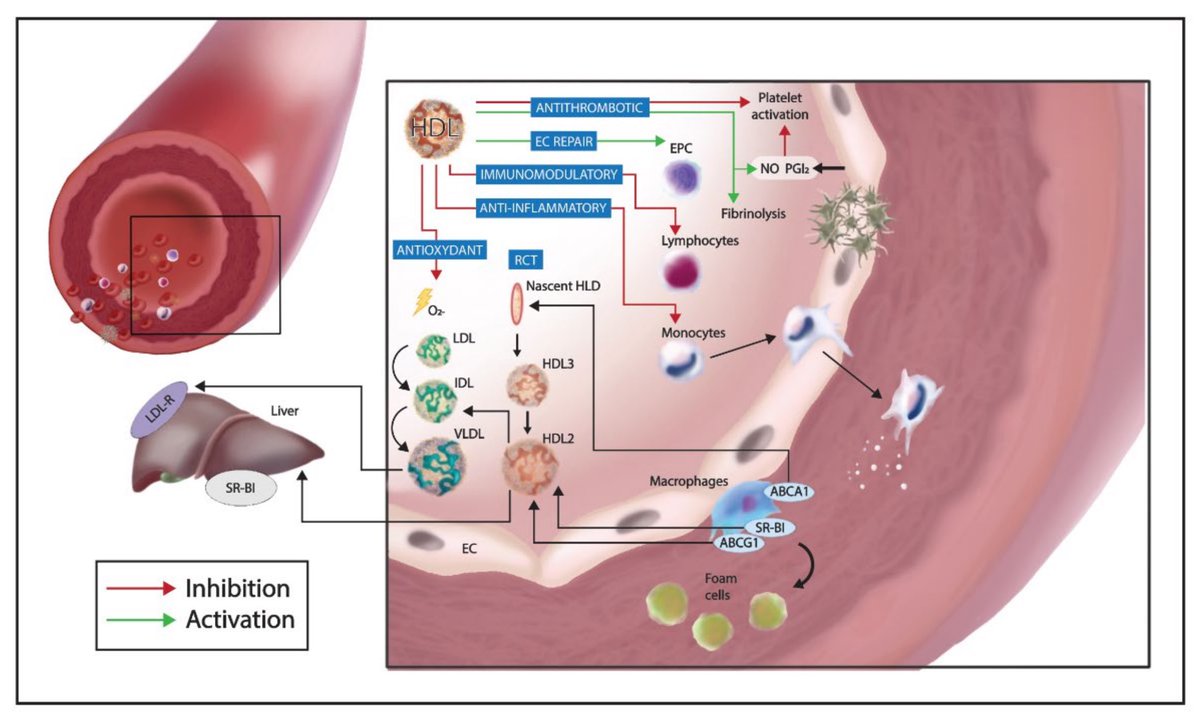
The observed correlation between diminished levels of HDL-C, the severity of COVID-19, and its prolonged course might be explained by HDL-C's function as a modulator of the immune response. 3/ Image
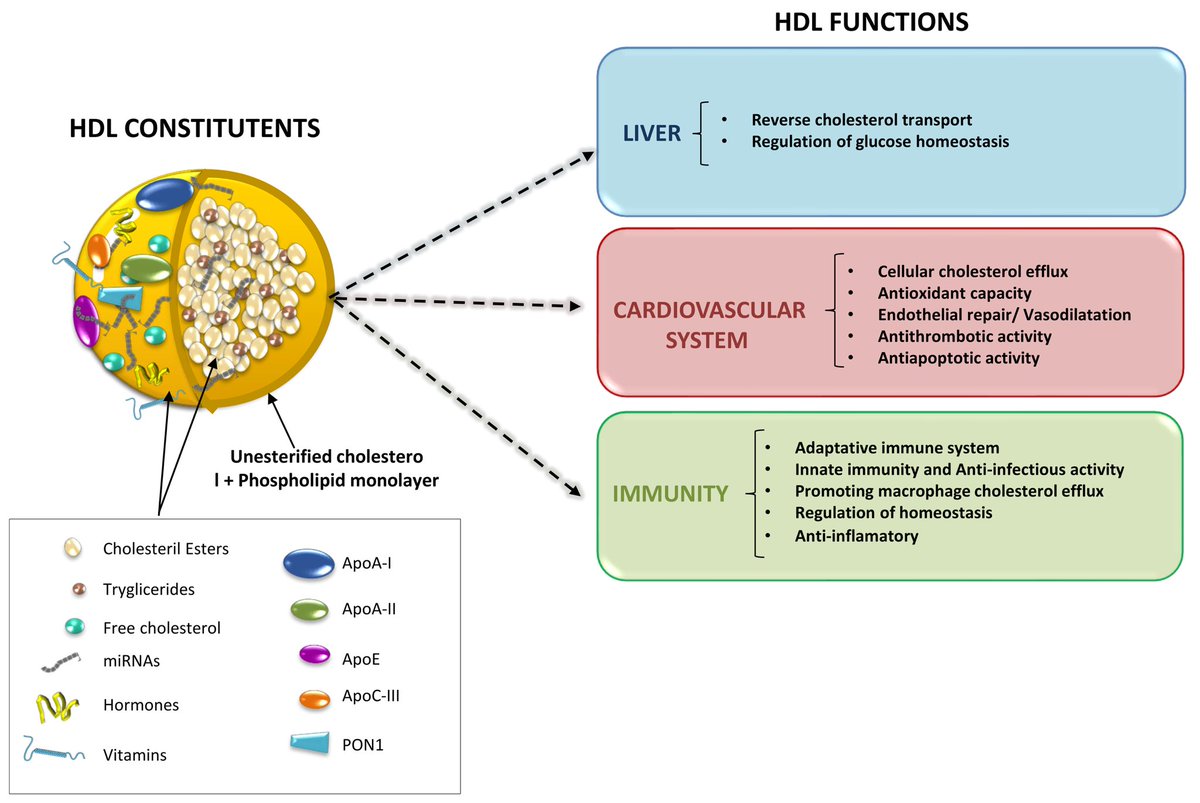
This includes its roles as an anti-inflammatory, antioxidant, and antiatherogenic agent, particularly vital during the heightened inflammatory response triggered by the virus. 4/ Image
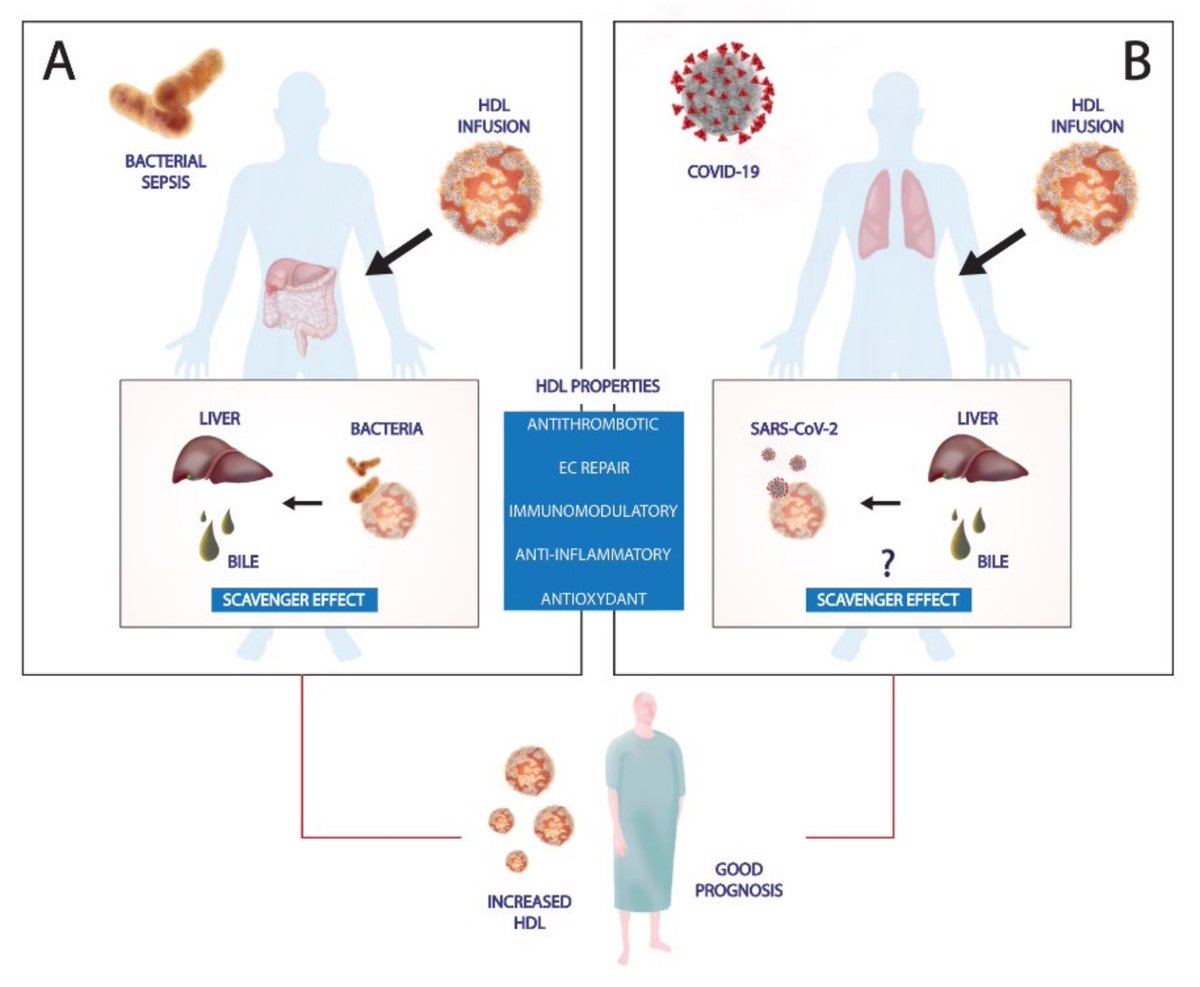
Investigating HDL-C's utility beyond its conventional role in cholesterol transport is crucial for a comprehensive understanding of COVID-19 and its secondary health effects, such as longCOVID. 5/
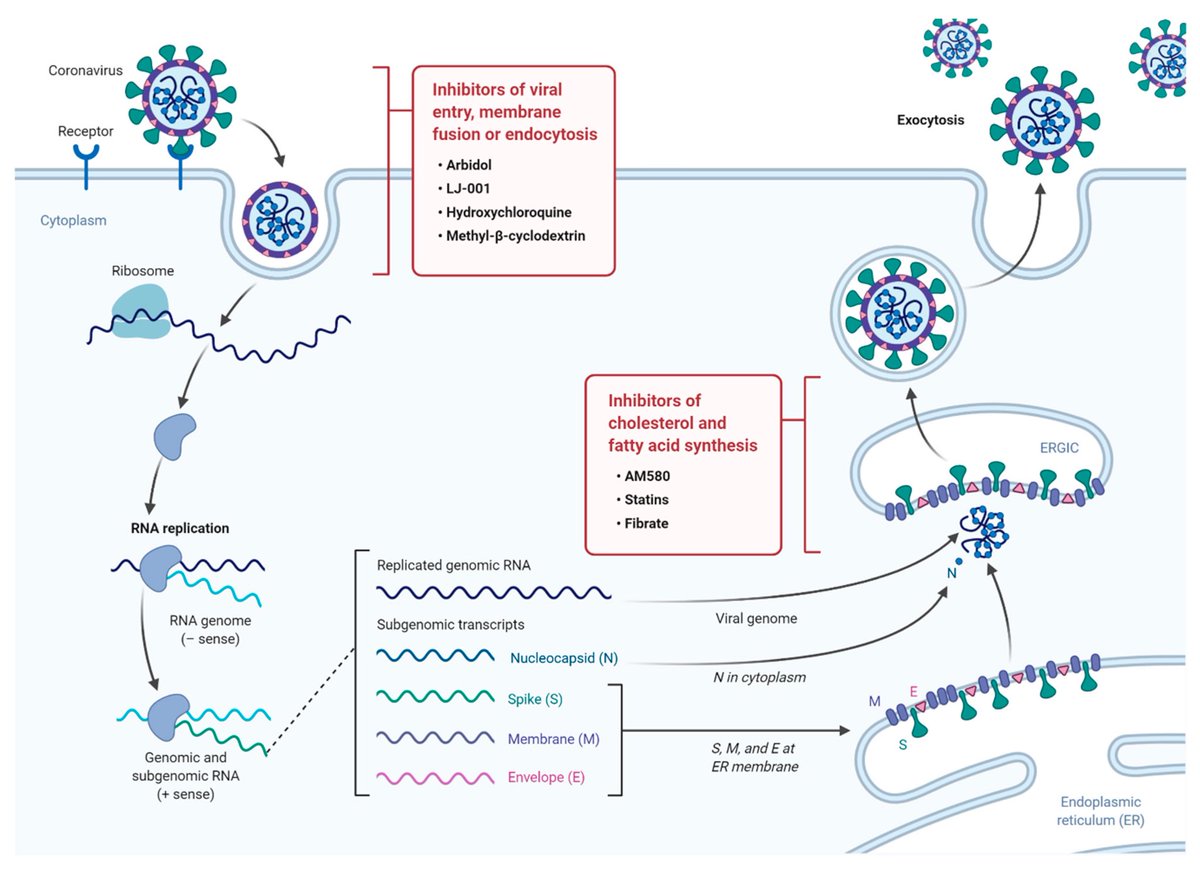
Research indicates that COVID-19 precipitates notable shifts in the host's lipid metabolism, leading to the accumulation of cellular lipid reserves. These alterations aid in the viral takeover of host cellular mechanisms, thus facilitating the progression of the infection. 6/ Image
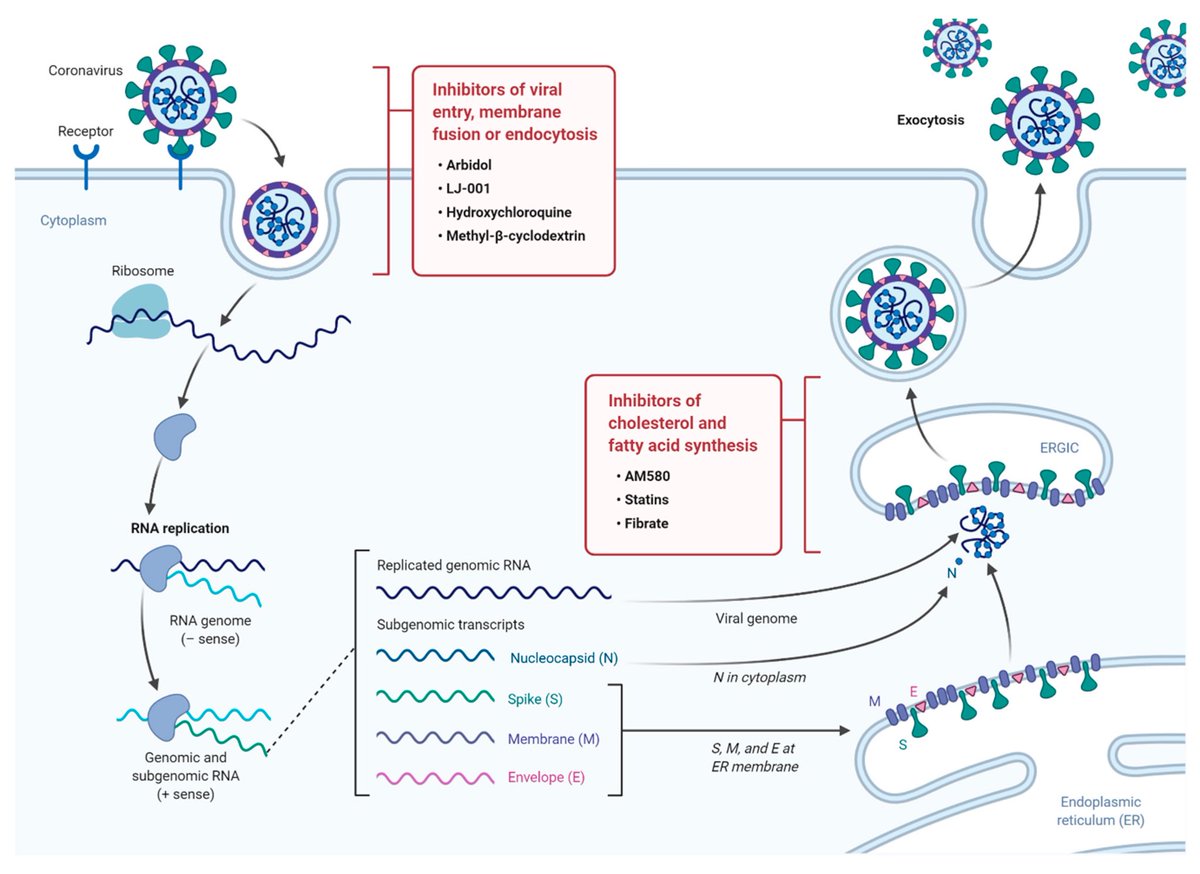
This theory gains support from laboratory evidence showing the cessation of viral replication upon the administration of small molecule lipid inhibitors, highlighting the critical dependence of the virus on host lipid resources for replication. 7/
A notable aspect of the interplay between HDL-C functionality and iron homeostasis is the process of ferroptosis, induced by lipid peroxidation and disturbed iron balance, characterized by the buildup of iron and products of lipid oxidation. 8/ Image
This leads to diminished antioxidant defense capabilities. HDL-C is influential in mitigating the detrimental effects associated with ferroptosis, underscoring the significance of maintaining balanced iron levels in COVID-19 management. 9/
These findings highlight the exacerbating effect of impaired iron regulation on COVID-19 progression, further complicated by the disrupted protective functions of HDL-C. 10/
The outcome of the "war," between the host's metabolic defenses and viral invasion strategies, axes on the control over iron and lipid resources. The SARS-CoV-2 virus strategically targets these metabolic reserves to support its replication and spread. 11/
This battle underscores the complex interaction between host metabolic pathways and viral mechanisms, emphasizing the strategic importance of iron and lipid regulation in determining the course and outcome of COVID-19 infection. 12/ Image
How does the strategic alteration of iron and HDL-C levels by a virus contribute to its underlying aim of targeting mitochondria to disrupt host defense mechanisms? 13/
In the intricate dance of viral infection, the virus employs a calculated strategy aimed directly at the heart of the host's cellular energy and defense systems—the mitochondria. 14/ Image
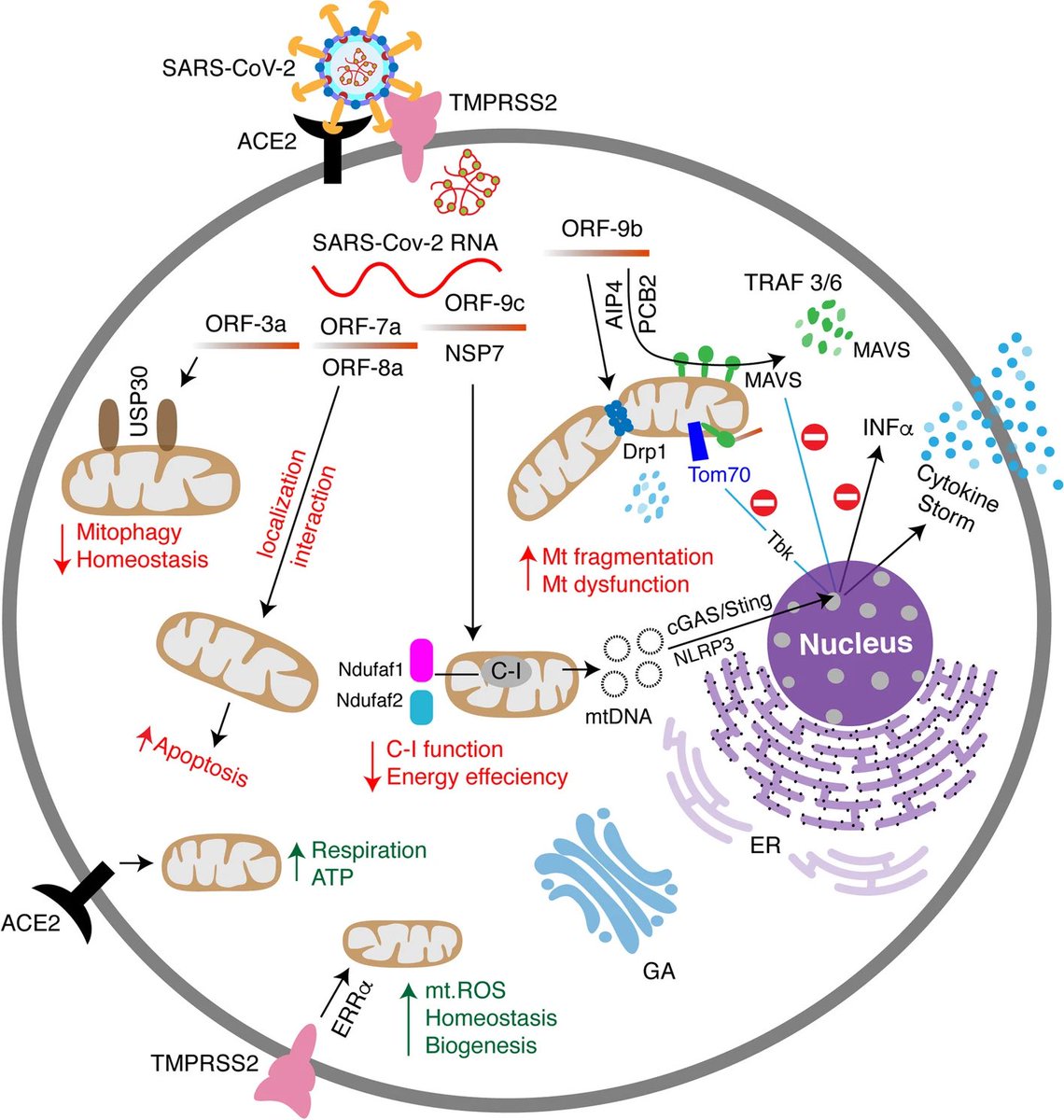
By subtly manipulating and altering the host's iron metabolism and HDL-C levels, the virus orchestrates a multifaceted attack designed to undermine mitochondrial integrity and function. 15/
This strategic disruption serves to weaken the mitochondria, a crucial step in the virus's broader aim to compromise the host's ability to mount an effective defense. Through this sophisticated mechanism of action, SARS2 ensures its survival & proliferation within the host 16/ Image
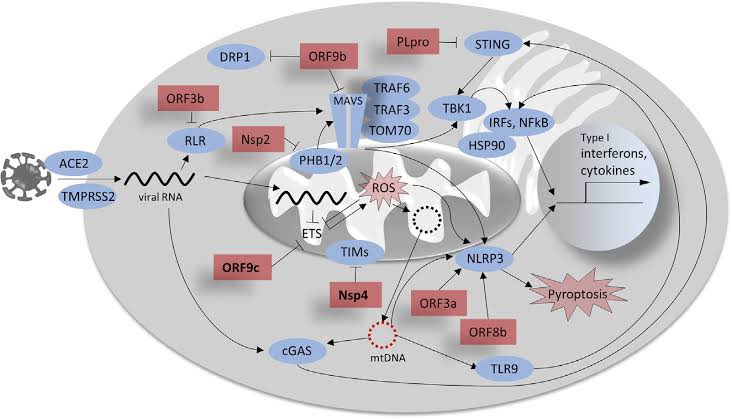
The implications of this study are broad, providing a new understanding of long COVID-19's impact on metabolic health and laying the foundation for future research and therapeutic interventions aimed at improving patient outcomes. 17/
By considering these metabolic markers, we can shape preventive strategies and significantly mitigate the long-term impacts of COVID-19 on patients' health. 18/18

sciencedirect.com/science/articl…

• • •

Missing some Tweet in this thread? You can try to force a refresh

 

Keep Current with Vipin M. Vashishtha

Vipin M. Vashishtha Profile picture

Stay in touch and get notified when new unrolls are available from this author!

Read all threads

This Thread may be Removed Anytime!

PDF

Twitter may remove this content at anytime! Save it as PDF for later use!

Try unrolling a thread yourself!

how to unroll video
  1. Follow @ThreadReaderApp to mention us!

  2. From a Twitter thread mention us with a keyword "unroll"
@threadreaderapp unroll

Practice here first or read more on our help page!

More from @vipintukur

Apr 13
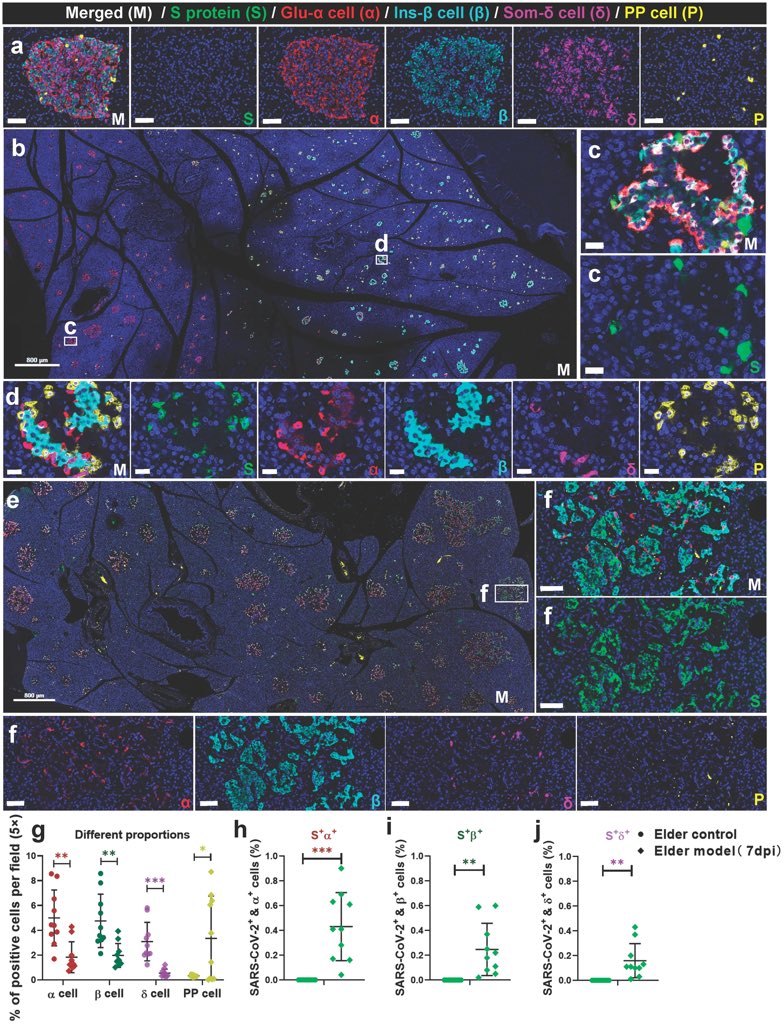
A new study on non-human primates (NHPs) finds that SARS-CoV-2 infection can lead to various levels of pancreatic impairment and dysfunctions of glucose metabolism, especially in elder NHP models. SARS-CoV-2 directly infects the pancreatic islets of NHPs 1/ Image
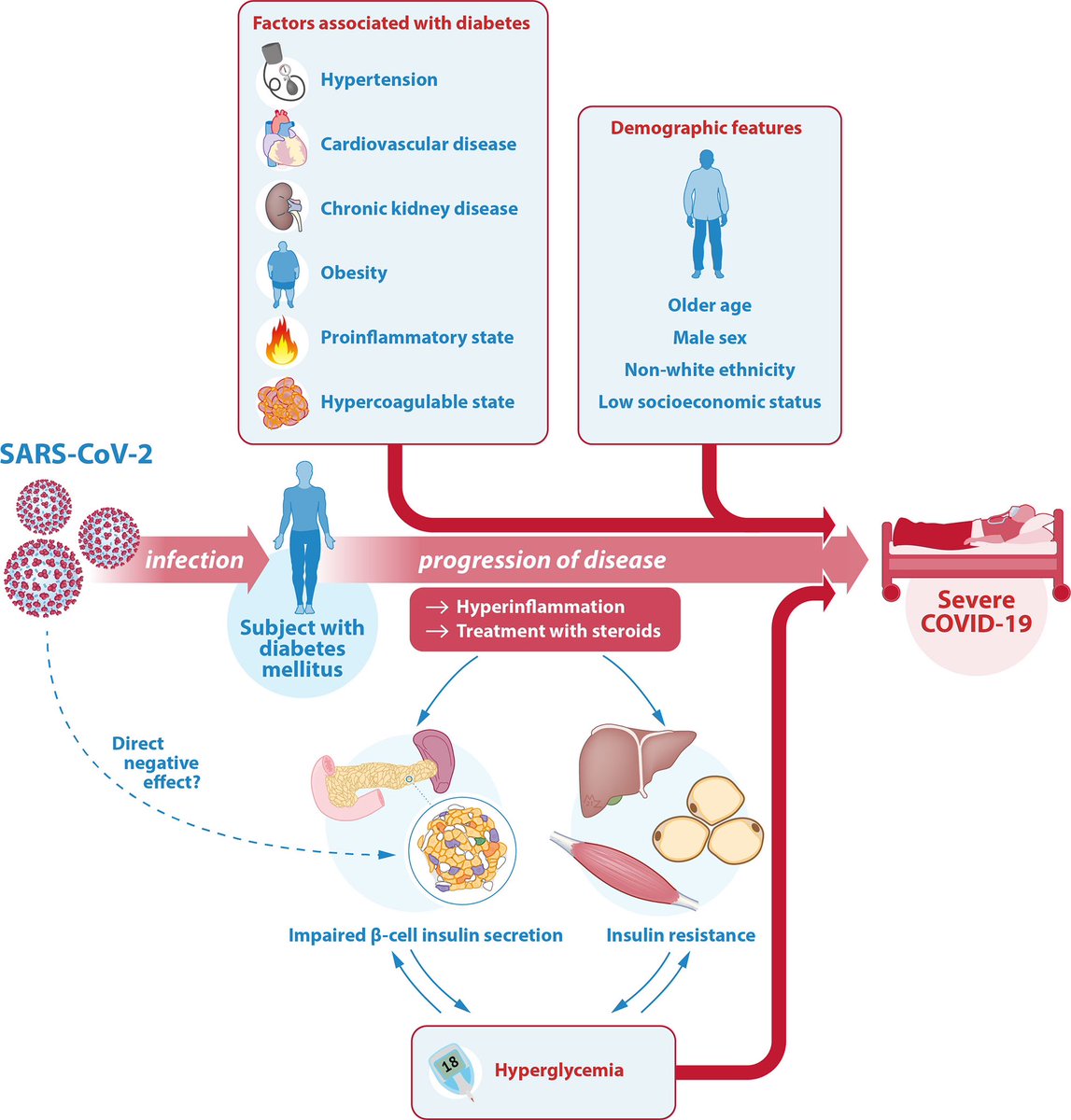
There are associations between COVID-19 infections or vaccines and dysfunction of glucose metabolism including an even higher risk of the occurrence of diabetes.
The relationship between COVID-19 and diabetes is complicated and bidirectional. 2/ Image
Researchers retrospectively analyzed pancreatic lesions in autopsy tissues from 67 SARS-CoV-2 infected non-human primates (NHPs) models and 121 vaccinated and infected NHPs from 2020 to 2023 and COVID-19 patients. 3/
Read 9 tweets
Apr 11
A new study provides the first evidence of SARS-CoV-2 ocular tropism via cells lining the blood-retinal barrier and that the virus can infect the retina via systemic permeation and induce retinal inflammation. 1/ Image
The presence of viral RNA in corneal/conjunctival tissue and tears, along with the evidence of viral entry receptors on the ocular surface, has led to speculation that the eye may serve as a potential route of SARS-CoV-2 transmission. 2/ Image
Here, researchers investigated the interaction of SARS-CoV-2 with cells lining the blood-retinal barrier (BRB) and the role of the eye in its transmission and tropism. 3/
Read 11 tweets
Apr 10
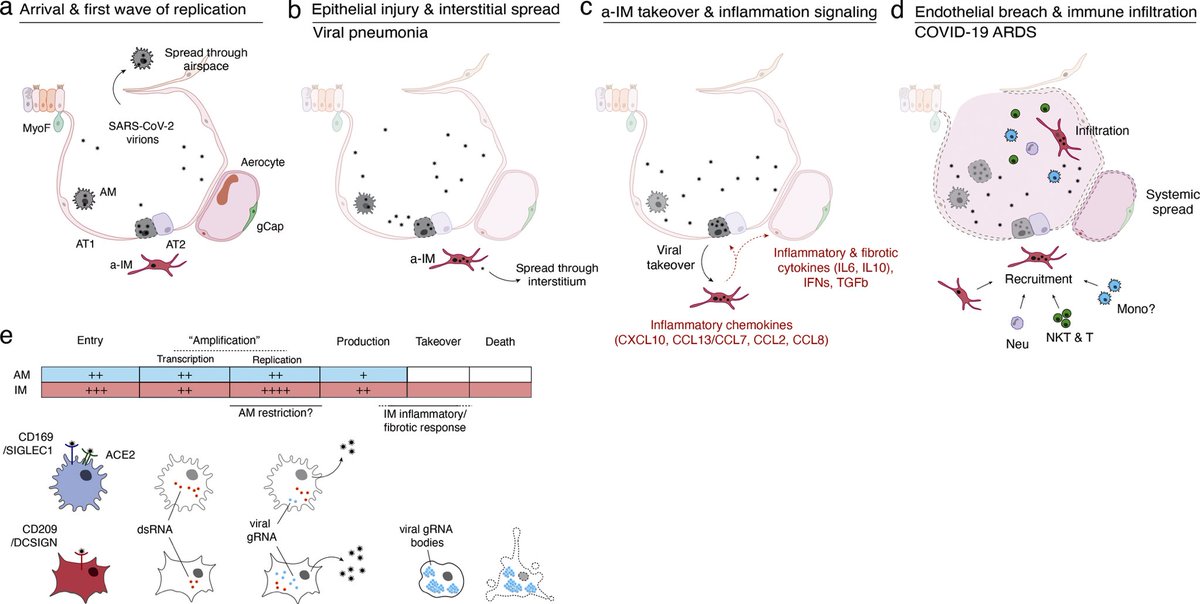
A new study finds that a previously overlooked type of immune cell, interstitial macrophage is the most susceptible cell to infection by SARS-CoV-2 that’s responsible for the critical transition from a merely bothersome COVID-19 case to a potentially deadly one! 1/ Image
What’s more, the virus enters this susceptible cell via an unexpected route. SARS-CoV-2 was not using ACE2 to get into interstitial macrophages. It enters via another receptor called CD209.

The medical consequences may be significant. 2/ Image
Interstitial macrophages (IM) are situated deep in the lungs, protecting it by viruses, bacteria, fungi & dust particles that make their way down our airways. But it’s these very cells, that of all known types of cells of lung tissue are most susceptible to infection by SARS2 3/
Image
Image
Read 26 tweets
Apr 10
A new study finds that people with #LongCOVID have distinct patterns of inflammation detectable in the blood, which could potentially be targeted with immune therapies. The findings confirm that LongCOVID leads to ongoing inflammation which can be detected in the blood. 1/ Image
In an analysis of >650 people who had been hospitalised with severe COVID, patients with prolonged symptoms showed evidence of immune system activation.
The exact pattern of this activation varied depending on the sort of symptoms they predominantly had 2/ Image
The researchers took samples of blood plasma and measured a total of 368 proteins known to be involved in inflammation and immune system modulation. 3/
Read 16 tweets
Apr 8
Can a cup of tea keep COVID away?

A recent study demonstrates that certain teas inactivate SARS-CoV-2 in saliva.
Researchers demonstrate how certain teas inactivate SARS-CoV-2 in saliva—in some cases by up to 99.9%. 1/ Image
This is important because the virus infects & replicates inside the oral cavity, passing through oropharynx before reaching lungs. Inactivating SARS-2 in the mouth & throat matters because that potentially reduces the introduction of the virus to the lower respiratory tract 2/ Image
The researchers studied 24 different types of teas. Of those, they found 5 that significantly reduced the virus in saliva: raspberry zinger, eucalyptus mint, mint medley, green tea & black tea, w/ black tea showing the greatest reduction. 3/ Image
Read 8 tweets
Apr 6
A new study confirms a strong association between #LongCOVID and cognitive impairment

The study found that the prevalence of longCOVID was 7.4% and cognitive impairment was 13.4% with both rates higher among women, aged 18-64 years. 1/ Image
Researchers also find vaccine effectiveness of 3 or more doses of mRNA Covid vaccine vs <3 was 38% for longCOVID and 35% for cognitive impairment (CI). For CI, apparent vaccine effectiveness was similar for respondents with or without longCOVID 2/ Image
However, many questions unanswered -HOW the vaccines work & if they can slow progression to Alzheimer Disease (AD)?

It is possible that a precursor protein associated with AD might be similar enough to Spike protein targeted by the vaccines to stimulate an immune response 3/ Image
Read 5 tweets

Did Thread Reader help you today?

Support us! We are indie developers!


This site is made by just two indie developers on a laptop doing marketing, support and development! Read more about the story.

Become a Premium Member ($3/month or $30/year) and get exclusive features!

Become Premium

Don't want to be a Premium member but still want to support us?

Make a small donation by buying us coffee ($5) or help with server cost ($10)

Donate via Paypal

Or Donate anonymously using crypto!

Ethereum

0xfe58350B80634f60Fa6Dc149a72b4DFbc17D341E copy

Bitcoin

3ATGMxNzCUFzxpMCHL5sWSt4DVtS8UqXpi copy

Thank you for your support!

Follow Us!

:(