𝗦𝗔𝗥𝗦-𝗖𝗢𝗩-2 𝗥𝗘𝗣𝗟𝗜𝗖𝗔𝗧𝗜𝗢𝗡 𝗶𝗻 𝘁𝗵𝗲 𝗵𝗲𝗮𝗿𝘁 𝗼𝗳 𝘁𝗵𝗲 𝗖𝗘𝗟𝗟𝗦 : 𝗚𝗢𝗟𝗚𝗜 𝗔𝗣𝗣𝗔𝗥𝗔𝗧𝗨𝗦/𝗖𝗢𝗠𝗣𝗔𝗥𝗧𝗠𝗘𝗡𝗧
(🧵 𝘔𝘦𝘨𝘢-𝘵𝘩𝘳𝘦𝘢𝘥 𝘸𝘪𝘵𝘩 4 𝘴𝘵𝘶𝘥𝘪𝘦𝘴)
During viral replication, SARS-CoV-2 enters host cells through binding with ...
(🧵 𝘔𝘦𝘨𝘢-𝘵𝘩𝘳𝘦𝘢𝘥 𝘸𝘪𝘵𝘩 4 𝘴𝘵𝘶𝘥𝘪𝘦𝘴)
During viral replication, SARS-CoV-2 enters host cells through binding with ...

2) ...receptors on the cell surface. Once inside the cell, the virus releases its genetic material, which is in the form of RNA. The viral RNA then hijacks the host cell's machinery to replicate itself.
Within the Golgi apparatus, the viral RNA is translated into viral proteins..
Within the Golgi apparatus, the viral RNA is translated into viral proteins..
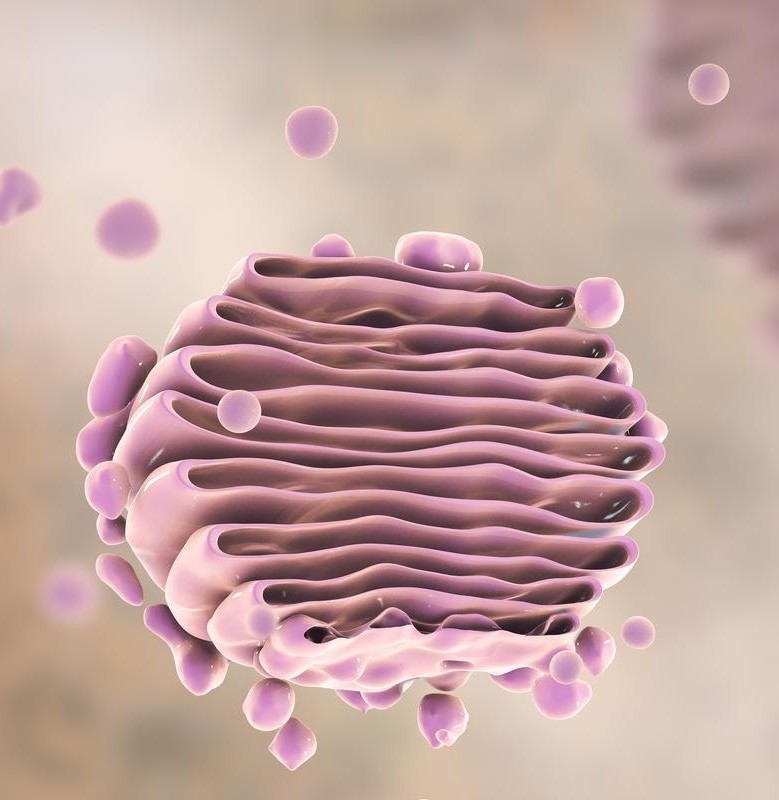
3) ... by the host cell's ribosomes. These viral proteins undergo post-translational modifications and are processed within the Golgi apparatus. The Golgi apparatus also plays a role in assembling new viral particles.
After replication and assembly, the newly formed SARS-CoV-2 ..
After replication and assembly, the newly formed SARS-CoV-2 ..

4) ...particles are transported from the Golgi apparatus to the cell surface. From there, they can be released to infect other cells or be transmitted to other individuals.
5) 1𝘀𝘁 𝘀𝘁𝘂𝗱𝘆
A brief reminder
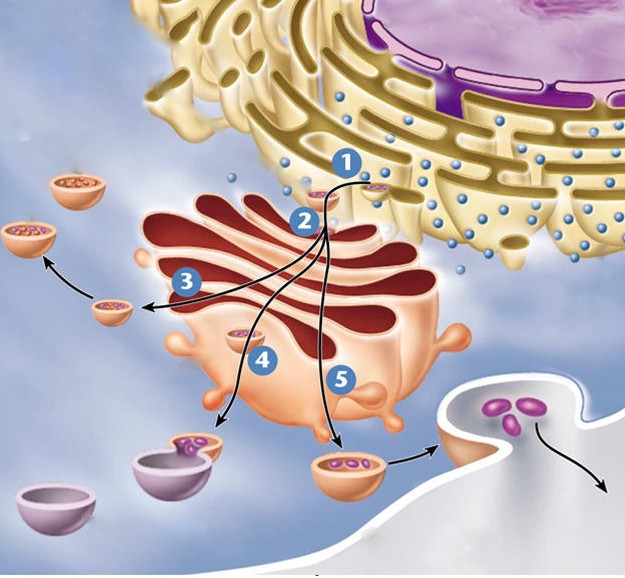
▶️ The ERGIC (ER-Golgi intermediate compartment) is located at the interface between the endoplasmic reticulum (ER) and Golgi apparatus. It acts as a sorting station between these two organelles.
▶️ The Golgi apparatus is located in the cell
A brief reminder
▶️ The ERGIC (ER-Golgi intermediate compartment) is located at the interface between the endoplasmic reticulum (ER) and Golgi apparatus. It acts as a sorting station between these two organelles.
▶️ The Golgi apparatus is located in the cell
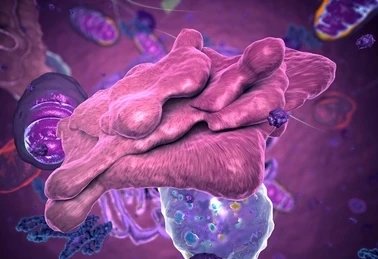
6) ... cytoplasm near the nucleus. It consists of stacks of flattened membrane sacs called cisternae.
In this study,
Virion-transporting vesicles and pits at the plasma membrane were found to be coated with proteins. biorxiv.org/content/10.110…
In this study,
Virion-transporting vesicles and pits at the plasma membrane were found to be coated with proteins. biorxiv.org/content/10.110…
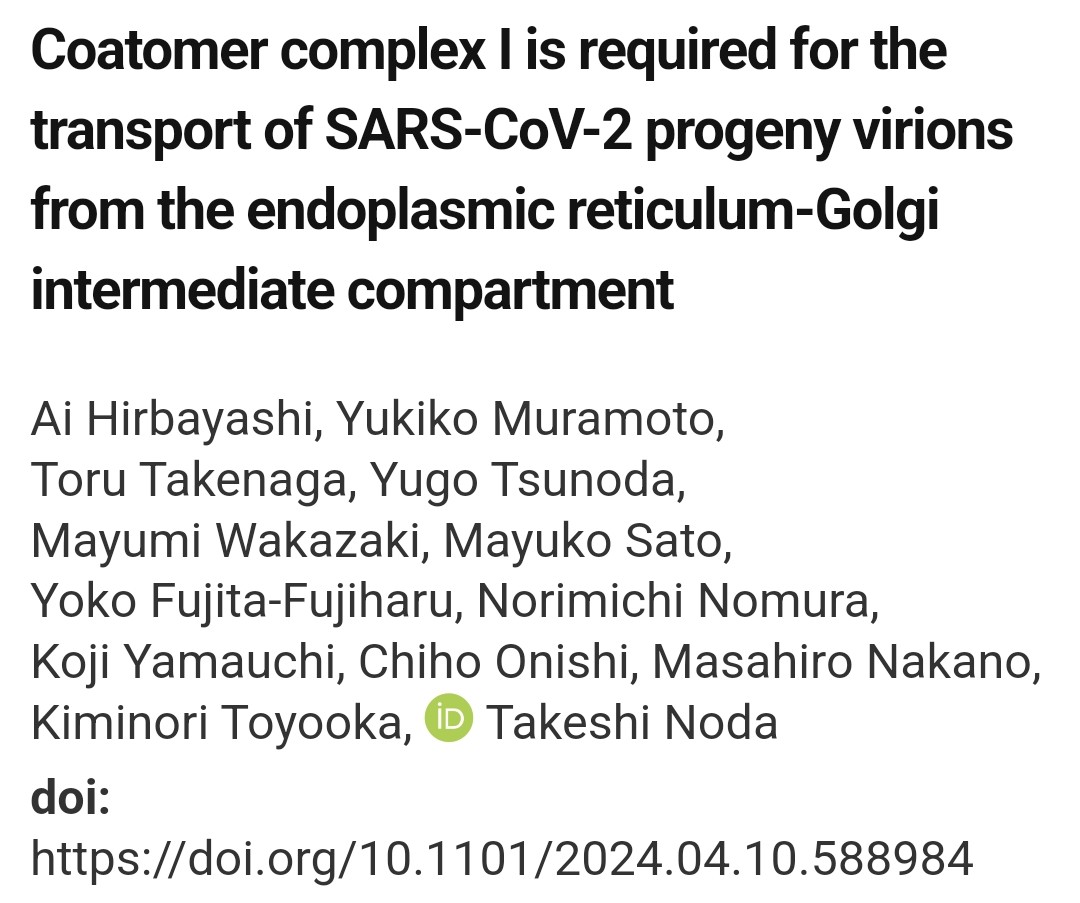
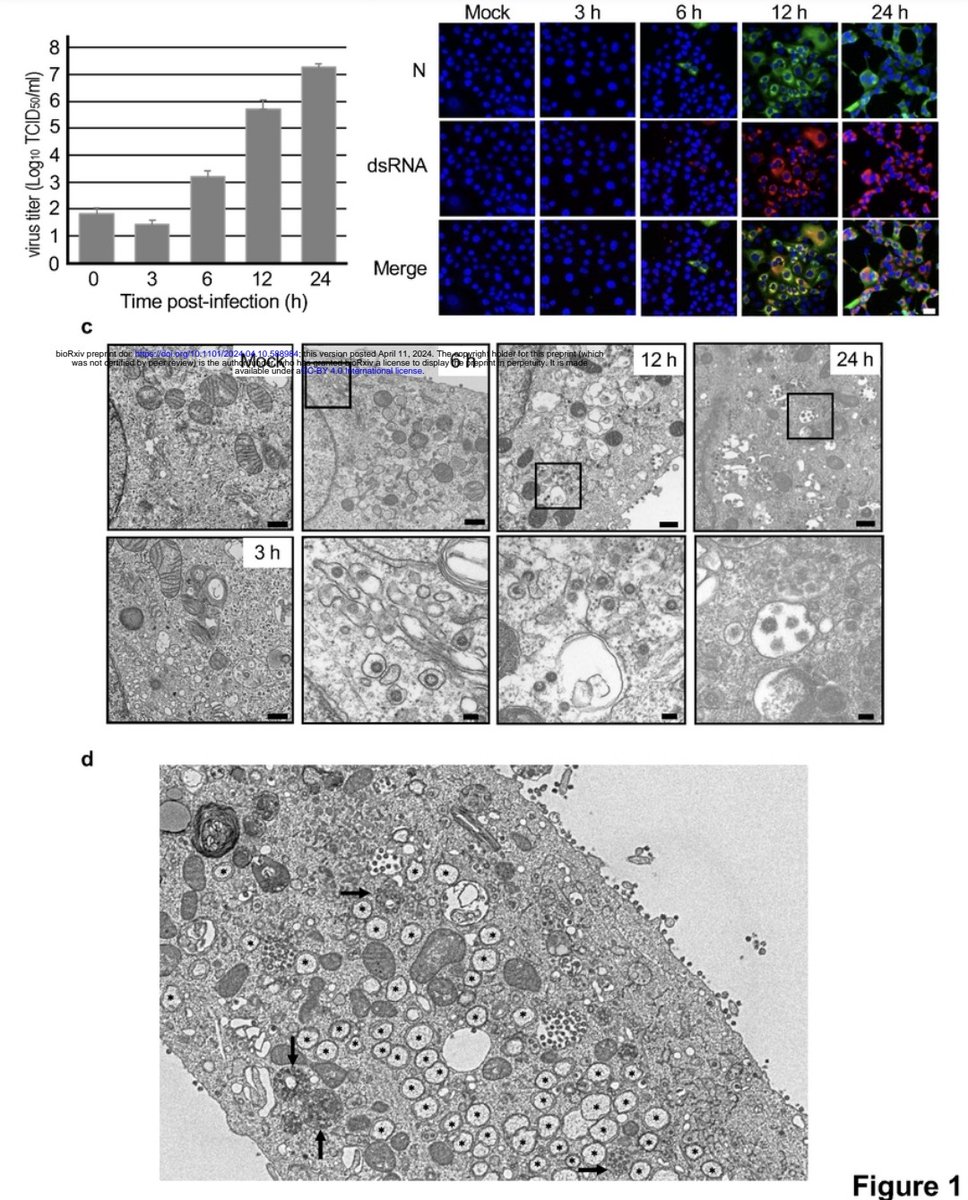
7) Immunofluorescence and electron microscopy showed the coat protein was coatomer complex I (COPI).
The results identify COPI as critical for facilitating transport of virions from the ERGIC, revealing a novel role for COPI in the SARS-CoV-2 life cycle.
The results identify COPI as critical for facilitating transport of virions from the ERGIC, revealing a novel role for COPI in the SARS-CoV-2 life cycle.
8) 𝘐'𝘮 𝘴𝘰𝘳𝘳𝘺 𝘣𝘦𝘤𝘢𝘶𝘴𝘦 𝘟/𝘛𝘸𝘪𝘵𝘵𝘦𝘳 𝘤𝘳𝘢𝘴𝘩𝘦𝘴 𝘴𝘦𝘷𝘦𝘳𝘢𝘭 𝘵𝘪𝘮𝘦𝘴 𝘤𝘢𝘶𝘴𝘪𝘯𝘨 𝘮𝘦 𝘵𝘰 𝘭𝘰𝘴𝘦 𝘴𝘦𝘷𝘦𝘳𝘢𝘭 𝘩𝘰𝘶𝘳𝘴 𝘰𝘧 𝘸𝘰𝘳𝘬. 𝘐 𝘸𝘪𝘭𝘭 𝘱𝘰𝘴𝘵 𝘵𝘩𝘦 𝘳𝘦𝘴𝘵 𝘸𝘩𝘦𝘯 𝘵𝘩𝘦 𝘴𝘺𝘴𝘵𝘦𝘮 𝘪𝘴 𝘴𝘵𝘢𝘣𝘭𝘦 𝘢𝘨𝘢𝘪𝘯. 🤷♂️
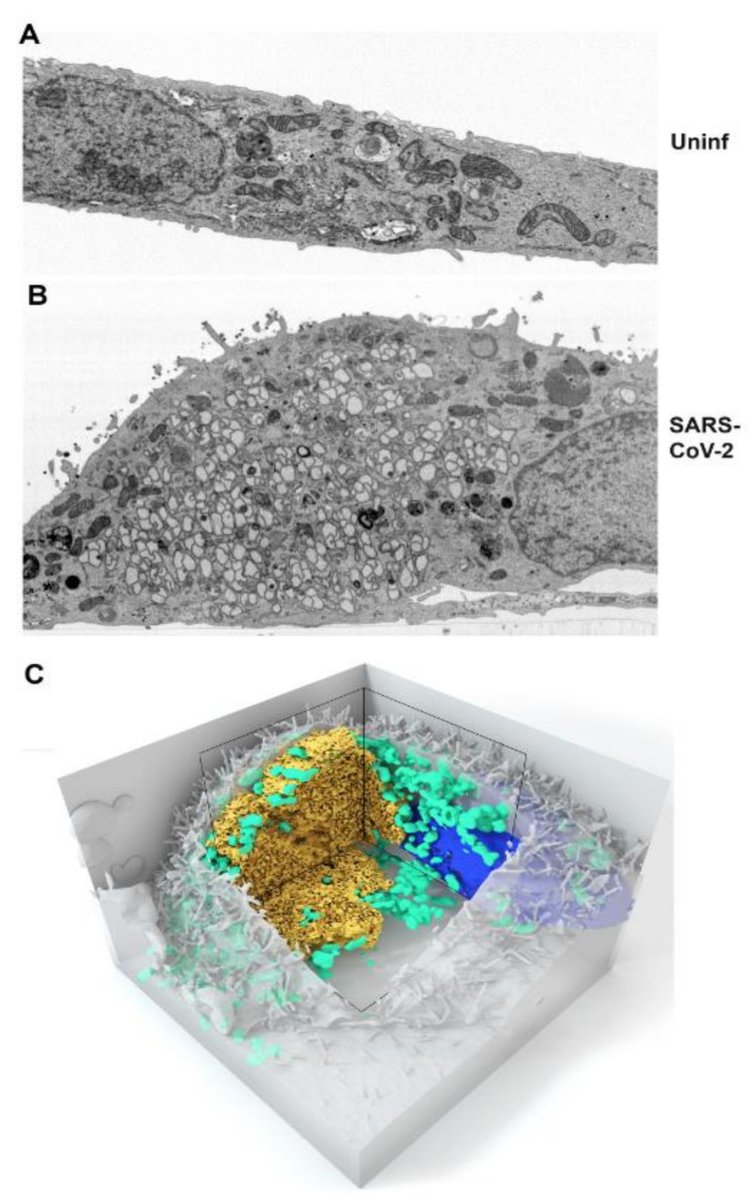
9) 2𝗻𝗱 𝘀𝘁𝘂𝗱𝘆 with one of the most fascinating videos I have seen which describes the observation of complex interconnected membrane structures that are visibly connected to a membrane derived from the endoplasmic reticulum (ER).
10) The 3D rendering demonstrates the accumulation of mitochondria at the outer edges of the replication complex.
ncbi.nlm.nih.gov/pmc/articles/P…
ncbi.nlm.nih.gov/pmc/articles/P…
• • •
Missing some Tweet in this thread? You can try to
force a refresh