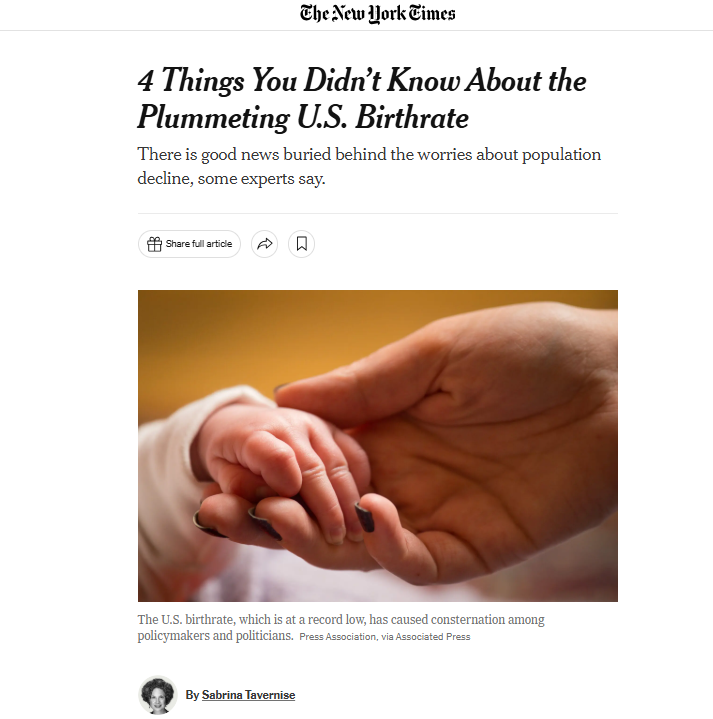
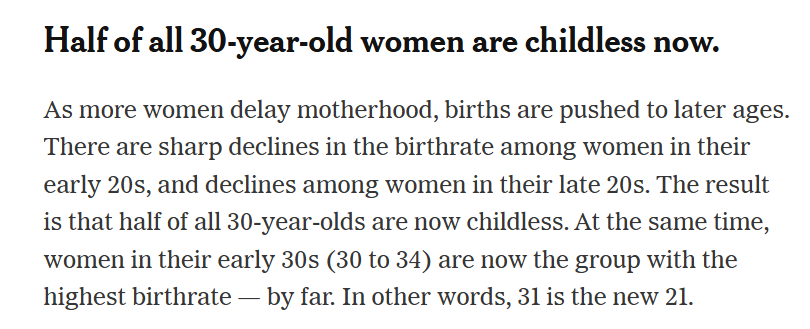
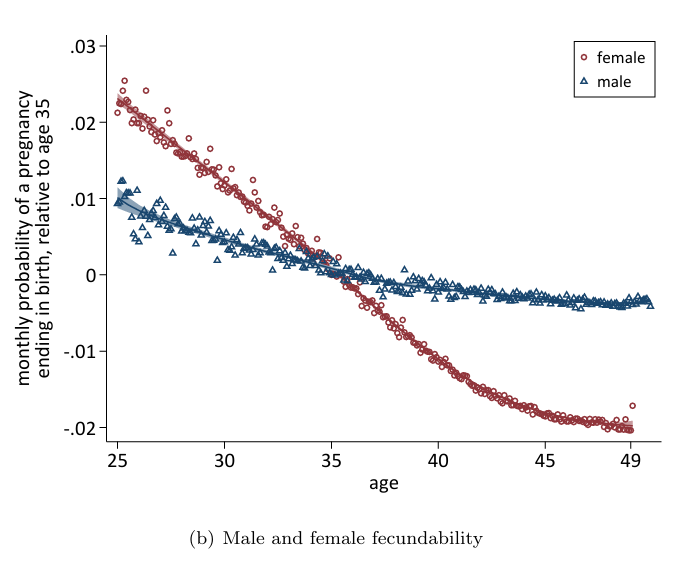
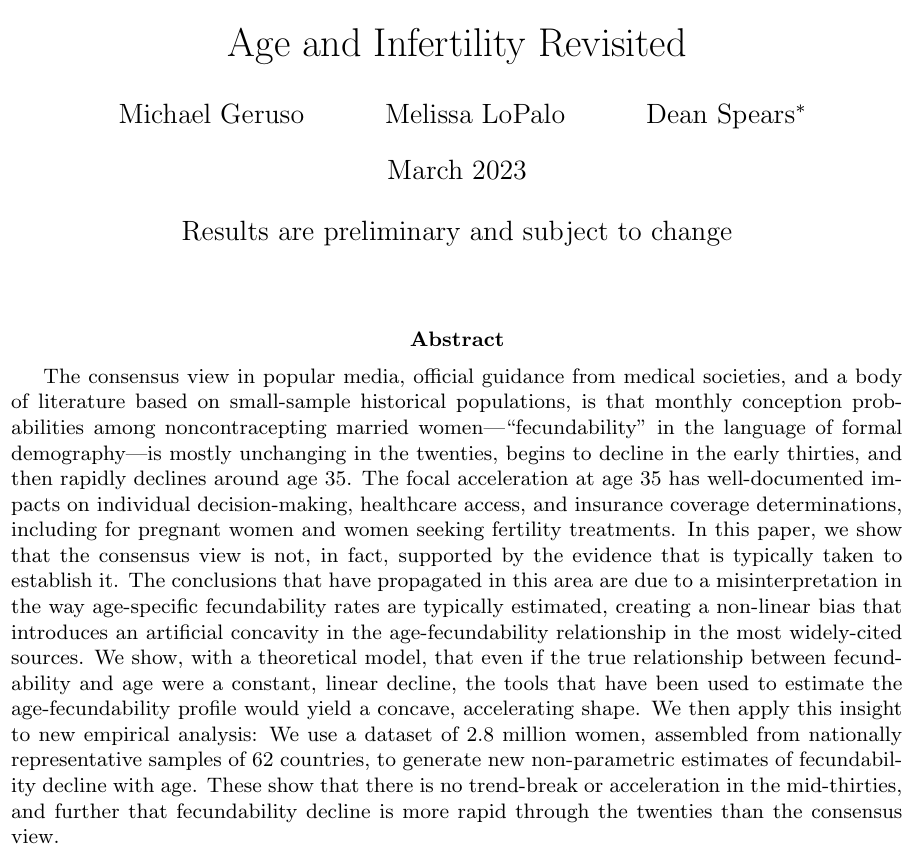
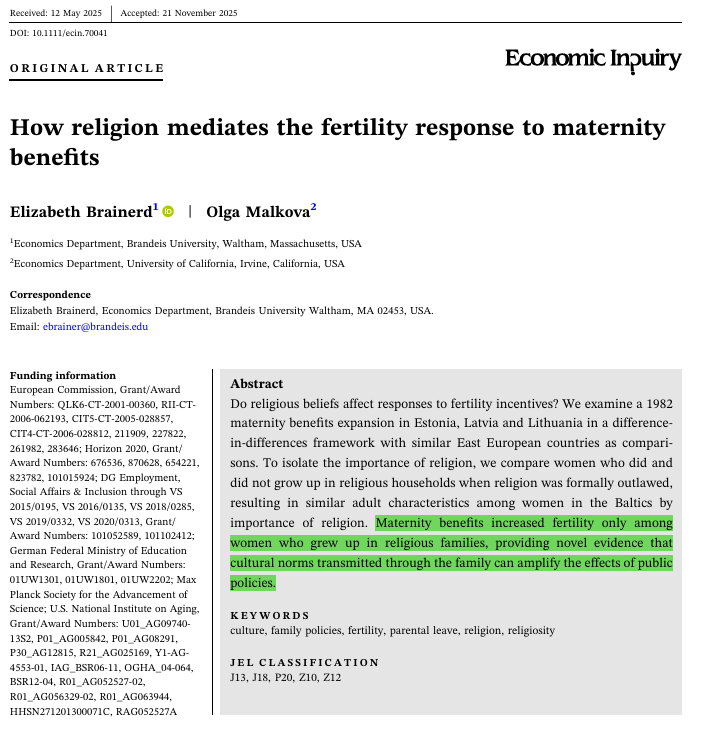
The low fertility crisis is solvable, even though things look pretty bleak these days. Why be optimistic?
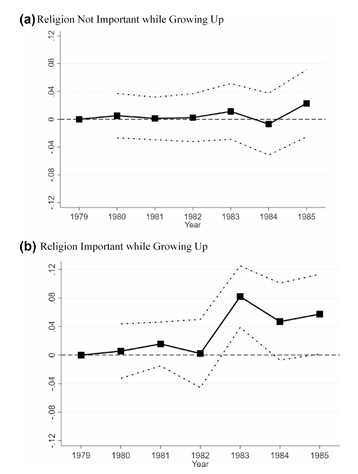
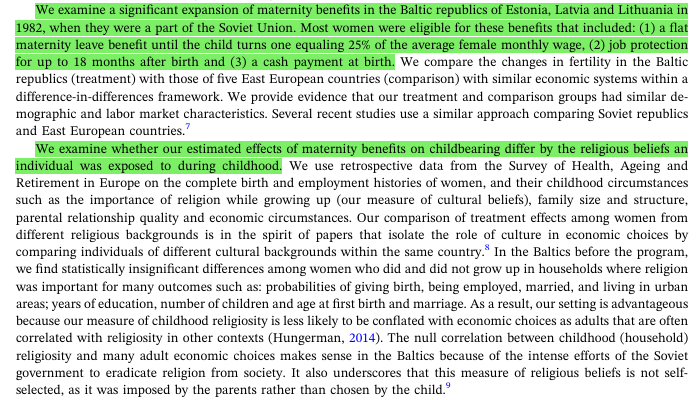
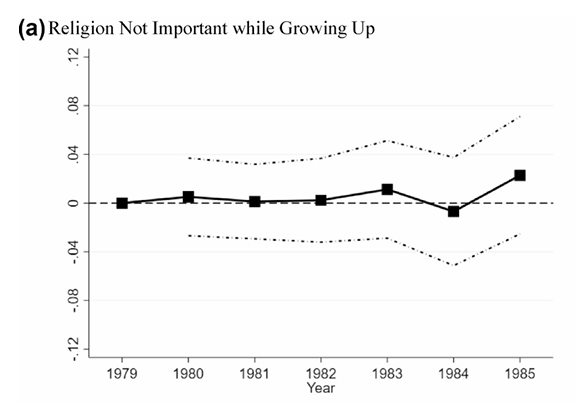
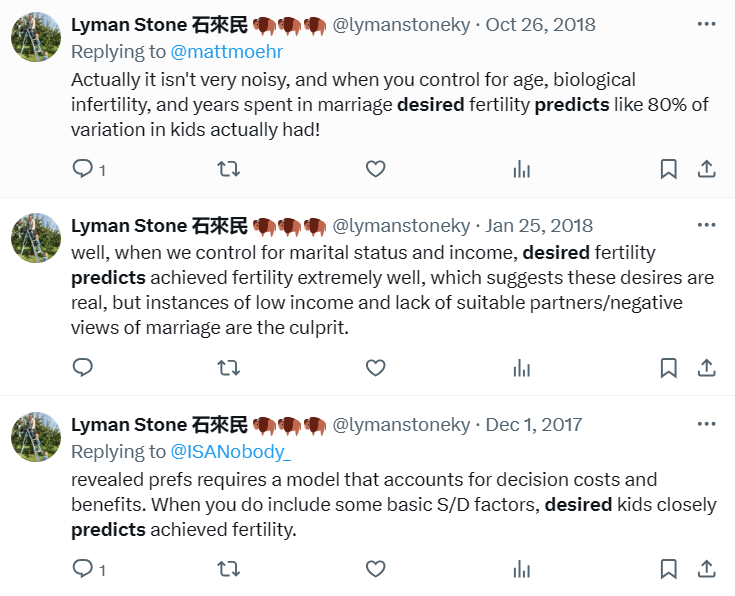
The single biggest 👶 factor is pro-natal belief and desired fertility.
And we know from history that we can change those values and turn things around. 🧵, please share!

The single biggest 👶 factor is pro-natal belief and desired fertility.
And we know from history that we can change those values and turn things around. 🧵, please share!
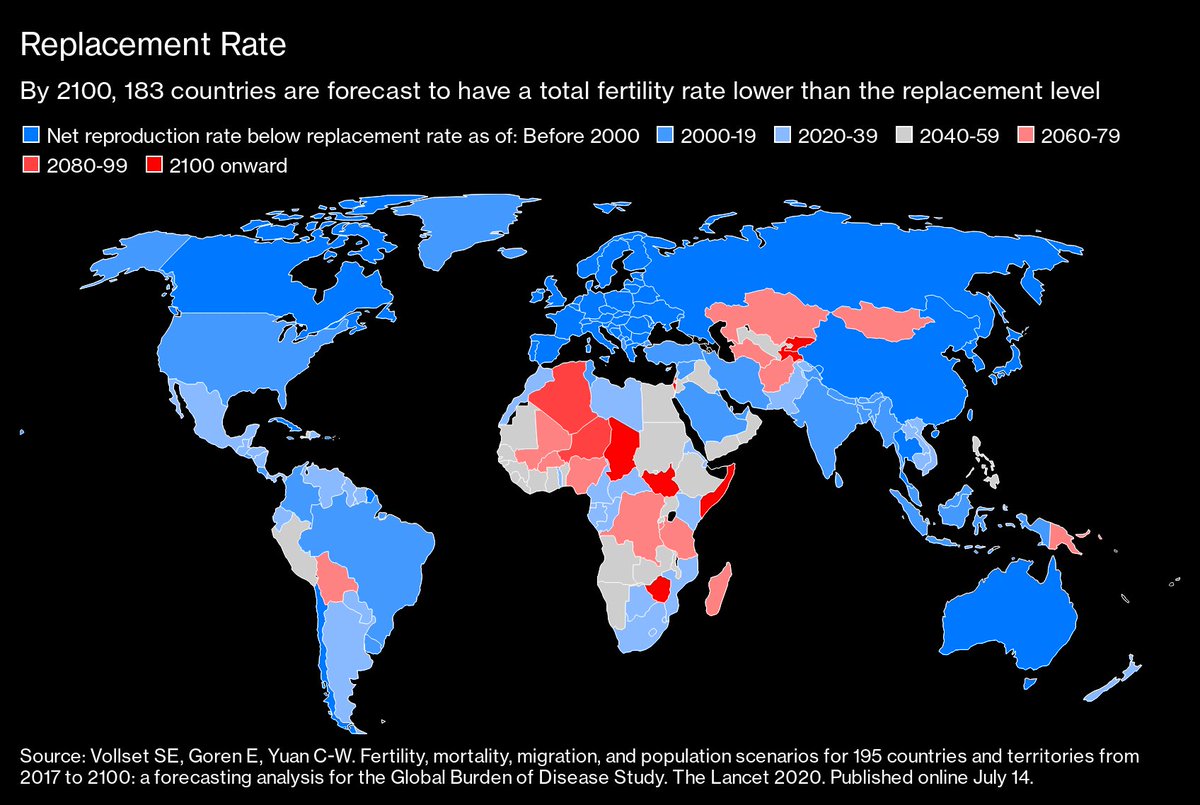
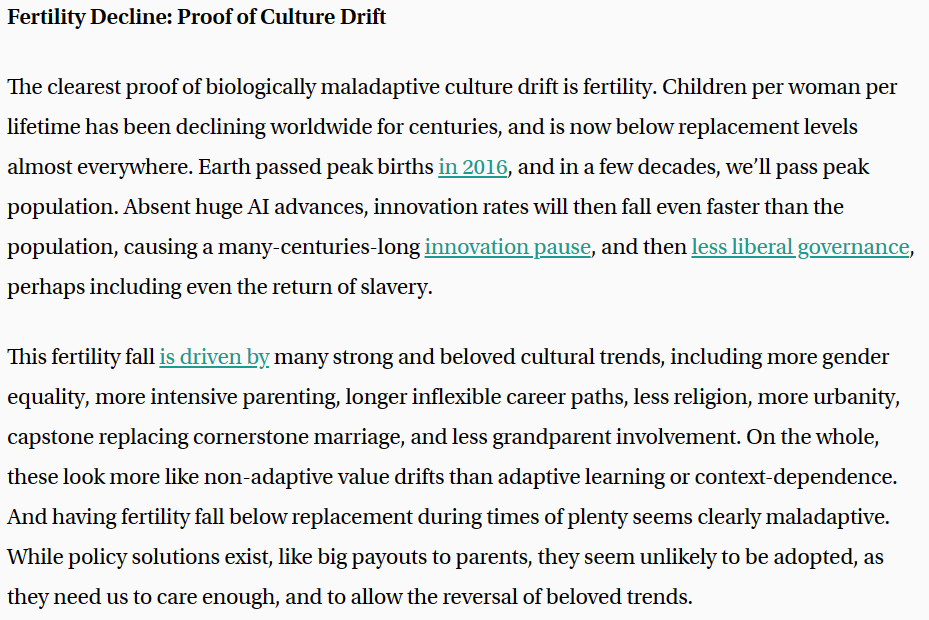
As @robinhanson recently explained in a widely read essay, there is a global 'monoculture' that has brought fertility rates down all over the world.
But if that can happen, can't values shift in the other direction too, and give us a more pro-natal 🌎 culture? 2/11
But if that can happen, can't values shift in the other direction too, and give us a more pro-natal 🌎 culture? 2/11


Let's look at some examples that show the dramatic impact that values can have on the fertility. First up, France.
🇫🇷 went from having the lowest fertility rate in Europe in the 1800s to having the highest today. What happened? 3/11
🇫🇷 went from having the lowest fertility rate in Europe in the 1800s to having the highest today. What happened? 3/11
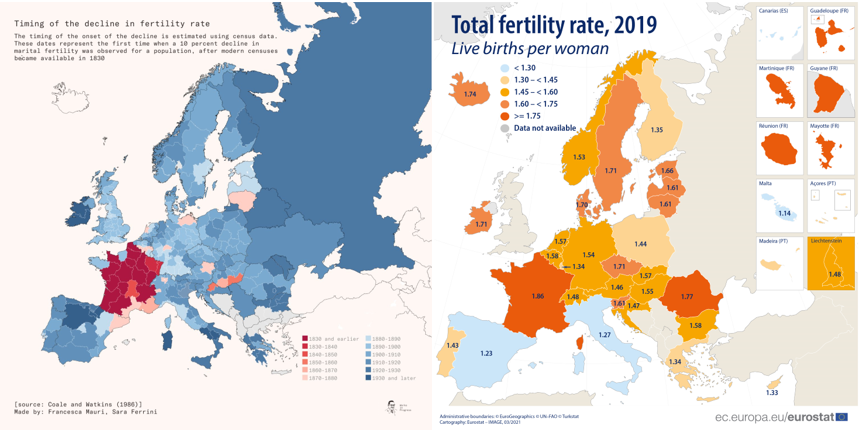
After the French Revolution, a turn toward secularization saw 🇫🇷 birthrates crash far below the rest of Europe.
Then following humiliating defeats in both world wars, French leadership became continuously pro-natal, both in words and policy. That has made a big difference! 4/11
Then following humiliating defeats in both world wars, French leadership became continuously pro-natal, both in words and policy. That has made a big difference! 4/11

Next example, Mongolia. In Outer Mongolia (what we think of as 🇲🇳 today) TFR is around 2.7 births/woman while in adjacent Inner Mongolia (part of China) it is 0.75 (similar GDP)!
Why? 🇲🇳 in the Soviet sphere had pronatal influence while Inner Mongolia in 🇨🇳 had the opposite. 5/11
Why? 🇲🇳 in the Soviet sphere had pronatal influence while Inner Mongolia in 🇨🇳 had the opposite. 5/11

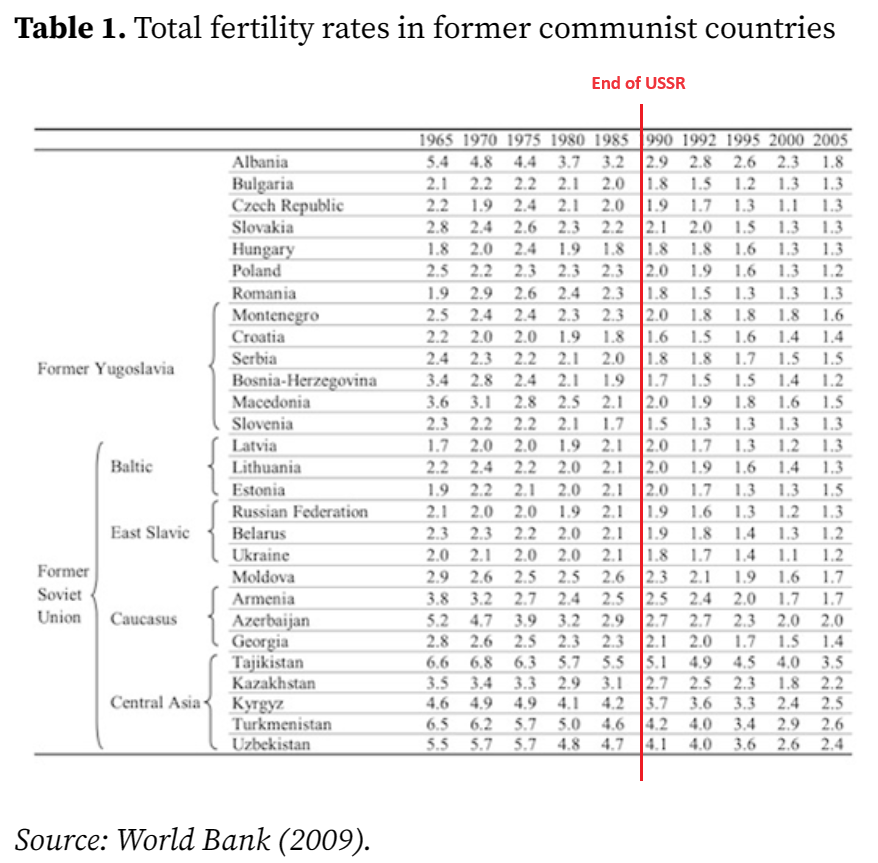
Talking about the Soviet sphere, the USSR urged women to have more children and gave out awards (Order of Maternal Glory, shown). No fan of Communism here, but there is something to be learned.
After 1989 when the pro-natal messages stopped, fertility rates plunged. 6/11
After 1989 when the pro-natal messages stopped, fertility rates plunged. 6/11

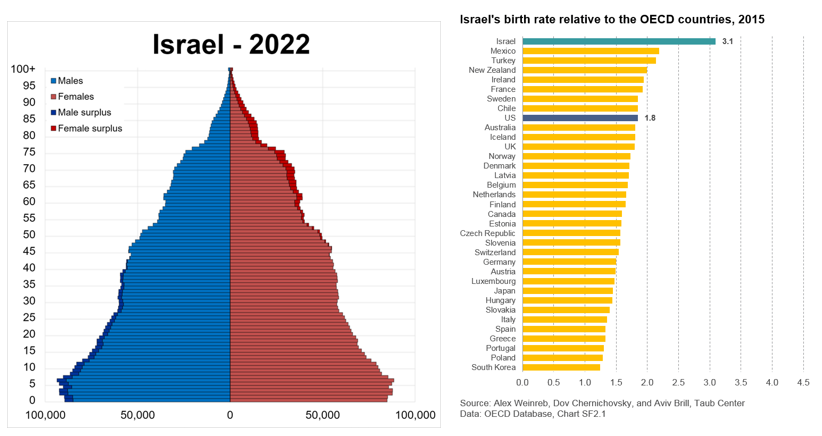
Next, a look at Israel.
Everyone knows 🇮🇱 has the highest TFR in the OECD.
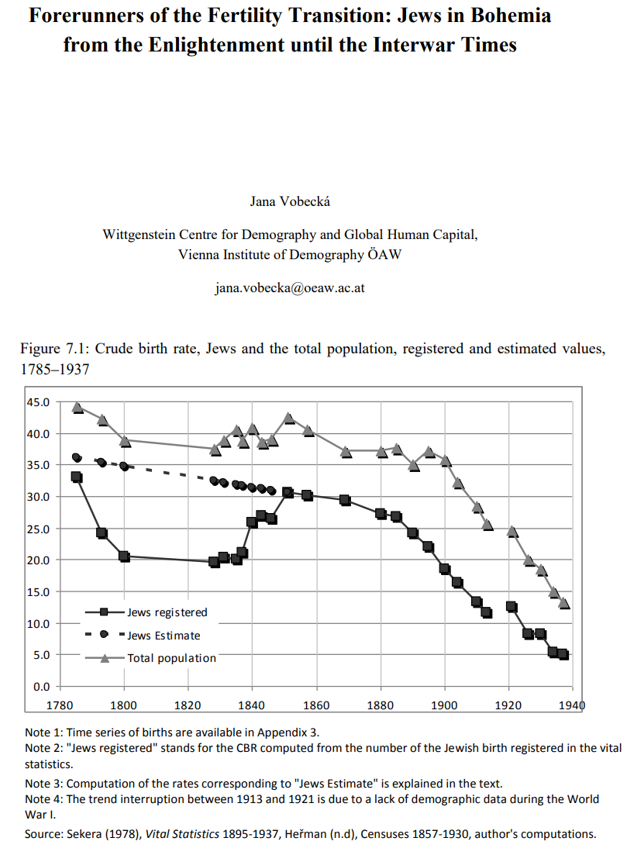
But how many know that Jewish birth rates in Europe prior to WWII were very low?
Israel's high fertility is not coincidence. It is intentional pronatalism borne of a will to survive after tragedy. 7/11
Everyone knows 🇮🇱 has the highest TFR in the OECD.
But how many know that Jewish birth rates in Europe prior to WWII were very low?
Israel's high fertility is not coincidence. It is intentional pronatalism borne of a will to survive after tragedy. 7/11
Looking at low birth rates around the world, these are not happenstance either.
The ultra-low fertility rates seen in East Asia are due in part to a history of explicitly anti-natal propaganda, as I have often written. 8/11
The ultra-low fertility rates seen in East Asia are due in part to a history of explicitly anti-natal propaganda, as I have often written. 8/11
https://x.com/MoreBirths/status/1761807364674429303
Understanding how much values matter for birth rates in either direction, it is no mystery why the religious have higher fertility rates almost everywhere.
Most faith traditions are infused with pro-natal beliefs, which strongly impacts attenders. 9/11
Most faith traditions are infused with pro-natal beliefs, which strongly impacts attenders. 9/11
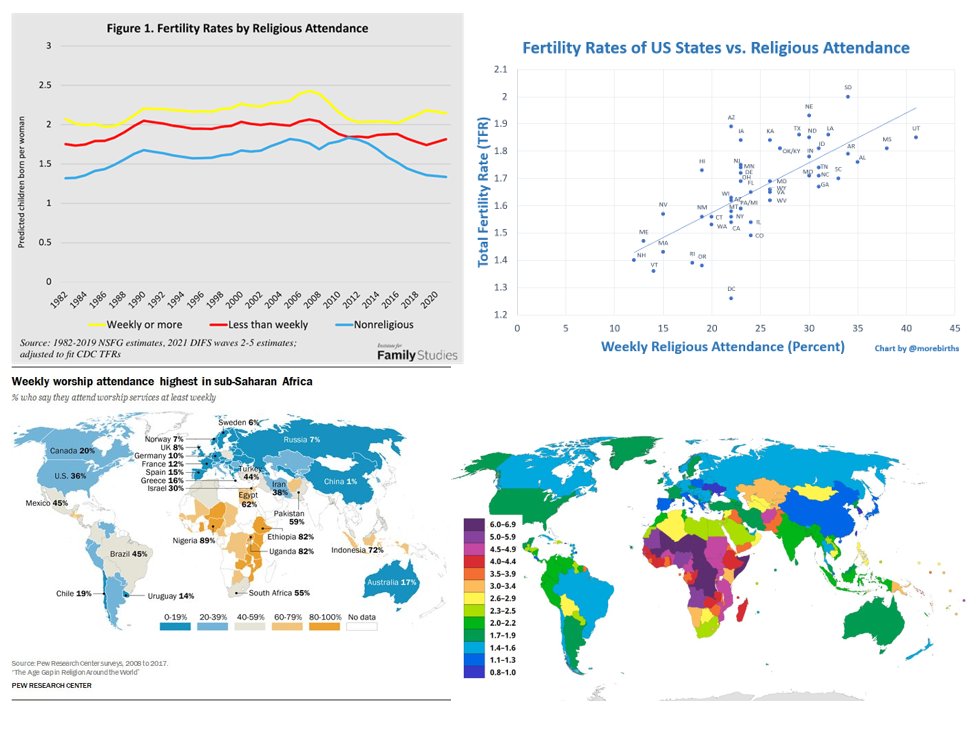
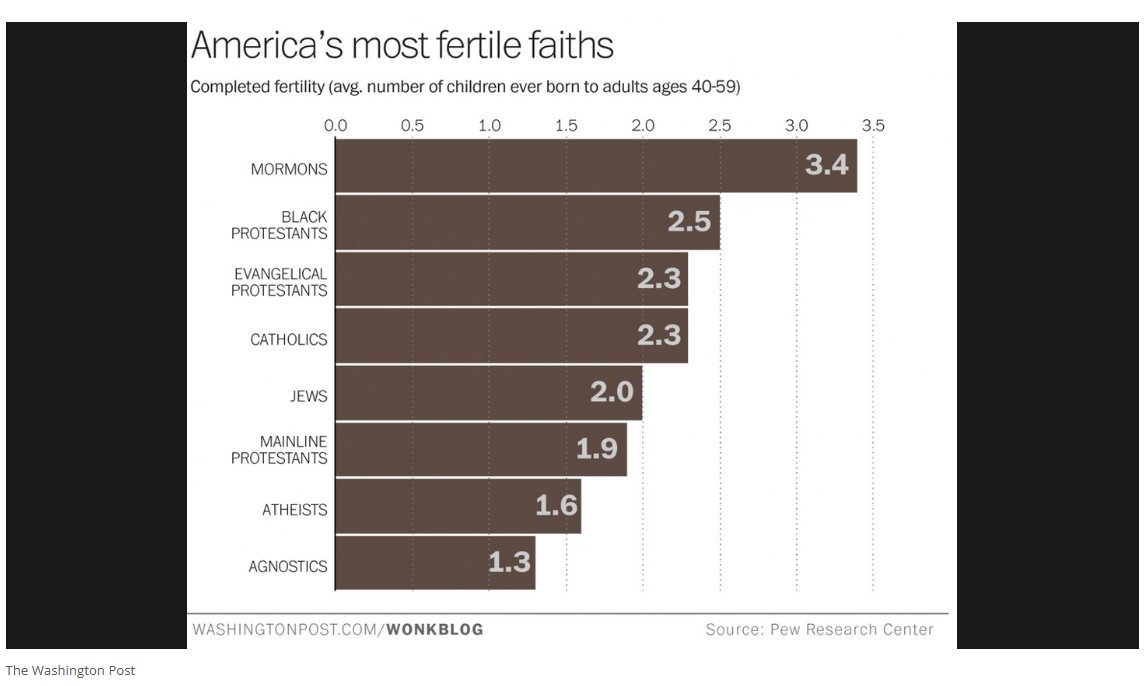
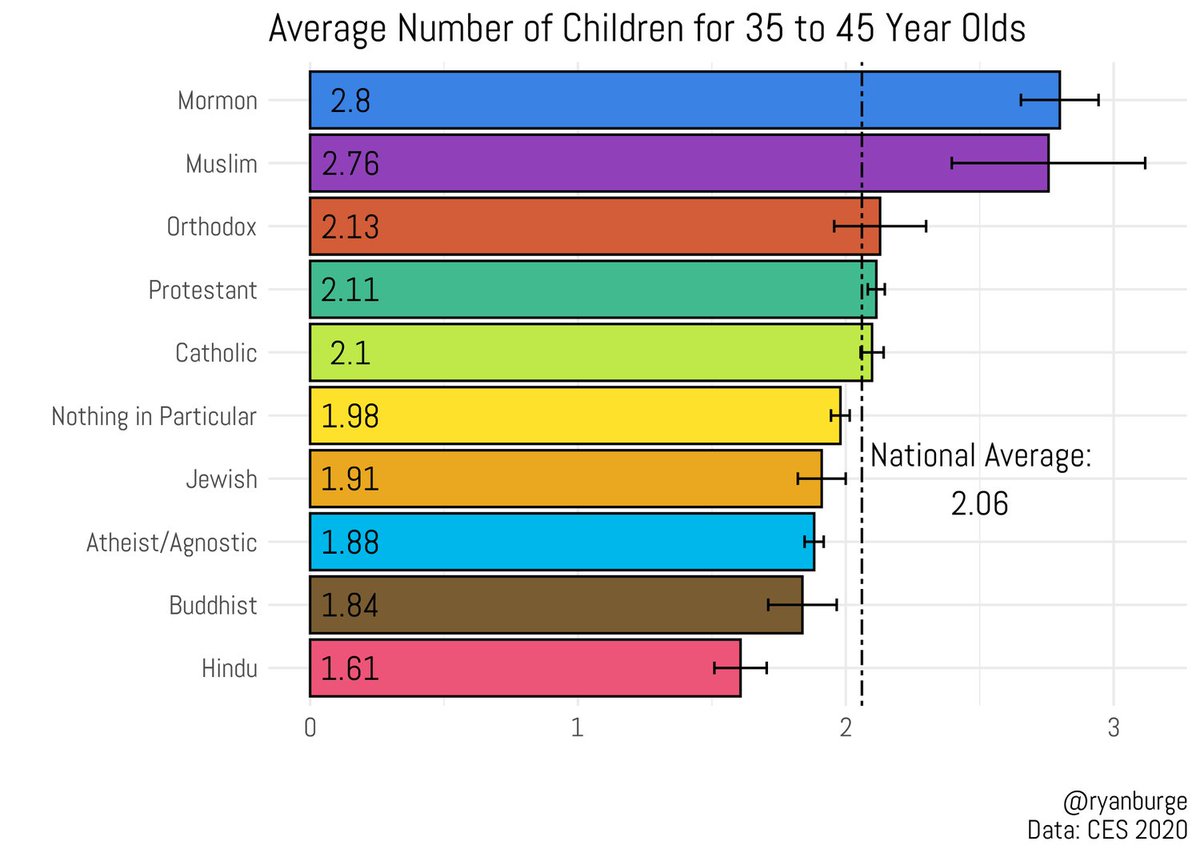
But not all faiths have high fertility. It matters what the natalist vibe is within that faith.
Abrahamic faiths tend to be pro-natal. Buddhism? Not so much.
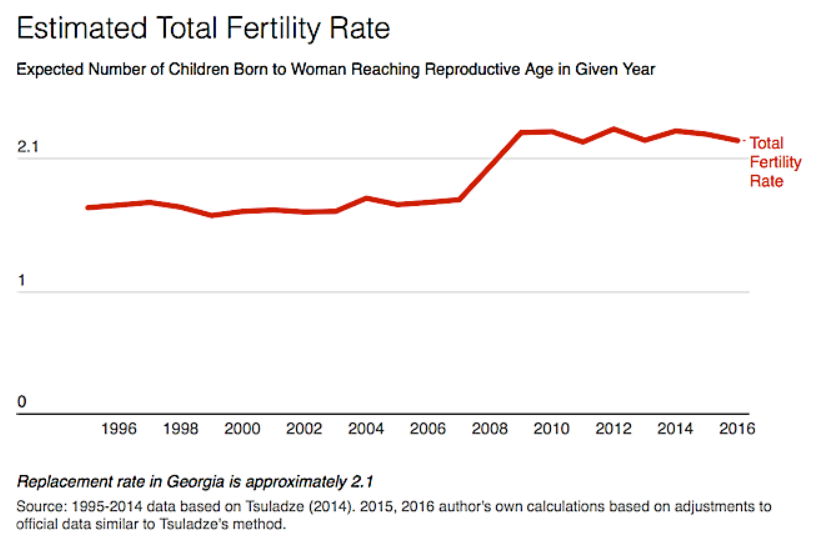
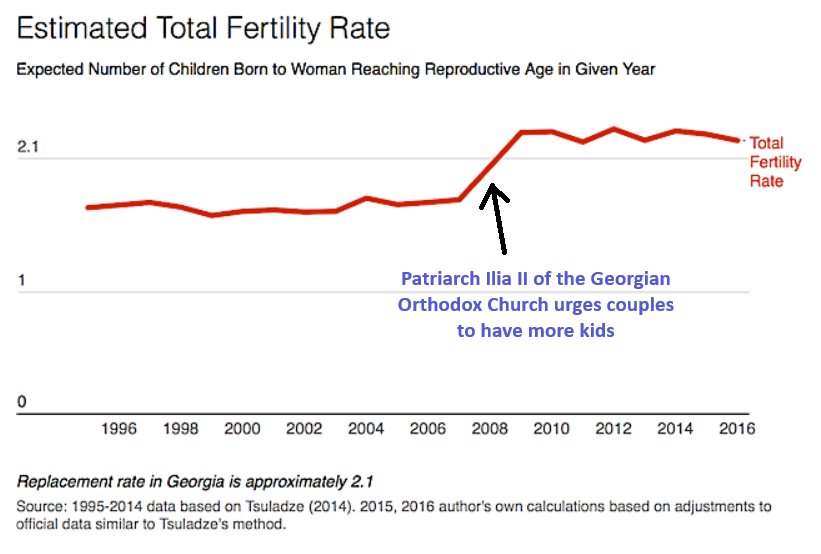
Also, within faiths the message matters! In Georgia the orthodox patriarch created a 👶 boom just by asking for one! 10/11
Abrahamic faiths tend to be pro-natal. Buddhism? Not so much.
Also, within faiths the message matters! In Georgia the orthodox patriarch created a 👶 boom just by asking for one! 10/11
In the face of global birth collapse, some think it's time to wind down our affairs. Nonsense!
We can control whether culture is pro-natal or anti-natal.
The anti-natalists already know this. The rest of us should take note. 11/11
(Follow @MoreBirths!)
We can control whether culture is pro-natal or anti-natal.
The anti-natalists already know this. The rest of us should take note. 11/11
(Follow @MoreBirths!)
https://x.com/MoreBirths/status/1771635139413455117
• • •
Missing some Tweet in this thread? You can try to
force a refresh