More Births Profile picture
Apr 17 โ€ข 11 tweets โ€ข 6 min read โ€ข Read on X
The low fertility crisis is solvable, even though things look pretty bleak these days. Why be optimistic?
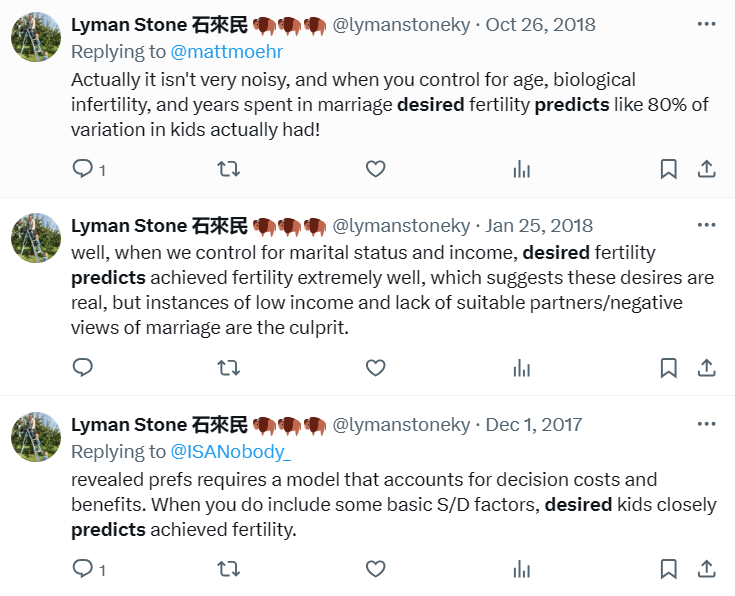
The single biggest ๐Ÿ‘ถ factor is pro-natal belief and desired fertility.
And we know from history that we can change those values and turn things around. ๐Ÿงต, please share!

Image
Image
Image
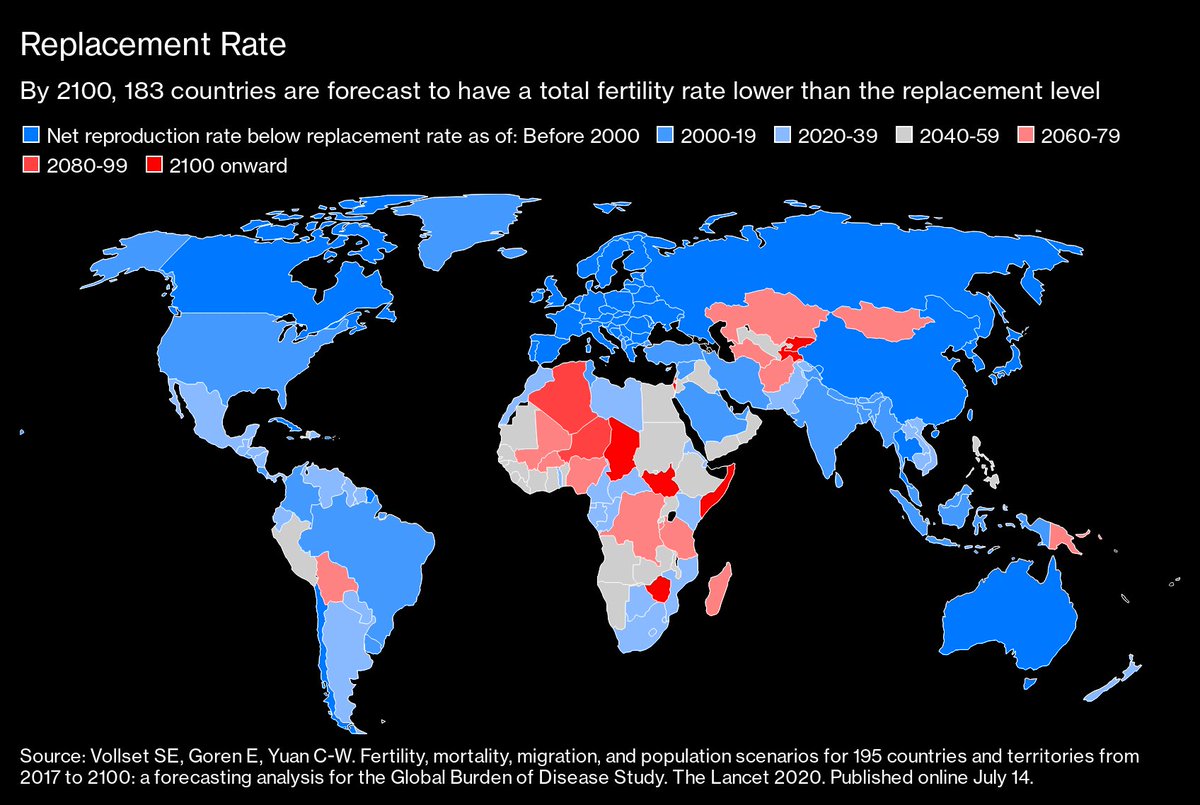
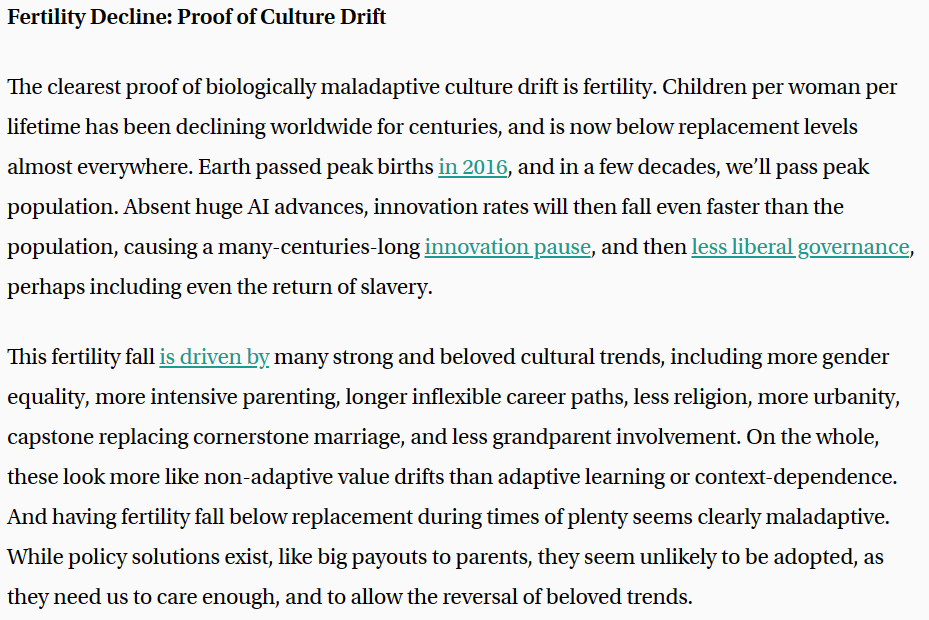
As @robinhanson recently explained in a widely read essay, there is a global 'monoculture' that has brought fertility rates down all over the world.
But if that can happen, can't values shift in the other direction too, and give us a more pro-natal ๐ŸŒŽ culture? 2/11

Image
Image
Image
Let's look at some examples that show the dramatic impact that values can have on the fertility. First up, France.
๐Ÿ‡ซ๐Ÿ‡ท went from having the lowest fertility rate in Europe in the 1800s to having the highest today. What happened? 3/11 Image
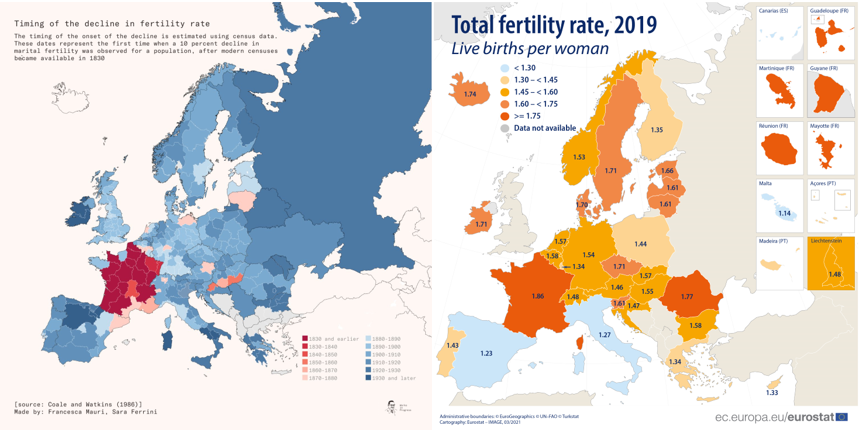
After the French Revolution, a turn toward secularization saw ๐Ÿ‡ซ๐Ÿ‡ท birthrates crash far below the rest of Europe.
Then following humiliating defeats in both world wars, French leadership became continuously pro-natal, both in words and policy. That has made a big difference! 4/11 Image

Next example, Mongolia. In Outer Mongolia (what we think of as ๐Ÿ‡ฒ๐Ÿ‡ณ today) TFR is around 2.7 births/woman while in adjacent Inner Mongolia (part of China) it is 0.75 (similar GDP)!
Why? ๐Ÿ‡ฒ๐Ÿ‡ณ in the Soviet sphere had pronatal influence while Inner Mongolia in ๐Ÿ‡จ๐Ÿ‡ณ had the opposite. 5/11 Image
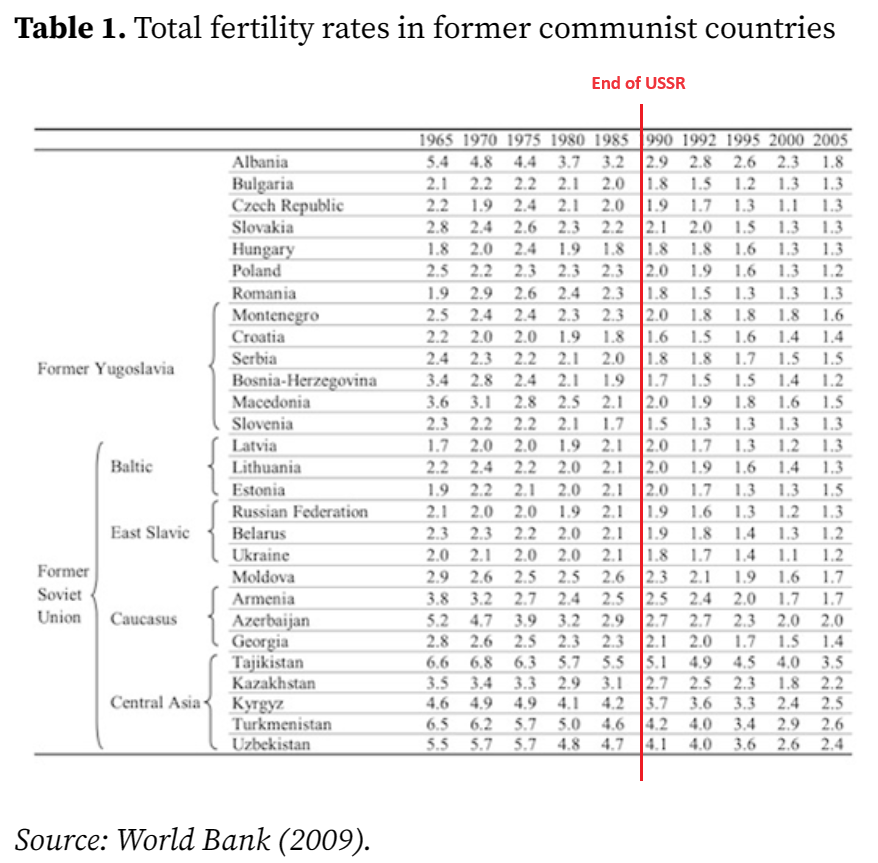
Talking about the Soviet sphere, the USSR urged women to have more children and gave out awards (Order of Maternal Glory, shown). No fan of Communism here, but there is something to be learned.
After 1989 when the pro-natal messages stopped, fertility rates plunged. 6/11Image
Image
Next, a look at Israel.
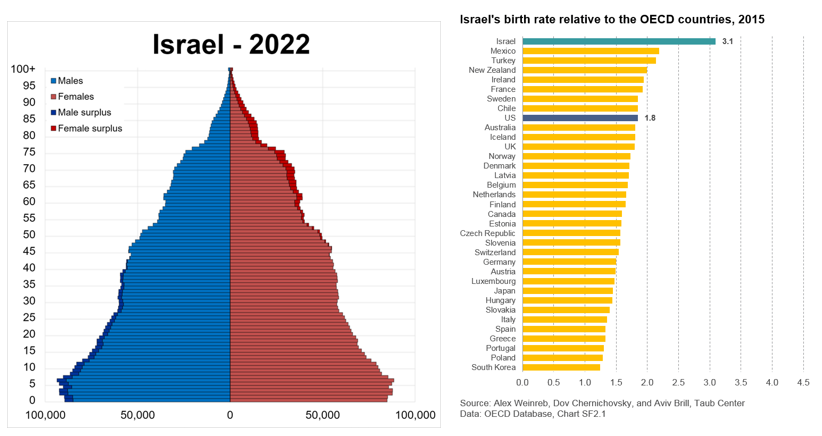
Everyone knows ๐Ÿ‡ฎ๐Ÿ‡ฑ has the highest TFR in the OECD.
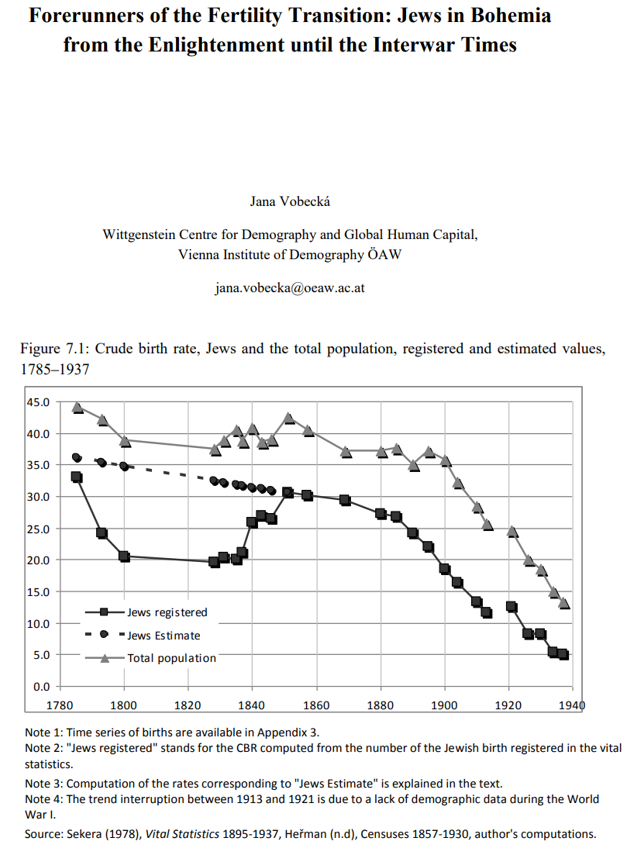
But how many know that Jewish birth rates in Europe prior to WWII were very low?
Israel's high fertility is not coincidence. It is intentional pronatalism borne of a will to survive after tragedy. 7/11
Image
Image
Looking at low birth rates around the world, these are not happenstance either.
The ultra-low fertility rates seen in East Asia are due in part to a history of explicitly anti-natal propaganda, as I have often written. 8/11
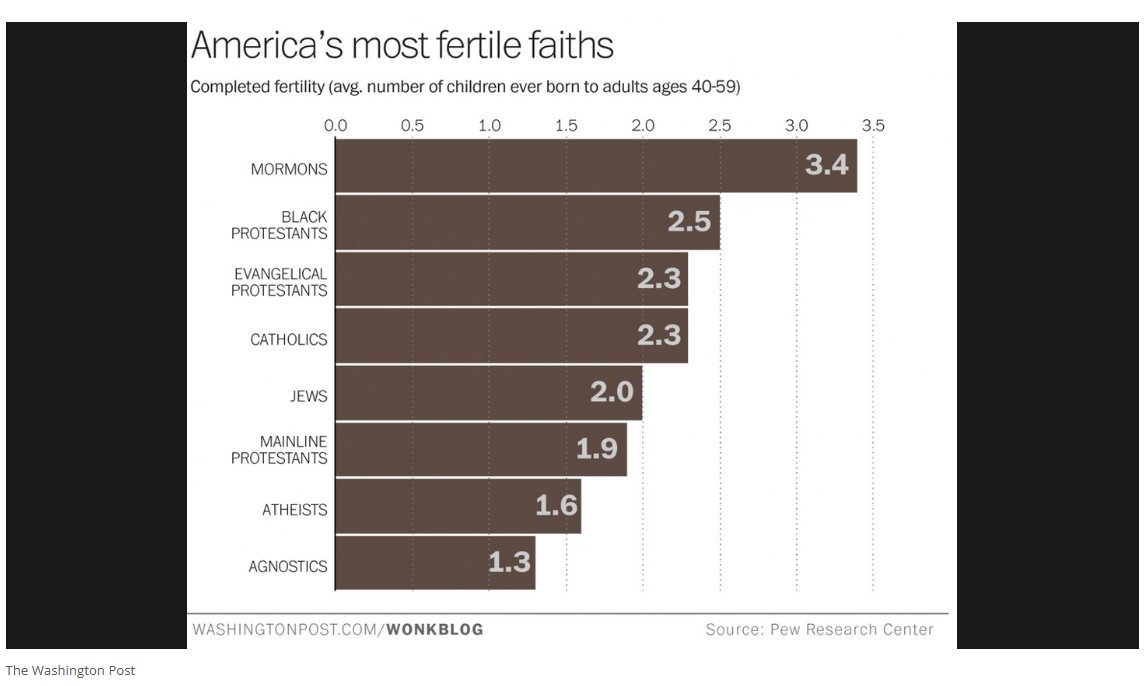
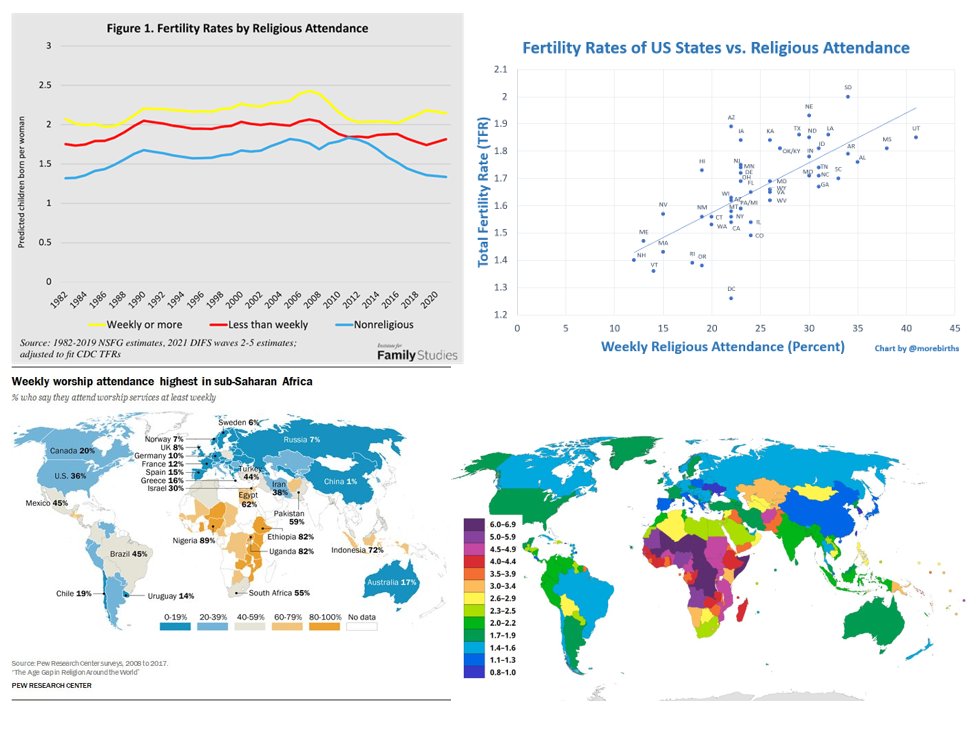
Understanding how much values matter for birth rates in either direction, it is no mystery why the religious have higher fertility rates almost everywhere.
Most faith traditions are infused with pro-natal beliefs, which strongly impacts attenders. 9/11
Image
Image
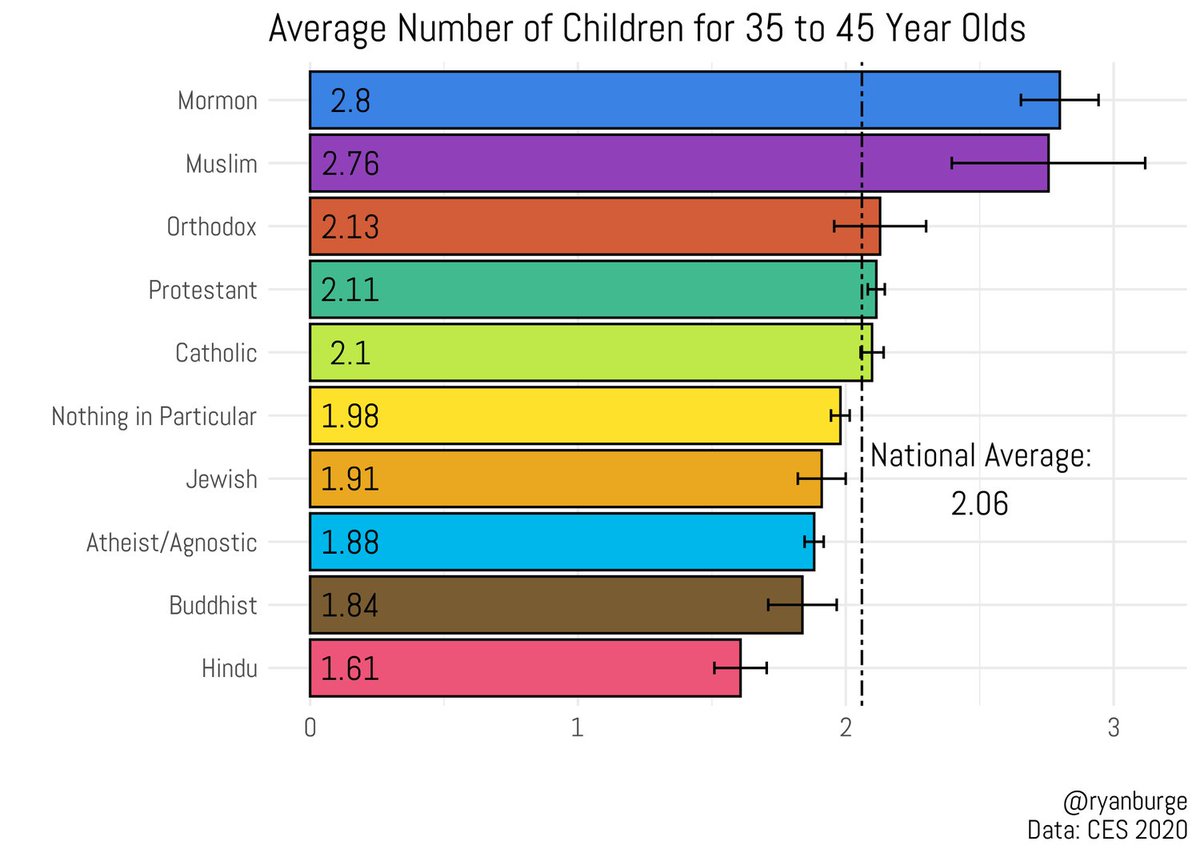
But not all faiths have high fertility. It matters what the natalist vibe is within that faith.
Abrahamic faiths tend to be pro-natal. Buddhism? Not so much.
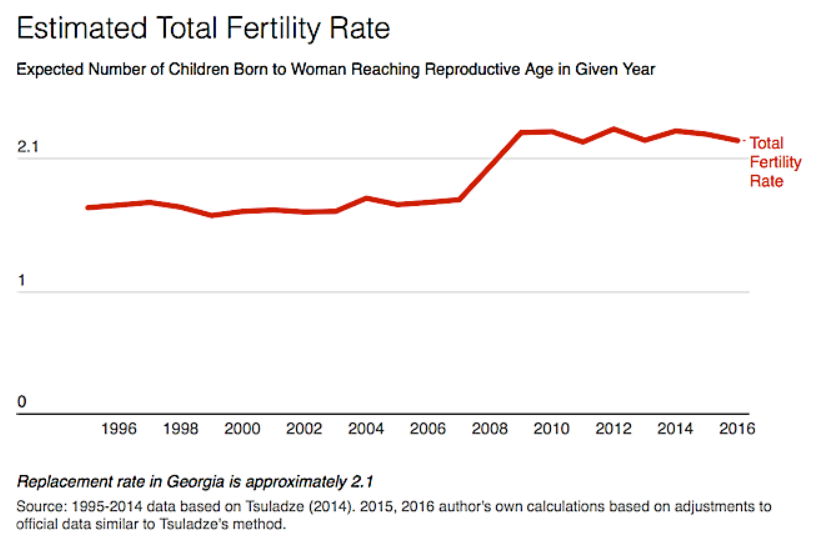
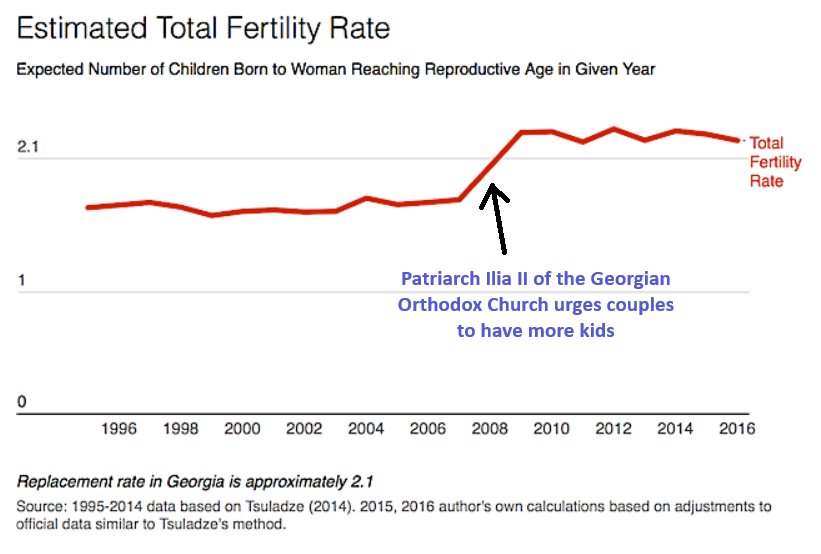
Also, within faiths the message matters! In Georgia the orthodox patriarch created a ๐Ÿ‘ถ boom just by asking for one! 10/11
Image
Image
In the face of global birth collapse, some think it's time to wind down our affairs. Nonsense!
We can control whether culture is pro-natal or anti-natal.
The anti-natalists already know this. The rest of us should take note. 11/11
(Follow @MoreBirths!)

โ€ข โ€ข โ€ข

Missing some Tweet in this thread? You can try to force a refresh

ใ€€

Keep Current with More Births

More Births Profile picture

Stay in touch and get notified when new unrolls are available from this author!

Read all threads

This Thread may be Removed Anytime!

PDF

Twitter may remove this content at anytime! Save it as PDF for later use!

Try unrolling a thread yourself!

how to unroll video
  1. Follow @ThreadReaderApp to mention us!

  2. From a Twitter thread mention us with a keyword "unroll"
@threadreaderapp unroll

Practice here first or read more on our help page!

More from @MoreBirths

Apr 13
With fertility rates crashing worldwide, folks are realizing that policy isn't enough, and culture matters more.
What cultural element matters more than any other for fertility?
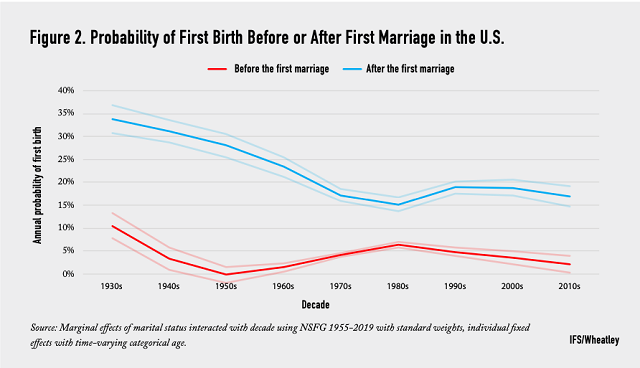
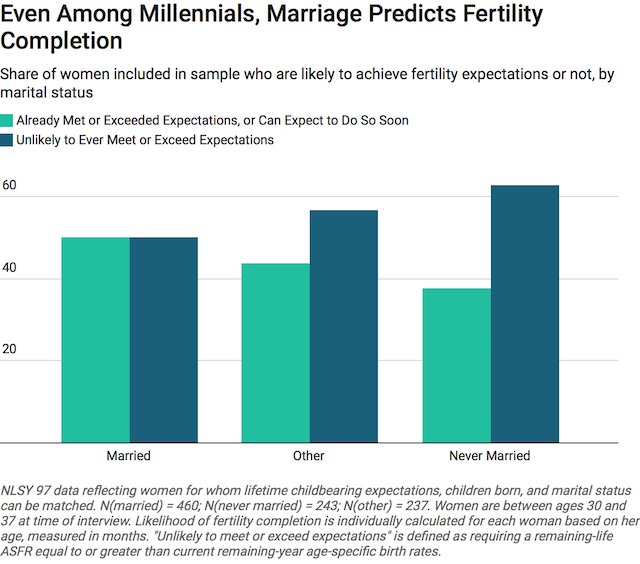
Marriage, and its importance has not been fading but increasing over time!
Important ๐Ÿงต, please share!Image
Image
Image
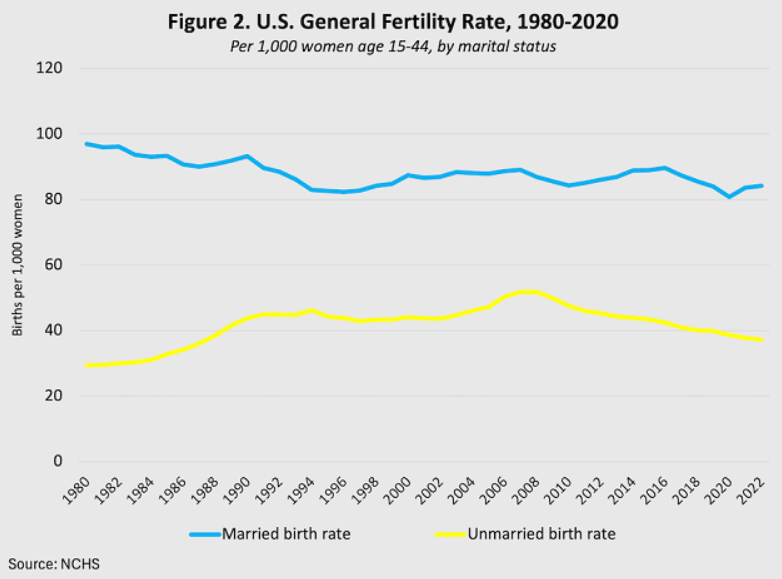
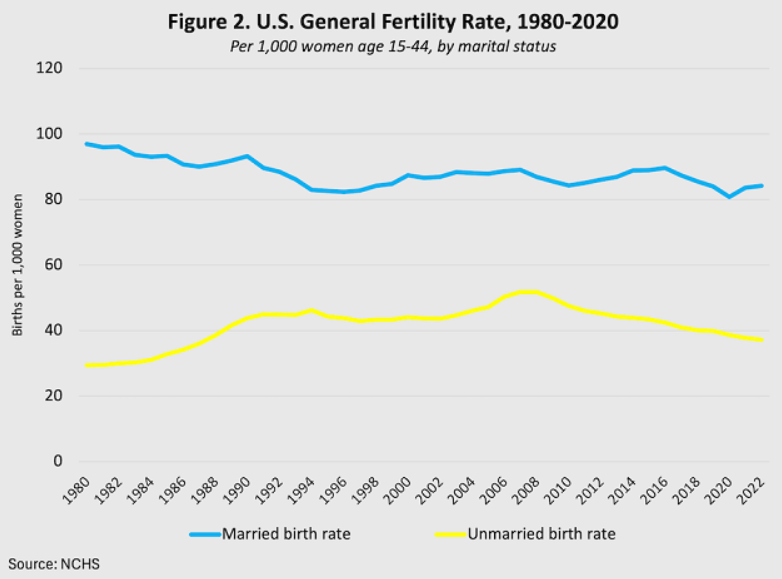
For all the talk of marriage becoming obsolete, a funny thing started happening since 2008: Birthrates outside of marriage fell by 28%, while birthrates within marriage held steady.
What's going on? 2/12 Image
Evolutionary psychologist Geoffrey Miller (@primalpoly) explains that the way of our ancestors, where sex drive alone sustained fertility, doesn't work anymore.
Now folks can fully control when they get pregnant, and more are choosing to do so only in a stable relationship. 3/12 Image
Read 13 tweets
Apr 9
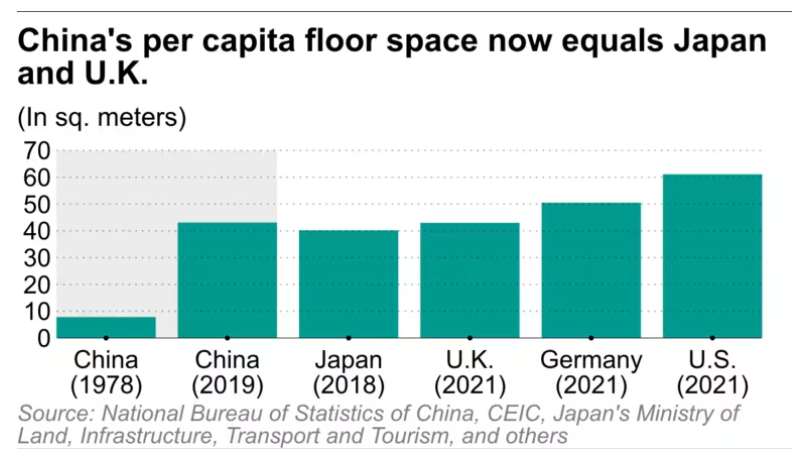
China's real estate market is the world's biggest asset class ($60 trillion), worth more than the whole US stock market ($50 trillion).
Yet real estate in depopulating places has little value, because property is a permanent glut.
Is the ๐ŸŒŽ's biggest asset class going to zero? ๐Ÿงต

Image
Image
Image
The assumption is that the current property crisis will take several years to "resolve."
But the idea that the market will absorb the excess assumes a world of growing population.
If every year, there are fewer people than the year before, excess inventory can never be absorbed. Image
It seems hard to fathom that the world's biggest asset class, Chinese property, could go down permanently.
Yet in places that are depopulating, a lot of property can't catch a bid at any price. Here is rural Japan, where the price of houses is near zero. Image
Read 7 tweets
Apr 5
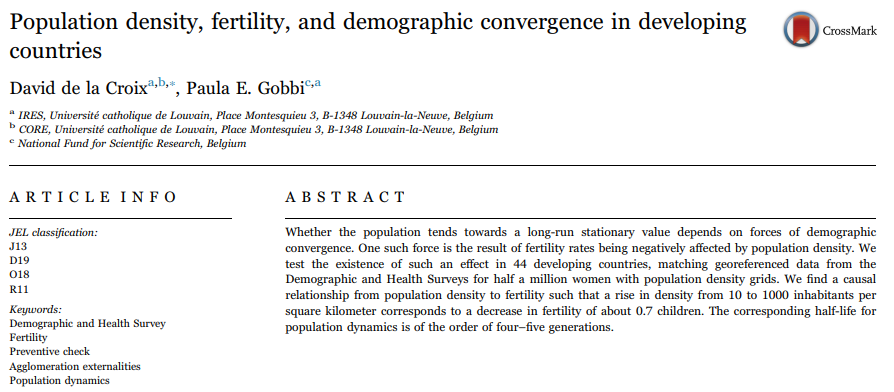
What does the literature say about population density and fertility?
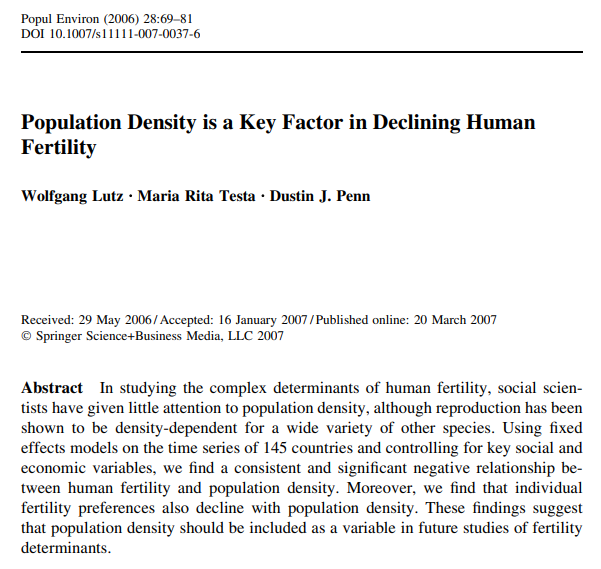
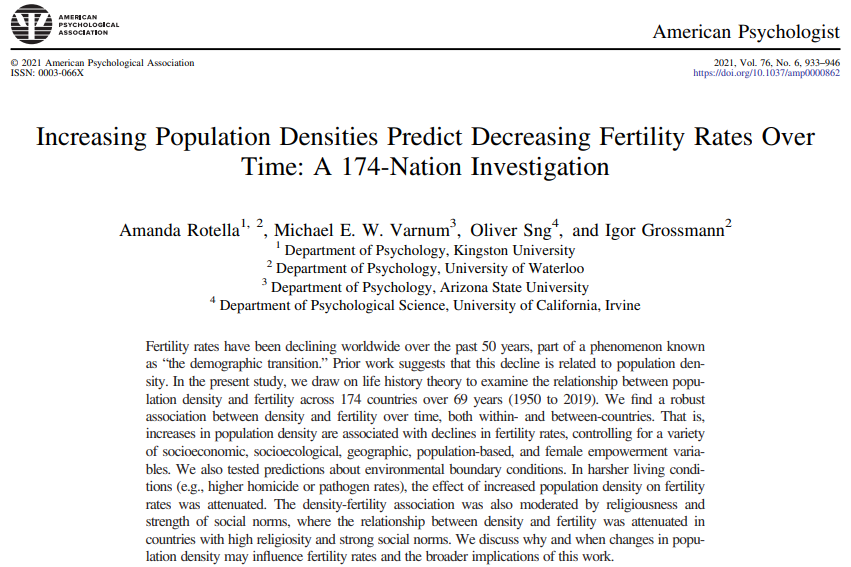
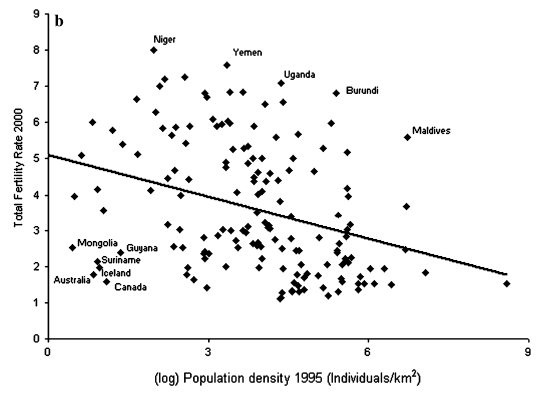
Across numerous countries over time, there is a consistently negative and statistically significant relationship. High density โžก๏ธ low fertility.
Thus, policy should favor low density! Important ๐Ÿงต, please share.

Image
Image
Image
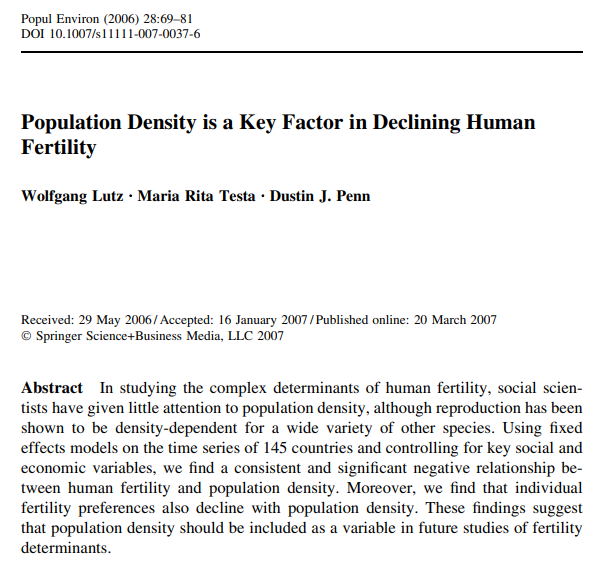
First up, Lutz et al. (2006).
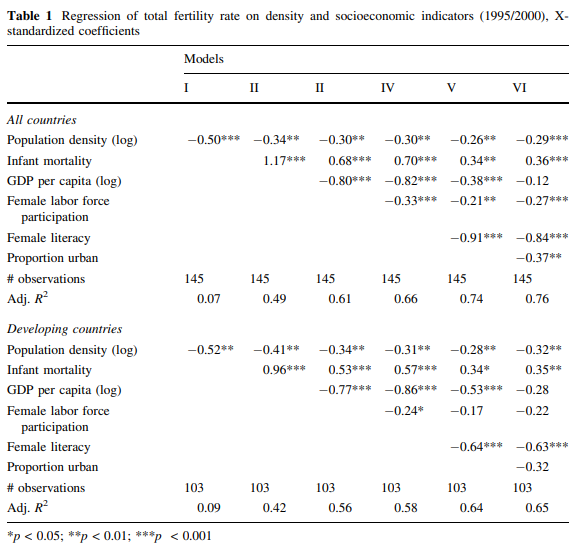
Examining 145 countries and controlling for several socioeconomic variables, Lutz et al. conclude, "Population density is now the most important factor explaining the fertility level, with only female literacy coming close in significance." 2/11

Image
Image
Image
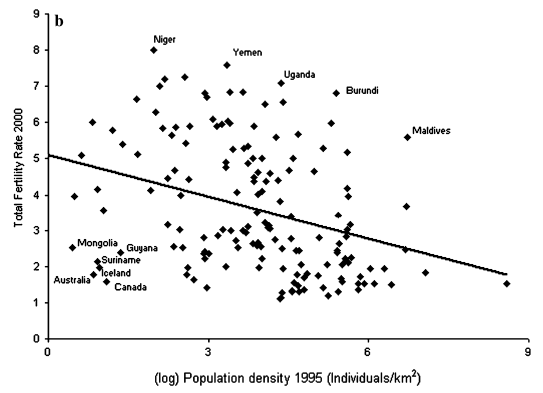
Lutz et al. reports that fertility rate declines with increasing density across numerous countries.
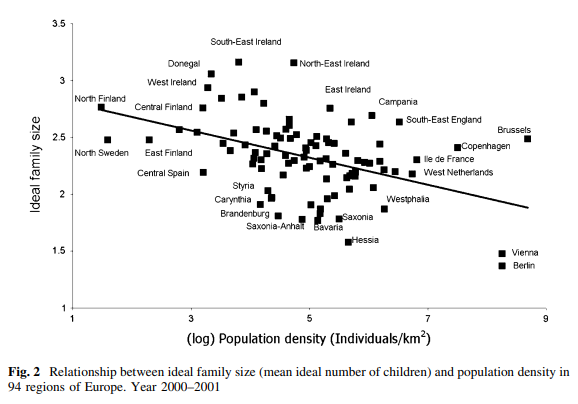
Not only this, in 94 regions of Europe, ideal family size was significantly negatively correlated with population density. 3/11
Image
Image
Read 11 tweets
Mar 31
On this Easter, thoughts of Rome!
How collapsing fertility caused the fall of the Roman Empire, how early Christians had higher numbers of surviving children, and how the sect of Christianity grew to inherit the Roman world.
And parallels to the world of today! ๐Ÿงต, please share! Image
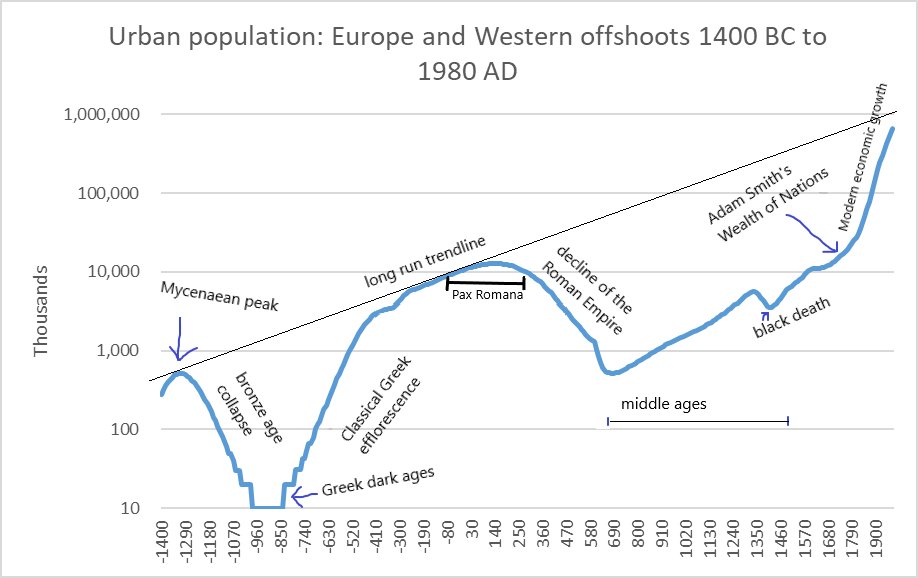
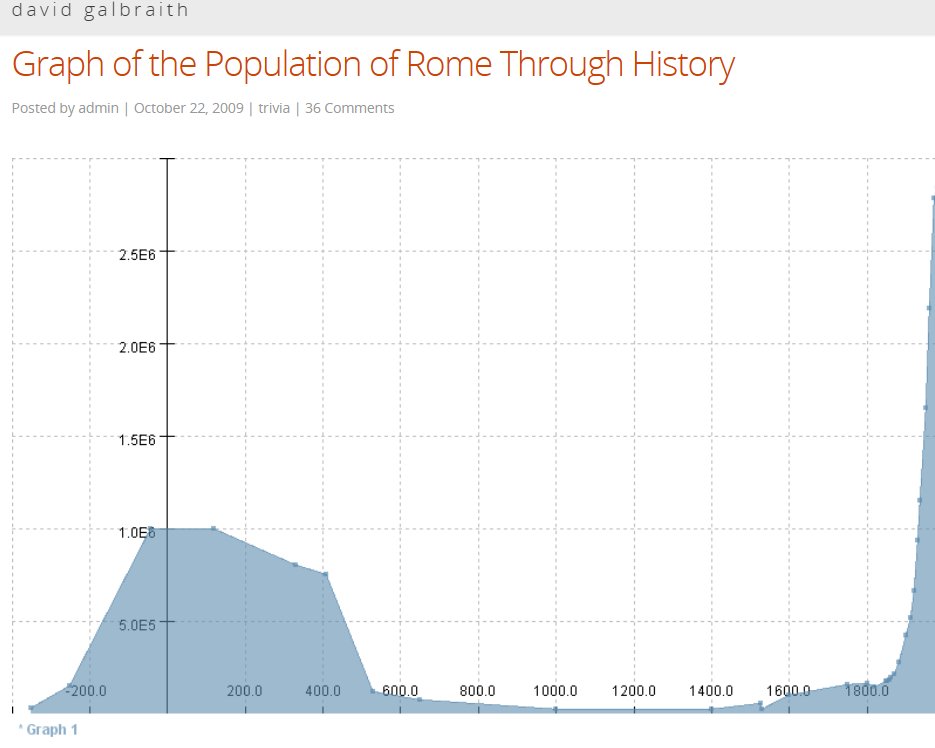
Of all the explanations for the fall of the Roman Empire, low fertility seems to be the most compelling reason. We know Rome's population plummeted. But this wasn't a sudden thing due to sacking but was continuous over a number of centuries as this chart by
@daveg shows. (2/12) Image
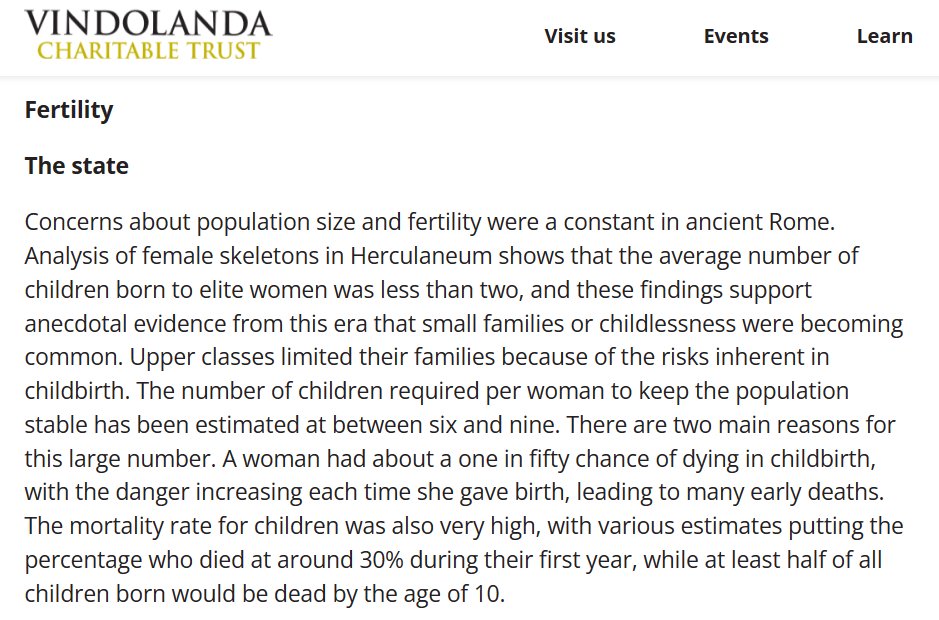
And our best evidence is that low birthrates were the cause. Fertility among elite women was less than two births per woman, while replacement fertility (due to high child mortality) may have been above six. (3/12) Image
Read 12 tweets
Mar 29
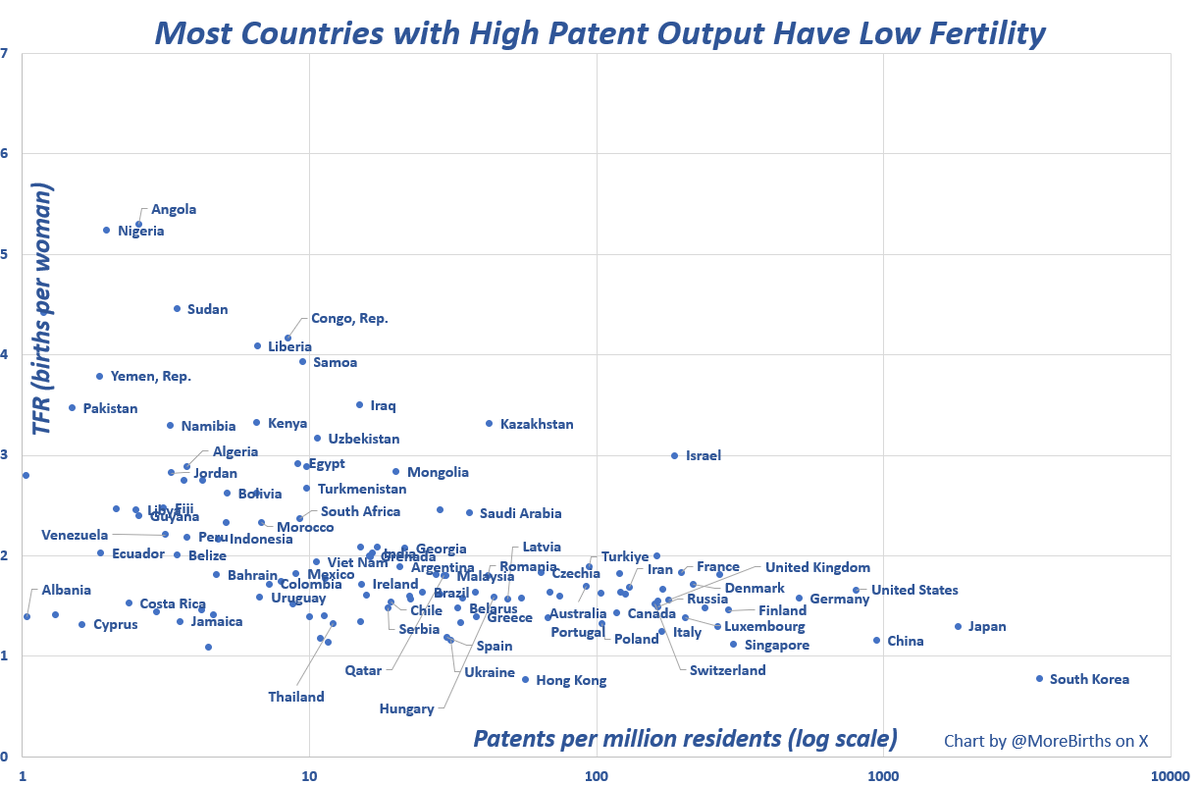
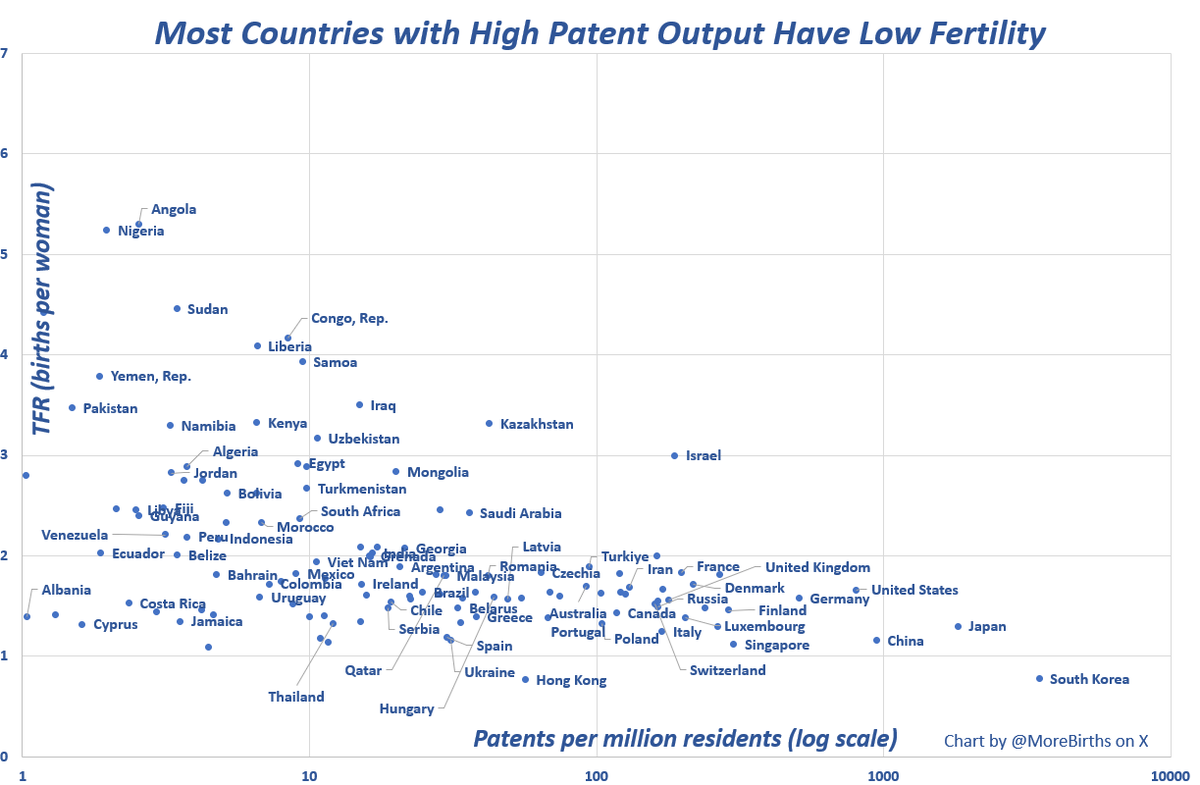
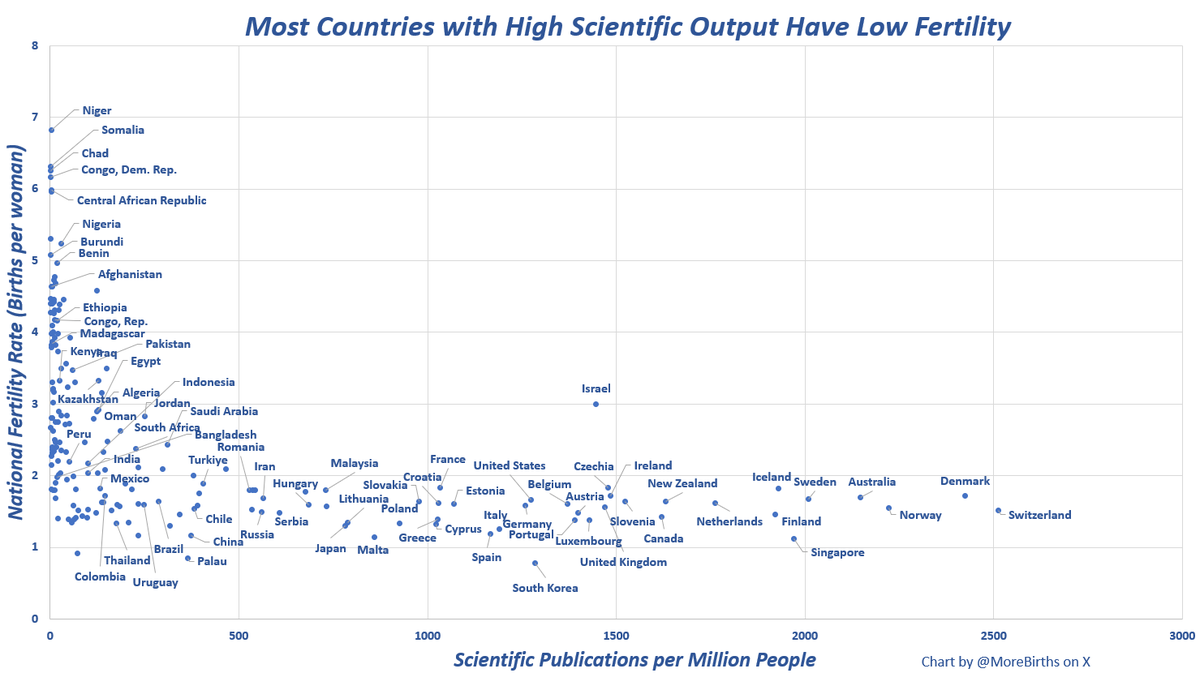
The global low fertility crisis strikes at the heart of scientific and technological progress.
Why?
It is precisely the places with the highest innovation that are hit hardest.
South Korea has both the highest innovation and lowest fertility rates in the world.
๐Ÿงต, please share! Image
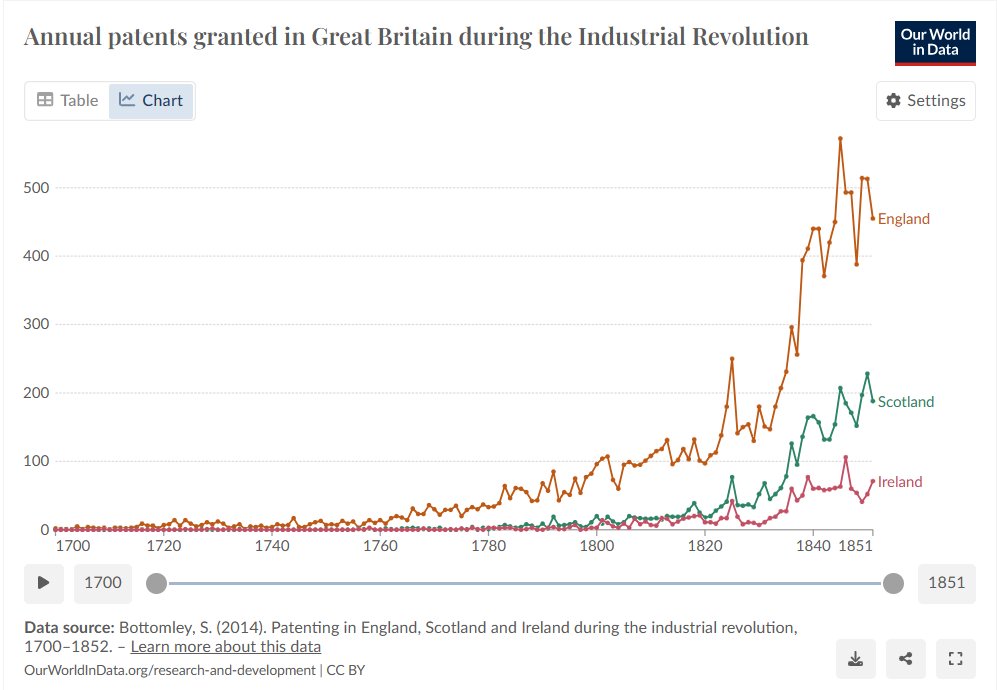
Innovation is the engine of economic growth. The Industrial Revolution that kicked off the modern world tracks a rise in patent grants in Great Britain at the time.
Going forward, if the high-innovation countries are all shrinking, that bodes very poorly for global growth. 2/7
Image
Image
In scientific output (as measured by scientific publications per million people) the picture is similar.
With lone exception of Israel, every country with high scientific output has below-replacement fertility rates today. This portends a future of scientific stagnation. 3/7 Image
Read 7 tweets
Mar 26
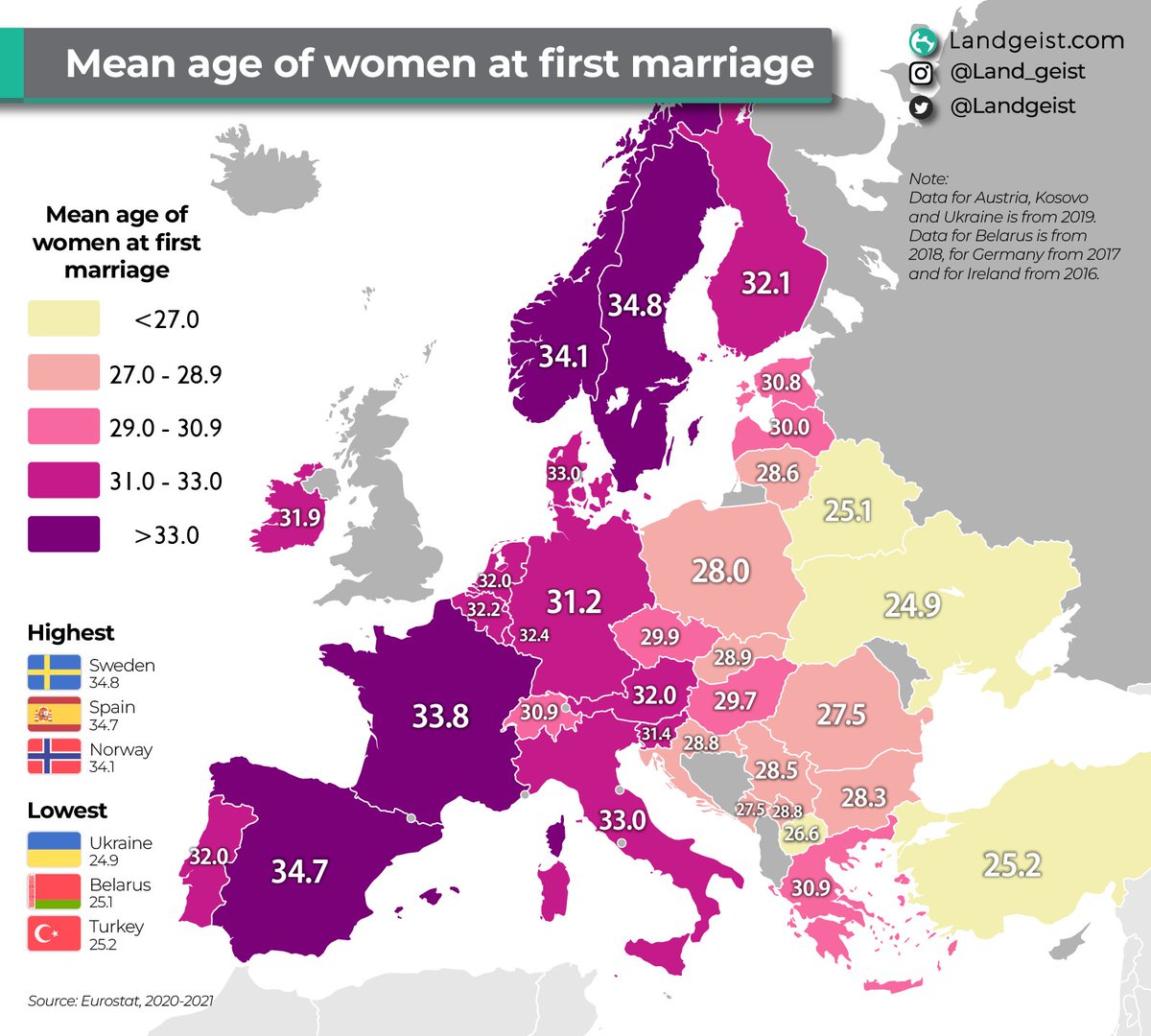
All of Europe struggles with very low birthrates, and this new map by @Landgeist helps explain why.
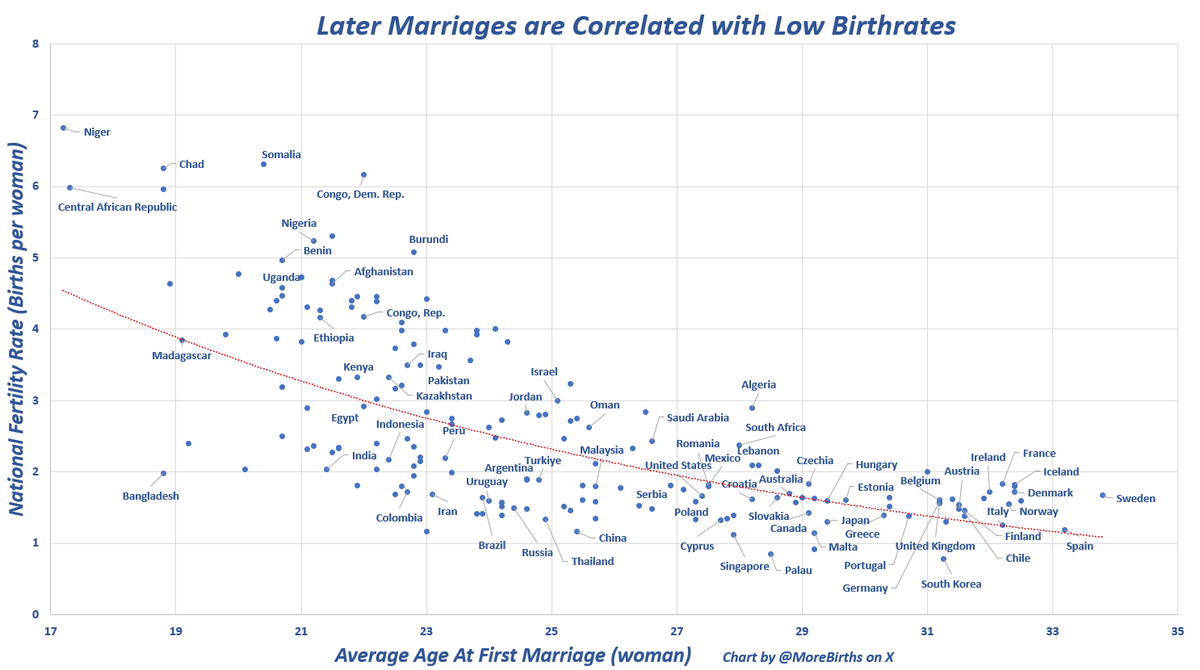
The average marriage age is higher in Europe than almost anywhere else, and this leaves a lot less time for people to have children within the fertility window. ๐Ÿงต, please share!
Image
Image
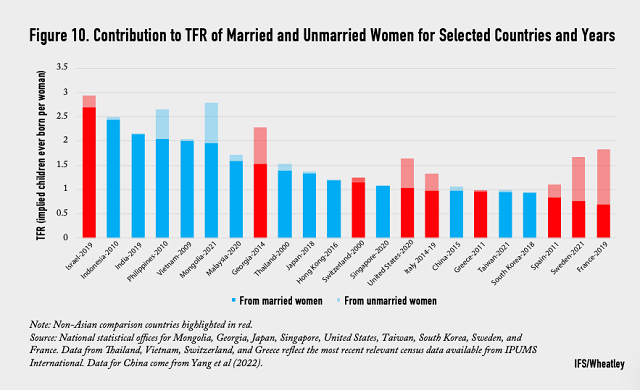
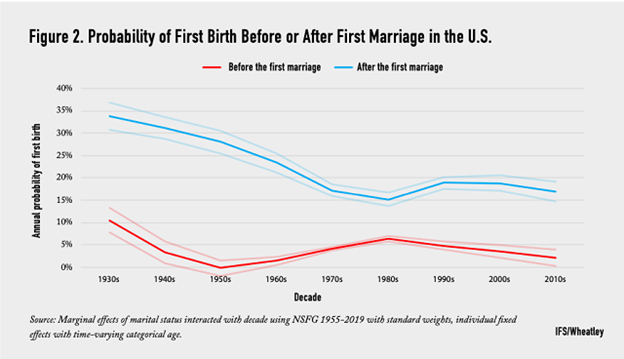
Of course, people don't have to have children within marriage, and it is quite normalized for Europeans to have kids outside of marriage.
Still, the odds of having kids is much higher within marriage, even for today's young people. 2/5

Image
Image
Image
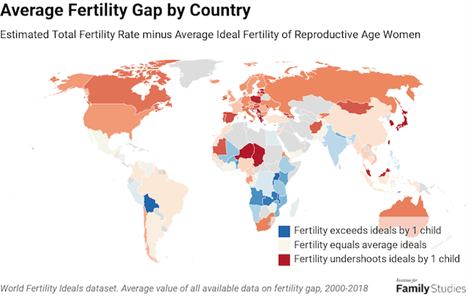
In most of the world but in Europe especially, people have a lot fewer children than their ideal, and getting started late is a big part of why.
Fecundability (the ability to get pregnant) is much lower by the mid 30s, for both men and women. 3/5
Image
Image
Read 5 tweets

Did Thread Reader help you today?

Support us! We are indie developers!


This site is made by just two indie developers on a laptop doing marketing, support and development! Read more about the story.

Become a Premium Member ($3/month or $30/year) and get exclusive features!

Become Premium

Don't want to be a Premium member but still want to support us?

Make a small donation by buying us coffee ($5) or help with server cost ($10)

Donate via Paypal

Or Donate anonymously using crypto!

Ethereum

0xfe58350B80634f60Fa6Dc149a72b4DFbc17D341E copy

Bitcoin

3ATGMxNzCUFzxpMCHL5sWSt4DVtS8UqXpi copy

Thank you for your support!

Follow Us!

:(