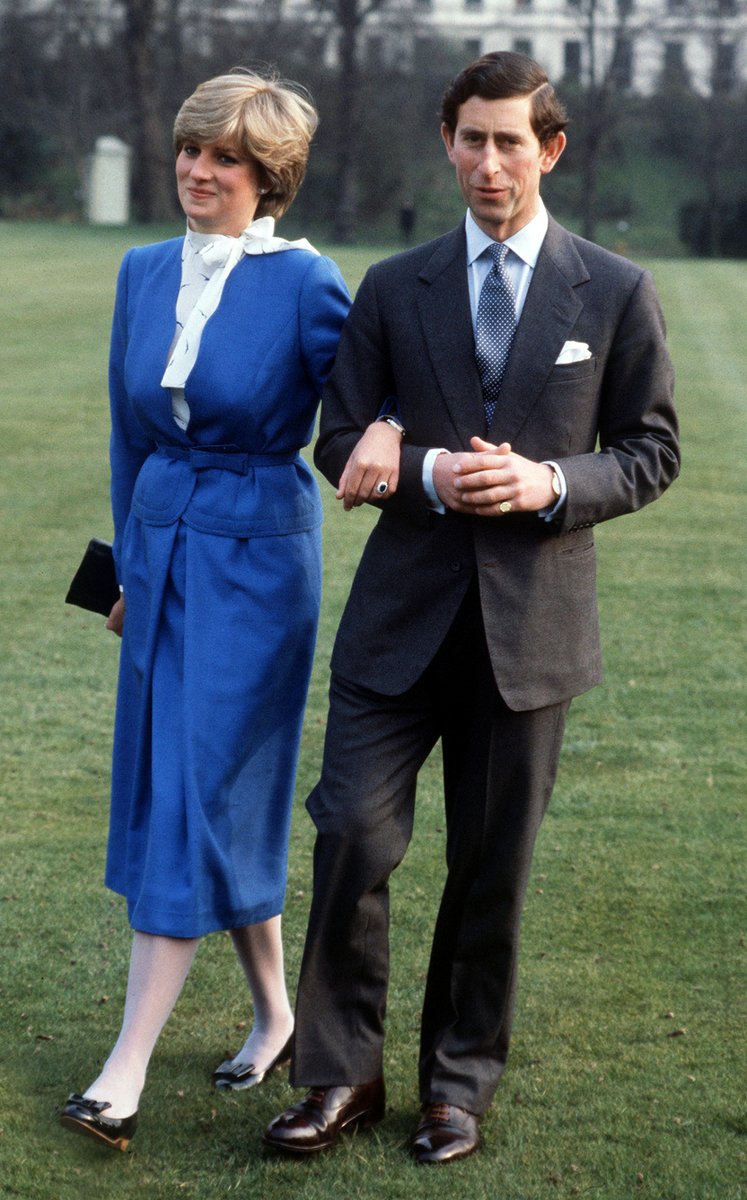
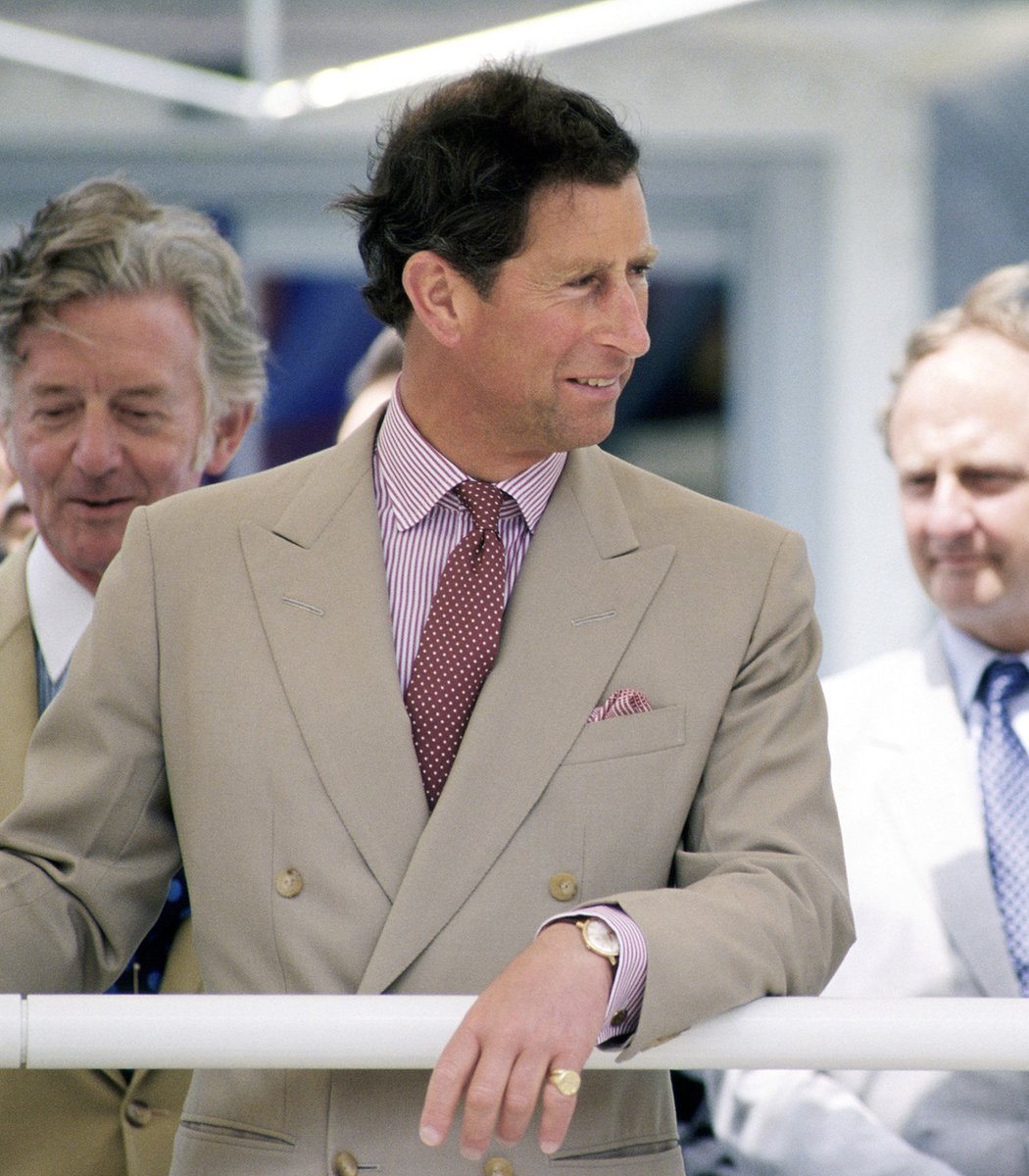
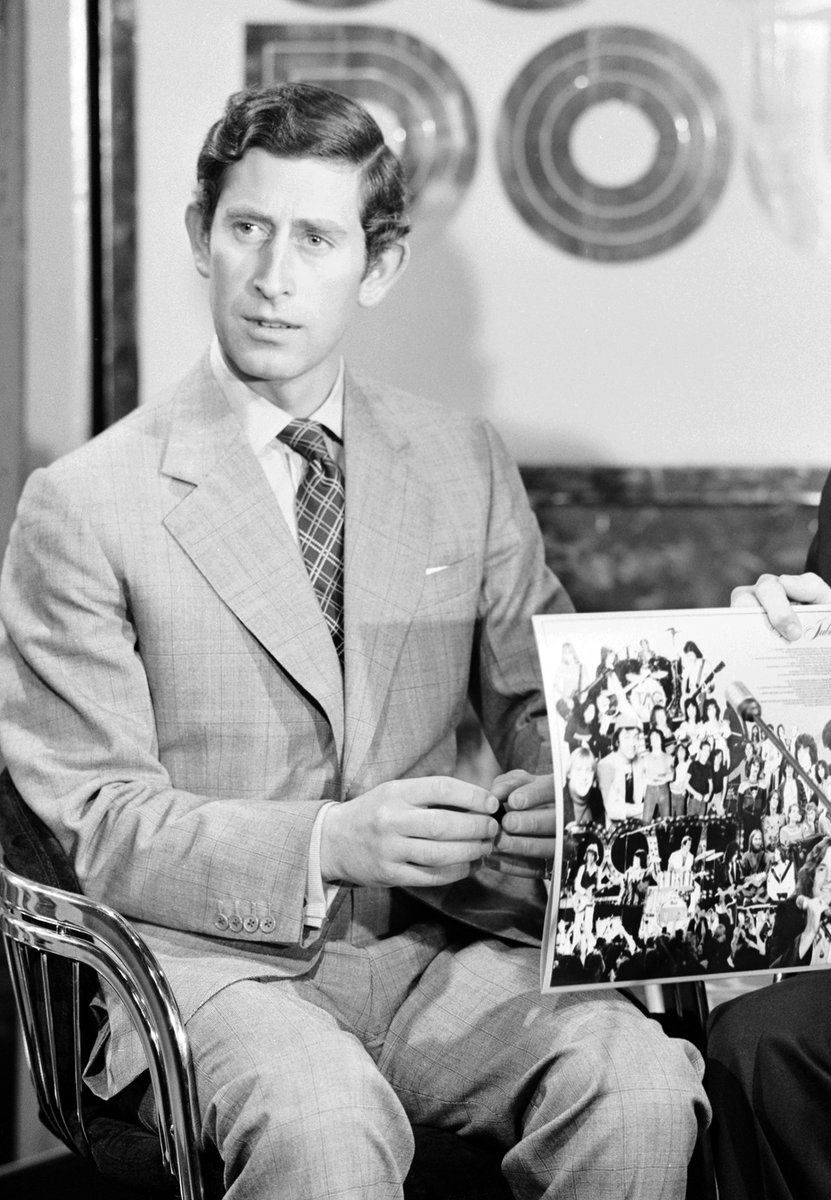
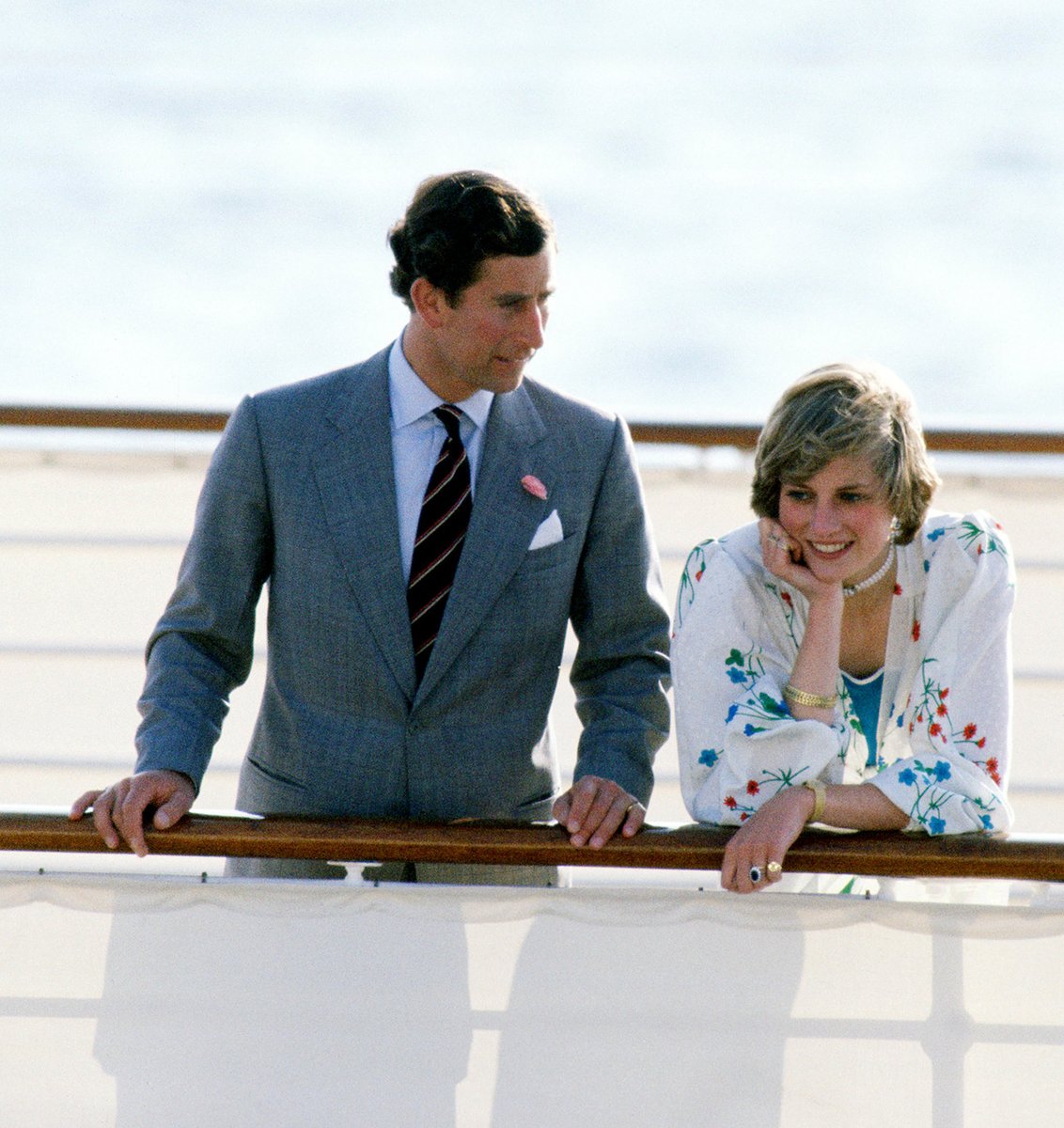
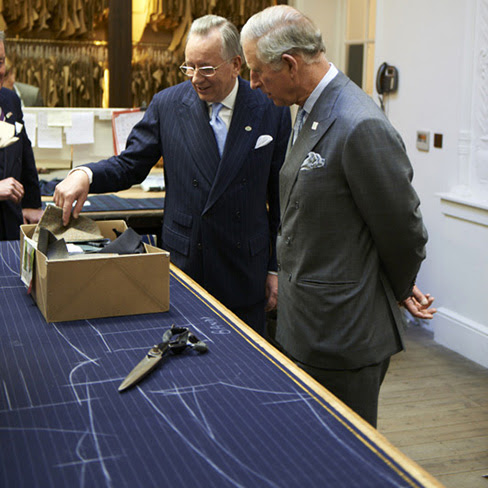
Charles may have visited the shop and perhaps even accepted a gift, but this does not make Sam "his tailor." The king's civilian suits are made by Andrson & Sheppard (for decades now), and his military garb by Gieves & Hawkes. You can tell bc he wears a drape cut. 🧵
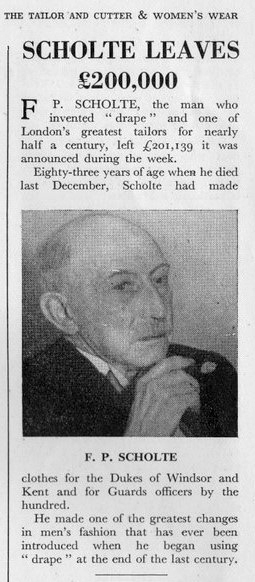
The term "drape" refers to the extra material around the chest, where excess fabric "drapes" along the armhole. This cut was invented by the Dutch-English tailor Frederick Schlote, who trained Per Anderson, co-founder of Anderson & Sheppard. Here he is with A&S cutter Hitchcock
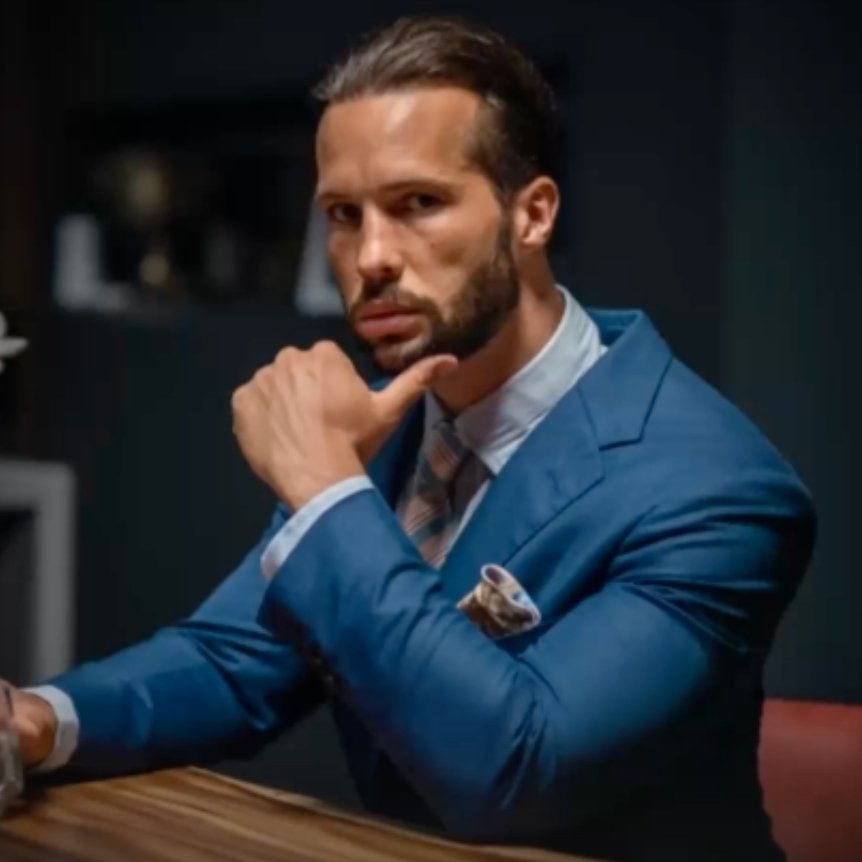
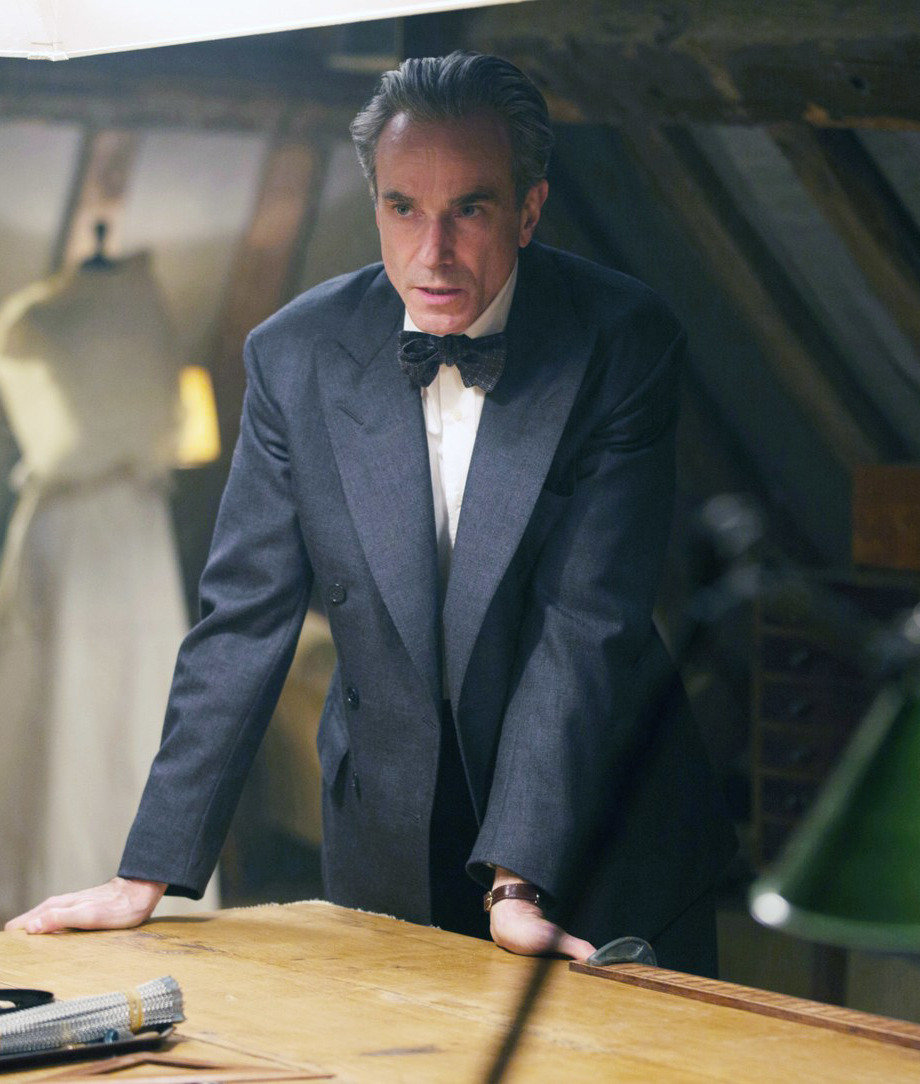
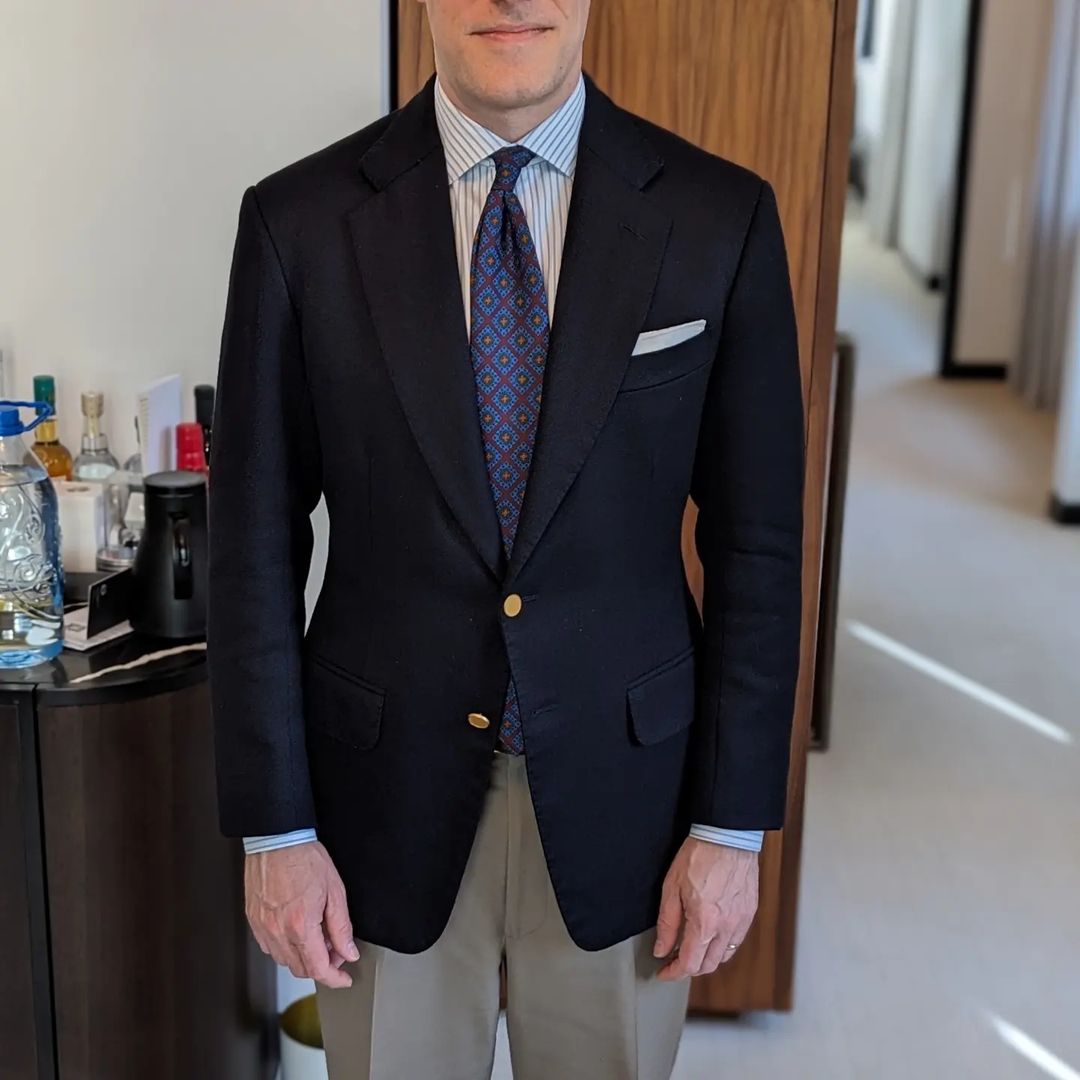
The drape cut results in a fuller, rounder chest, which you can see here on Daniel Day-Lewis (who is wearing an A&S suit). This cut is essentially the opposite of Sam's, which is very lean through the chest. Sam's tailroing has no shaping.
The drape cut is achieved through pattern drafting and placing a dart that doesn't quite come up to the armhole (allowing some fullness near this area). It's also achieved by cutting the chest piece on a bias, so it gives the chest some roundness. Look at this shaping:
Most people don't need custom tailoring and would be better off with quality ready-to-wear than budget bespoke. If you want to get the drape cut, I recommend Steed in the UK, a company I've used for over a decade. Edwin is a former head cutter at A&S.
Other good tailors in the drape cut tradition include Redmayne (now headed by Tom Mahon) and Steven Hitchcock. All three tailors mentioned have cut clothes for King Charles that he actually wears.
Anyway, it is more important to focus on the quality of work, not client names.
• • •
Missing some Tweet in this thread? You can try to
force a refresh

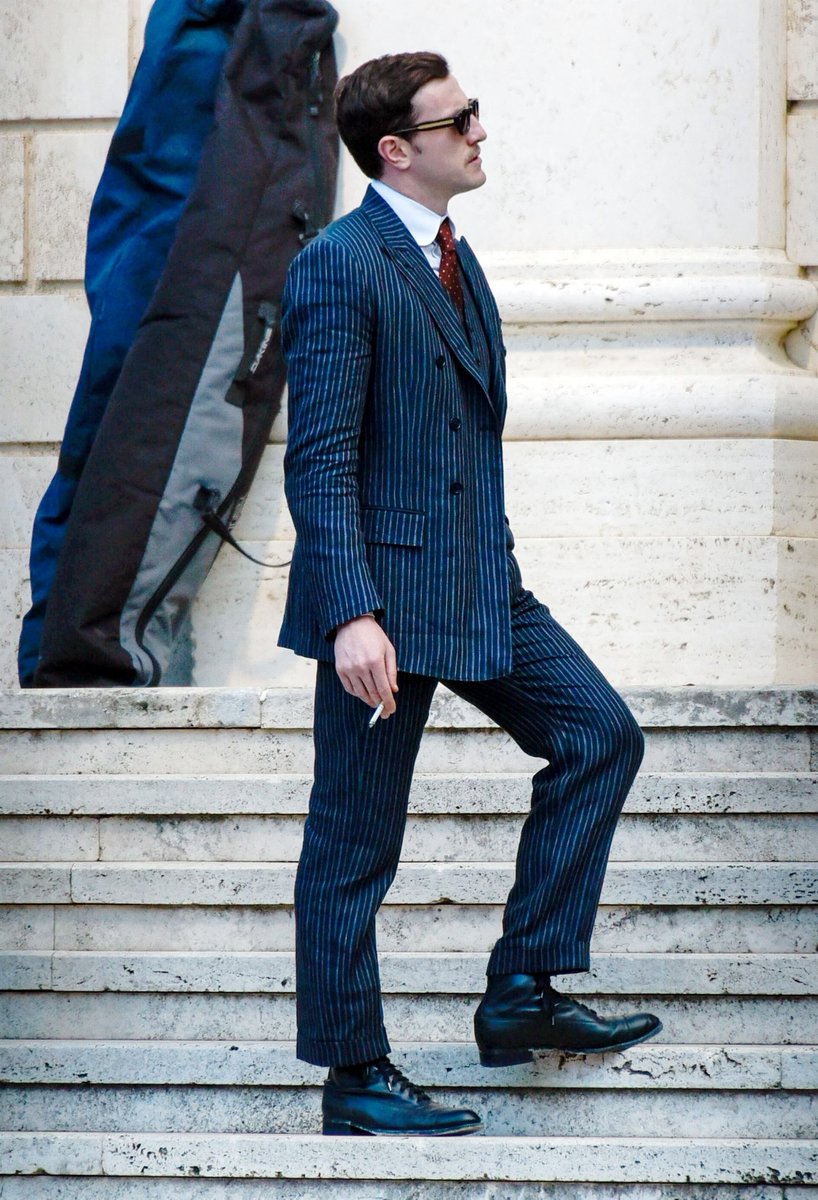
Amazing to me how much better tailoring was back in the day. Just watch this scene and pay attention to your general impression of the clothes. Then, I'll point out some things in the thread below. 🧵
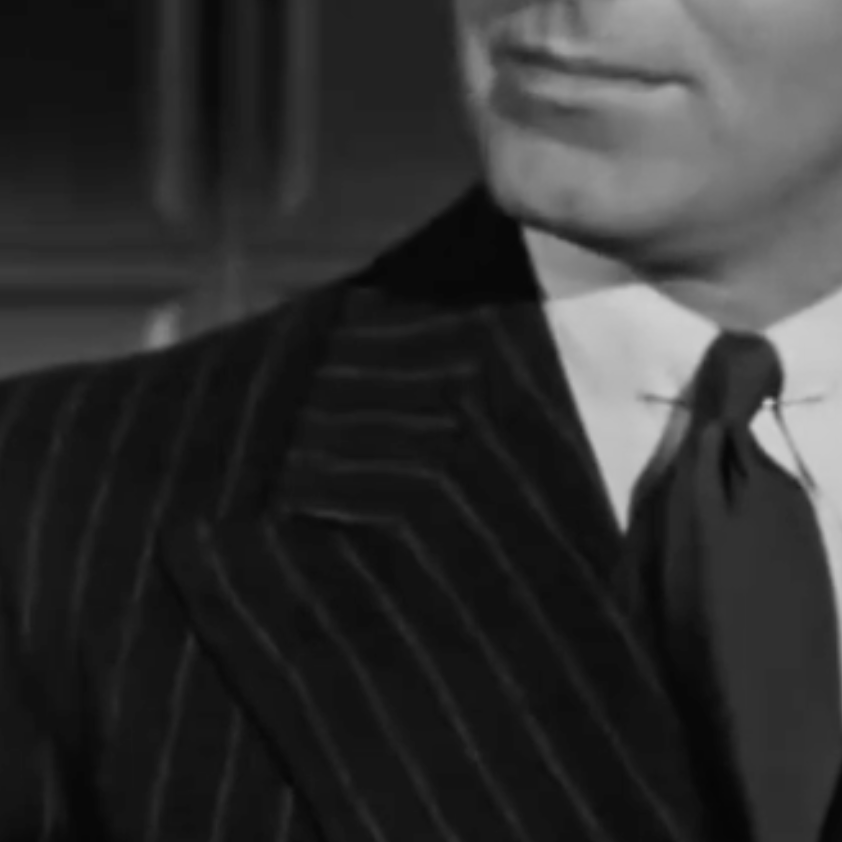
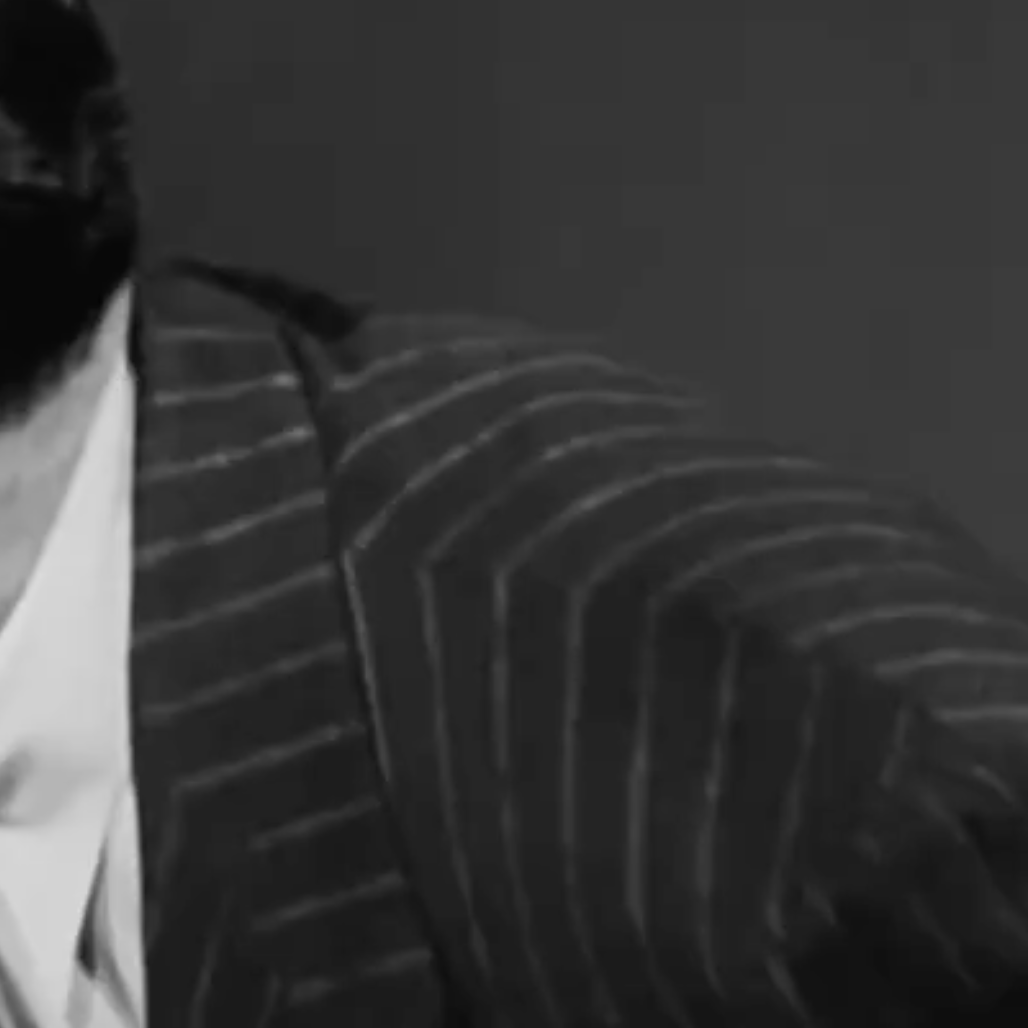
One of the things that sticks out to me is the degree of care taken to align the stripe across the panels. This is not always possible across the collar, shoulder seam, and gorge because the panels are different lengths. But care was clearly taken here to minimize the mismatch.
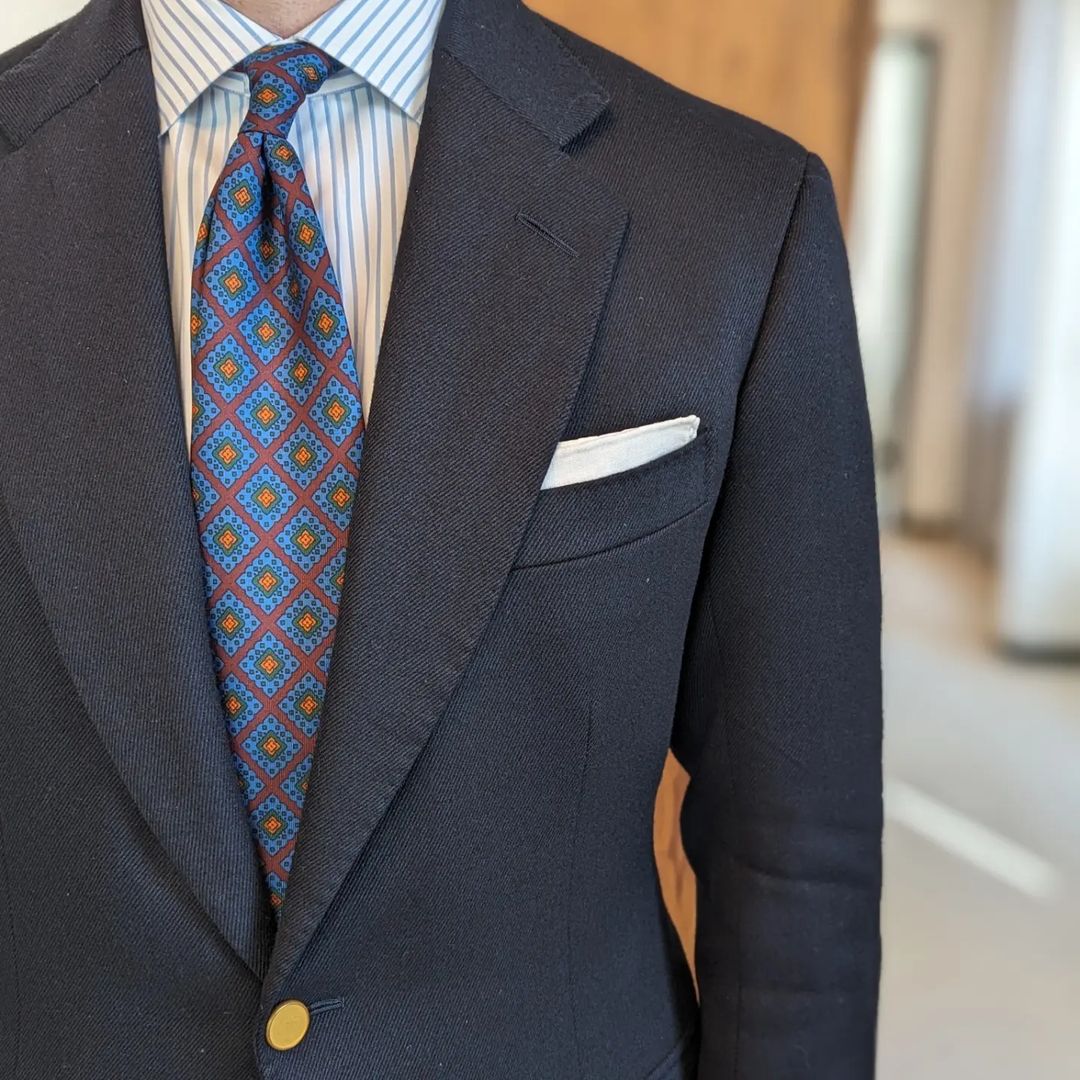
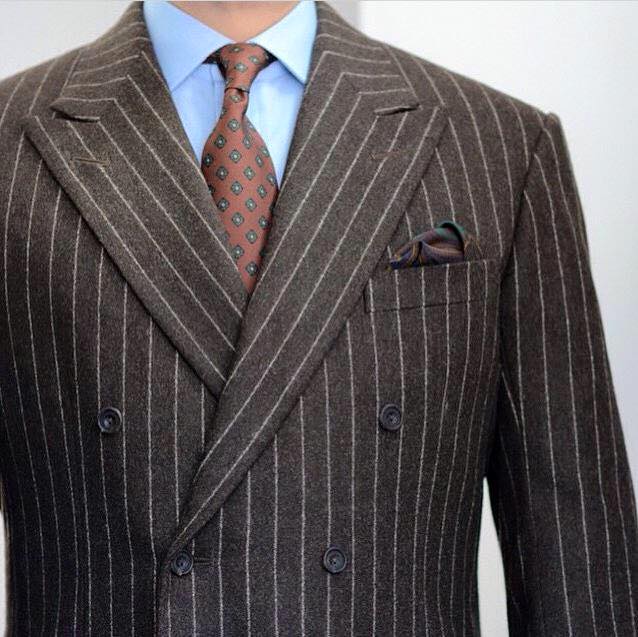
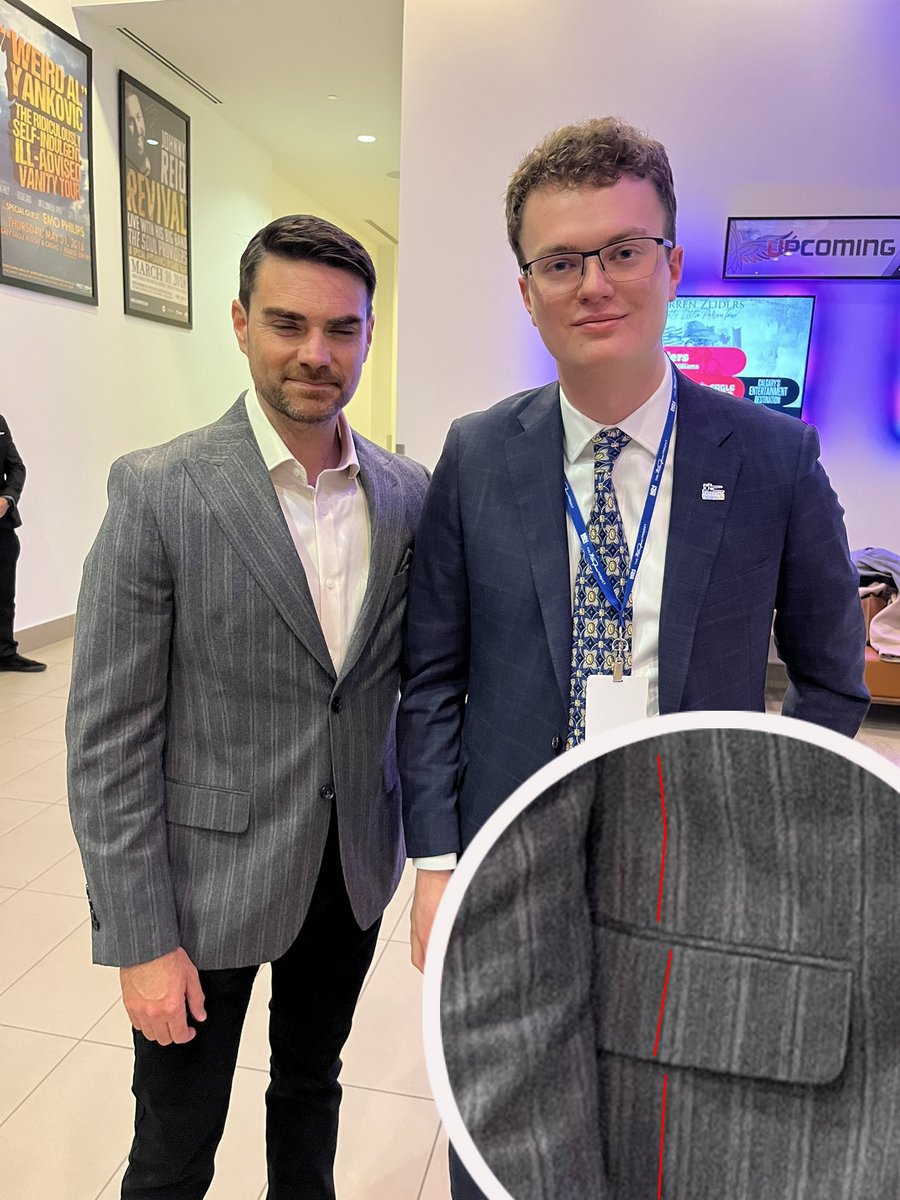
You still see this in the best bespoke. In pic one (a suit by Steed in the UK), the chalk stripe flows smoothly across the seam that connects the collar to the lapel (known as the gorge). Compare this to pic two, where the pattern doesn't even align across pockets (bad and lazy)
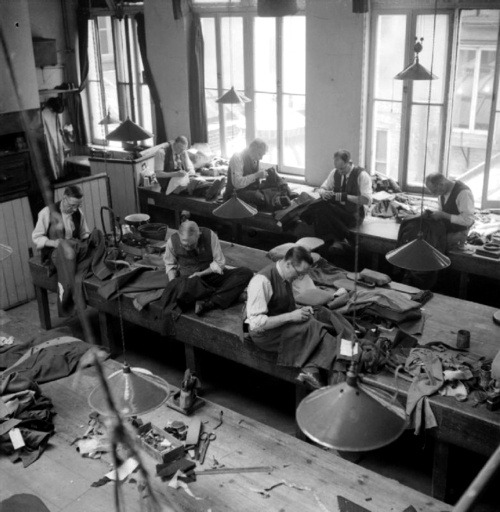
In the old days, people became tailors because they had few other economic options. Their father was a tailor, and their father's father was a tailor. And so forth. In his book "Nothing but the Best," Thomas Girtin describes tailors as illiterate but talented people. 🧵
In post-war Britain, such tailors were working-class people who were more motivated by booze than money. One guy went around Savile Row during lunchtime with cheese sandwiches stuffed into his pockets and pails of beer hanging off a broomstick. This he sold to hungry tailors.
A managing director at a famous firm once found one of his most talented tailors drunk and shouting on the street. The police made him take this man away. But when the drunk tailor got back to the workshop and ducked his head, he fell about 10 feet down the stairs.
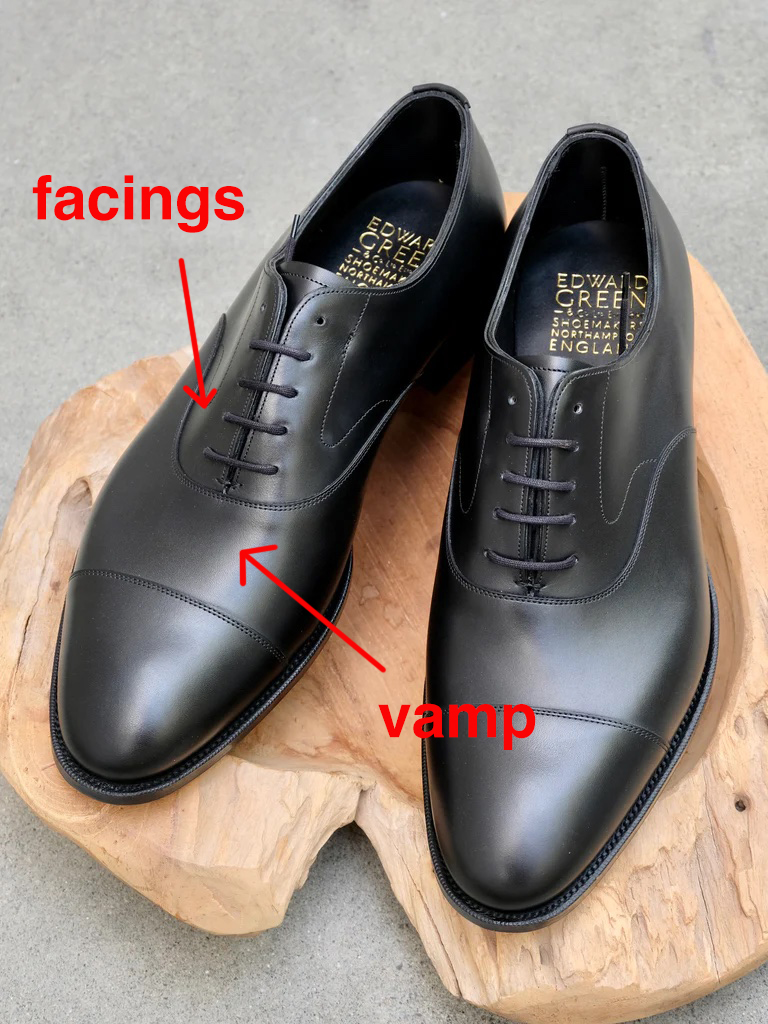
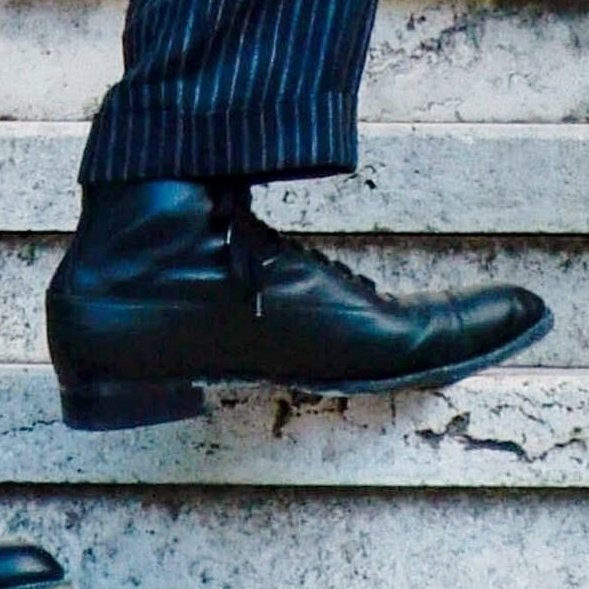
Let's start with some terminology. "Facings" refers to the part of the shoe that holds the eyelets (through which your shoelaces are threaded). Oxfords have "closed facings," which means the facings are sewn under the vamp. Derbies have "open facings," as the facings sit on top.
Mescal here is wearing a kind of closed-facing design known as a balmoral boot, which is what men wore with formal or business suits in the late 19th and early 20th centuries before the switch to "low shoes." Notice these basically look like oxfords but in boot form
You've heard of the King of Spain, now get ready for the Duke of Huéscar. 🧵
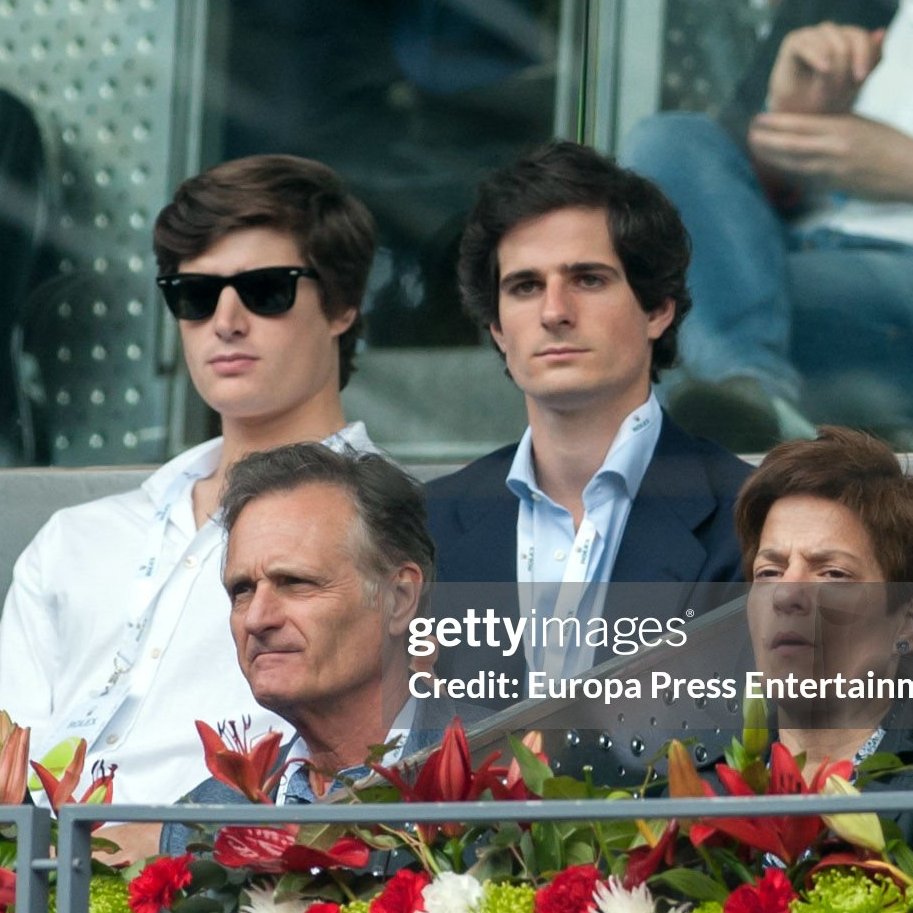
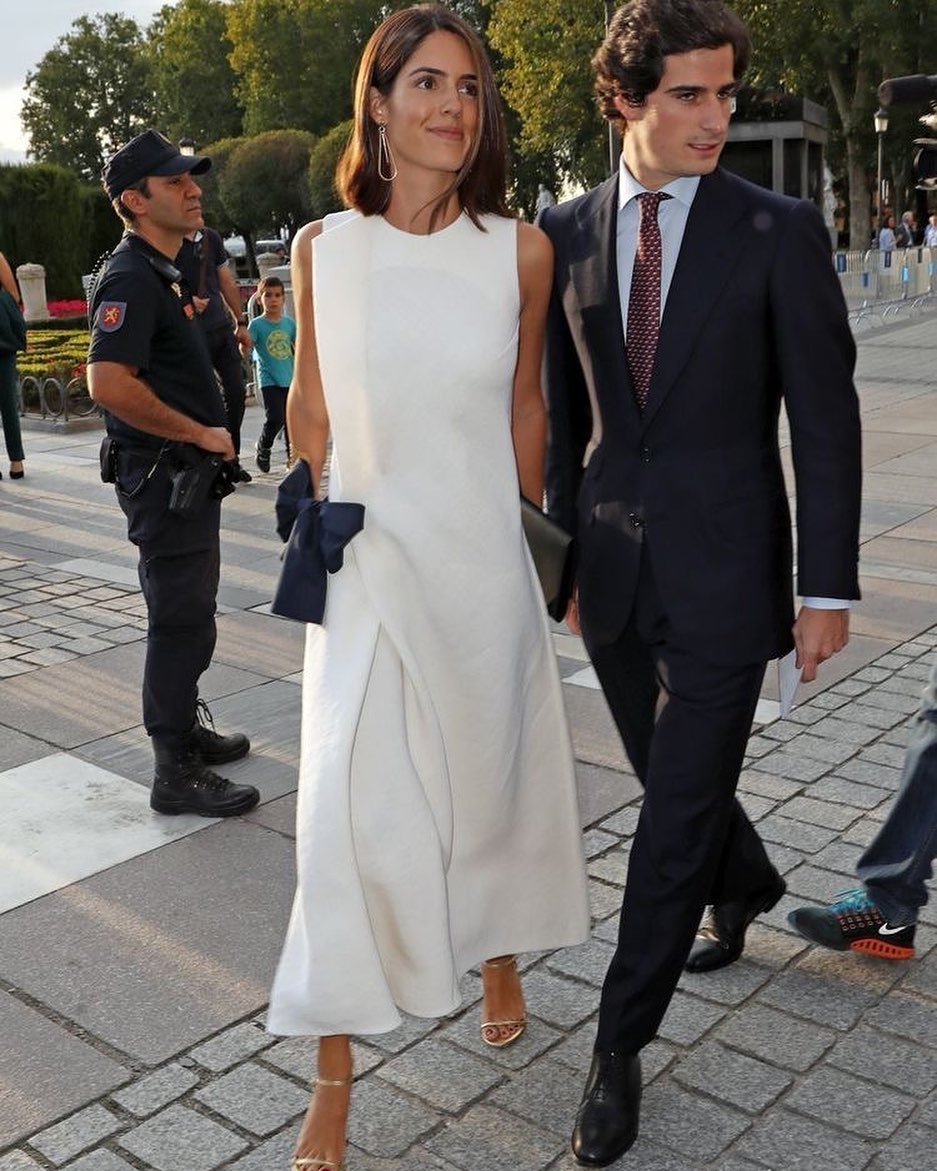
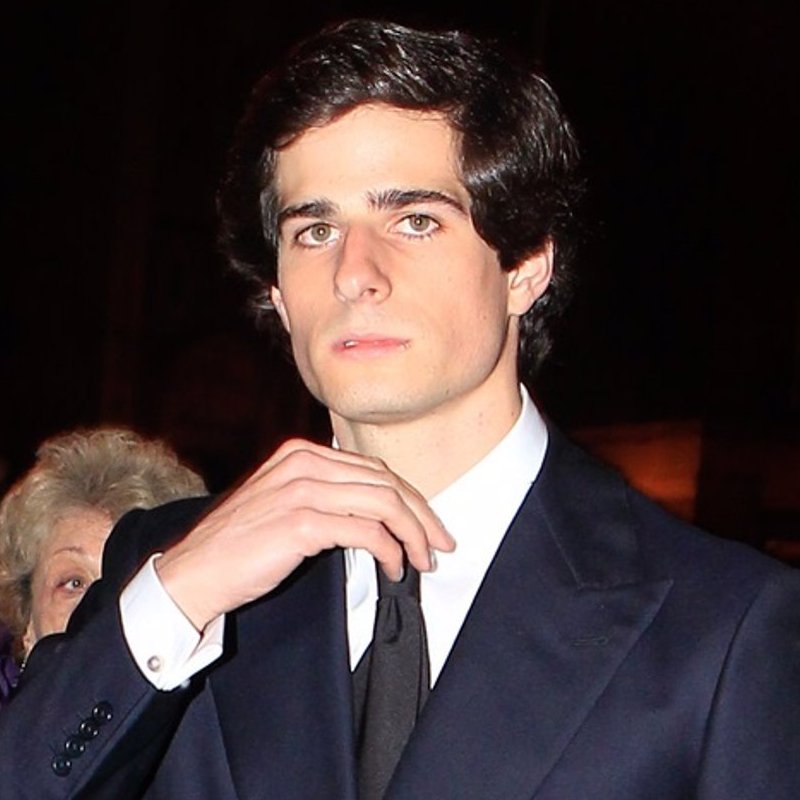
Fernando Fitz-James Stuart, 17th Duke of Huéscar, might be the second most stylish living royal (after the King of Spain). Let's explore what makes his style so great. And how some of these things can apply to your own wardrobe (I promise, you don't need to be an aristocrat).
Let's start with the basics. First, his jacket's collar always hugs his neck. When shopping for a suit jacket or sport coat, you always want to make sure the collar stays seated on your neck, even when you move around. A collar gap is hard to fix via alterations.
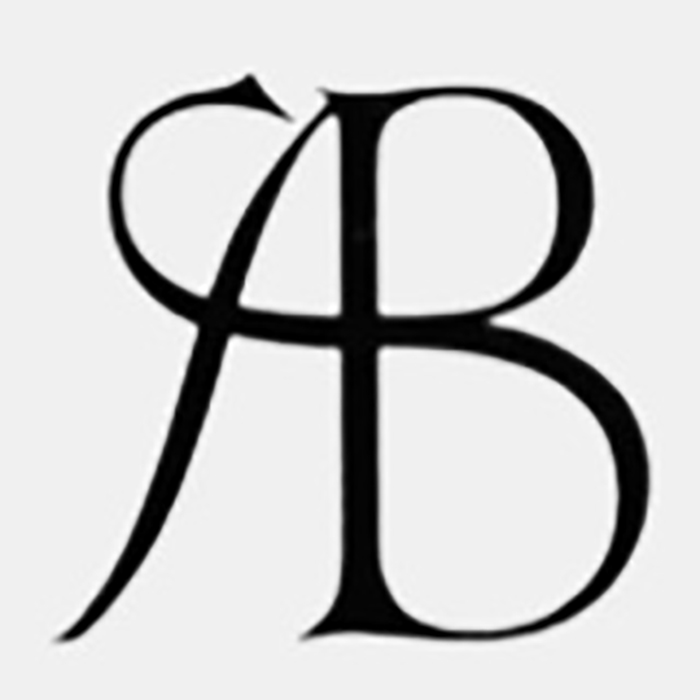
We should first start with some definitions. Technically speaking, these are not monograms.
A monogram is a motif where two or more letters are interlaced in such a way that you can't remove one letter without distorting the others. Here is a SAB monogram where the S forms the crossbar on the A and B. If you removed the letters S, A, or B, the symbol would lose meaning
The jacket is pretty good in that there's minimal waist pulling, and the collar hugs his neck even as he moves his arms. The main issue is that the sleeves are too slim, causing them to catch on his arms. Compare this to the second pic, where sleeves drape cleanly.
If I were in charge of his fitting, I would also shorten both the shirt and jacket sleeves so they don't look like they're enveloping his hand. The slimness of his jacket sleeve is also causing the French cuff to push out against the jacket. Not ideal