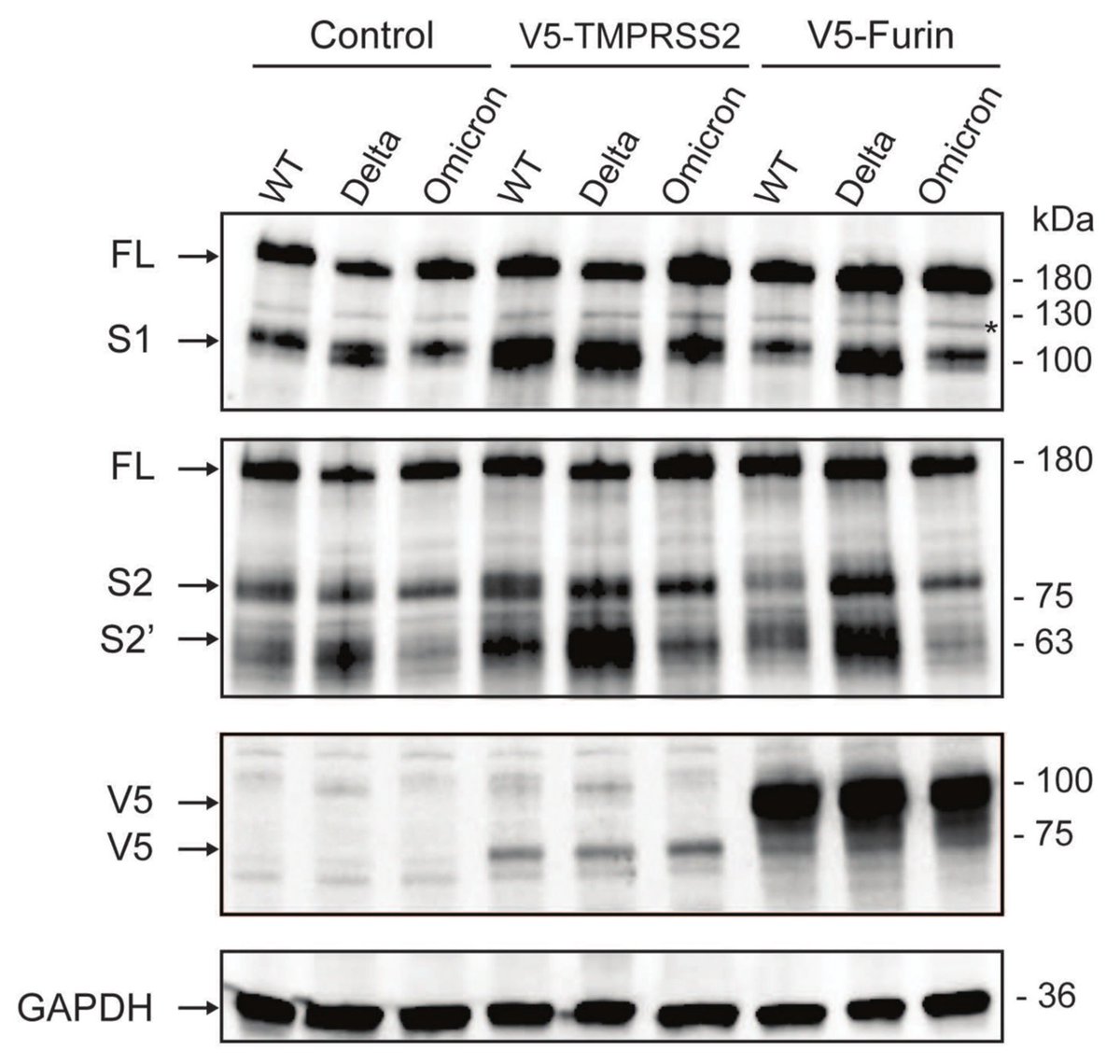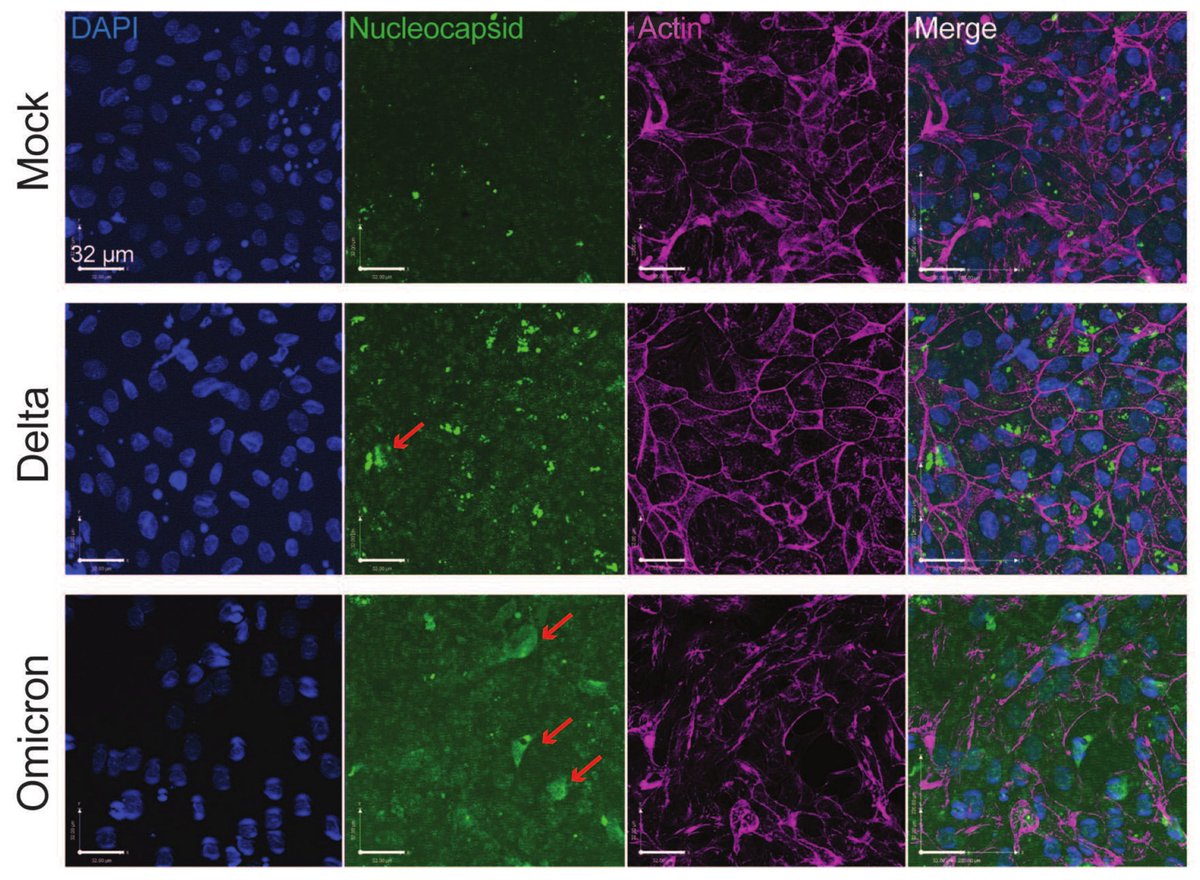
2) The study investigated the infectivity and replication of the Omicron SARS-CoV-2 variant in human colon organoids (mini gut models) derived from multiple donors.
They found that Omicron infection produced higher levels of viral RNA in some donor organoids compared to ...
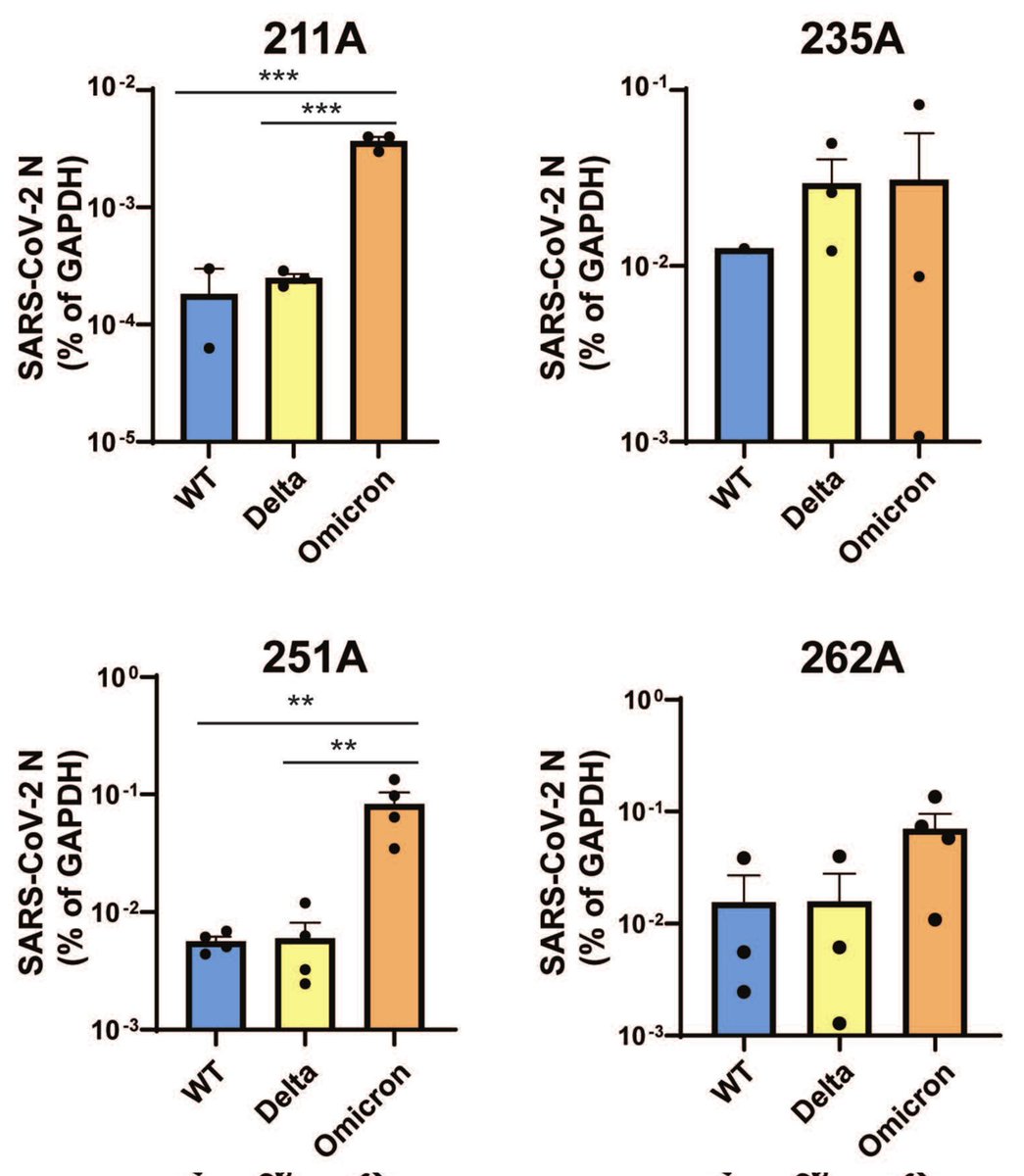
3) ...the original WA1 strain and Delta variant.
However, Omicron yielded comparable or lower levels of infectious virus particles.
Omicron elicited a weak type I and III interferon response at 24 hours post-infection, which may dampen recognition by immune sensors.
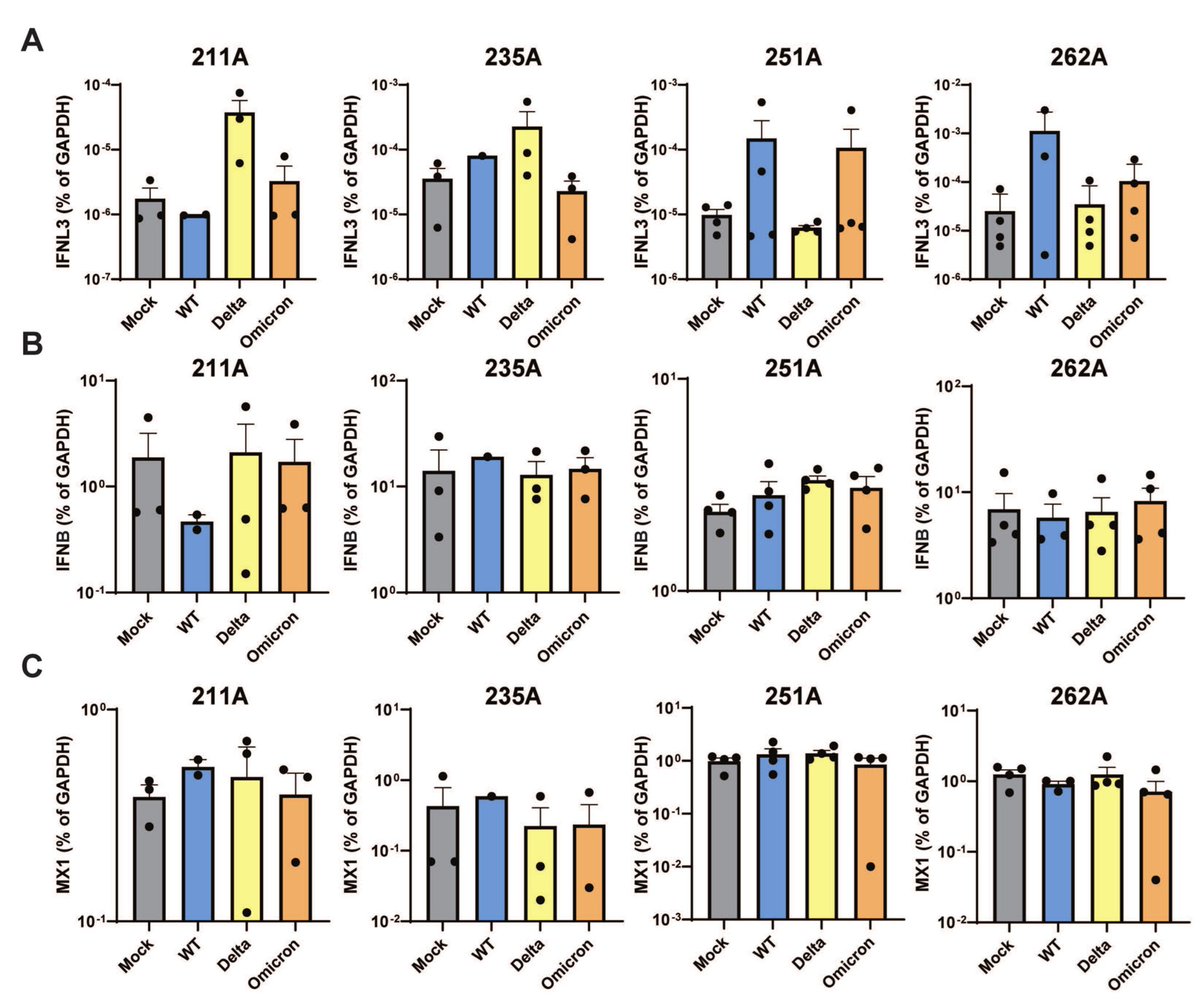
4) However, interferon levels increased at later time points.
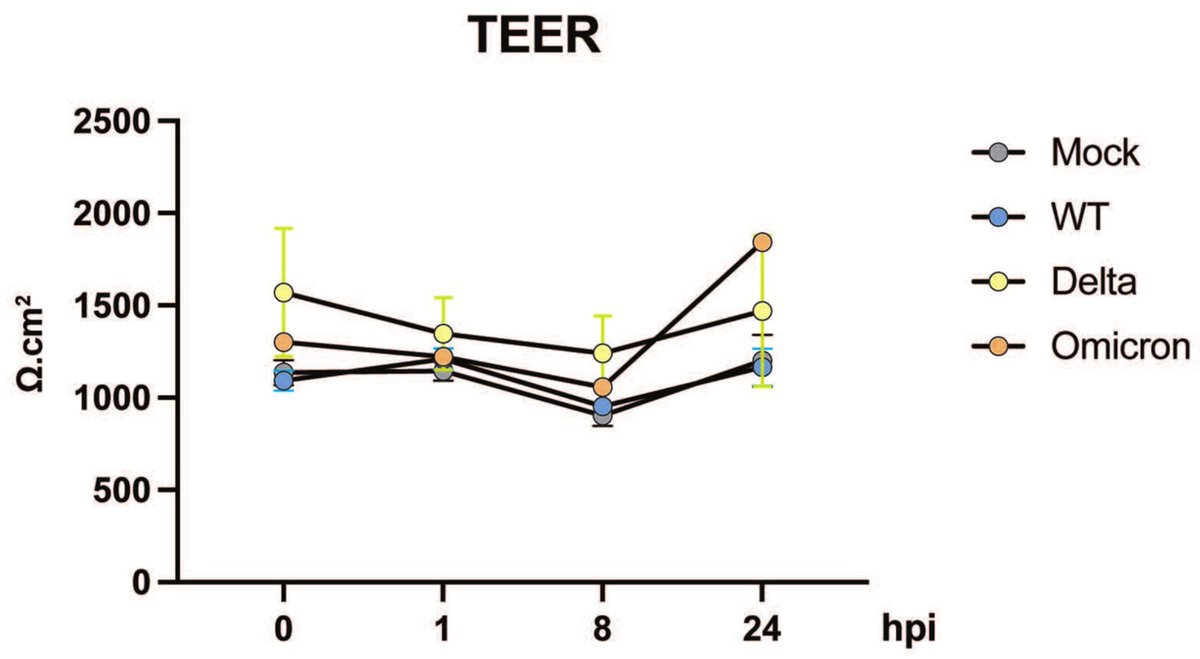
Barrier integrity, as measured by transepithelial electrical resistance, was not compromised by any variant.
-Omicron exhibited diminished syncytia formation and less efficient spike protein cleavage ...
5) ...compared to other variants. This could contribute to its reduced fusogenicity and infectious particle production.
In summary, while Omicron replicated effectively in colon organoids, it showed variable infectivity across donors and produced fewer infectious virions ...
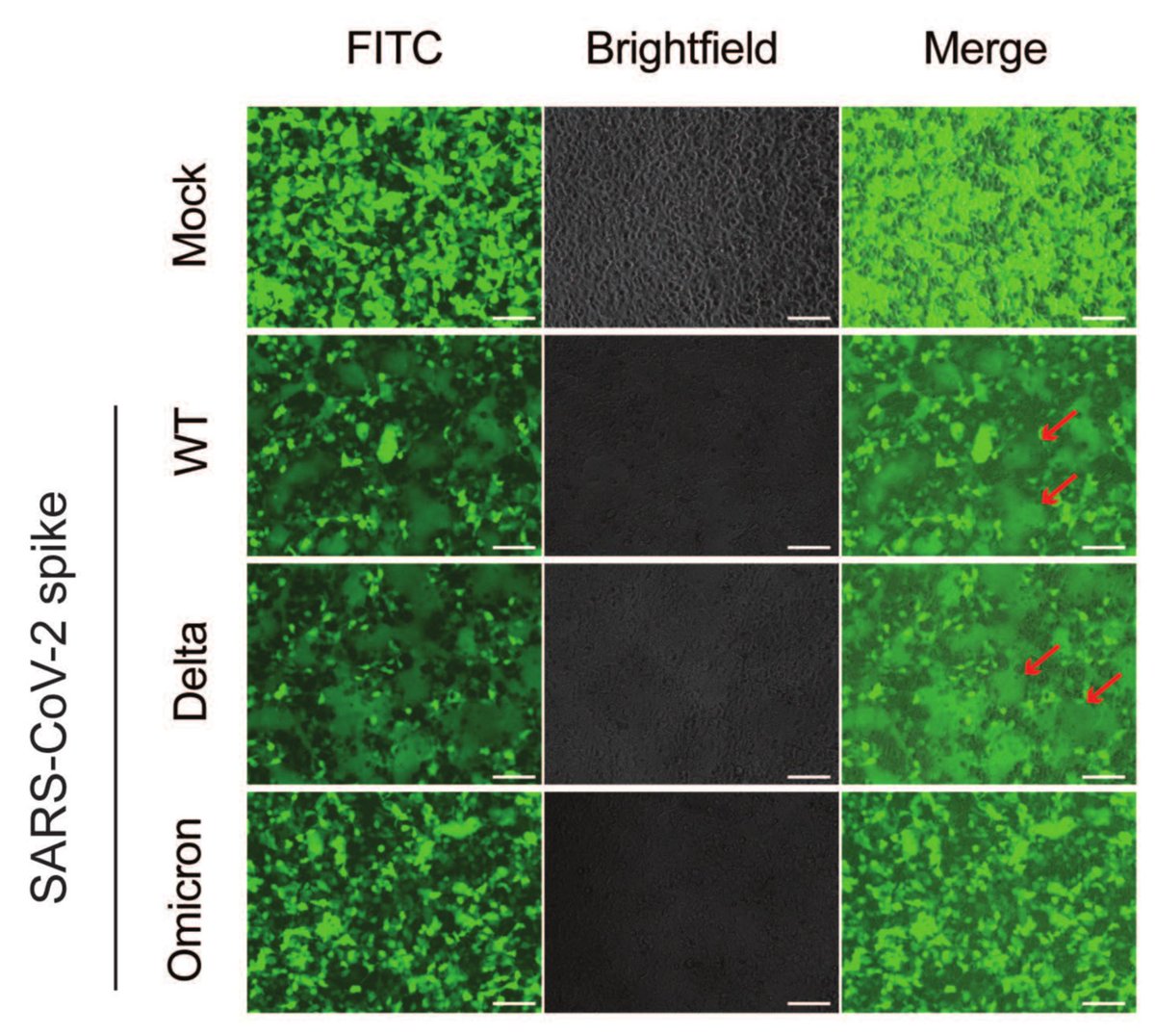
6) ...than other variants due to impaired spike processing and cell-cell spread capabilities. This provides insights into Omicron tropism and enteric involvement in COVID-19.
Thanks for reading ๐
โข โข โข
Missing some Tweet in this thread? You can try to
force a refresh

NIPAH VIRUS
Jumping to conclusions during outbreaks only fuels panic and misunderstanding; NOT EVERY VIRUS OUTBREAK is a PANDEMIC.
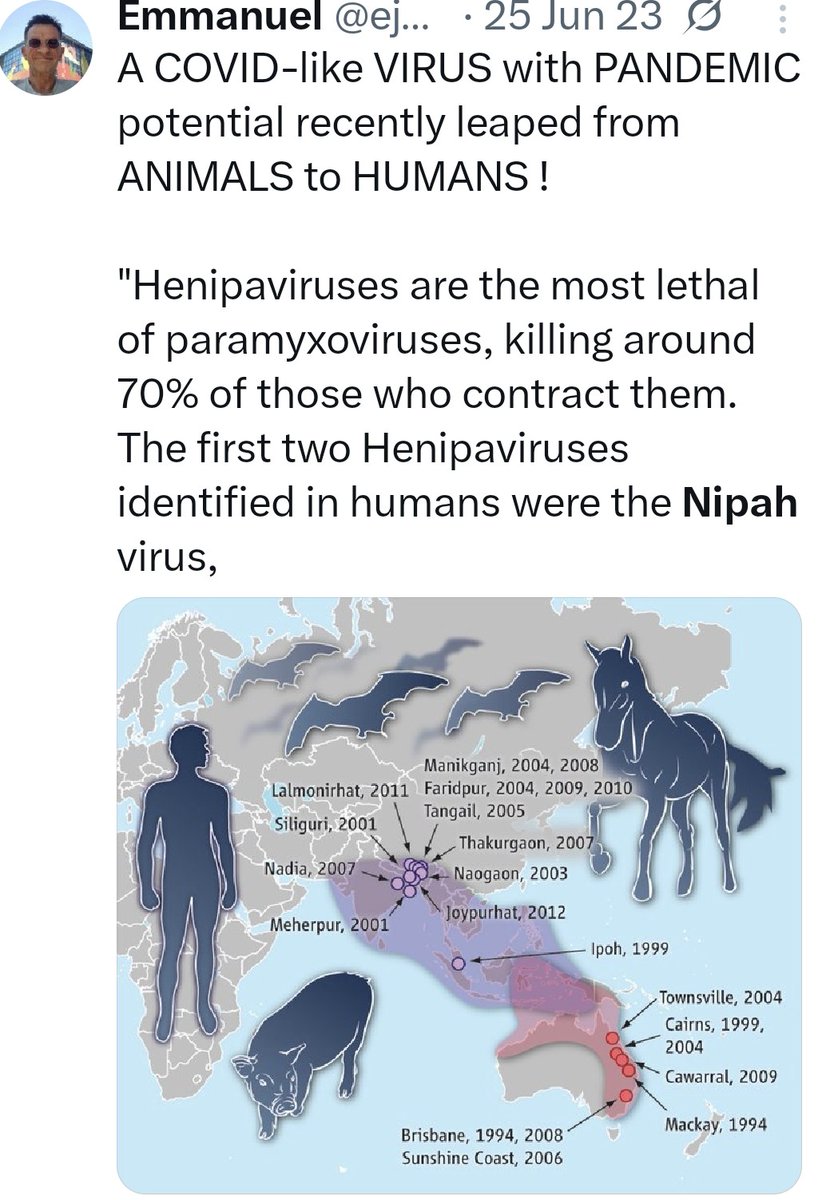
We raised the alarm about Nipah in 2023, but itโs essential not to confuse an epidemic related to this virus, ...
2) ...like the one in India, with a pandemic risk or a situation like COVID-19.
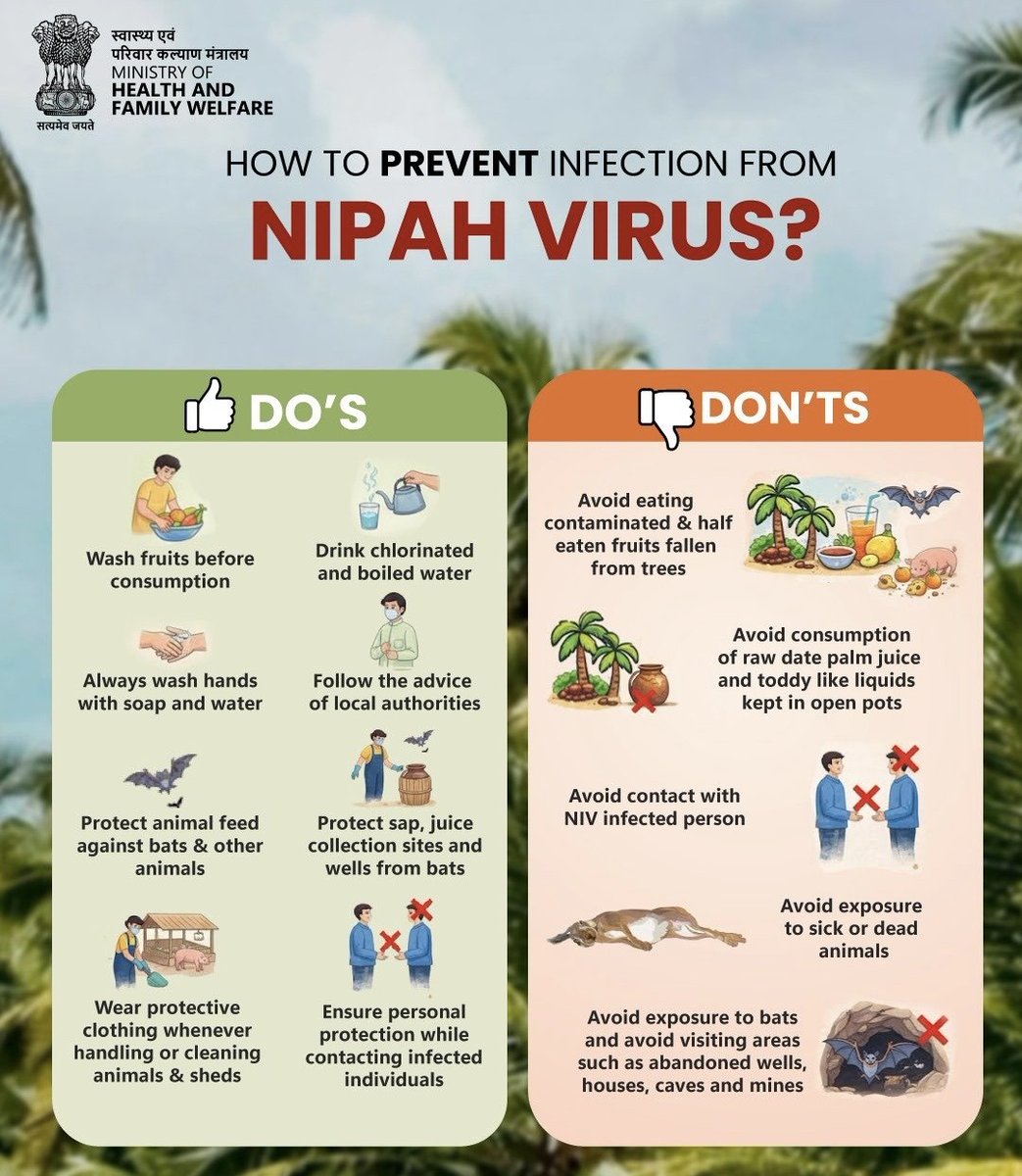
Nipah virus is transmitted primarily from animals, especially bats, to humans. It spreads through direct contact with infected animals, their secretions, or contaminated foods.
3) Human-to-human transmission occurs only through close contact, such as touching or caring for an infected person, as well as sharing fluids like saliva or blood.
We cannot equate a virus transmitted through fluids with a respiratory virus like SARS-CoV-2.
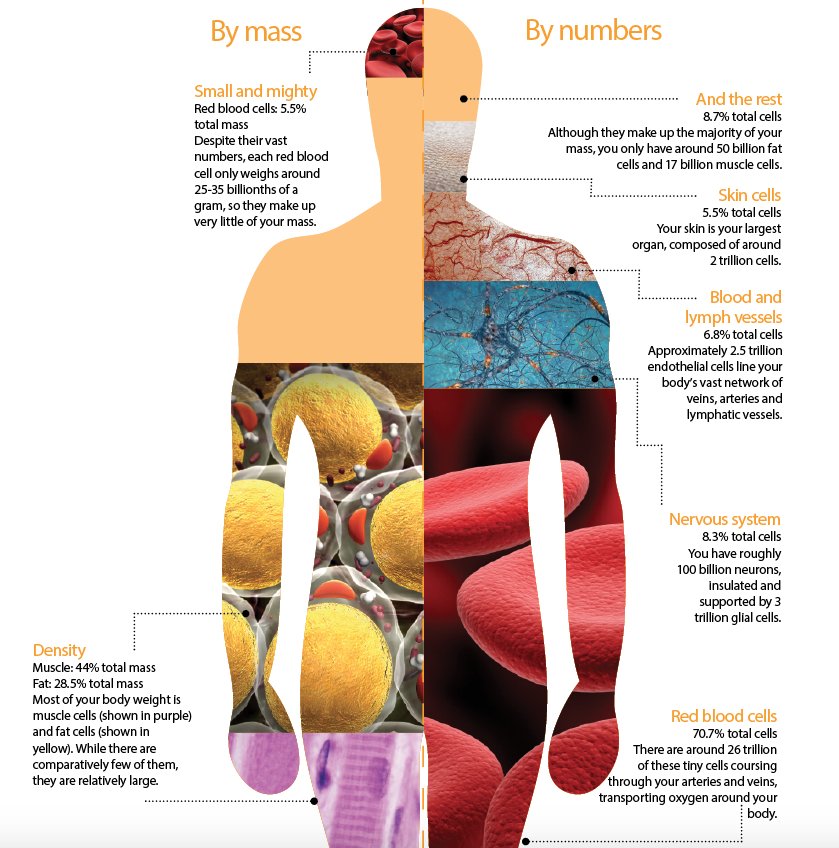
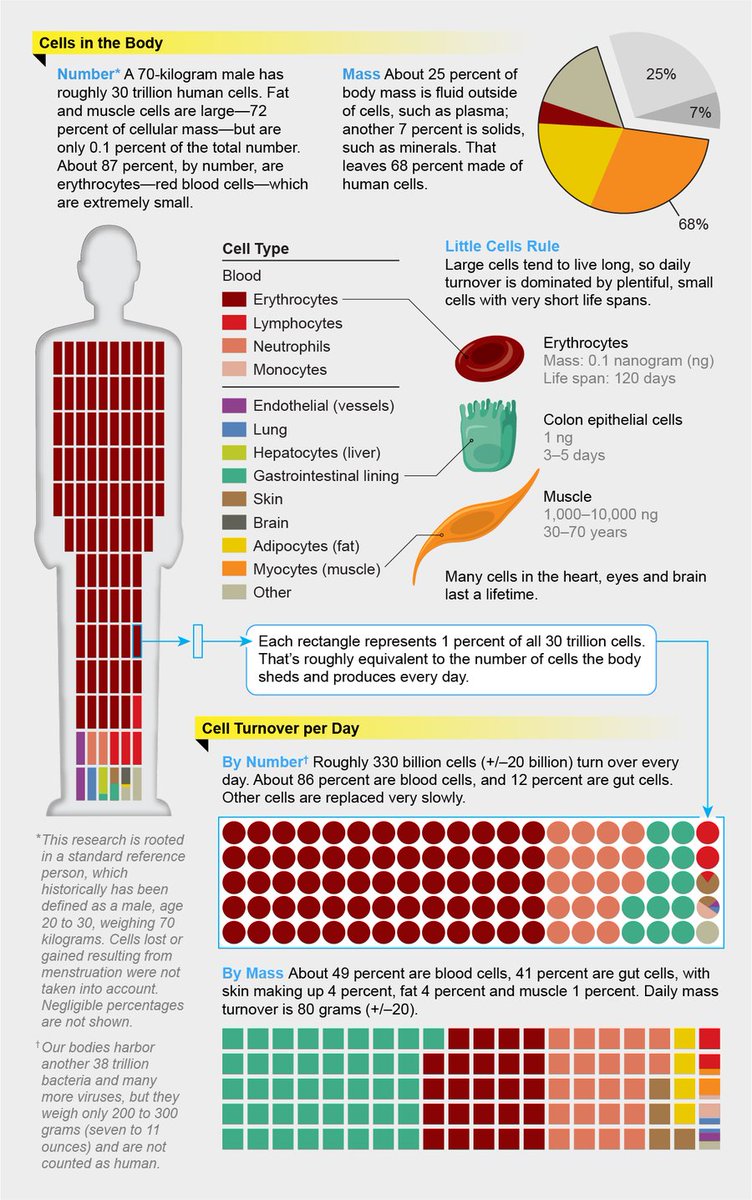
"70% to 90% of our CELLS are completely RENEWED in less than 5 YEARS!
So If weโre mostly "New", why are so many still struggling with SARS-CoV-2?
We will tackle this question, which is more complex than it seems, in several posts.
2) First, let's say a few words about cell renewal.
70% to 90% of our cells are renewed over time. This turnover occurs in various cell types, including skin, blood, and immune cells, allowing the body to replace damaged or aged cells. sciencefocus.com/the-human-bodyโฆ
3) For instance, red blood cells have a lifespan of about 120 days, while skin cells regenerate every few weeks.
Even with significant cell renewal, aging persists due to changes in our DNA. sciencefocus.com/the-human-bodyโฆ
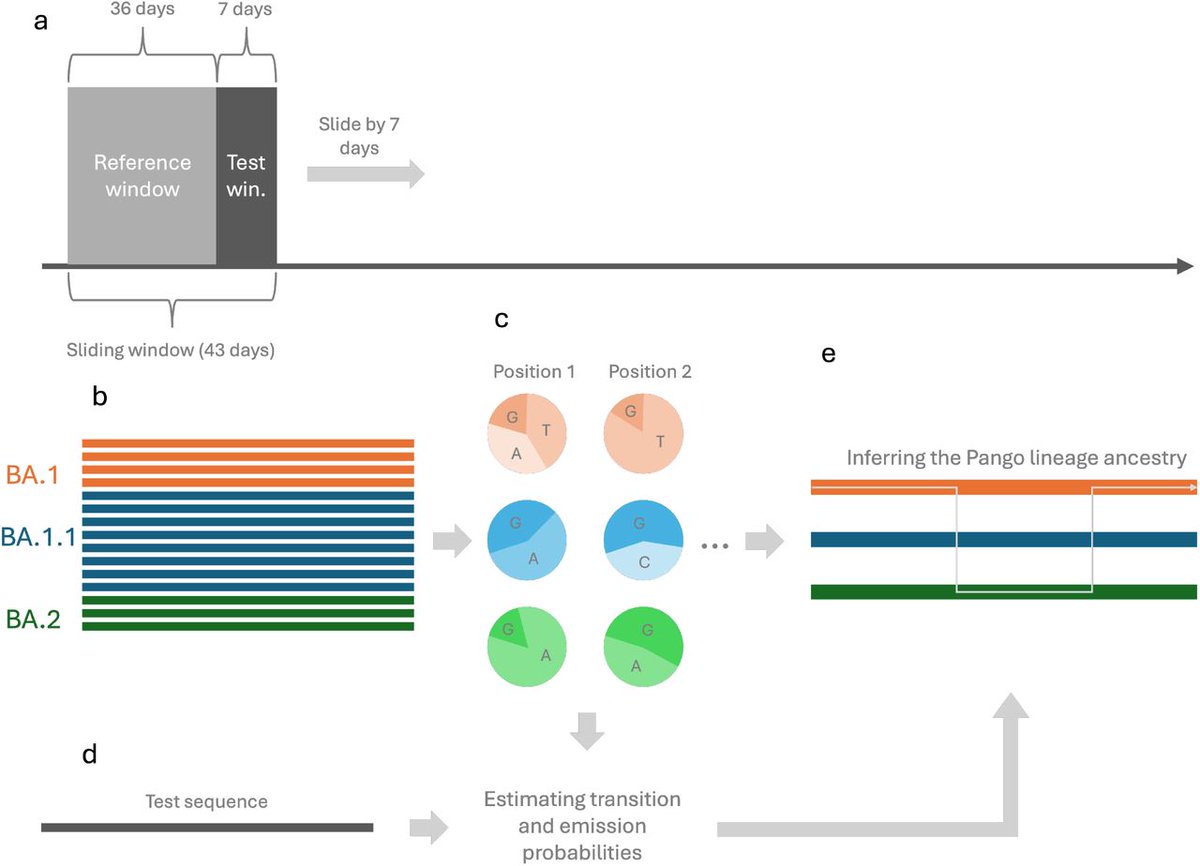
2) Co-infection occurs when a person is infected by more than one virus at the same time. This can lead to interesting and sometimes complex interactions between the viruses
3) In one study about SARS-CoV-2, researchers found that when different versions of this virus infect the same person, they can mix their genetic material through a process called recombination. This means that the new version of the virus can have traits from both parent viruses
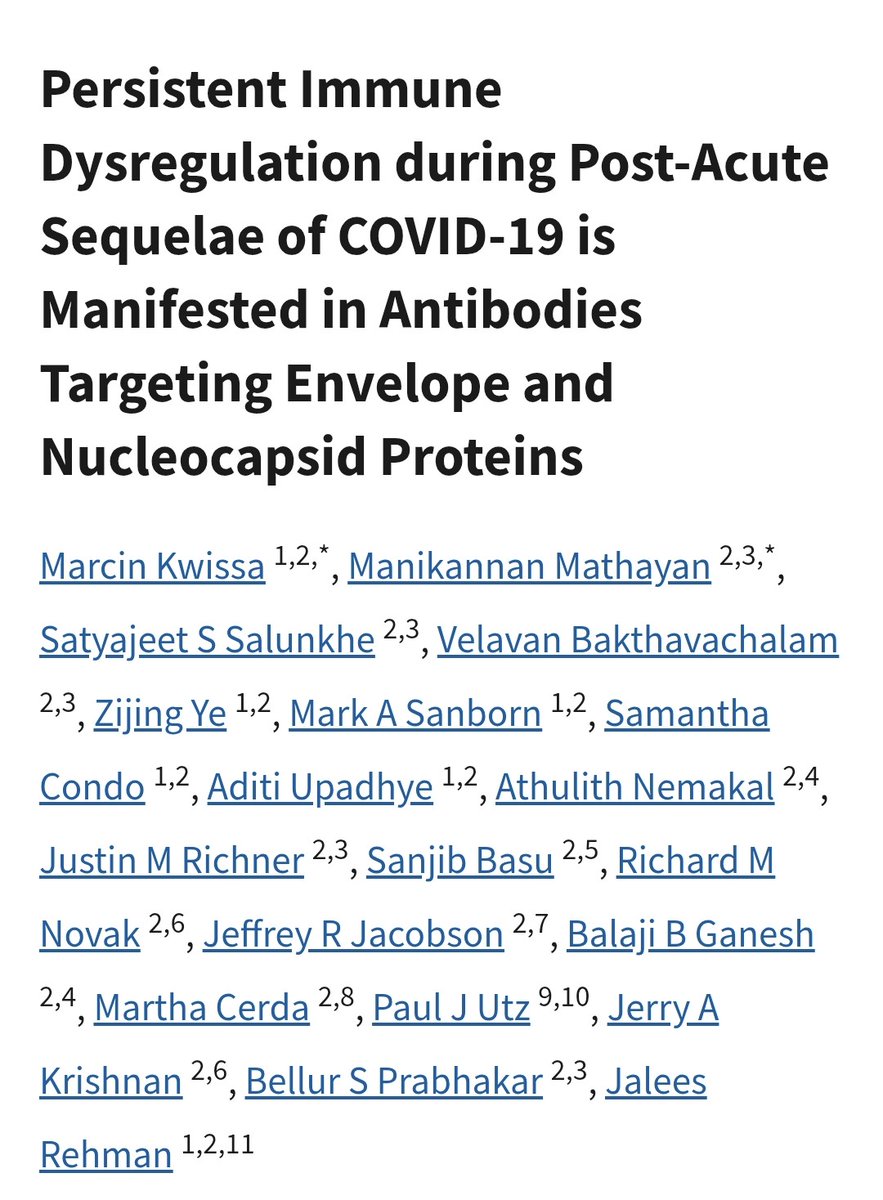
For more than three years, we have been emphasizing that the envelope protein is an essential component and that we cannot limit our focus to just the spike protein. We are now uncovering its role in long COVID.
3) The Envelope (E) protein of SARS-CoV-2 plays a crucial role for several reasons:
โถ๏ธ Virus Assembly and Release: The E protein is essential for the virus's assembly and budding from infected cells, contributing to its stability and infectivity.
"N''oubliez jamais" (Never forget - Joe Cocker)๐งต
In 2022, COVID-19 was the second leading cause of death globally, with the repercussions of the virus far from over. The lasting impact of the pandemic continues to affect lives around the world.
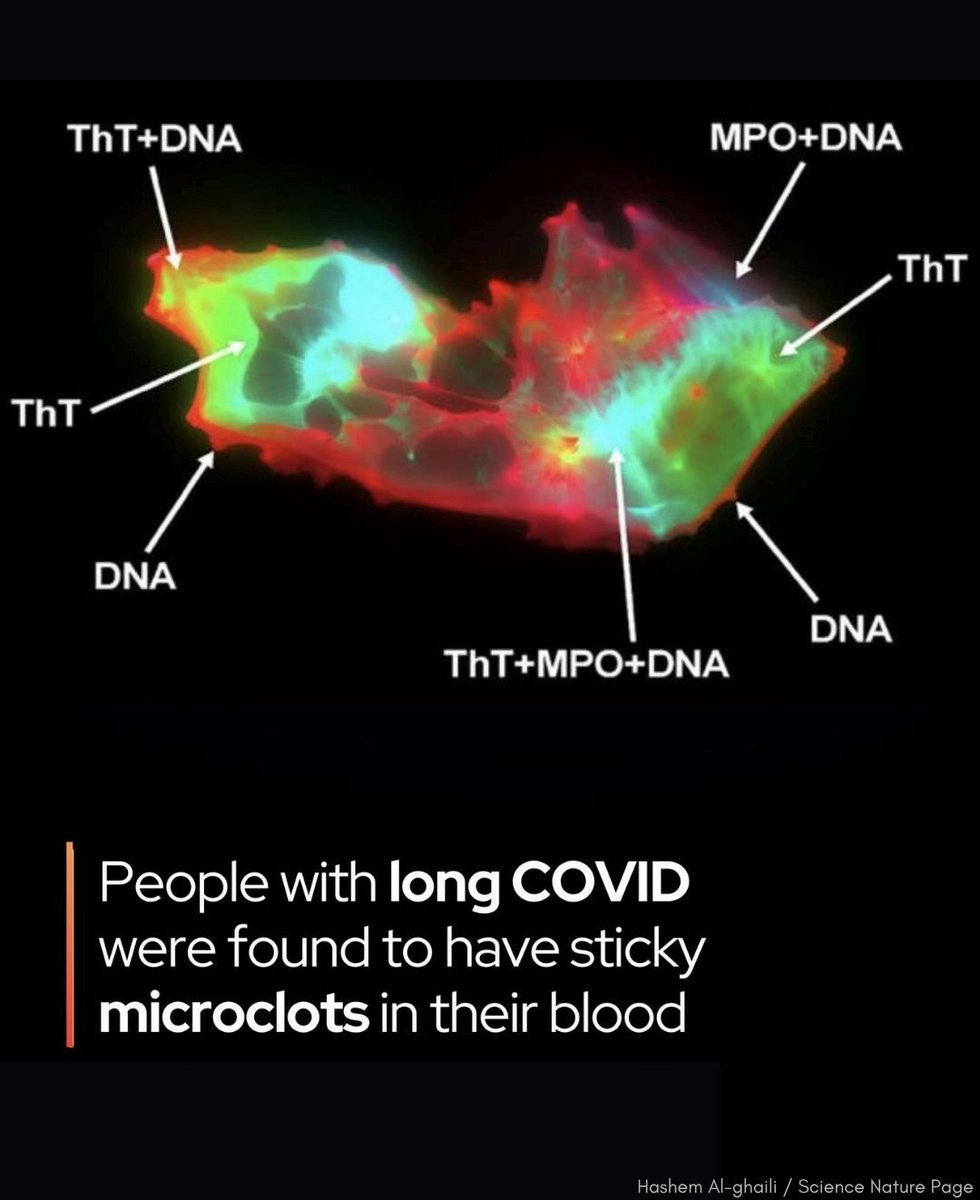
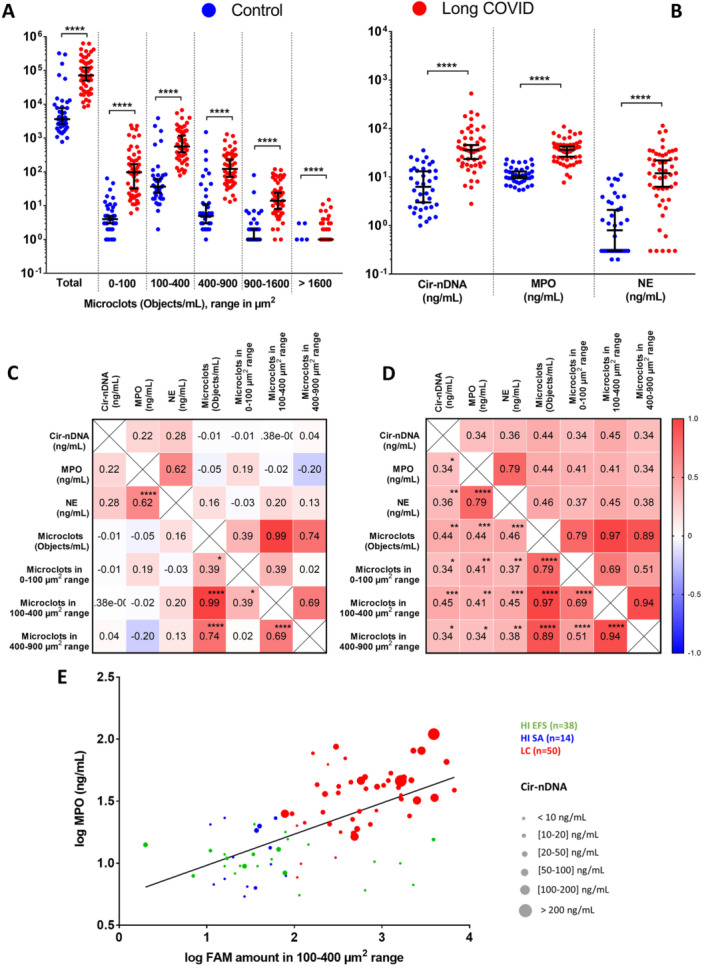
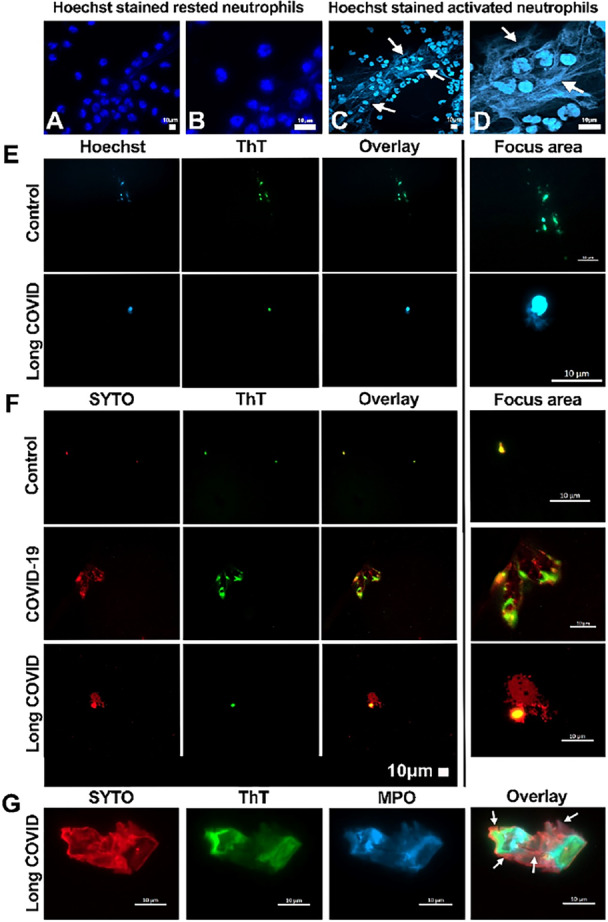
Recent research may have identified a key factor contributing to long COVID: microscopic clots intertwined with immune system debris in the blood. These unusual structures were found to be nearly 20 times more prevalent ...
2) ...in long COVID patients compared to healthy individuals. The clots, associated with neutrophil extracellular traps (NETs), suggest a potential biological marker for persistent symptoms.
3) These microclots could impede blood flow in small vessels, leading to issues like brain fog, fatigue, and shortness of breath.