Quality fabric is still being made today, but it often costs more than what people are willing to pay for clothes. I will give a few examples. 🧵
https://twitter.com/sumpfgas/status/1785553774834008232
In this old Brooks Brothers catalog from 1915, we see an entry for Chesterfields, a type of single-breasted "city coat" made with a velvet collar. At the time, Brooks Brothers offered these in Vicuna, Cheviot, and Elysian. Coats were lined in satin and piped with velvet. 

Joshua Ellis, a British mill mostly known for cashmere, still offers Elysian today. It's a labor-intensive overcoating made with two layers of plain weave sewn together, then covered in a third layer of weft floats. This gives it a nap like velvet or corduroy.

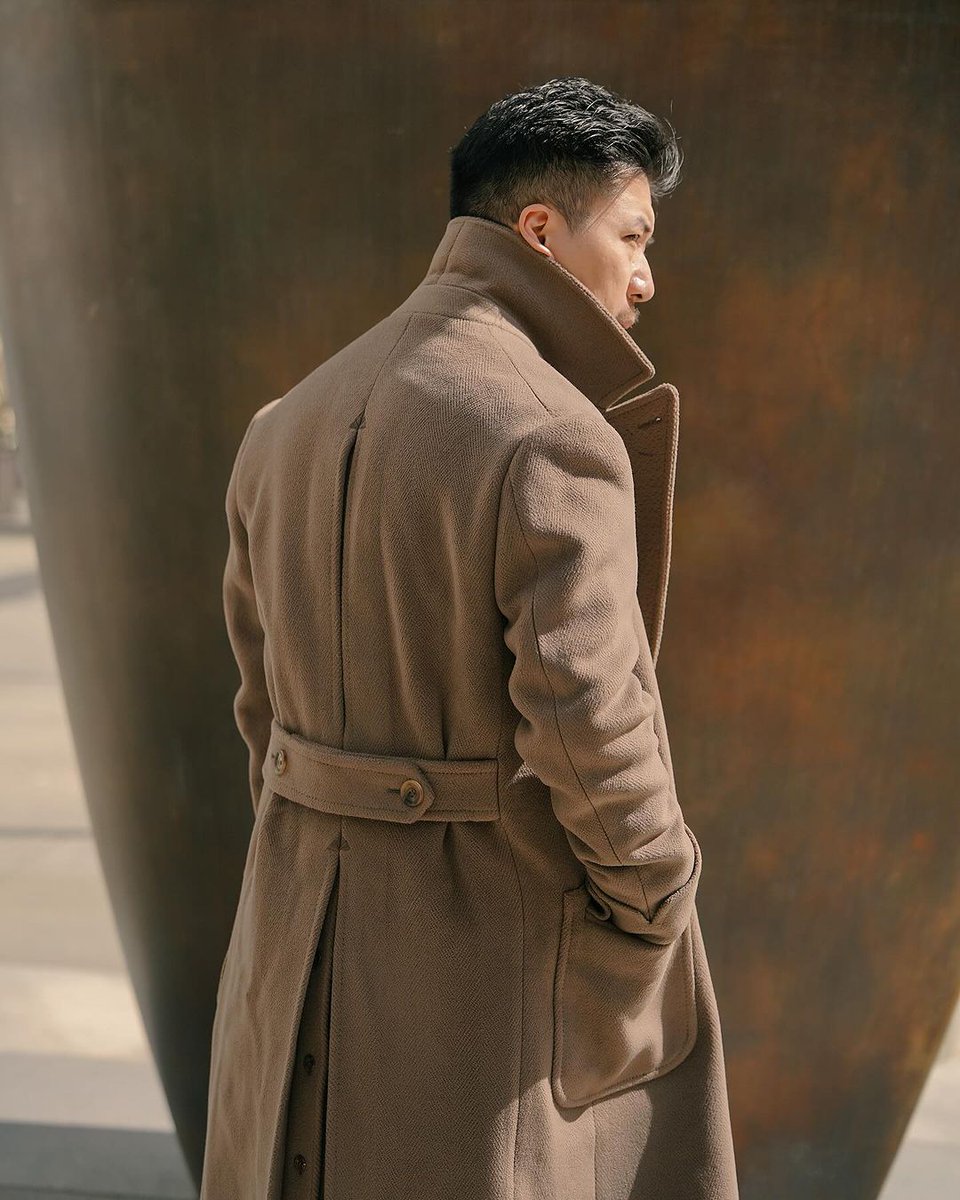
You can see that in skilled hands, this material can still be used to create the silhouettes discussed in that original post. But the material is very expensive—$350/ meter. A tailor needs 4 meters to make an overcoat, so $1,400 for fabric alone.
Coat by The Anthology
Coat by The Anthology

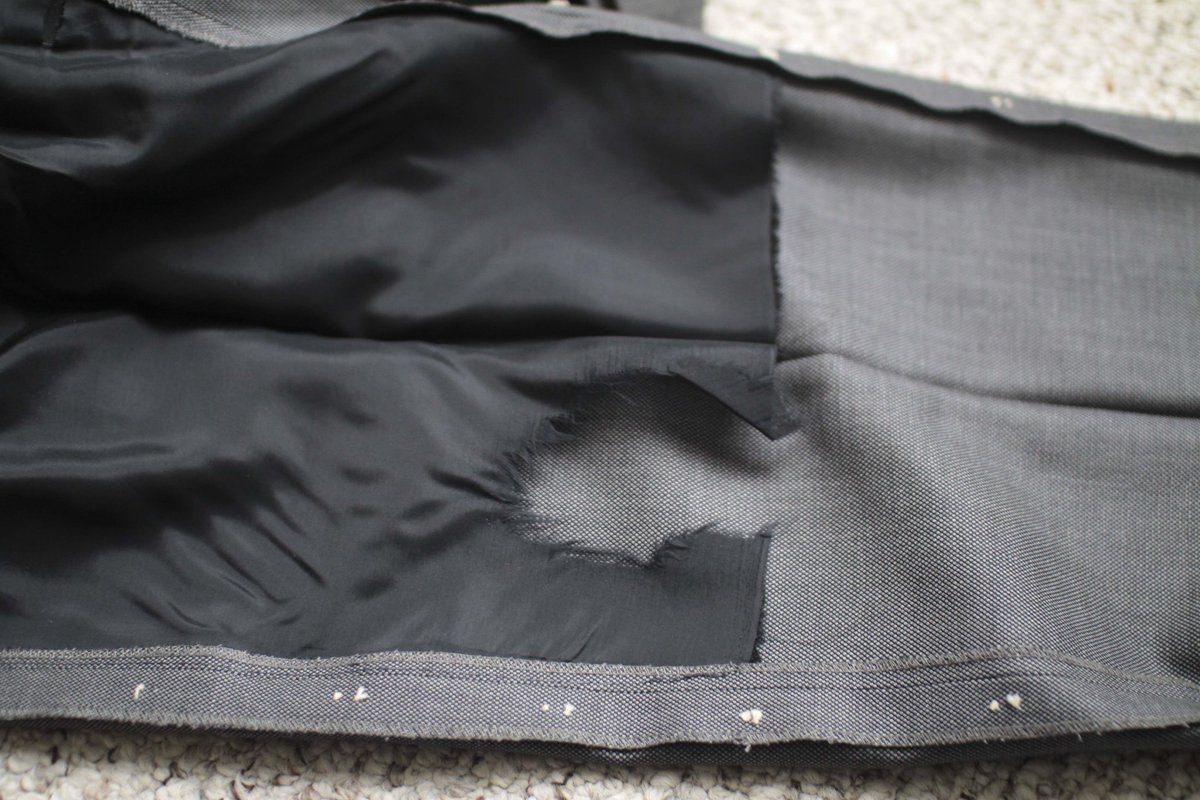
The idea that modern fabrics are necessarily delicate is also a myth. Here are some old suit trousers. We know the owner wore them hard because there's evidence that the waist has been let out. The knee lining has also been worn through.

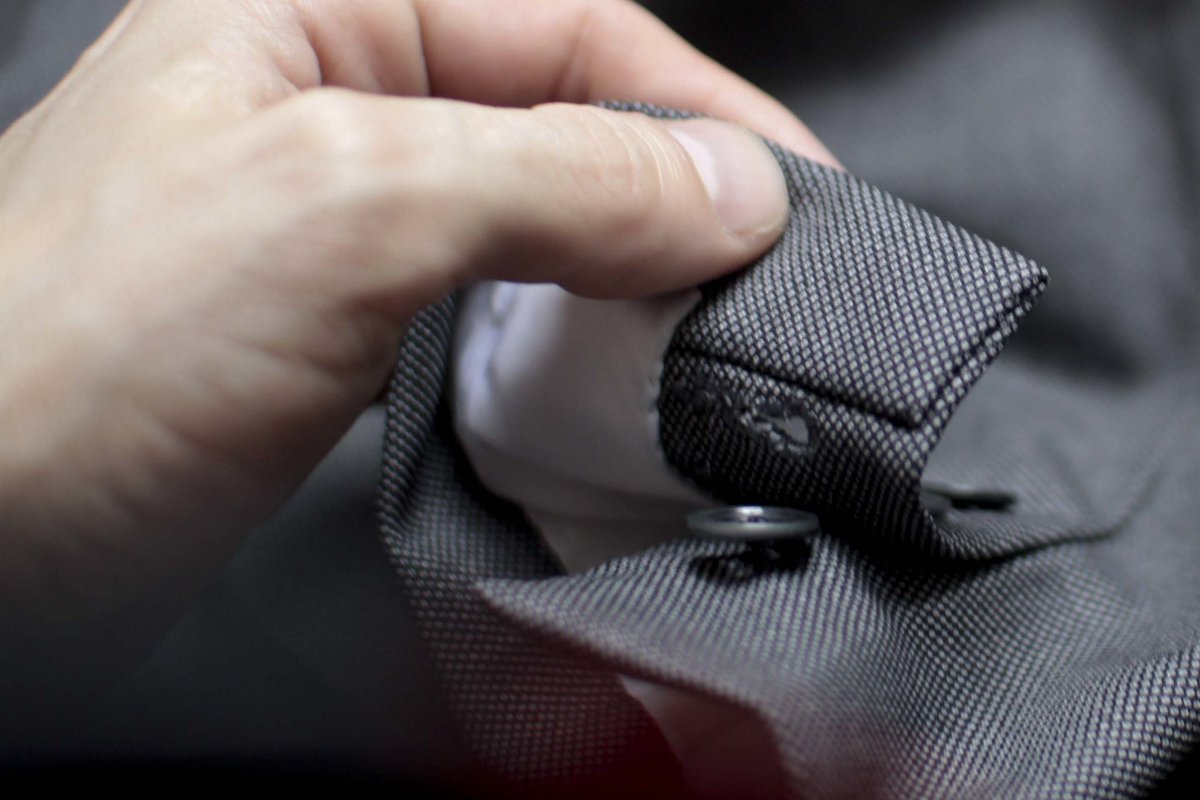
Yet, the trouser hem is in perfect condition, even on the inside. The suit jacket's sleeve cuff is also fine. And the most telling sign of all: there is no wear to the trouser seat, which is usually the first part of a suit to give out.
Photos via Tutto Fatto a Mano
Photos via Tutto Fatto a Mano


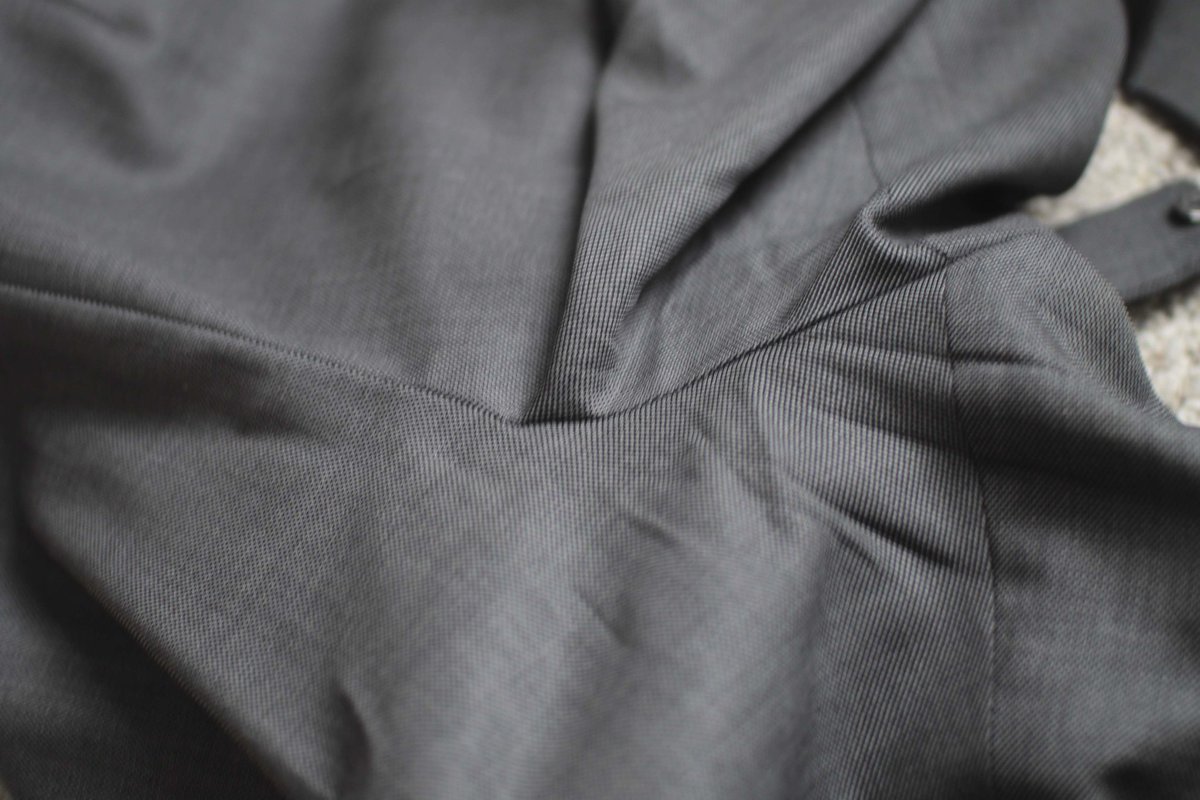
The biggest difference between vintage and modern fabrics is weight. People used to wear heavier, coarser materials. But flip this suit inside out, and you will see the selvedge. This is a British-made Super 150s cloth. (Super wools are made from very fine fibers)

There are dozens of quality cloth mills and merchants, most of them located in the UK or Italy. Some names include Harrisons of Edinburgh, Holland & Sherry, Dugdale, Fox Brothers, Huddersfield Fine Worsteds, VBC, Cerruti, Loro Piana, Drapers, and Lovat (a favorite for tweed).
Years ago, @NickSullivanESQ commissioned a series of videos from @paddygrant to be posted on Esquire, which showcased British manufacturing. Here's one on Fox Brothers, a fabric mill known for its flannel (the wool kind used for suits, not the stuff for shirts).
Here's Douglas Cordeaux, co-owner of Fox Brothers, wearing some clothes made from his company's fabrics. Pretty nice shaping, right? What determines this is not just cloth, but skilled tailoring and pressing.


The starting price for Fox flannel is $250/ meter, and you need 4 meters for a suit. However, all prices here are for ppl outside of the trade. Tailors—and especially factories—get discounts. A brand can pay as little as ~$30/ meter for quality fabric (not Fox, but other mills)
But if a brand needs 4m for a garment and pays $30/ meter, that's already $120. Add trims, labor, and basic business costs (e.g., storage, marketing). Then multiply the price by 2x so they can make a profit. And another 2x so the store servicing you can profit. Stuff adds up
The main thing missing is demand. You don't even need luxurious materials to make a shaped garment. You need customers with trained eyes and a willingness to take risks. Here's a photo of @julieragolia (pic by @urban_comp)

Notice the shape of those trousers—the curve in the leg. You can get a similar cut through De Bonne Facture (their balloon-leg pants in drill cotton). The main reason they're expensive is because they're small batch production.

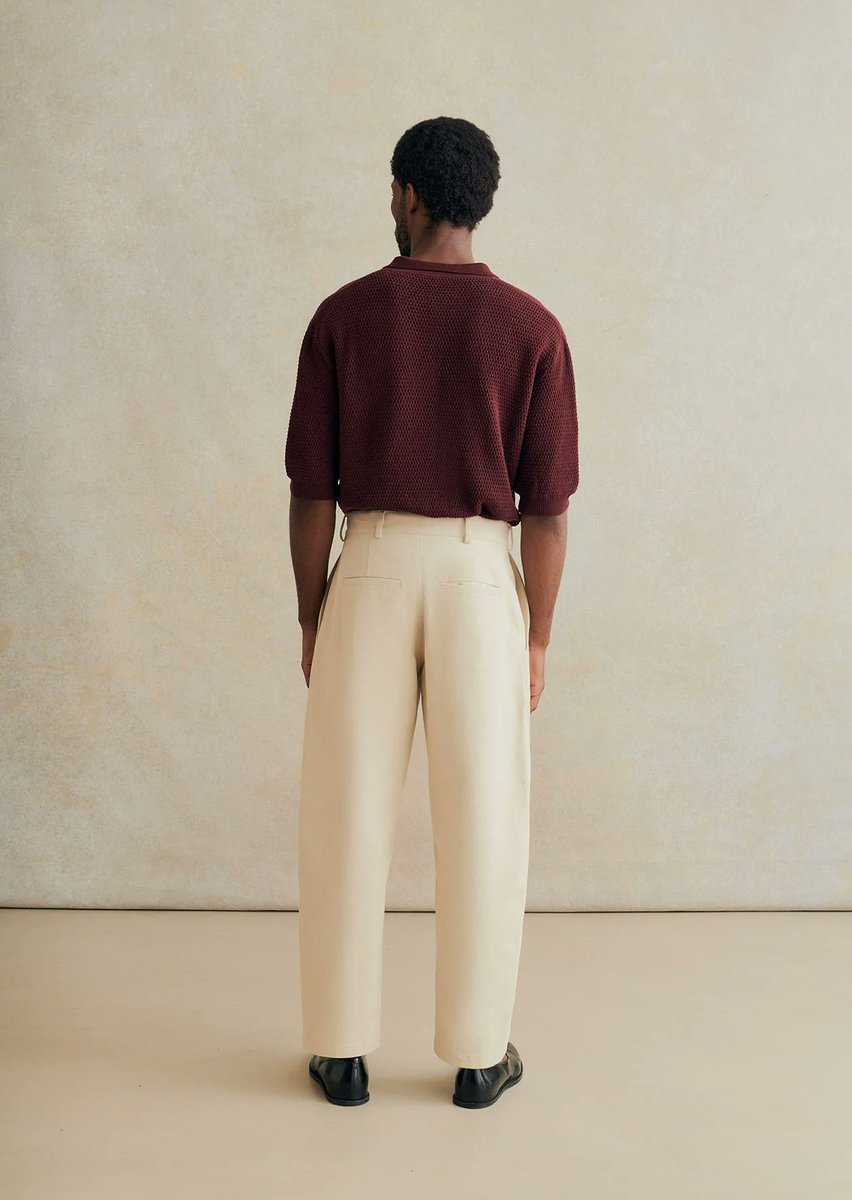
Some materials, such as Elysian, are necessarily expensive because of the labor involved, but other materials, such as cotton, can be cheap. Even Alpha Industries' nylon bombers have shape. Lots of good clothes out there, and you can also shop second-hand.

• • •
Missing some Tweet in this thread? You can try to
force a refresh