Today, 345 years ago, we lost the greatest sculptor known to mankind, Gian Lorenzo Bernini.
Let's enjoy some of his most iconic sculptures 🧵
Gian Lorenzo Bernini needs no introduction. He was amazing! Characterized by dynamic movement and emotional intensity, his works continue to inspire awe. So, let's see some of them.
1. The Goat Amalthea with the Infant Jupiter and a Faun, c.1610
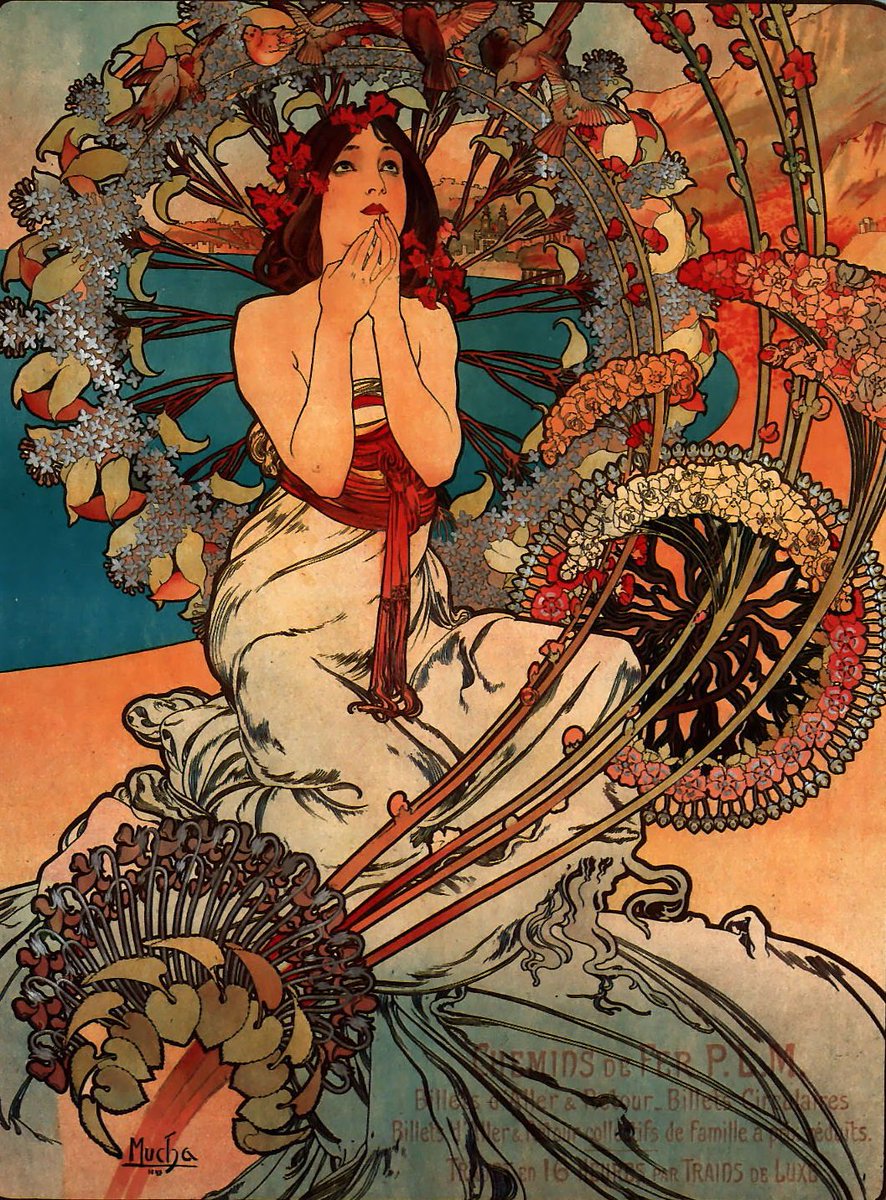
Before manga and psychedelia, Alphonse Mucha imagined a world in bloom.
On his birthday, let’s honor his vision of art. 🧵 👇
Today, July 24, marks the birthday of Alphonse Mucha, the Czech visionary who defined Art Nouveau. His flowing lines, ethereal women, and vibrant designs transformed art, posters, and even interiors.
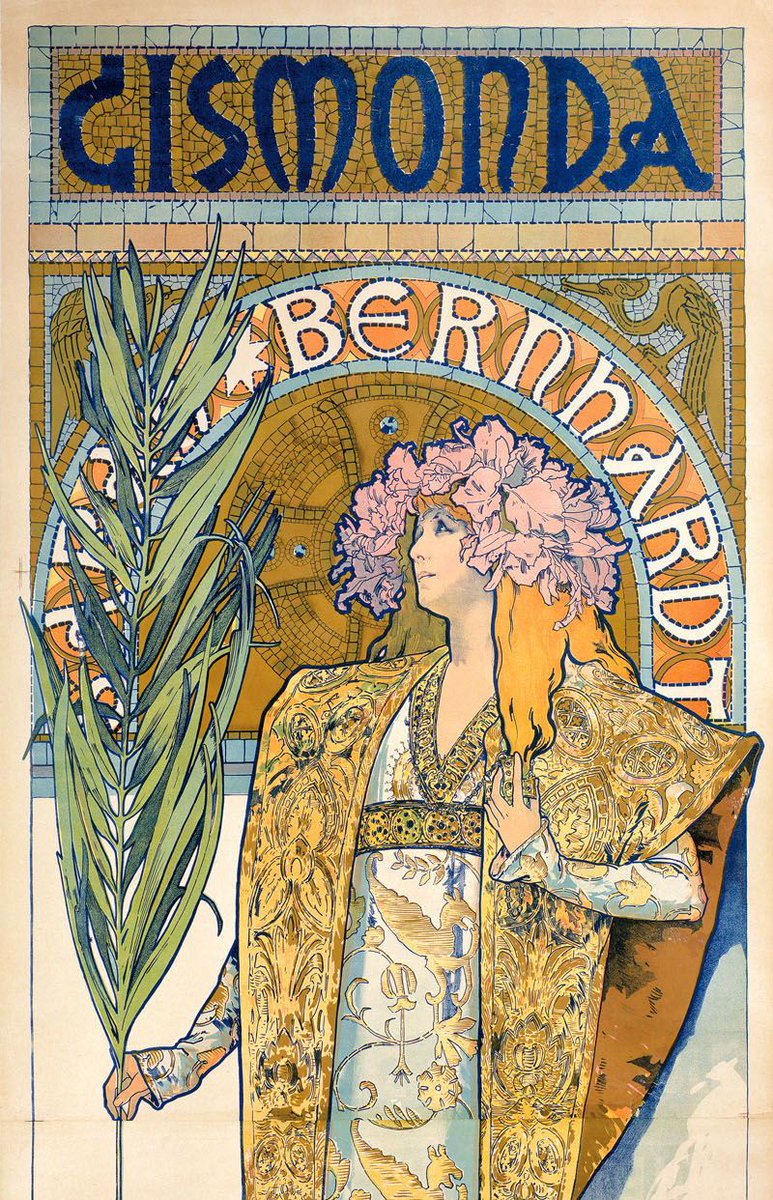
Gismonda, 1894 - Mucha’s breakthrough came with this poster for Sarah Bernhardt’s play. Bernhardt herself said, “You have made me immortal.”
Alexander the Great was born around July 20 or 21, 356 BC.
His story has been told and retold for centuries, but some of the most powerful tributes are in art.
Let’s take a look. 🧵 👇
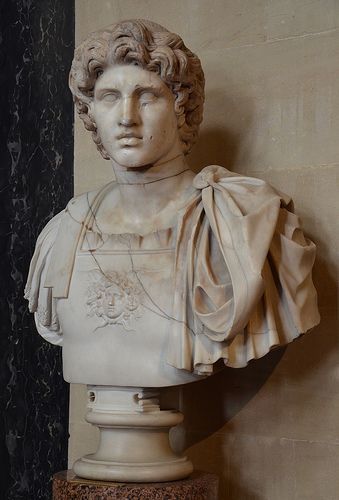
One of the oldest portraits of Alexander the Great is a marble bust from Pella, his birthplace. He’s shown with a tilted head and intense gaze—a look that became his signature across centuries.
The famous Alexander Mosaic, found in Pompeii, shows him mid-battle against the Persian king Darius III. His expression is fierce and focused. It’s a dynamic moment captured in stone.
415 years ago today, the world lost Michelangelo Merisi.
Caravaggio didn’t paint perfection. He painted truth.
An icon. A rebel. A legacy carved in chiaroscuro. 🧵
Let's delve into the life and art of Caravaggio, a painter whose dramatic style and tumultuous life have left an indelible mark on the art world. Born Michelangelo Merisi in 1571, his work would come to define the Baroque movement.
Caravaggio's early life was marked by tragedy. He was born in Milan, but his family moved to the small town of Caravaggio (from where he took the name) in 1576 to escape a plague that was devastating Milan. Orphaned by the age of 11, he returned to Milan to begin his apprenticeship with the painter Simone Peterzano, a pupil of Titian. This period shaped his technical skills but also his rebellious spirit.
Today is World Chocolate Day, a celebration of humanity’s sweetest obsession.
Chocolate is a 4,000-year-old story of culture, conquest, and creativity.
Let’s unwrap its history, shall we? 🧵 🍫
Chocolate begins in Mesoamerica, where the Olmecs (c. 1500 BC) first cultivated cacao. The Maya called it ka’kau’, a sacred drink for gods and kings. Bitter, frothy, and spiked with chili, it was no candy bar.
The Aztecs took it further, using cacao beans as currency. One bean could buy a tamale, 100 could get you a turkey. Montezuma II reportedly drank 50 cups a day. Chocolate was power, wealth, and ritual in one.