Tomorrow May 9 will be almost the most sacred holiday for modern Russians - Victory Day. But was it always celebrated? And how has it been distorted by Russian propaganda? After the end of the war in 1945, the holiday was celebrated only twice - in 1946 and 1947. There were
1/21
1/21

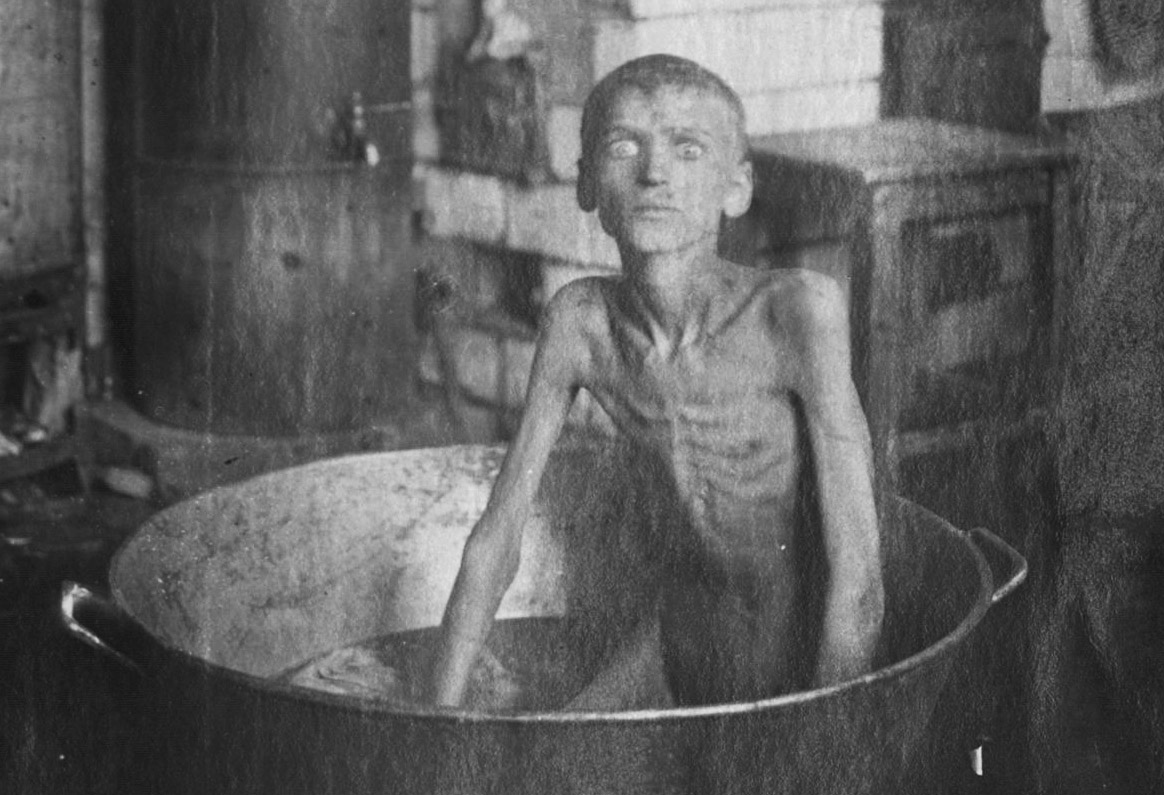
no parades and it was just a day off and fireworks displays in some major cities. After this, Stalin canceled the Victory Day celebrations and at the same time organized a new wave of repressions and another famine in Ukraine. By the way, Ukraine was one of the countries
2/21
2/21

that suffered the most from the war, because many battles were fought on its territory and many Ukrainians were drafted into the Red Army and died. The fields were devastated after the war and there was also a record drought, while grain continued to be exported from the
3/21
3/21

southern regions of the USSR, including Ukraine, to Poland, Romania and Czechoslovakia. Then about 800K died of hunger. Censorship and the repressive apparatus were in full swing. Moscow also tried to hide the colossal losses that the Soviet Union suffered in this war.
4/21
4/21
After all, then, as now, the Russians used the tactics of meat assaults. According to the most conservative estimates, the USSR lost about 27 million people in the war, and such large losses were largely due to the tactics of the Soviets, who threw people onto mines in
5/21
5/21
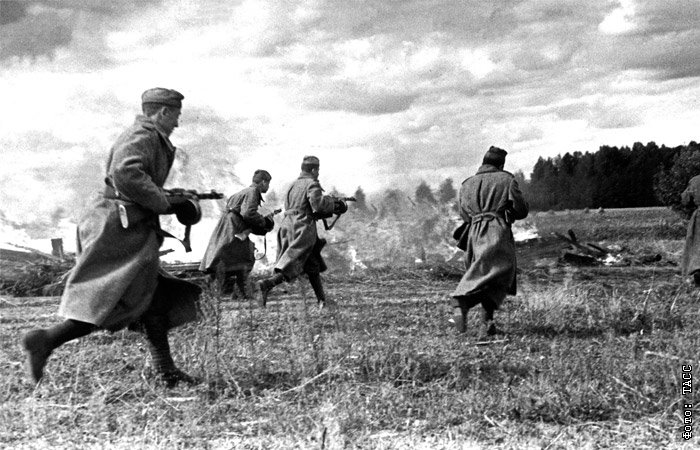
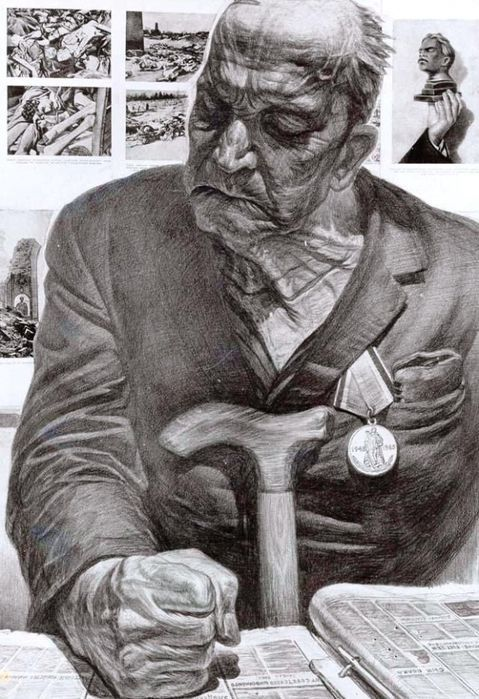
order to preserve equipment. After the war, many people returned home who became disabled. State support for such people was minimal. Meager payments did not allow veterans even minimal living conditions. There were also no normal prosthetics and wheelchairs, and people used
6/21
6/21
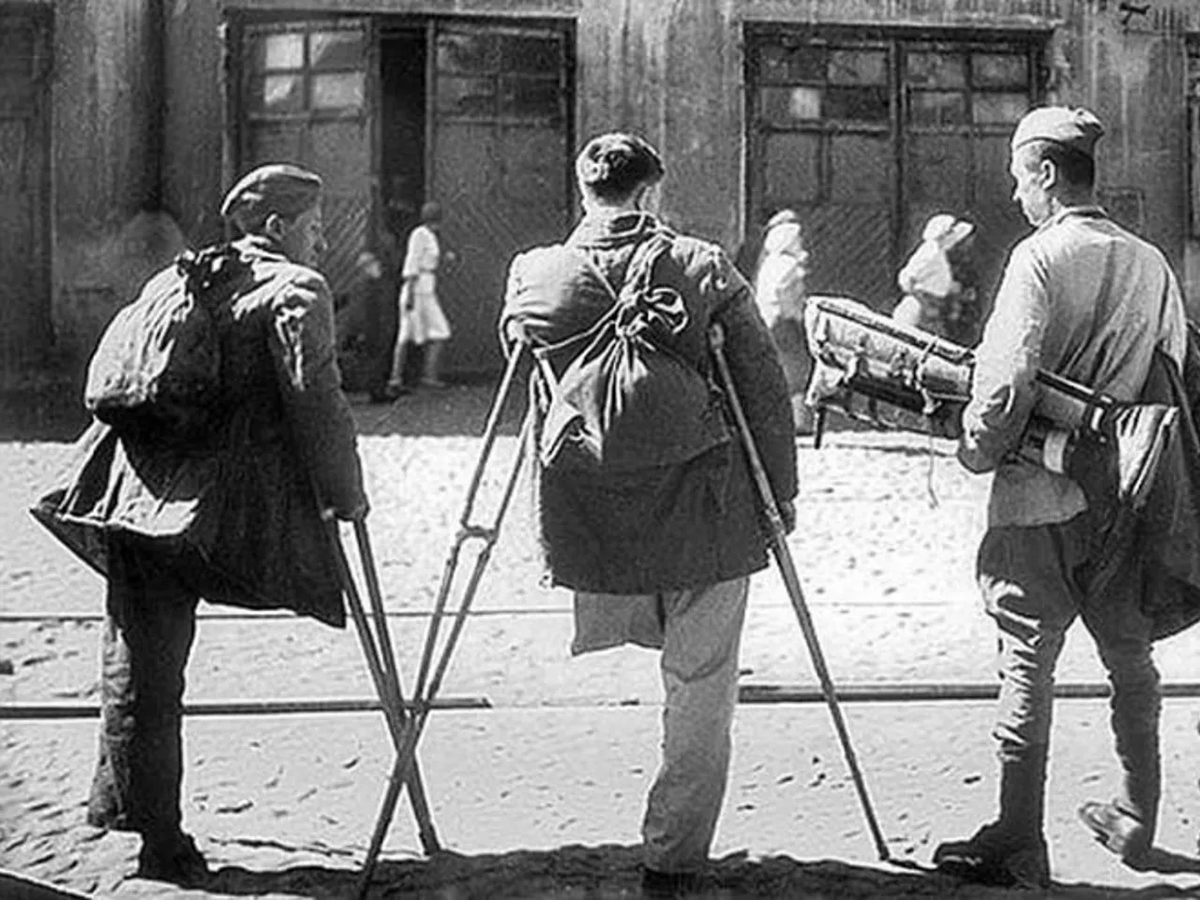
homemade boards with wheels. Having no means of livelihood, veterans entered the streets to beg and this became a common sight in crowded places such as train stations and central squares. Dissatisfaction with the authorities also grew among veterans. There was no government
7/21
7/21
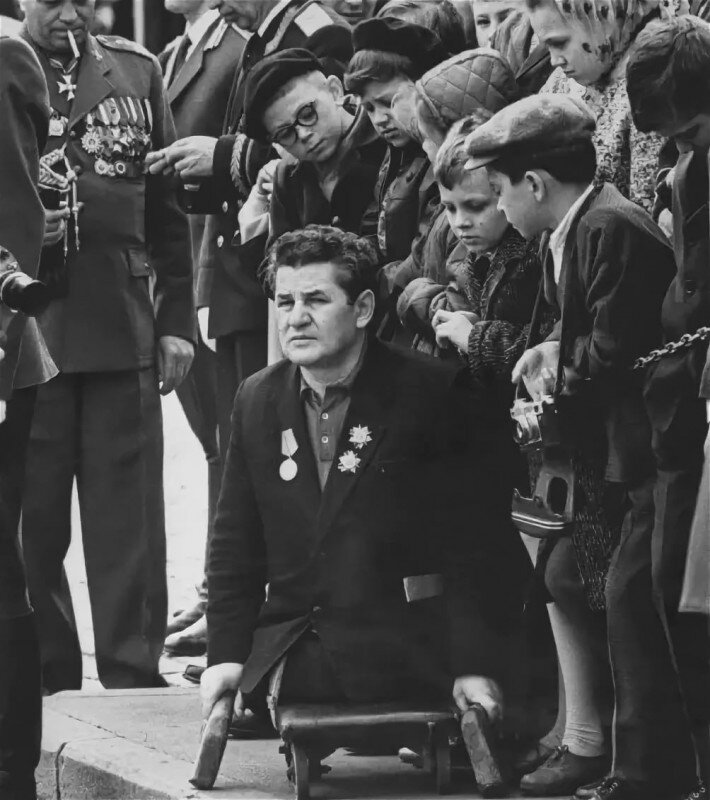
support and they felt abandoned. Stalin canceled the celebration of Victory Day because he was afraid of the huge number of disabled people who would remind people of the cost of the victory and what role the Soviet leadership played in this. The sight of disabled people on
8/21
8/21
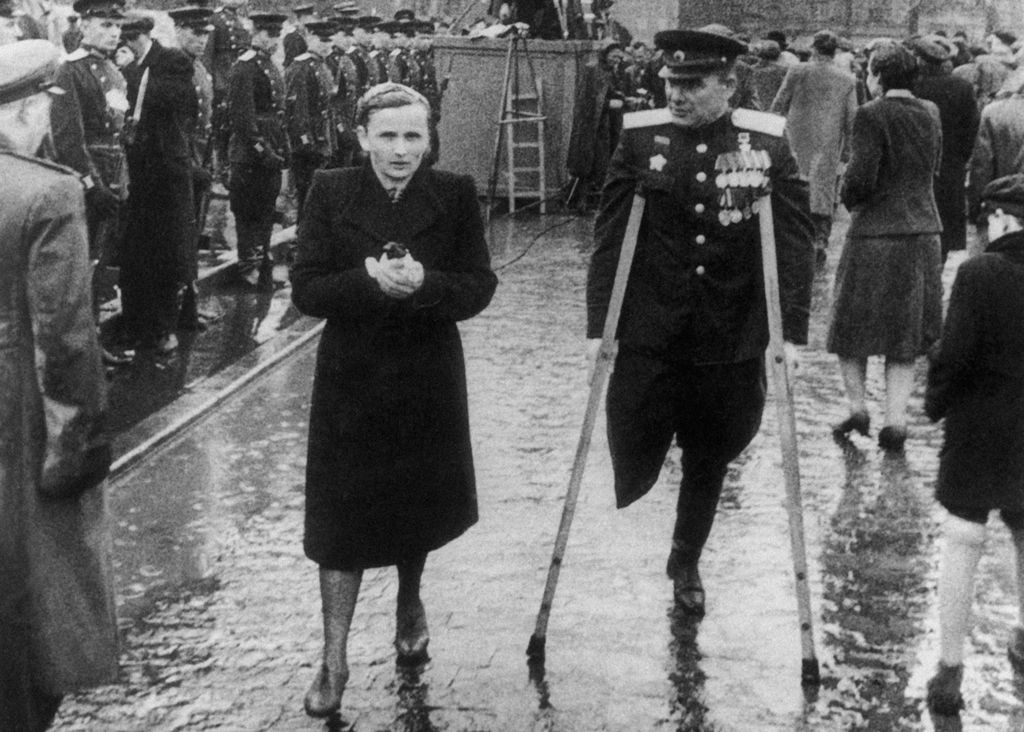
the street spoiled the overall picture and Stalin eventually decided to get rid of them. On Stalin's 70th birthday, it was decided to finally deal with disabled people on the streets. The police began to detain them and take them away. They began to be taken to distant areas
9/21
9/21
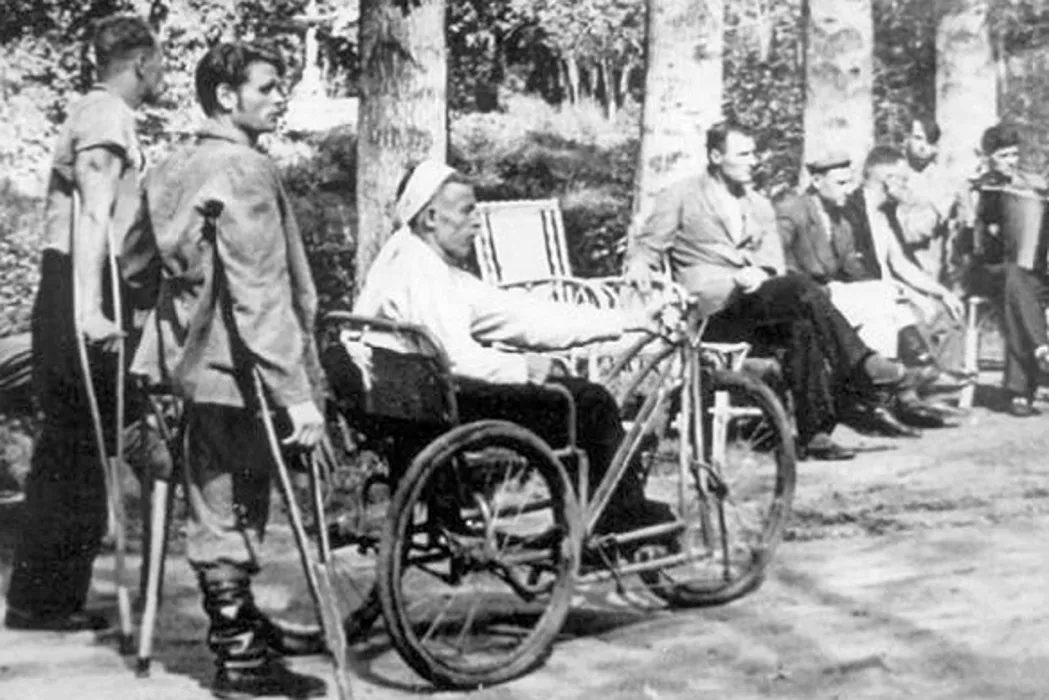
Away from central cities. Many were simply shot, some were sent to camps, like Solovetsky. There were also special Gulag camps for the disabled, for example the Spasskaya Special Purpose Colony for the Disabled. Those who were lucky, so to speak, ended up in homes for the
10/21
10/21
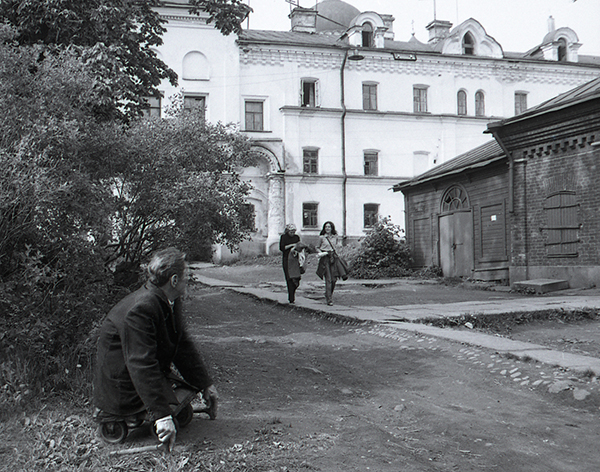
disabled. The most famous of which was on the island of Valaam. It was not much different from the settlement camp. Those who could work were assigned to work. There, disabled people slowly lived out their days, forgotten by everyone. Also in 1945, there was an order to
11/21
11/21
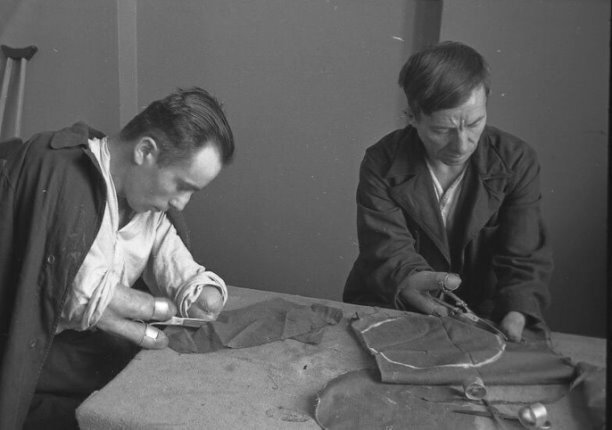
confiscate and destroy photographs and images of disabled people. Only in the mid-70s, thanks to a softening of the regime, were artists like Gennady Dobrov able to make sketches of veterans and publish their works. If the Soviet government tried so hard to forget about
12/21
12/21

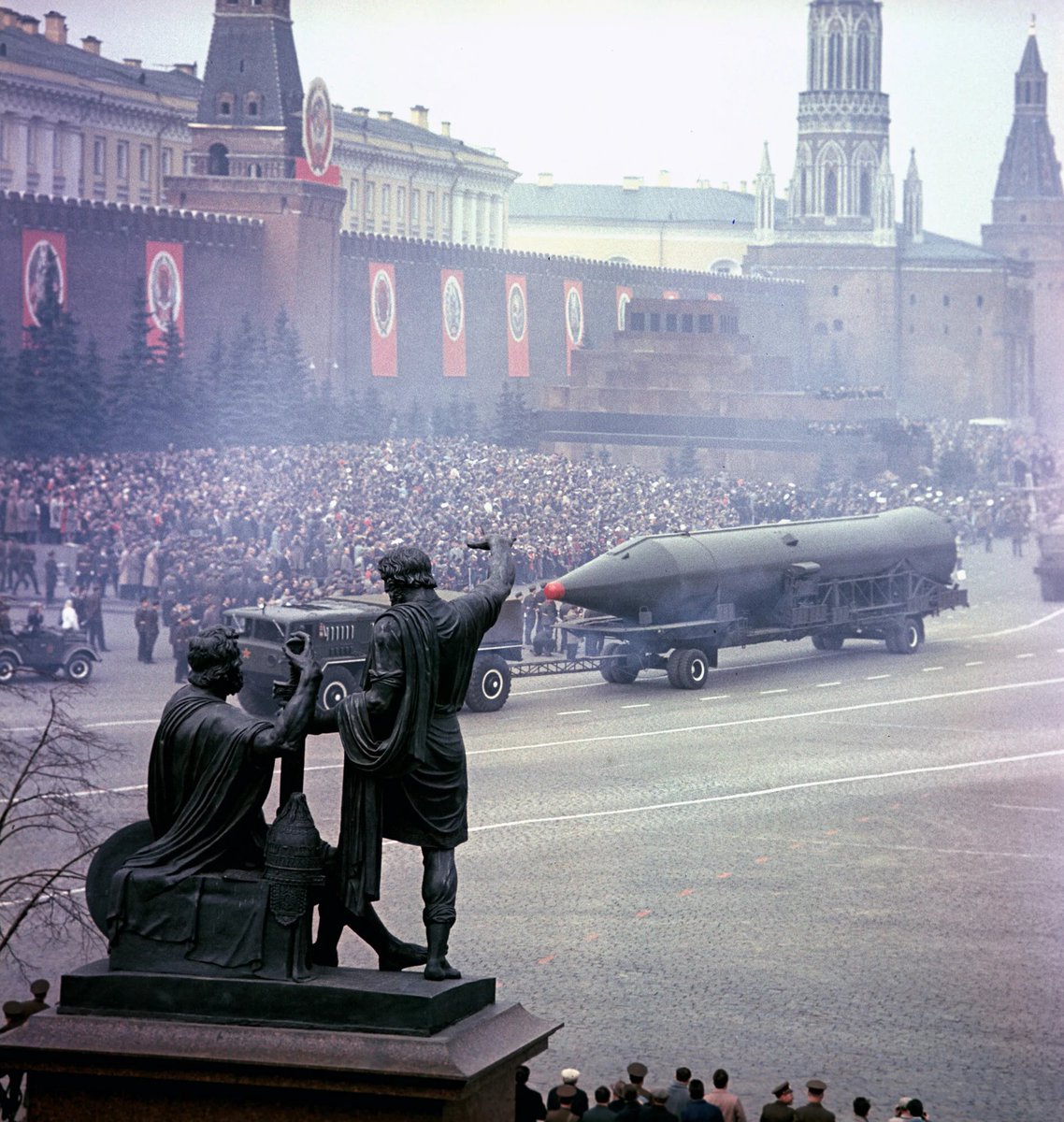
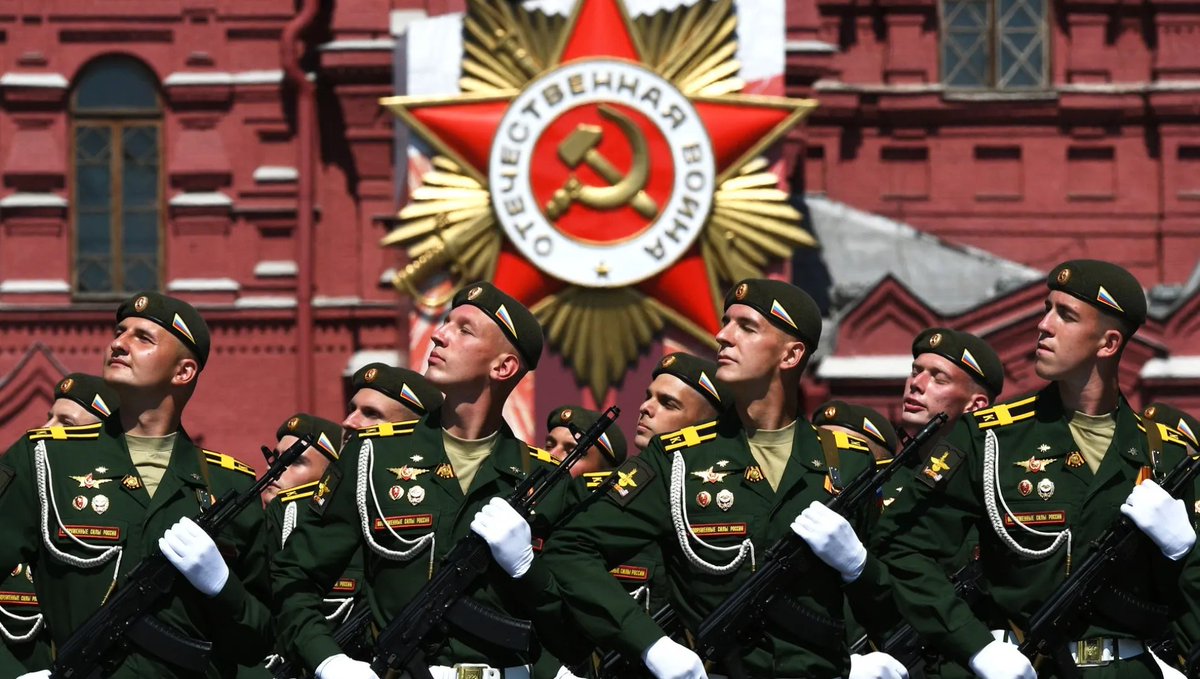
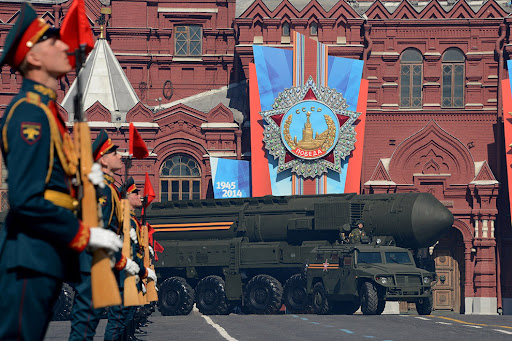
veterans, how did Russia come to what we see now on Red Square? As usual, thanks to propaganda. The holiday was brought back by Leonid Brezhnev in 1965. May 9 was declared a day off and the first parade took place on Red Square. And the goal was not to honor the memory of
13/21
13/21
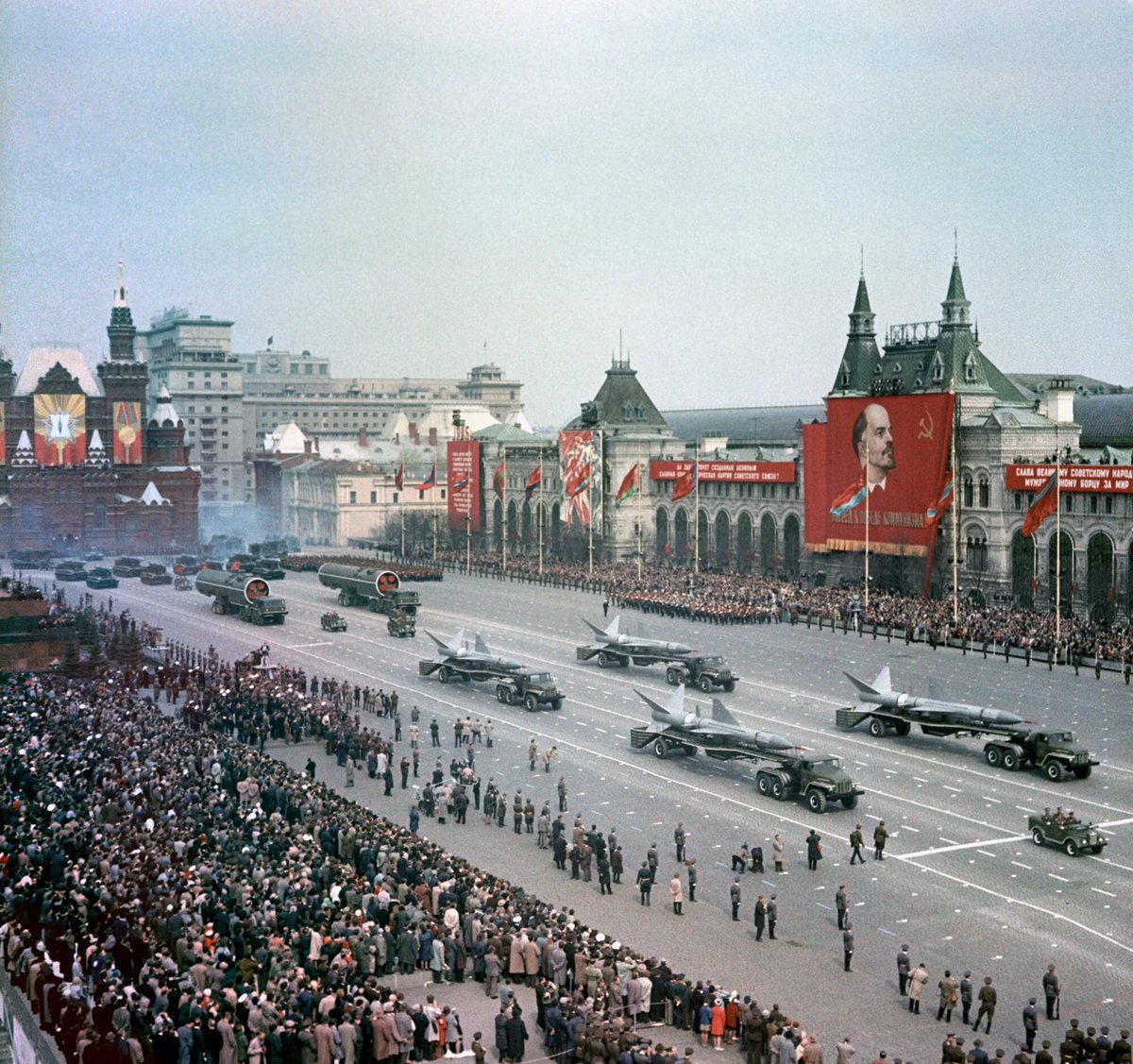
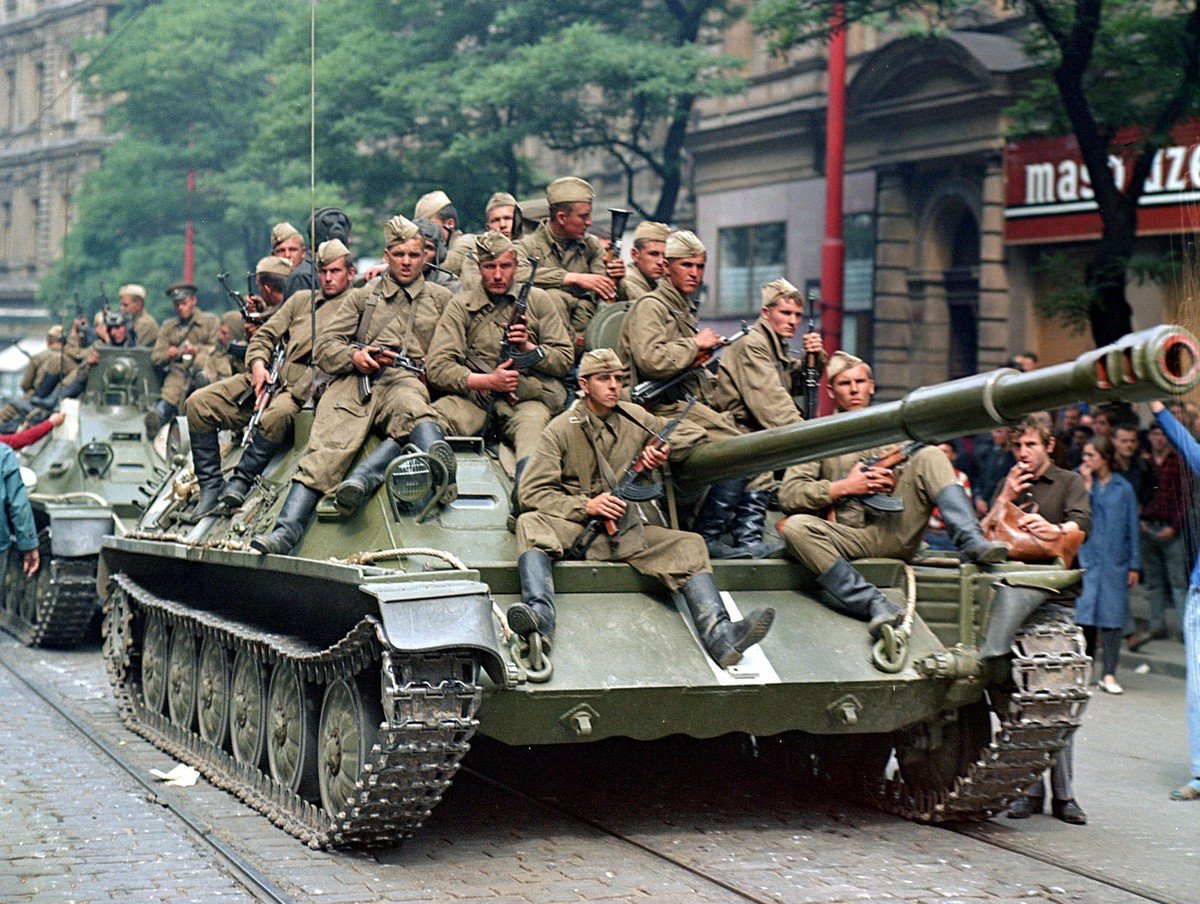
veterans, but this was the usual saber rattling. The Cold War was at its height and the USSR pursued a very aggressive foreign policy. In the West it was later called the Brezhnev Doctrine. The understanding of this policy was that the USSR could interfere in the internal
14/21
14/21
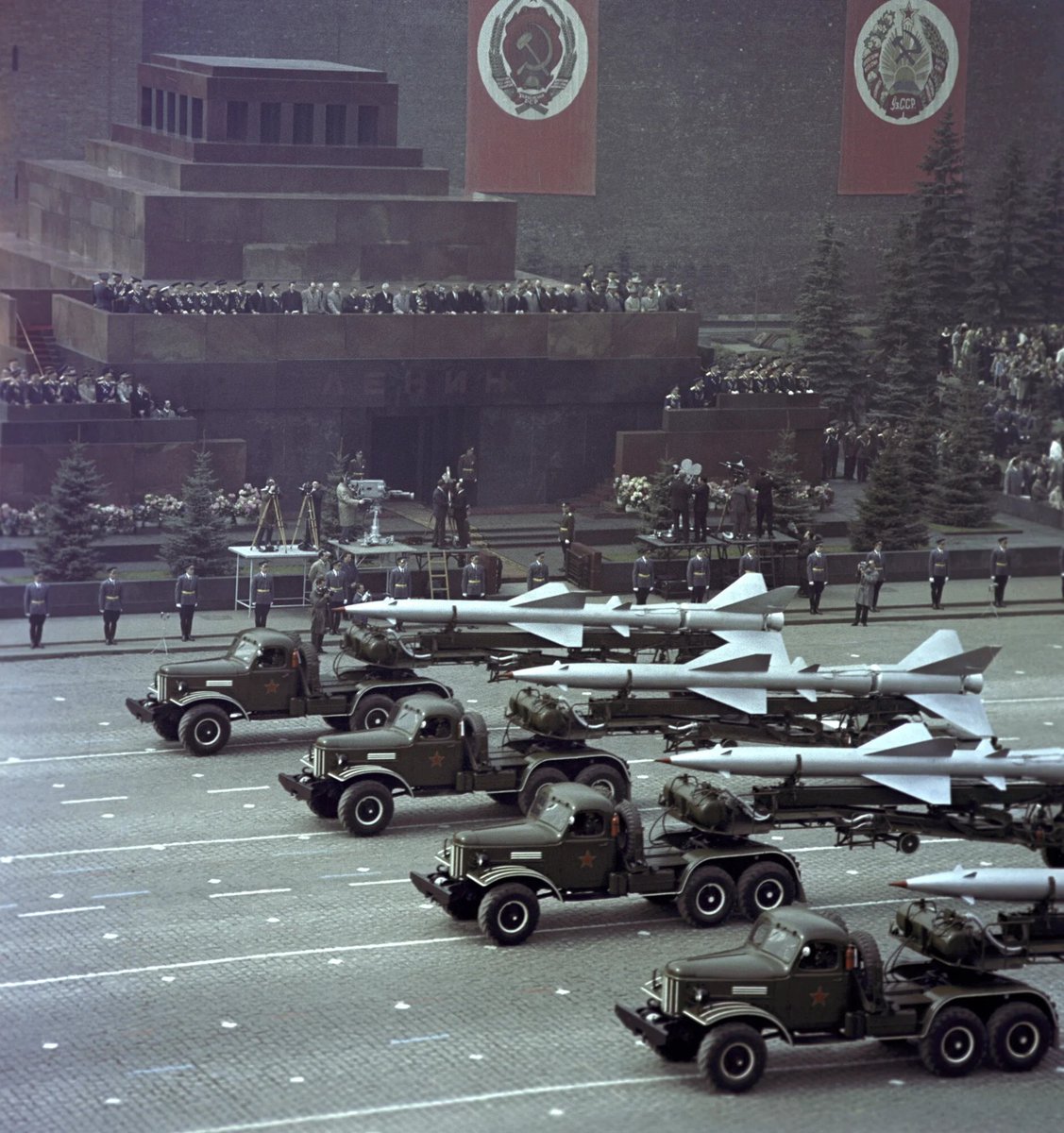
affairs of the Warsaw Pact states, including through military means, in order to maintain the power of local communist parties controlled by the leadership of the USSR. The purpose of these parades on Red Square, as now, was to intimidate other countries. It was at the 1965
15/21
15/21
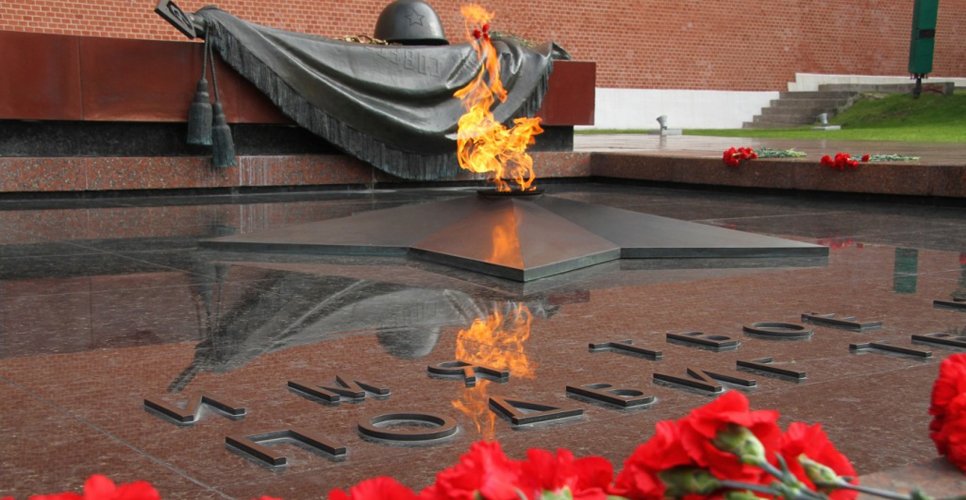
parade that the USSR rolled out its nuclear missiles for the first time. It was during the time of Brezhnev that the сult of Victory began to appear, monuments to the Unknown Soldier, Dead Heroes, various steles and Eternal Flames, statues were built, like the Motherland in
16/21
16/21
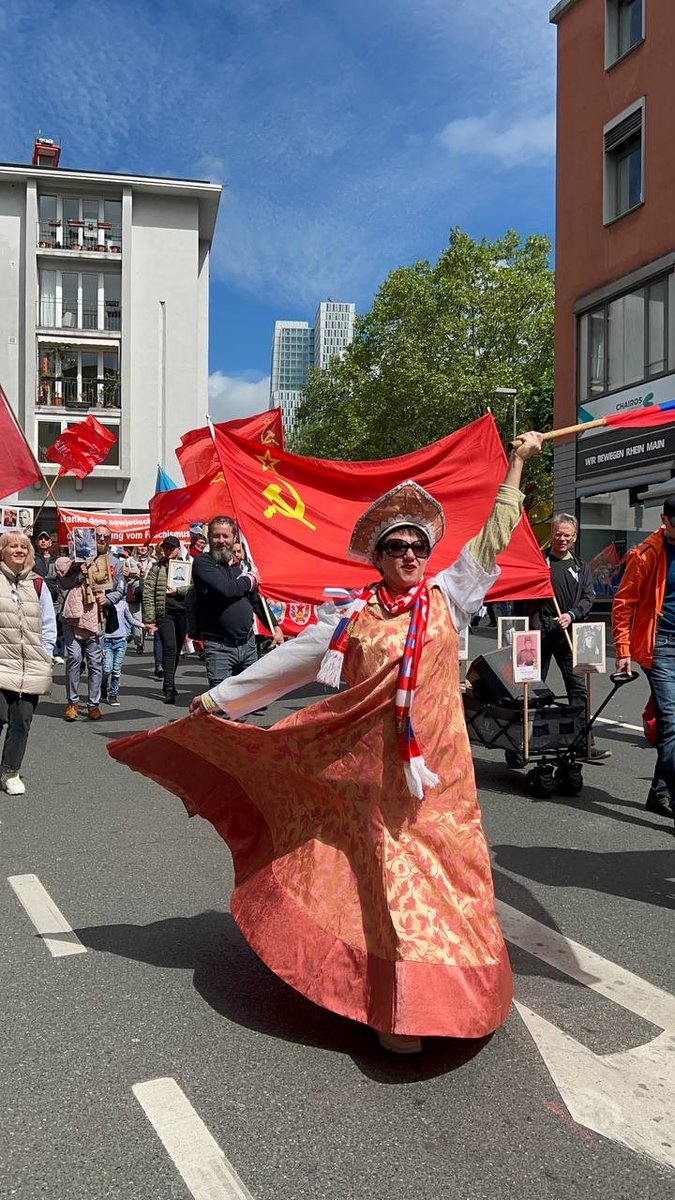
Volgograd. After the collapse of the USSR, the significance of the holiday decreased and the parades became much more modest, and gradually faded away, but when Vladimir Putin came to power, he needed to create a unifying factor for Russians. Ideology. Cult. And he revived
17/21
17/21
Soviet-style Victory Day celebrations and parades, but with his own twist on the holiday. Now we can see Russians dancing joyfully across Europe with posters of dead relatives or simply printed strangers before May 9, when they organize the so-called “Immortal Regiment”.
18/21
18/21
But the memory of fallen veterans was never the purpose of these events. Propaganda through these holidays is trying to further paint a picture of a "Great Russia." For the sake of a sense of greatness, Russians have always sacrificed their lives, comfort, and health.
19/21
19/21
Let them themselves die in poverty, like their veteran grandfathers, but in "Great Russia". But we know what is hidden behind this facade... And while celebrating the so-called "victory over the fascists," they did not pay attention to how they themselves turned into them.
20/21
20/21
They don’t even remember what gratitude actually looked like to those veterans who really sacrificed themselves to defeat Hitler.
21/21
21/21
• • •
Missing some Tweet in this thread? You can try to
force a refresh