Should federal buildings only be allowed to be neoclassical?
A thread... 🧵
A thread... 🧵
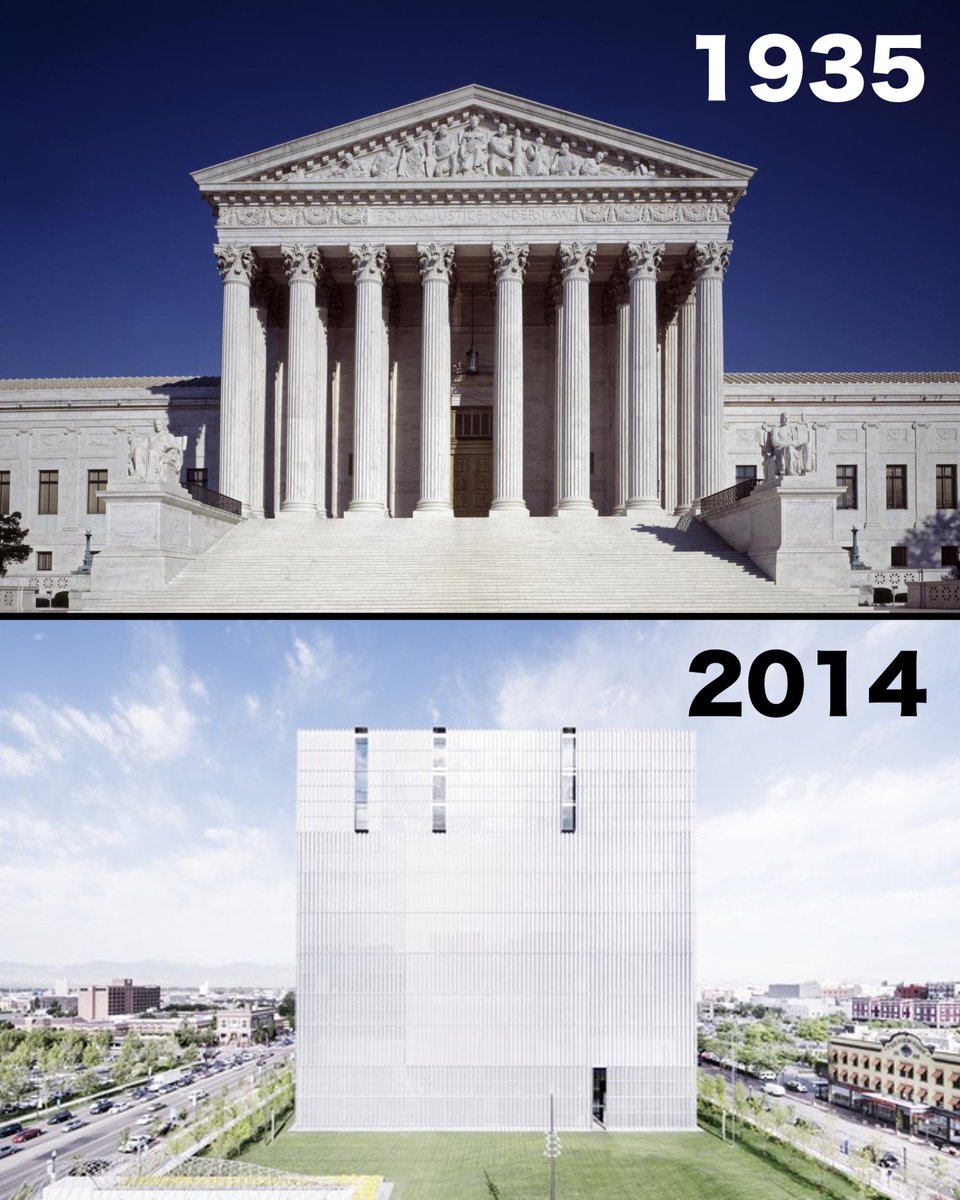
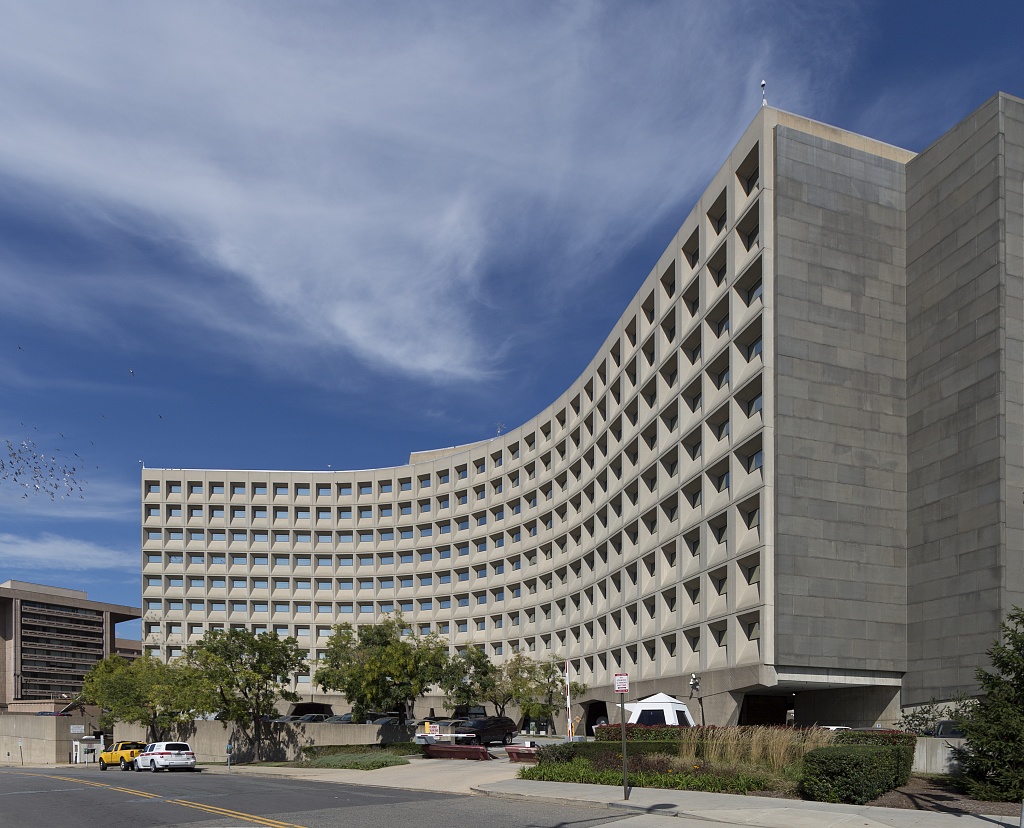
Trump's "Promoting Beautiful Federal Civic Architecture" executive order would've prevented brutalist blocks like the FBI HQ if it existed in 1965.
But is that the right thing to do?
But is that the right thing to do?

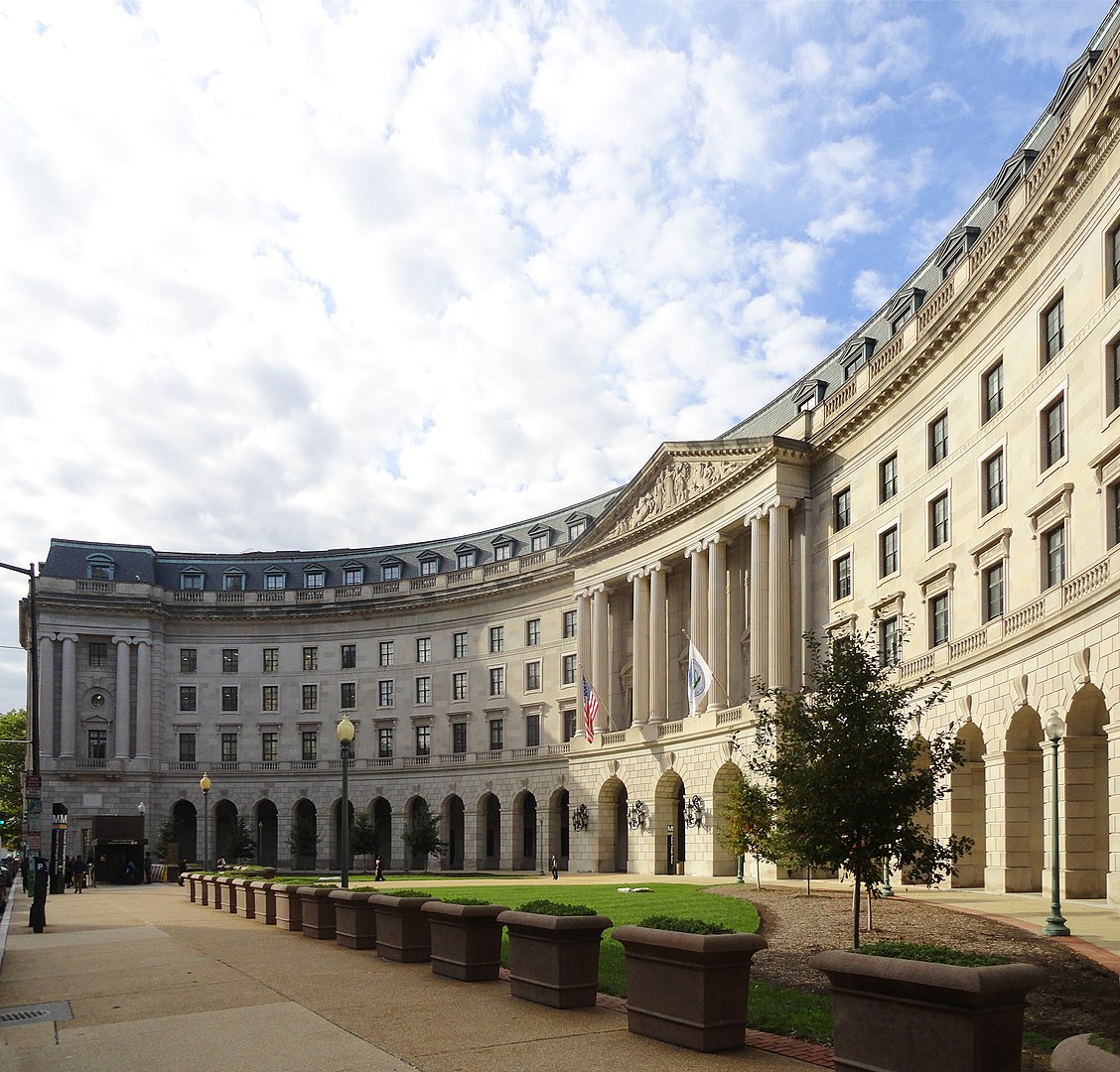
The order, revoked by Biden, restricted new federal buildings to "classical" styles: Neoclassical, Georgian, Federal, Greek Revival, Beaux-Arts, Art Deco — and what it deemed "historic humanistic architecture".

The argument is this: federal buildings aren't just offices for federal workers. Places that host the essential functions of government should be seen as monuments to America itself...
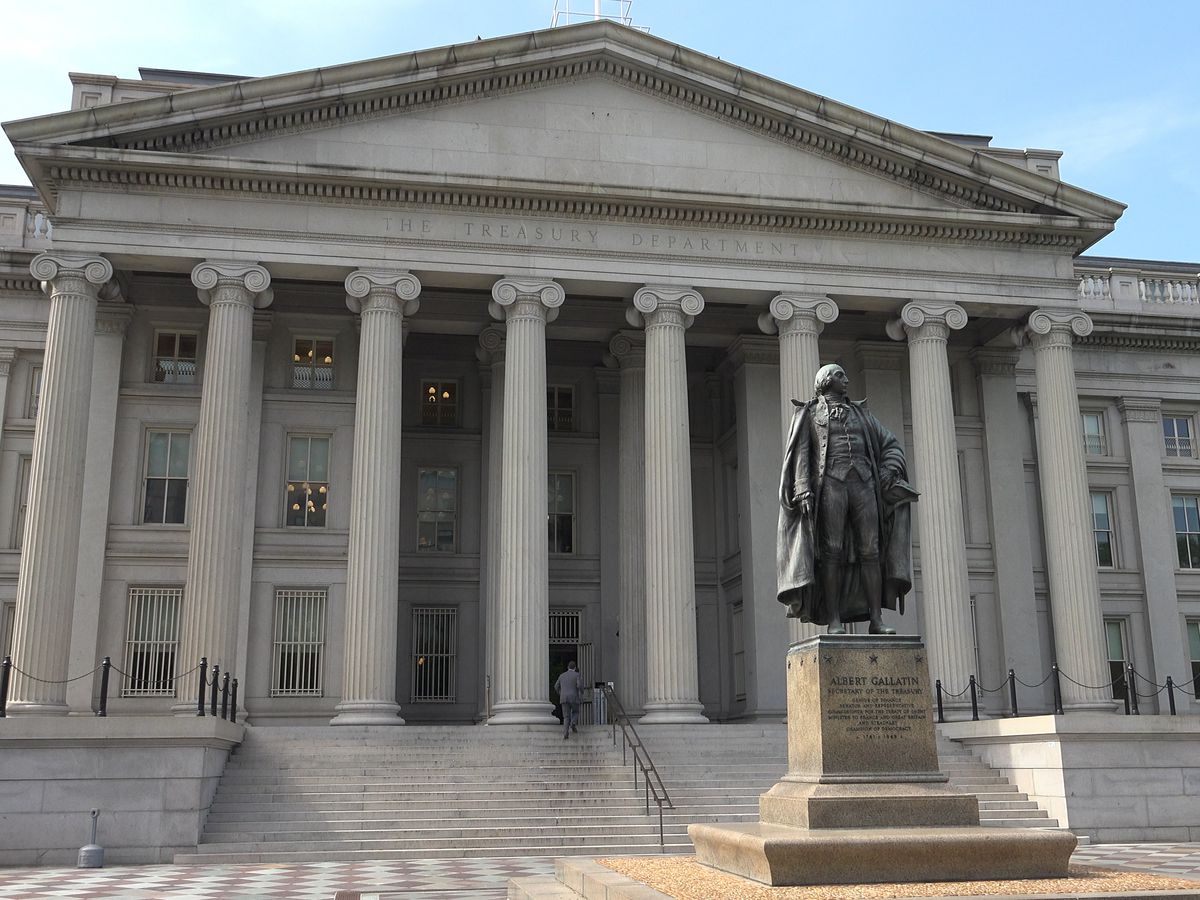
If you see Washington D.C.'s federal buildings as temples to freedom, then a brutalist capitol building makes no more sense than a brutalist, concrete monument to Lincoln would.
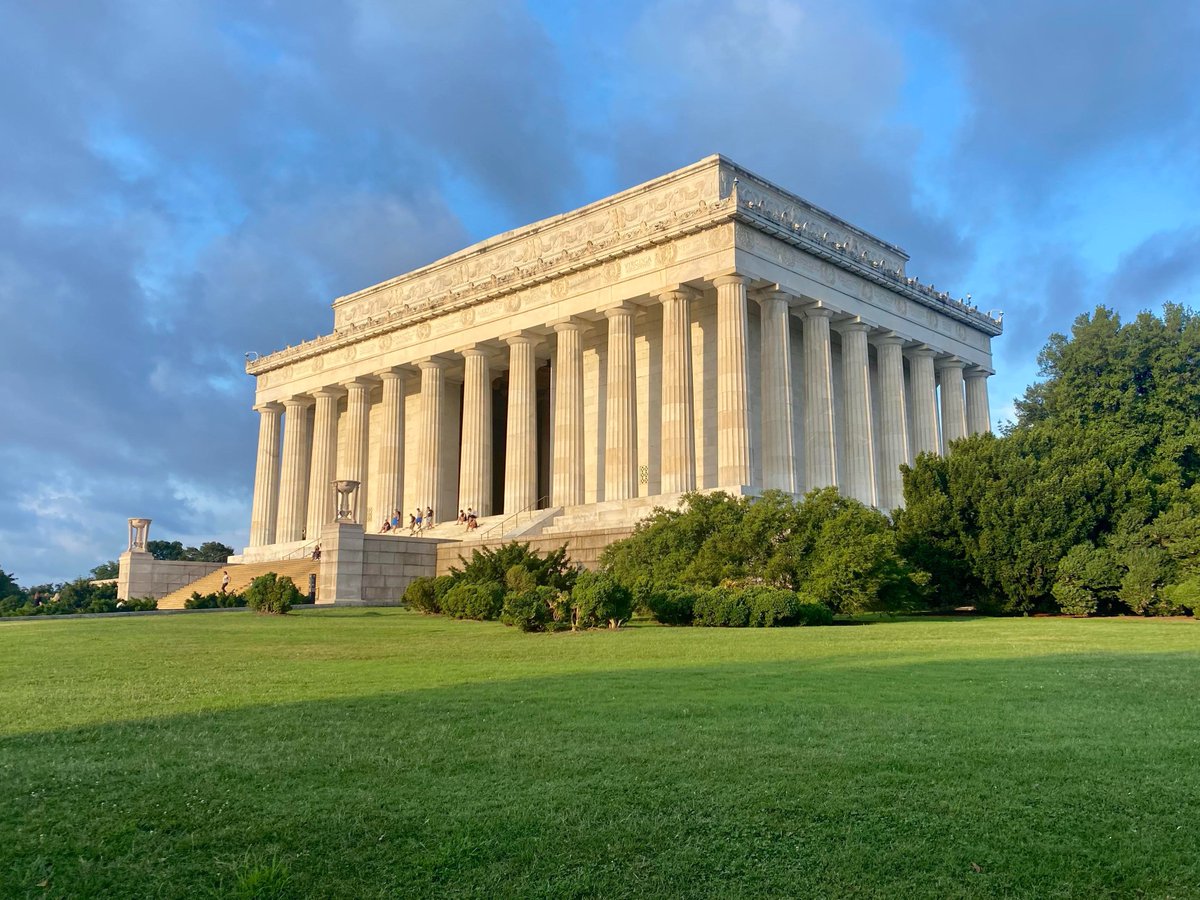
But why did Washington's builders choose neoclassical specifically — what's so great about it?
Well, it said that America had the confidence to compare itself to the great empires of the past...
Well, it said that America had the confidence to compare itself to the great empires of the past...
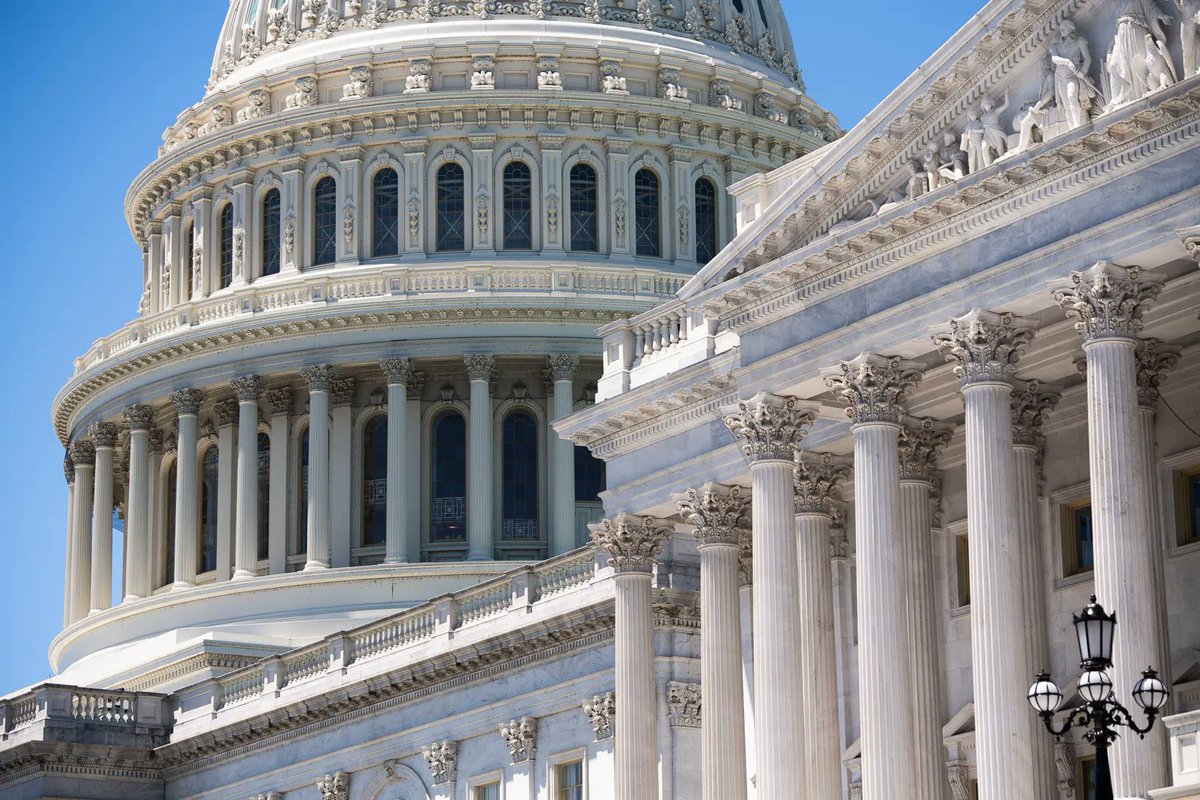
They're temples to the foundations of America: "democratic Athens" and "republican Rome". When you climb the steps of the Supreme Court's Roman basilica, you contemplate millennia of progress that built the legal system.
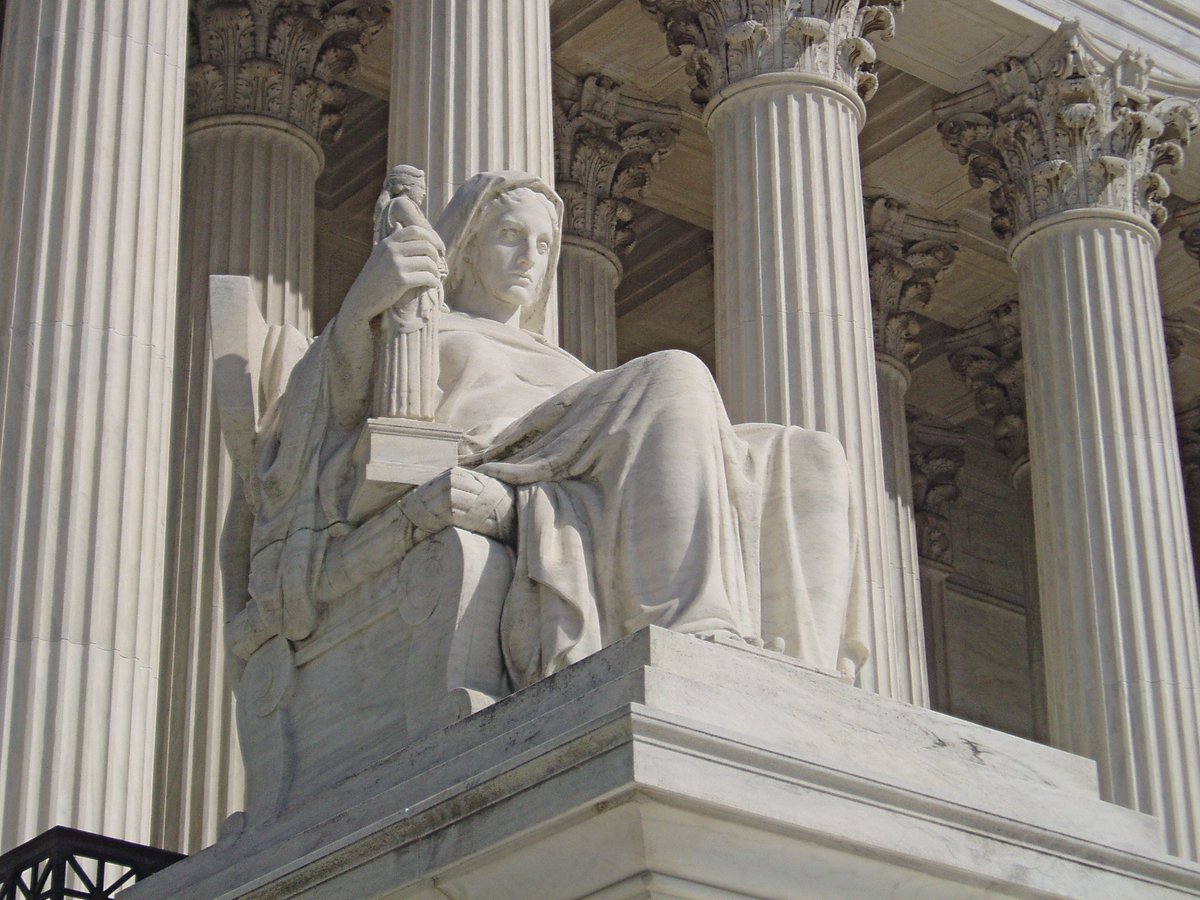
But more modern styles can evoke the same thing:
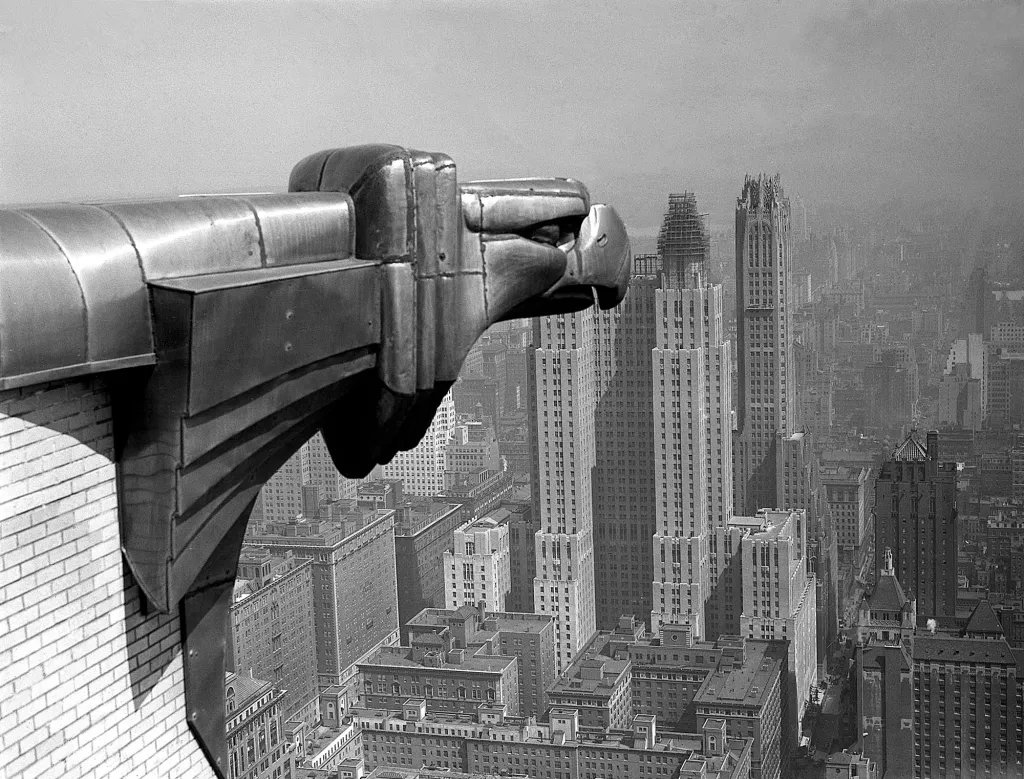
When the Art Deco Chrysler Building chose soaring, steel eagles — it chose the same symbol of wisdom and power that Ancient Rome did...
When the Art Deco Chrysler Building chose soaring, steel eagles — it chose the same symbol of wisdom and power that Ancient Rome did...

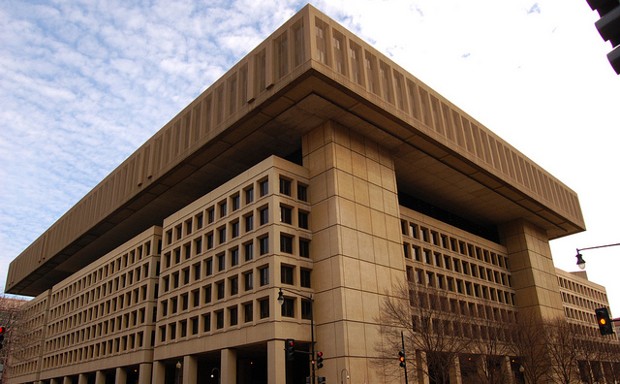
The specific style chosen is less important than the message underlying it. Look at the FBI building in Washington — its huge concrete overhang makes you, the citizen, feel small as you approach.
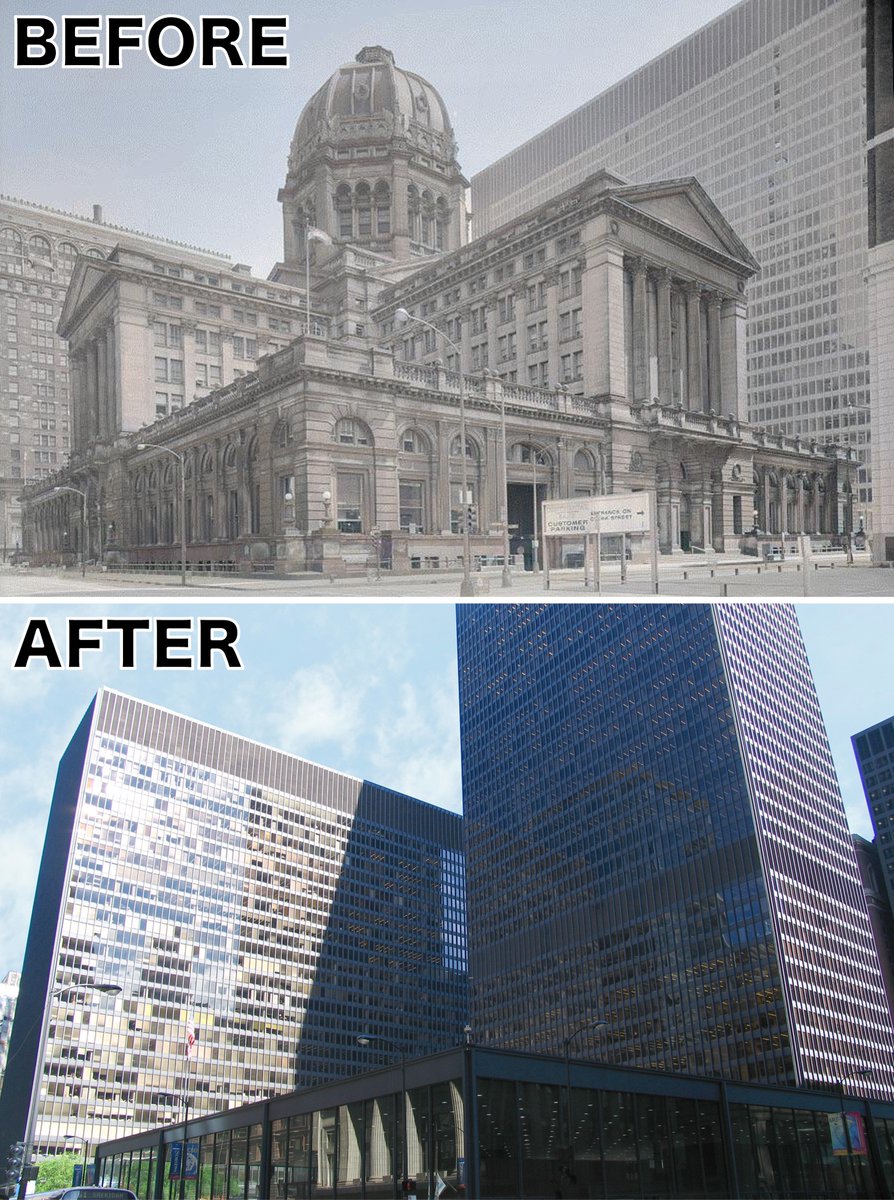
In Chicago, something about the new faceless glass monoliths don't inspire you like the old Federal Building did. They make the state entities housed there feel equally faceless.
But is there something un-American about restricting how people can build?
The issue is that today's federal buildings have become monuments of selfish artistic expression — not monuments to America.
The issue is that today's federal buildings have become monuments of selfish artistic expression — not monuments to America.
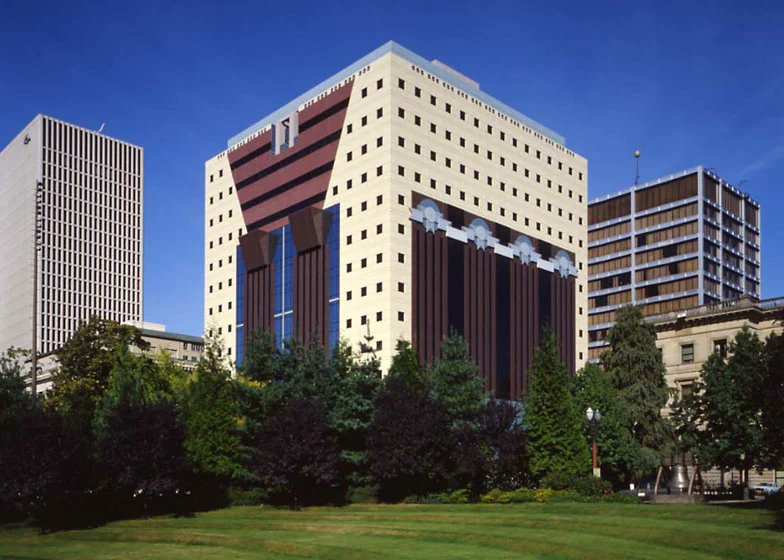
America's early builders were less interested in standing out to make an architect's name. They chose age-old forms they knew the public would love.
Today, the vast majority (72%) still prefer traditional federal buildings.
Today, the vast majority (72%) still prefer traditional federal buildings.
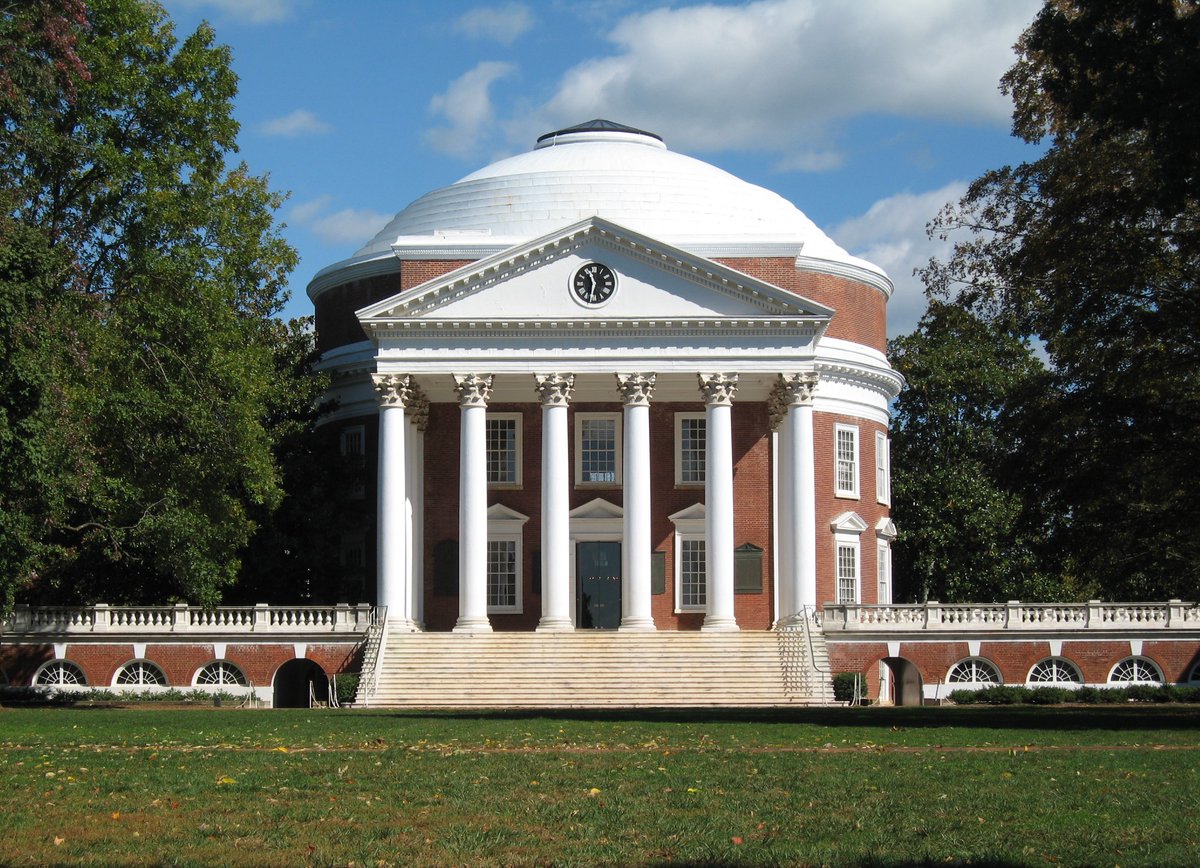
Thomas Jefferson, an accomplished architect, insisted public buildings should uplift the nation. He knew they were "the ornament of a country" — a way to establish a nation.
He designed many buildings himself, including this:
He designed many buildings himself, including this:
The good news? Classical (and Jeffersonian) architecture is surging in America.
This campus in Dallas is brand new — builders chose to commemorate American ideals with their work...
This campus in Dallas is brand new — builders chose to commemorate American ideals with their work...
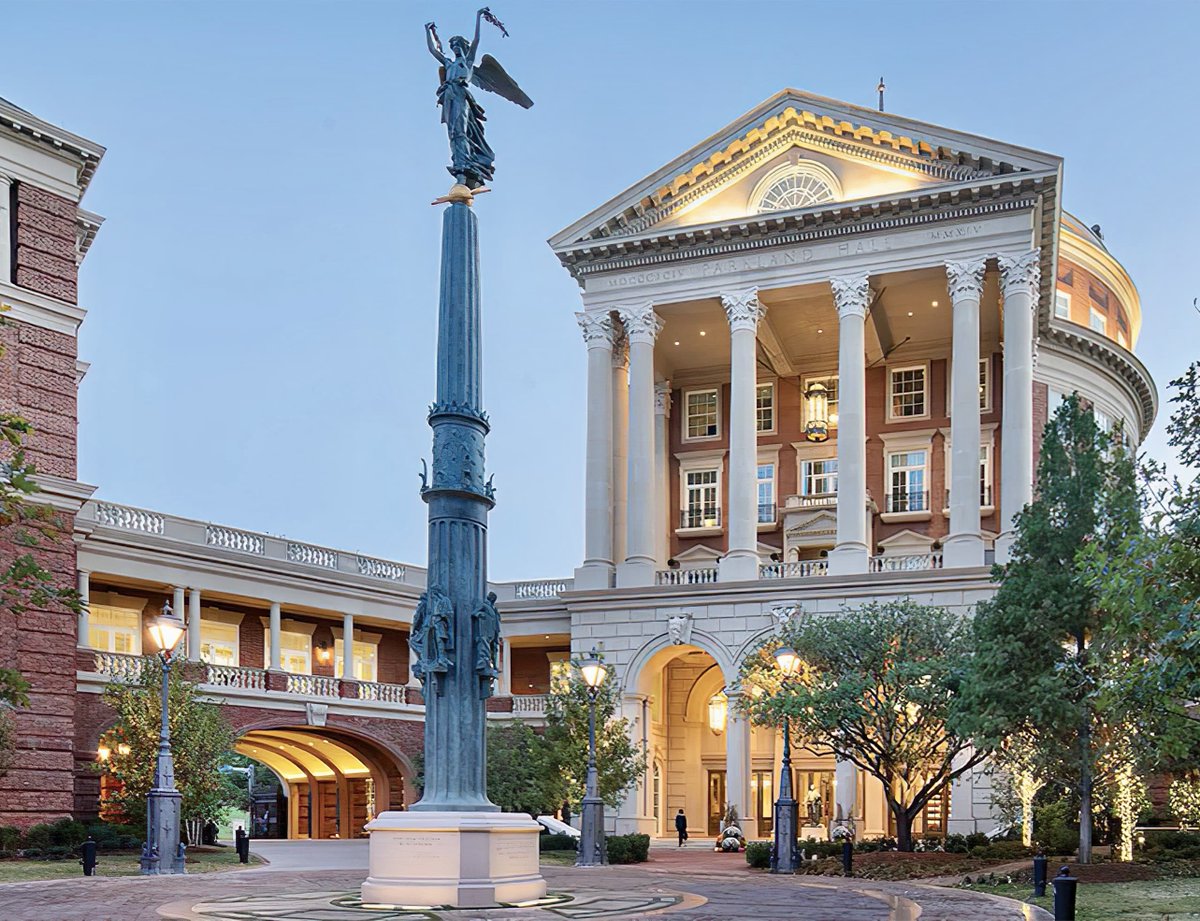
I just spoke to the architect behind the project — he's also the personal architect of the King of England.
His fascinating story: how one trip to the bathroom changed 20 years of architecture...
culturecritic.beehiiv.com/p/a-classical-…
His fascinating story: how one trip to the bathroom changed 20 years of architecture...
culturecritic.beehiiv.com/p/a-classical-…
The message architecture sends is relevant at all levels: federal, state, city.
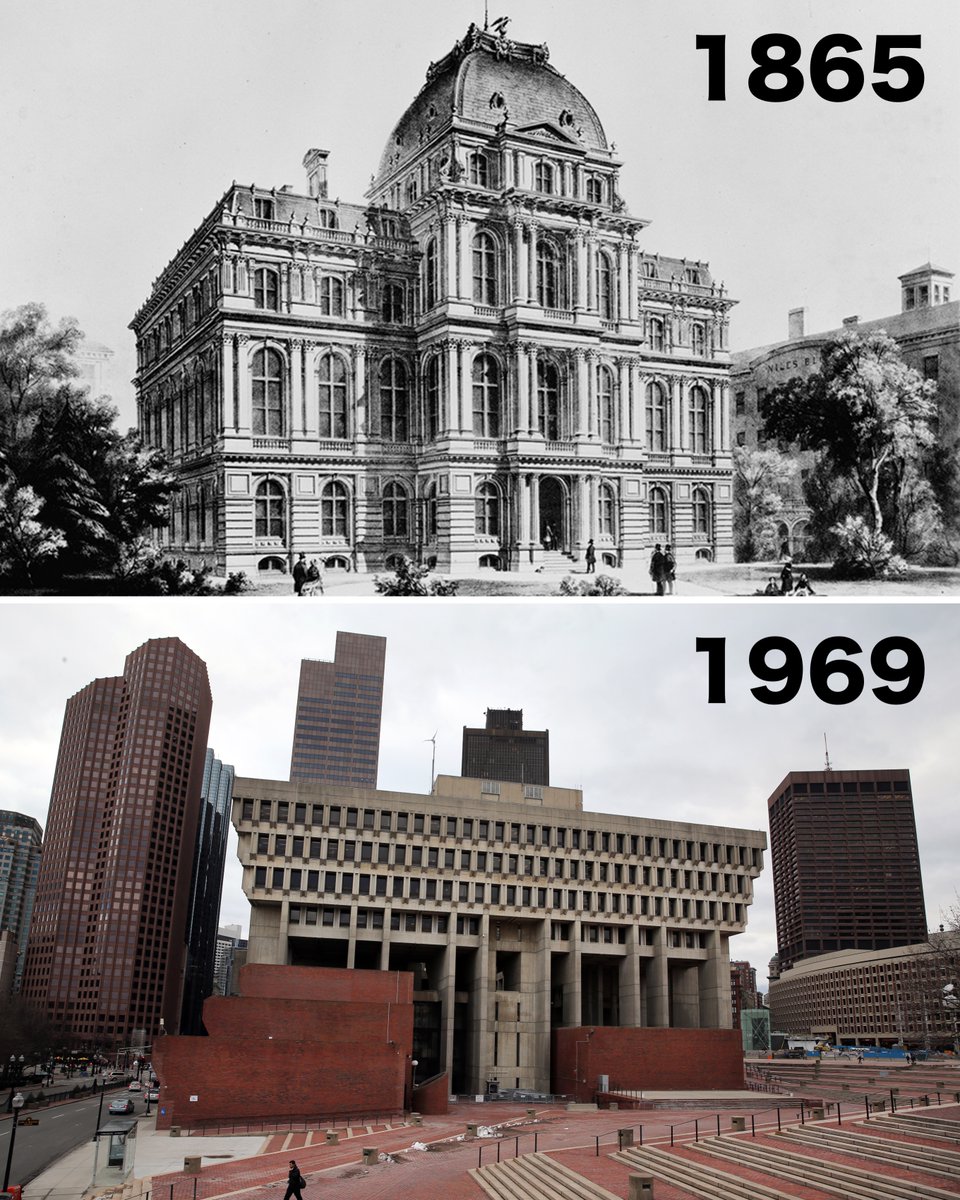
What message does Boston's new city hall send?
What message does Boston's new city hall send?
• • •
Missing some Tweet in this thread? You can try to
force a refresh