I've been toying with different AI programs to see if they can suggest good outfits. They can't. They all fail because they don't understand the cultural language of clothing, so their suggestions are generic. Outfits are no better than clothing subscription boxes; maybe worse.
IMO, AI will replace fashion writers who generate generic advice like this. And just as there's a market for this now, there will be a market for this sort of AI-generated advice. I just don't think it leads to good outfits or improves people's relationships with clothes.
People suggesting that this can be improved miss an important point. For this to work, AI has to be able to read your heart (your personality, interests, cultural background, identity, emotions, etc). It has to figure out how you see yourself positioned in culture.
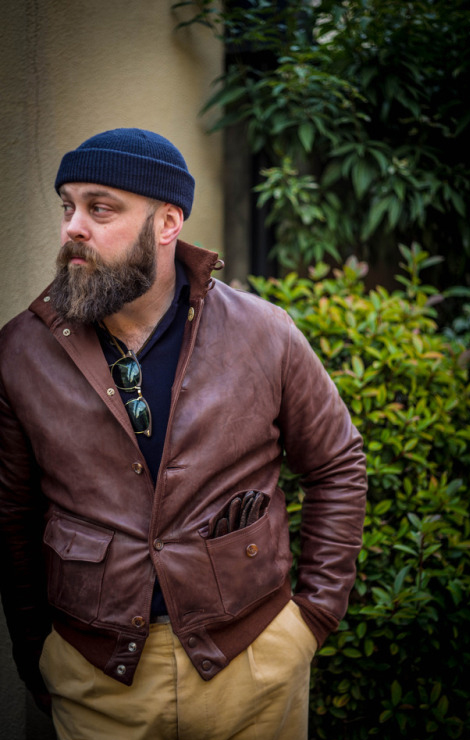
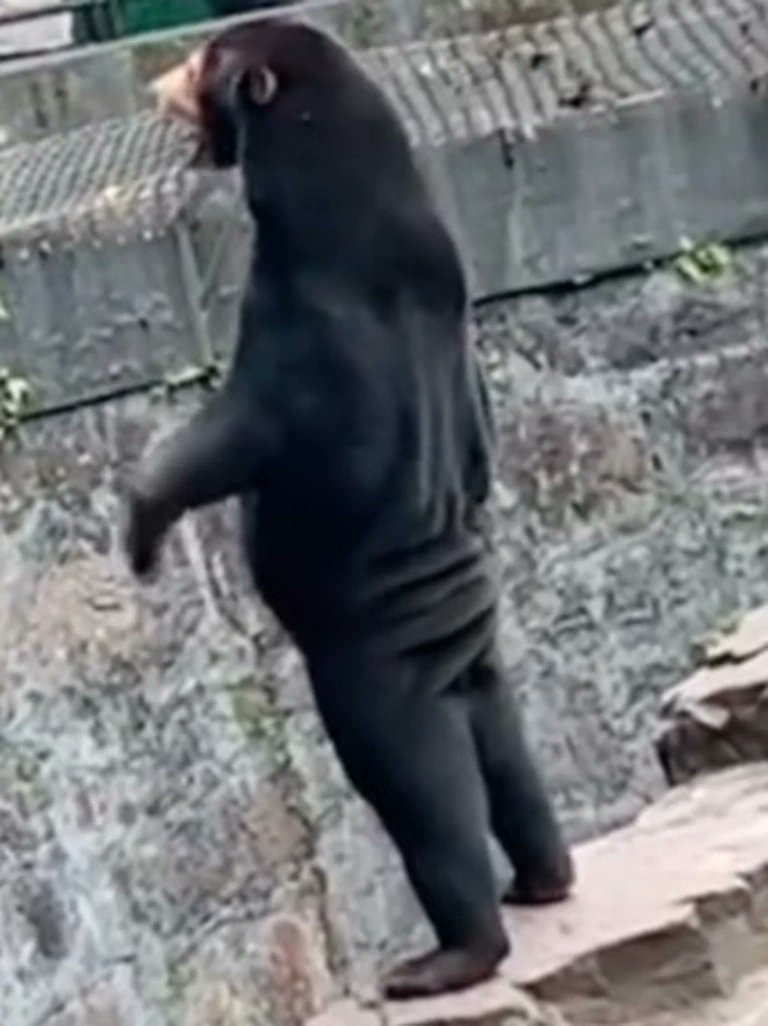
Here is a perfectly fine outfit that looks bad because it's on the wrong person. The outfit does not mesh with the person's "vibe" (or even the room).
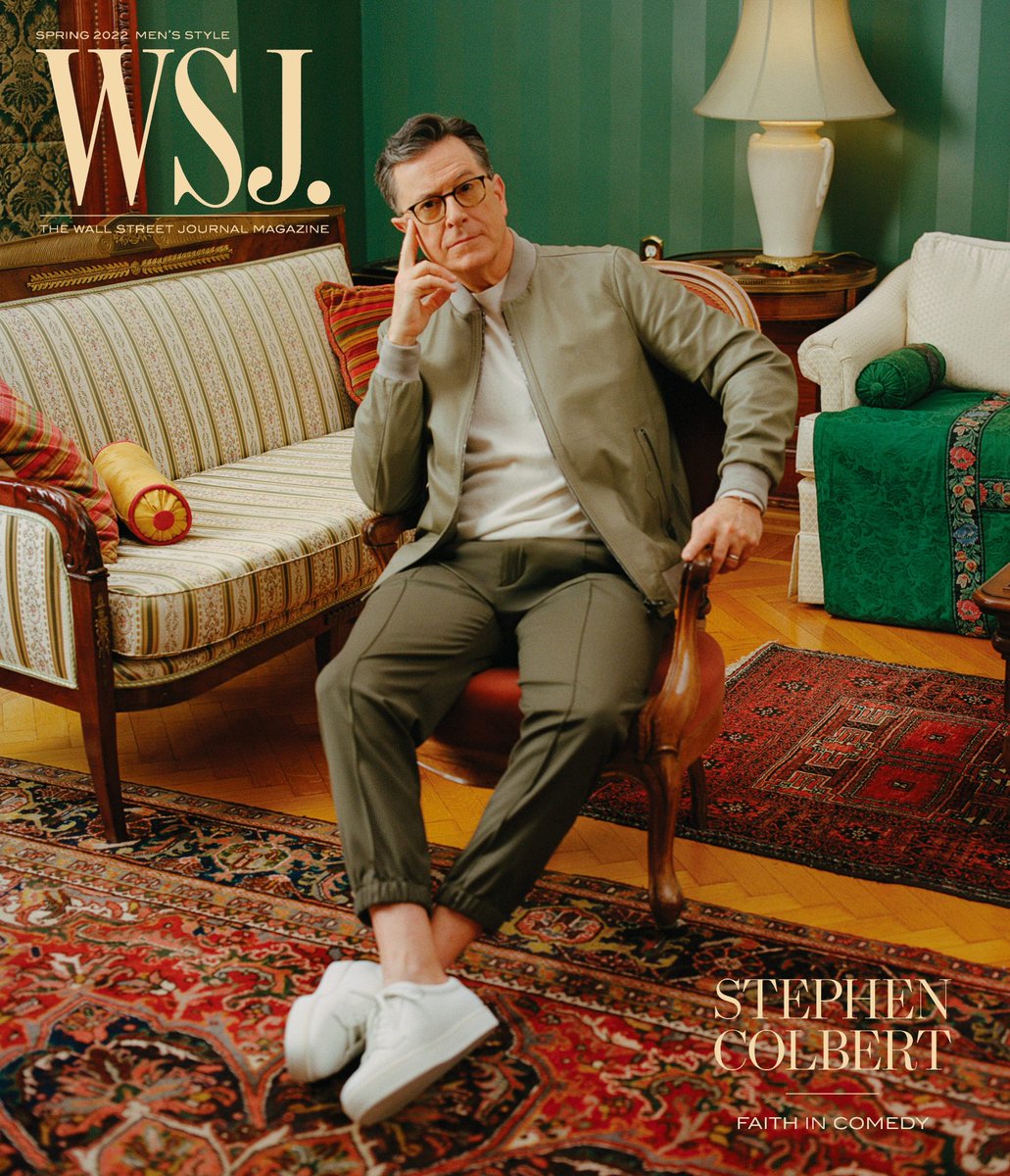
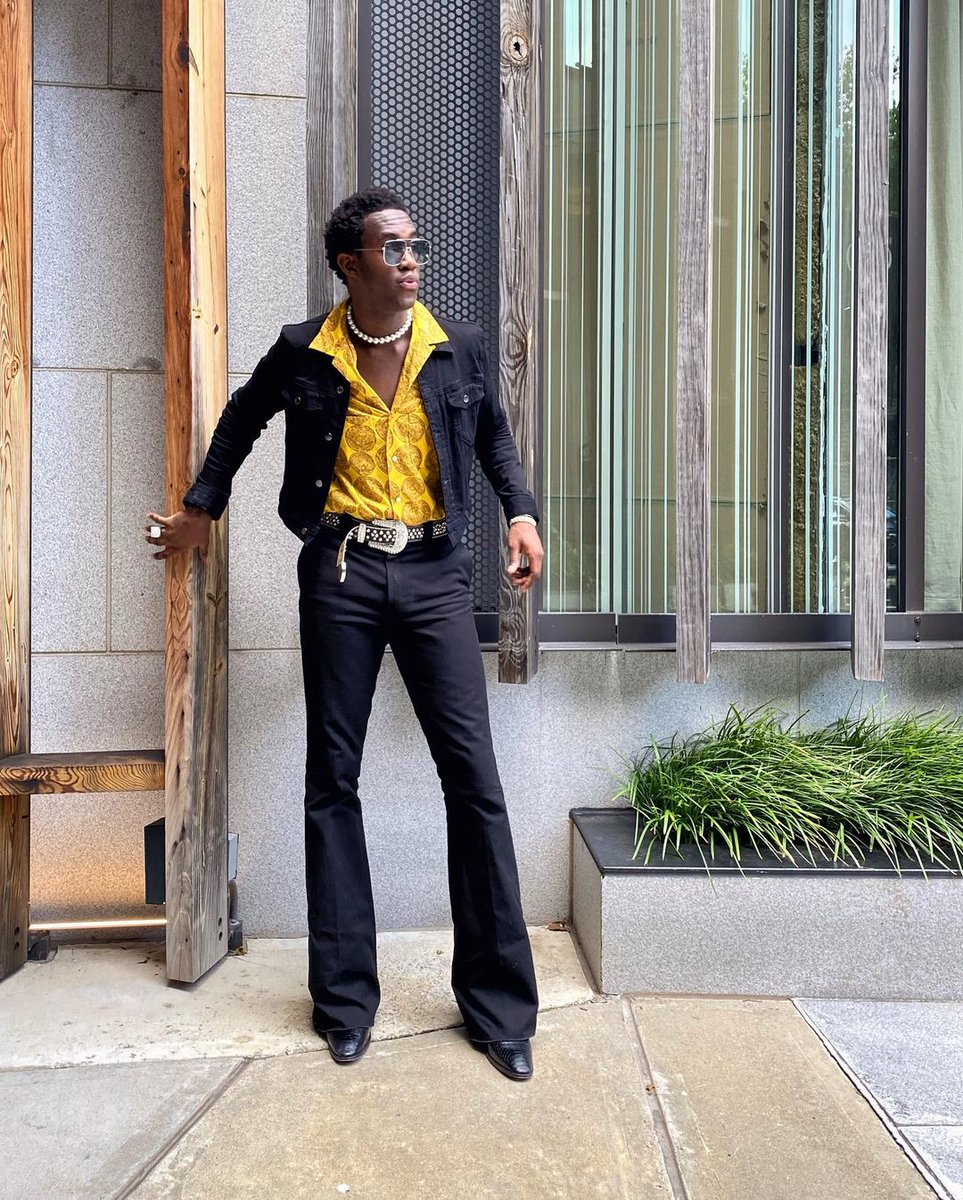
By contrast, here are four different aesthetics that work for the person underneath the clothes. Each aesthetic is governed by different "rules." There are no real universal rules in fashion; everything is dependent on the aesthetic, which is, in turn, rooted in culture.
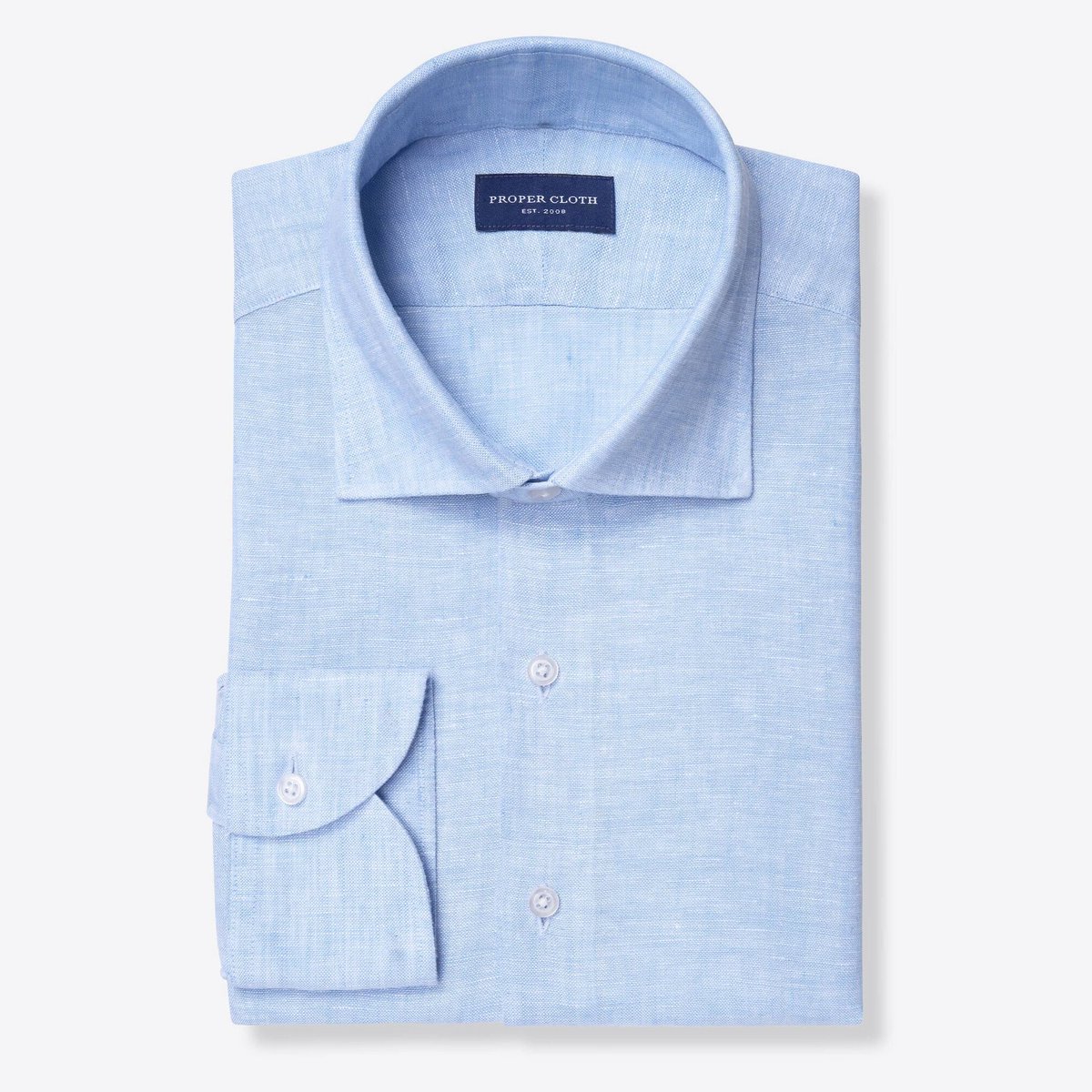
AI may give you something like this, which may be an improvement over how you dress now. But this is also pretty generic, and lots of people don't look as good as this model in the same clothes. Many also feel unsatisfied in these clothes, so they keep chasing trends.
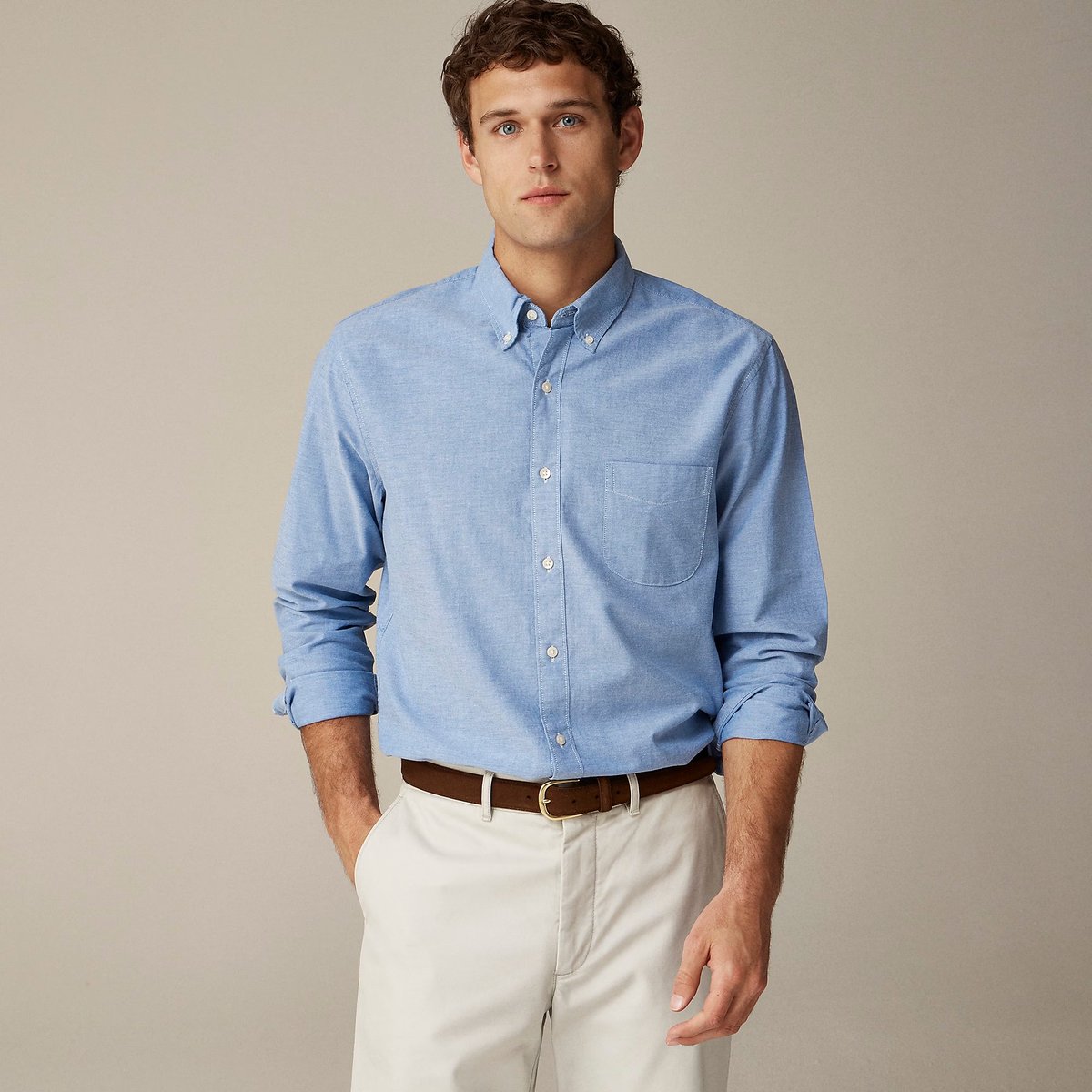
For AI to work, it must understand the cultural language of clothing and read your heart. What do you want to express? What is your cultural identity? What is the culture you're in? Which clothes make you excited? These are not things AI can answer for you.

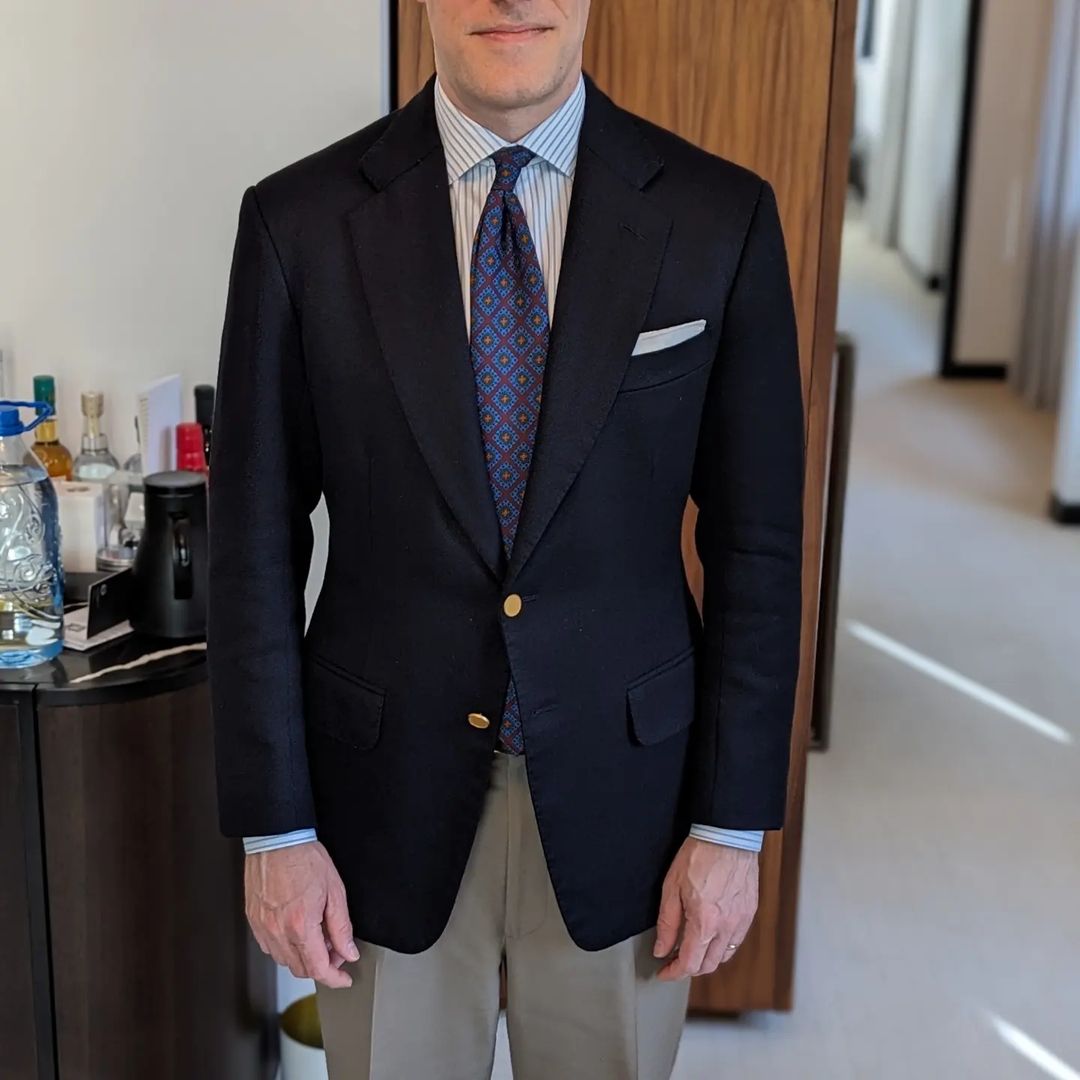
Example: you're wearing a navy sport coat with tan trousers. Should you wear
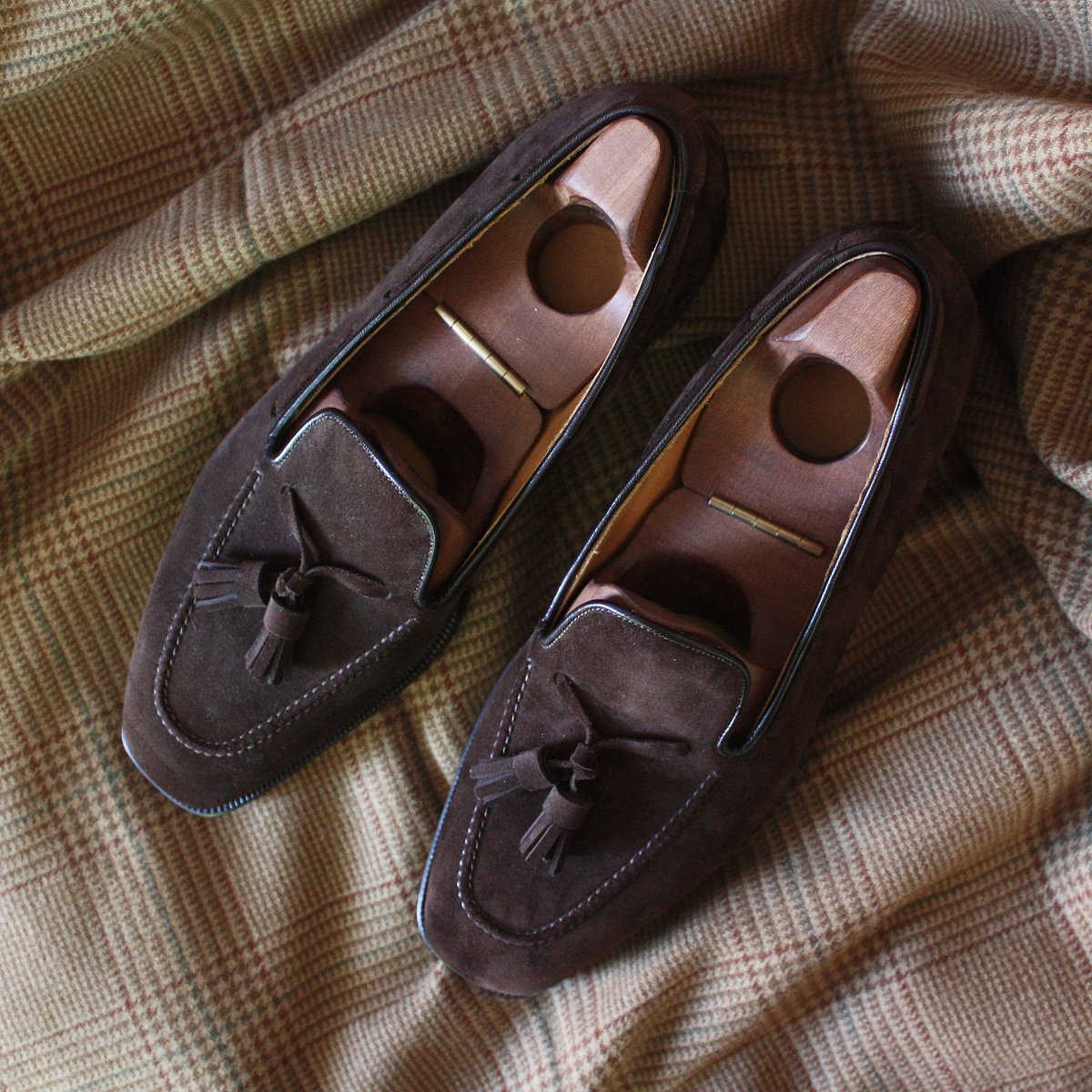
— suede tassel loafers to look bookish?
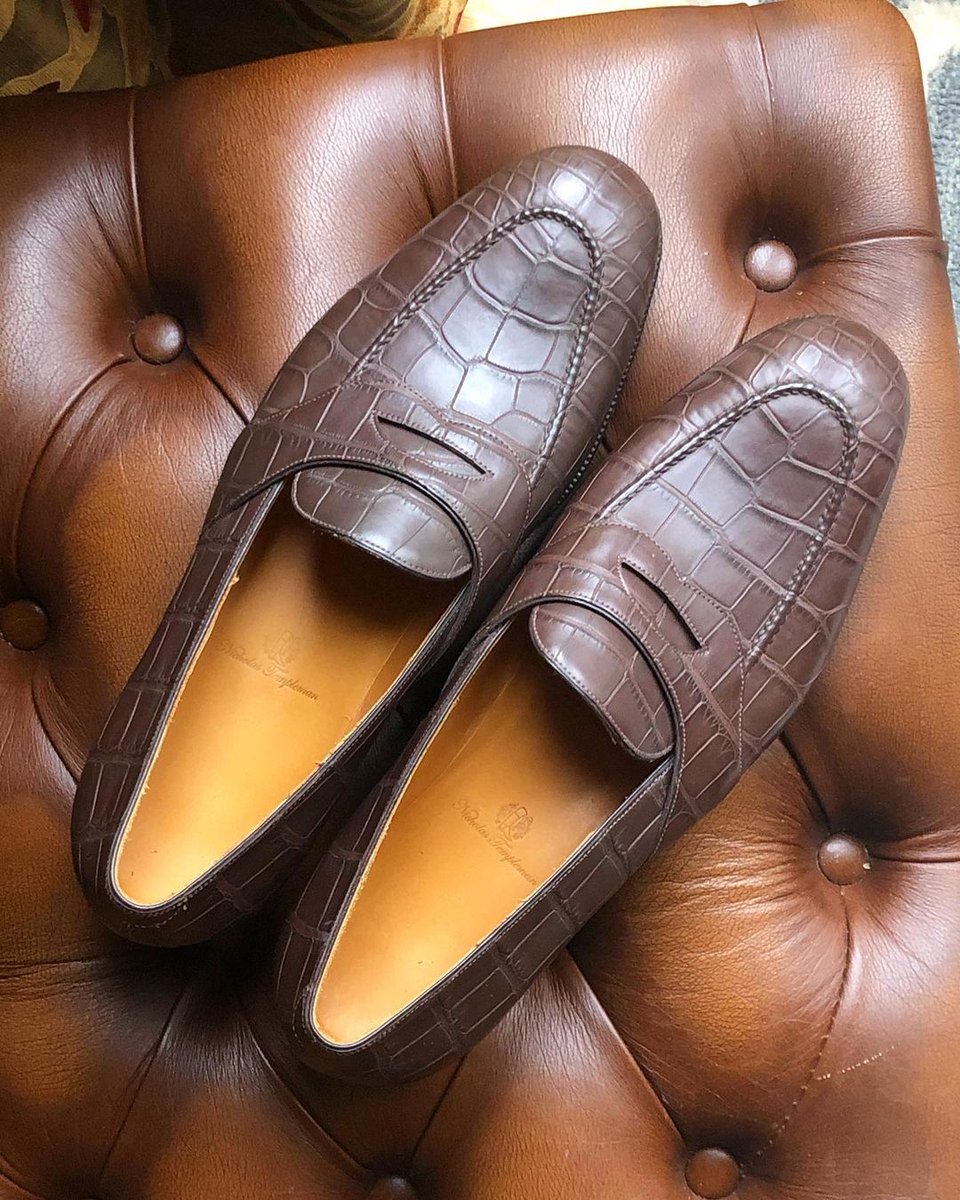
— gator penny loafers to look louche?
This is just within a single niche aesthetic; there are hundreds of other aesthetics. AI can't answer for you: "Who am I?"
• • •
Missing some Tweet in this thread? You can try to
force a refresh

Who dresses better? Alpha males or aristocratic babies? Let's explore. 🧵
Tristan Tate's trousers are too slim to achieve proper drape. His jacket is also too short.
Andrea Casiraghi—who's fourth in line to the Monegasque throne—wears fuller-cut white trousers. His blazer ends halfway from his collar to the floor when he's in heeled shoes.
Justin Waller's sleeve is too tight, which causes the sleeve to ride up his arm. This reveals a gauche cuff monogram.
Young Charles, the future King of England, wears a sleeve fit for his arm. He does not monogram his shirt cuffs, as this is bad taste.
It's a misconception that wool is necessarily uncomfortable in the summer. Or that linen is necessarily better than wool. Let me show you. 🧵
Linen's main property is that it wicks moisture from your skin, bringing it to the other side and then allowing the moisture to quickly dissipate. You can test this by washing two shirts—one cotton, the other linen—and letting them hang dry. See which dries faster.
Linen shirts are comfy in the summer because they keep you dry. But the same property doesn't really apply to pants or jackets, as you're less likely to get those soaking wet (unless you are prone to pissing your pants). For these items, you want to think about breathability.
I feel that there's a misunderstanding of the Met Gala and its purpose. 🧵
The Met Gala is, first and foremost, an annual fundraising event to raise money for the Metropolitan Museum of Art's Costume Institute. Tickets to the gala are extremely expensive: $75,000.
The money goes towards the Costume Institute, which works to preserve fashion history. They have thousands of historical garments, such as this 1898 ball gown from House of Worth, founded by Charles Worth, who is widely considered the father of haute couture (high dressmaking)
Many men resist wearing high-rise trousers bc they fear they'll look like an old man. In this rubric, low-rise = modern; high-rise = Fred Merz. But low-rise pants change the ratio between your torso and legs, sometimes in weird ways. See Tucker Carlson, for example. 🧵
Even when he was young, Tucker favored low-rise trousers. You can judge this by his waistband's position in relation to his coat's buttoning point. For Dancing with the Stars, the costume dept put him in higher-rise pants. Ignoring the hem, I think the rise looks better on him
This doesn't mean that low-rise pants are *categorically* bad. If they were, they would have never taken off in the first place. They work for certain aesthetics, such as contemporary and rock-inspired looks. See @modsiwW (IG wisdm)
I see a lot of backlash here against men not wearing socks. IMO, this is a knee-jerk counter-reaction to the trend, which is as misguided as wearing something just because it's trendy. There is a better way to think about when you should wear socks. 🧵
As always, do what you like. But if you're wearing a formal suit with formal shoes, I think you should wear socks. Not doing so is incongruous and confusing. Or, at the very least, looks dated and twee in a 2012 menswear way.
What do I mean by "formal?" I mean the clothes men used to wear for business. Today, people often think that any kind of tailored clothing—even something as simple as a shirt with buttons—is "formal." But in the past, there were finer distinctions.
I get this sort of question a lot: "How should I dress given that I'm XYZ?" The XYZ usually has something to do with age or physical characteristics, such as height, skin tone, or body shape. So, let me do a thread here. 🧵
I don't really believe you have to dress for your age. You may want to consider your lifestyle, which sometimes correlates with age. But I don't think you have to dress in any particular way. Here are some older guys wearing all sorts of stuff that I think is stylish
Here are some younger guys wearing clothes that are considered by many to be "old man style."