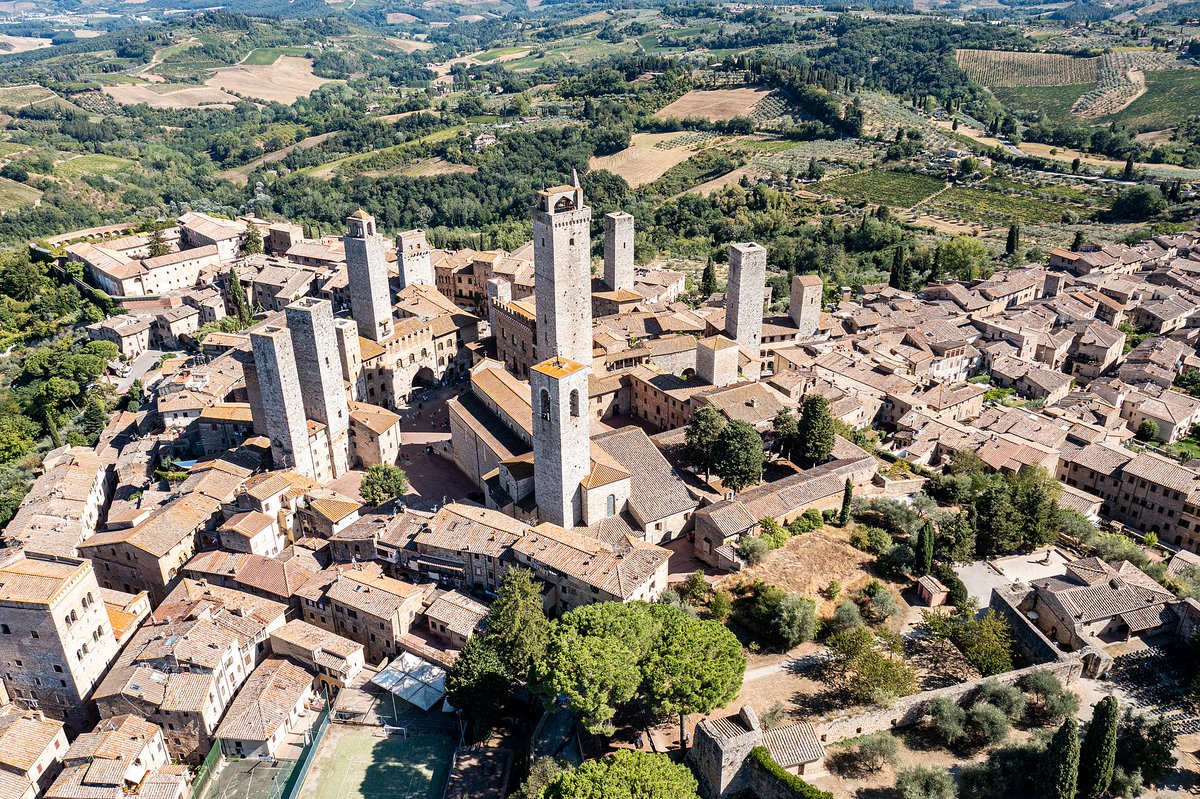
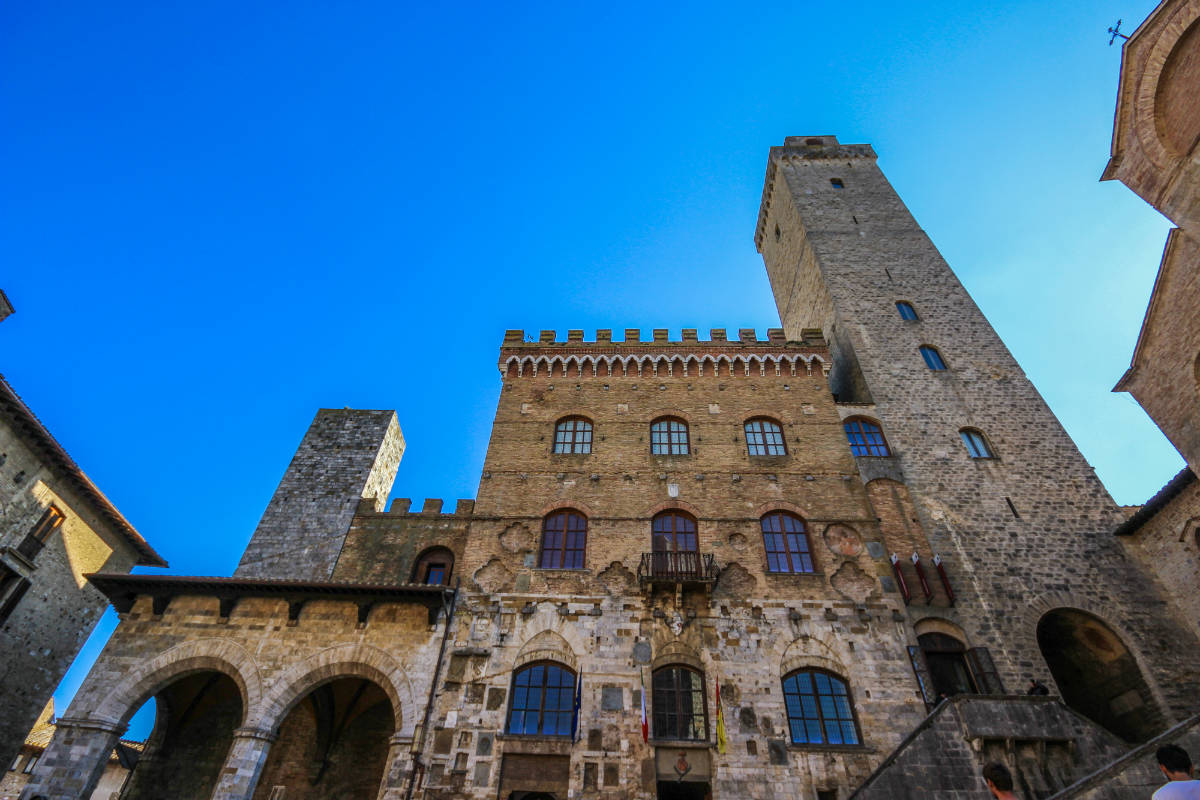
These huge towers in the town of San Gimignano present an imposing sight over the Tuscan countryside!
They are a reminder of a very violent time when warring families inside the town built such towers.
There used to be many more of such towers in this town, over 70 of them. 🧵

They are a reminder of a very violent time when warring families inside the town built such towers.
There used to be many more of such towers in this town, over 70 of them. 🧵


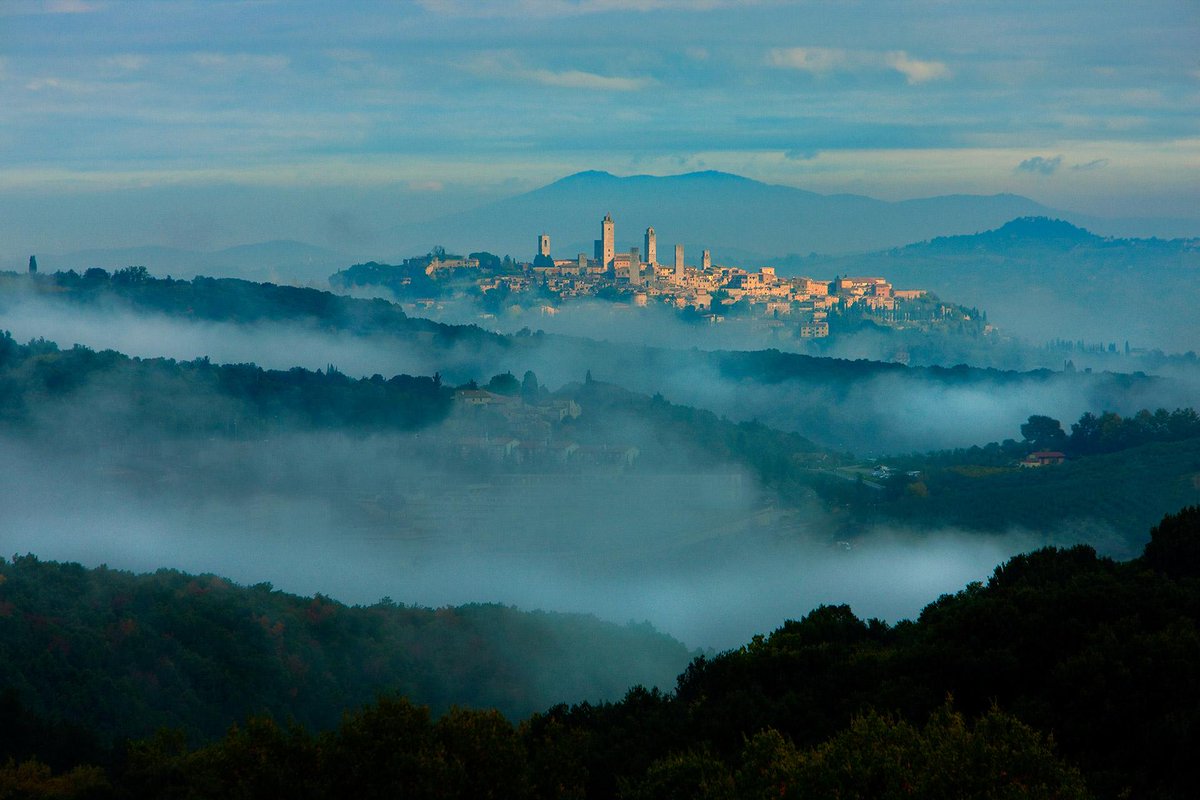
The picturesque Tuscan countryside is now a tourist attraction and it is associated with peace and tranquility.
But there was a lot of violence in these lands in the past.
Terrible conflicts broke out in the Middle Ages and Renaissance!
But there was a lot of violence in these lands in the past.
Terrible conflicts broke out in the Middle Ages and Renaissance!

San Gimignano is a proper medieval town as it developed during the Middle Ages due to its position on the important pilgrim route of Via Francigena.
The people of San Gimignano soon began developing trade and the wealth of this city grew as a result.
The people of San Gimignano soon began developing trade and the wealth of this city grew as a result.


With increased wealth came increased power.
In 1199 the citizens of San Gimignano felt confident enough to declare themselves independent of the bishops of Volterra.
Many had become wealthy from trade.
San Gimignano was to be ruled by a podestà.
In 1199 the citizens of San Gimignano felt confident enough to declare themselves independent of the bishops of Volterra.
Many had become wealthy from trade.
San Gimignano was to be ruled by a podestà.

But despite the independence and prosperity from trade, troubled times followed.
Family rivalries developed, fueled by the ongoing conflict between the Guelphs and the Ghibellines in Italy.
Terrible violence ensued!
Family rivalries developed, fueled by the ongoing conflict between the Guelphs and the Ghibellines in Italy.
Terrible violence ensued!


These rival families greatly troubled the peace!
To protect themselves, they began building huge towers.
Some of these still stand and present an incredible sight, leading to the San Gimignano being nicknamed as the Town of Fine Towers.
To protect themselves, they began building huge towers.
Some of these still stand and present an incredible sight, leading to the San Gimignano being nicknamed as the Town of Fine Towers.
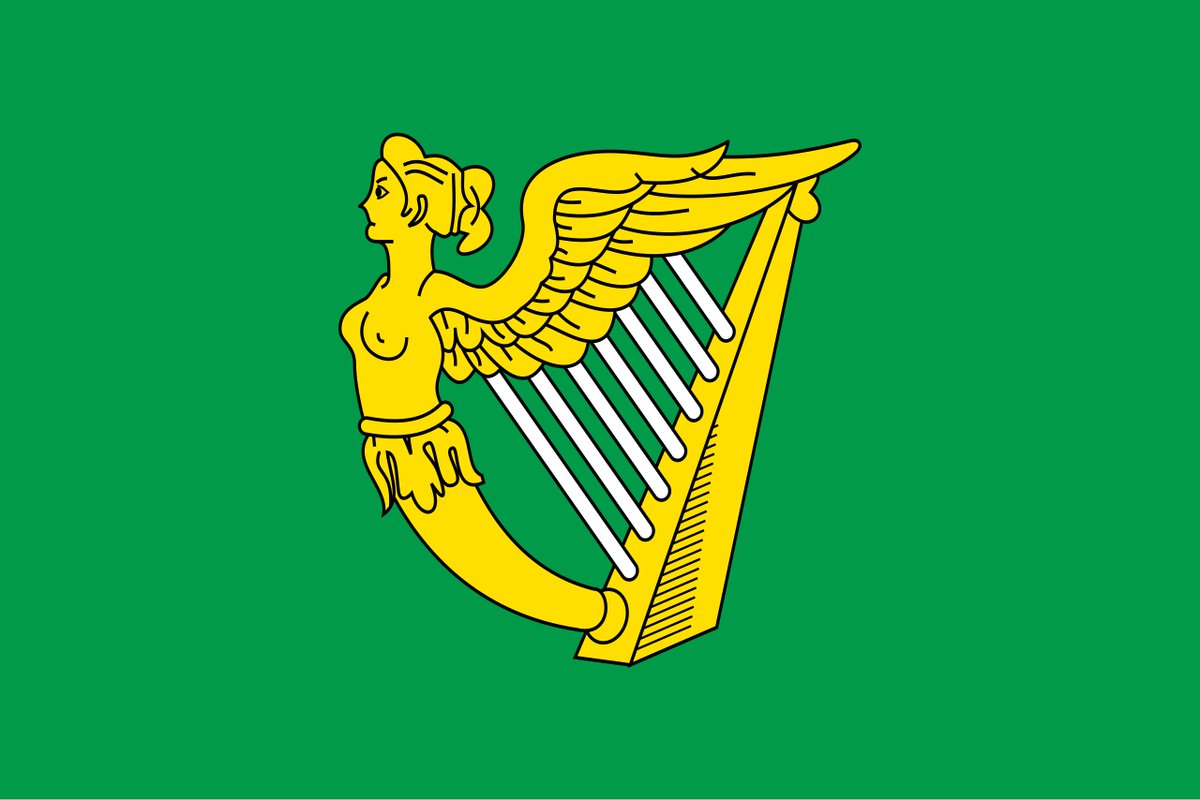
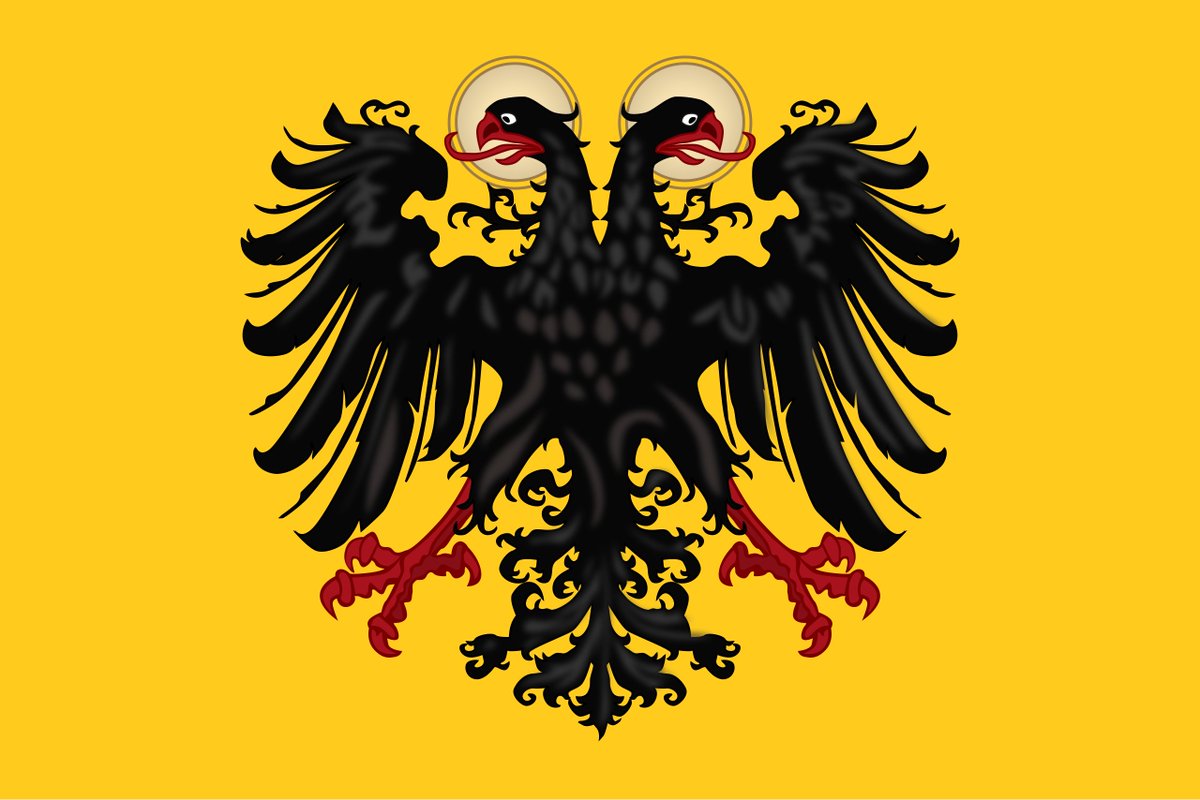
The situation was particularly volatile in late 13th century when entire Tuscany was engulfed in struggles between Guelphs and Ghibellines, leading to open battles between large coalitions of cities such as at Montaperti in 1260 and at Campaldino in 1292.
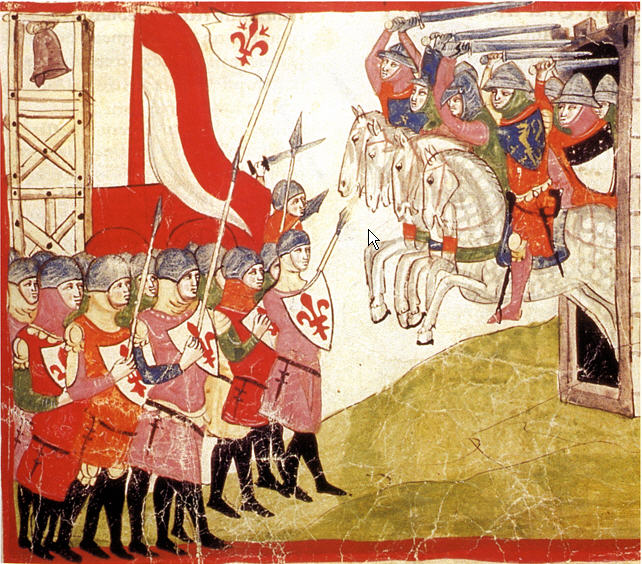
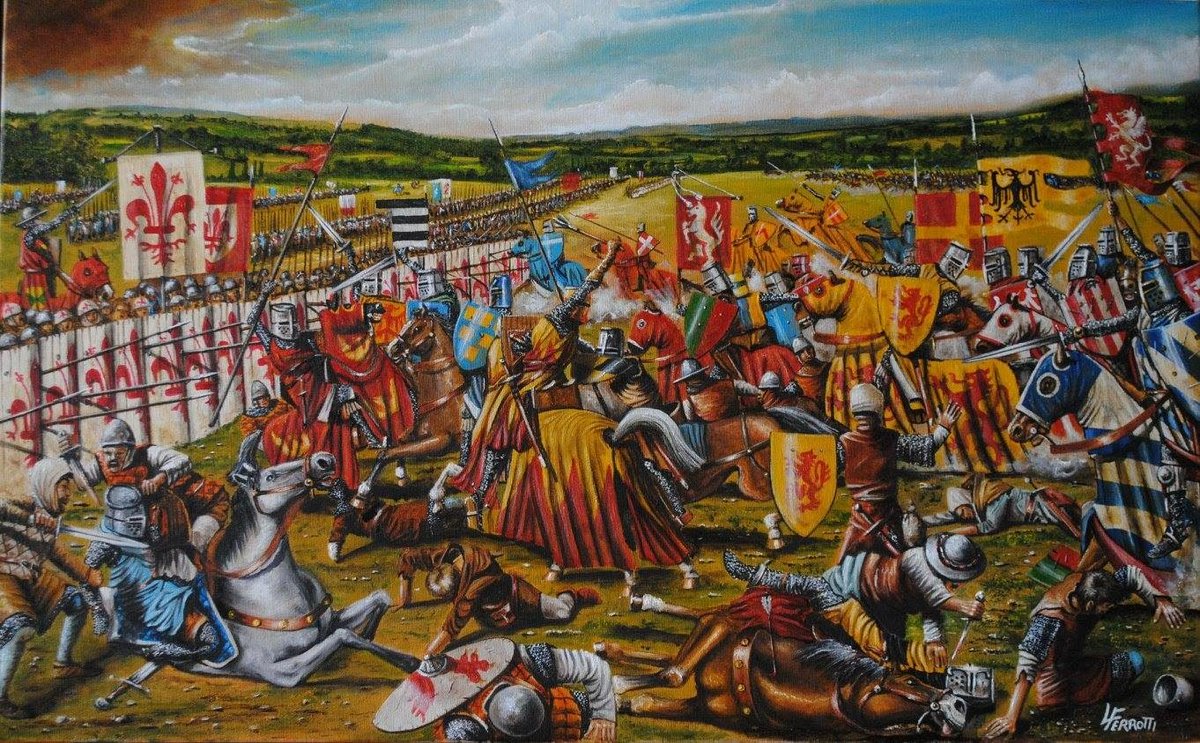

The conflict between the Guelphs and the Ghibellines is very complicated because at one hand it was a large-scale conflict between the Pope and the Emperor, but on a smaller scale it was fought by small political factions in various Italian cities.

In practice this meant that there were Guelph and Ghibelline factions fighting for control of individual cities and the struggle was not always ideological but tied in into general power struggle between powerful families inside Italian cities.
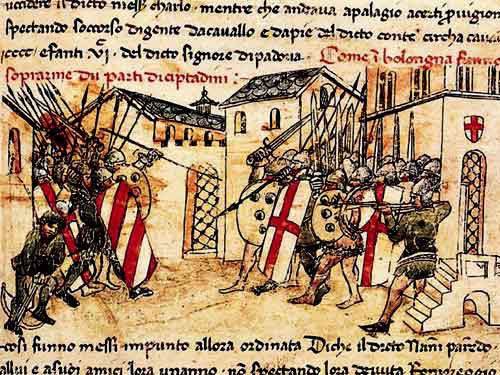
In Tuscany this struggle was particularly fierce and it was in Florence where the labels of Guelph and Ghibelline first made their presence in mid-13th century.
After one side took power in the city, the other was exiled, so entire cities became aligned with one of the sides.
After one side took power in the city, the other was exiled, so entire cities became aligned with one of the sides.
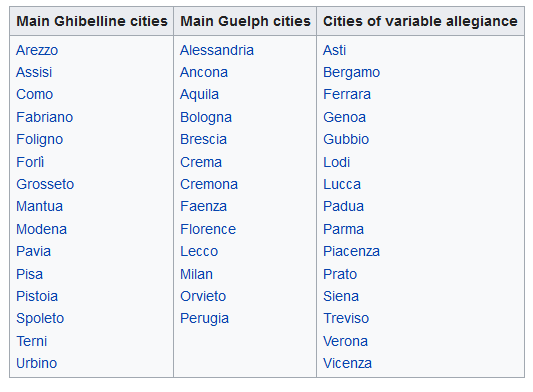
But in cities where neither side could gain decisive control, this usually meant a lot of trouble, political tension and violence!
Such was the situation in San Gimignano which was a sizeable city with a population of around 7,000 by late 13th century.
Such was the situation in San Gimignano which was a sizeable city with a population of around 7,000 by late 13th century.
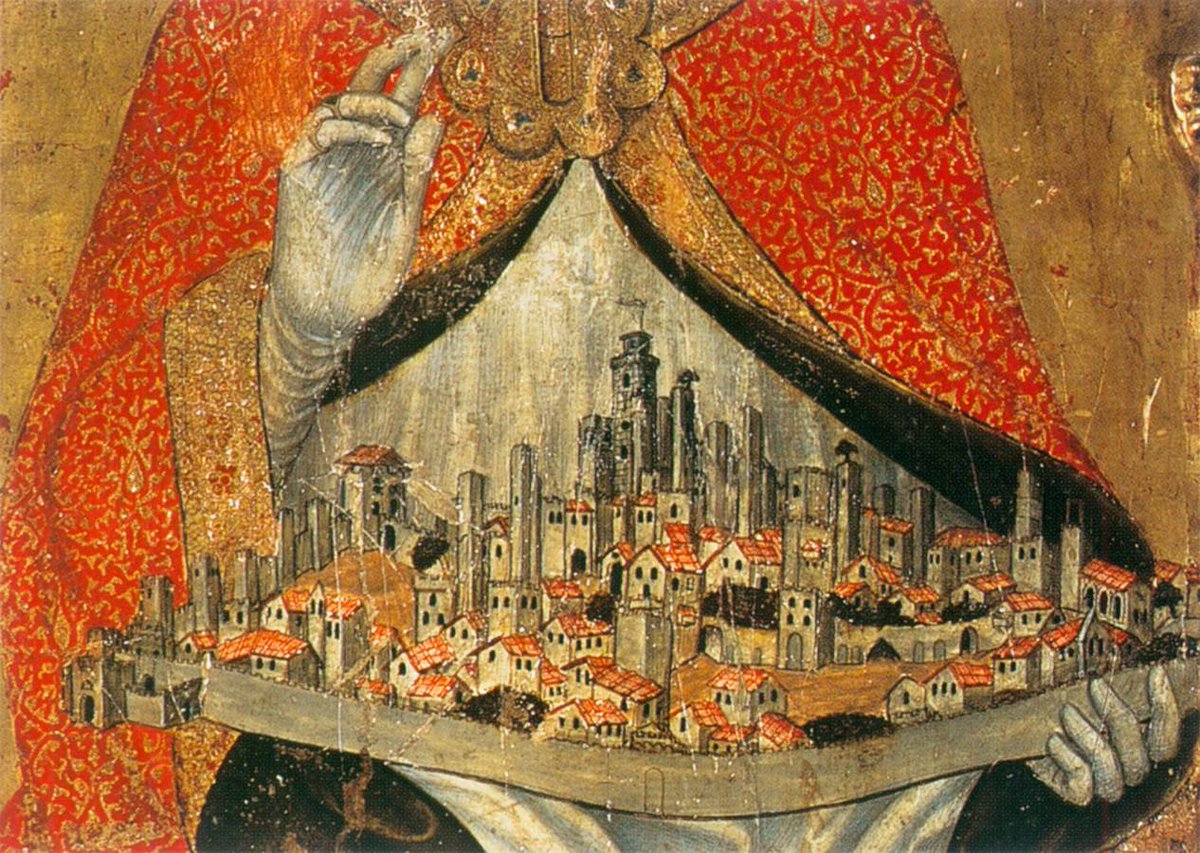
While there were power swings in both directions at different times, the situation between Guelphs and Ghibellines remained turbulent in San Gimignano.
One of the reasons was that the town had a very small jurisdiction so exile didn't really work as the exiles just moved nearby.
One of the reasons was that the town had a very small jurisdiction so exile didn't really work as the exiles just moved nearby.
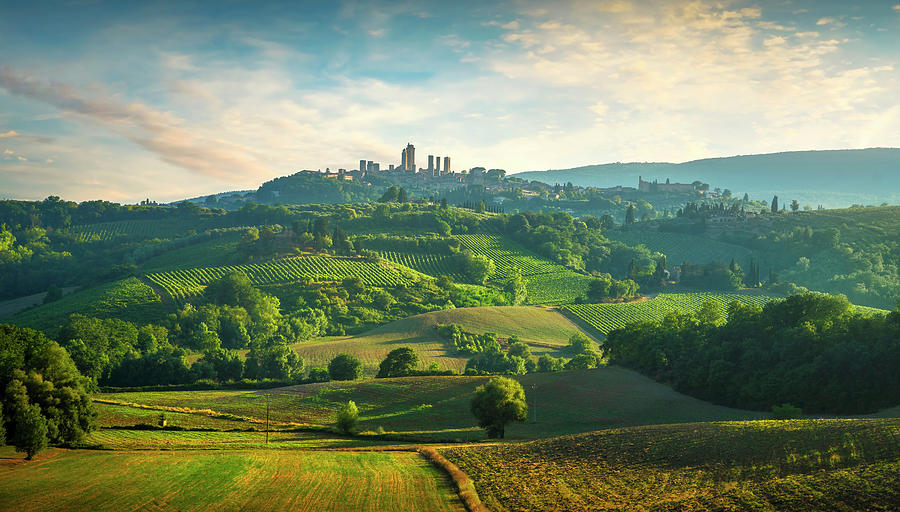
Not even the podestà of the city could pacify the situation.
But measures were taken to limit the tensions.
For example singing of either Guelph or Ghibelline songs or shouting their political slogans was banned in San Gimignano and punished by a fine of 25 lire!
But measures were taken to limit the tensions.
For example singing of either Guelph or Ghibelline songs or shouting their political slogans was banned in San Gimignano and punished by a fine of 25 lire!
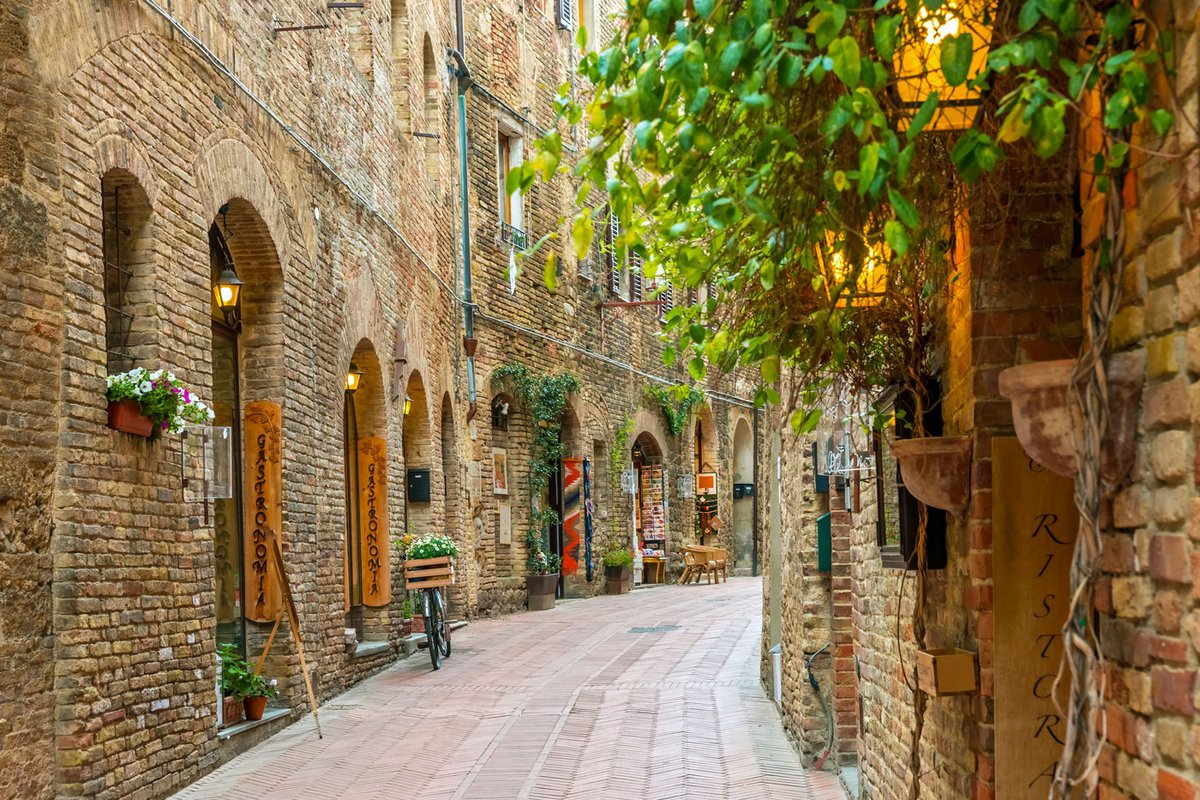
In 1267 a certain Baldo was accused of problematic pro-Ghibelline political speech.
He was alleged to have said that the pope and King Charles of Anjou were "two demons" who had "destroyed all Christendom" and that he would rather owe fealty to the devil than to either of them!
He was alleged to have said that the pope and King Charles of Anjou were "two demons" who had "destroyed all Christendom" and that he would rather owe fealty to the devil than to either of them!

This type of political agitation and provocation was strictly banned and closely monitored, as it could led to even more trouble in an already very volatile environment.
But the building of the towers also became monitored as 72 tower houses had already been built at the time!
But the building of the towers also became monitored as 72 tower houses had already been built at the time!
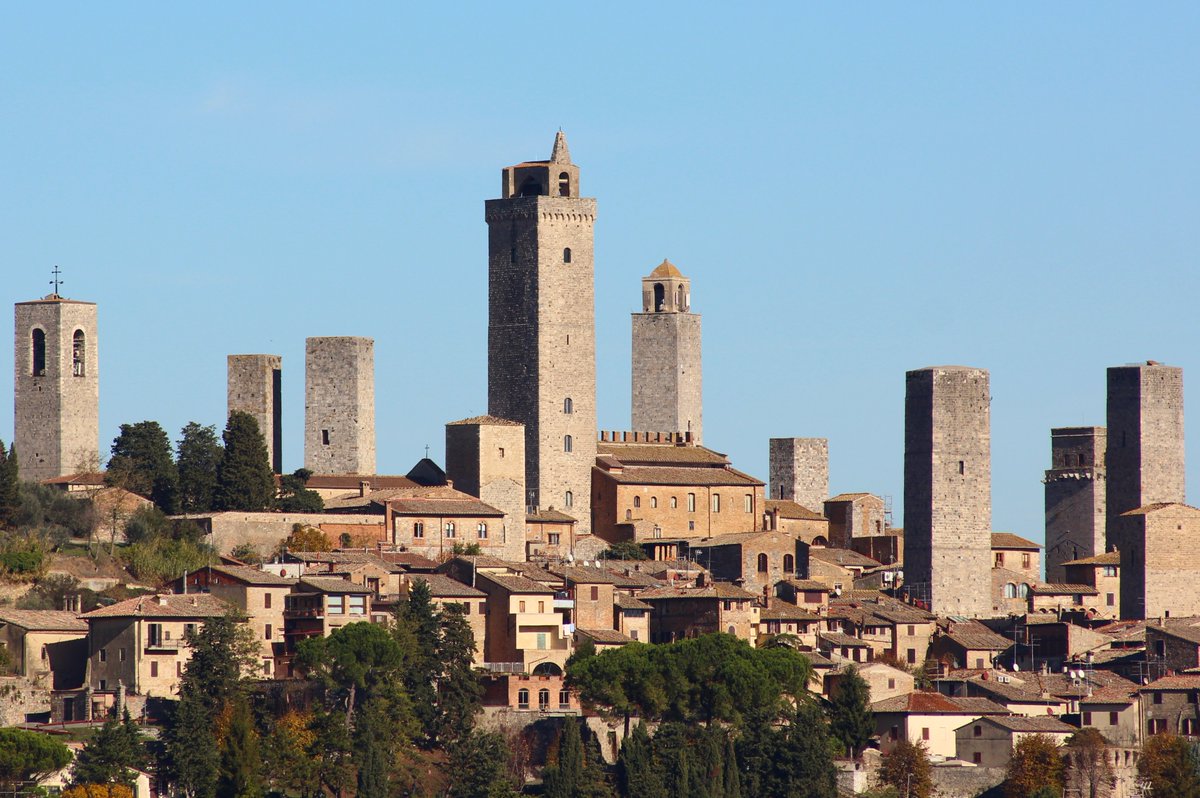
Some of these towers were over 70 metres (230 feet) tall and presented a threat to public safety, as it was feared they could collapse.
It was eventually declared that no tower was to be taller than that adjacent to the Palazzo Comunale, which is 54 metres (177 feet) tall.
It was eventually declared that no tower was to be taller than that adjacent to the Palazzo Comunale, which is 54 metres (177 feet) tall.
The building of such tall towers was not unique to San Gimignano.
It is estimated that 12-13th century Bologna had up to 180 of such tall towers!
This modern reconstruction of how medieval Bologna looked like shows us just how crazy this was.
It is estimated that 12-13th century Bologna had up to 180 of such tall towers!
This modern reconstruction of how medieval Bologna looked like shows us just how crazy this was.

All over Italy cities experienced similar internal violence and imposing towers were build by powerful families such as the Torre delle Milizie in Rome which was used by the Ghibelline supporters of the Emperor and the likes of the Conti family.


But even in Bologna, which used to be full of tall towers, only two of such towers survived to this day and we have to use modern reconstructions, or our own imagination, to get the picture of how the city used to look like when it was full of imposing towers.


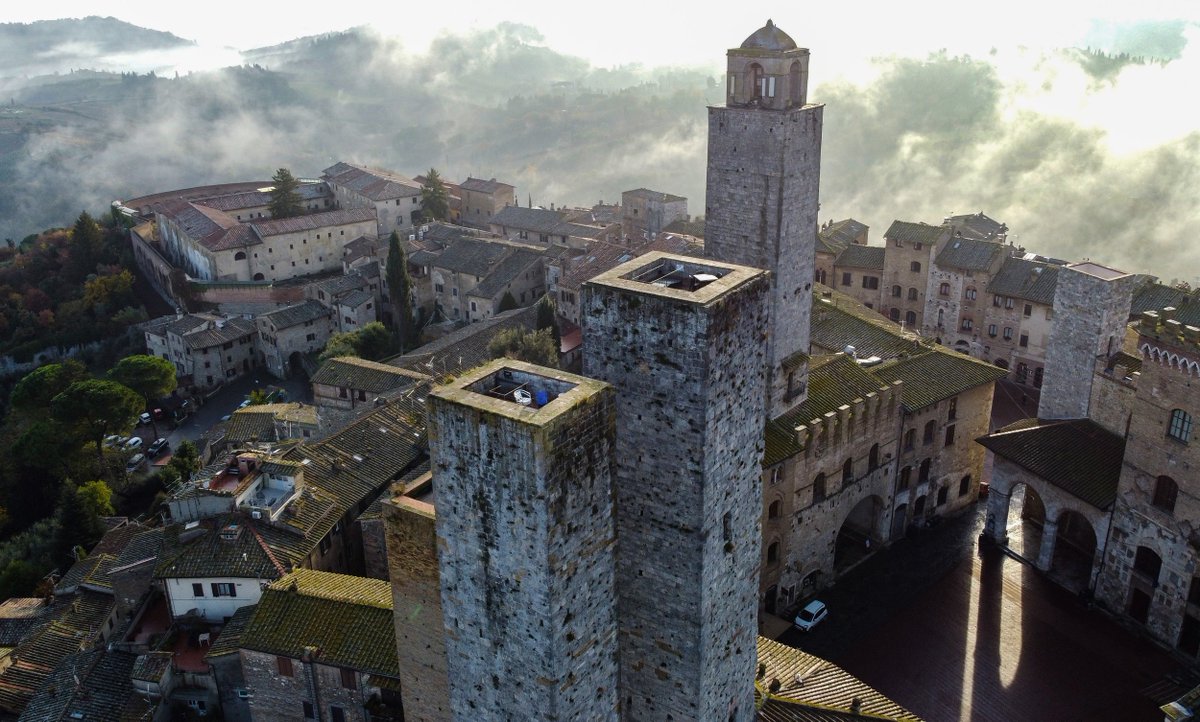
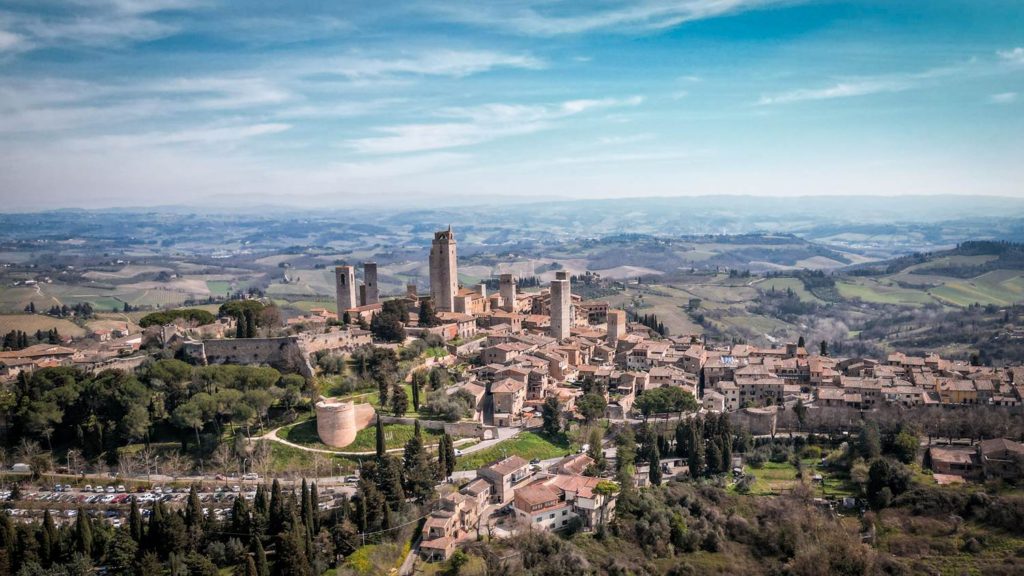
However in San Gimignano many more medieval towers remain.
This is because the city was completely devastated by the Black Death plague in 1348 when around half of the city's population died.
The city never recovered and became frozen in time, retaining its medieval character.
This is because the city was completely devastated by the Black Death plague in 1348 when around half of the city's population died.
The city never recovered and became frozen in time, retaining its medieval character.
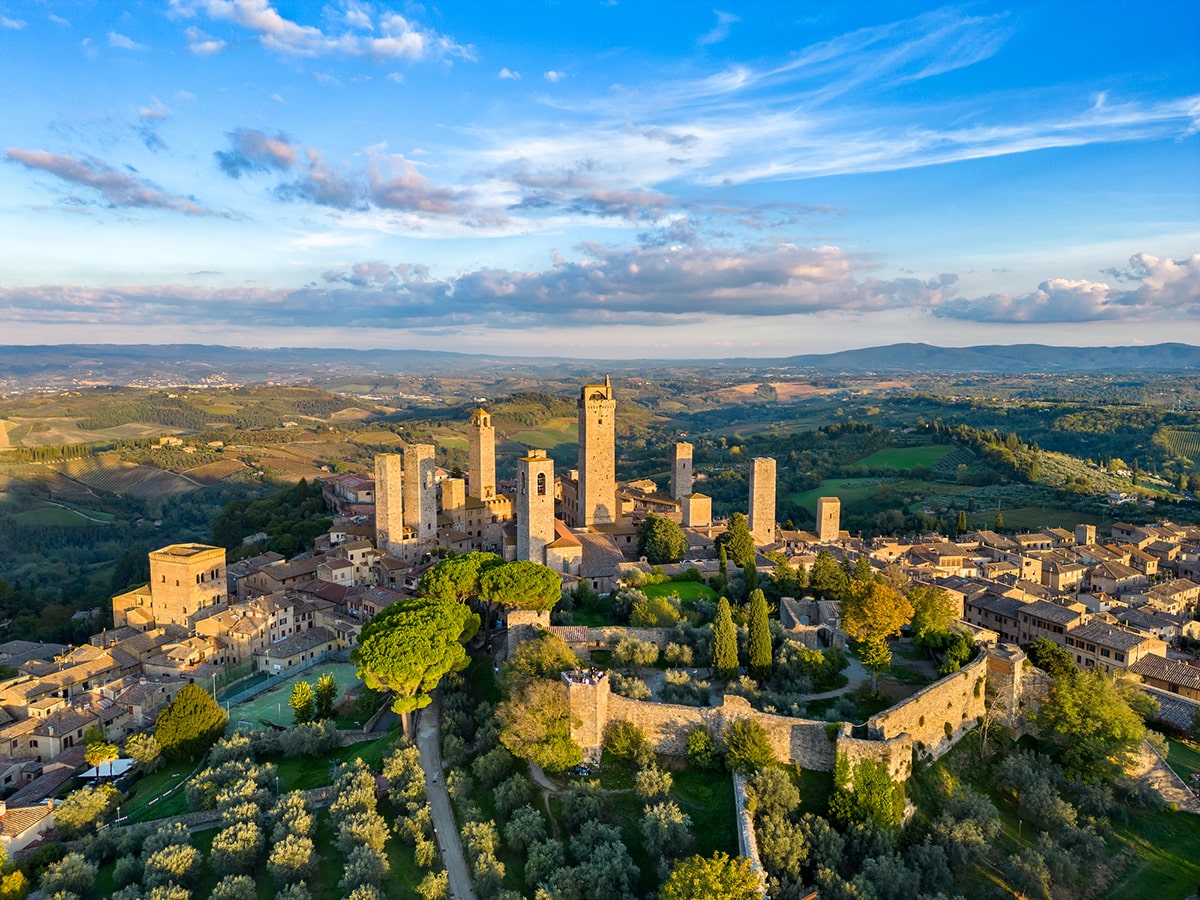
And this is what makes San Gimignano so amazing, it's a town frozen in the time of Guelph-Ghibelline struggles.
A unique reminder of a very violent time in history and home of fascinating medieval towers!
A unique reminder of a very violent time in history and home of fascinating medieval towers!
Just a small correction, the battle of Campaldino happened in 1289 and not 1292.
I don't know how I made such mistake since I already mention this battle many times in the past.
I don't know how I made such mistake since I already mention this battle many times in the past.
https://twitter.com/LandsknechtPike/status/1622280442715017216
• • •
Missing some Tweet in this thread? You can try to
force a refresh