These things suck.
Let’s tackle some strategies to get rid of EYE FLOATERS (and optimize your vision):
Let’s tackle some strategies to get rid of EYE FLOATERS (and optimize your vision):
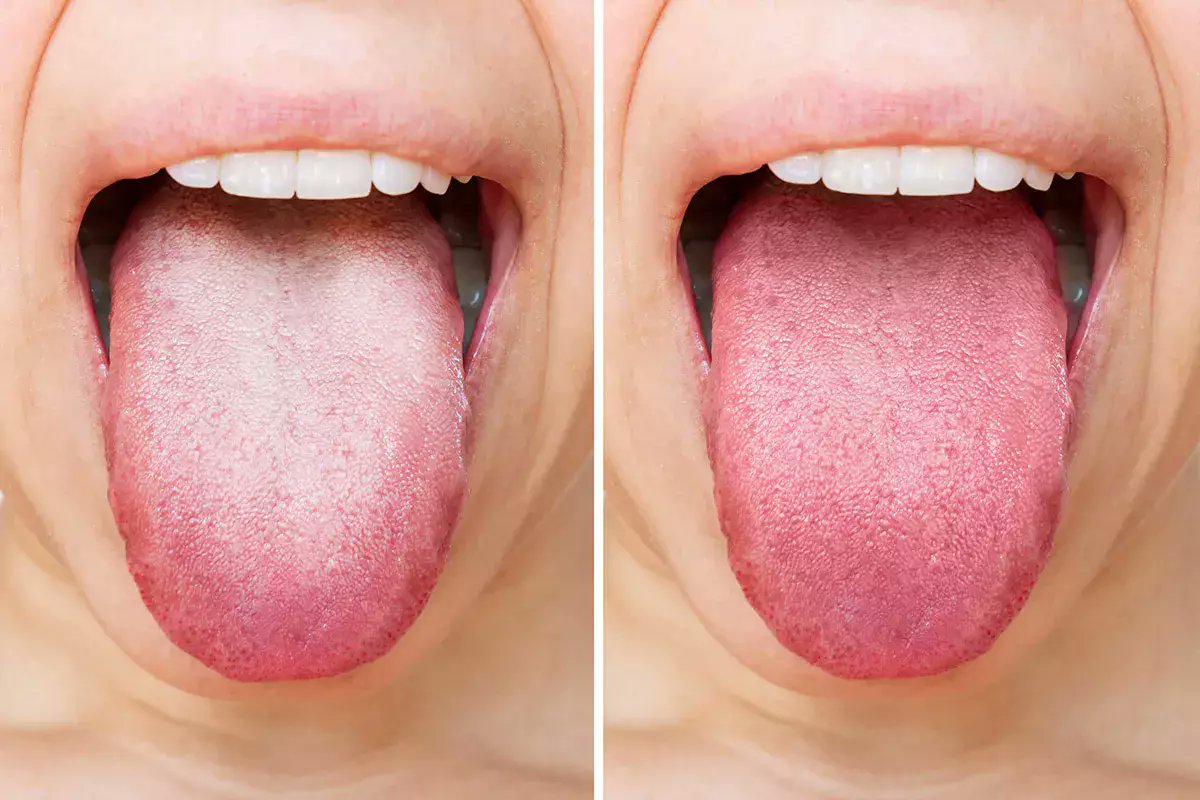
TOP: Eyes of someone with bad eye floaters
BOTTOM: 6 months after taking a supplement of:
⬩125 mg l-lysine
⬩40 mg vitamin C
⬩26.3 mg grape vine extract
⬩5 mg zinc
⬩100 mg sour orange extract
(called VitroCap N)
BOTTOM: 6 months after taking a supplement of:
⬩125 mg l-lysine
⬩40 mg vitamin C
⬩26.3 mg grape vine extract
⬩5 mg zinc
⬩100 mg sour orange extract
(called VitroCap N)

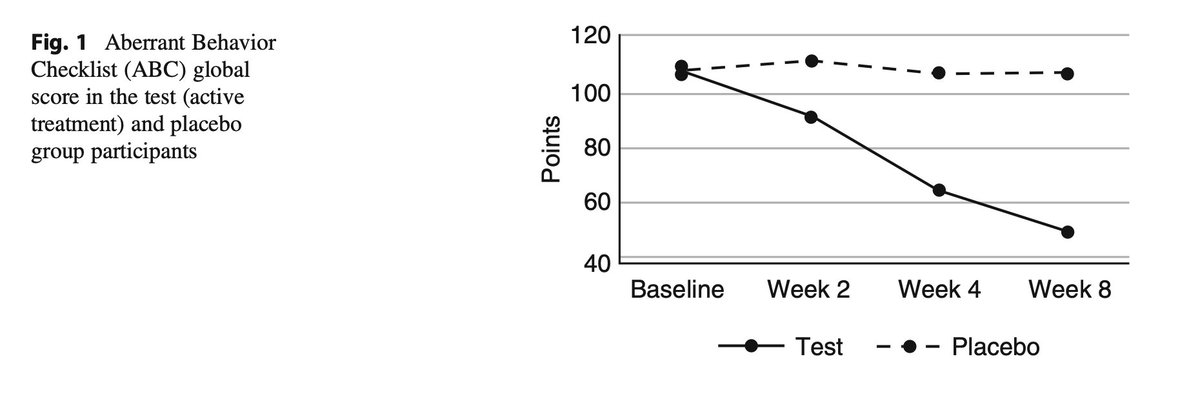
People taking this supplement had a near 50% improvement in subjective visual discomfort from eye floaters
And they also had a measurable decrease (~50%) in the amount of their eyes that were gummed up by floaters compared to those that didn’t take it.
And they also had a measurable decrease (~50%) in the amount of their eyes that were gummed up by floaters compared to those that didn’t take it.

Eye floaters disappear within 3 months of taking fruit enzymes.
The enzymes contained in pineapple, papaya and fig:
⬩190 mg bromelain
⬩95 mg papain
⬩95 mg ficin
Literally dissolve the floaters away.
The enzymes contained in pineapple, papaya and fig:
⬩190 mg bromelain
⬩95 mg papain
⬩95 mg ficin
Literally dissolve the floaters away.

After 3 months of eye floater treatment, people who these fruit enzymes:
⬩92% felt “bright”
⬩90% felt better or much better
⬩92% were satisfied
When prior,
⬩80% felt their floaters were very severe
⬩78% had difficulty performing daily activities
Incredible.
⬩92% felt “bright”
⬩90% felt better or much better
⬩92% were satisfied
When prior,
⬩80% felt their floaters were very severe
⬩78% had difficulty performing daily activities
Incredible.

Here is a visualization of what the fruit enzymes did.
You don’t need to just live with eye floaters.
You don’t need to just live with eye floaters.

Now you may be thinking, that’s great, but can I just eat fruit to get rid of my eye floaters?
Well,
After 3 months of eating 2 pieces of pineapple with lunch
Over 70% of people had reductions in floaters.
Insanity.
Well,
After 3 months of eating 2 pieces of pineapple with lunch
Over 70% of people had reductions in floaters.
Insanity.

IODINE (eye drops) nearly cures eye floaters:
Over 95% of people with floaters saw improvement, regardless of how severe the floaters were.
Unfortunately they do not mention the exact type of iodine eye drop, but this is incredible!
(yes, it’s all in Polish, I translated it)
Over 95% of people with floaters saw improvement, regardless of how severe the floaters were.
Unfortunately they do not mention the exact type of iodine eye drop, but this is incredible!
(yes, it’s all in Polish, I translated it)

Nattokinase eliminates eye floaters.
Injected into the eyes (ouch) of animals, it again breaks down the floaters.
No follow up in people, but given the fact that the fruit enzymes work orally, I wouldn’t be surprised if nattokinase can do the same.
Injected into the eyes (ouch) of animals, it again breaks down the floaters.
No follow up in people, but given the fact that the fruit enzymes work orally, I wouldn’t be surprised if nattokinase can do the same.

Infrared lasers eradicate eye floaters.
This has been extensively studied,
but what’s a free way of getting infrared light to your eyes?
That’s right, sunlight!
This is probably a big reason why studies consistently show outdoor time is related to better vision.
This has been extensively studied,
but what’s a free way of getting infrared light to your eyes?
That’s right, sunlight!
This is probably a big reason why studies consistently show outdoor time is related to better vision.

What causes eye floaters?
Most of the eye is composed of collagenous protein and carbohydrates (the vitreous body)
That’s why eyes are like jello, they kind of are, jello is just collagen protein in water.
The floaters themselves are detached, broken bits of the vitreous body
Most of the eye is composed of collagenous protein and carbohydrates (the vitreous body)
That’s why eyes are like jello, they kind of are, jello is just collagen protein in water.
The floaters themselves are detached, broken bits of the vitreous body

What damages this jello like eye stuff, that causes eye floaters?
Oxidative stress.
The vitreous body is filled with antioxidants to protect it from this.
The most important is VITAMIN C - extremely concentrated in the vitreous body, more so than anywhere else in the body
Oxidative stress.
The vitreous body is filled with antioxidants to protect it from this.
The most important is VITAMIN C - extremely concentrated in the vitreous body, more so than anywhere else in the body

But what is the source of the oxidation that causes the vitreous body to degrade, resulting in eye floaters?
The OXYGEN comes from the retina - what actually facilitates vision.
If the eyes do not metabolize the oxygen, it leaks into the vitreous body, resulting in oxidation.
The OXYGEN comes from the retina - what actually facilitates vision.
If the eyes do not metabolize the oxygen, it leaks into the vitreous body, resulting in oxidation.

What impairs the metabolism of the eye that results in this oxidation, that ultimately causes eye floaters?
One big one is BLUE LIGHT.
It literally destroys the mitochondria of the retinal pigment epithelium.
Good thing we’re all in blue light and staring at screens 24/7!
One big one is BLUE LIGHT.
It literally destroys the mitochondria of the retinal pigment epithelium.
Good thing we’re all in blue light and staring at screens 24/7!

I use blue blockers whenever doing lots of computer work, and at night, it’s almost a necessity nowadays.
It sucks, but the cheap ones don’t really do anything, so beware.
I use EMR-Tek, you can get a 15% discount here: emr-tek.com/collections/al…
It sucks, but the cheap ones don’t really do anything, so beware.
I use EMR-Tek, you can get a 15% discount here: emr-tek.com/collections/al…
What else helps with eyeball metabolism and thus eye floaters?
You can destroy the retina with a mitochondrial toxin, and this reduces the metabolism in the eye.
Methylene blue can reverse it, preserving the eyes.
You can destroy the retina with a mitochondrial toxin, and this reduces the metabolism in the eye.
Methylene blue can reverse it, preserving the eyes.

Methylene blue I use (1-15 mg, will link relevant content later): healthnatura.com/simply-methyle…
The eyes are highly dependent on GLUCOSE aka carbohydrate.
INSULIN actually enhances glucose metabolism in the eyes
And thus it prevents the death of the rods & cones that facilitate vision.
INSULIN actually enhances glucose metabolism in the eyes
And thus it prevents the death of the rods & cones that facilitate vision.

The metabolism in the eye is highly dependent on derivatives of vitamin B3.
In fact, giving eyes a metabolite of B3 (NMN):
⬩Restores metabolism in the eye
⬩Prevents oxidative stress
⬩COMPLETELY prevents death of retinal cells
A visual powerhouse!
In fact, giving eyes a metabolite of B3 (NMN):
⬩Restores metabolism in the eye
⬩Prevents oxidative stress
⬩COMPLETELY prevents death of retinal cells
A visual powerhouse!

It has been shown for over half a century that deficiency in vitamin A destroys vision.
Vitamin A is what ends up absorbing all of the light and allows us to SEE.
Not enough vitamin A and the whole eye comes crumbling down.
Vitamin A is what ends up absorbing all of the light and allows us to SEE.
Not enough vitamin A and the whole eye comes crumbling down.

This is the vitamin A I like, in studies reversing visual problems it’s at least 16,000 IU per day, but I really don’t think that’s necessary if you just have floaters. Maybe 1,000-5,000 IU/d. Or just eat beef liver. healthnatura.com/simply-a-15-00…
Pharma companies are in the process of targeting metabolism to treat various visual diseases.
One of the ways they are doing this is by lowering INFLAMMATION.
The key sources of systemic inflammation in the body are:
⬩Dietary polyunsaturated fats (SEED OILS)
⬩Gut problems
One of the ways they are doing this is by lowering INFLAMMATION.
The key sources of systemic inflammation in the body are:
⬩Dietary polyunsaturated fats (SEED OILS)
⬩Gut problems

Some other vital factors that support the antioxidant system, and thus protect our eyes from EYE FLOATERS.
⬩Protein, especially glycine for glutathione
⬩Copper
⬩Manganese
⬩Keeping iron in balance, excess can lead to oxidative stress.
⬩VITAMIN B2
⬩ZINC
⬩SELENIUM
⬩TAURINE
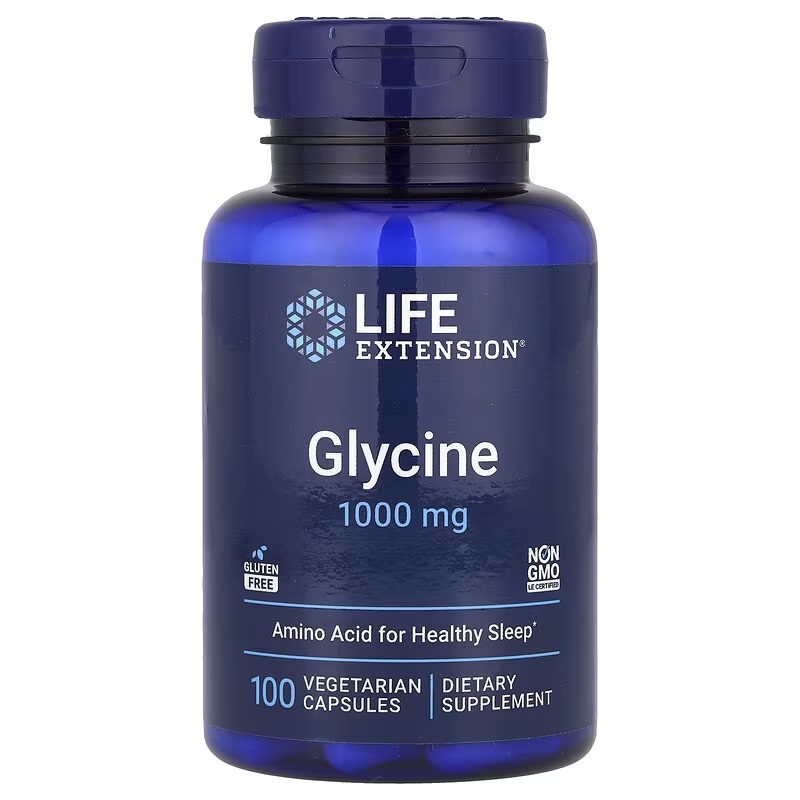
⬩Protein, especially glycine for glutathione
⬩Copper
⬩Manganese
⬩Keeping iron in balance, excess can lead to oxidative stress.
⬩VITAMIN B2
⬩ZINC
⬩SELENIUM
⬩TAURINE
If you'd like to get some personalized help with anything health related: gut/digestion, nutrition, fat loss, energy, sleep, or even eye floaters, schedule a free call here and we can help you out! prism.miami
For more information on supplements discussed and gut health, check out our other threads!
https://twitter.com/Outdoctrination/status/1677669968815456256
• • •
Missing some Tweet in this thread? You can try to
force a refresh