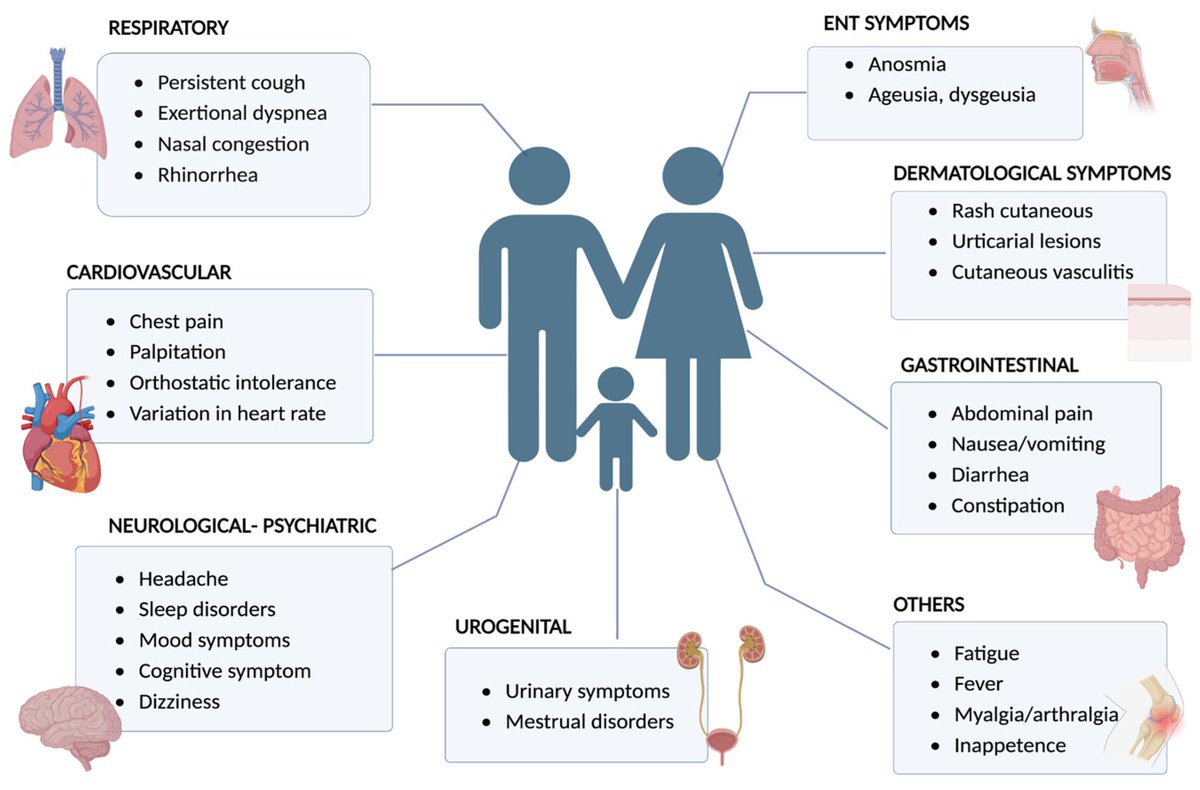
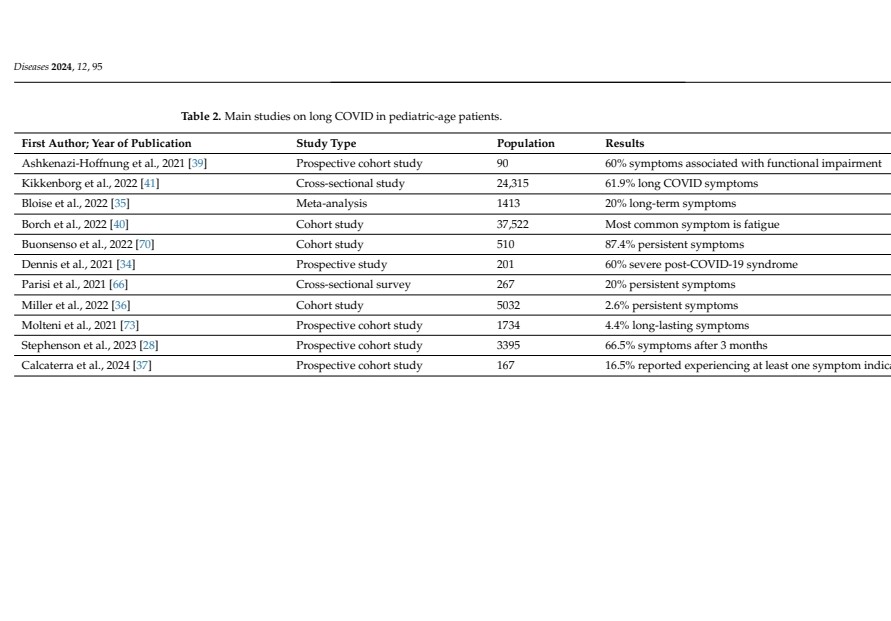
2) Long COVID is characterized by new or persistent symptoms lasting more than 12 weeks after initial COVID-19 infection. It impacts multiple organs and symptoms vary widely between individuals but commonly involve fatigue, brain fog, respiratory issues.
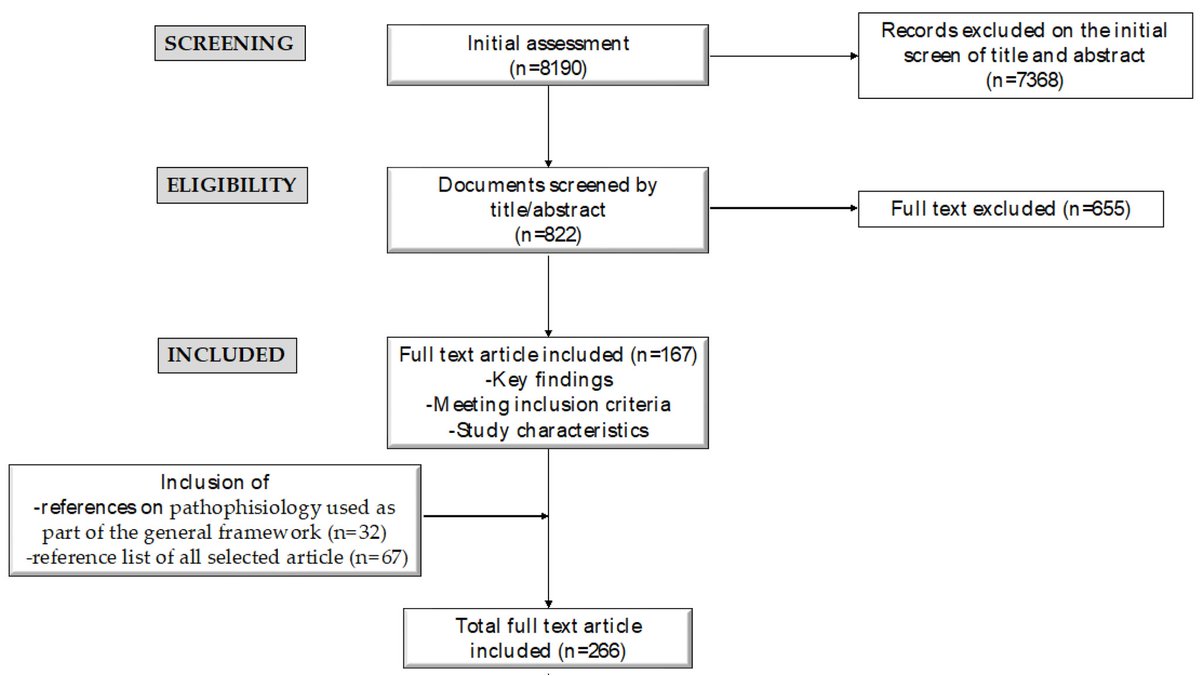
3) Risk factors include obesity, older age, severity of initial infection. Presence of chronic conditions like cancer, diabetes, cardiovascular disease increases risk and impact. Vulnerable groups like pregnant women may face worse outcomes.
4) Management requires multidisciplinary approach with rehabilitation, psychological support, and treatment of individual symptoms.
Thanks for reading ๐
โข โข โข
Missing some Tweet in this thread? You can try to
force a refresh

2) A large mouse plague impacted eastern Australia from 2020-2021 following years of drought and heavy rainfall. It caused extensive damage to crops, infrastructure, and the environment costing over $1B.
3) Increased mouse densities led to rises in zoonotic diseases like leptospirosis and rare infections. Stress levels were high for those battling the plague amid challenges of cleaning, baiting, crop/property damage.
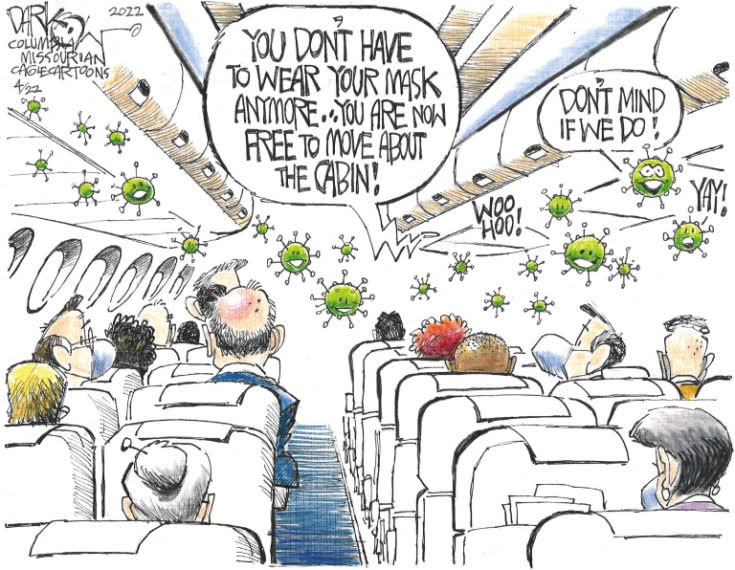
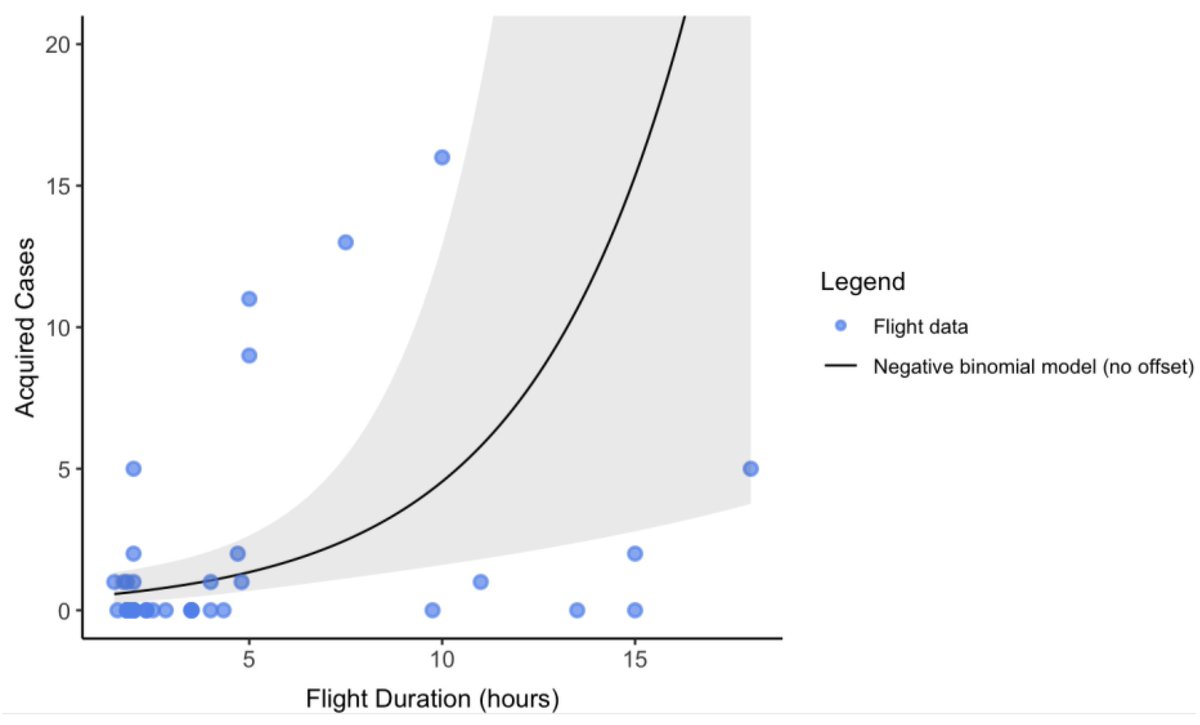
2) This study uses published reports from Jan 2020-Apr 2021 to analyze likely SARS-CoV-2 transmission on 50 commercial flights. Flight duration was found to strongly predict transmission rates, with longer flights associated with higher risk.
3) Medium flights had 4.66x higher incidence than short, and long flights 25.93x higher. Enforced masking on long flights prevented transmission. Each additional hour of unmasked flight corresponded to 53% higher transmission risk.
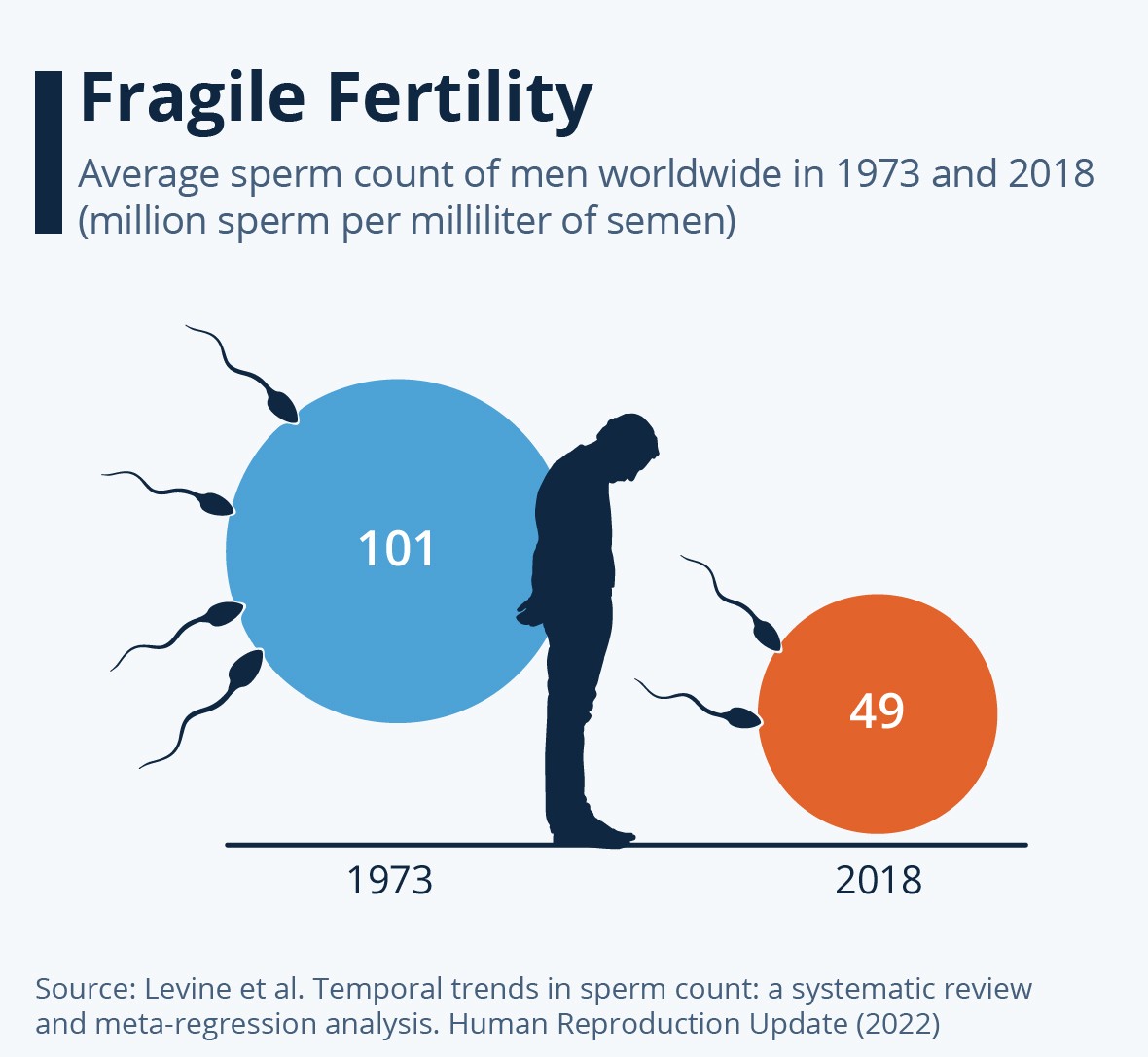
It's a silent pandemic. Before SARS-COV-2, sperm counts drop was accelerating worldwide. This could go even faster with COVID-19 ! euronews.com/health/2022/11โฆ
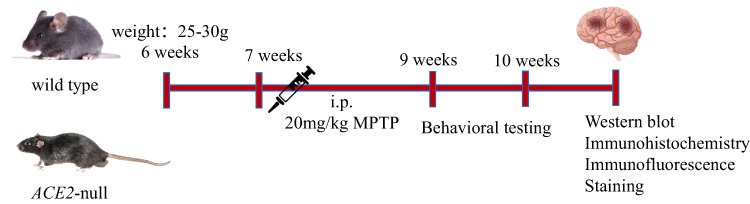
2) COVID-19 and Parkinson's disease (PD) may be linked through shared mechanisms like neuroinflammation, oxidative stress, autophagy dysregulation, and ACE2 downregulation. SARS-CoV-2 infection could trigger pathways involved in PD development.
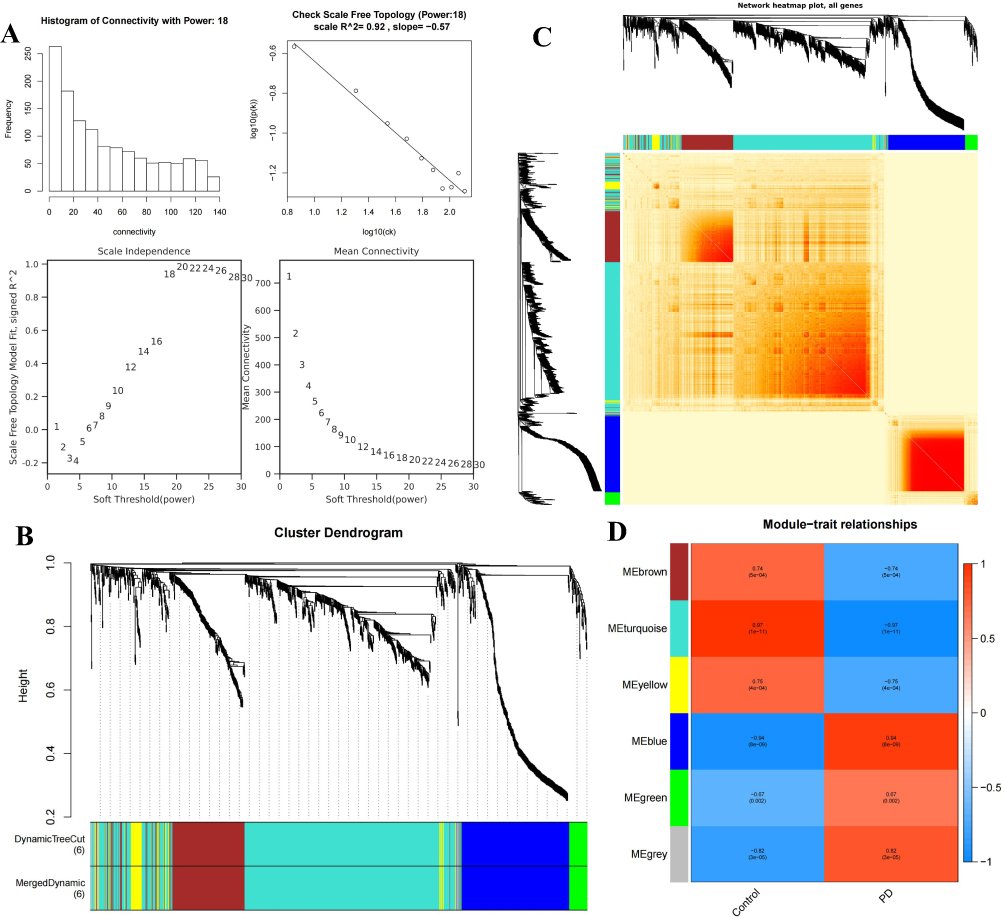
3) Analysis of gene expression data identified differentially expressed genes (DEGs) between PD/COVID-19 and controls. Pathway analysis showed genes were involved in processes like inflammation and immune response.
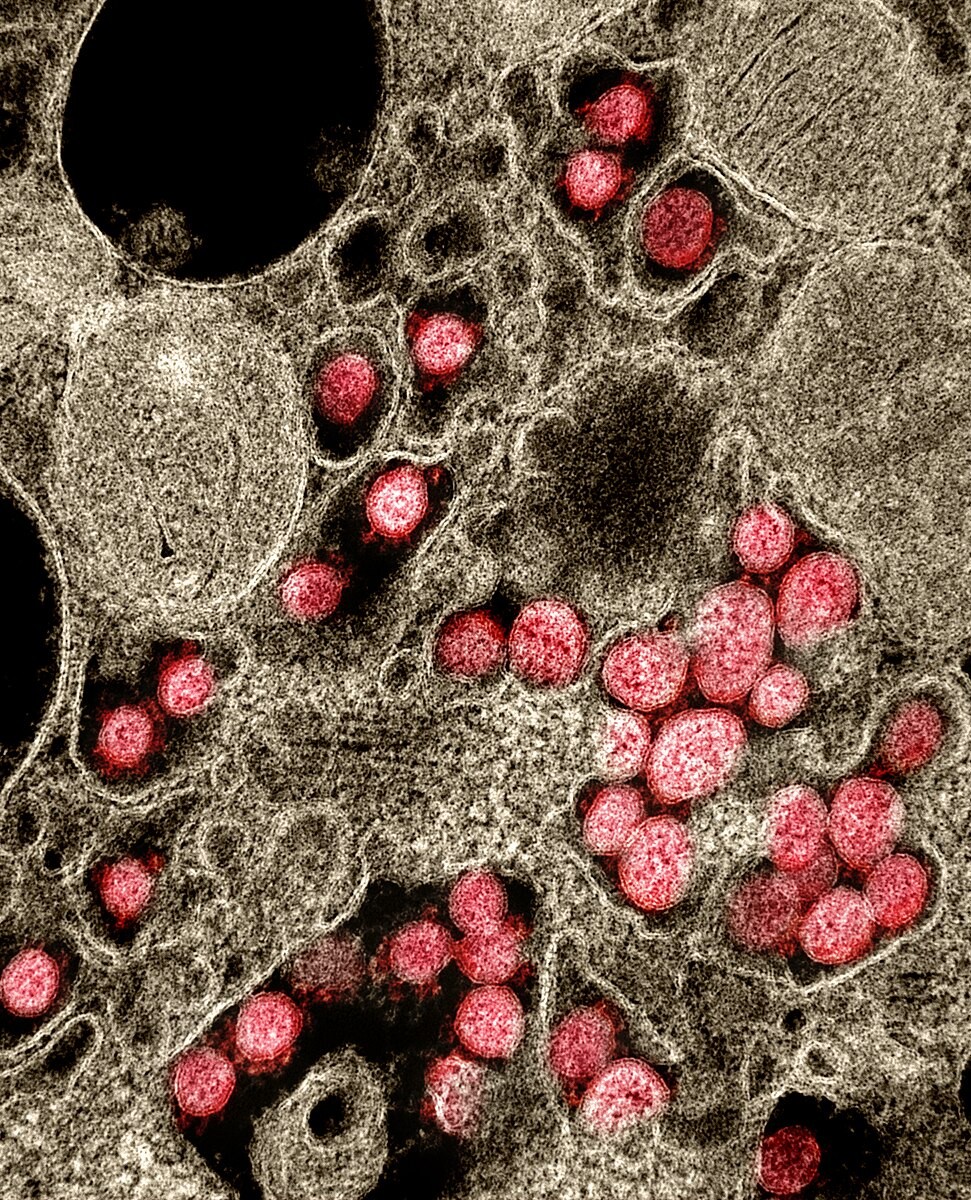
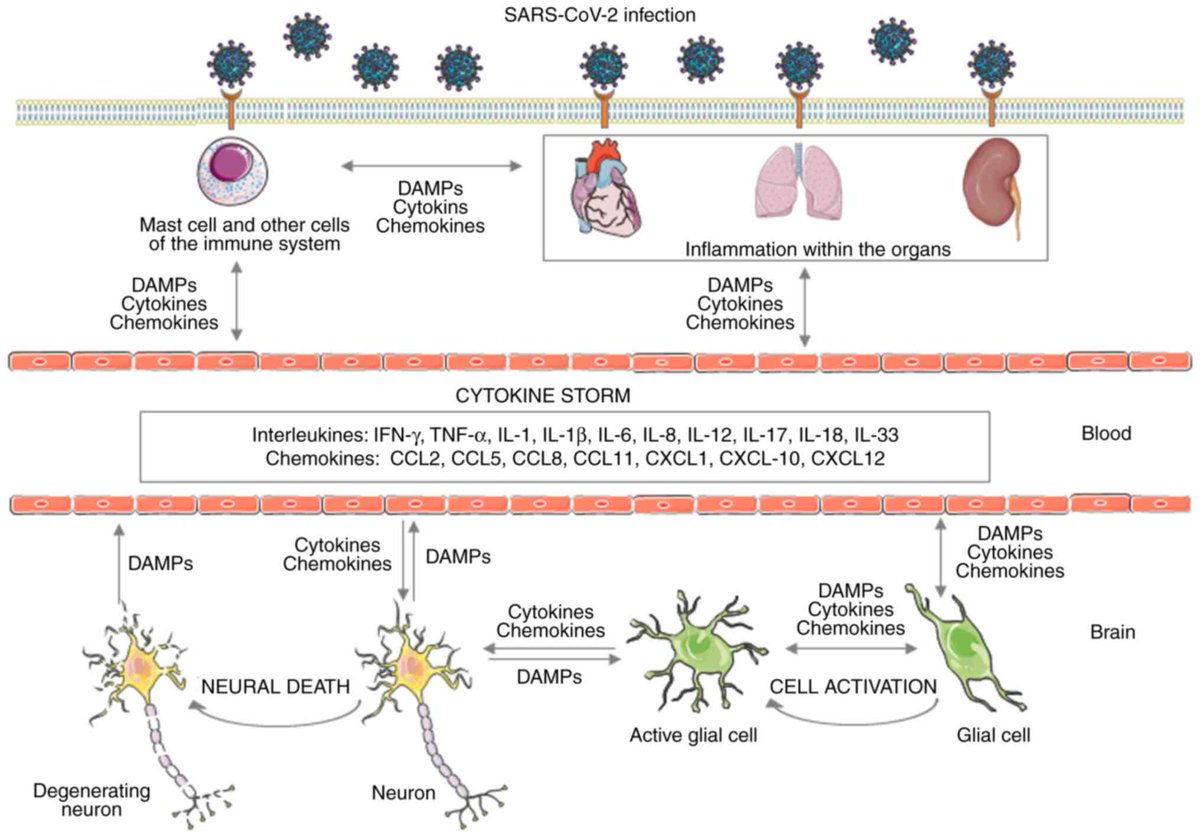
2) COVID-19 impacts cognitive functioning through several pathways. The virus may directly infect brain cells or enter the central nervous system indirectly.
A major driver of cognitive effects is the cytokine storm - when the immune system overreacts and releases ...
3) ... too many inflammatory proteins.
This neuroinflammation can disrupt brain cell communication and survival. Cytokines like IL-6 are particularly implicated.
The cytokine storm may also weaken the blood-brain barrier, allowing more viruses to enter the brain.