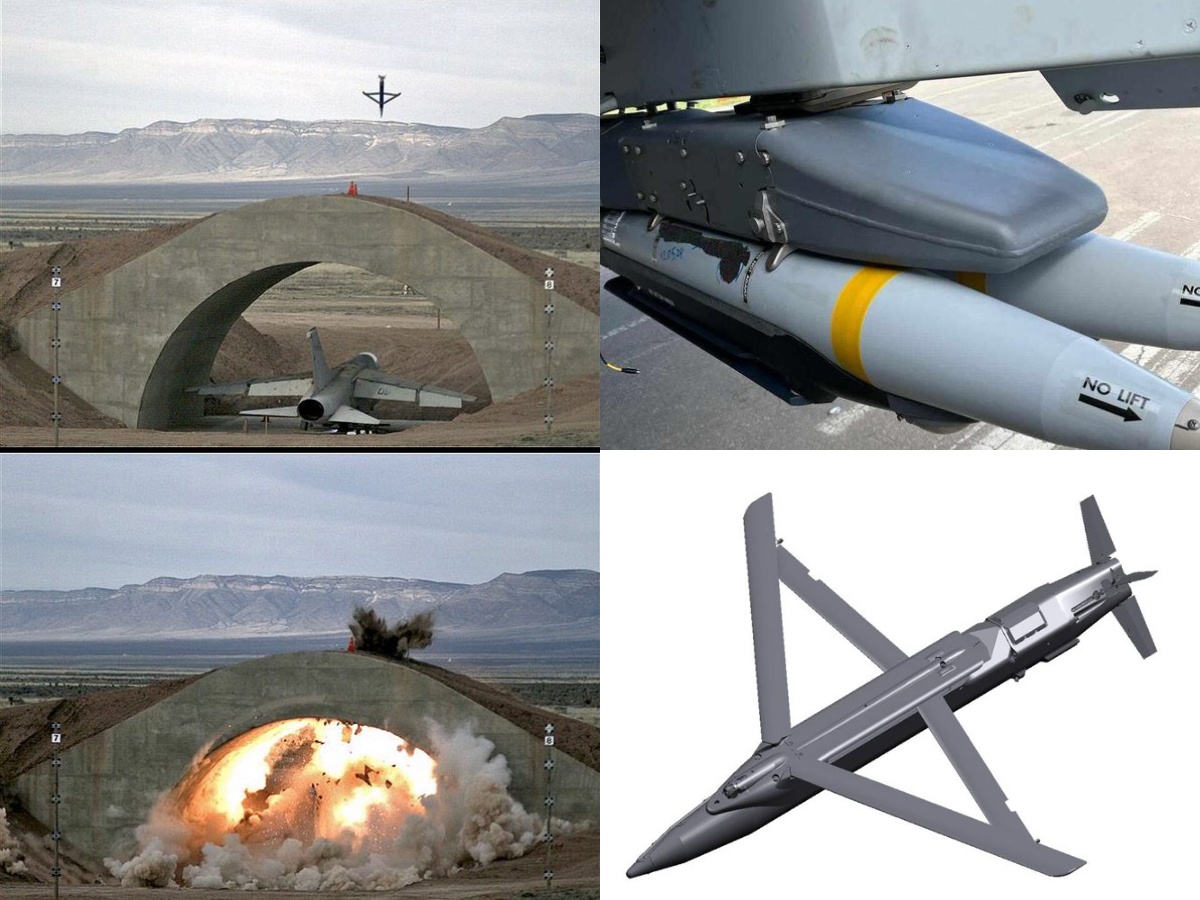
1/8 GBU-39 SDB precision guided glide bombs could almost be a game changer for Ukraine. Take by @joni_askola
2/8 russia's defense industry has seen few tangible successes in this war, but their glide bombs stand out as a notable achievement. These cost-effective weapons efficiently inflict substantial damage at the front lines.
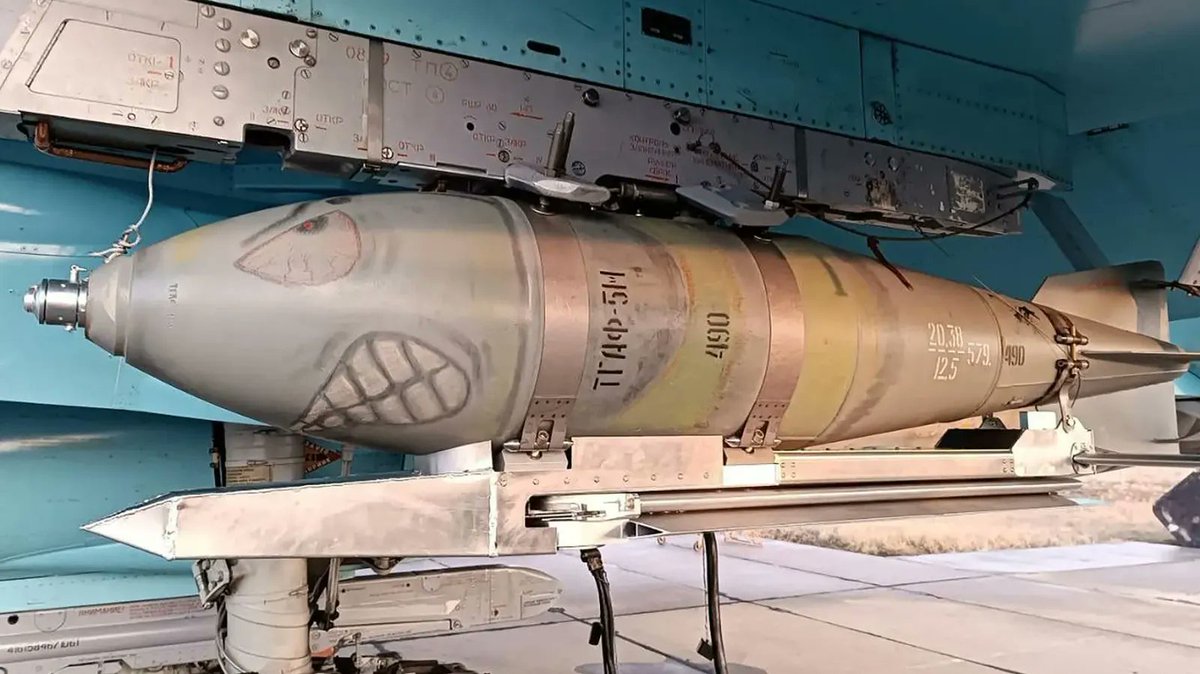
3/8 Confirmation has been received that Ukraine's Mig29 fighter jets are capable of deploying GBU-39 SDB precision-guided glide bombs.
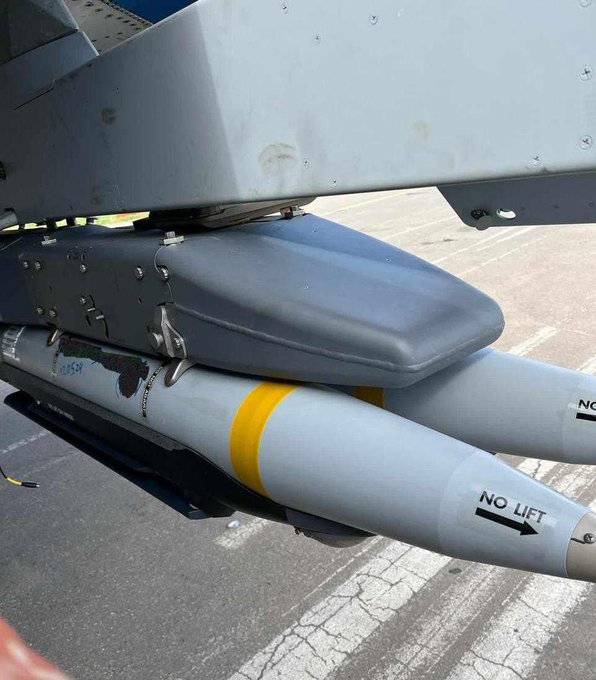
4/8 Ukraine encountered problems with russian jamming on the GLSDB, but it seems that the GBU-39 small-diameter bomb has shown resilience against jamming. Hopefully, a solution for the ground-launched version will be found soon.
5/8 This is fantastic news, as these bombs are both cost-effective and have been manufactured in large quantities. Additionally, they boast a longer range compared to most other bombs in Ukraine's arsenal.
6/8 Ukraine's allies have supplied JDAM ER, AASM Hammer, and Paveway IV munitions, all of which are crucial. However, the quantities are probably limited, so any additional supply is greatly appreciated.
7/8 The deployment of F16 jets is expected to aid in keeping russian Su-34 aircraft at a distance, as well as in enabling Ukraine to conduct more bombing runs on russian forces. However, there is still a significant journey ahead.
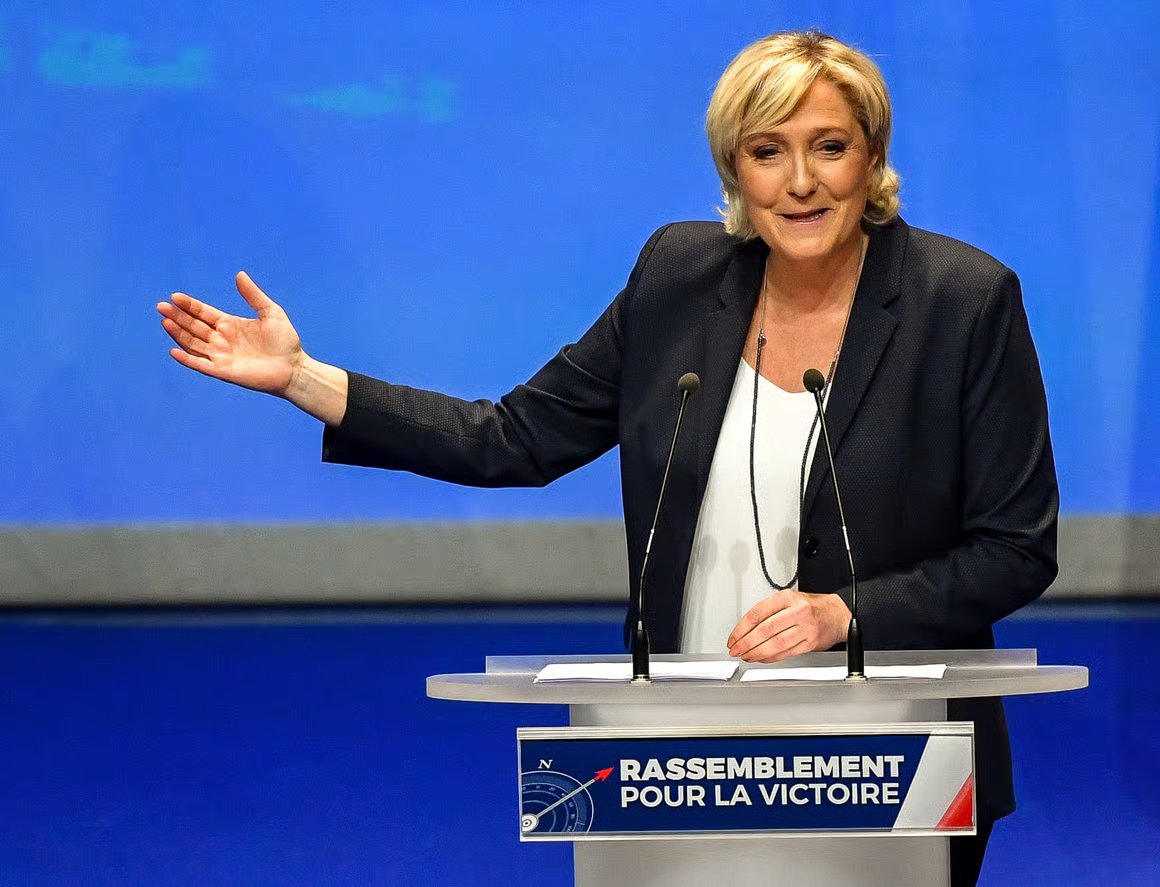
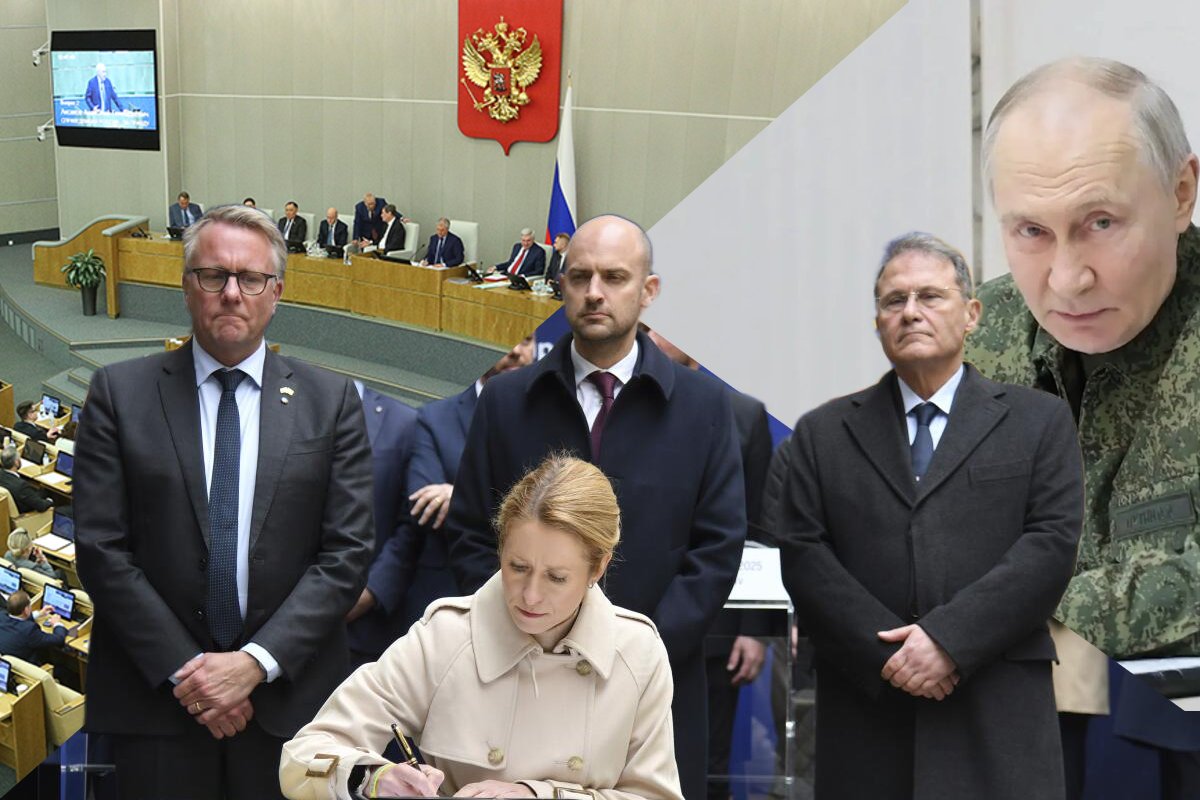
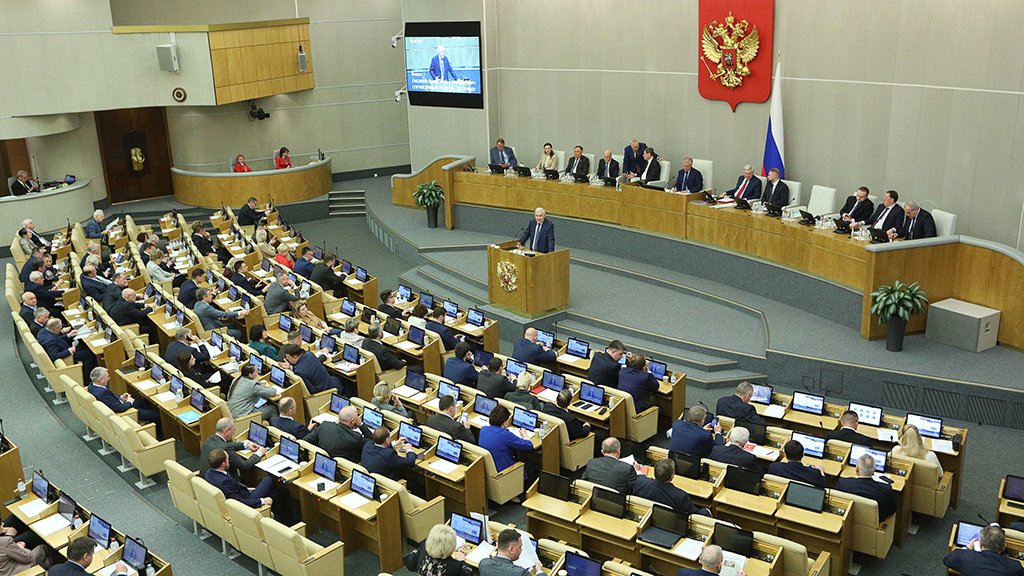
The State Duma has approved in the first reading a bill expanding the powers of the President of russia to deploy troops abroad to “protect the rights of russian citizens.” According to the government proposal, Vladimir Putin would be able to use the military in response
🧵
to the arrest, detention, or prosecution of russians in foreign countries, including decisions made by courts and international bodies that russia does not recognize. The president already has authority to send troops abroad under the law “On Security,” particularly if actions
by other states or institutions are seen as contradicting russia’s interests or public order. The new bill comes amid growing warnings from NATO and European intelligence agencies about a potential conflict involving russia and alliance members. In 2025, Germany’s BND warned
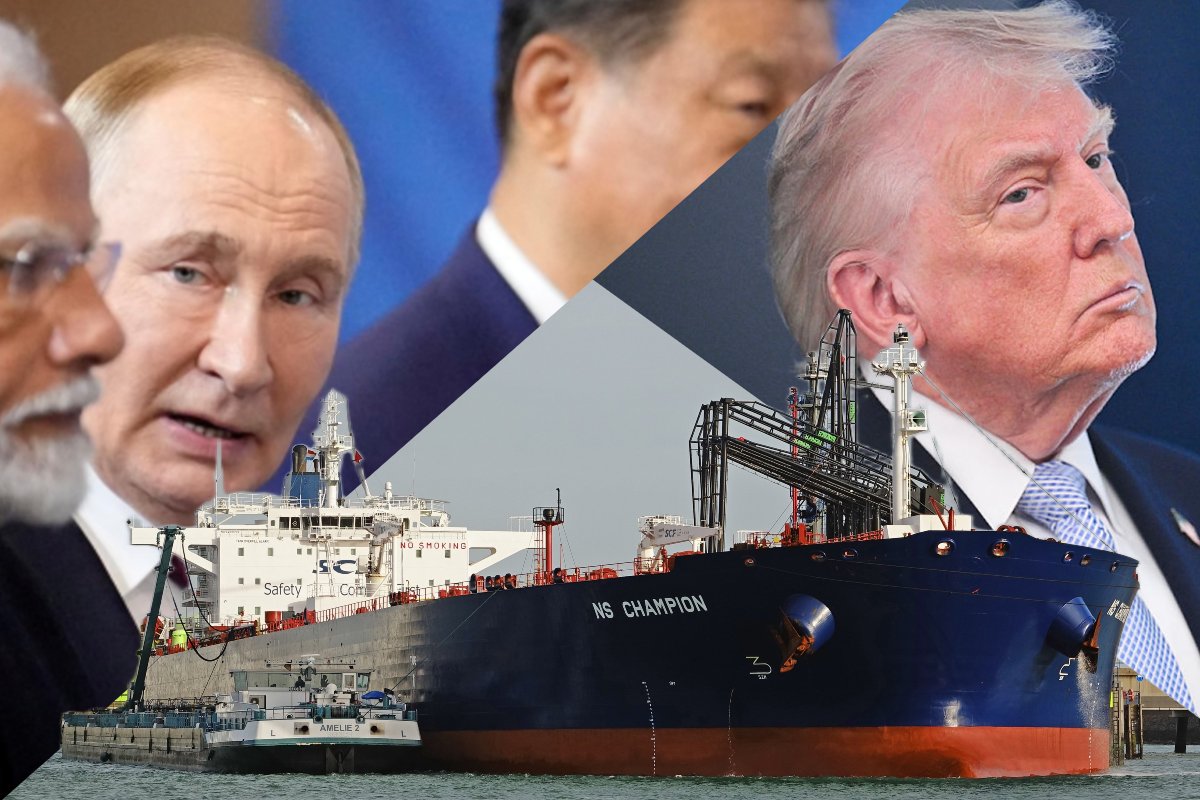
On average, from March 8 to April 5, russia exported 3.35 million barrels of oil per day - the highest export level since June 2022. Bloomberg reports this. The largest deliveries went to Asian countries, particularly India and China. In China, an average of 1.07 million
🧵
barrels of oil per day was delivered, and to India - 1.9 million. Turkey also purchased 210 thousand barrels per day. Overall, russia earned about $2.02 billion per week from this export. Some russian tankers also do not have a specified destination. Instead, Suez or Port Sudan
is often listed as the final point. The number of such tankers is increasing, while the number of tankers officially heading to China and India is decreasing. In addition, the amount of oil loaded onto tankers at sea dropped to 105 million barrels. By mid-March, this figure was
Over the past couple of months, russian military sources have been reporting that the intensity of Ukrainian strikes on logistics has increased many times over. We are talking about so-called middle strike. Until 2025, despite innovations in drone technology, Ukraine was
🧵
losing to russia in this segment. The “drone wall” developed by Ukraine is effective at relatively short distances - up to 20 km from the line of contact. At the same time, long-range drones were developed, which Ukraine has been actively using to strike oil refineries and
the military industry of russia, but until recently Ukraine could not effectively carry out middle strike. This problem began to be actively discussed in the summer of 2025, and since then the Armed Forces of Ukraine have taken the right steps in the right direction. In June,
The sharp rise in oil prices due to the war in Iran strongly plays into russia’s hands, as prices for russian oil grades have exceeded 100 dollars per barrel and Asian countries such as Vietnam, Thailand, the Philippines, Indonesia and Sri Lanka are actively ordering russian
🧵
oil, increasing the likelihood that demand in the region will exceed russian supply. This is driven by the easing of US sanctions. This allows russia, despite waging an aggressive war, to improve its standing on the international stage. Along with oil contracts, russia also
offers investments in other sectors and new business opportunities, including military cooperation. Thus, instead of isolation and toxicity, russia gains new markets and expands its influence. All thanks to Trump. However, oil is not only russia’s strength but also its most
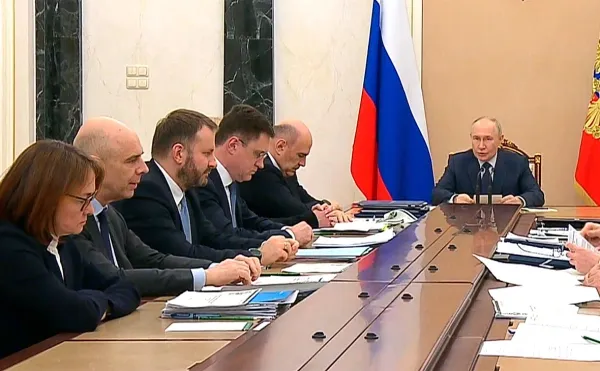
Russia is facing severe budget problems and is looking for additional ways to replenish it. At a closed meeting with oligarchs held on March 26 after the congress of the Russian Union of Industrialists and Entrepreneurs (RSPP), Vladimir Putin stated his intention to continue
🧵
the war against Ukraine and proposed that large businesses make voluntary contributions to the budget. This was reported by The Bell citing sources familiar with the discussion. “They said, we will keep fighting,” one source summarized Putin’s remarks. “We will go to the borders
of Donbas,” another added. Some businessmen responded to the request immediately during the meeting. Suleiman Kerimov promised to contribute 100 billion rubles (~ $1.22 bln), according to The Bell’s sources. At least one other major businessman present at the meeting supported
The story of internet shutdowns in Russia is not an accident and not a “temporary measure.” It is a system that has been built for years and has now simply begun to operate at full capacity. What many people saw in Moscow in March 2026 - the inability to pay a bill,
🧵
open a map, or simply send a message - has long been the norm for other regions; Moscow has simply been the last to enter this reality. The timeline is important here: back in 2019, the law on the “sovereign internet” was adopted - formally to protect against external threats,
but in reality to create an infrastructure for centralized traffic control, forcing operators to install equipment under state supervision. This was followed by annual drills in which the network was tested for isolation and autonomous operation - no longer theory, but