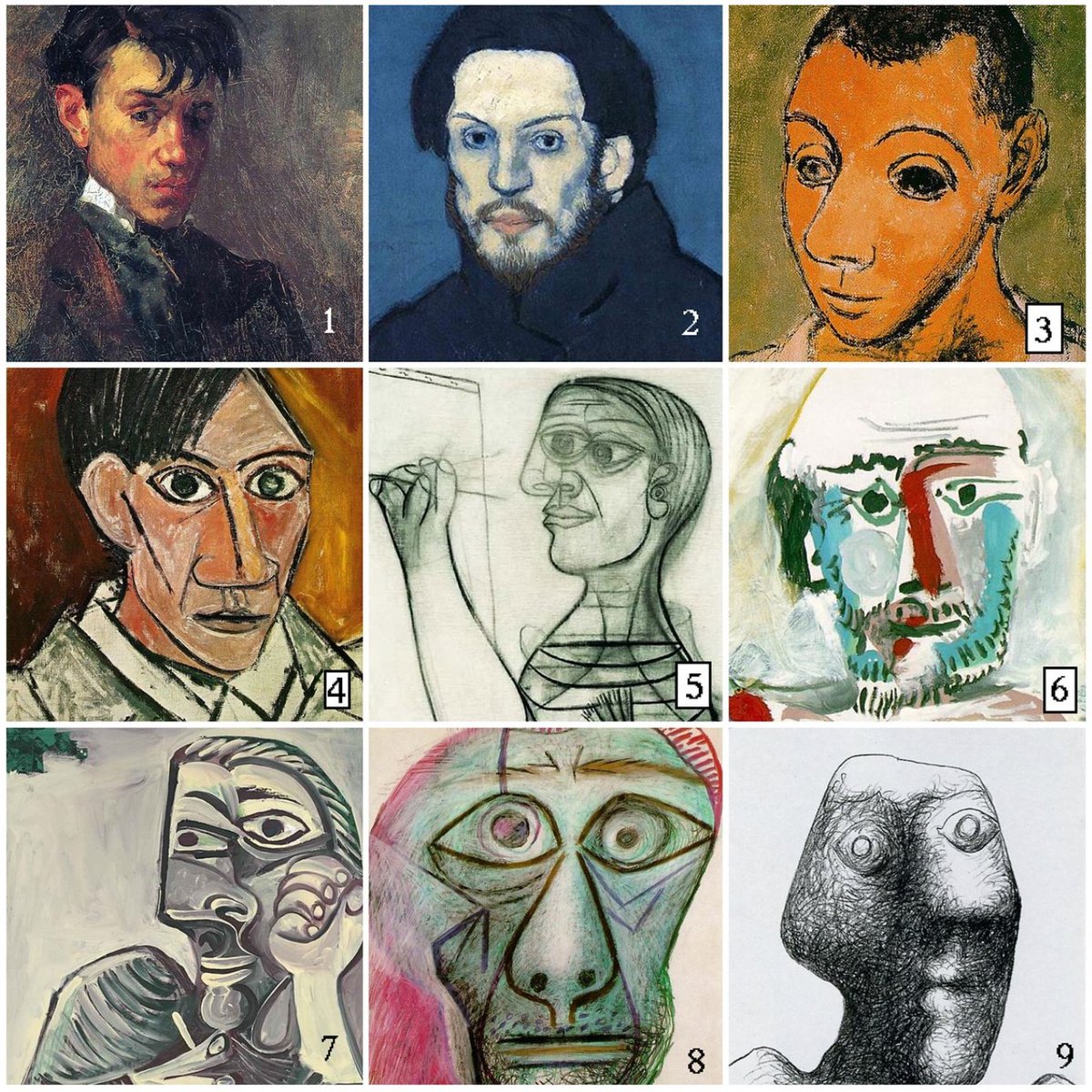
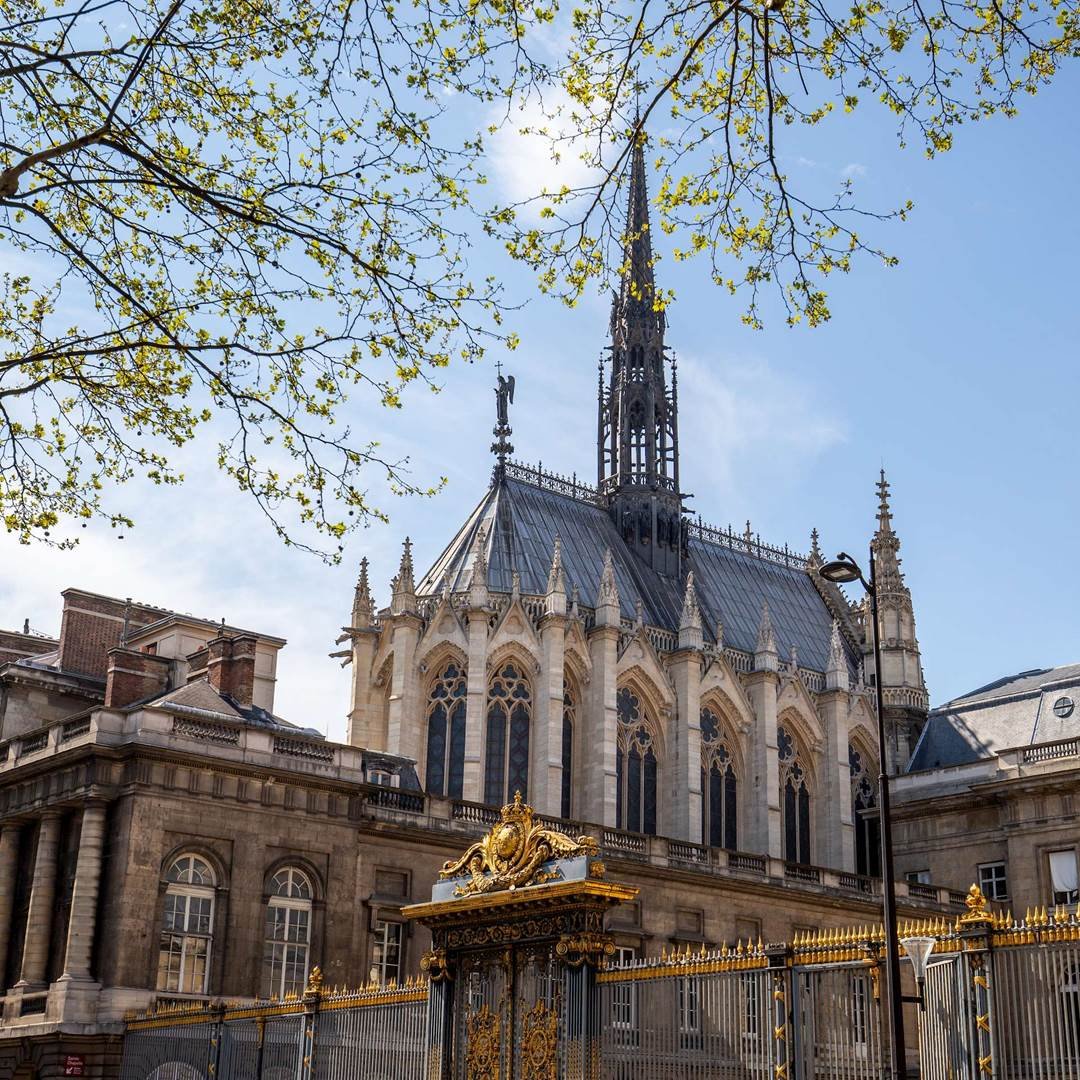
The greatest wonder of Paris isn't the Notre-Dame or the Eiffel Tower — it's this small chapel.
But it isn't just radiantly beautiful. It was built to protect something of incalculable value... (thread) 🧵
But it isn't just radiantly beautiful. It was built to protect something of incalculable value... (thread) 🧵
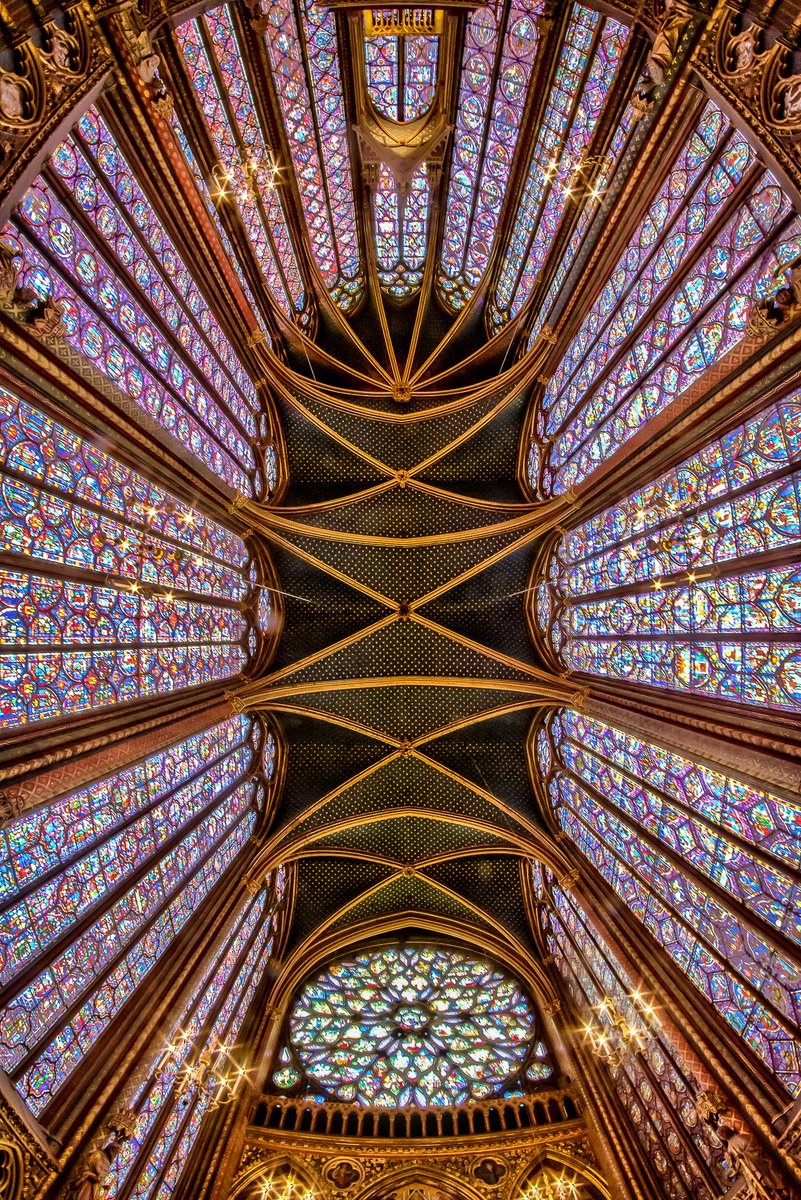
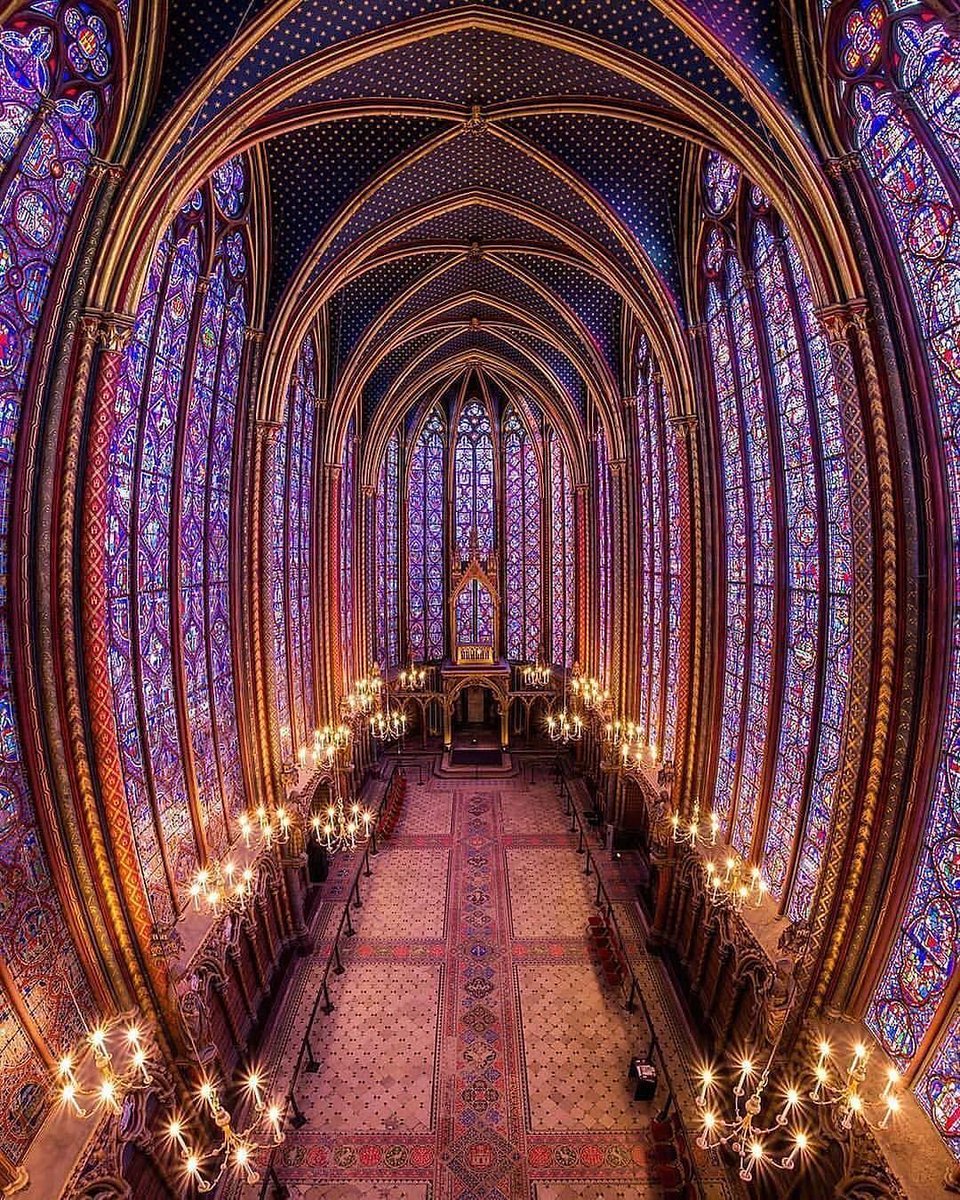
Sainte-Chapelle's 1,113 glass panels are mesmerizing, but why it was built is much more interesting.
That gold reliquary in the middle was made 800 years ago to hold France's most prized possession...
That gold reliquary in the middle was made 800 years ago to hold France's most prized possession...
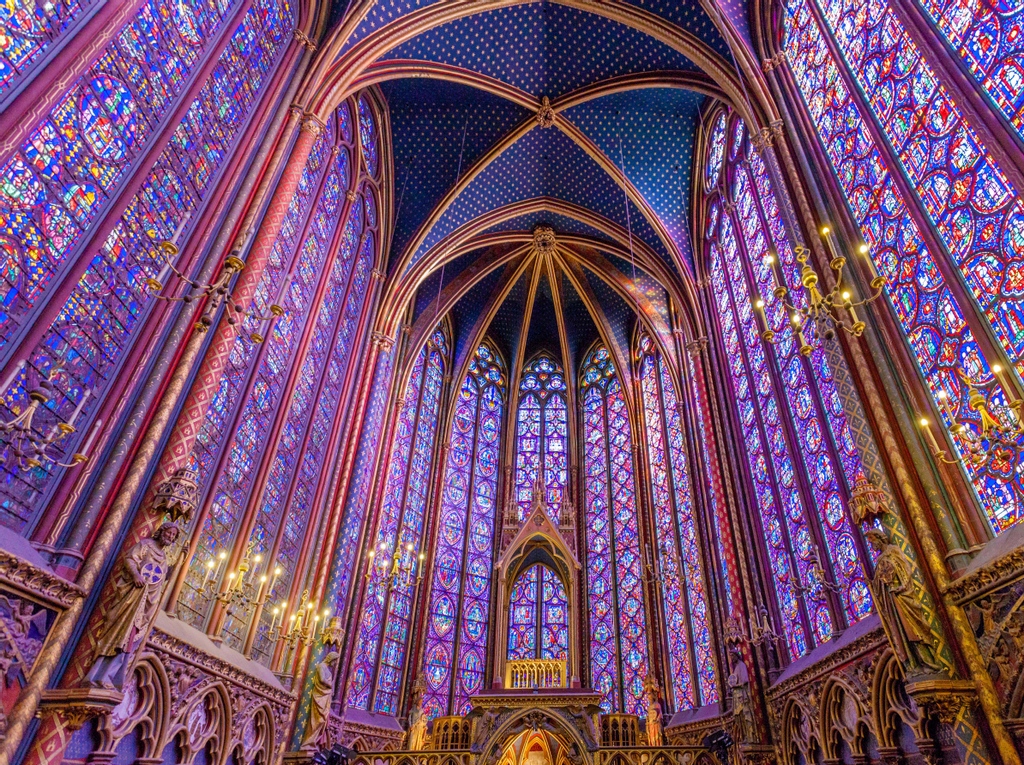
In 1238, France's King Louis IX came into possession of the Crown of Thorns — supposedly the actual relic placed mockingly on Jesus by Roman soldiers.
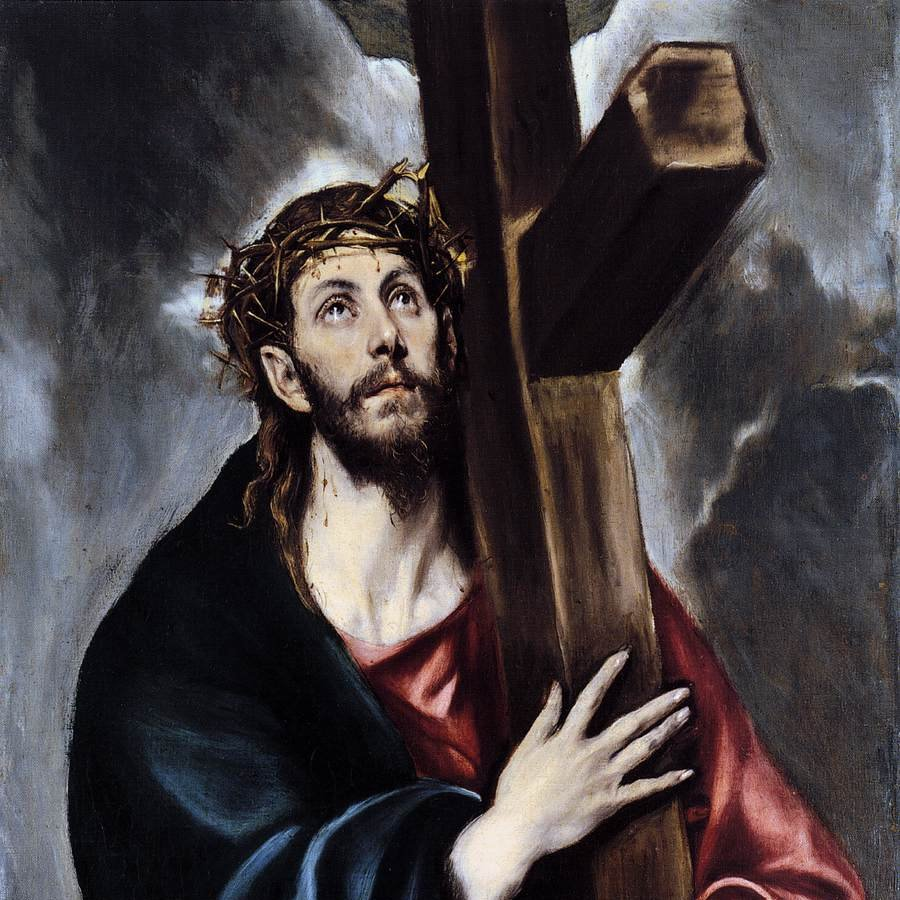
This is what it looks like. Its reeds are held together with gold wires and sealed inside crystal casing.
But could it possibly be real, and why is it in France?
But could it possibly be real, and why is it in France?
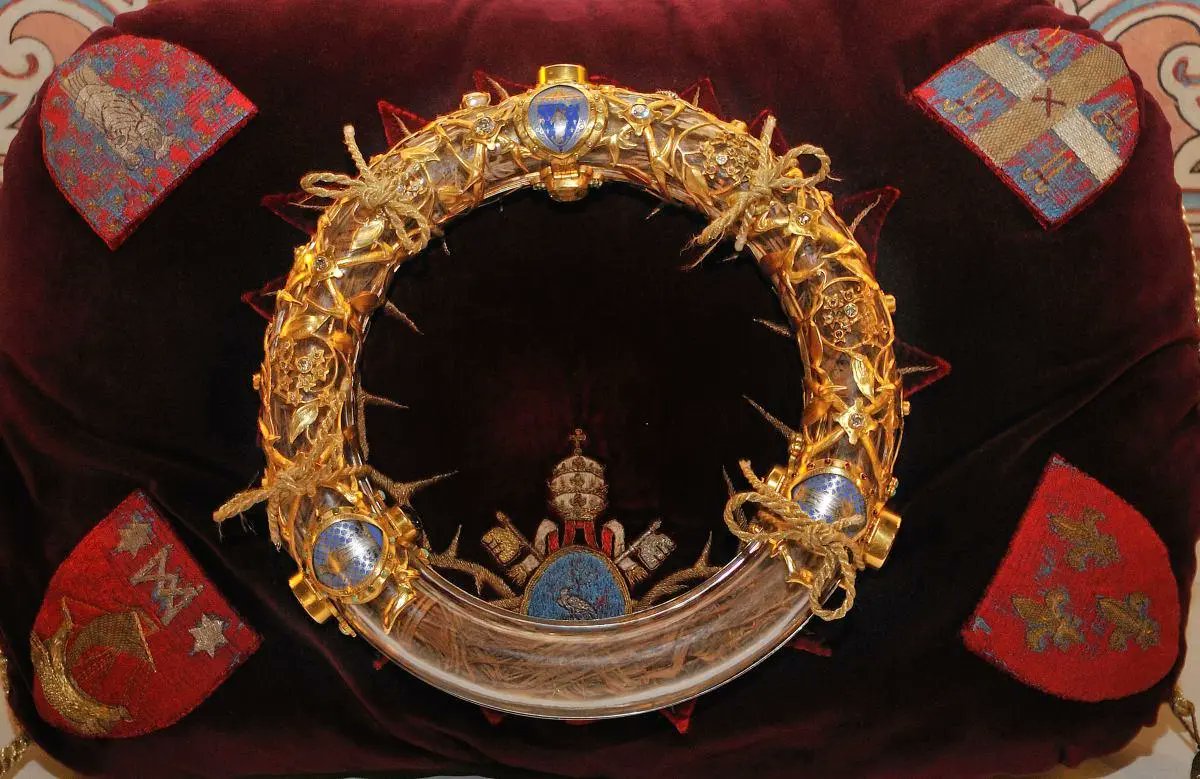
Most religious relics are rightly treated with extreme skepticism — many were medieval hoaxes. But we can trace this one quite far.
How did it get to King Louis? He bought it...
How did it get to King Louis? He bought it...
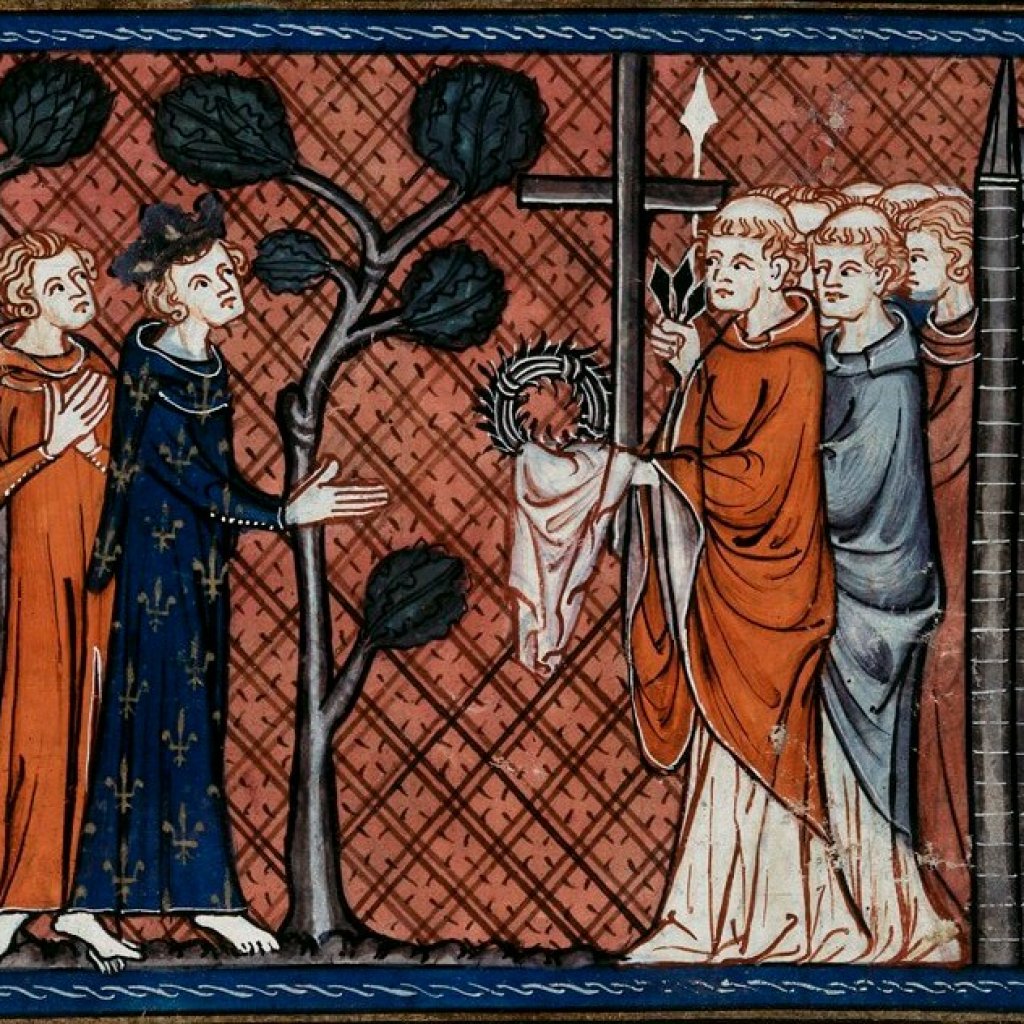
Louis' cousin, the Byzantine Emperor, ran out of money and his empire was crumbling. He was forced to trade the crown for an army.
It went from Constantinople to Paris, where it's been ever since.
It went from Constantinople to Paris, where it's been ever since.

How did it get to Constantinople? That's where it gets murky.
It's first mentioned in the 5th century when it was in Jerusalem, venerated as "the glory" of the city. It spent centuries there, but when and why it moved to Constantinople is unknown.
It's first mentioned in the 5th century when it was in Jerusalem, venerated as "the glory" of the city. It spent centuries there, but when and why it moved to Constantinople is unknown.
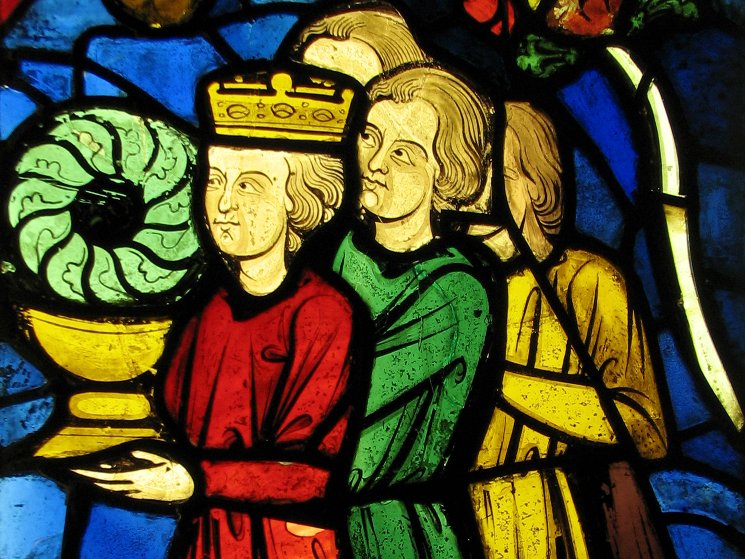
Individual thorns have been plucked from it for centuries as gifts — enough claimed thorns now exist to make several crowns.
Interestingly, though, the Paris crown is still the only known relic claiming to be the crown itself.
Interestingly, though, the Paris crown is still the only known relic claiming to be the crown itself.
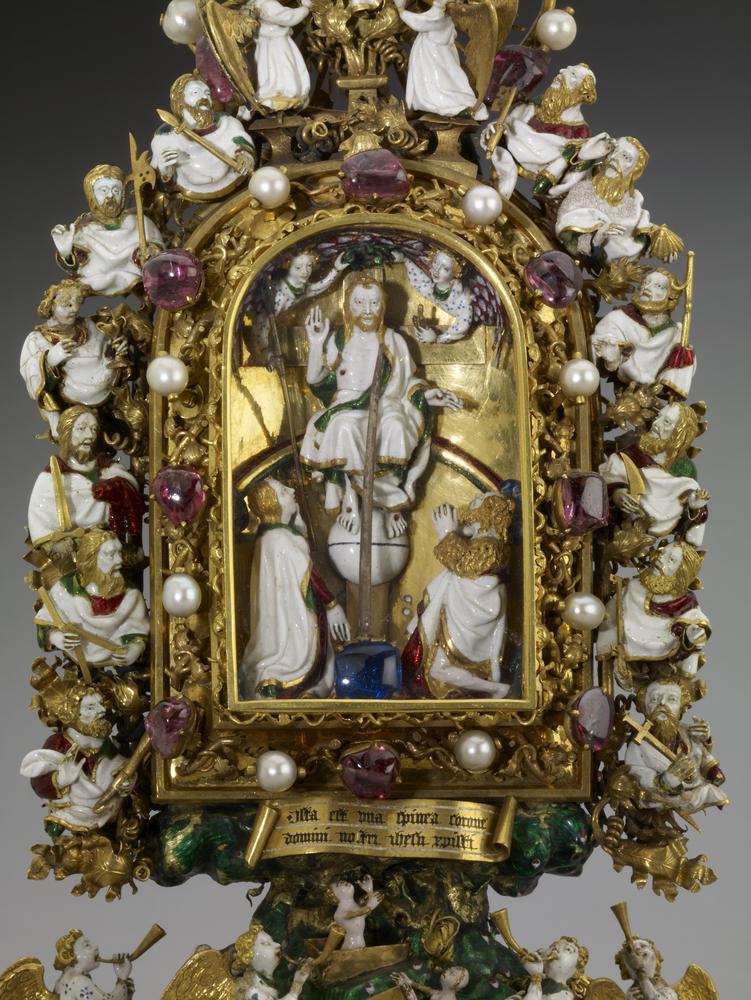
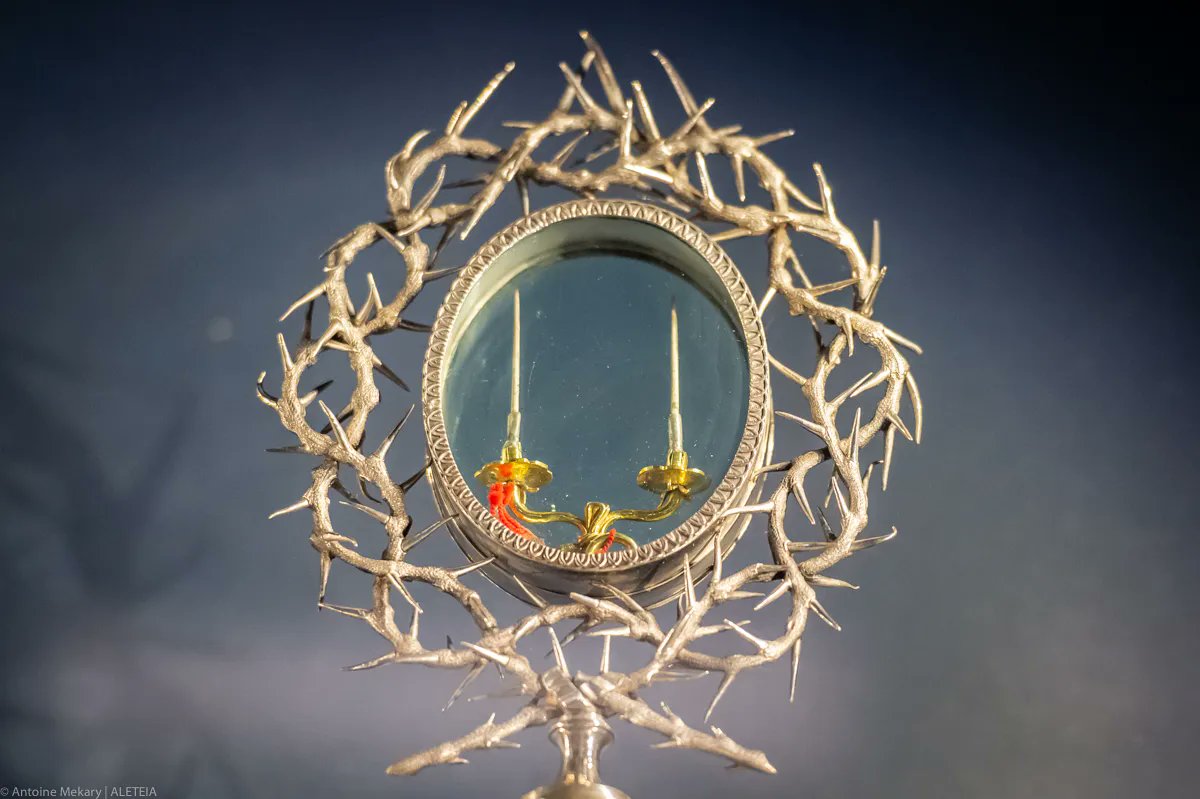
We'll never know it it's real, but Louis certainly thought so — he paid nearly a year of France's budget for it.
He had this ornate golden reliquary made to hold it, but that wasn't the real reliquary...
He had this ornate golden reliquary made to hold it, but that wasn't the real reliquary...
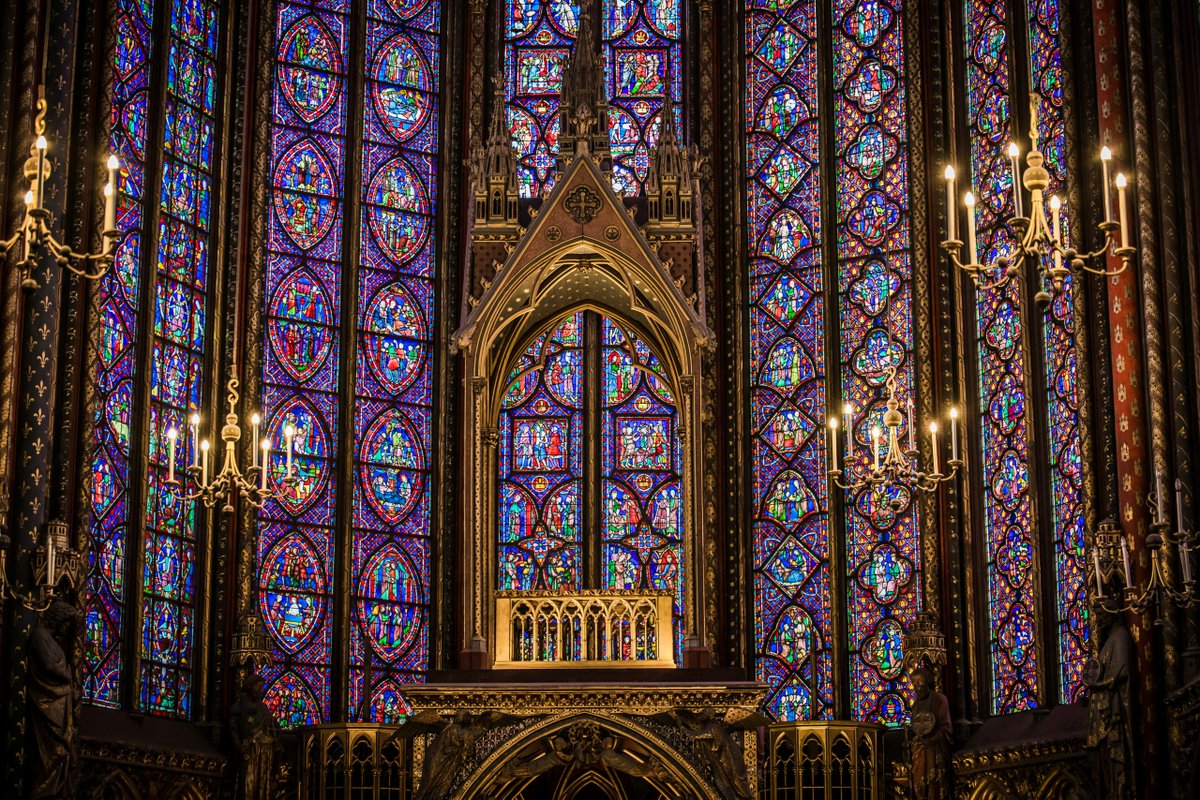
The entire building was. It's a jewelry box of glass that makes you forget there's any masonry at all.
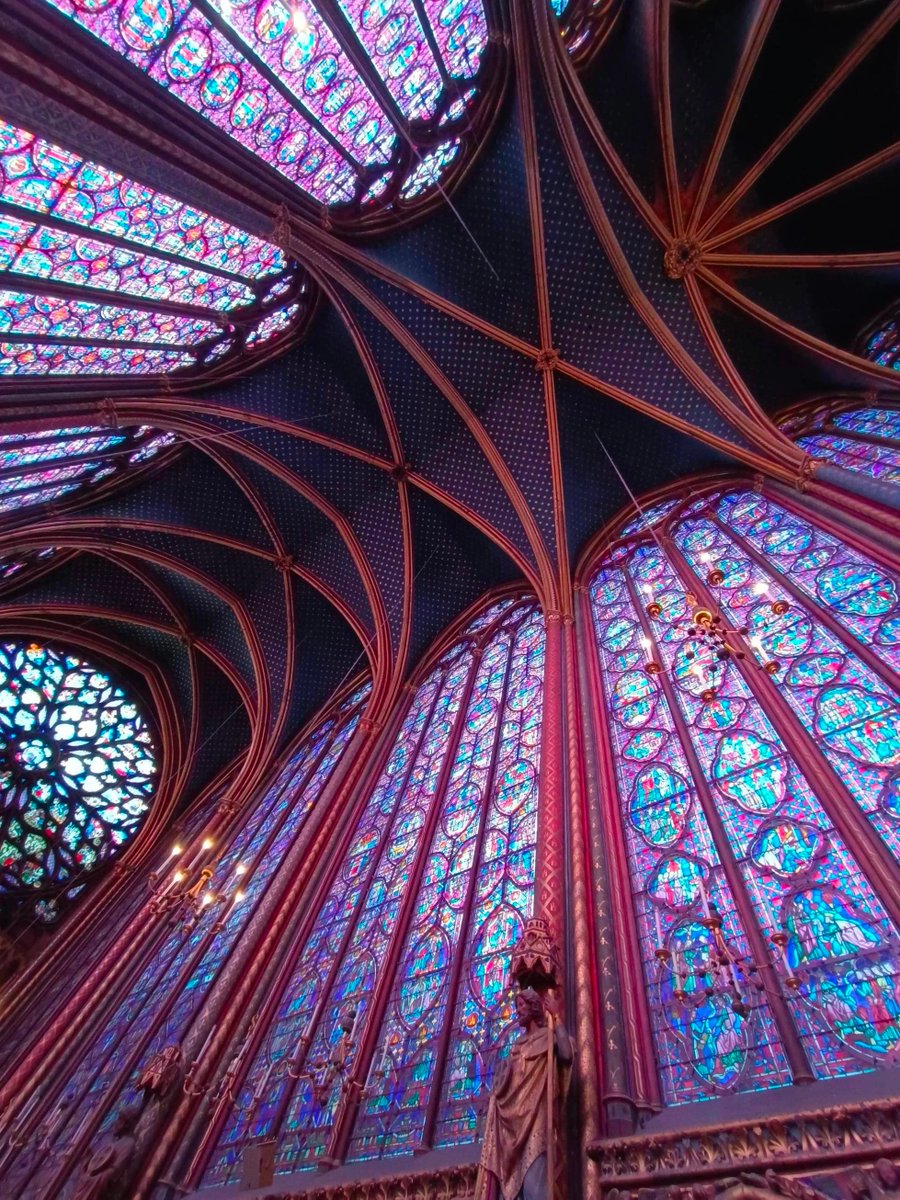
Stained glass of the Biblical stories, from Creation to Christ, reach right to the ceiling.
Stained glass of the Biblical stories, from Creation to Christ, reach right to the ceiling.
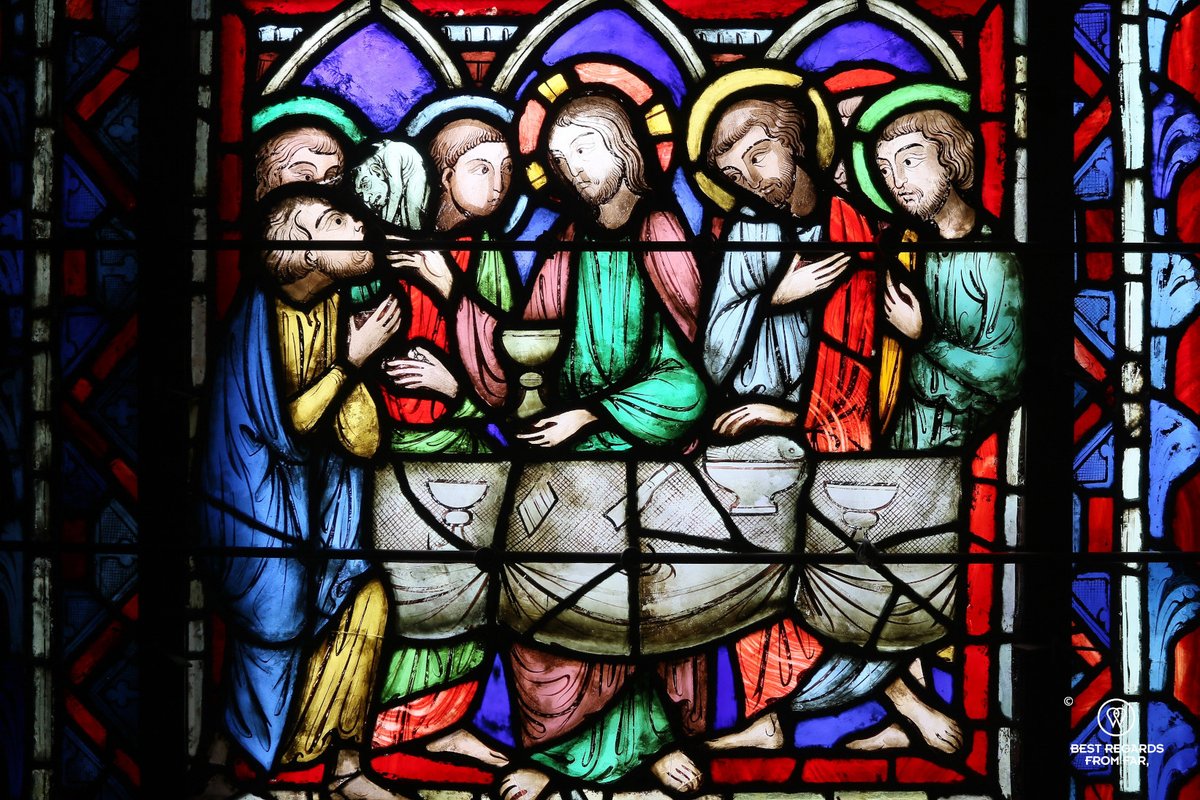
The real purpose of stained glass? To tell Bible stories in images not words (like this, the Last Supper).
Elsewhere in Europe this was done with great frescoes and murals — the French did it with glass.
Elsewhere in Europe this was done with great frescoes and murals — the French did it with glass.
And the glass is original, too. After the French revolutionaries attacked it, almost two thirds of the panels survived. Amidst the chaos, the crown was moved to the Notre-Dame for safekeeping.
Gothic architecture was pioneered for one simple reason: to maximize light.
Light itself was divine, and when it poured in through the windows it elevated one's consciousness to the heavens.
Light itself was divine, and when it poured in through the windows it elevated one's consciousness to the heavens.
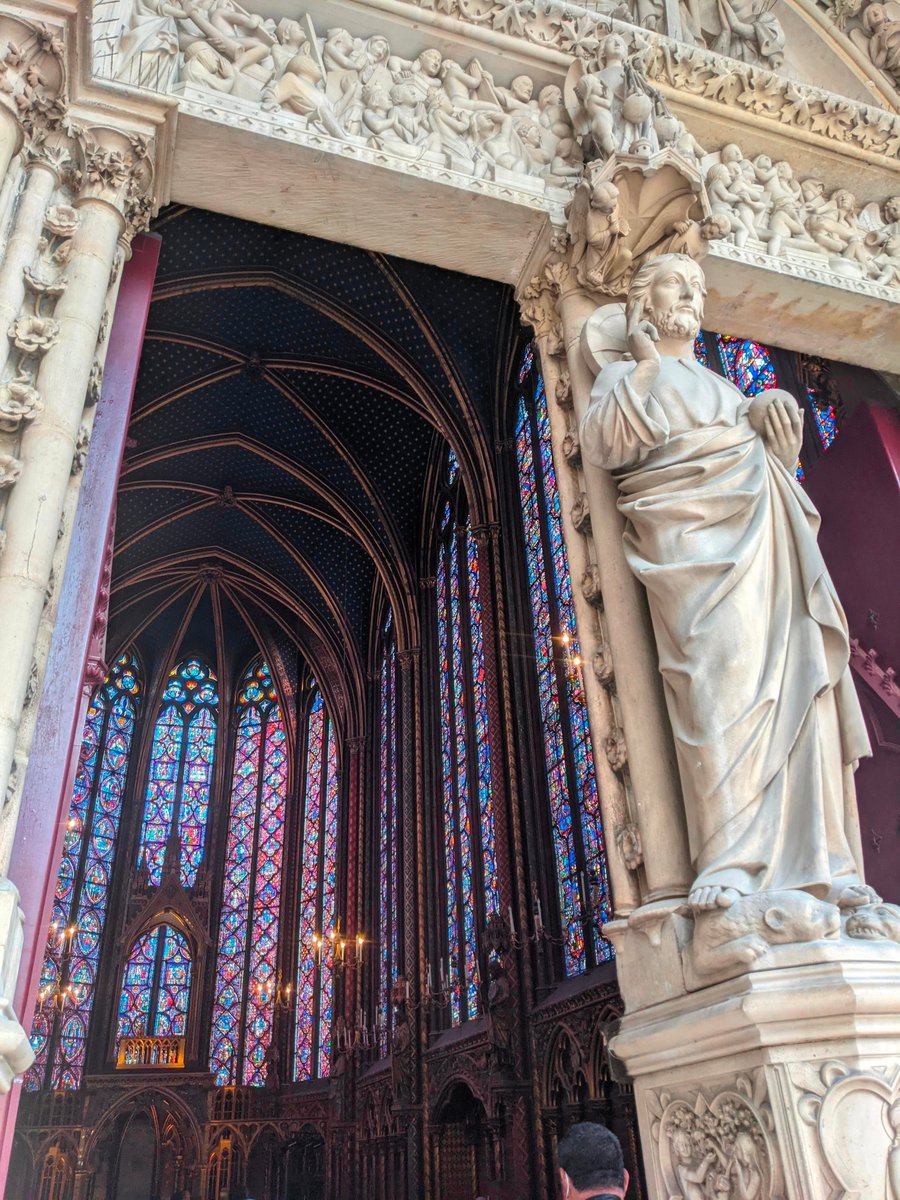
The "Rayonnant" era of Gothic architecture (literally "radiant") took this idea to the extreme.
Out of the medieval "dark ages" came the most divine vessels of light ever built...
Out of the medieval "dark ages" came the most divine vessels of light ever built...
How dark really were the "dark ages"?
I go much deeper in my free newsletter — don't miss it!
47,000 people read it: art, history and culture 👇
culturecritic.beehiiv.com/subscribe
I go much deeper in my free newsletter — don't miss it!
47,000 people read it: art, history and culture 👇
culturecritic.beehiiv.com/subscribe
The pictures / videos simply don't do it justice.
One of the most beautiful places on Earth...
One of the most beautiful places on Earth...
• • •
Missing some Tweet in this thread? You can try to
force a refresh