How far will you go in the name of hospitality?
Some excerpts from ''Cynophagy, homosexuality and anthropophagy in medieval Islamic North Africa as signs of hospitality'' by Mabrouk Mansouri, 2014
Some excerpts from ''Cynophagy, homosexuality and anthropophagy in medieval Islamic North Africa as signs of hospitality'' by Mabrouk Mansouri, 2014
As Islam began to gain ground and followers in North Africa, the native populace attached themselves to the sharia of the Islamic faith.
However, some ended up walking in two worlds. The paper mostly deals with the local Amazigh people, but some influence from Carthage is noted.
However, some ended up walking in two worlds. The paper mostly deals with the local Amazigh people, but some influence from Carthage is noted.
Cynophagy was a relative widespread custom among the people in North Africa.
It was first mentioned in a letter from the Persian king Darius I to the Carthaginians, where he asked assistence against the Greeks and their renunciation from two of their traditions:
It was first mentioned in a letter from the Persian king Darius I to the Carthaginians, where he asked assistence against the Greeks and their renunciation from two of their traditions:

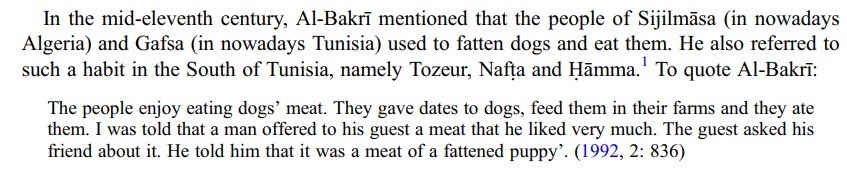
Eating dog wasn't conducted in times of famine or other dire situations, rather it was seen as a good thing that was giving the consumer magical powers and health.
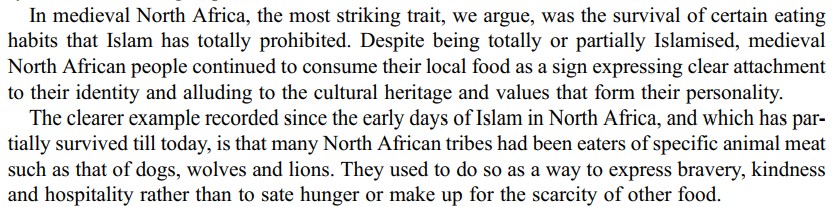
The North African scholars like Al-Bakri and Ibn-Battuta noted said practice among the Amazigh who adhered to the Islamic faith.

However this practice was also being followed by Jews and Christians of North Africa, showing a consistency of the local populace engaging in their pre-conversion traditions.

Besides dog, wolves and lions were also eaten by various tribes of Tunisia, Libya and Algeria.
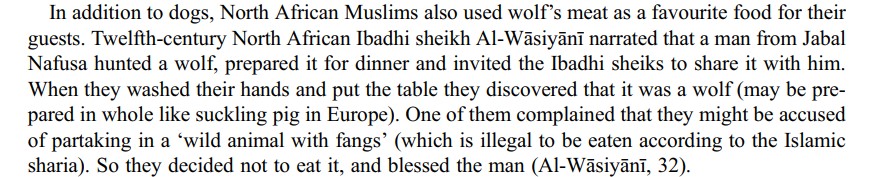
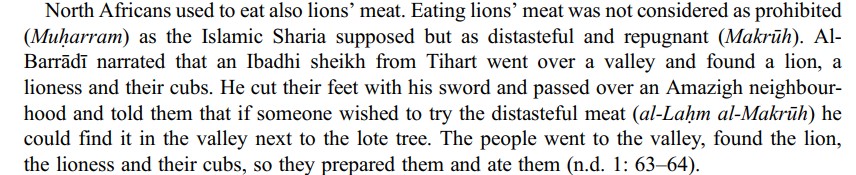
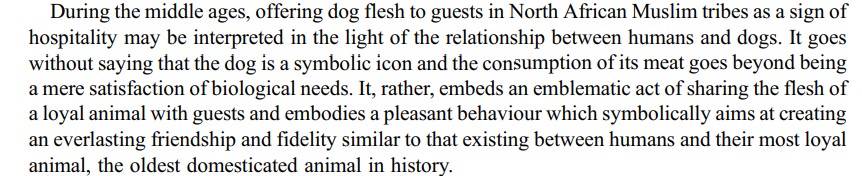
The author argues that the consumption of these animals lies in the cultural setting of the North African nomads.
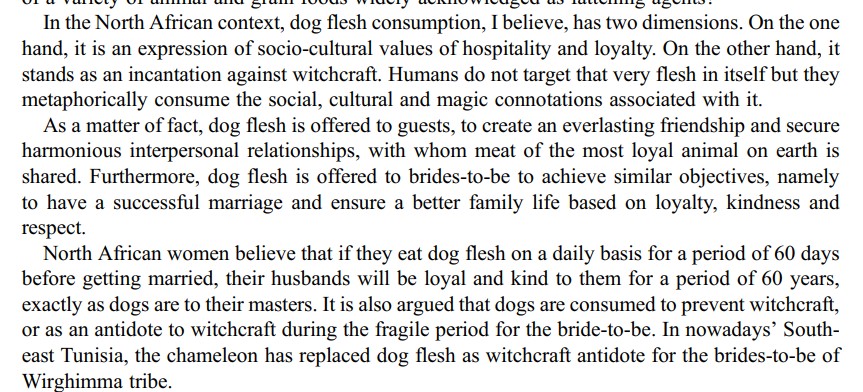
Apparently the brides of North Africa ate dog to ensure their future husbands to be just as loyal and kind as how a dog would.
So would a master of the house showcases the previous mentioned attributes by feeding his guests dog meat. He basically places himself on a plate.
So would a master of the house showcases the previous mentioned attributes by feeding his guests dog meat. He basically places himself on a plate.
This kind of relationship with the dog is further emphasised in a tale that talks about women in Southern Tunisia who married dogs.
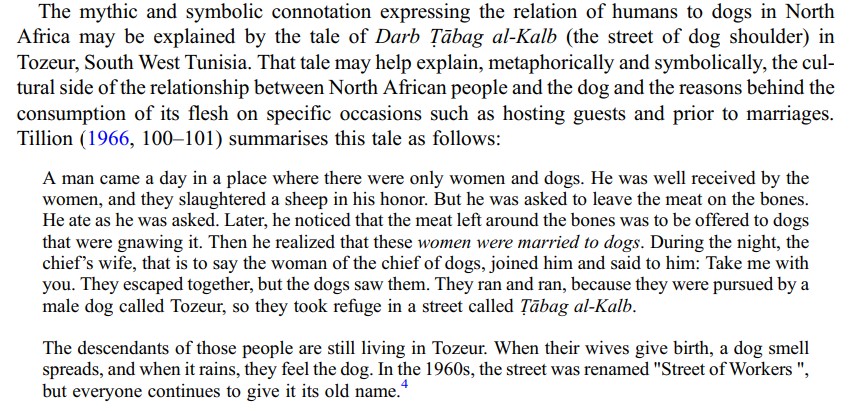
Another thing that binds dogs with Southern Tunisia is their local wine brewed in the skull of a dog and the belief that jumping over a dog's corpse will heal you from blisters on your feet.


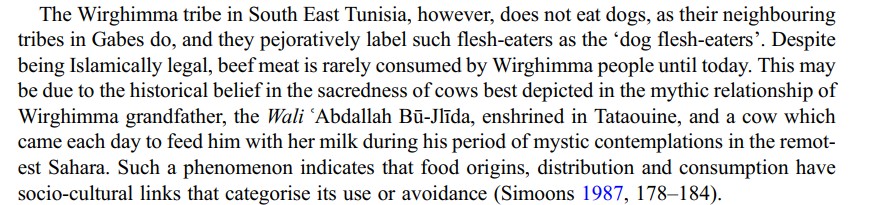
Not all Maghrebi tribes ate dogs and some even refrained from cow.
This kind of abstinence was present in North Africa since the Bronze age as it noted that several ancient Lybian tribes would not eat cow due to their devotion to Hathor, the Egyptian goddess of motherhood.
This kind of abstinence was present in North Africa since the Bronze age as it noted that several ancient Lybian tribes would not eat cow due to their devotion to Hathor, the Egyptian goddess of motherhood.
To continue further with the notion of hospitality:
The practise of offering your body to your guest.
The practise of offering your body to your guest.
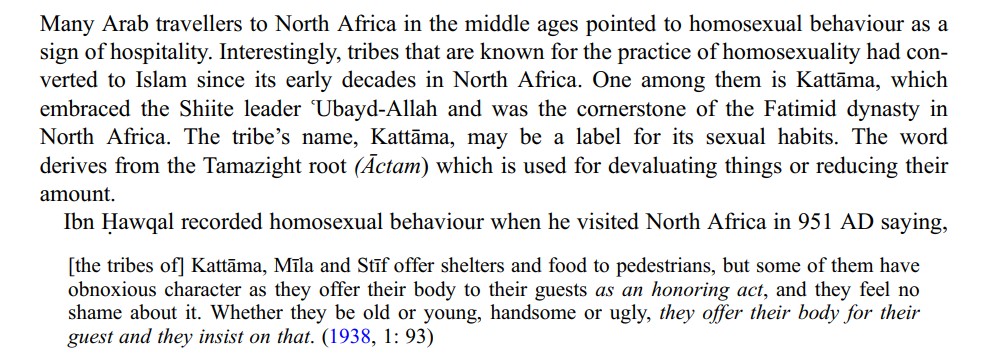
In order to understand said practice, the author was looking into the social environment of the Amazigh people.
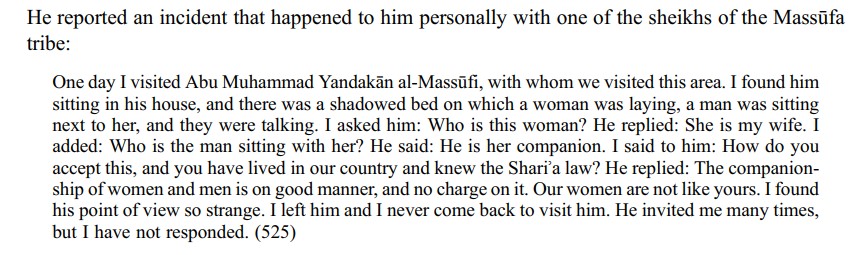
The Amazigh people did not segregate men from women and proceded with said conduct to the dismay of the Arabs.
The Amazigh people did not segregate men from women and proceded with said conduct to the dismay of the Arabs.
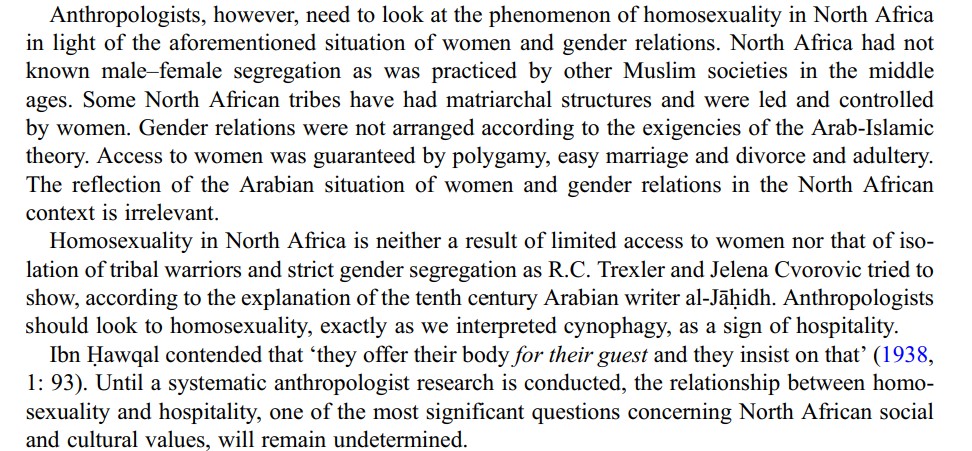
Men were free to have female companions and women were allowed to invite their male friends into their homes, regardless if her husband was present.
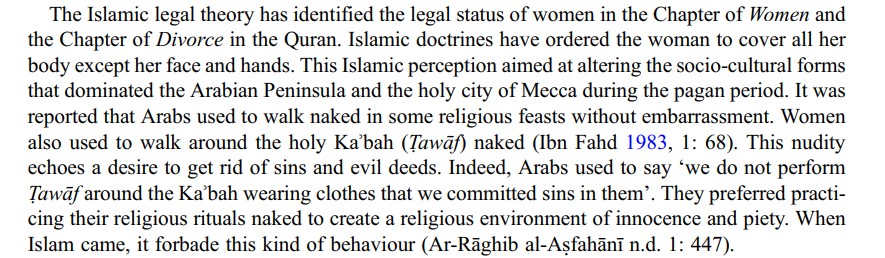
However the pre-islamic Arabs were not known for their segregation based on sex either.
It is stated that at various religious activities, the pre-islamic Arabs would walk around naked without any concernity from one another.
It is stated that at various religious activities, the pre-islamic Arabs would walk around naked without any concernity from one another.
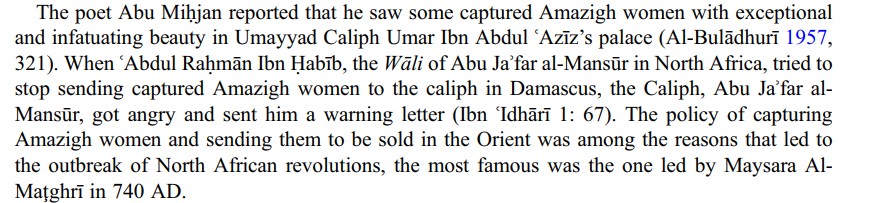
Amazigh women were very coveted and even after the conversion of many to Islam many fell victim to slavery.
This became one of the reasons for rebellions in North Africa against the Umayyad Caliphate.
This became one of the reasons for rebellions in North Africa against the Umayyad Caliphate.

Anthropophagy or cannibalism is another case of offering your body, quite literally.
Ibn-Battuta mentioned the practice in Mali.
Ibn-Battuta mentioned the practice in Mali.
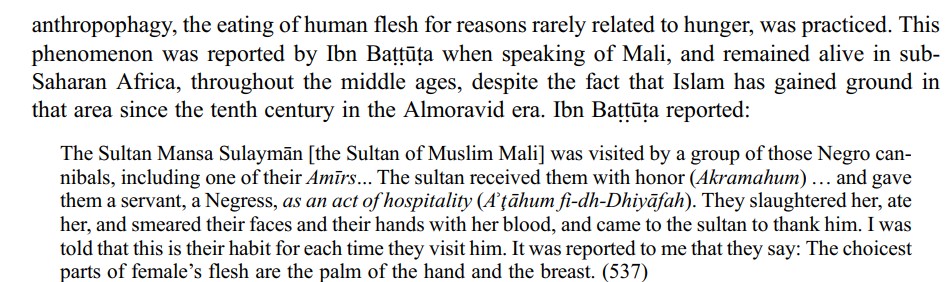
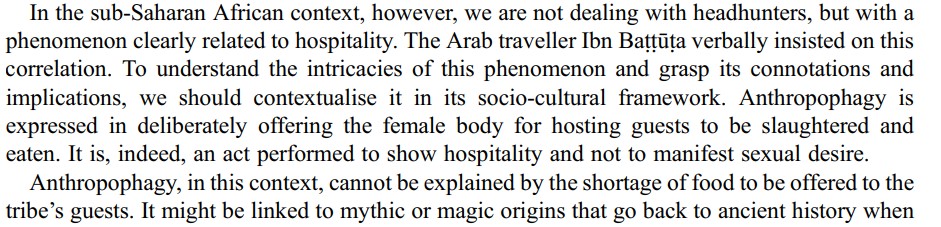

The author also talks about an anecdote from his family.

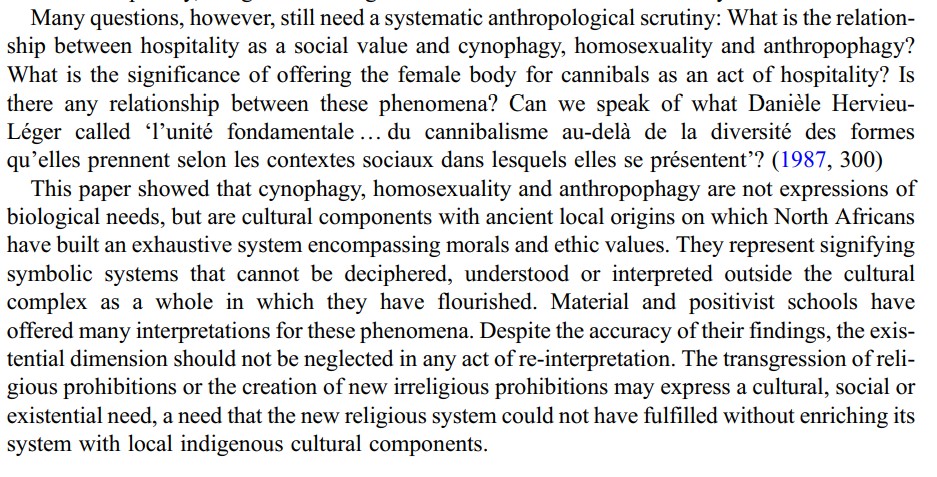
He also concludes that while said customs are done due to cultural importance, more study needs to be conducted in order to understand all three forms of <<extreme hospitality>> from an anthropological view.
I do have a theory why Carthaginians practised cynophagy. This is going to be in a thread that I am currently researching for.
I give you a hint; it is due to the sack of Troy
I give you a hint; it is due to the sack of Troy
• • •
Missing some Tweet in this thread? You can try to
force a refresh