Koivupiä Profile picture
☦️ ''Great'' Basin for a reason. Aspiring Uto-Aztecanist(Numic) Caddoan connoisseur, Muwatalli II loyalist, White Sea fisher, Programmer + translator. #GoUtes
Jul 16, 2024 16 tweets 3 min read
The Ute-Comanche relationship and the start of the trading wars in the Southwest: The first alliance

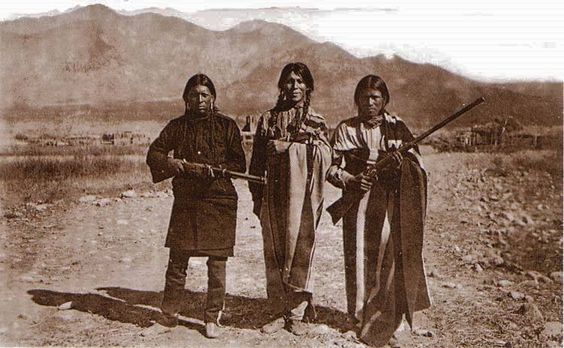
Today I will try to fix the unfortunate cause of misconceptions when it comes to early Comanche and general Ute history. Image Both the Ute and the Comanche belong to the Numic branch of the Uto-Aztecan language group. Comanche is a Central Numic language, while Ute, also know as Colorado River Numic, is a Southern Numic language.
The relationship between the Ute and their relatives was complicated.
Jun 8, 2024 21 tweets 8 min read
How far will you go in the name of hospitality?

Some excerpts from ''Cynophagy, homosexuality and anthropophagy in medieval Islamic North Africa as signs of hospitality'' by Mabrouk Mansouri, 2014 Image As Islam began to gain ground and followers in North Africa, the native populace attached themselves to the sharia of the Islamic faith.
However, some ended up walking in two worlds. The paper mostly deals with the local Amazigh people, but some influence from Carthage is noted.
Jun 3, 2024 24 tweets 5 min read
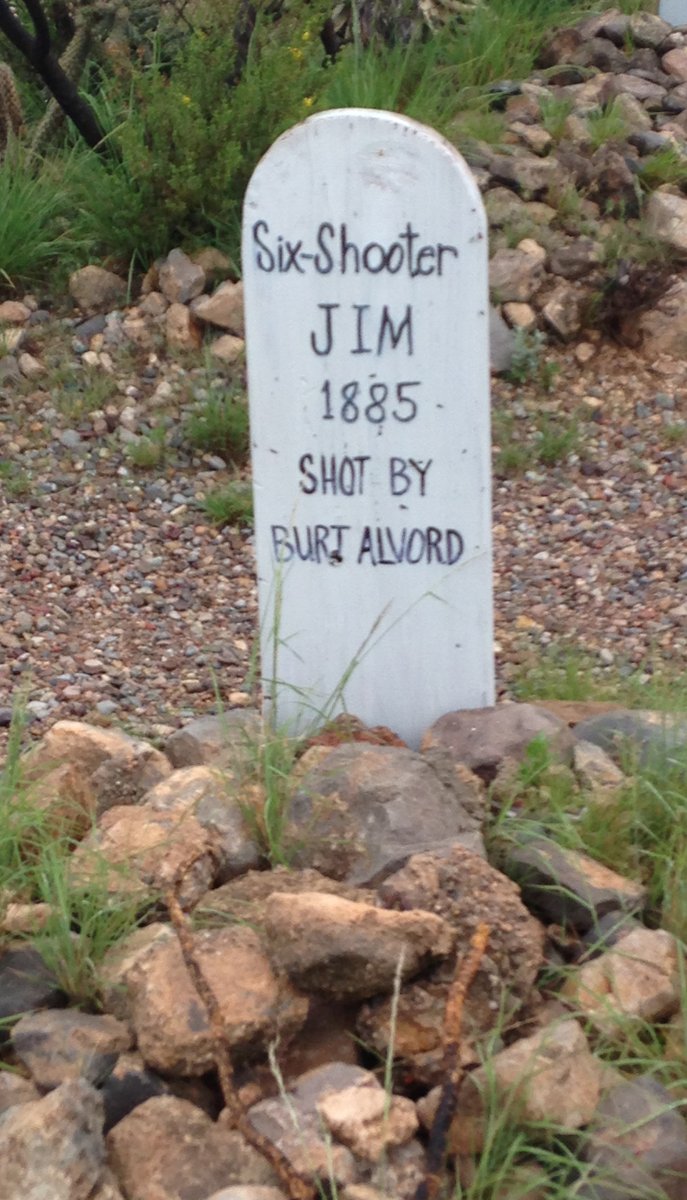
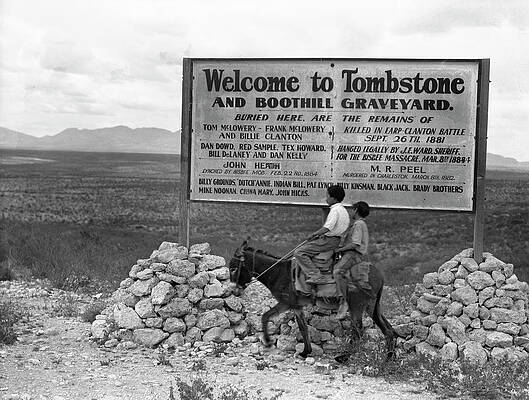
Some tombstones from the boothill graveyard in Tombstone, Arizona.
They showcase the life the pioneers of the American frontiers had in the in the second half of the 19th century. Image Image
May 16, 2024 6 tweets 2 min read
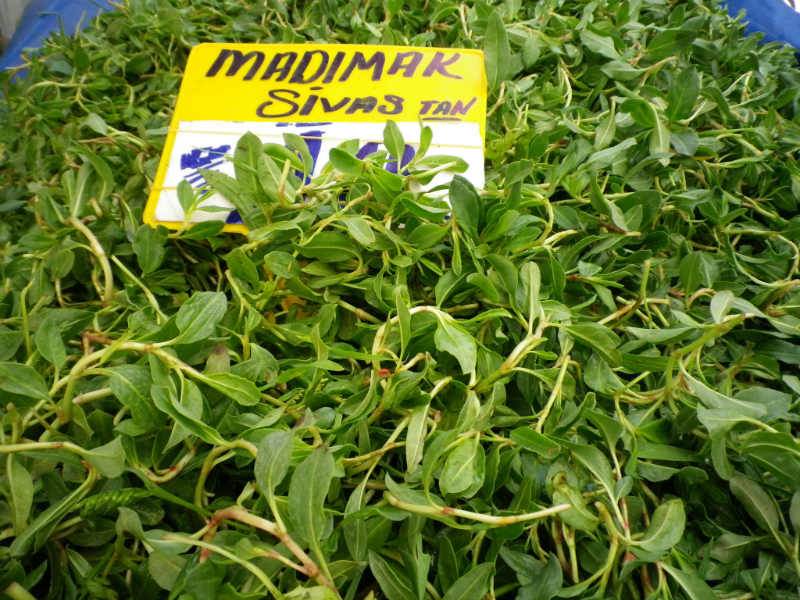
The Hittites loved beer and they produced several types of it.
The best thing is that we can replicate the method used by them in order to experience their beverages...

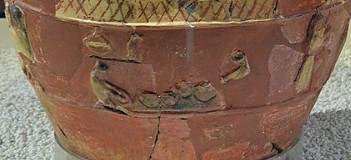
...and they do not taste awful. Image They used the seeds of the Indian knotgrass, also known as Madimak, and other plants from the genus Polygonum to make the alcoholic drink bitter as hops weren't known then. However, sweet(ened) beverages were also brewed such as the marnuan-drink (honey-beer). Image
Apr 16, 2024 23 tweets 4 min read
Some Erzyan content:

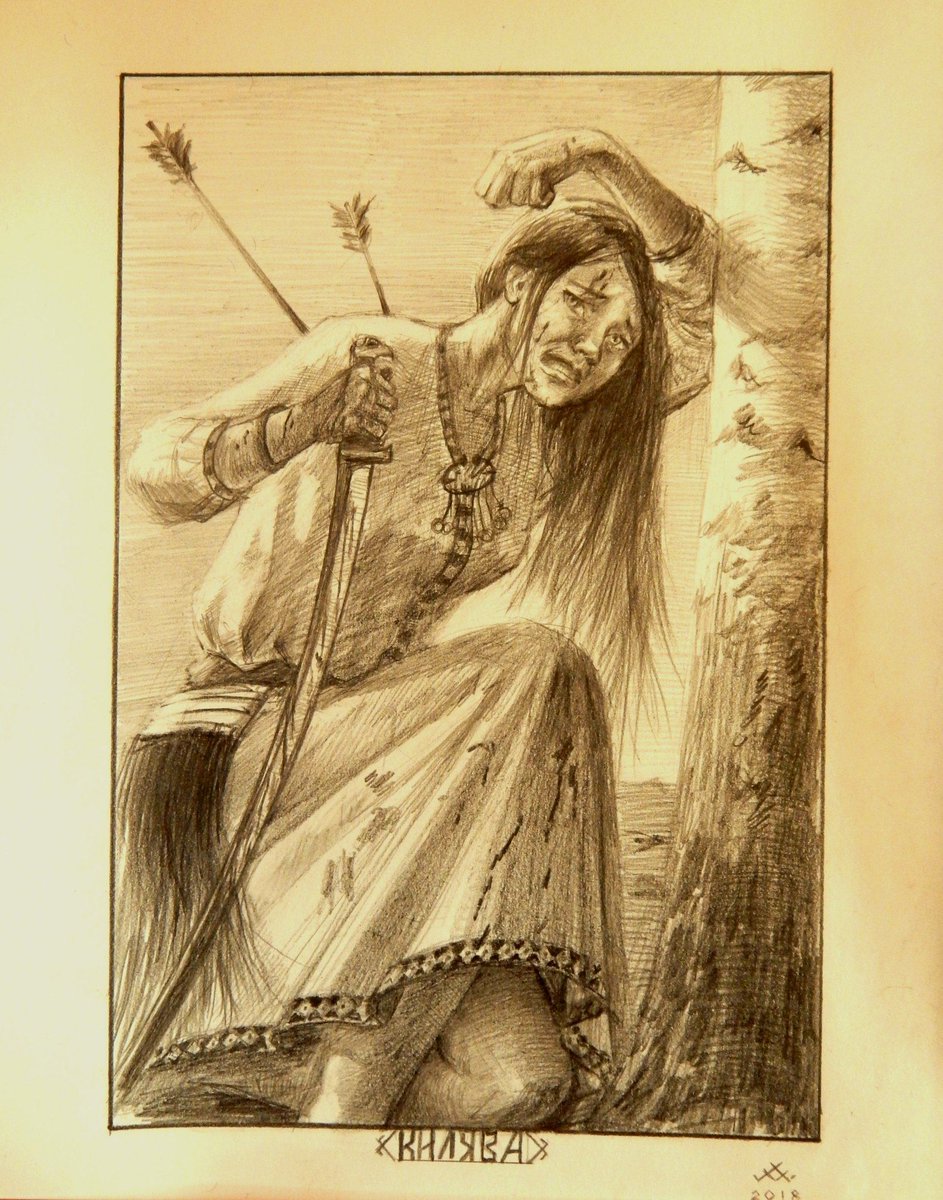
I (loosely) translated the part of the Erzya-Mokshan epic Mastorava that sings about the death of a woman named Kilyava (birch woman in Erzyan), who fought against the Nogai raiders that attacked and destroyed her village. Image <Again does Kilyava look around. Again does she carefully examine the area.
And what she sees- an awakened murza, the one who brought the overpowered her here.
As he opens his sleepy eyes, he stares at her bewildered as a dog.
Mar 31, 2024 25 tweets 5 min read
It is a good thread, but there are some glaring mistakes in it that I could not ignore, so I will explain them to my followers. People need to know that the Numic expansion accelerated in the 13th century, so contributing it to the climate of Wyoming is hardly justified.

The Numic people apparently wiped out the early inhabitants of the Great Basin and went upwards, towards the Rocky mountains.
Mar 14, 2024 12 tweets 3 min read
That one time when the USA and the USSR fought each other in Alaska.

Alright, their arctic people fought each other.

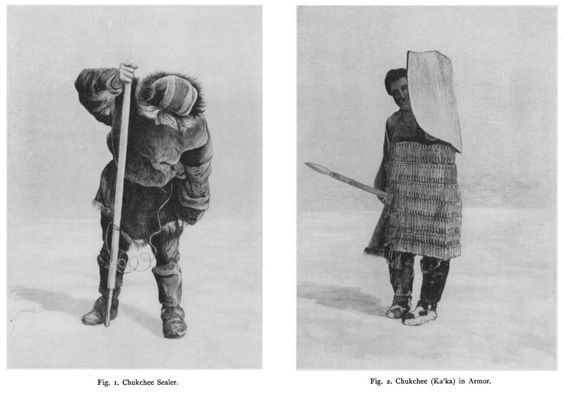
In 1947, the last great Chukchi raid was conducted against the Inuit in Wales, Alaska. Image Both groups were warlike, however the Chukchi were reknown for their warfare. They targeted their Siberian neighbours, attacked American ships and raided the coasts of Japan.
So it was a surprise to everyone when they voluntarily joined the Russians after decades of fighting.
Mar 9, 2024 4 tweets 1 min read
Today I'll present you the earliest Indo-European verse that we have found, coming from the Hittite Puḫanu-text that speaks about the time of Ḫattušili I and his Syrian campaign.

Puḫanu is also narrating the struggle between the Hittites and the Hurrians (1/4) and the text presents a verse with three lines, each with a dicola:

''Nēsas waspus Nēsas waspus, tiyammu tiya''
''Nummu annasmas katta arnut, tiyammu tiya''
''Nummu uwasmas katta arnut, tiyammu tiya''

(1/4)
(thanks to Soysal, Gilan and Weeden)
Feb 7, 2024 25 tweets 7 min read
Part 2 of

I want to finish my take on the claims Gwynne made on the Comanche and I'll also discuss the claims that Gwynne made about the Apache people. (1) Gwynne makes it clear in his work that there are two types of chiefs present in a Comanche band. The war chief, who could be anyone that leads a raid and the civil chief, who was responsible for the peacekeeping of the camp. (2)
Feb 7, 2024 27 tweets 8 min read
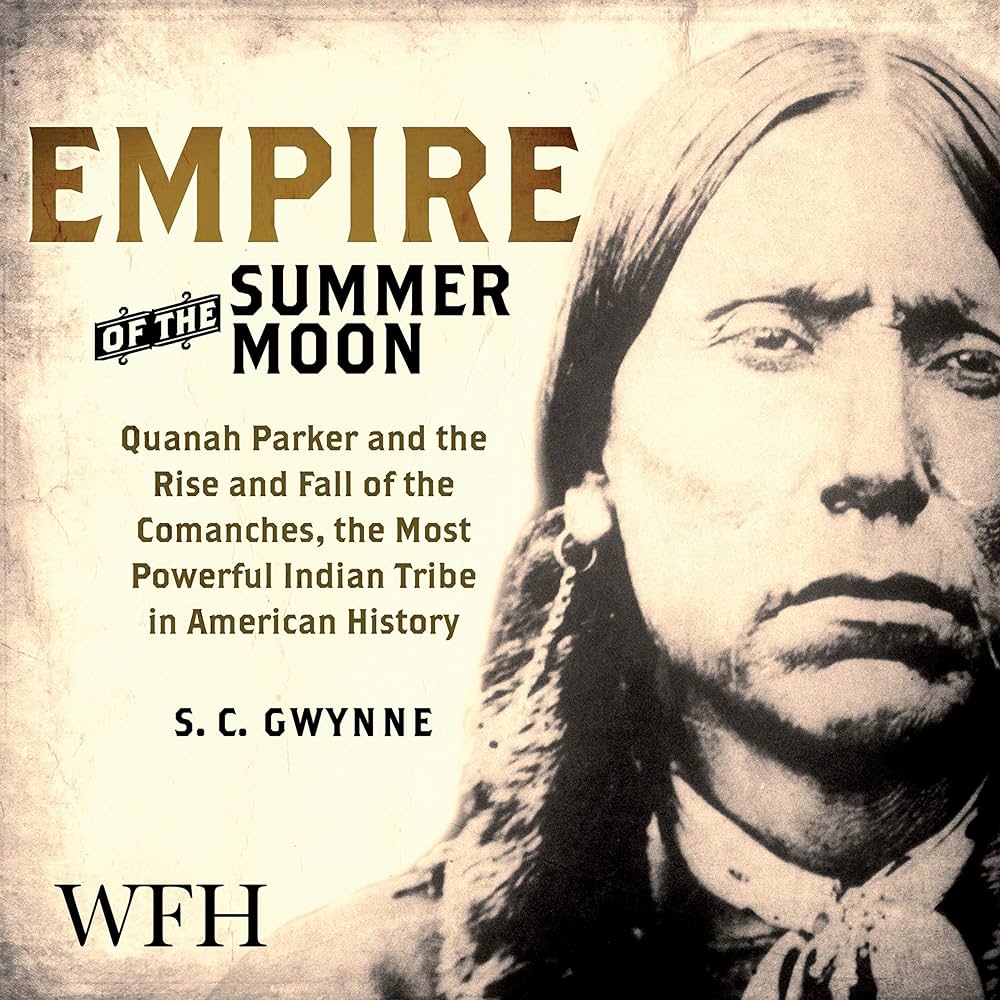
Some notes and critique of S.C. Gwynne's ''Empire of the summer moon''

This book has been highly praised by many, claiming it to be an eye-opener on the tribal history of the Comanche people and a great summary on the feats of both the Texans and the amerindian groups. (1) Image While this book was relatively unknown in the early 2010s, all changed when the author was invited to talk to Joe Rogan on his podcast.
Ever since that episode, thousands have flocked to read this book and many content creators have been influenced by this work. (2)
Jan 25, 2024 19 tweets 4 min read
EXORCISM AMONG THE ALGONQUIANS OF THE GREAT LAKES & HUDSON'S BAY

This is a continuation about the Witiko psychosis thread I made several months ago (will post the link at the end). This time, we'll be discussing the treatment of it. In the previous thread I talked about an instance what one called a Witiko psychosis; when a seemingly healthy person gets possessed by an unnatural cravings for the human flesh.

Before we're going to talk about the treatment, let us investigate this phenomena.
Jan 18, 2024 19 tweets 7 min read
UTO-AZTECAN ICONOGRAPHY IN THE SOUTHWEST: PART 2

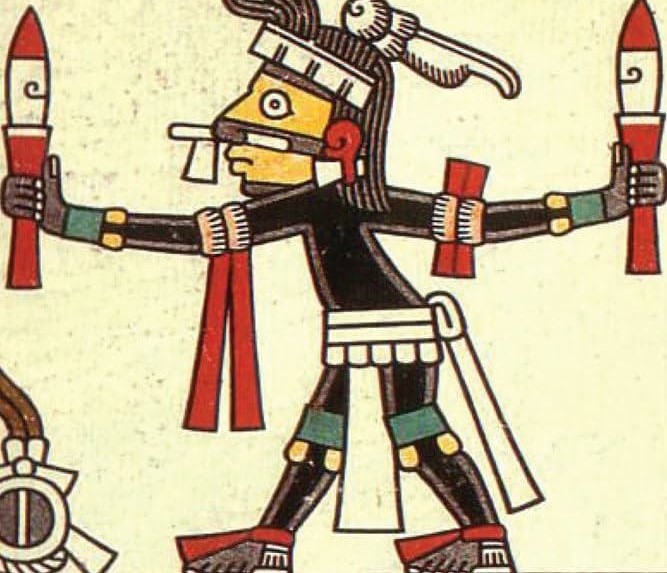
TEZCATLIPOCA'S FANGS AND THE CULT OF THE OBSIDIAN BLADE

Today we'll look upon the symbolism of the obsidian stone for the (Proto-)Uto-Nahuan people and the Aztec comparison of it. (1/19) Image First of all, I would like to introduce you to an (Mexica) Aztec deity named Tezcatlipoca.
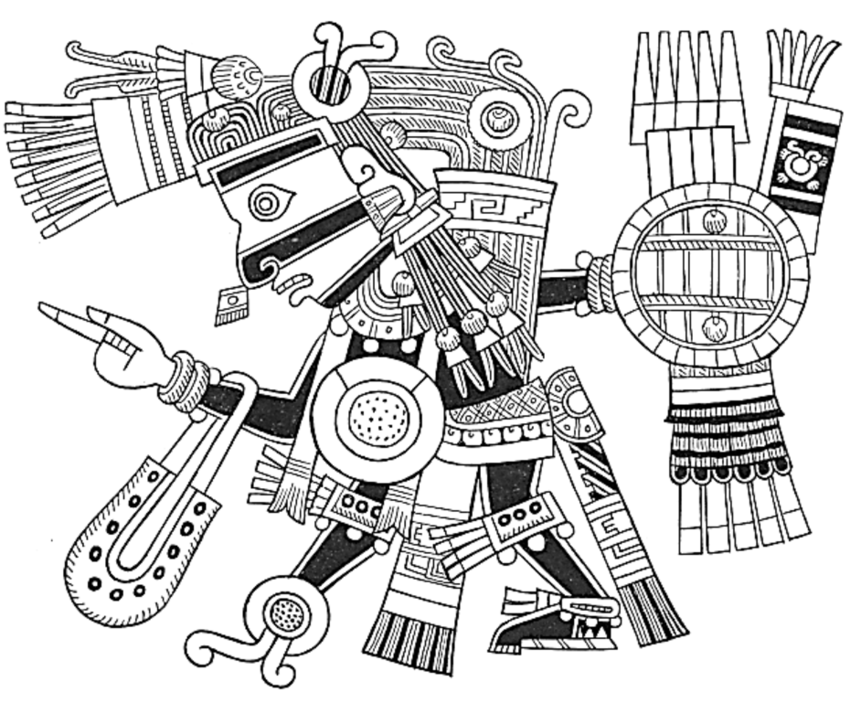
While Huitzilopochtli was the patron god of the Mexica, according to the codices, Tezcatlipoca was the main deity of the Nahuan pantheon alongside with the snake goddess Coatlique. (2/19) Image
Oct 27, 2023 10 tweets 3 min read
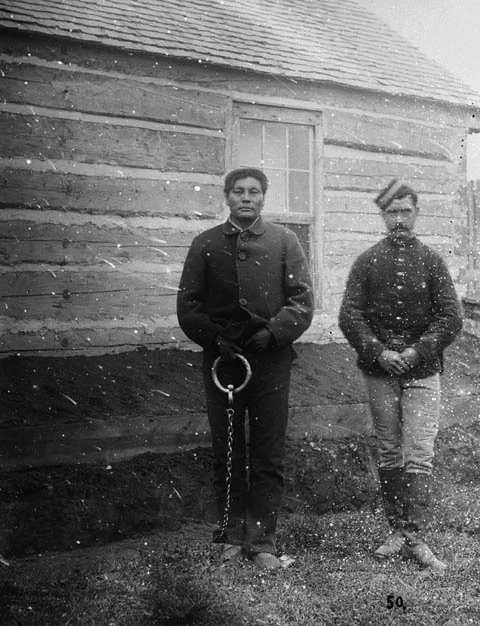
WITIKO PSYCHOSIS AMONG NATIVE AMERICANS PART 1: DESCRIBING THE INCIDENT

On December 20th, 1879, at 7:30, a Cree man named Swift Runner (Kak-say-kwyo-chin) was executed at Fort Saskatchewan for murdering and eating his wife Charlotte, his mother-in-law, his (1) Image brother and his six children. This family was on a hunting trip when Swift Runner suddenly went mad and butchered his family. He then cooked up his entire family (except for his eldest son). When he returned back to his tribe, he claimed that his wife died by suicide and the (2)