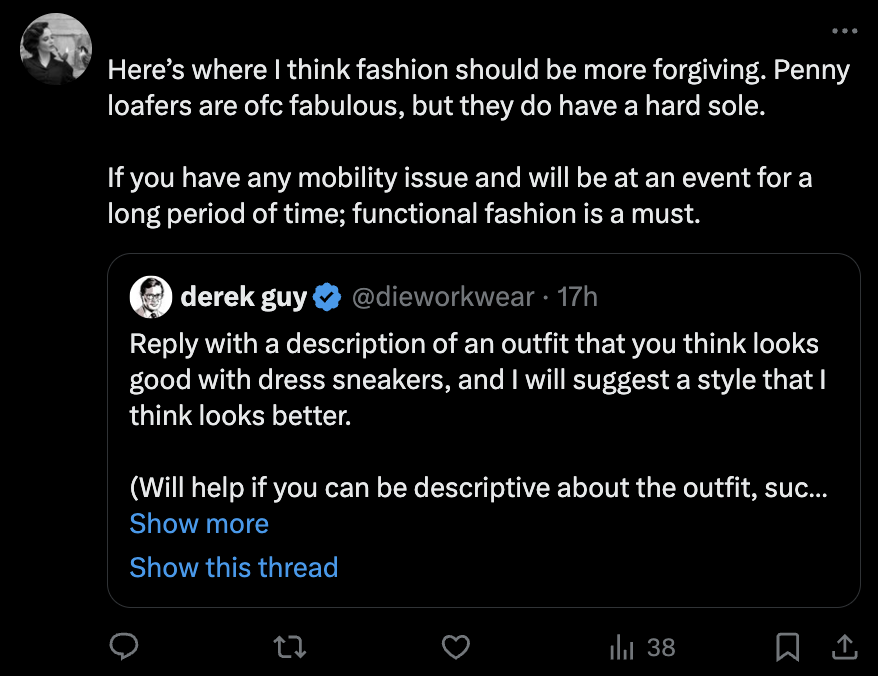
If you have mobility issues, you should wear what's comfortable for you. However, many people think that traditional leather shoes are uncomfortable simply because they don't know much about shoes. 🧵 
IMO, most people find leather shoes uncomfortable because they don't know their actual shoe size. They also don't know about lasts, which are the wooden or plastic forms used to shape uppers. And they don't know how to tell when shoes fit or how to solve fit issues.
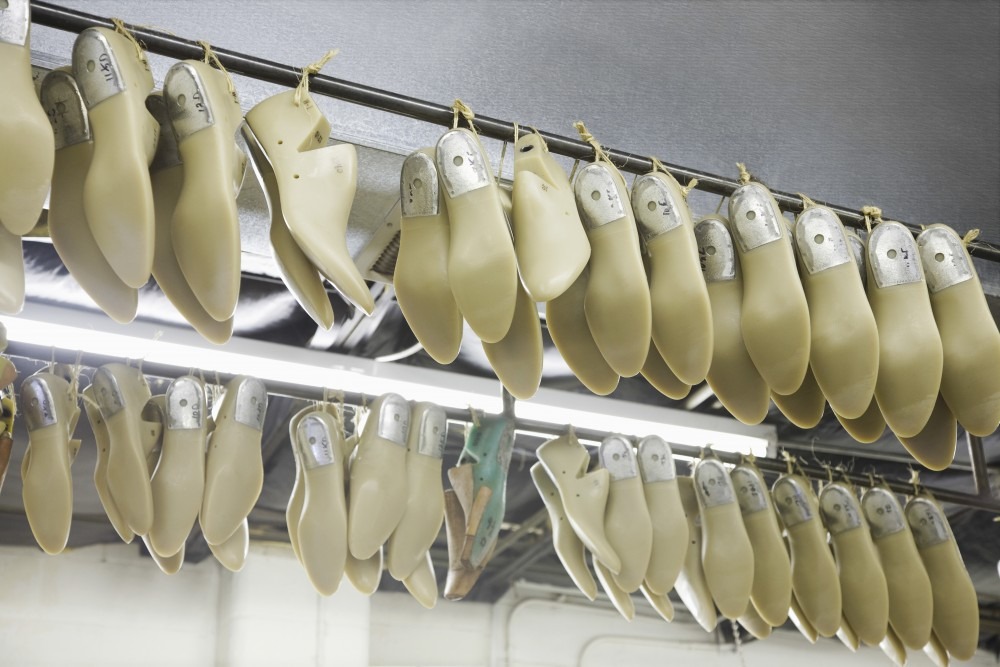
I don't have time today to do a thread on those issues, but I want to point out a few things.
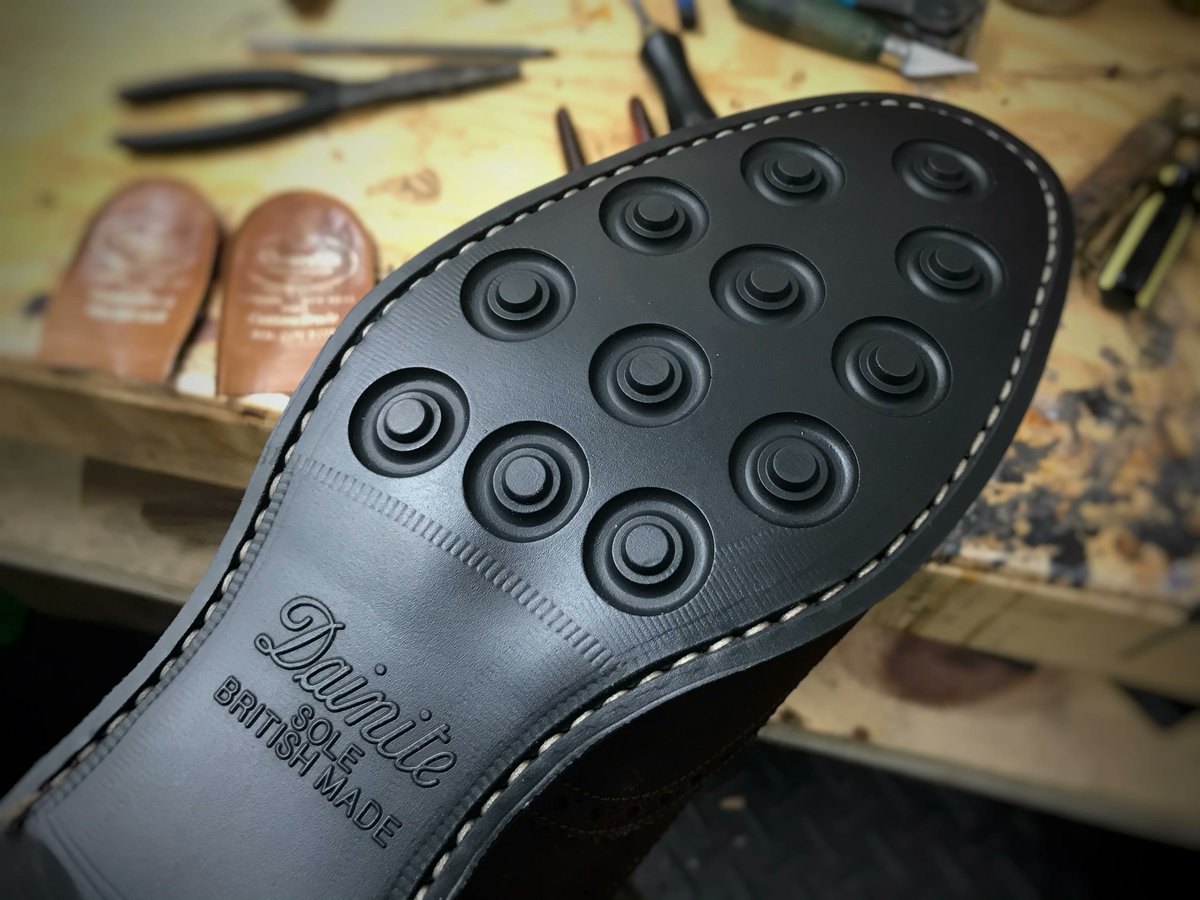
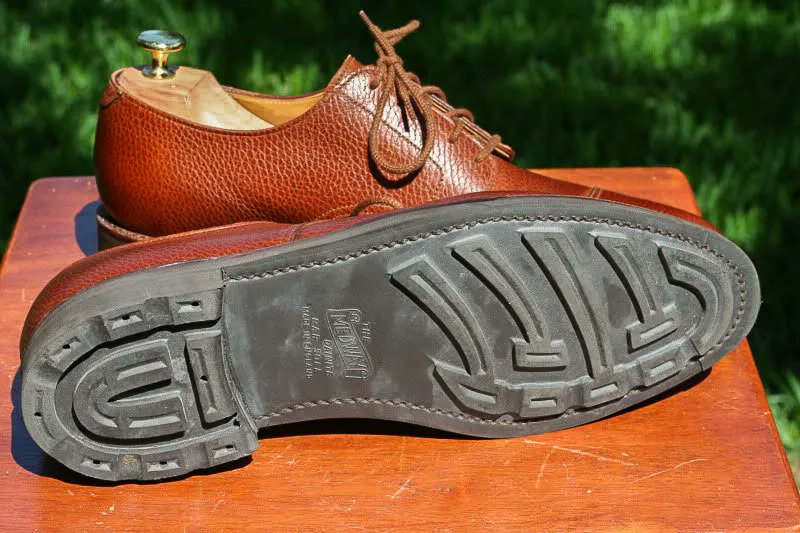
First, there are more options on the market than traditional leather and sneaker soles. You can get crepe, Nitrile cork, Dainite, Medway, or any number of soles.
First, there are more options on the market than traditional leather and sneaker soles. You can get crepe, Nitrile cork, Dainite, Medway, or any number of soles.


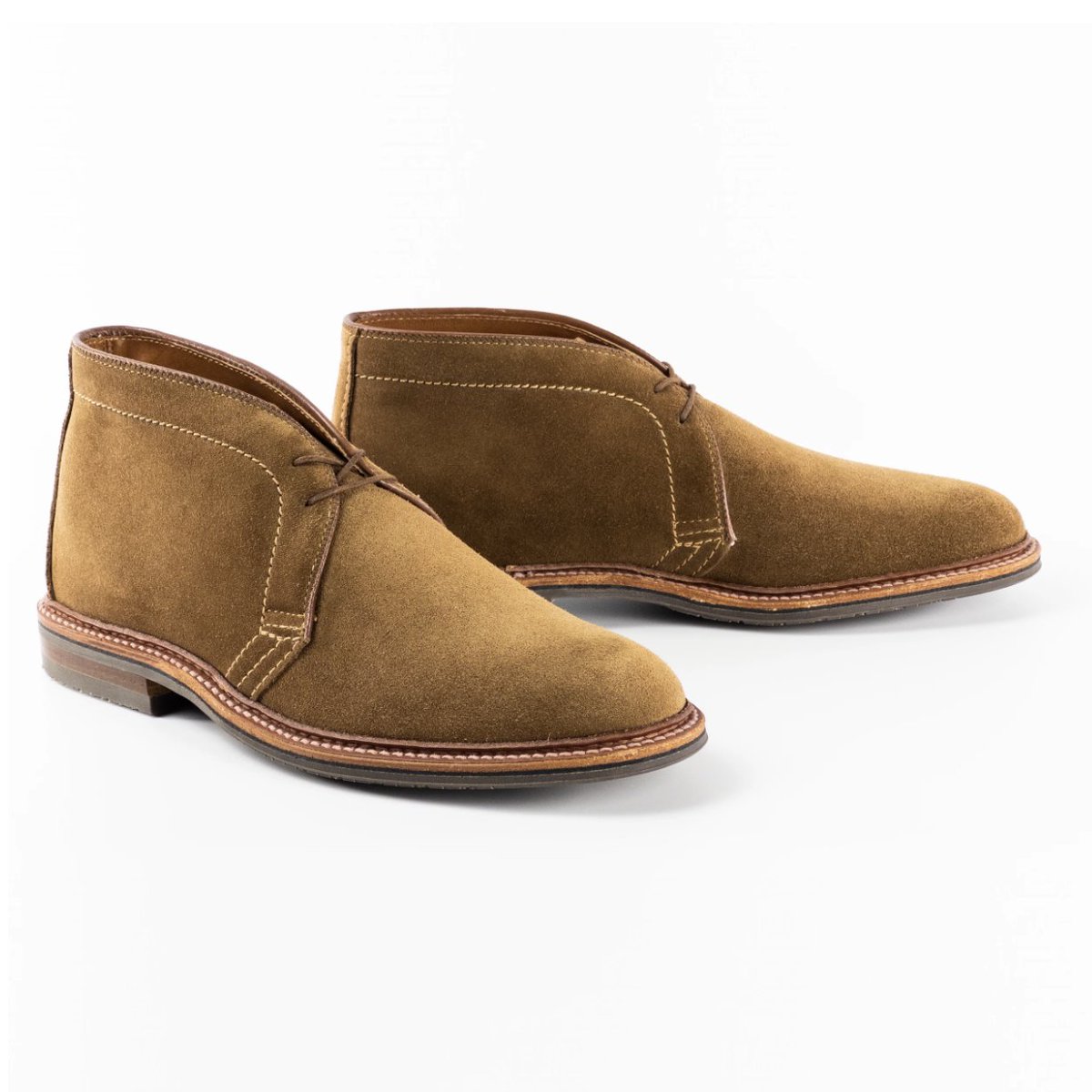
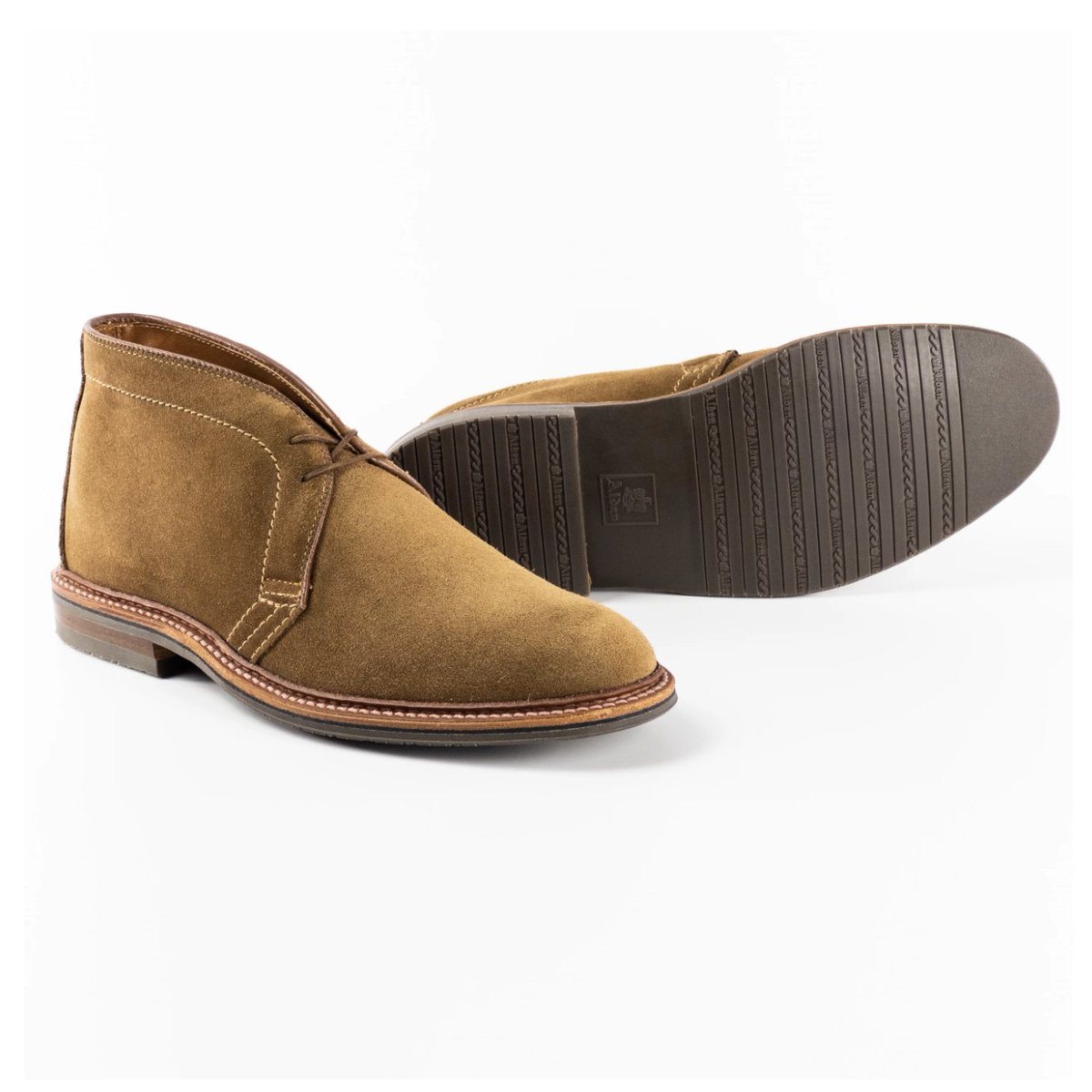
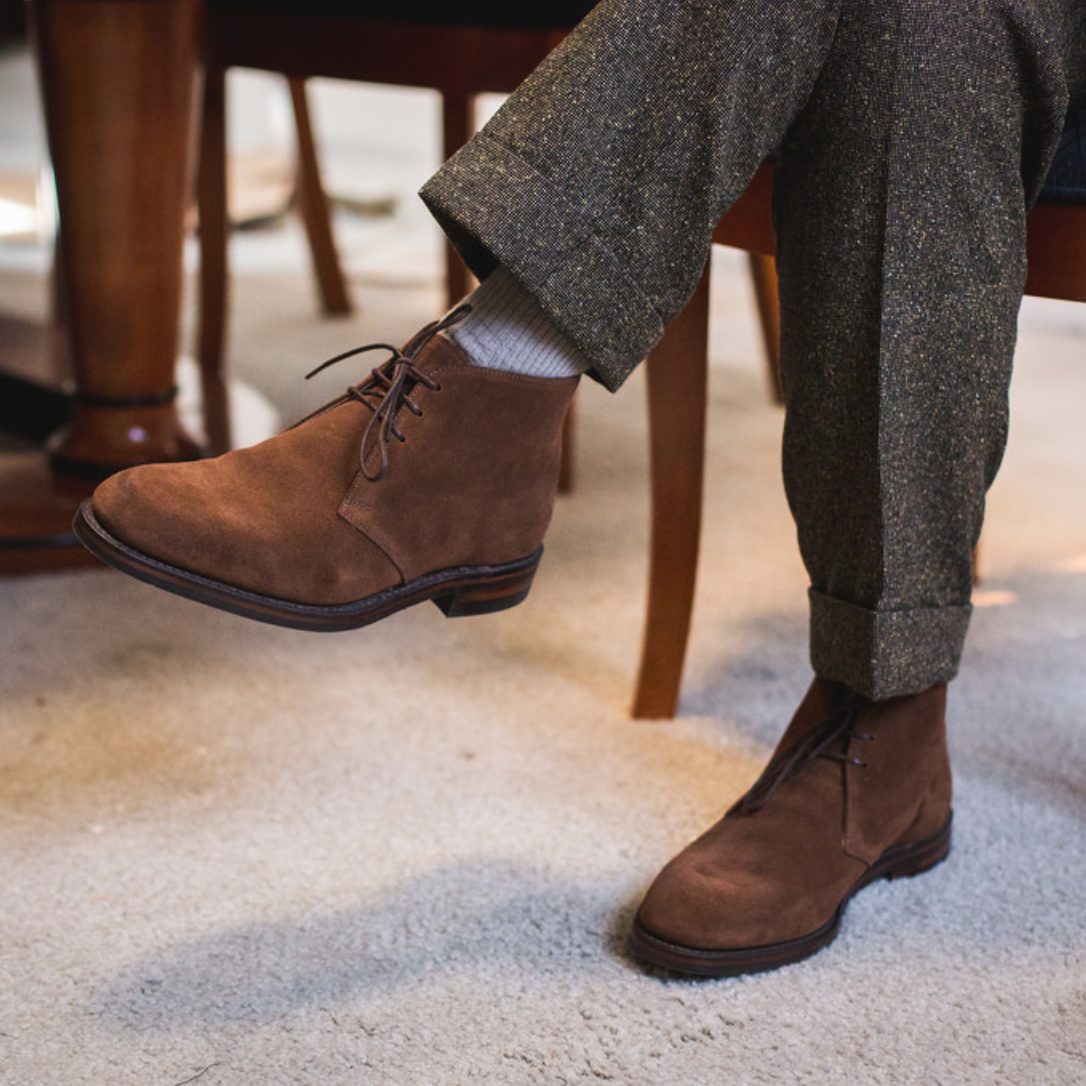
Here's a pair of suede chukkas built on lightweight rubber soles. When you are standing, no one will be able to tell these are rubber soles. From the side, they look like traditional leather soles.
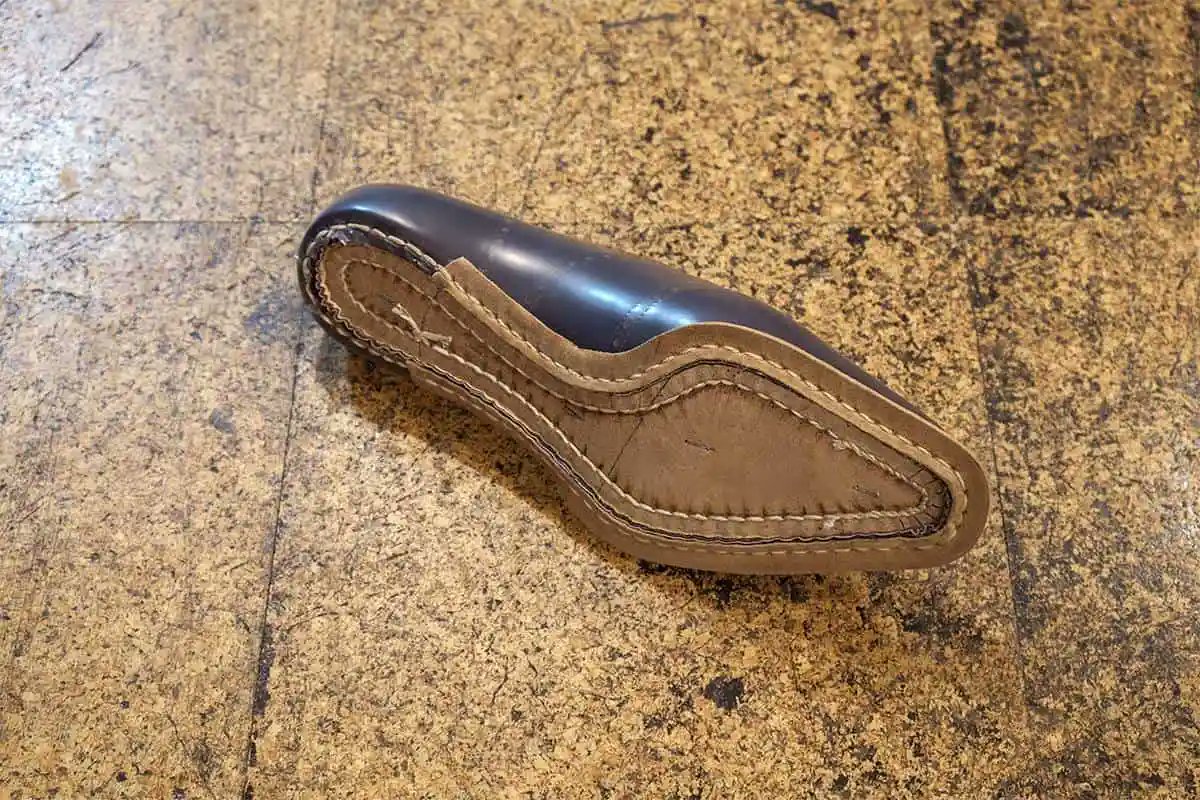
Second, not all leather soles are the same. For one, they can come in different thicknesses. Below, we see single leather soles, double leather soles, and a construction called HAF soles (a combo of double at the forepart and single at the waist). Some leather soles are softer.
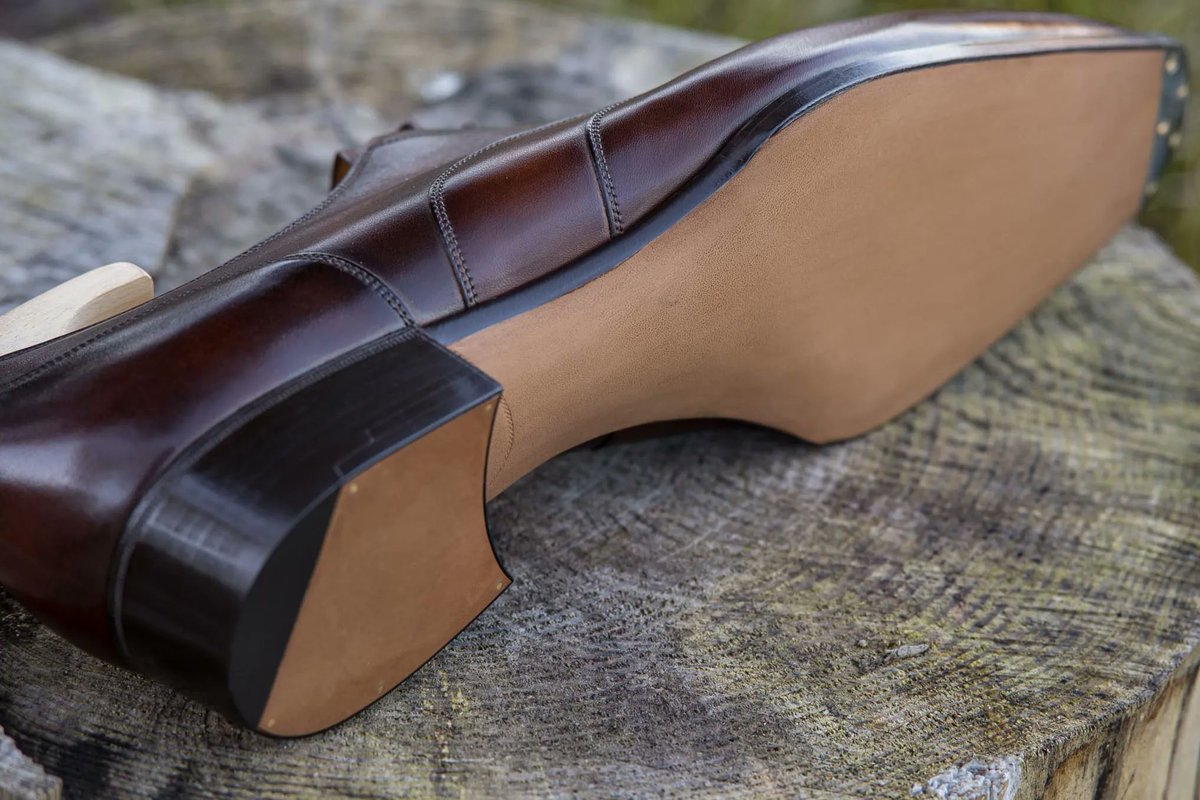
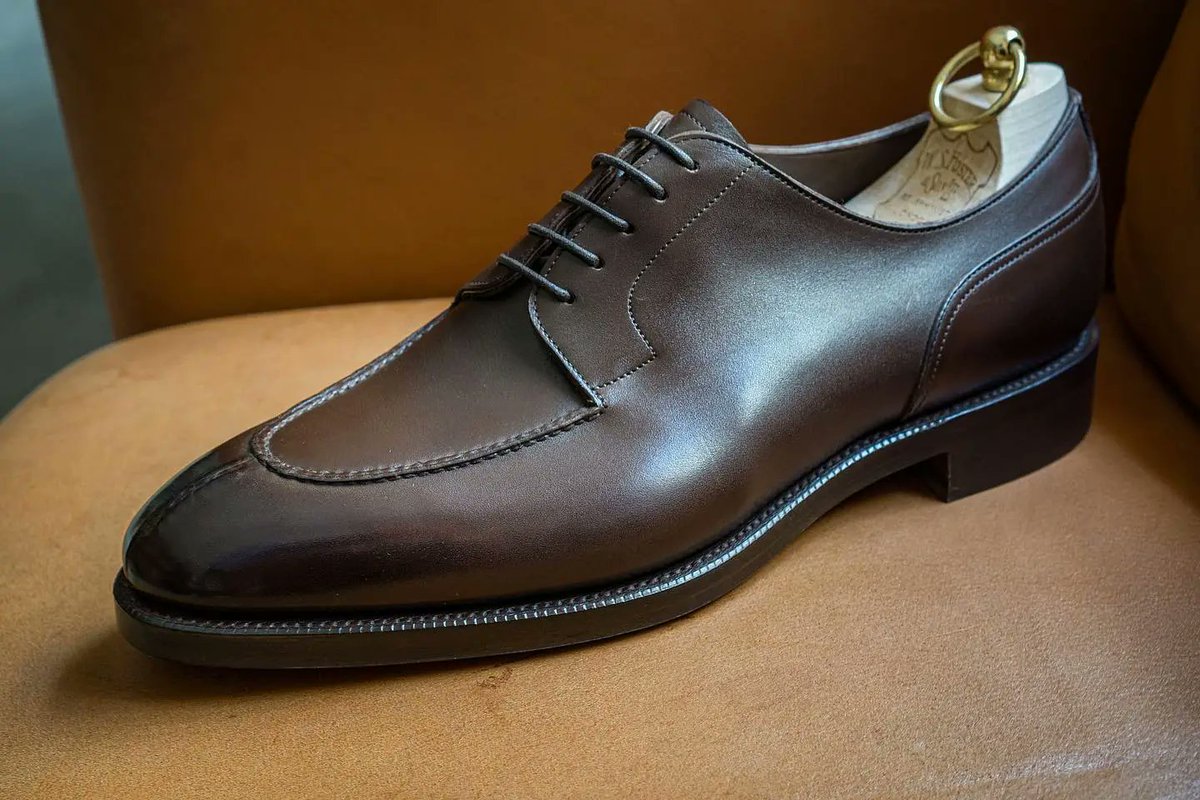
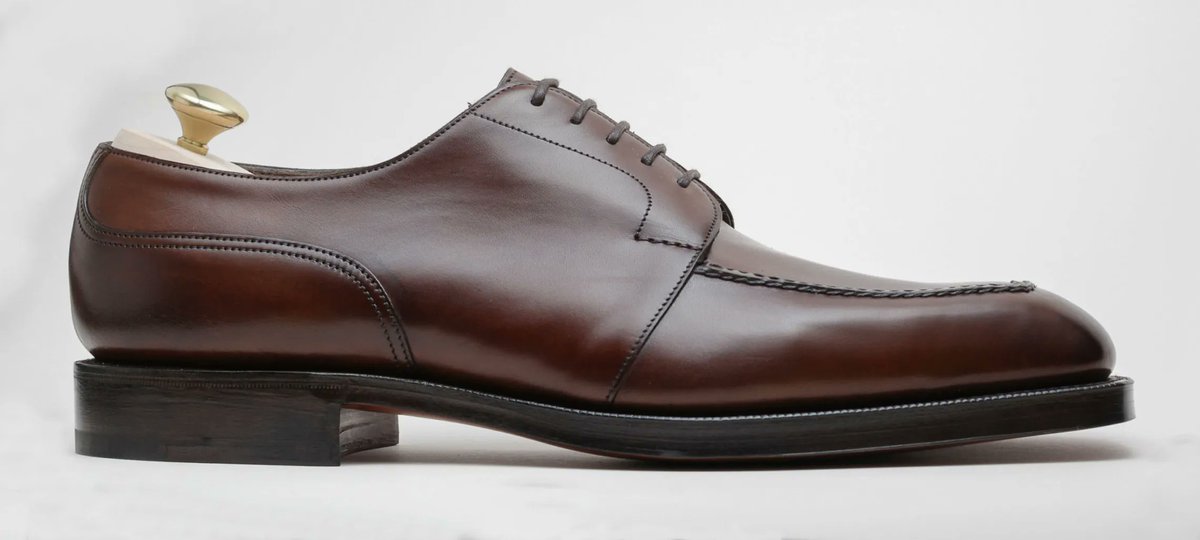
Alden has a construction they call their flex welt sole, which is a single leather layer that has been treated with oils. This makes the soles super flexible and slightly water resistant. No break-in time is required.


Next, most shoes are built with some kind of structure inside. This includes lining (often leather) and some kind of stiffener used for the heel and toe (often Celastic, which is a fabric impregnated with plasticizers)
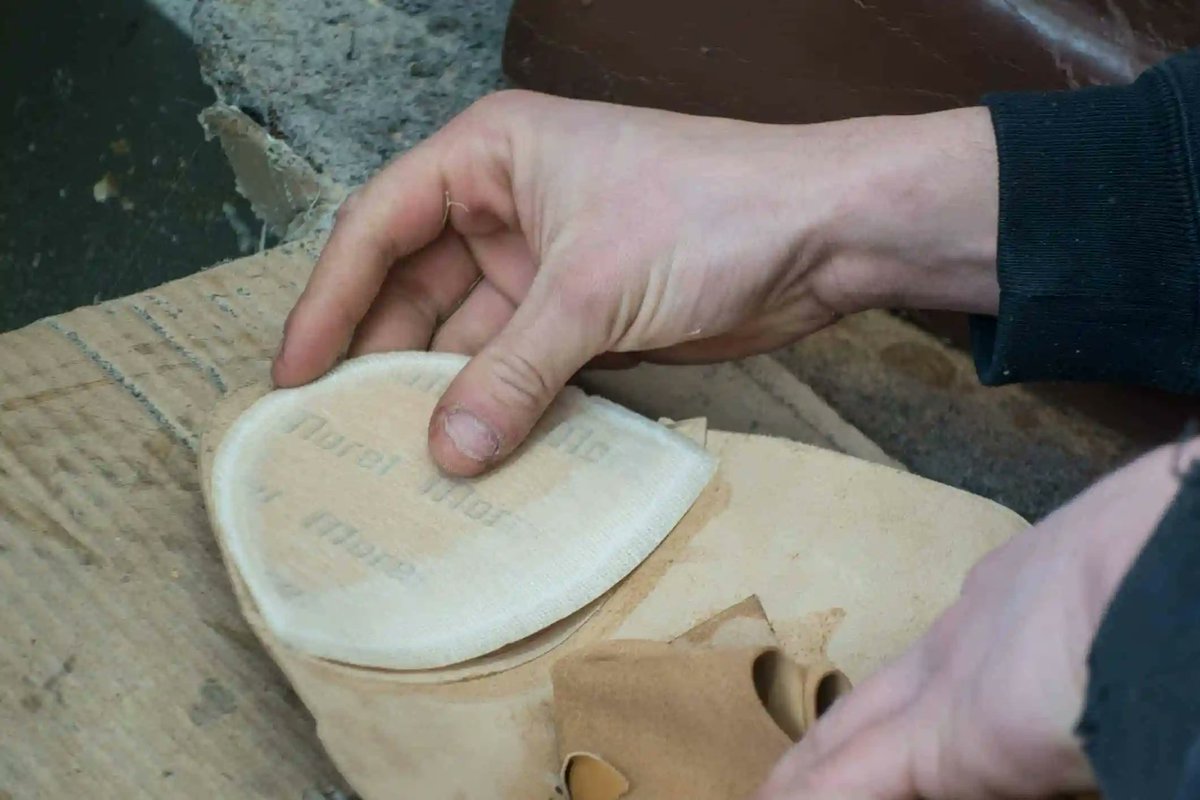
You generally want this in a pair of shoes because it adds durability: the heel and toe stiffeners prevent these areas from collapsing, and the lining helps the uppers not wear down prematurely.

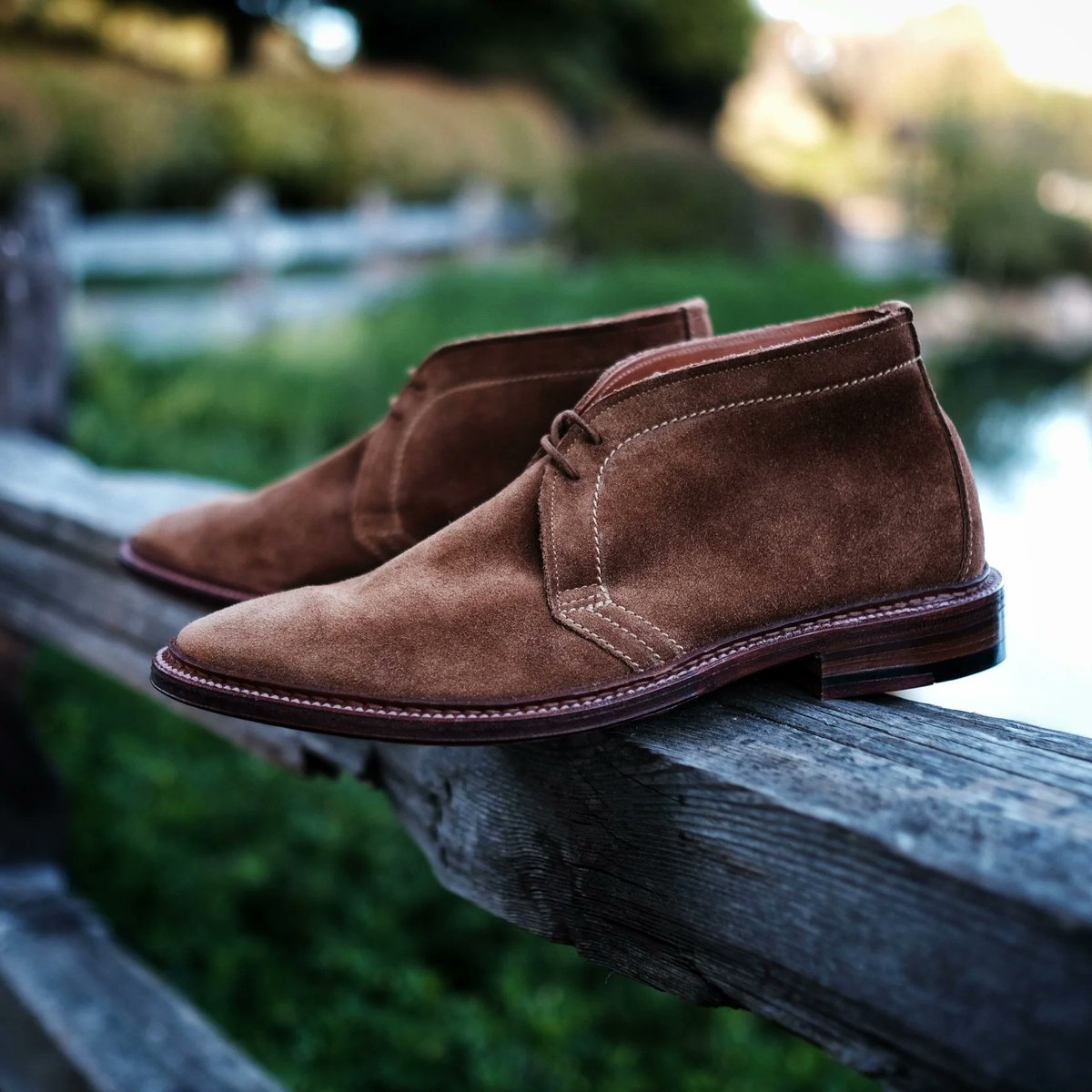
However, if you find the uppers uncomfortable, some makers also offer unlined shoes. These still have some structure—they are not totally unlined, as then the shoes would look weird and fit like socks. But have less structure.
Compare these two chukkas. The ones on the left have lining and Celastic stiffeners, while the ones on the right don't. See how the ones on the right look a bit floppy? They will feel like slippers on your feet. Some like this feeling; some don't. It's a matter of preference.
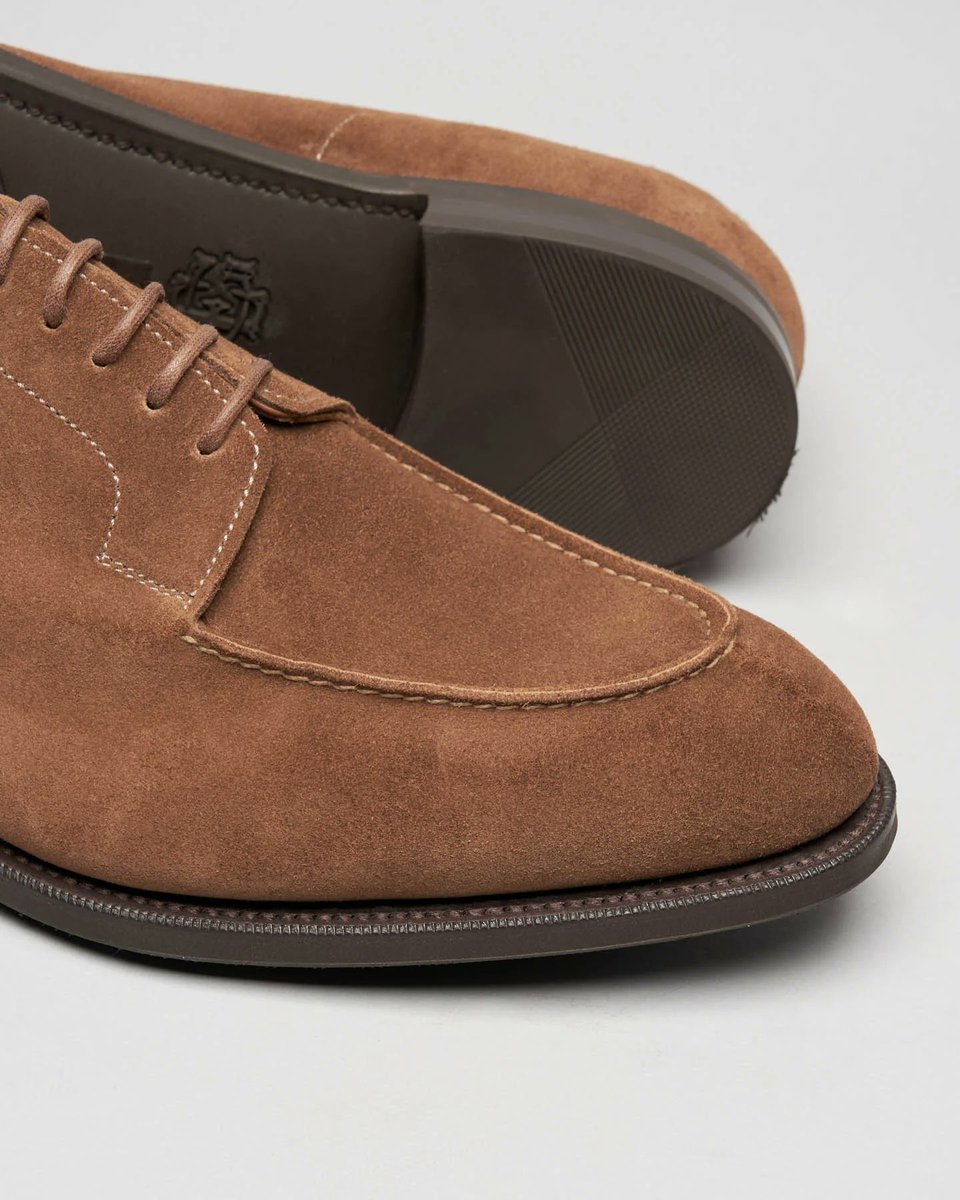
Here is a pair of Meermin loafers ($200) made from French Softcalf and a flex Goodyear welted construction. There is minimal lining inside, which is why you see the uppers are kind of wavy (little structure). These are very lightweight and slipper-like.

You can do this for any number of styles: a soft suede upper paired with a unlined construction and what some makers call a "city sole" (which is thin but durable rubber). In this way, you can get a softer, more comfortable dress shoe.


Will these feel as cushy as sneakers? No, of course not. Sneakers are basically pillows on your feet. I am also not against sneakers. I think they look great in a wide range of casual outfits.
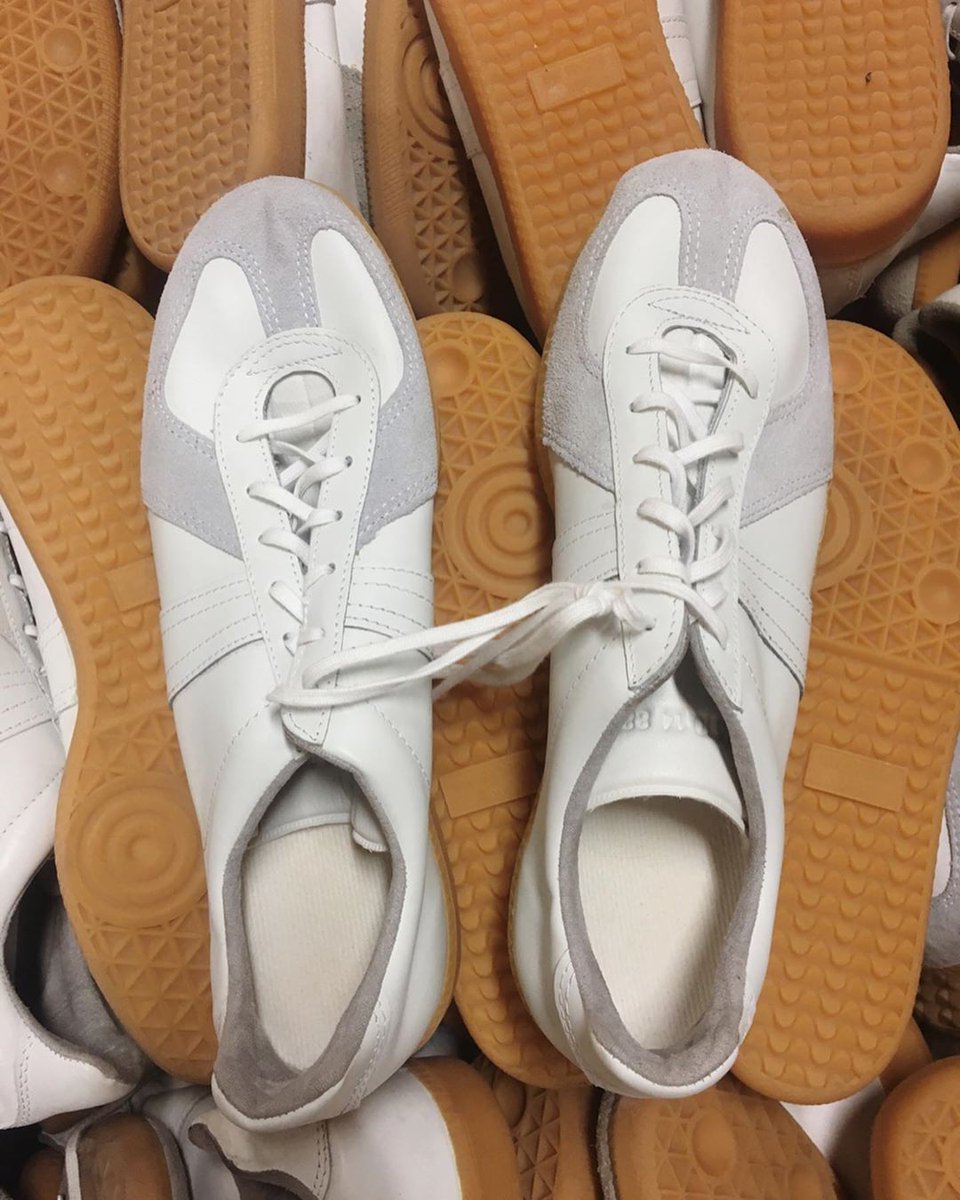
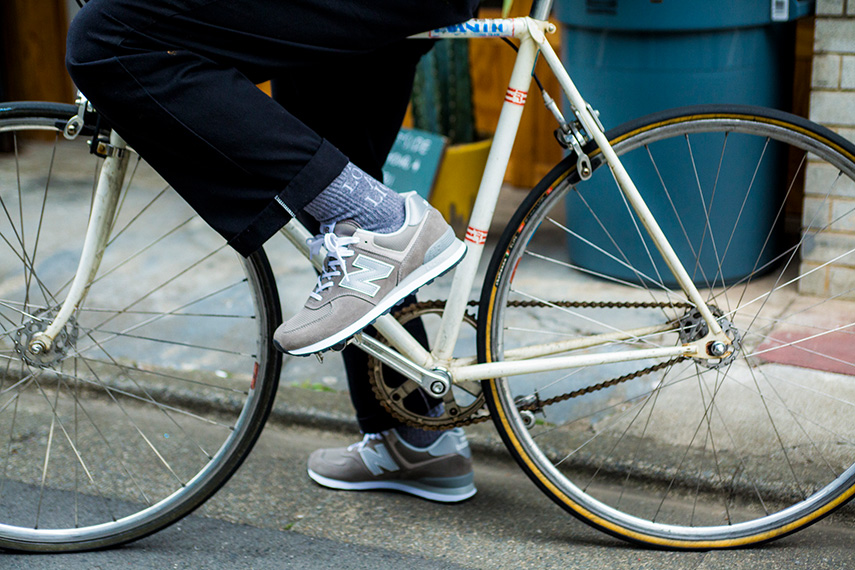
I just think that "dress sneakers"—this hybrid of dress shoes with a sneaker sole—are uniquely ugly. They are like t-shirts with a tuxedo print. They are worse than traditional leather dress shoes and classic sneakers. You'd be better off with normal Nikes, Vans, Adidas, etc.

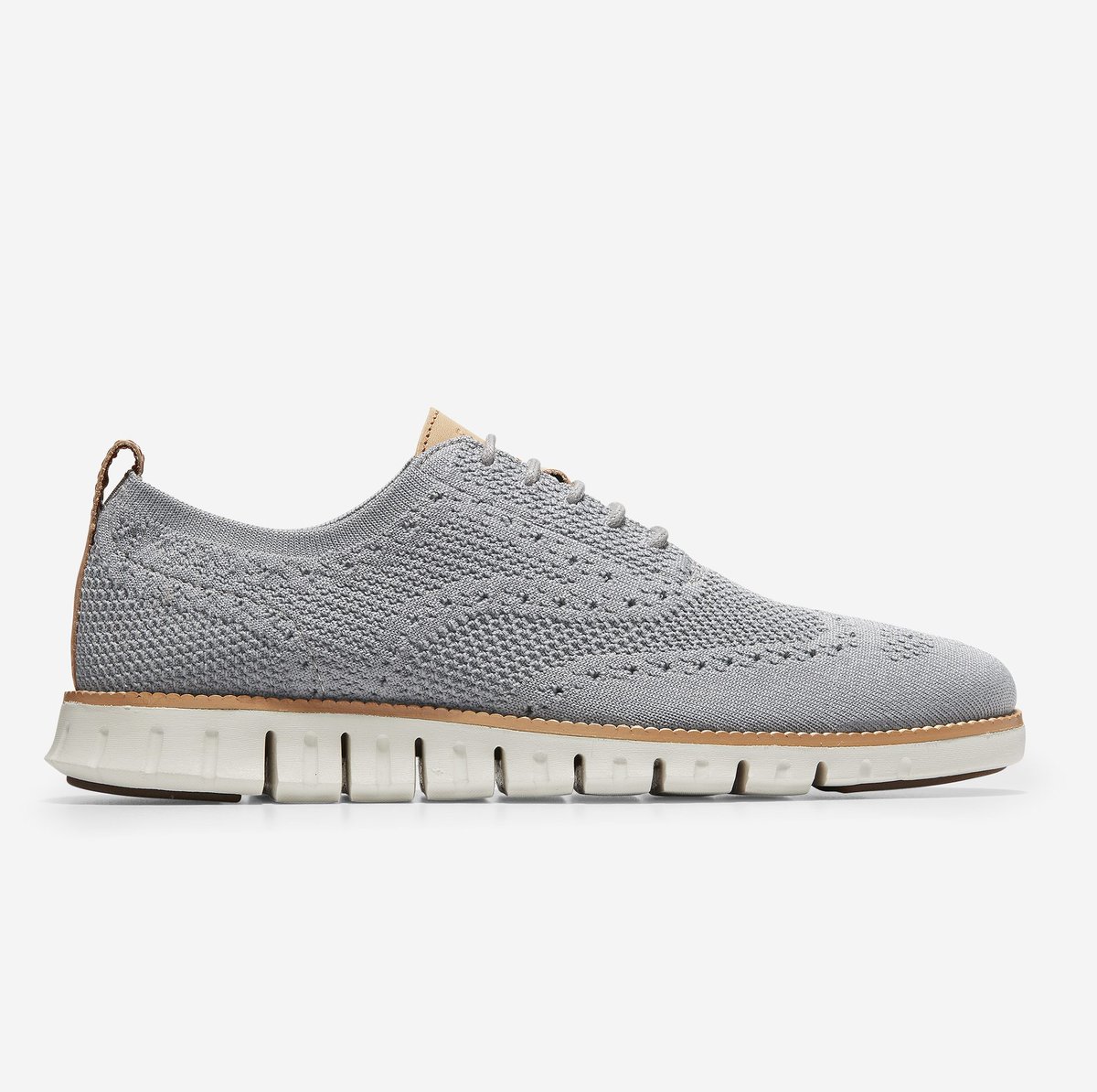
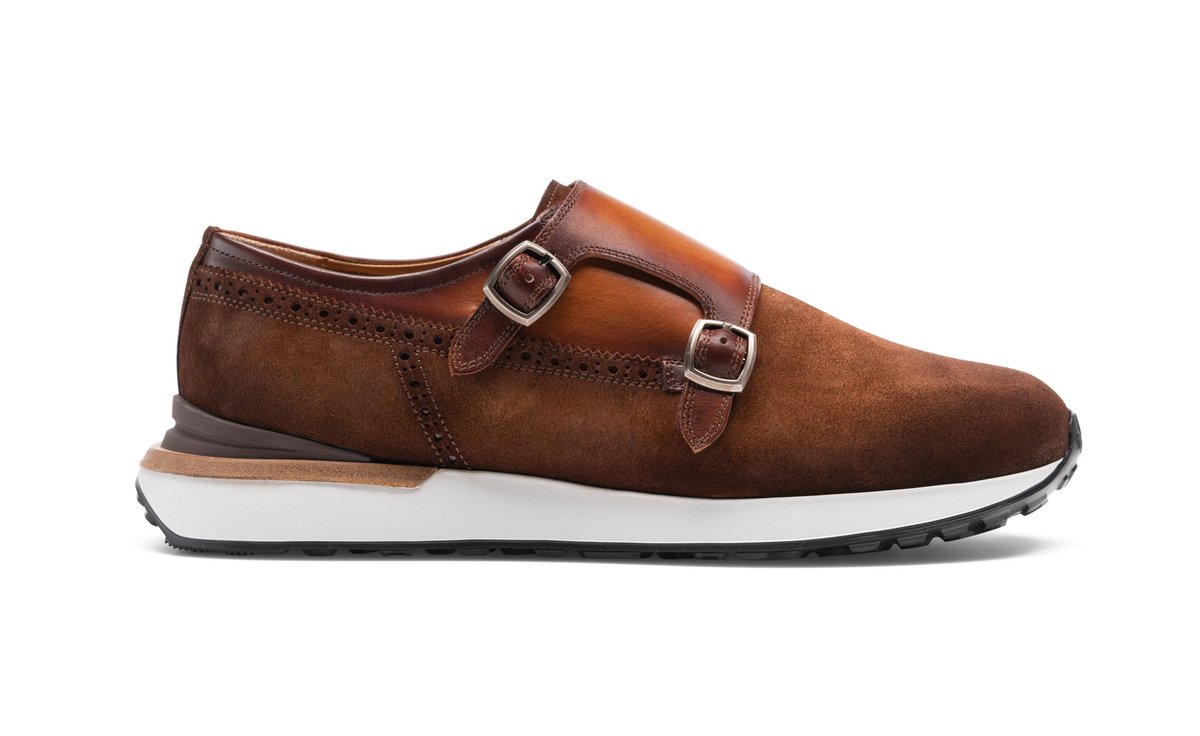
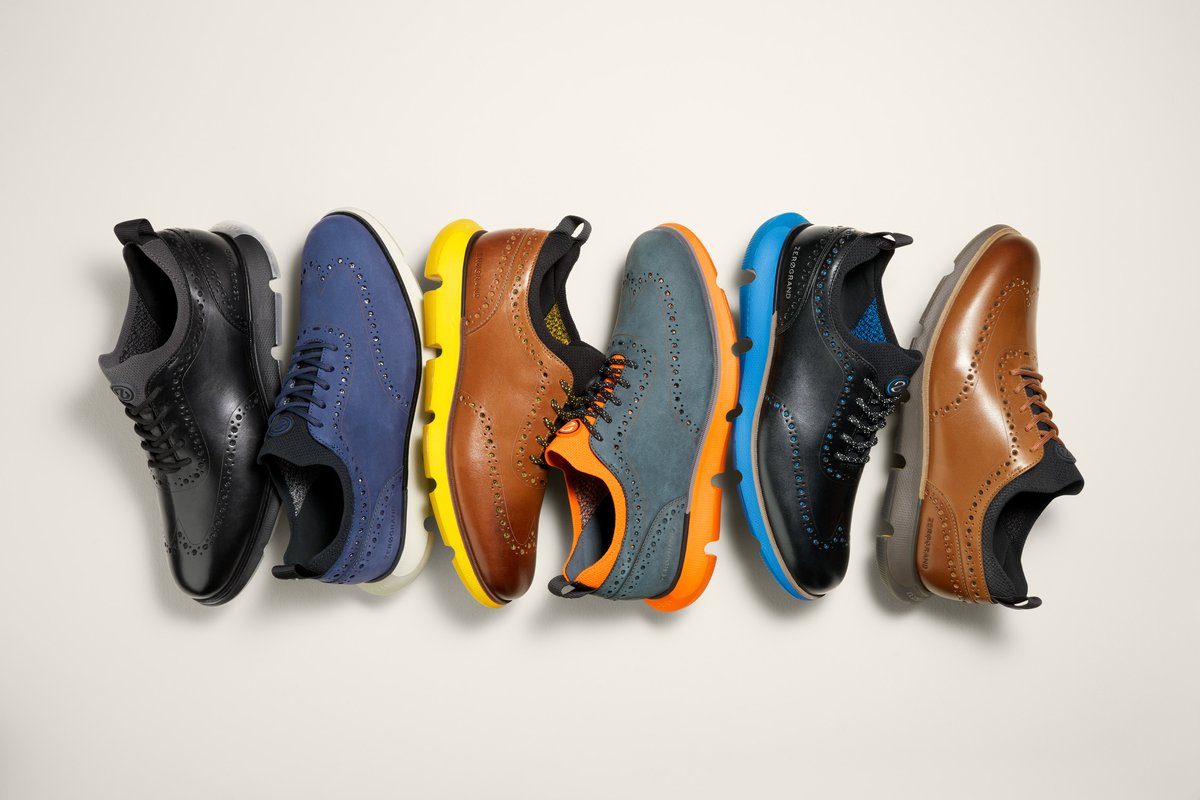
I recognize that some people have mobility issues but still have to function in professional environments that require dressier shoes than actual sneakers. For such people, I think dress sneakers are fine.
But the vast majority are not such people. Mitch McConnell? Reasonable. Kevin McCarthy? 🫤
Leather shoes may not be as comfortable as sneakers, but they are comfy enough for long walks if you know how to buy them. I will do more threads about this on another day.
Leather shoes may not be as comfortable as sneakers, but they are comfy enough for long walks if you know how to buy them. I will do more threads about this on another day.

• • •
Missing some Tweet in this thread? You can try to
force a refresh