Long 🧵 on drones 1/n
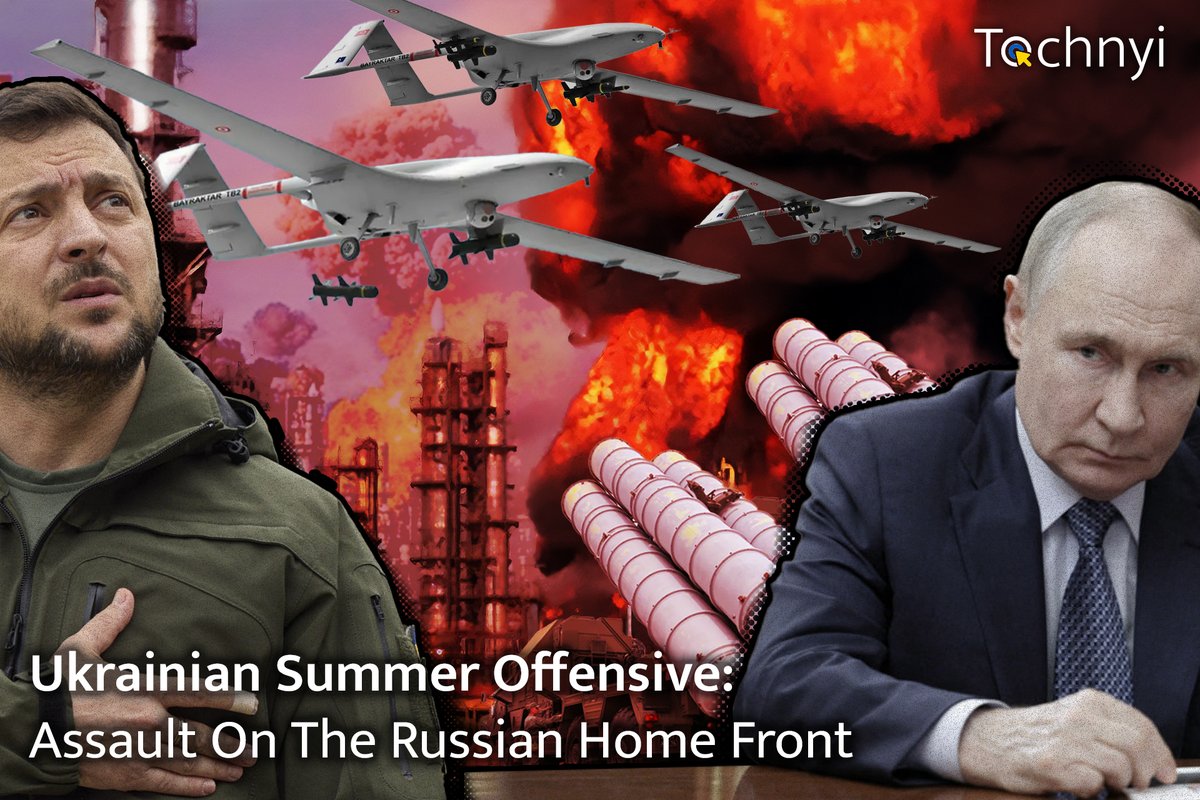
Since the start of the war in Ukraine in February 2022, drones have slowly taken the front pages. Initially, it was the Bayraktar TB2, which brought a drone directly to the front line for the first time in a large-scale combat operation.
Since the start of the war in Ukraine in February 2022, drones have slowly taken the front pages. Initially, it was the Bayraktar TB2, which brought a drone directly to the front line for the first time in a large-scale combat operation.

2/n
Analysts across the entire spectrum, from professional and academic to open-source intelligence, have observed the rise of small commercial surveillance drones for reconnaissance and, increasingly, for more kinetic operations.
For the first time in history, we have seen the successful use of naval drones in the role of direct strike assets.
Analysts across the entire spectrum, from professional and academic to open-source intelligence, have observed the rise of small commercial surveillance drones for reconnaissance and, increasingly, for more kinetic operations.
For the first time in history, we have seen the successful use of naval drones in the role of direct strike assets.

3/n
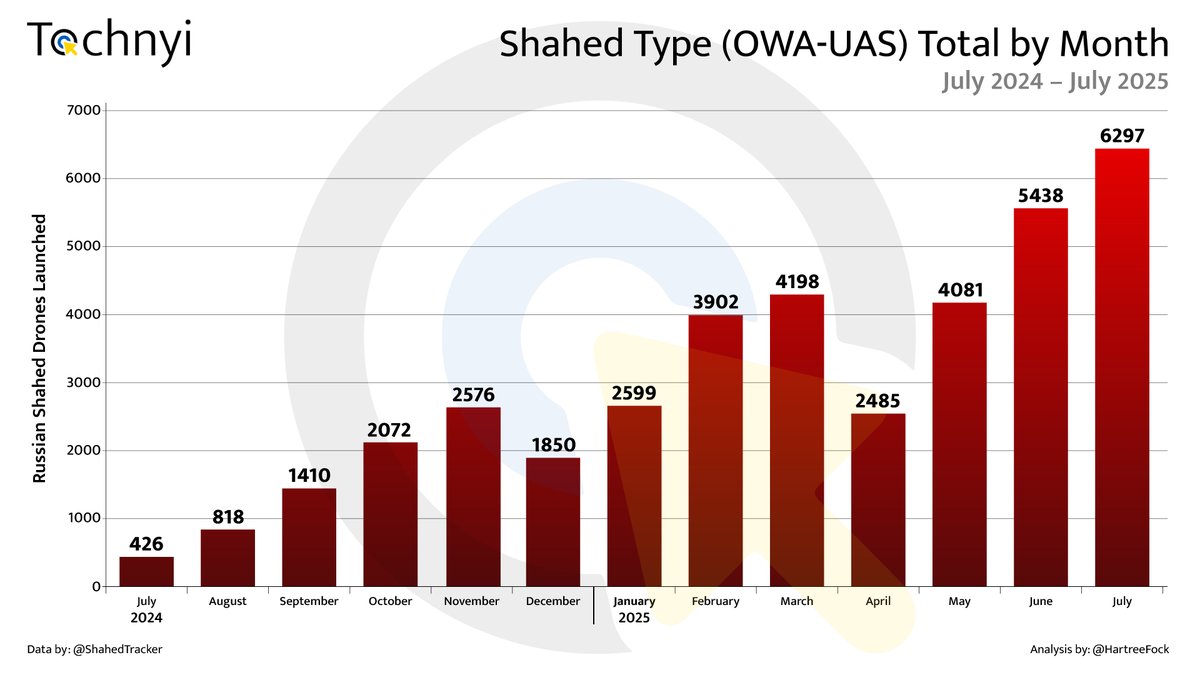
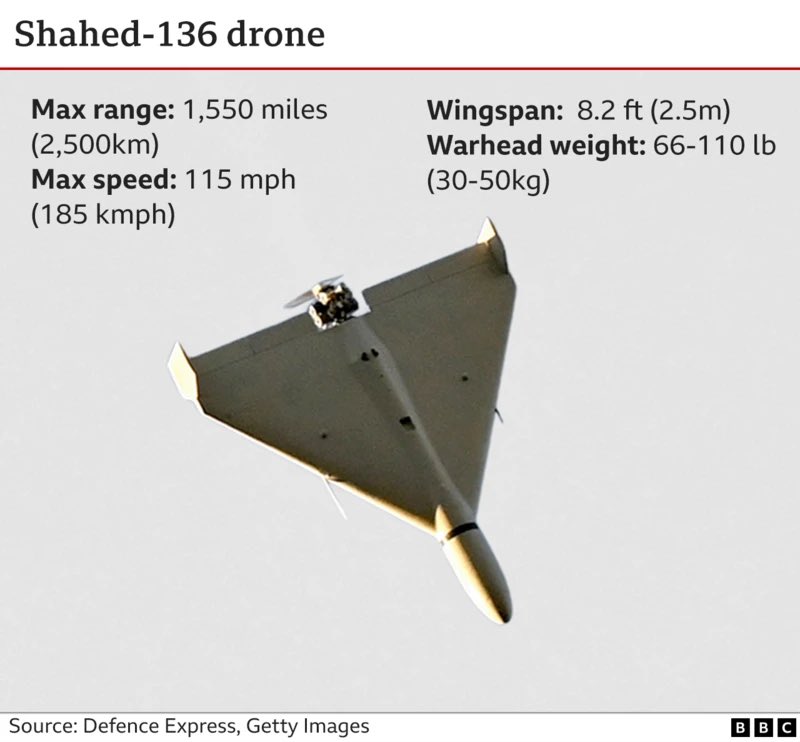
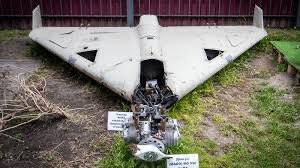
On the other side, the Russians have strained our belief in modern air defense systems by deploying hundreds of fixed-wing kamikaze drones to saturate the airspace and deplete valuable and scarce missile supplies.
On the other side, the Russians have strained our belief in modern air defense systems by deploying hundreds of fixed-wing kamikaze drones to saturate the airspace and deplete valuable and scarce missile supplies.
4/n
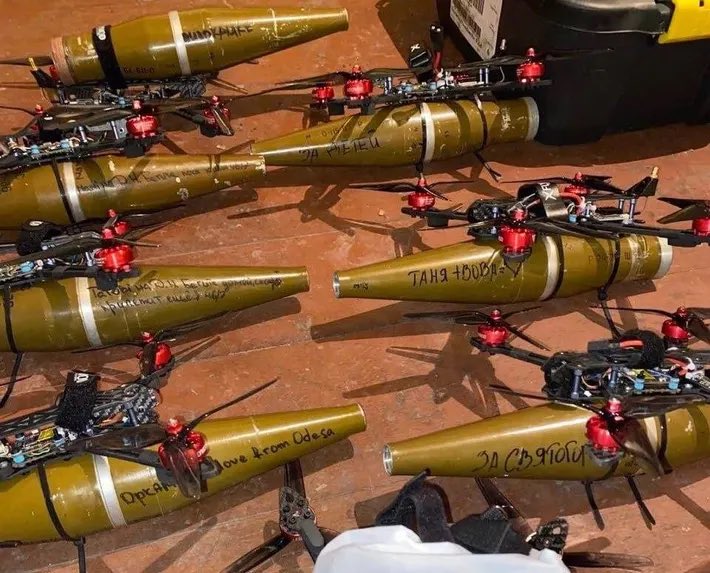
Last but not least is the advent of FPV drones on the battlefield, which has drastically changed the perception of the battlespace, particularly in static defense and the use of armored vehicles.
Overall, as I often repeat, we are witnessing a continuously evolving scenario where both sides keep chasing each other, developing platforms to overcome the challenges posed by the adversary.
Last but not least is the advent of FPV drones on the battlefield, which has drastically changed the perception of the battlespace, particularly in static defense and the use of armored vehicles.
Overall, as I often repeat, we are witnessing a continuously evolving scenario where both sides keep chasing each other, developing platforms to overcome the challenges posed by the adversary.
5/n
What is the response of the entire community on this topic, and why is it so important? It is crucial because policymakers rely on analyses to make decisions, and even large organizations like the US or UK Army need answers to start experimenting and eventually implementing lessons learned.
The community is divided roughly into three macro groups: the hardliner believers in drones, who think that drones have changed everything and will replace every asset on the battlefield; the skeptics, who think that air superiority will always be better than any drone and that drones are primarily for reconnaissance; and a large group that shares aspects of both views.
What is the response of the entire community on this topic, and why is it so important? It is crucial because policymakers rely on analyses to make decisions, and even large organizations like the US or UK Army need answers to start experimenting and eventually implementing lessons learned.
The community is divided roughly into three macro groups: the hardliner believers in drones, who think that drones have changed everything and will replace every asset on the battlefield; the skeptics, who think that air superiority will always be better than any drone and that drones are primarily for reconnaissance; and a large group that shares aspects of both views.
6/n
Drones have changed everything, but what many fail to understand is that they have performed in a certain way in a specific context, like the war in Ukraine. Consider the Shahed drones and their use to saturate air defense systems. What happened in a few months? The answer is visible at Paris EUROSATORY 2024: the return of SPAAG, the introduction of unmanned 12.7mm machine guns on vehicles, and the wide distribution of new programmable rounds. The same applies to naval drones with an increase in defenses against such threats.
Drones have changed everything, but what many fail to understand is that they have performed in a certain way in a specific context, like the war in Ukraine. Consider the Shahed drones and their use to saturate air defense systems. What happened in a few months? The answer is visible at Paris EUROSATORY 2024: the return of SPAAG, the introduction of unmanned 12.7mm machine guns on vehicles, and the wide distribution of new programmable rounds. The same applies to naval drones with an increase in defenses against such threats.

7/n
At the same time, drones have removed an important layer of protection in mission planning: being unobserved. Today, when planning missions or troop movements, planners have to minimize their signature: thermal, acoustic, and EM. This was not as important prior to the advent of cheap and dispersed surveillance drones.
Drones have also been pivotal in providing infantry with effective platforms to deter armored assaults, even in the absence of artillery munitions. They can destroy defensive positions with great accuracy and, last but not least, attack groups of infantry during both day and night operations. One aspect that these platforms share is their flexibility in being used in any role, as well as their ease of manufacturing and updating as battlefield conditions change.
At the same time, drones have removed an important layer of protection in mission planning: being unobserved. Today, when planning missions or troop movements, planners have to minimize their signature: thermal, acoustic, and EM. This was not as important prior to the advent of cheap and dispersed surveillance drones.
Drones have also been pivotal in providing infantry with effective platforms to deter armored assaults, even in the absence of artillery munitions. They can destroy defensive positions with great accuracy and, last but not least, attack groups of infantry during both day and night operations. One aspect that these platforms share is their flexibility in being used in any role, as well as their ease of manufacturing and updating as battlefield conditions change.
8/8
This particular aspect is still not well understood by those who create design criteria to which the industry reacts. Often, I see people mocking companies for presenting drones that are clearly designed for conflicts different from the one we are seeing in Ukraine. This is why these discussions should be taken seriously, always providing information backed by the best data we have.
This particular aspect is still not well understood by those who create design criteria to which the industry reacts. Often, I see people mocking companies for presenting drones that are clearly designed for conflicts different from the one we are seeing in Ukraine. This is why these discussions should be taken seriously, always providing information backed by the best data we have.
• • •
Missing some Tweet in this thread? You can try to
force a refresh