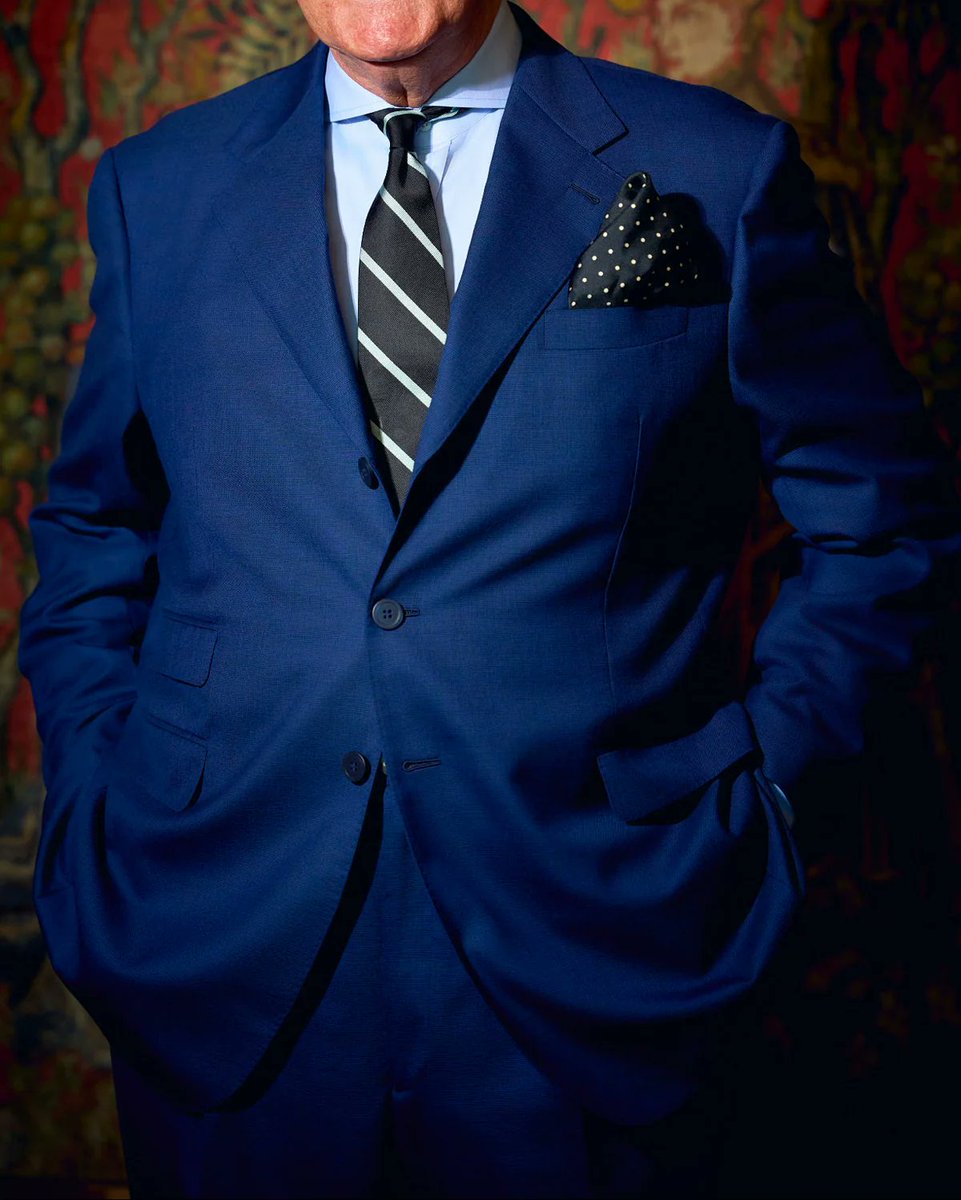
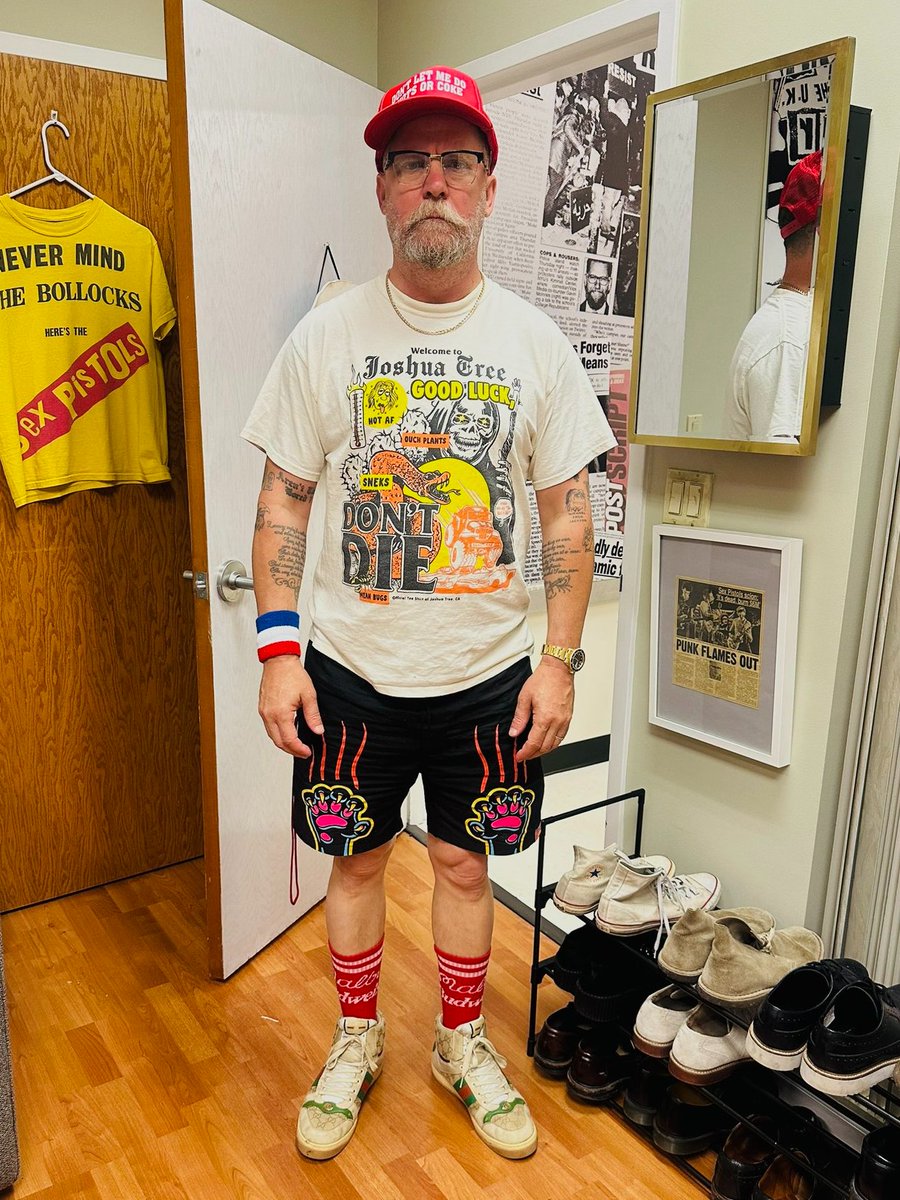
Will comment on this fit since Gavin asked for feedback. Also think this photo illustrates some potentially useful things regarding dressing for your body type, the specialness of tailoring, and why custom clothing can be bad. 🧵
https://twitter.com/XGavinMcInnes/status/1802152414541213820
Before I go on, I should note there's a lot of body shaming on Twitter. This thread is not meant to do that, but instead the opposite: show that anyone can dress stylishly if they know a few things.
When people see comparisons like this, they think: "Oh, Bryan Ferry looks better bc he possesses some magnetic aura," or "Oh, Gavin McInnes looks bad because I hate him." Some may also attribute the difference in weight (e.g., "Ferry is svelte; McInness is not"). This is wrong. 

Too much attention is paid to whether someone is fat (and Gavin is not fat). In the context of dressing for your body type and wearing tailored clothing, a more important dimension is the shape of your shoulders in relation to the rest of your body.


Gavin has very narrow shoulders, such that the upper half of his body is shaped like a tube. This can be true of anyone: heavy guys, skinny guys, and anything in between.


His shoulders are also very sloped, as you can see when he's wearing a t-shirt.
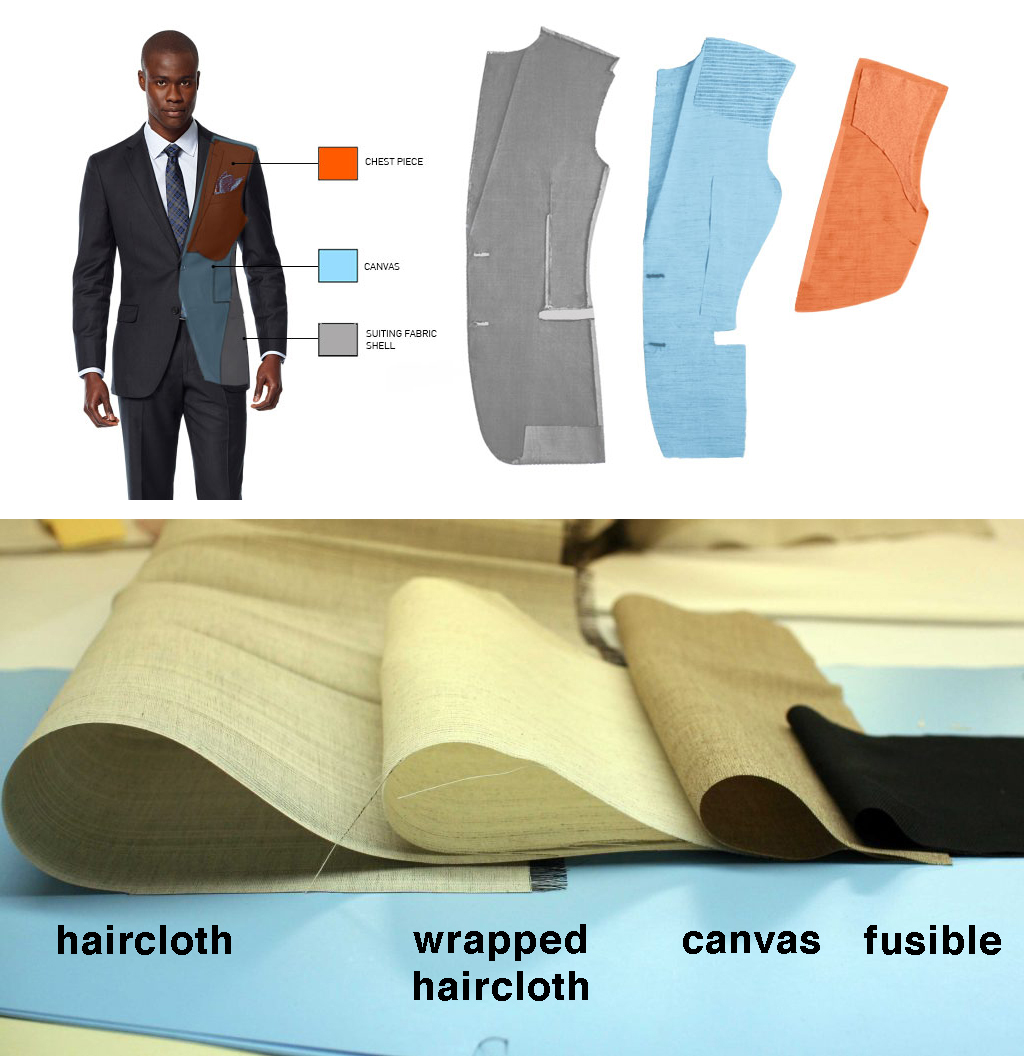
As I've mentioned many times before, this is why tailoring is special. Suits and sport coats are made from many layers of haircloth, canvas, and padding, which are sewn together using special techniques (e.g., pad stitching, darts, wedges, etc.).

This allows a tailor to create a garment with a unique form. While you can create unique shapes in casualwear, it's harder to build up the V-shaped figure in suits and sport coats because there's no structure underneath.
This is not a perfect comparison bc I can't put Gavin in a different jacket. But see how the Levis Type 3 makes him look like a tube. A better choice would be Lee 101J since it has dropped shoulder seams, a cropped body, and a strong taper, giving the illusion of a V-shaped body


A similar, but not exact, principle is happening here. Gavin doesn't look as good as Ferry because:
1) his clothes are too small
2) he is not dressing for his body type
The result is that his silhouette is tube-like, whereas Ferry has a V-shaped figure.
1) his clothes are too small
2) he is not dressing for his body type
The result is that his silhouette is tube-like, whereas Ferry has a V-shaped figure.

This outfit would look better if
1) The shoulders were slightly extended
2) The jacket was longer
3) By lengthening the jacket, you can lower the buttoning point, allowing for a bit more waist suppression (and thus creating that V-shaped figure)
1) The shoulders were slightly extended
2) The jacket was longer
3) By lengthening the jacket, you can lower the buttoning point, allowing for a bit more waist suppression (and thus creating that V-shaped figure)

As the jacket grows, so should the pants to maintain proportions. Thus, raise the front rise and widen the leg. By raising the front rise, Gavin can fasten the jacket without his shirt peeking beneath the buttoning point. By widening the leg, he can also hide those shoes.

Gavin's trousers barely cover the opening of his shoes. Compare this to the King of Spain, who maintains a better ratio between leg opening and shoe length. When you wear very skinny trousers (in a tailored context), it will look clownish when you see your side profile.


Gavin says he got his suit from Nita Fashions (although he Nita size up). I don't know anything about Nita's business, but they appear to be a Hong Kong-based custom clothier that does trunk shows in the US. Two-piece suits made from VBC fabric start at $980.

Again, I don't know anything about their business, but they advertise themselves as bespoke. Perhaps they are. I would ask them: "How do you draft your patterns?" and "How many fittings are there?" $980 seems awfully low for quality bespoke.
The best Hong Kong tailor I know is WW Chan. Their sport coats start around $2,500; two-piece suits are about $3,000. The price reflects how much work goes into the garment, which is why I don't know how someone can make a VBC suit for $980, assuming the same amount of work.


However, I don't think Gavin needs to buy custom, as he looks like a 40 chest with a 32 waist. And this is my final point in this thread: custom does not mean better, and most people are better off shopping ready-to-wear.

The advantage of ready-to-wear is that you can put it back on the rack if you don't like it. All you need is to train your eye for what looks good. Will you have the same magnetism or talent as Ferry? Prob not, but you can dress as cool as him if you know a few things.

• • •
Missing some Tweet in this thread? You can try to
force a refresh