
Most people are unaware that the saying “drink 6-8 glasses of water a day” comes from a 1945 recommendation based on zero medical research.
In reality, proper hydration is much more complex than that.
Here’s how you actually achieve it:
(thread 🧵)
In reality, proper hydration is much more complex than that.
Here’s how you actually achieve it:
(thread 🧵)
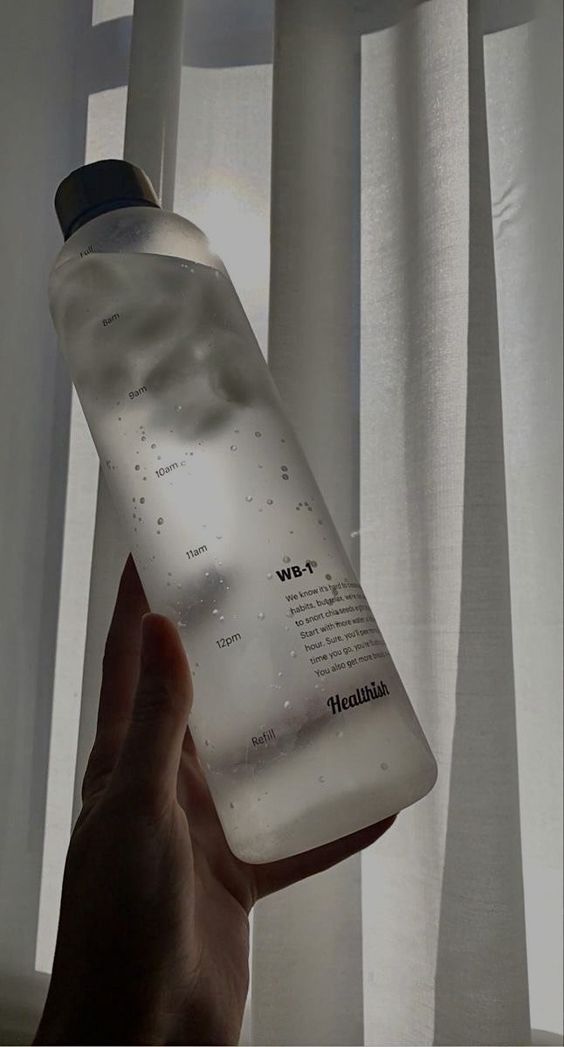

Unbeknownst to some, you will not become any more hydrated by simply guzzling plain water all day.
Instead, proper hydration relies on a precise formula of a few crucial ‘ingredients’:
Instead, proper hydration relies on a precise formula of a few crucial ‘ingredients’:
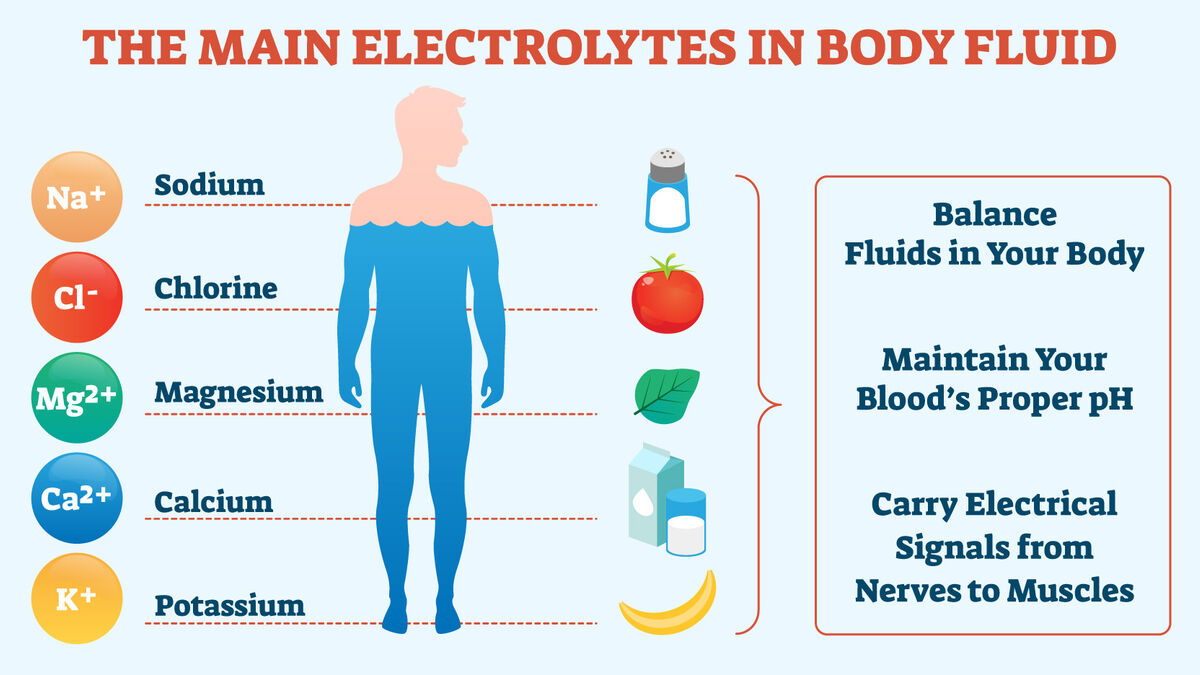
1.) Electrolytes
Electrolytes are minerals that when dissolved in water, turn into ions that conduct electricity in the body.
These ions are crucial for maintaining fluid balance, transmitting nerve signals, and contracting muscles.
Electrolytes are minerals that when dissolved in water, turn into ions that conduct electricity in the body.
These ions are crucial for maintaining fluid balance, transmitting nerve signals, and contracting muscles.
The key electrolytes are:
-Sodium
-Potassium
-Magnesium
-Calcium
-Chloride
Sodium is responsible for maintaining all of the others, making it the king of electrolytes.
However, each individual mineral has its own important function, all of which are needed for hydration.
-Sodium
-Potassium
-Magnesium
-Calcium
-Chloride
Sodium is responsible for maintaining all of the others, making it the king of electrolytes.
However, each individual mineral has its own important function, all of which are needed for hydration.
Have you ever been incredibly thirsty but no matter how much you drink, you just can’t seem to quench it?
Well, this is because you’re lacking electrolytes and instead, diluting your system with plain water.
Well, this is because you’re lacking electrolytes and instead, diluting your system with plain water.
Our thirst and salt cravings have evolved alongside each other into a highly adaptive mechanism that regulates the balance of electrolytes and water in our bodies.
If you just slam plain water (“cuZ GotTa GeT tHat GaLLoN a DaY BroH”) you will dilute the sodium in your system.
If you just slam plain water (“cuZ GotTa GeT tHat GaLLoN a DaY BroH”) you will dilute the sodium in your system.
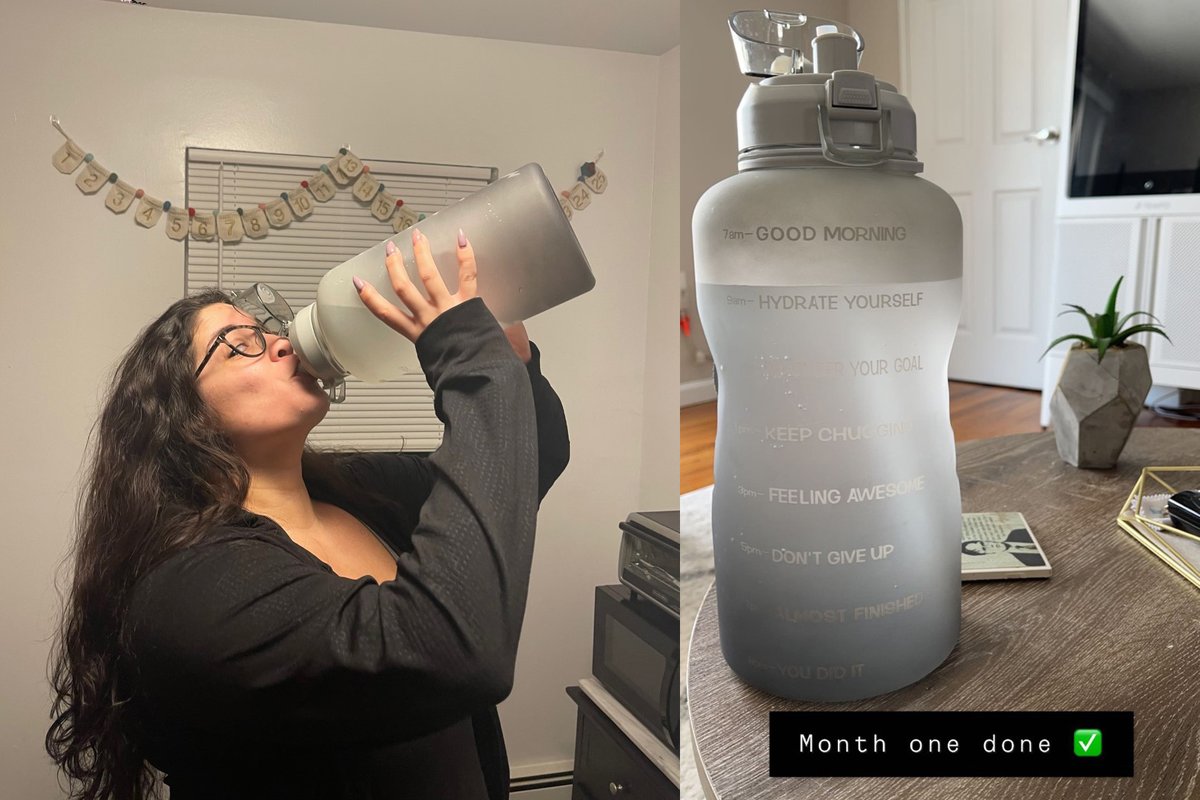
When our body notices sodium content getting too diluted, it produces a spike of aldosterone.
Aldosterone helps control the balance of water and salts in the kidney by holding onto sodium and excreting potassium and magnesium.
Aldosterone helps control the balance of water and salts in the kidney by holding onto sodium and excreting potassium and magnesium.
It might seem counterintuitive, but drinking all that plain water will actually DEHYDRATE you.
Adding electrolytes to your water is a step in the right direction, but we’re still missing an important ingredient...
Adding electrolytes to your water is a step in the right direction, but we’re still missing an important ingredient...
2.) Glucose
Glucose is the primary energy source for a plethora of cellular functions.
It is also crucial for electrolyte transportation.
When consumed together, glucose and sodium are co-transported through the gut into cells via sodium-glucose cotransporters (SGLTs).
Glucose is the primary energy source for a plethora of cellular functions.
It is also crucial for electrolyte transportation.
When consumed together, glucose and sodium are co-transported through the gut into cells via sodium-glucose cotransporters (SGLTs).
This co-transportation allows both substances to be absorbed and distributed into the bloodstream.
Glucose then supplies you with energy while sodium draws water into your blood (i.e., hydrating you).
Glucose then supplies you with energy while sodium draws water into your blood (i.e., hydrating you).
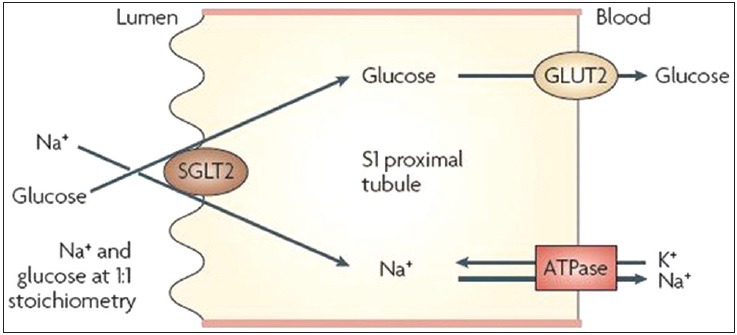
SGLTs in the kidneys then reabsorb glucose and sodium so that you can retain them when you pee, thus maintaining electrolyte balance and proper hydration.
Because SGLTs rely on both sodium and glucose to function, if you take one out of the equation, the sodium/electrolytes you’ve consumed cannot be transported or retained as effectively.
Electrolytes are vital, but without glucose, you won’t fully reap their hydrating properties.
Electrolytes are vital, but without glucose, you won’t fully reap their hydrating properties.
Lastly, we have:
3.) Sunlight
This one might seem a little funny at first but hear me out.
When water touches hydrophilic surfaces (think rain jacket) its molecules are rearranged to form a more ‘structured’ or ‘gel-like’ compound compared to regular, ‘bulk water’.
3.) Sunlight
This one might seem a little funny at first but hear me out.
When water touches hydrophilic surfaces (think rain jacket) its molecules are rearranged to form a more ‘structured’ or ‘gel-like’ compound compared to regular, ‘bulk water’.

This is a concept known as ‘structured’ or ‘exclusion zone’ water.
In this form, the water molecules are aligned in a way that makes cell function and interaction more efficient.
This allows for better absorption and retention of water and electrolytes.
In this form, the water molecules are aligned in a way that makes cell function and interaction more efficient.
This allows for better absorption and retention of water and electrolytes.
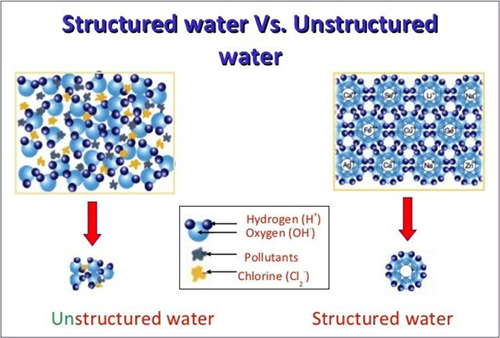
Dr. Gerald H. Pollack, the world-leading authority on water research, is the godfather of this discovery.
His research indicates that sunlight on our body can create this structure in the water in our cells.
His research indicates that sunlight on our body can create this structure in the water in our cells.
So whenever possible, take your electrolyte + glucose-filled beverage/snack outside and enjoy some hydrating rays alongside it.
Putting it All Together:
For the reasons above, it’s not surprising that glucose and electrolyte-rich drinks like milk and orange juice are actually more hydrating than plain water.
For the reasons above, it’s not surprising that glucose and electrolyte-rich drinks like milk and orange juice are actually more hydrating than plain water.
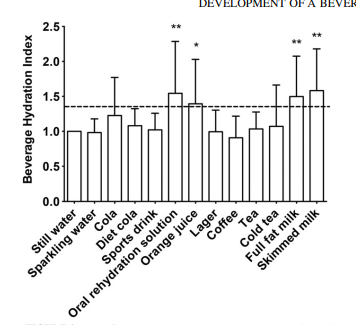
Traditional sports drinks and “oral hydration solutions” like Gatorade/Powerade/liquid IV perform well in this test too due to their inherent electrolyte and glucose content.
However, not all hydration is created alike.
However, not all hydration is created alike.
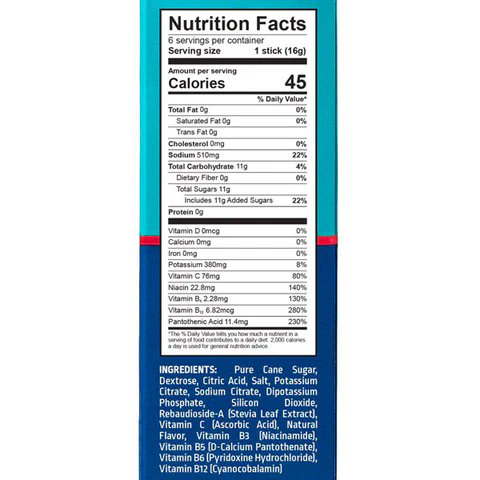
These drinks rely on sh*tty ingredients like cane sugar, dextrose, citric acid, and a bunch of other artificial garbage.
They might hydrate you better than plain water, but there are much better options.
They might hydrate you better than plain water, but there are much better options.
Hydration, like anything diet-related, is always best served in the form of real, whole foods that come directly from Mother Nature.
Here are a few of my favorites:
-Mineral spring water (water + electrolytes)
-Raw honey (glucose + electrolytes)
-Mineral salts (electrolytes)
-Lime/lemon (electrolytes)
-Freshly pressed fruit juices (water + glucose + electrolytes)
-Raw milk (water + glucose + electrolytes)
-Coconut water (water + glucose + electrolytes)
-Fruits seasoned in mineral salts (water + glucose + electrolytes)
-Bone broth (water + electrolytes)
-Dates (glucose + electrolytes)
-Dried Mangos (glucose + electrolytes)
-Watermelon (water + glucose + electrolytes)
-Mineral spring water (water + electrolytes)
-Raw honey (glucose + electrolytes)
-Mineral salts (electrolytes)
-Lime/lemon (electrolytes)
-Freshly pressed fruit juices (water + glucose + electrolytes)
-Raw milk (water + glucose + electrolytes)
-Coconut water (water + glucose + electrolytes)
-Fruits seasoned in mineral salts (water + glucose + electrolytes)
-Bone broth (water + electrolytes)
-Dates (glucose + electrolytes)
-Dried Mangos (glucose + electrolytes)
-Watermelon (water + glucose + electrolytes)
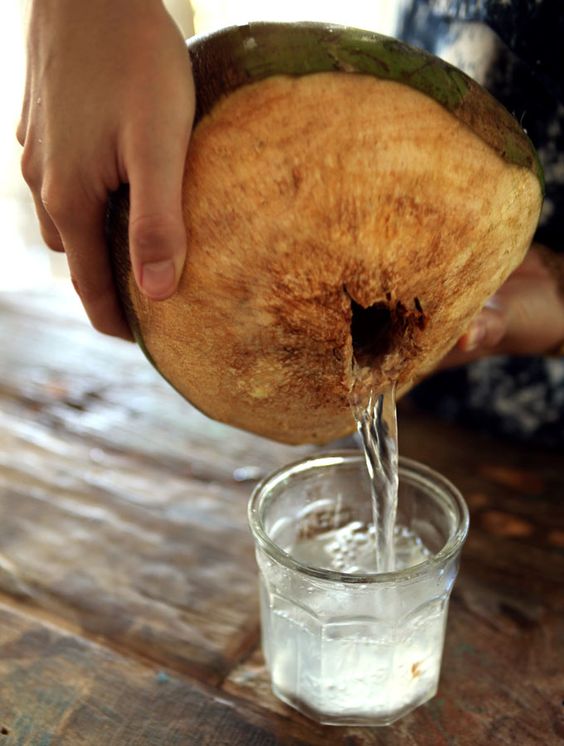
All best enjoyed outside in the sun, of course.
Due to the lack of natural products that combine these hydrating elements in a convenient, to-go format, I set out to build my own.
Vital Nectar is the first 100% natural, hydrating, energy supplement for people tired of synthetic electrolyte mixes and preworkouts.
Vital Nectar is the first 100% natural, hydrating, energy supplement for people tired of synthetic electrolyte mixes and preworkouts.
It contains a God-like hydrating energy mix of raw honey, ancient buried mineral salts, natural caffeine from guarana, and a pinch of true Ceylon cinnamon to increase bioavailability.
All bundled into the form of grab-&-go, single-serving packets.
All bundled into the form of grab-&-go, single-serving packets.
Potentially, the most elite elixir of ingredients you can possibly consume to prep for a lift, run, hike, or just the beginning of your day.
Our initial run will have limited availability. Check out the link below to make sure you don’t miss out.
realpungao.com
Our initial run will have limited availability. Check out the link below to make sure you don’t miss out.
realpungao.com
• • •
Missing some Tweet in this thread? You can try to
force a refresh






