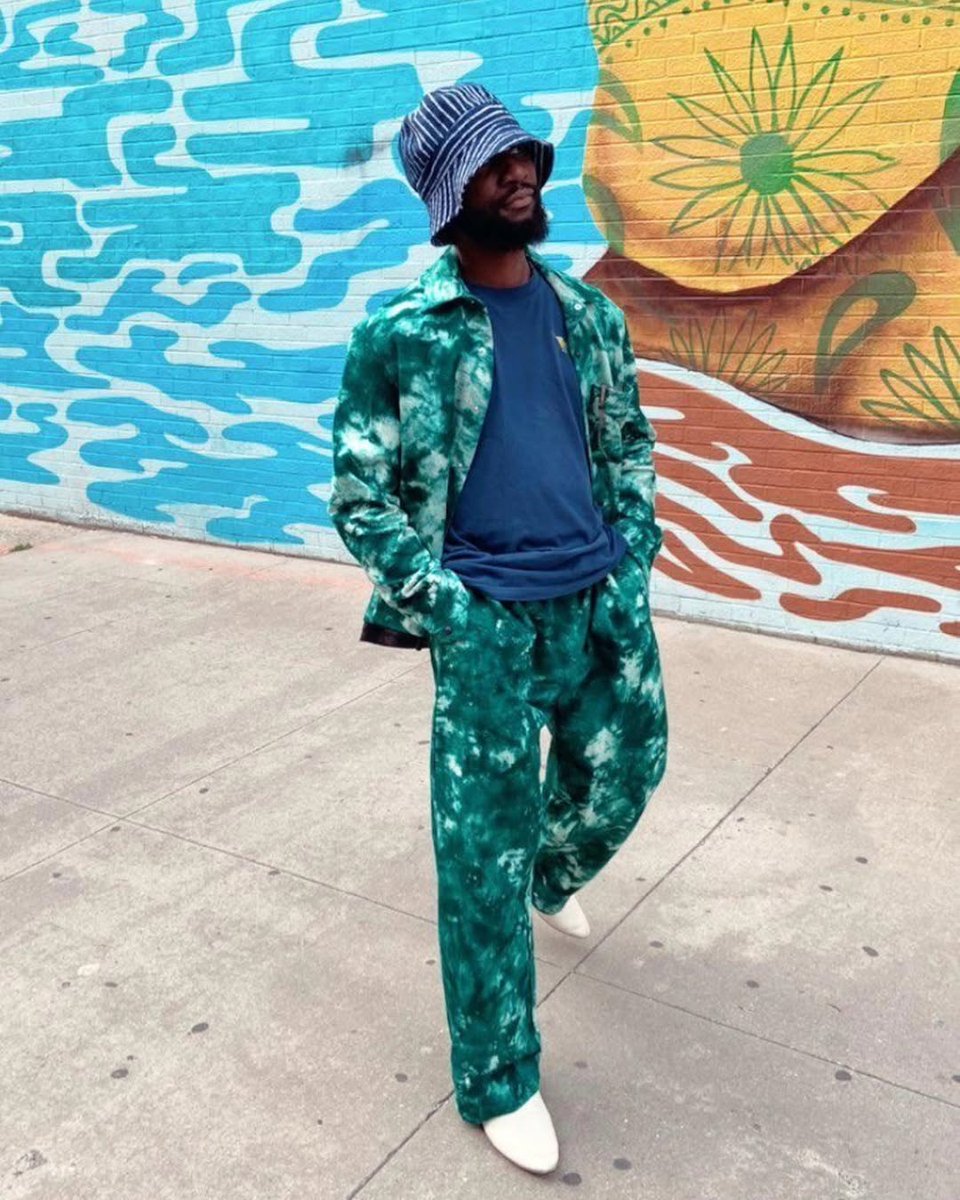
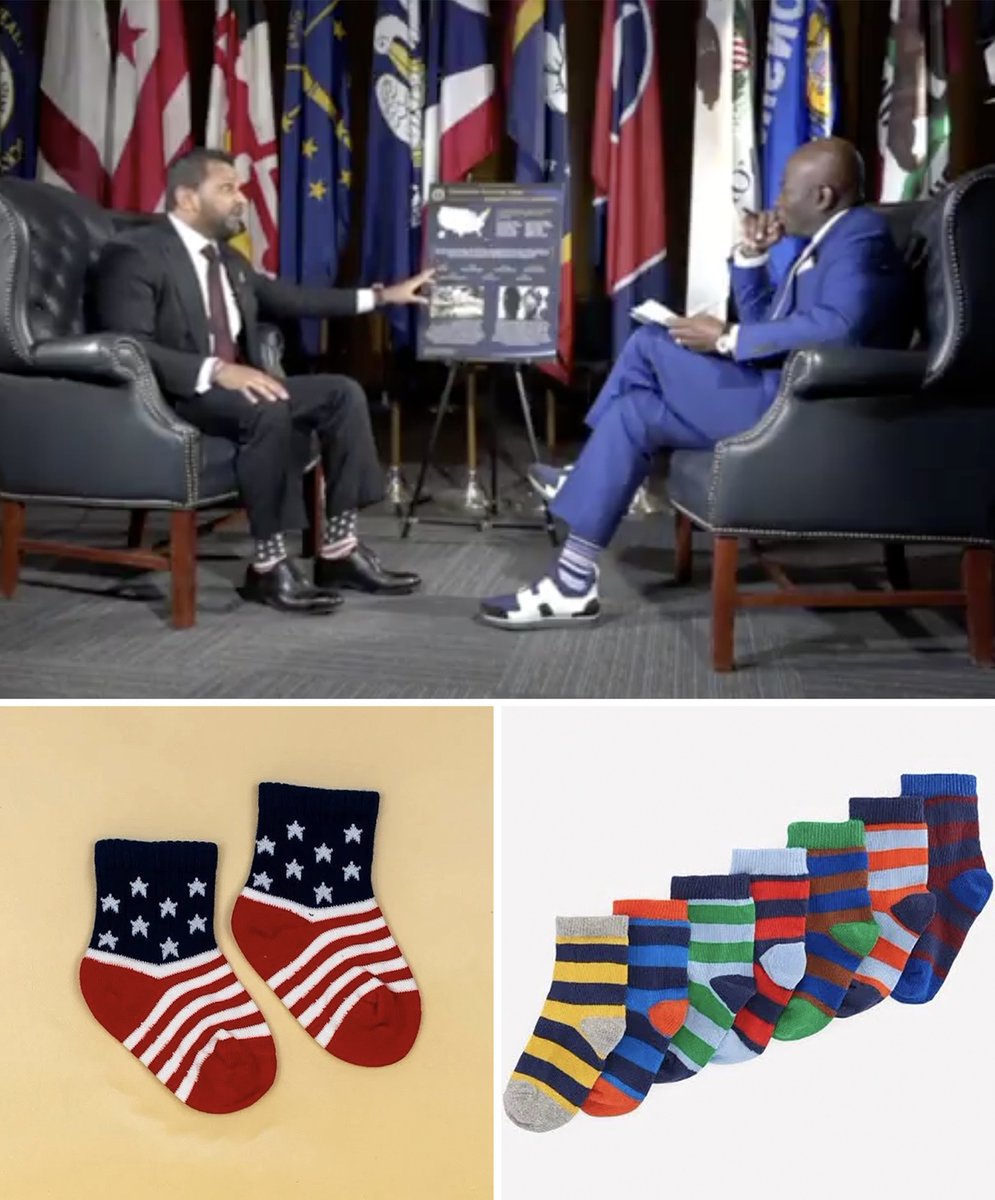
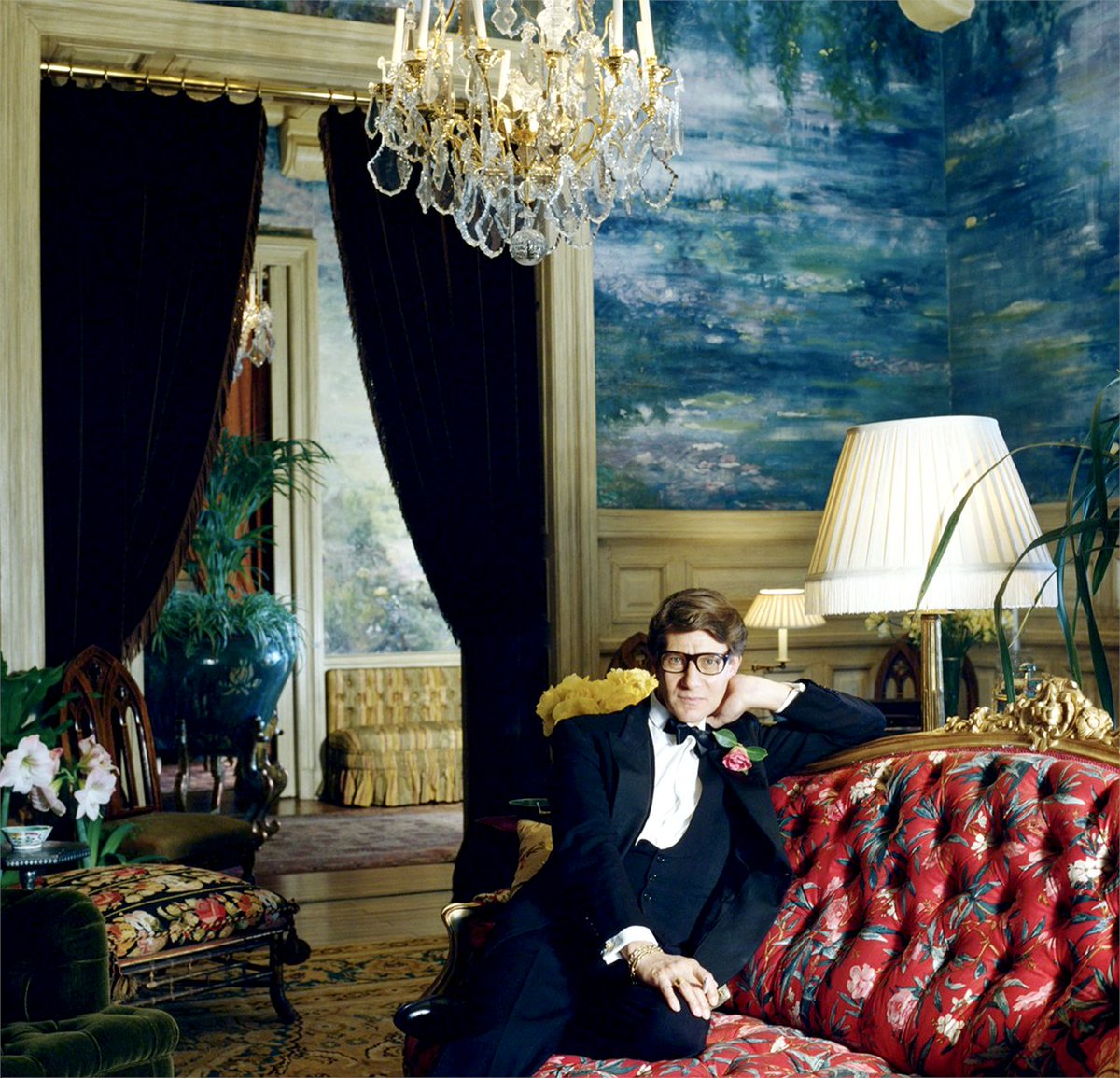
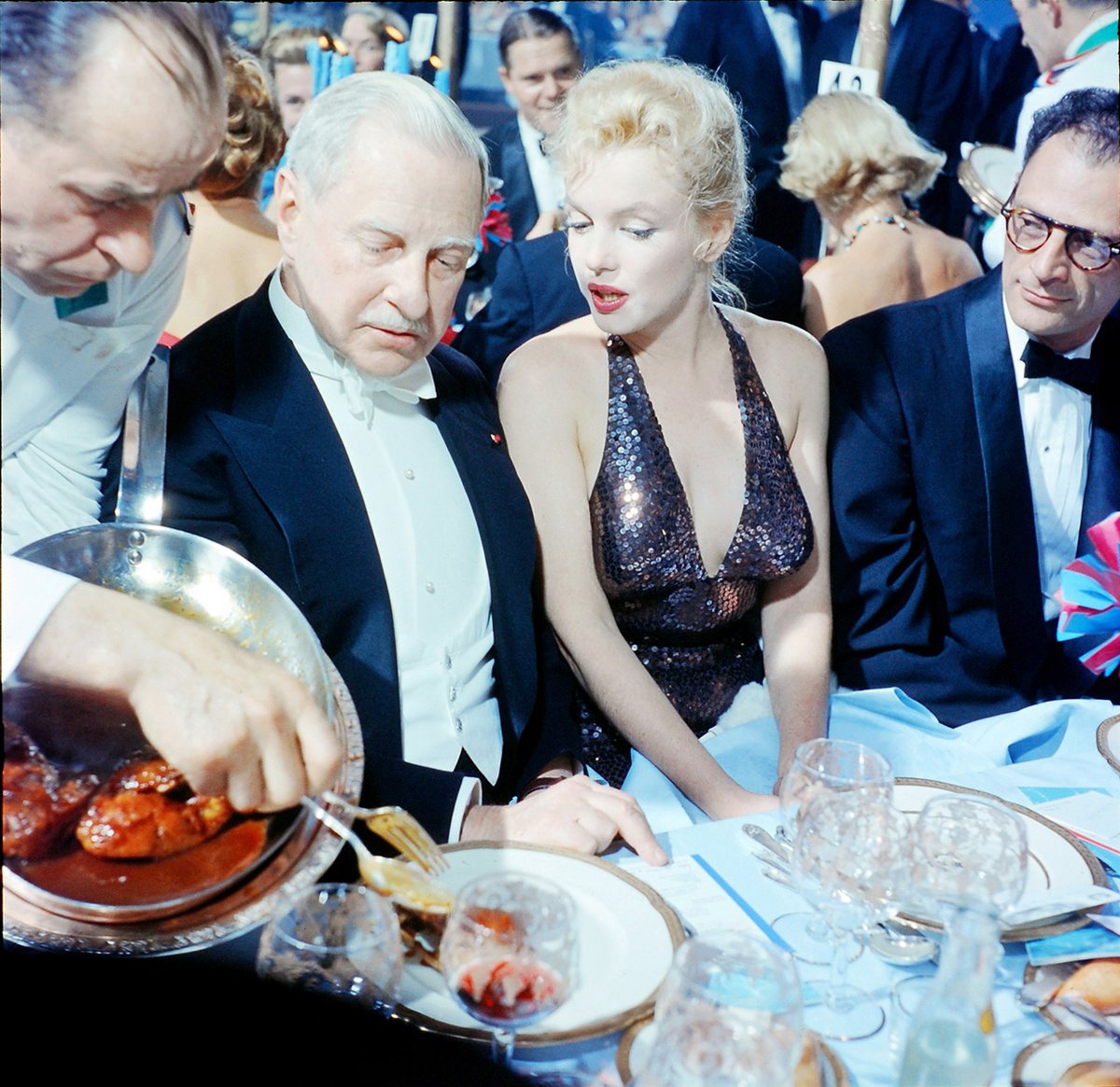
OK, let's do a thread on chic resort wear for a wedding in Mexico. Will make this advice somewhat more generalizable so other people may find it useful. 🧵
https://twitter.com/gjordaodoteth/status/1810732274477879372
If a wedding invite has no dress code, you can never go wrong with a navy suit, white shirt, dark tie, and black or dark brown leather shoes. If the weather will be warm, get a suit made from topical wool, which is an open weave fabric that allows body heat to escape.


If you know the dress code is a little more casual—perhaps it's taking place on the beach or at a resort—then you can try more casual colors or fibers. Linen is a great option (cotton is often tightly woven and will be too warm in hot or humid climates).


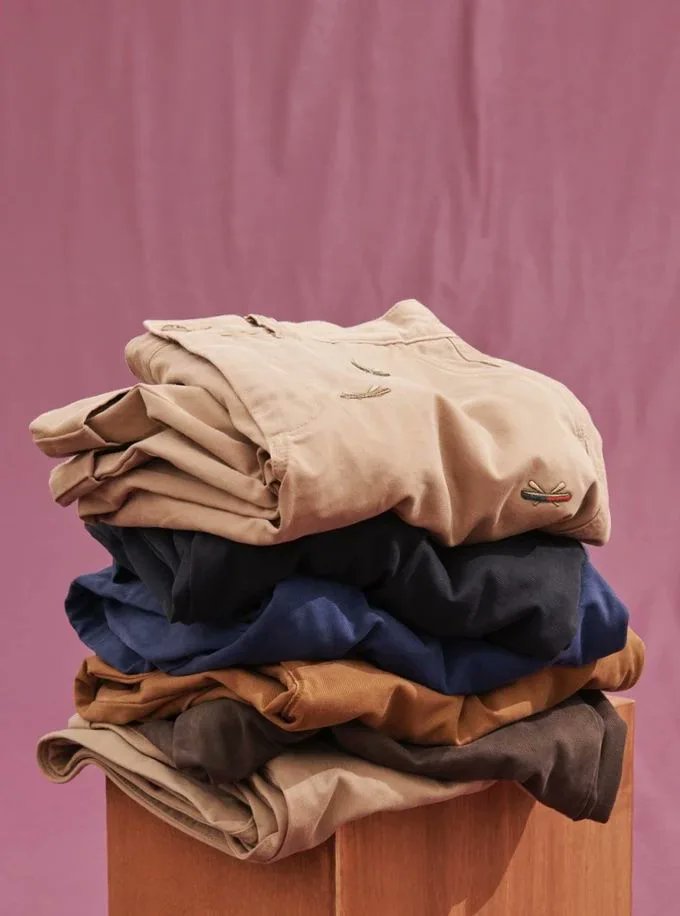
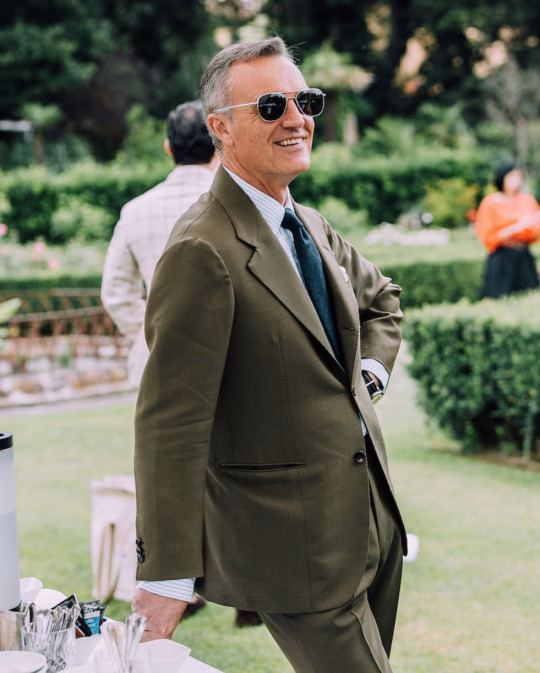
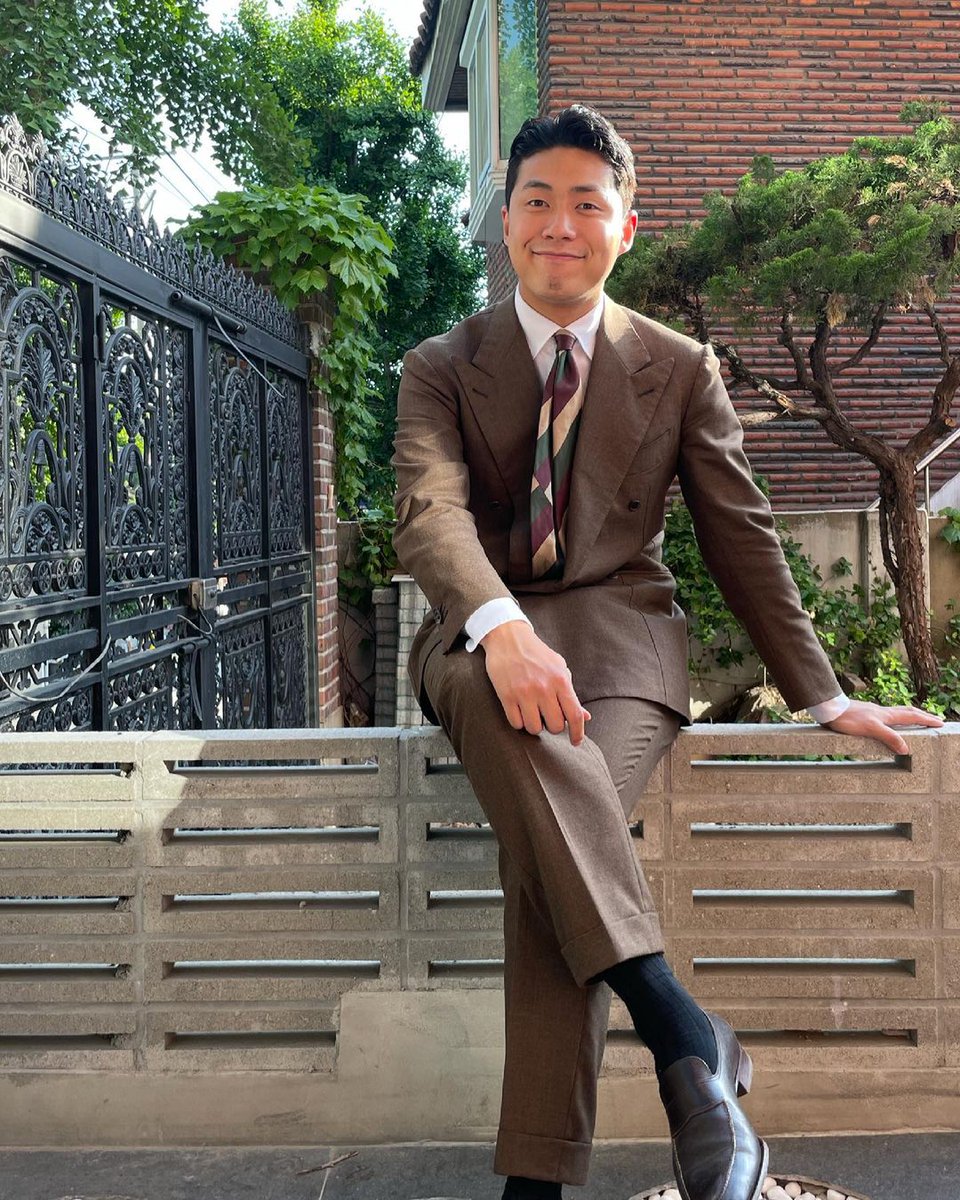
Colors are an easy way to make a suit look more festive and joyful. Remember: grey and navy are the traditional business colors, especially in wool. But you can do brown, olive, stone, or a warm shade of tan.
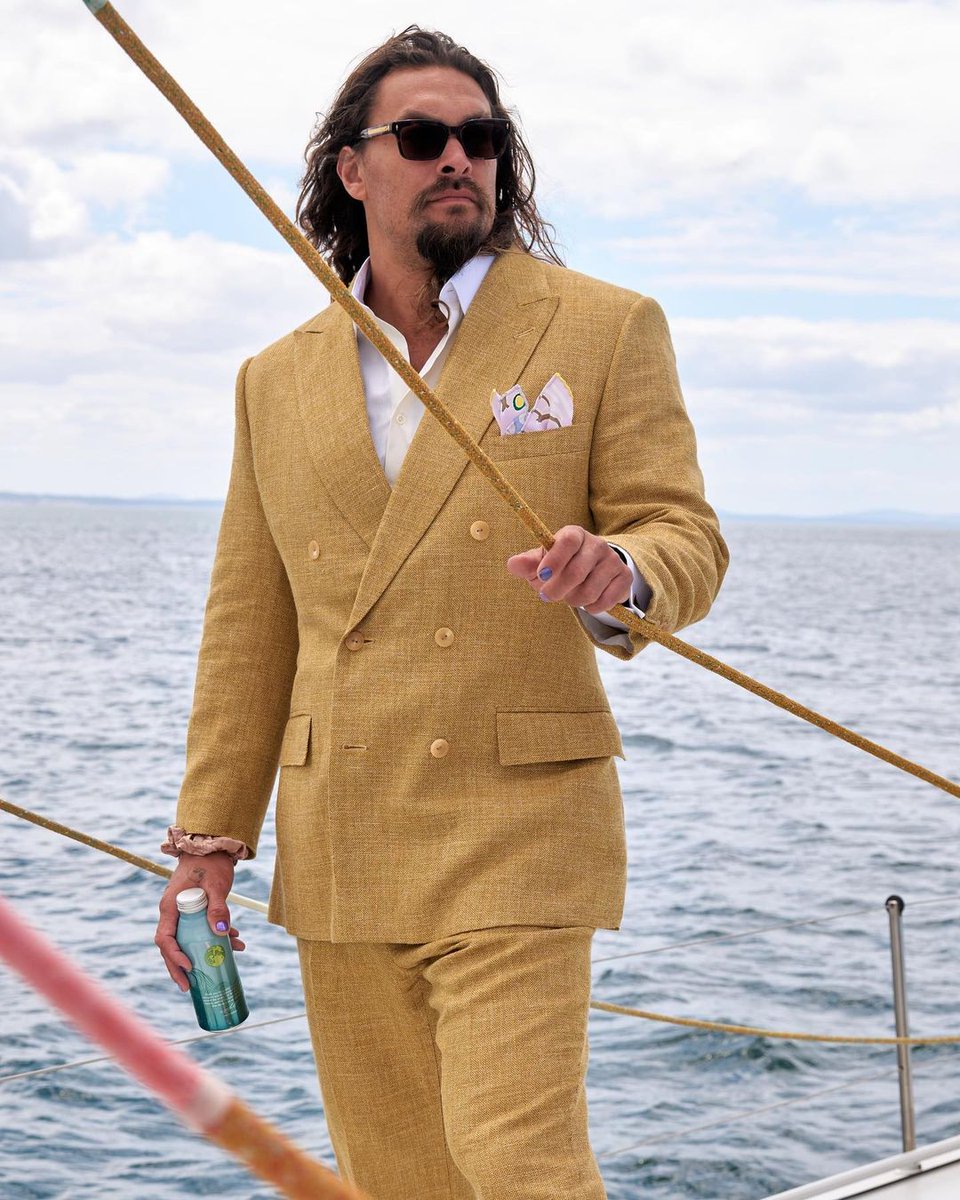
When I hear the wedding calls for a lot of pastels, I think of pink suits. But I'm also careful of recommending you plunk down serious money on a garment that you may not wear often. Personally do tan, as it will fit in but still be something you can wear later.
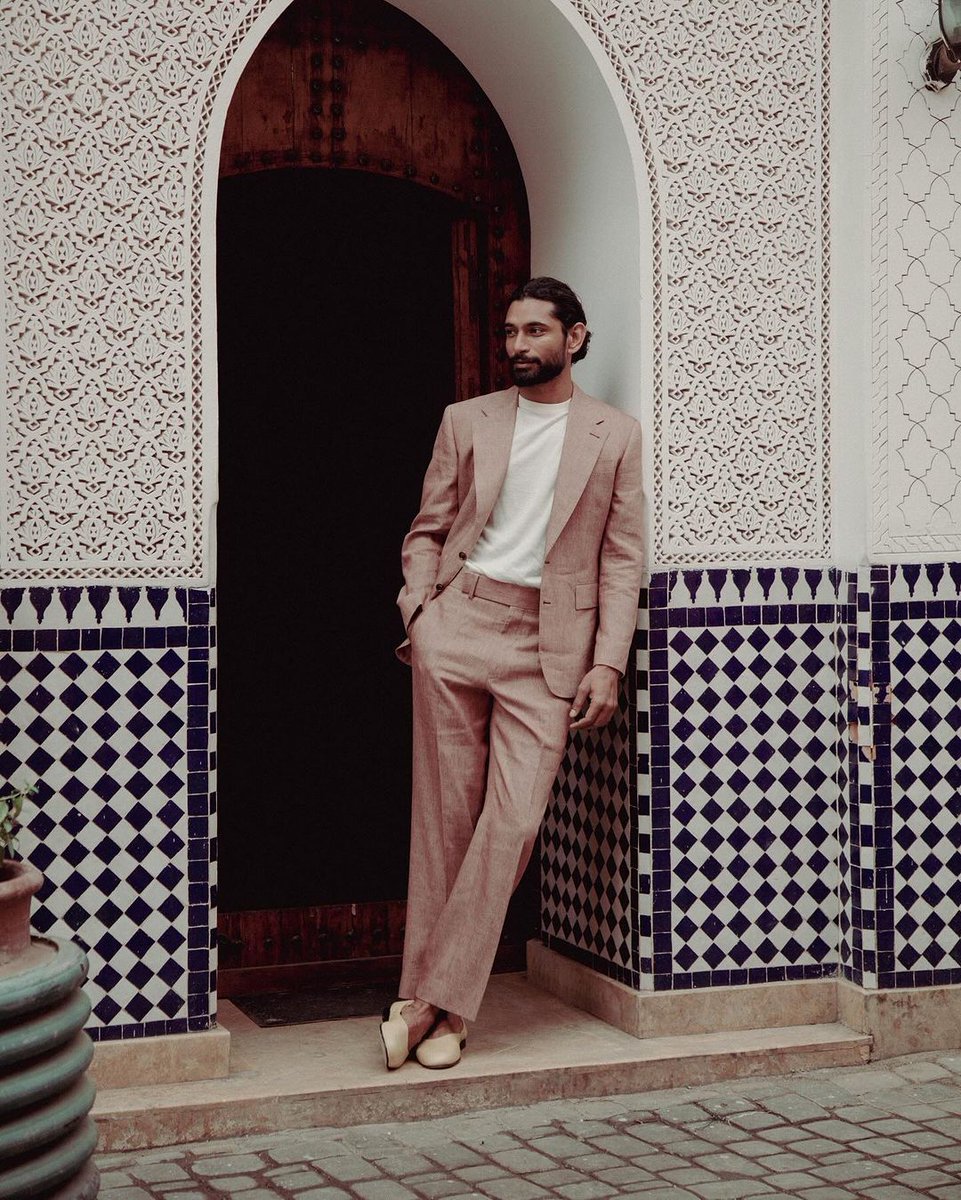

You can also try specialty fabrics, such as Solaro (woven with two diff colored threads, so it has a shimmer) or seersucker (although I would do a navy tonal seersucker, as the traditional white-and-blue coloring may feel too American Southern at a wedding in Mexico).

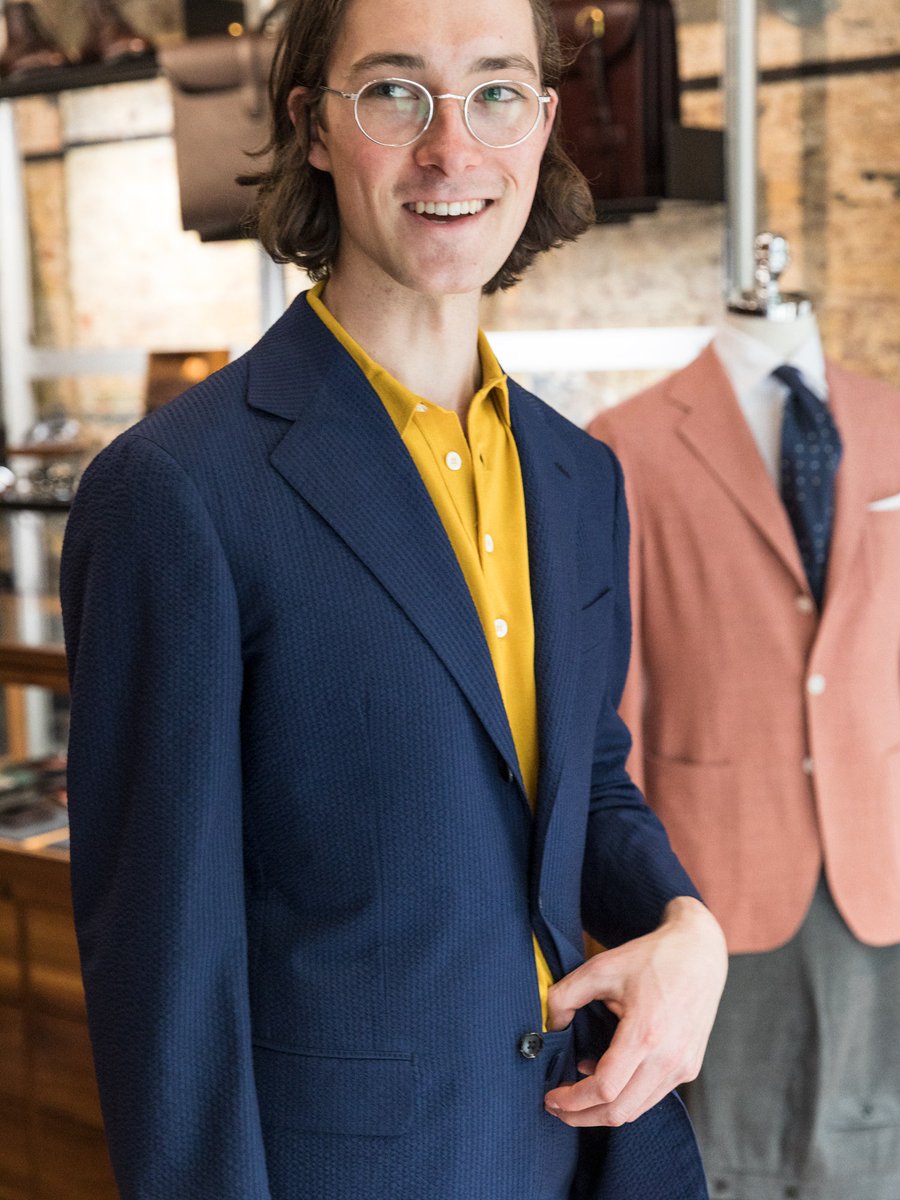
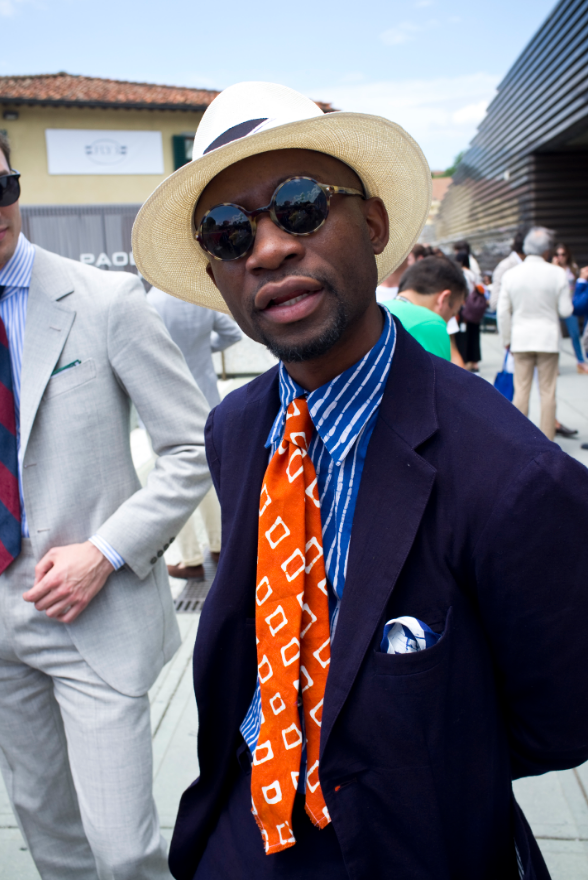
IMO, formal suits like a navy worsted cry out for a tie. But casual suits look natural with an open collar. If you don't wear a tie, consider striped shirts to add visual interest. And a collar that can stand up on its own, like a button-down or one-piece collar.
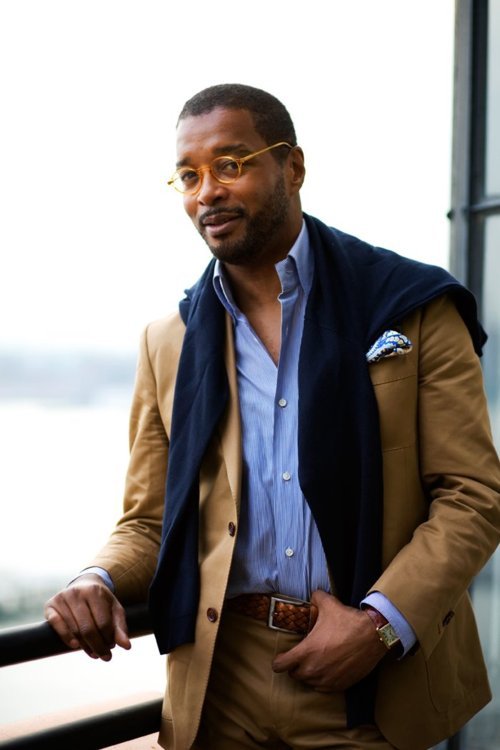

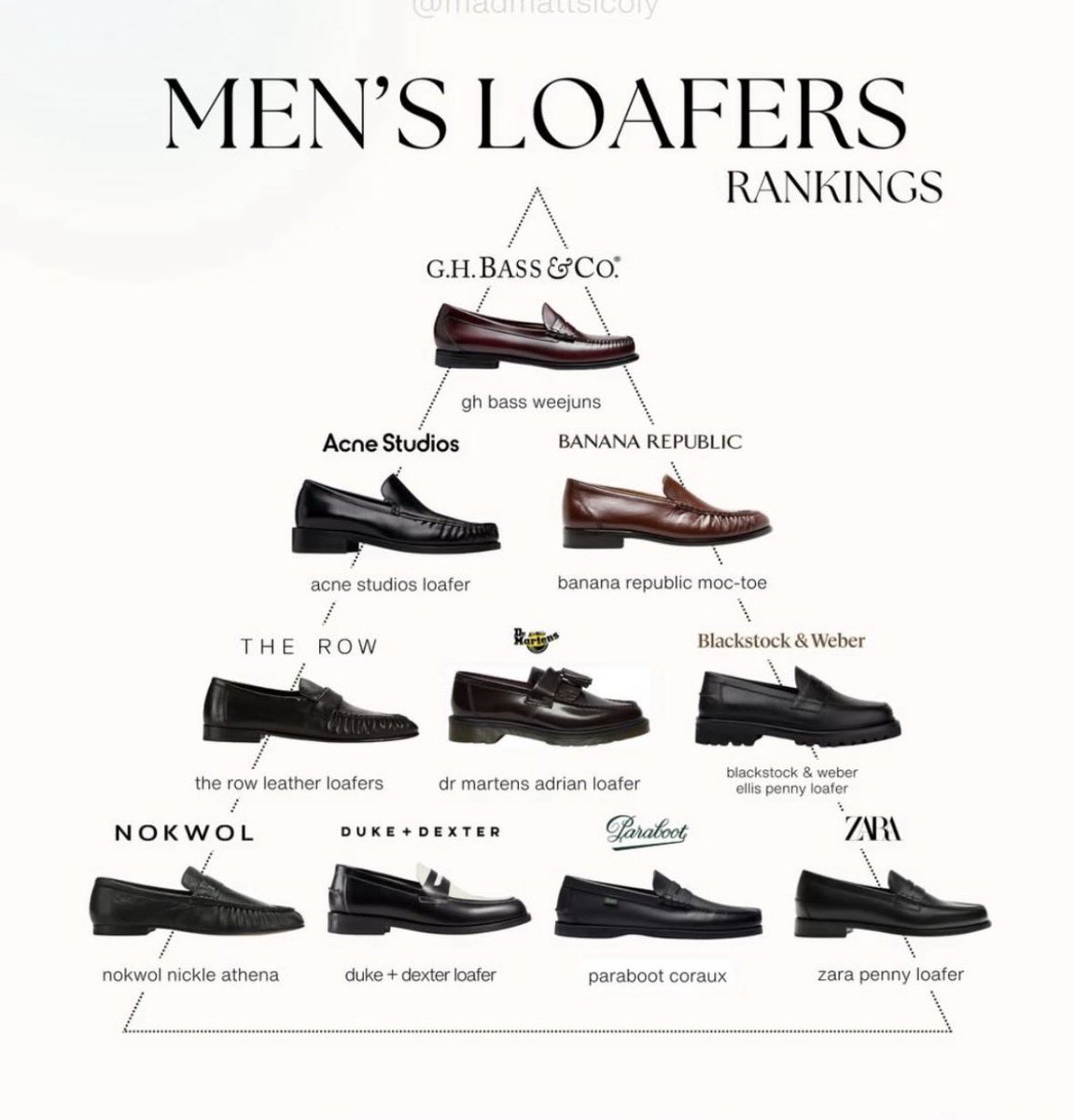
For shoes, consider black or dark brown oxfords when wearing a navy suit with a tie. For something more casual, try derbies or loafers. If your hosts don't give a dress code, the idea is to dress in a way that shows you wish to honor your friends on their special day.
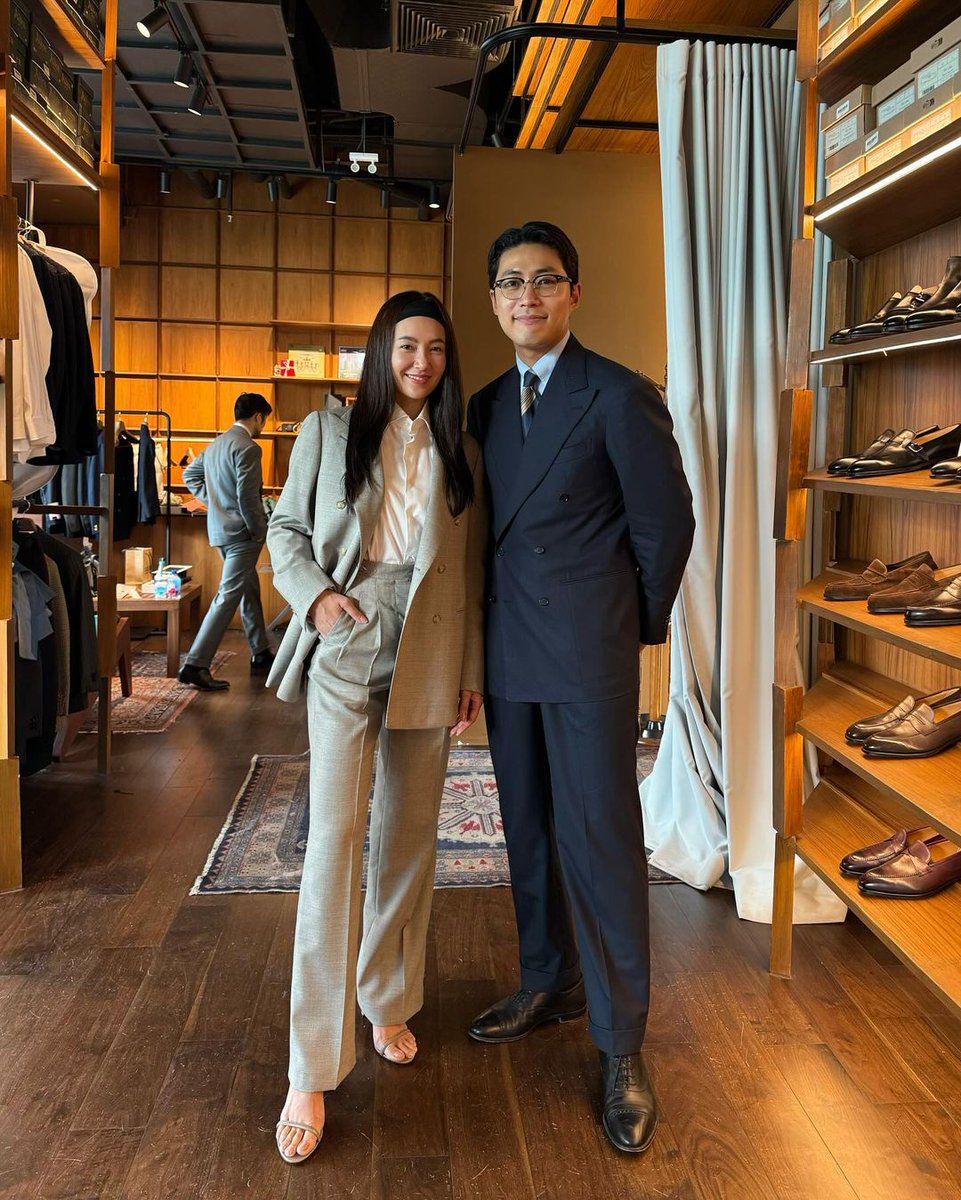
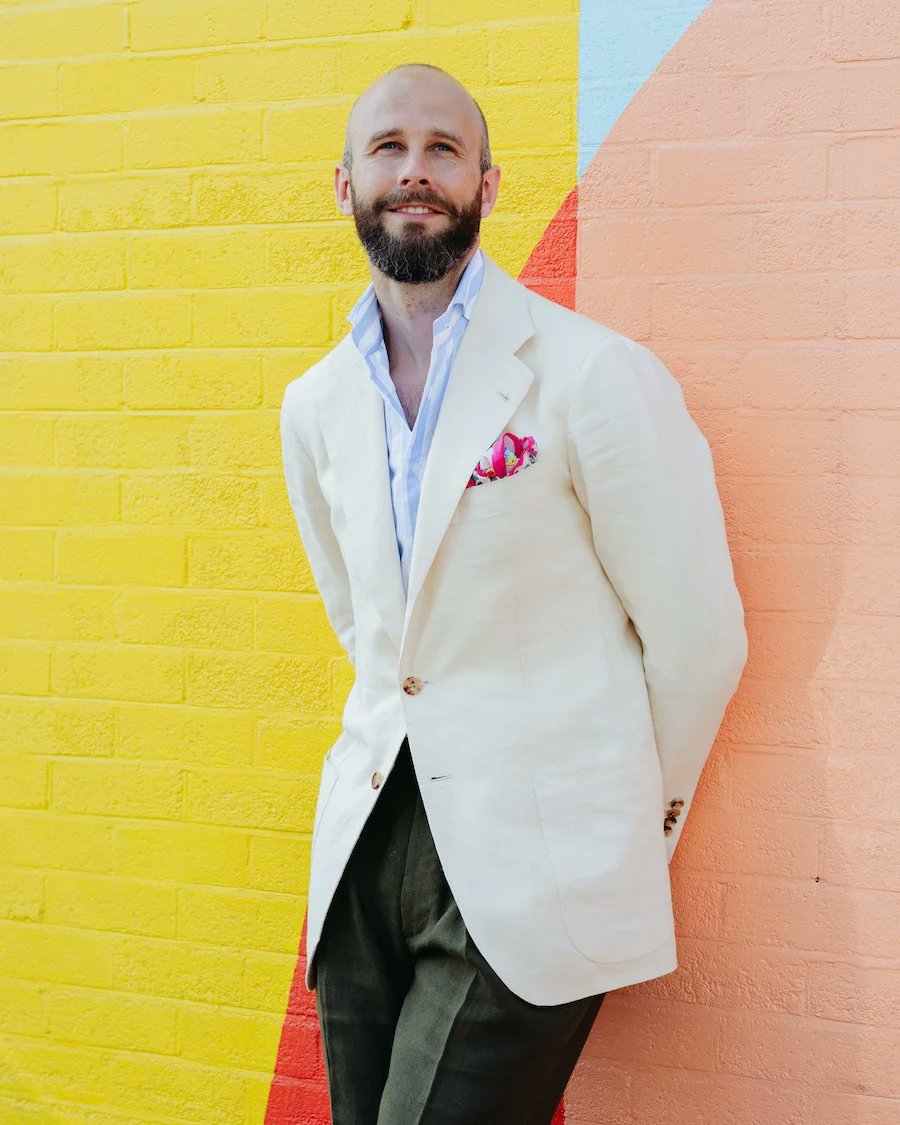
Let's say you want something for rehearsal dinner. You could try a navy sport coat. Or, for something more festive, a cream colored sport coat in linen or an open weave wool. Pair with trousers in mid-grey, olive, or brown.

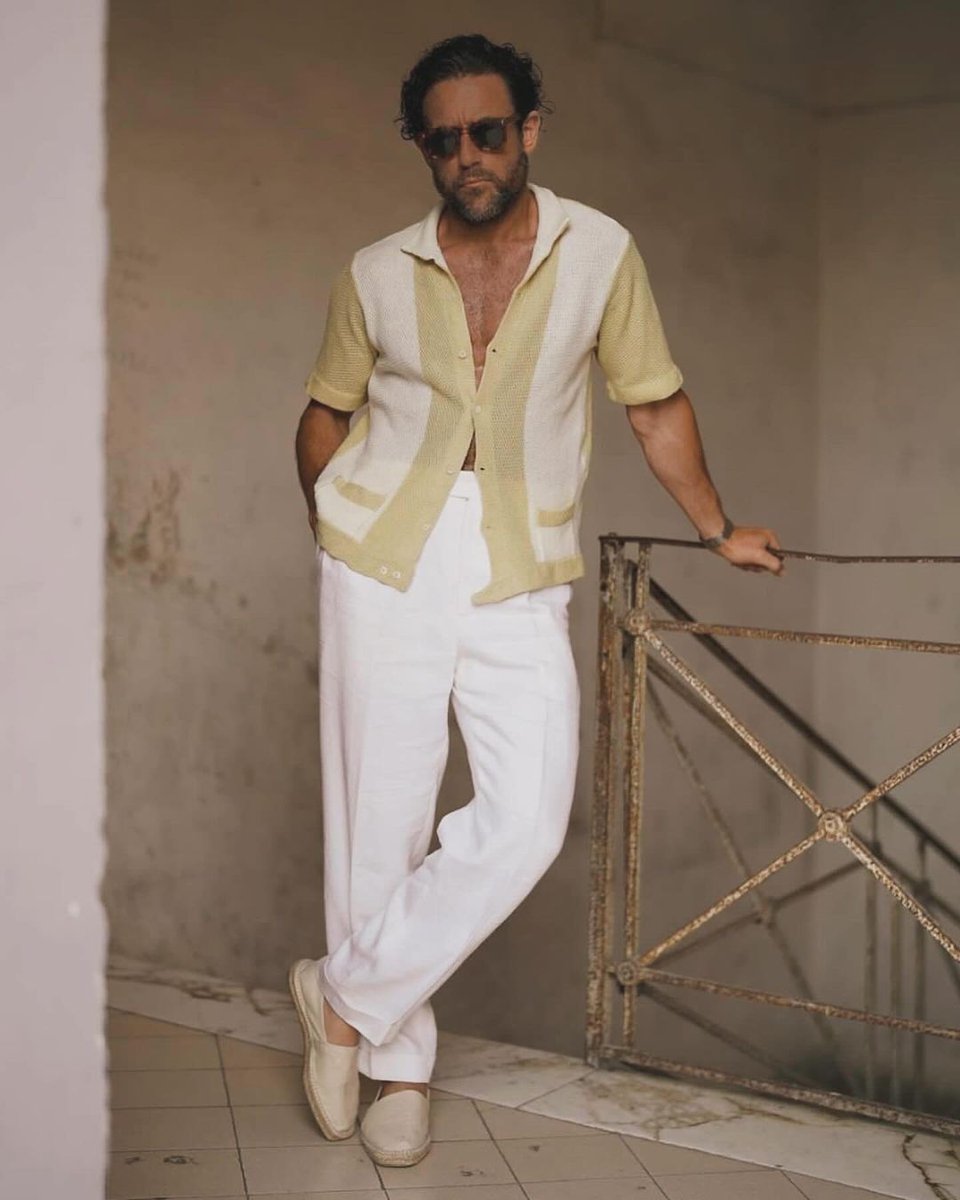
For going around the resort, try loose cut linen trousers paired with a retro-styled knit and some espadrilles. Or shorts with a camp collared shirt or guayabera. Check companies like Scott Fraser Simpson, Harago, and No Man Walks Alone for these things.

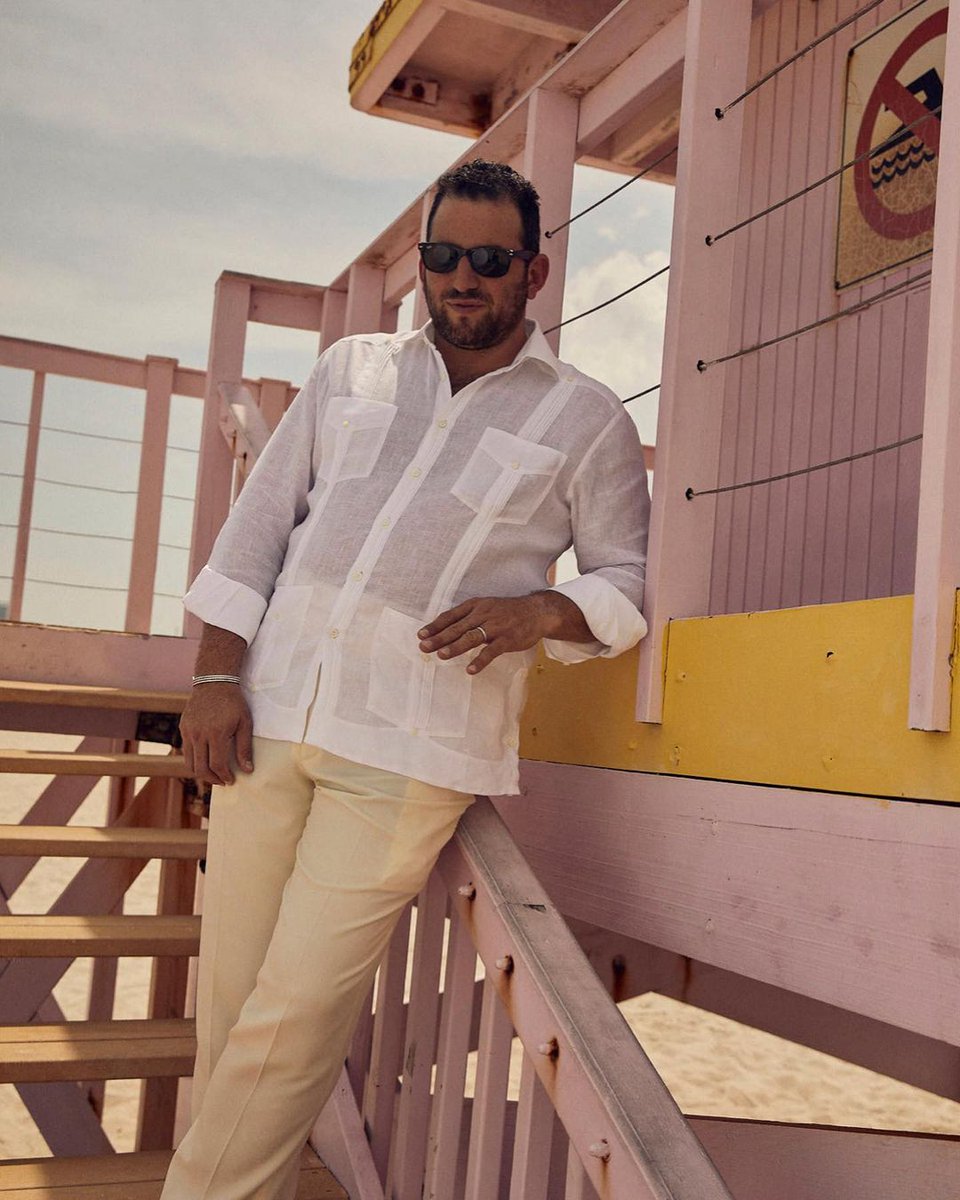
When it comes to cultural items like guayaberas, I think it's better, when possible, to buy from the communities that made these styles cool. So I would check Ramon Puig and Fayad & Co in Florida. Or pick one up when you're in Mexico.
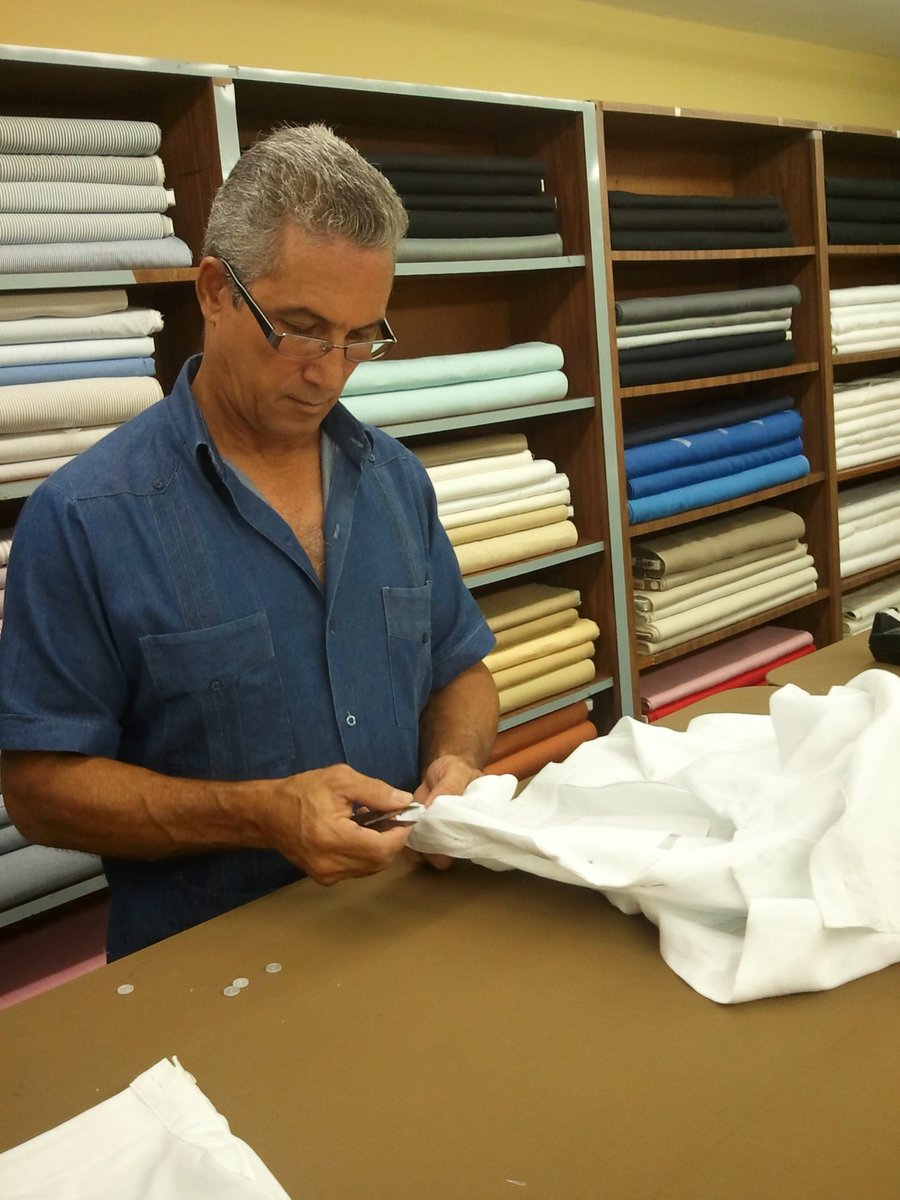
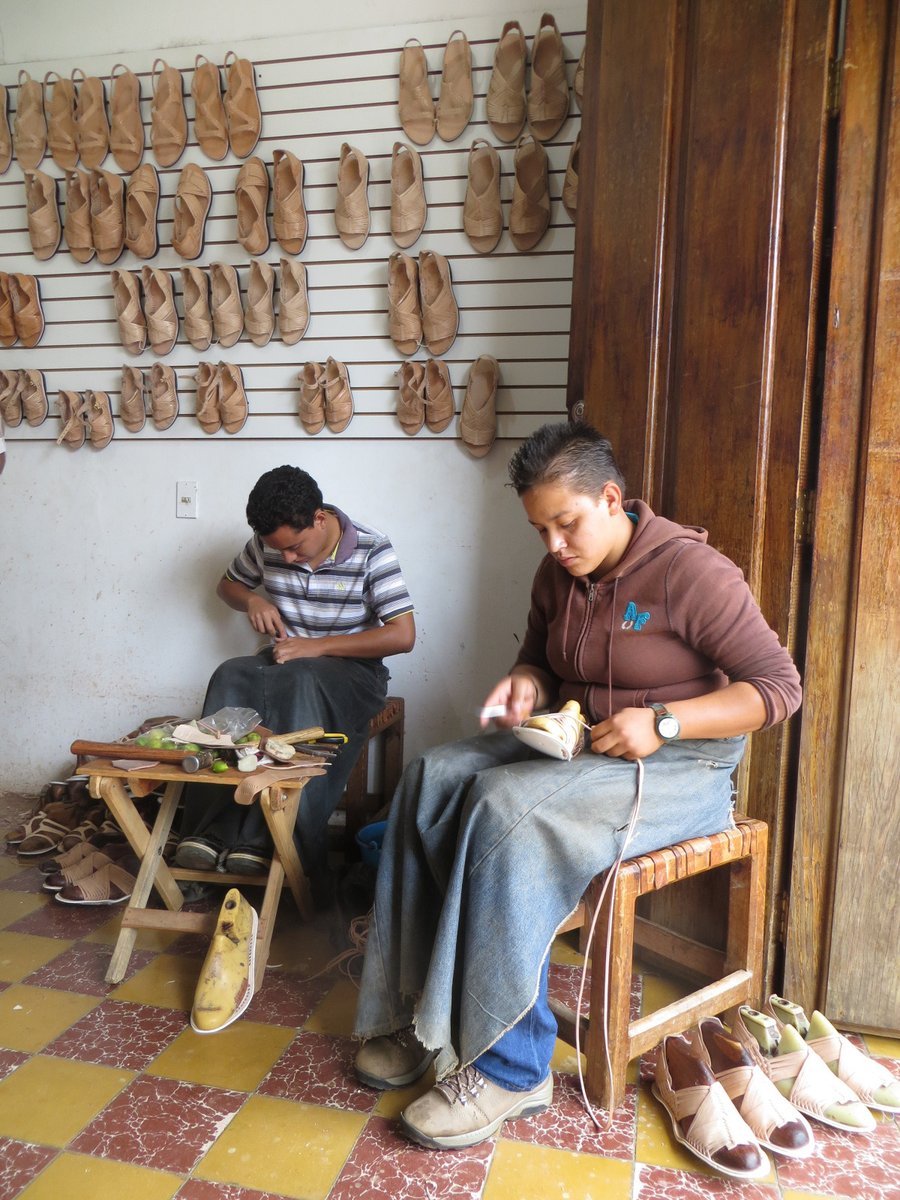
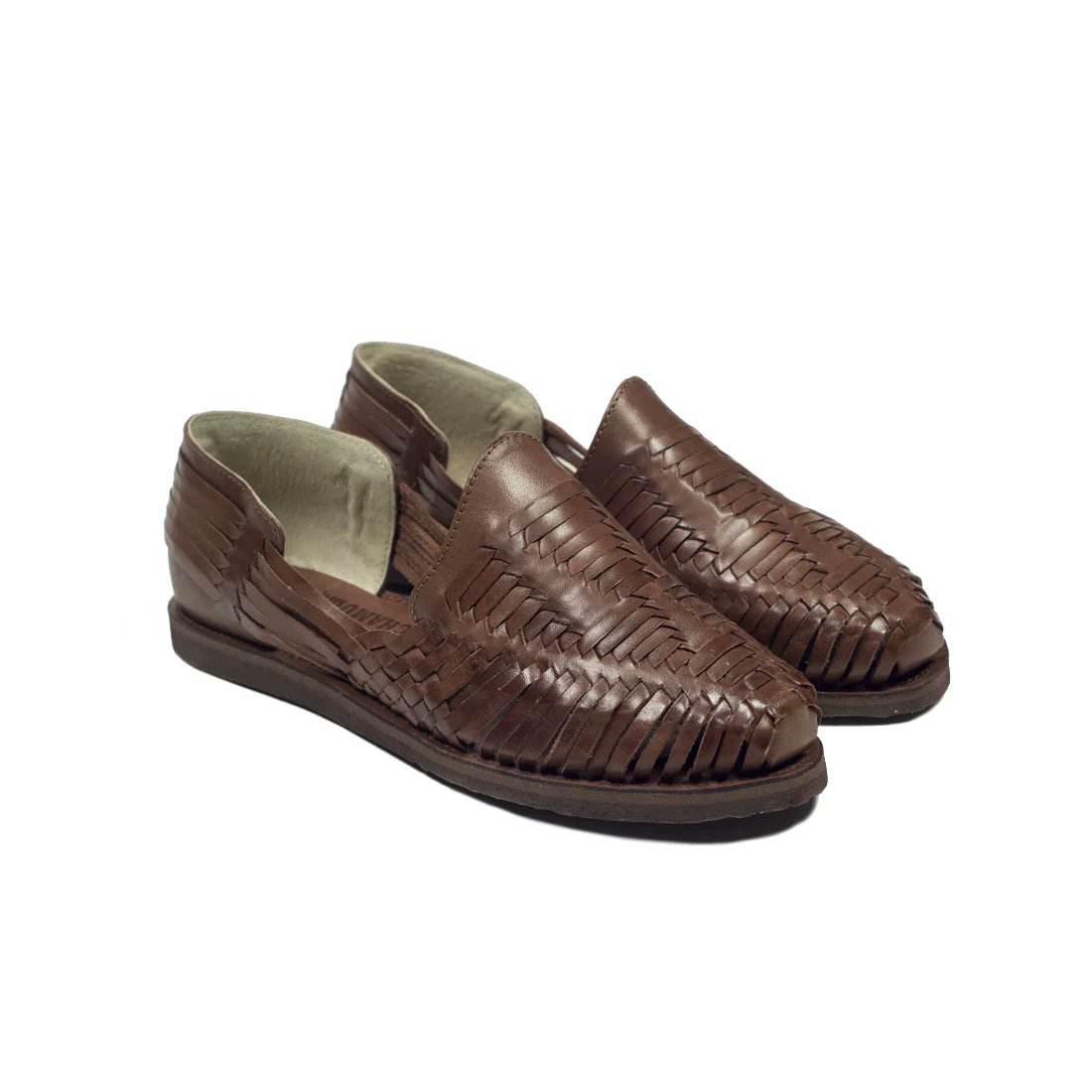
Speaking of stuff to buy in Mexico, I would also shop for a pair of huaraches. These are often handmade leather shoes that involve a lot of craft. I think they're great with summer casualwear—including some of the outfits described above. I like mid-brown closed toe designs

OK, back to this wedding. For just walking around the resort, you can try textured Johnny collar polos (sometimes called a skipper collar), which I think look better than basic tennis polos. Todd Snyder has some nice ones; J Crew is more affordable. Add thin gold chain
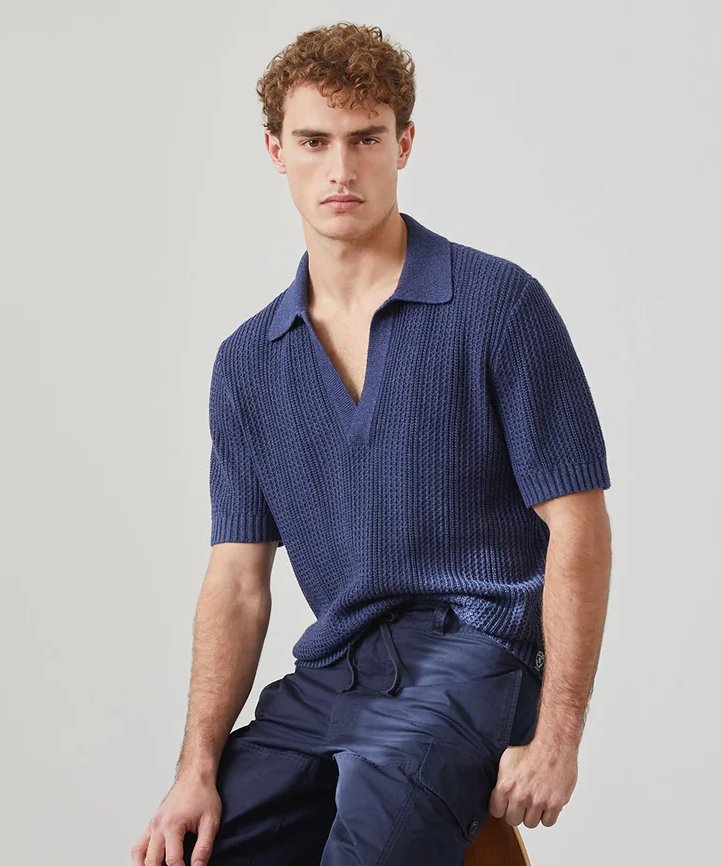
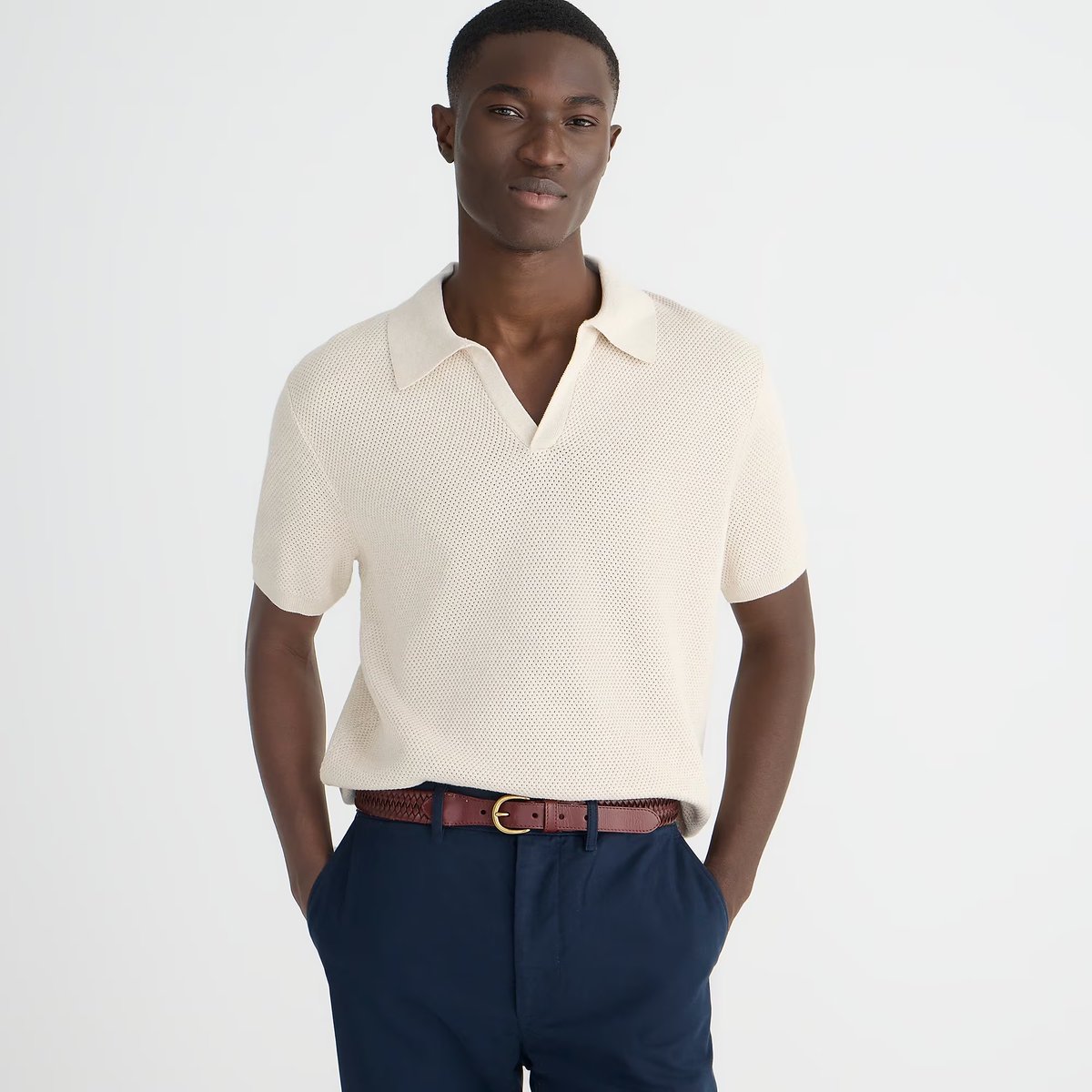
Outfits often benefit from having a finishing layer, but when the weather is very warm, sometimes this can be just an open shirt. Try textured fabrics and camp collars. Proper Cloth is an online MTM shirtmaker with endless options. Play with proportions (e.g. high rise pants)
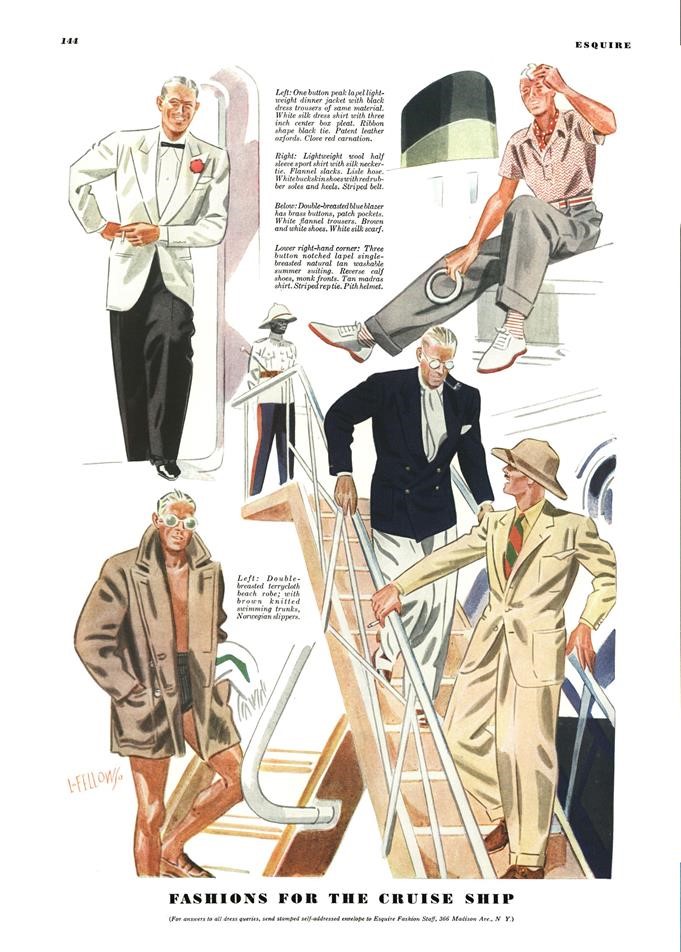
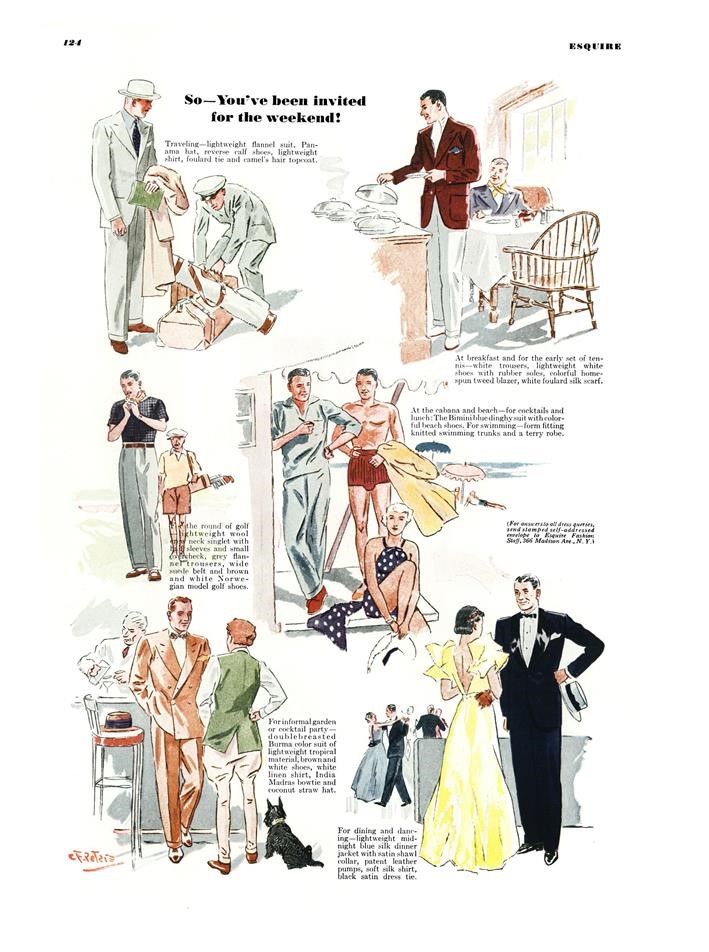
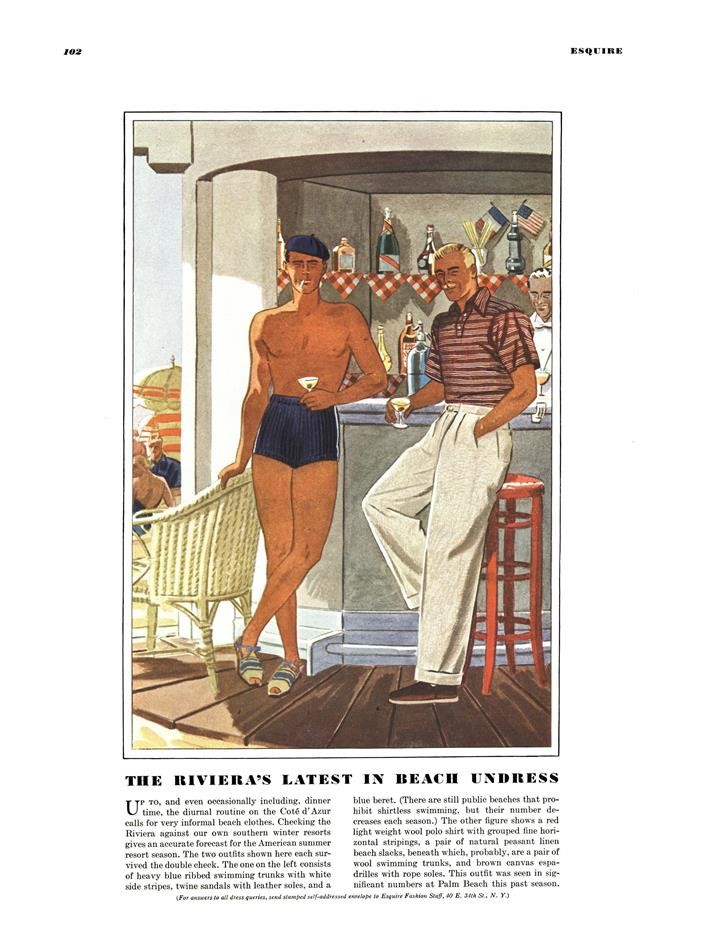
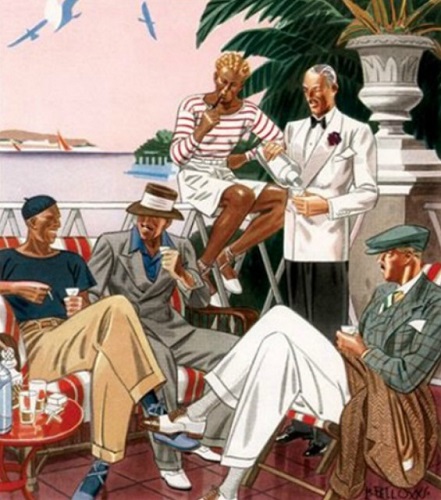
The pre-war menswear publication Apparel Arts is full of info on how to dress at resorts or while on vacation. Their advice sometimes has to be updated a little if you don't want to look too retro. But IMO, the illustrations are still very inspiring.
• • •
Missing some Tweet in this thread? You can try to
force a refresh