Before he died, millionaire Andrew Carnegie built 3,000 public libraries at his own expense—why?
Well, he believed in a concept called “noblesse oblige,” where the rich had a duty to help the poor.
But it’s a dying concept that needs reviving…🧵
Well, he believed in a concept called “noblesse oblige,” where the rich had a duty to help the poor.
But it’s a dying concept that needs reviving…🧵

Andrew Carnegie was a leading industrialist at the turn of the 20th century. His steel business made him one of the wealthiest men in American history.
But his wealth wasn’t just for his private use—he believed he had a responsibility to care for the common man, too.
But his wealth wasn’t just for his private use—he believed he had a responsibility to care for the common man, too.
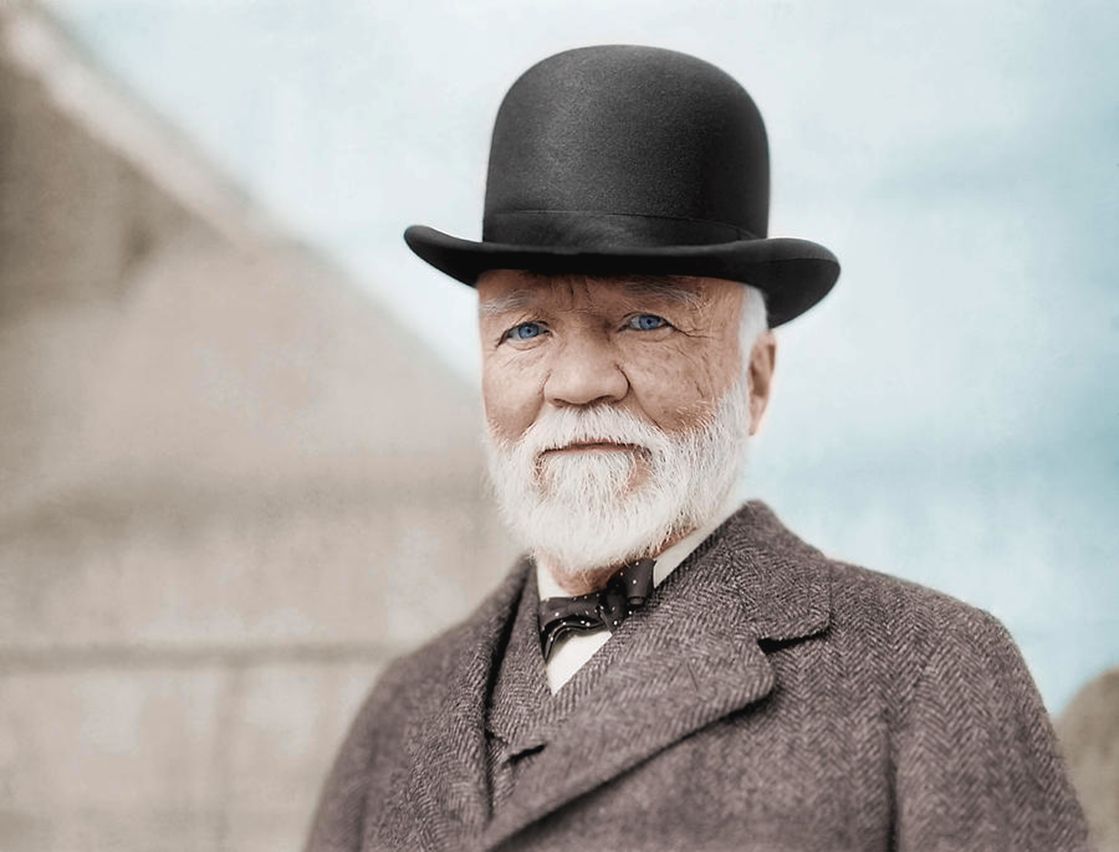
Carnegie claimed that providing education and beauty to the masses was the “noblest possible use of wealth.”
He built thousands of libraries, funded music venues like Carnegie Hall, founded the Carnegie Institution for Science, and built many museums.
He built thousands of libraries, funded music venues like Carnegie Hall, founded the Carnegie Institution for Science, and built many museums.


Though he might not have called it by name, Carnegie followed the principle of noblesse oblige—the idea that the wealthy or powerful in a society have an obligation to lift up the poor and weak.
It can be summed up simply:
“privilege entails responsibility.”
It can be summed up simply:
“privilege entails responsibility.”
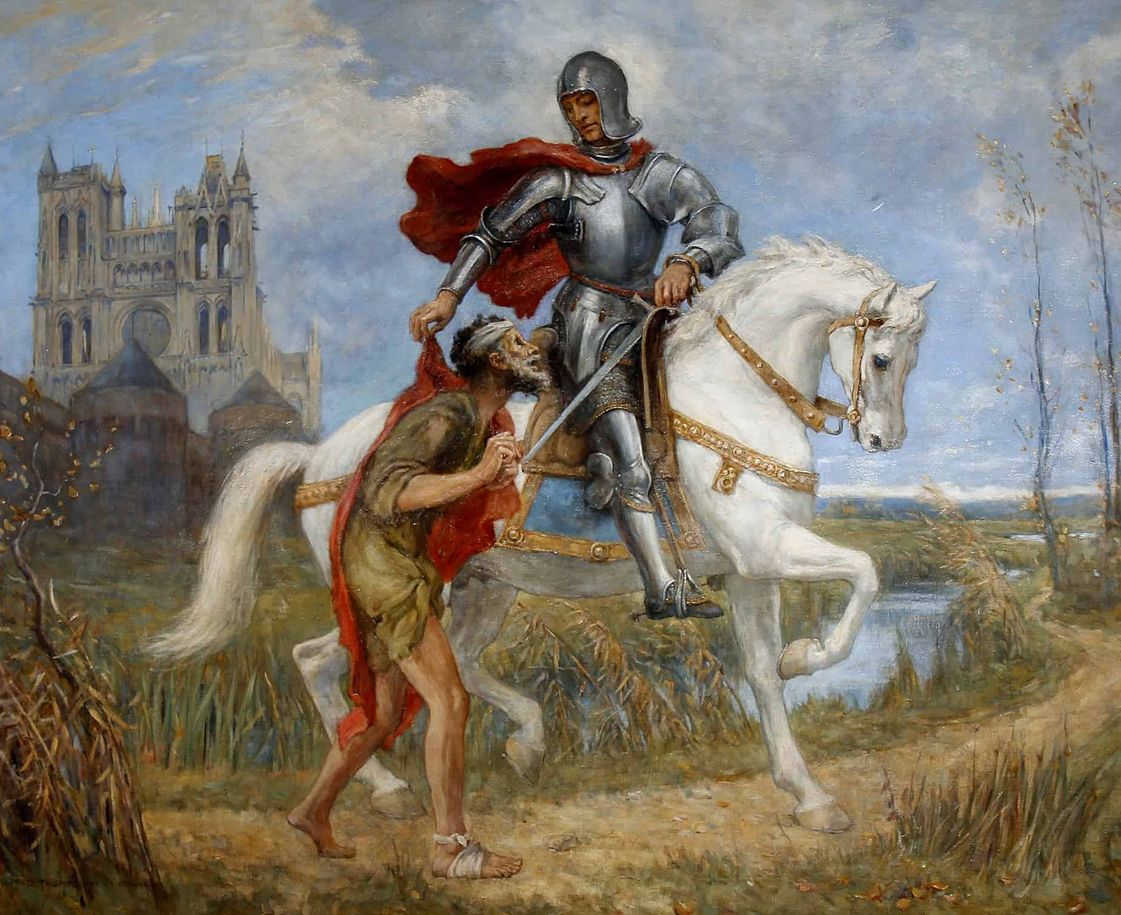
Noblesse Oblige is a French term literally meaning “nobility obliges,” but its origins go way back to at least ancient Greece.
Homer’s Iliad hints at the concept when the hero Sarpedon urges his comrade Glaucus to fight with him in the front ranks of battle.
Homer’s Iliad hints at the concept when the hero Sarpedon urges his comrade Glaucus to fight with him in the front ranks of battle.
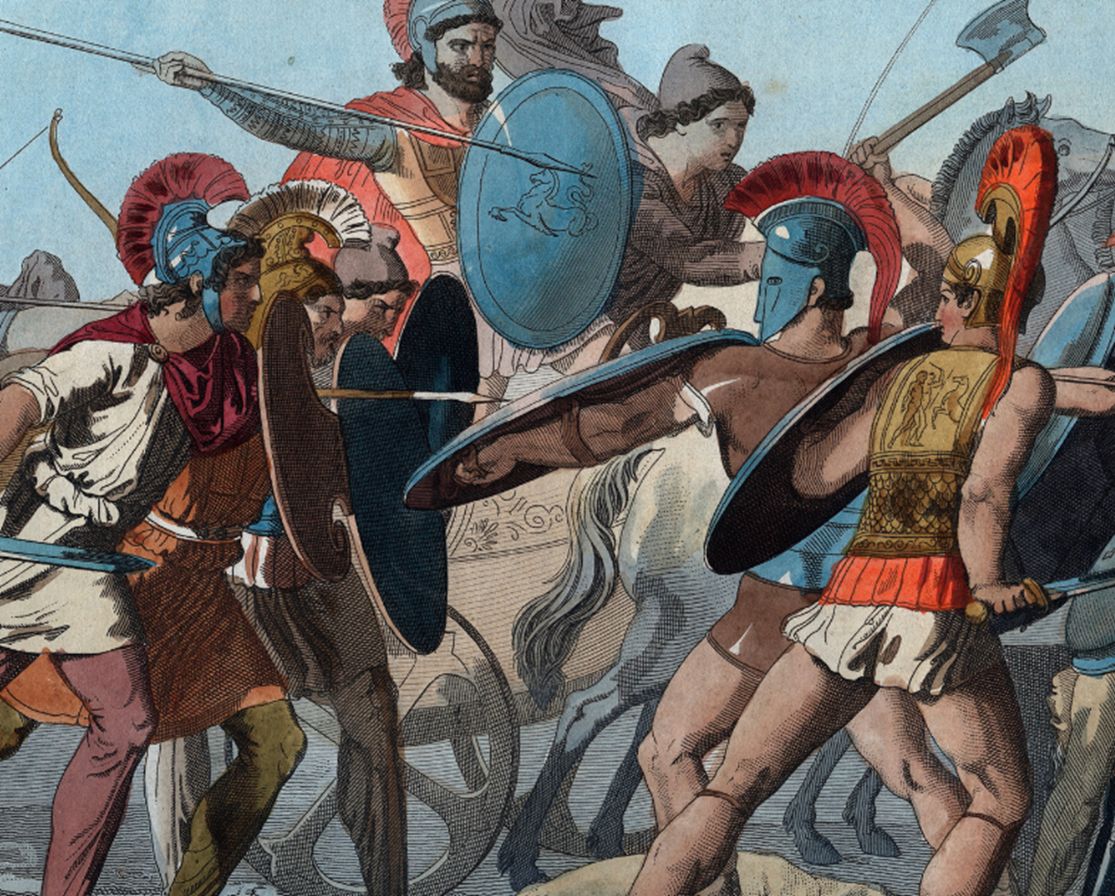
Homer writes:
“Tis ours, the dignity they give to grace
The first in valor, as the first in place…”
Homer is pointing out how those “first in place”—the privileged class—have an obligation to lead their soldiers from the front, to be “first in valor.”
“Tis ours, the dignity they give to grace
The first in valor, as the first in place…”
Homer is pointing out how those “first in place”—the privileged class—have an obligation to lead their soldiers from the front, to be “first in valor.”
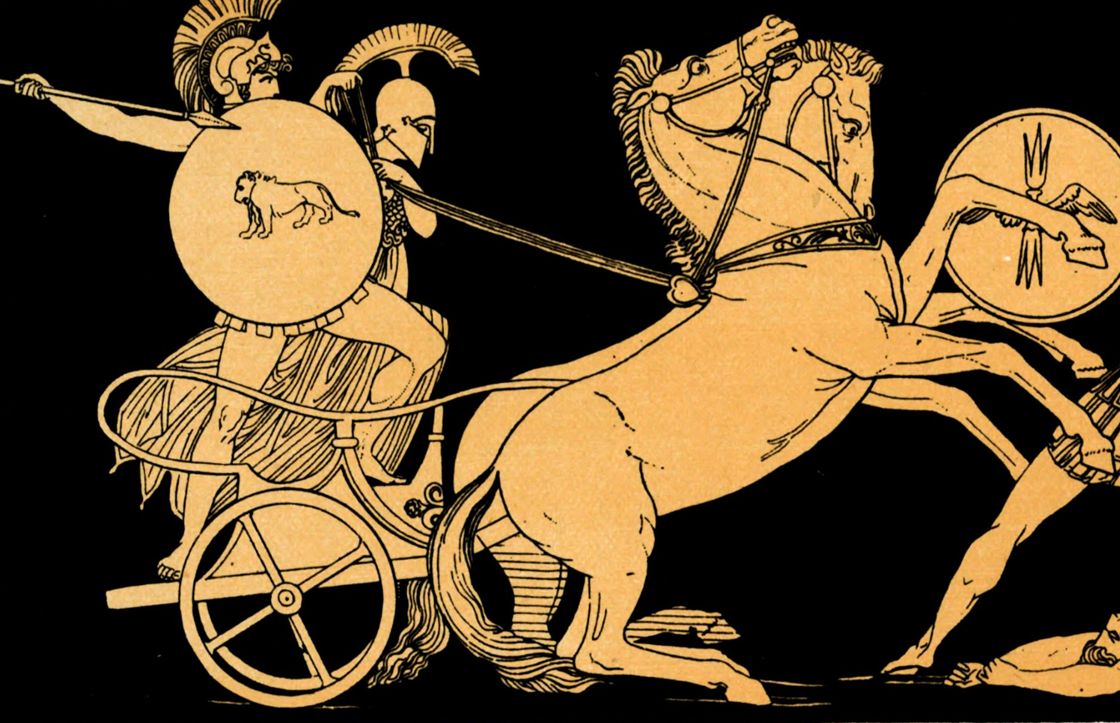
The Greeks had a version of noblesse oblige called “euergetism,” a social expectation that wealthy individuals should distribute part of their wealth to the community.
Rather than coming from genuine love for the people though, euergetism ensured poor citizens wouldn't revolt.
Rather than coming from genuine love for the people though, euergetism ensured poor citizens wouldn't revolt.
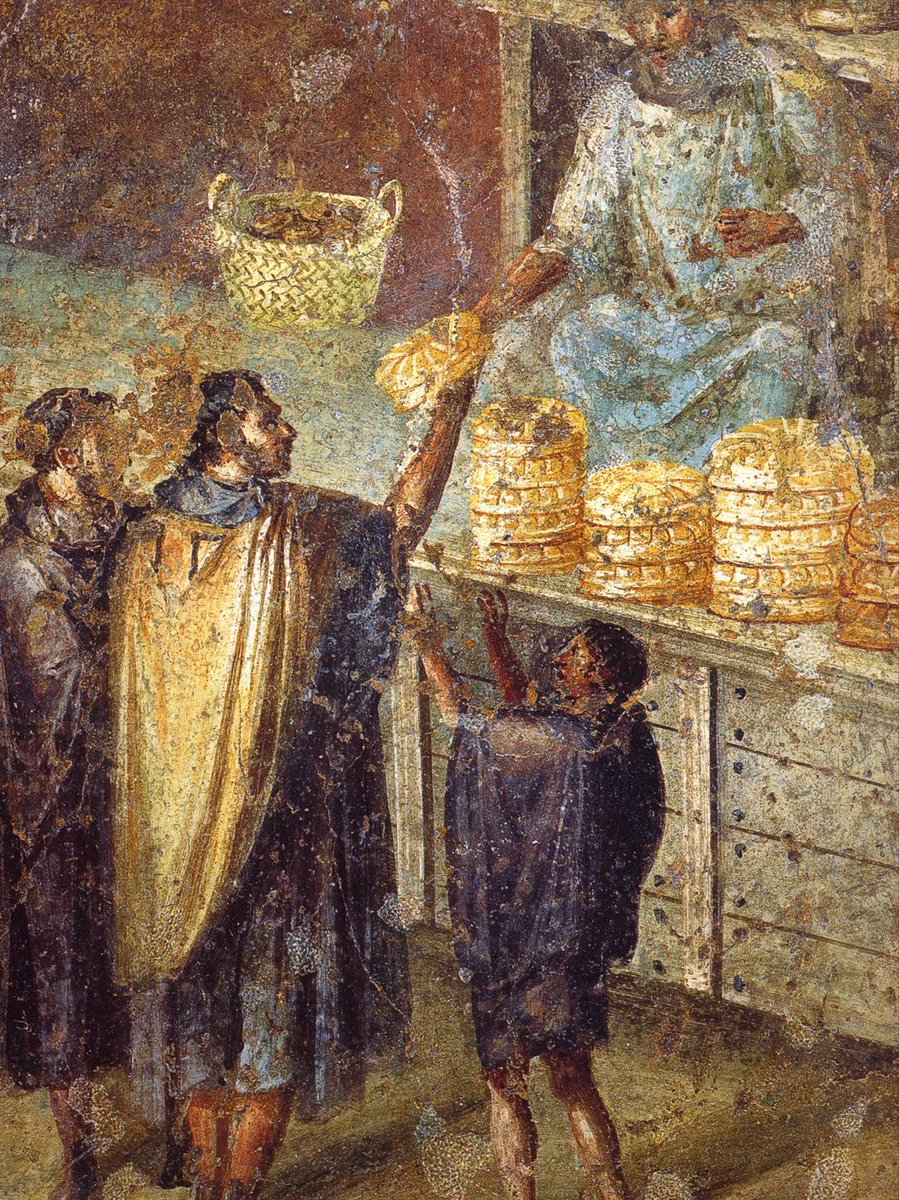
Aristotle writes in Politics:
“[the rich] will make magnificent sacrifices, and build some monuments and the people, then taking part in the banquets and feasts, and seeing the city splendidly decorated temples and buildings, wish to maintain the constitution…”
“[the rich] will make magnificent sacrifices, and build some monuments and the people, then taking part in the banquets and feasts, and seeing the city splendidly decorated temples and buildings, wish to maintain the constitution…”

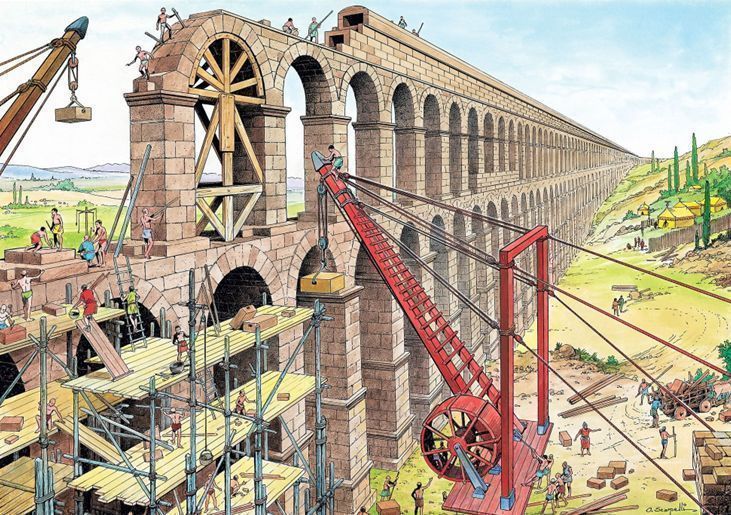
Ancient Rome adopted a similar practice that became more formalized in the patron-client system, where high status Romans offered favors for clients in return for political support.
Eventually this generosity toward clients expanded into a more general charity toward the poor.
Eventually this generosity toward clients expanded into a more general charity toward the poor.
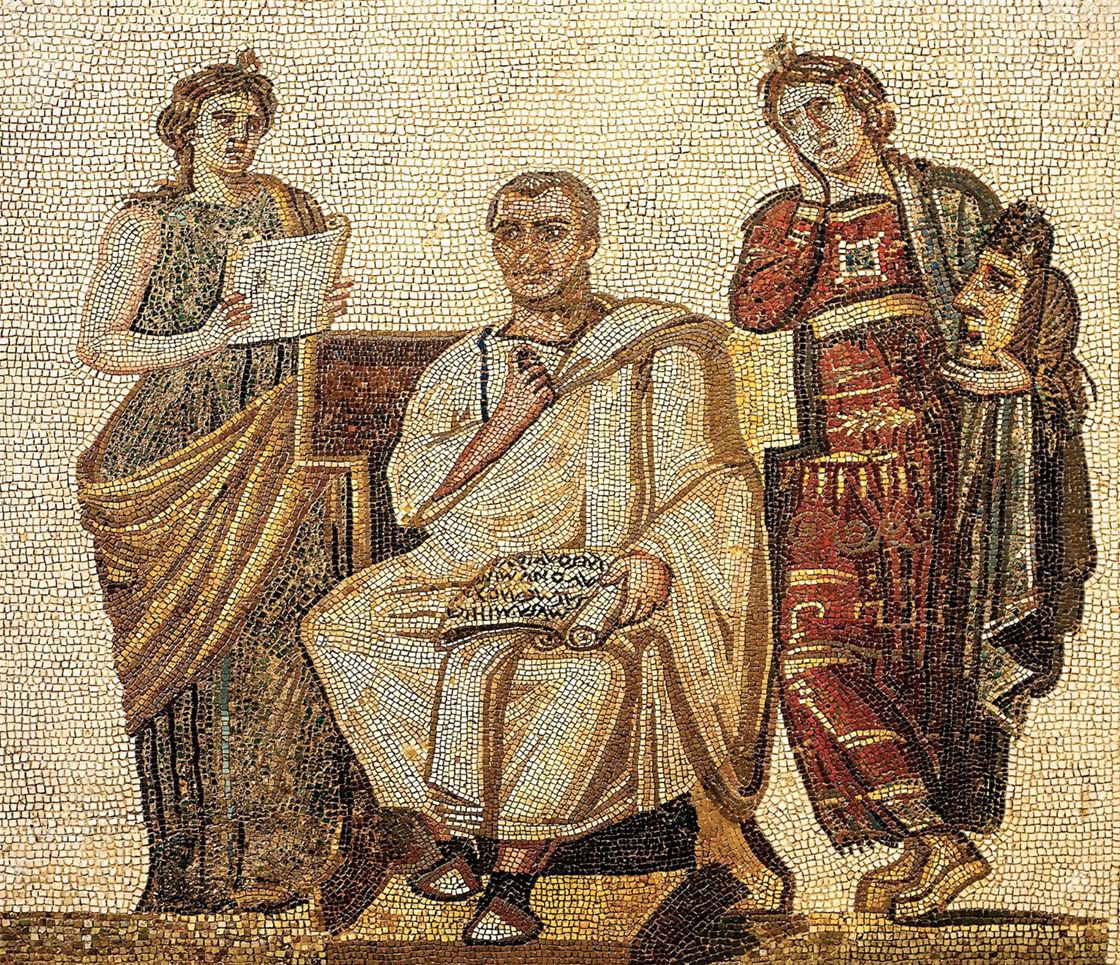
Wealthy Romans often supported public entertainment like games, or built amenities like theaters, libraries, or baths.
It’s not uncommon to find the inscription D.S.P.F. (de sua pecunia fecit, “done with his own money”) on a building indicating a wealthy Roman had funded it.
It’s not uncommon to find the inscription D.S.P.F. (de sua pecunia fecit, “done with his own money”) on a building indicating a wealthy Roman had funded it.

Noblesse oblige also has biblical roots.
In the book of Luke, Jesus says:
“Everyone to whom much was given, of him much will be required, and from him to whom they entrusted much, they will demand the more."
In the book of Luke, Jesus says:
“Everyone to whom much was given, of him much will be required, and from him to whom they entrusted much, they will demand the more."
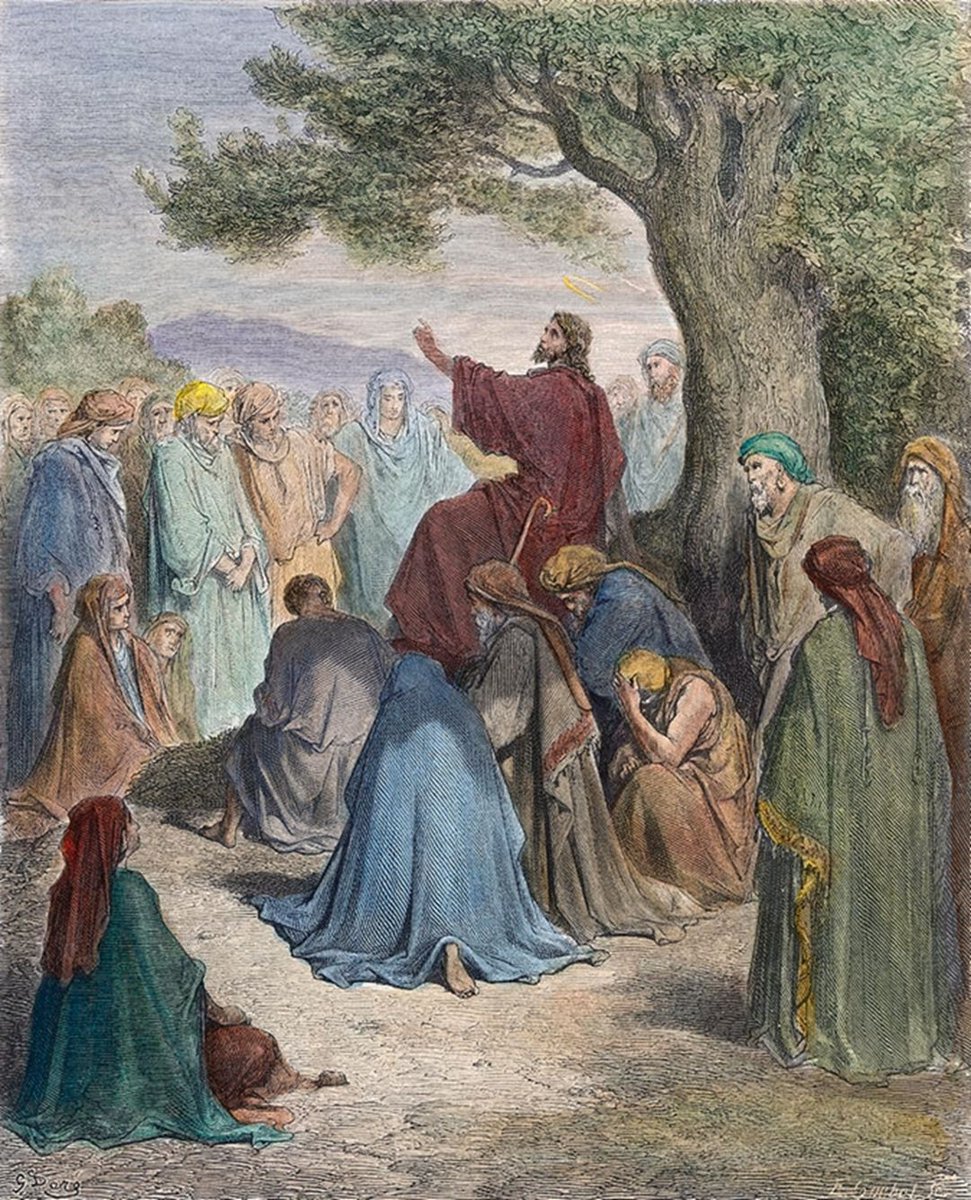
As Christianity spread, wealthy Christians remembered Jesus’ words that “it is easier for a camel to go through the eye of a needle than for a rich person to enter the kingdom of God.”
It wasn’t wealth per se that was bad—it was how one used their wealth that mattered.
It wasn’t wealth per se that was bad—it was how one used their wealth that mattered.
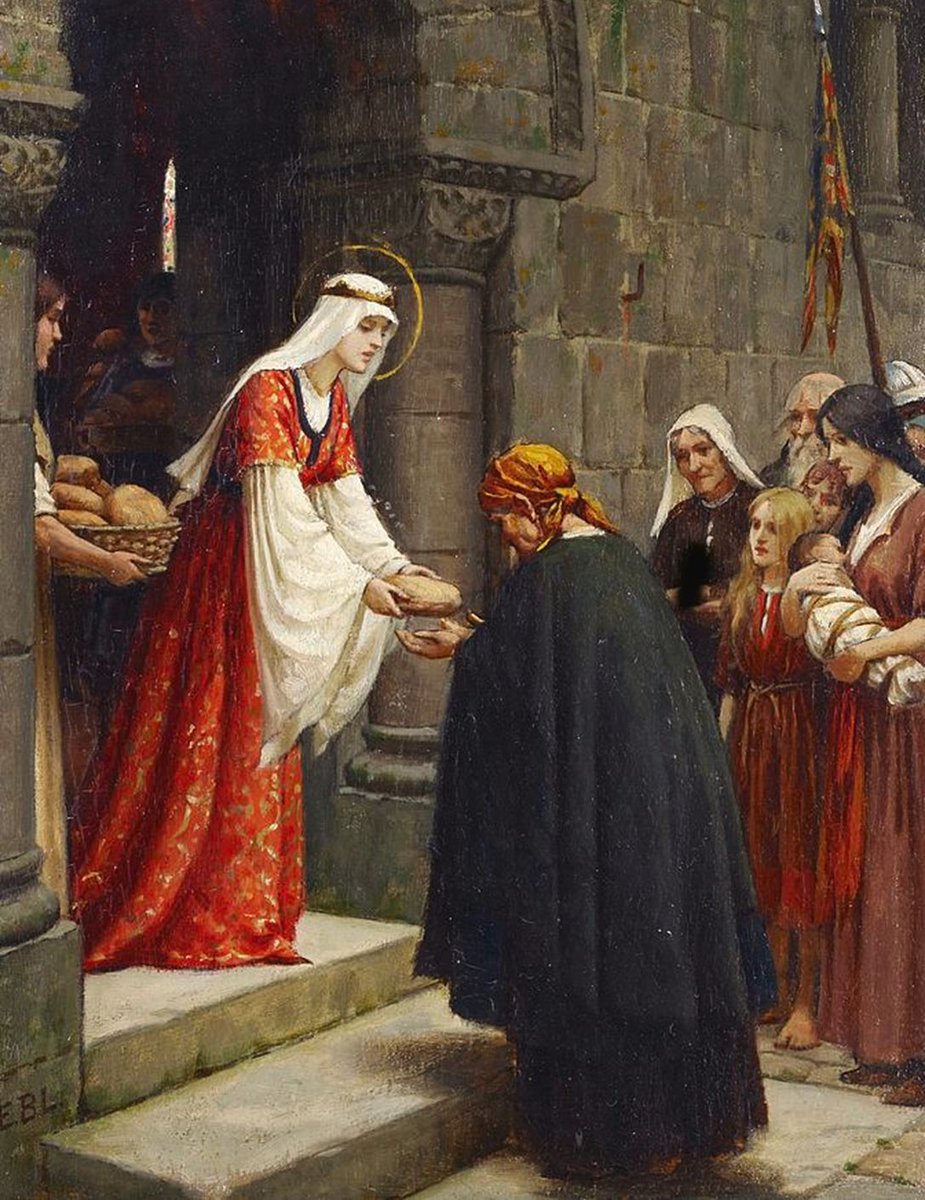
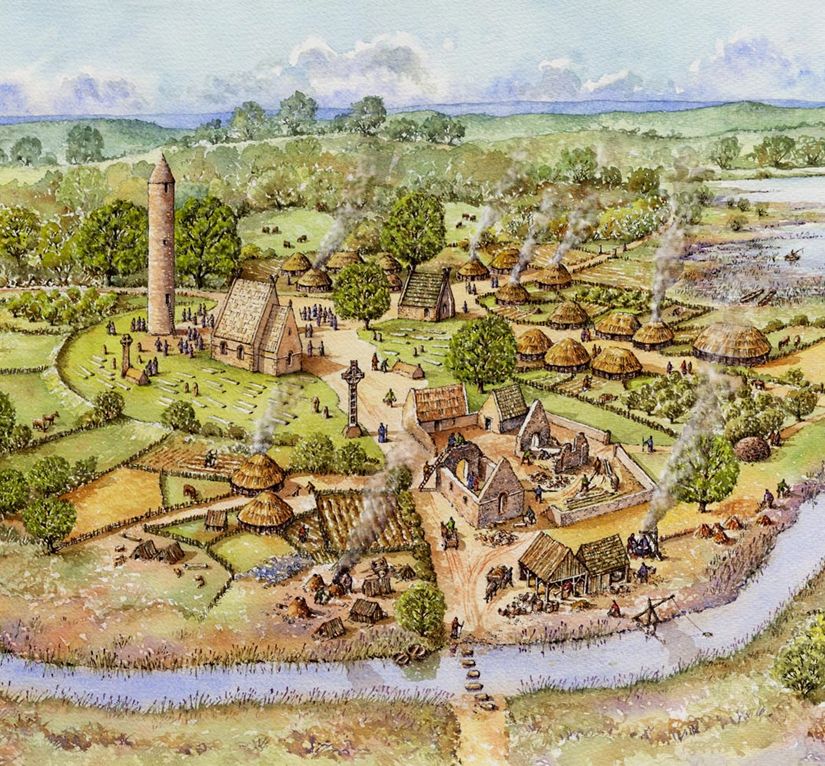
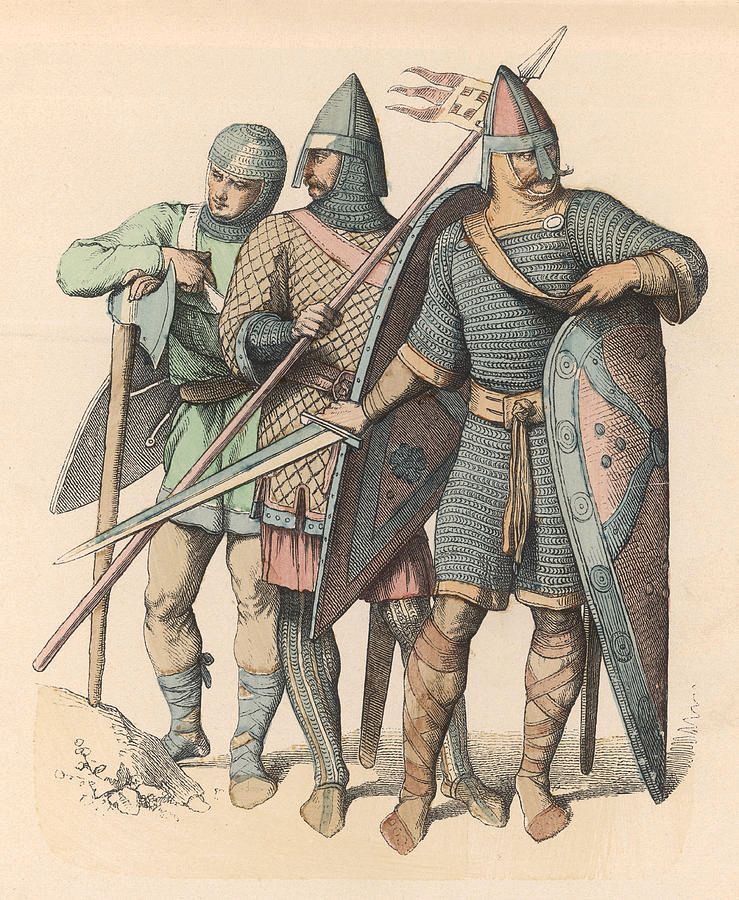
Under medieval feudalism, noblesse oblige held society together.
In feudalism, a lord had an obligation to protect his vassals; in turn the vassals pledged loyalty to the lord. Nobles understood their duties to their vassals in a similar way that Christ had for his flock.
In feudalism, a lord had an obligation to protect his vassals; in turn the vassals pledged loyalty to the lord. Nobles understood their duties to their vassals in a similar way that Christ had for his flock.
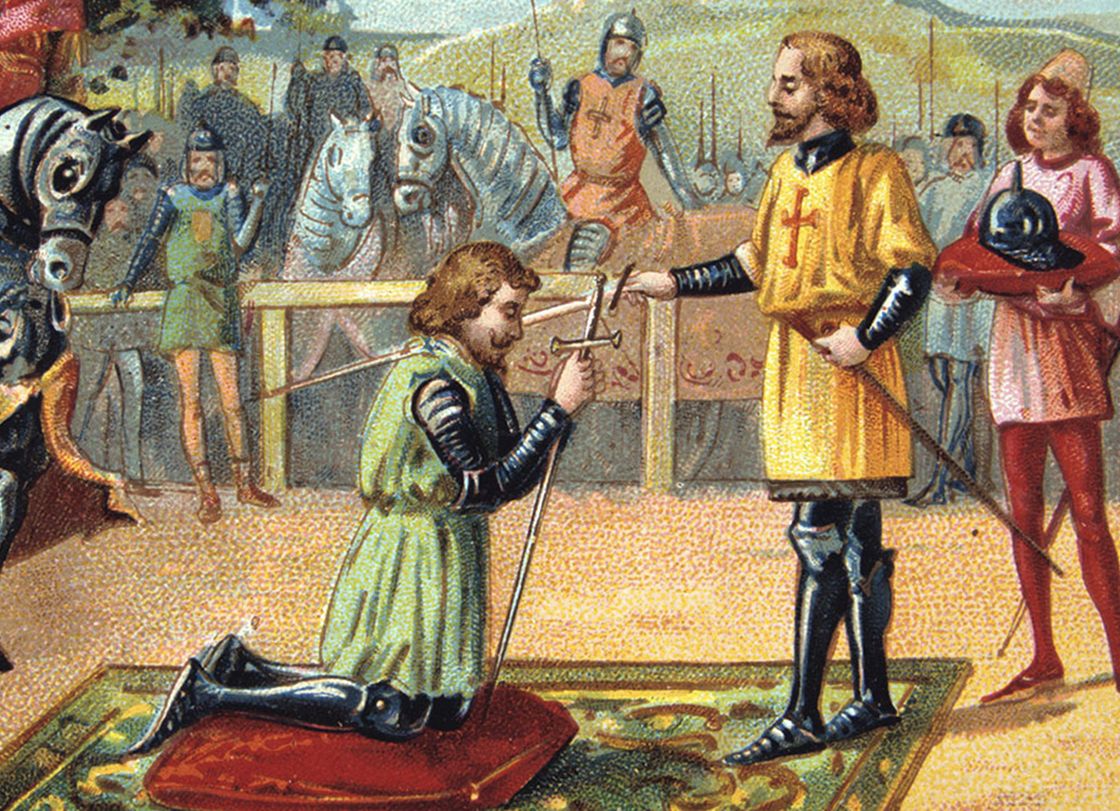
Noblesse oblige was an important concept in European aristocracy throughout the medieval and modern eras, but critics of aristocracy argued that, although it imposed on the nobility a duty to behave nobly, it was used as a tool by the aristocracy to justify their privilege.
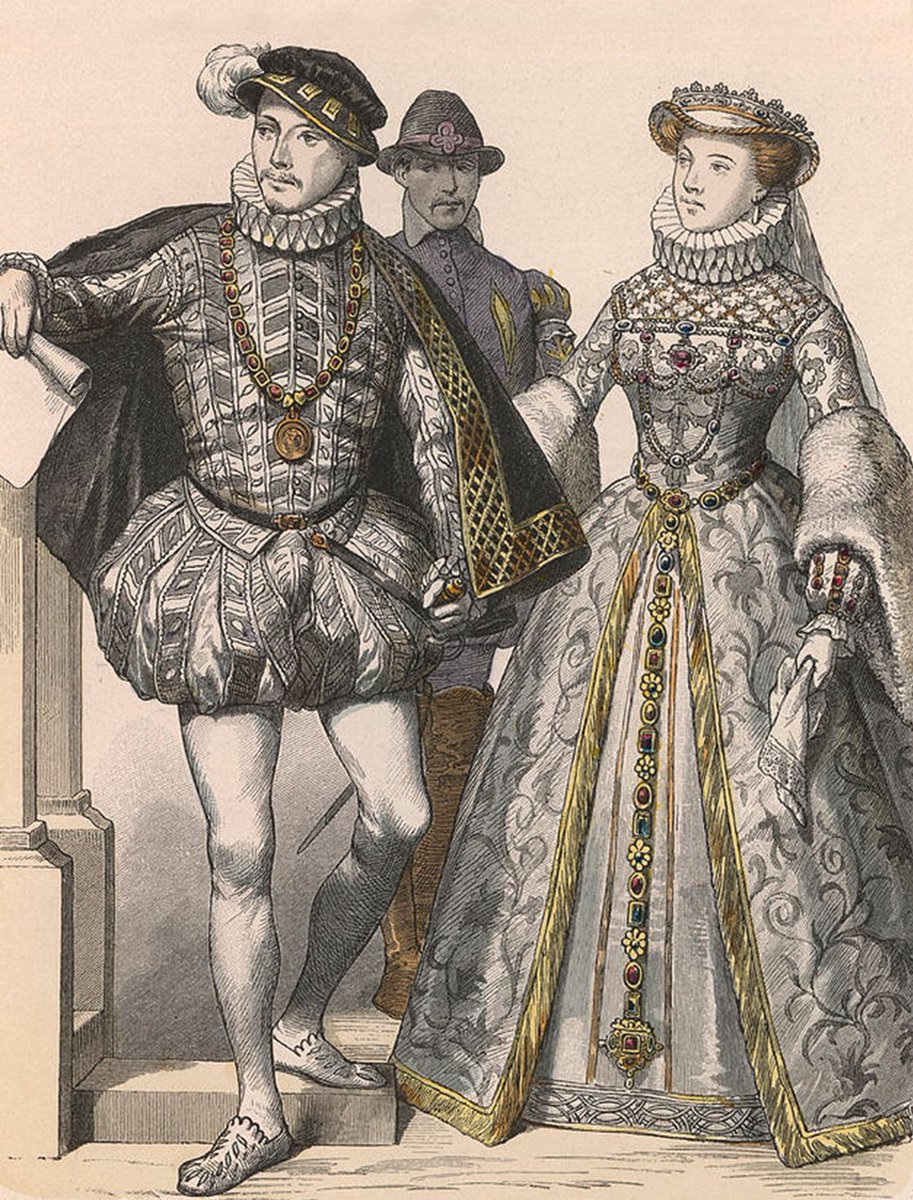
Later, as aristocracy disappeared and rigid hierarchies flattened, noblesse oblige became less formalized. It became more “good manners” than societal obligation.
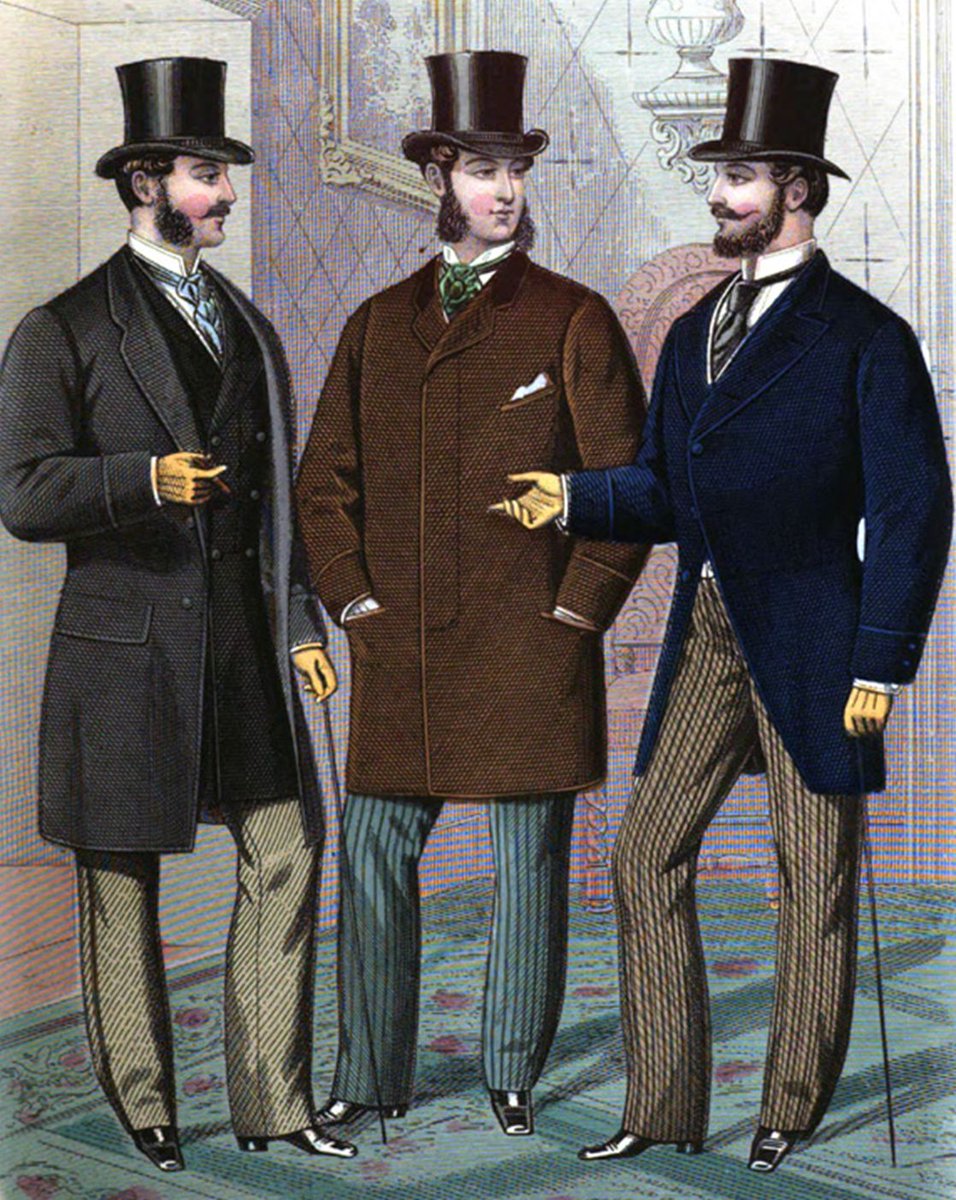
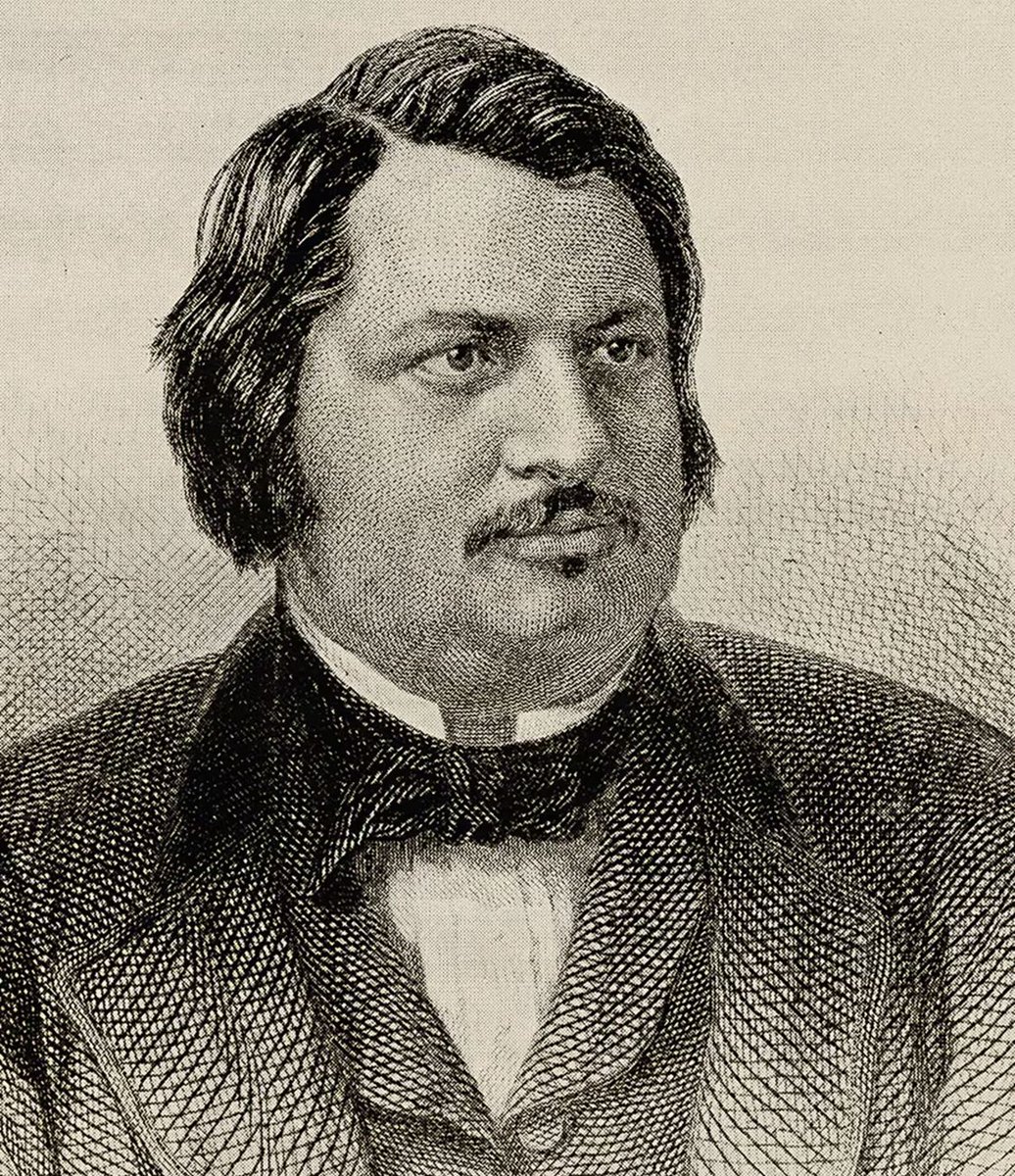
For example, in Honoré de Balzac’s 1835 work “The Lily of the Valley '' where he recommends good behavior for young men, he concludes:
"Everything I have just told you can be summarized by an old word: noblesse oblige!"
"Everything I have just told you can be summarized by an old word: noblesse oblige!"
Today, some might argue, noblesse oblige is a dead concept.
Elites still engage in philanthropy, but the lack of a unified moral framework eliminates the social pressures that used to ensure the rich helped the poor.
Is it possible to resurrect the idea of noblesse oblige?
Elites still engage in philanthropy, but the lack of a unified moral framework eliminates the social pressures that used to ensure the rich helped the poor.
Is it possible to resurrect the idea of noblesse oblige?

If you enjoyed this thread and would like to join the mission of promoting western tradition, kindly repost the first post (linked below) and consider following: @thinkingwest
https://twitter.com/thinkingwest/status/1811766238403534919
• • •
Missing some Tweet in this thread? You can try to
force a refresh