NON TOXIC COOKWARE: THE ULTIMATE GUIDE
-Which cookware to avoid
-Which cookware is safe
-When & where to use each
-Brands that you can trust
(Thread)
-Which cookware to avoid
-Which cookware is safe
-When & where to use each
-Brands that you can trust
(Thread)
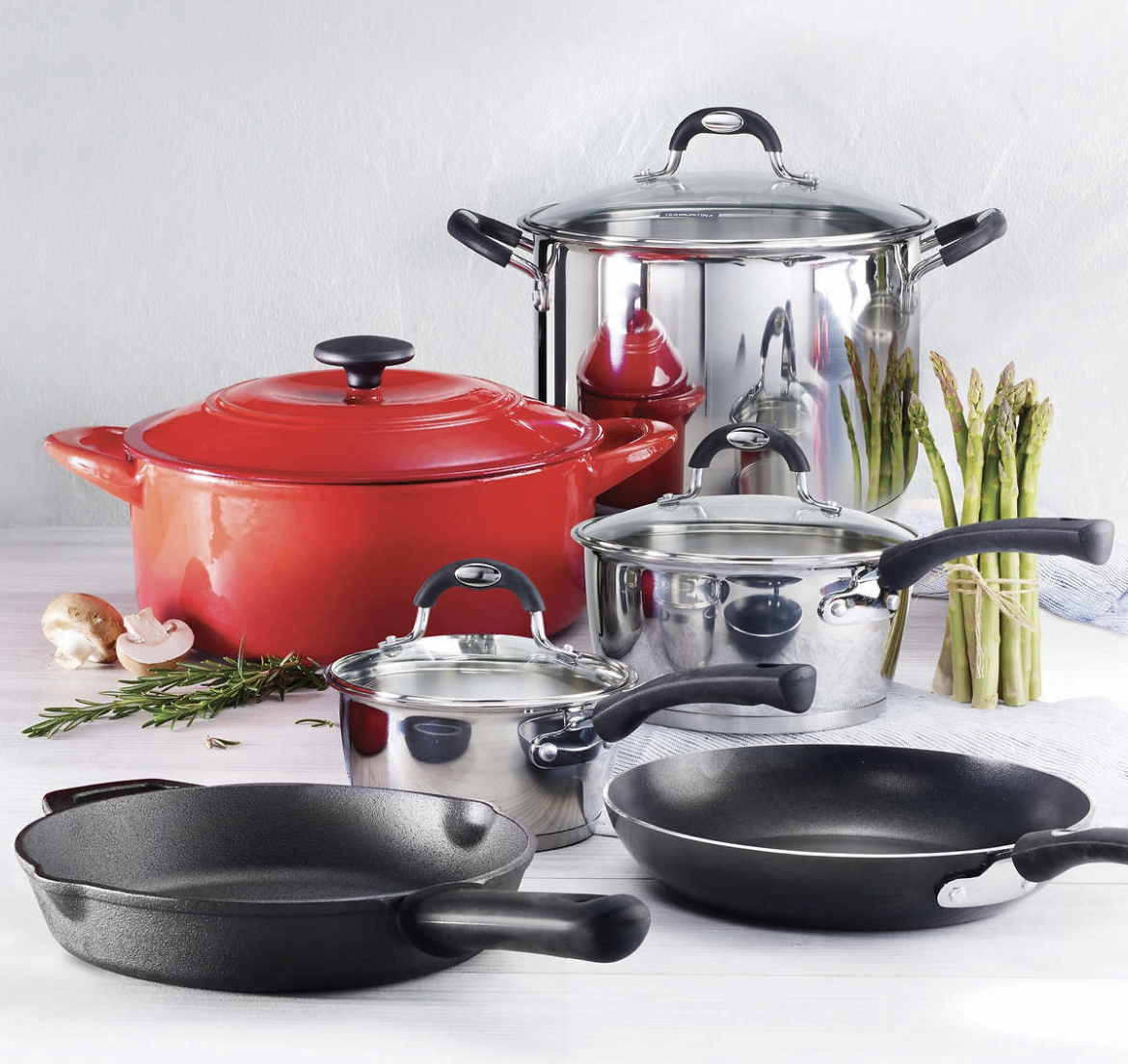
Cookware can be a major source of toxins and heavy metals if you are using the wrong material at the wrong time
Even brands labeled as “healthy” use greenwashing and are not completely safe
Let’s break it down👇🏼
Even brands labeled as “healthy” use greenwashing and are not completely safe
Let’s break it down👇🏼
Let’s start with cookware to avoided altogether:
Teflon or nonstick
Nonstick pans are typically coated with plastic polymer PTFE, PFAS, PFOA and more
When heated, these pans can release toxic fumes into the air and into your food
Teflon or nonstick
Nonstick pans are typically coated with plastic polymer PTFE, PFAS, PFOA and more
When heated, these pans can release toxic fumes into the air and into your food
Luckily PFOA has largely been phased out of American cookware, but older cookware and cookware made overseas can still very well contain them
However, now it is even more misleading where brands can greenwash claiming their brand is “PFOA free” yet use other sketchy materials.
That is why it’s best to avoid altogether
That is why it’s best to avoid altogether
Aluminum
Aluminum is a neurotoxin and has zero known use in the human body
It has shown that when heated, especially with acidic foods, it can leach into your food
Avoid
Aluminum is a neurotoxin and has zero known use in the human body
It has shown that when heated, especially with acidic foods, it can leach into your food
Avoid
Copper
Copper can also leech into your food in amounts that aren’t safe to consume, especially unlined.
However, even common copper cookware coatings, like nickel or tin, aren’t safe either.
Avoid
Copper can also leech into your food in amounts that aren’t safe to consume, especially unlined.
However, even common copper cookware coatings, like nickel or tin, aren’t safe either.
Avoid
Now let’s take a look at safer options, and where they’d be most appropriate.
To be clear: just because these options are *safer*, it does not mean they are perfect or do not have any danger. I will explain below.
To be clear: just because these options are *safer*, it does not mean they are perfect or do not have any danger. I will explain below.
Stainless steel
Pros: durable, doesn’t require much care, even heating
Cons: can still leech heavy metals including nickel and chromium into your food when cooking with acids
***Make sure to buy American stainless steel
Pros: durable, doesn’t require much care, even heating
Cons: can still leech heavy metals including nickel and chromium into your food when cooking with acids
***Make sure to buy American stainless steel
Cast iron
Pros: durable, lasts forever, seasons over time, great heat retention
Cons: can leech excess iron into your food especially when cooking with acid, requires up front care and have to be careful cleaning it
Pros: durable, lasts forever, seasons over time, great heat retention
Cons: can leech excess iron into your food especially when cooking with acid, requires up front care and have to be careful cleaning it
Enameled Cast Iron
Pros: doesn’t react to acidic foods, heats evenly, retains heat well
Cons: very heavy, enamel can chip
Pros: doesn’t react to acidic foods, heats evenly, retains heat well
Cons: very heavy, enamel can chip
Carbon steel
Pros: lighter than cast iron but same performance, seasons over time, great heat retention
Cons: just like cast iron, can leech excess iron into your food especially when cooking with acid, requires up front care and have to be careful cleaning it
Pros: lighter than cast iron but same performance, seasons over time, great heat retention
Cons: just like cast iron, can leech excess iron into your food especially when cooking with acid, requires up front care and have to be careful cleaning it
Ceramic
Pros: non stick, easy to clean
Cons: can be sensitive to higher heat, many brands, can scratch easily, many brands are can leach nanoparticles and heavy metals like lead into your food as well
***Make sure to buy 100% pure ceramic
Pros: non stick, easy to clean
Cons: can be sensitive to higher heat, many brands, can scratch easily, many brands are can leach nanoparticles and heavy metals like lead into your food as well
***Make sure to buy 100% pure ceramic
Glass
Pros: non-reactive, so it doesn’t release chemicals into your food
Cons: extremely fragile
Pros: non-reactive, so it doesn’t release chemicals into your food
Cons: extremely fragile
So, as you can see, no cookware is perfect. But if you use the right cookware at the right time, you can avoid any negative health effects that come with them
High Heat Searing/frying:
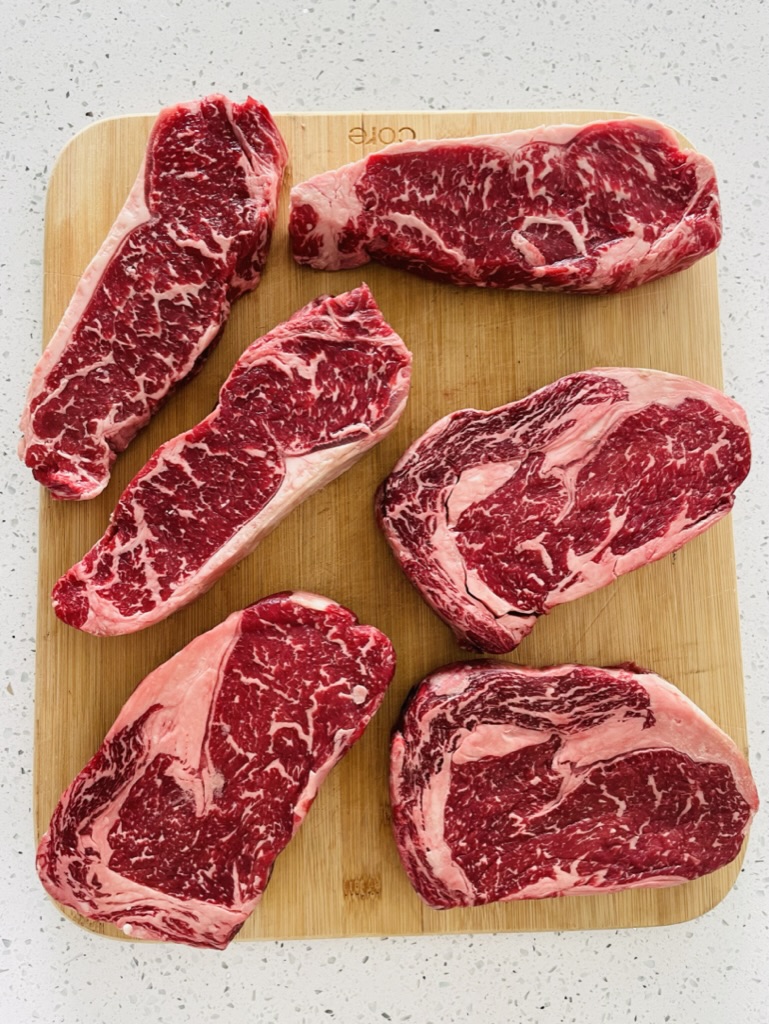
Stainless steel, carbon steel and cast iron are all safe options for searing and cooking meat (make sure the cast iron & carbon steel are well seasoned). I believe stainless steel is the safest of the 3, but they all work great.
Stainless steel, carbon steel and cast iron are all safe options for searing and cooking meat (make sure the cast iron & carbon steel are well seasoned). I believe stainless steel is the safest of the 3, but they all work great.
Low/medium heat:
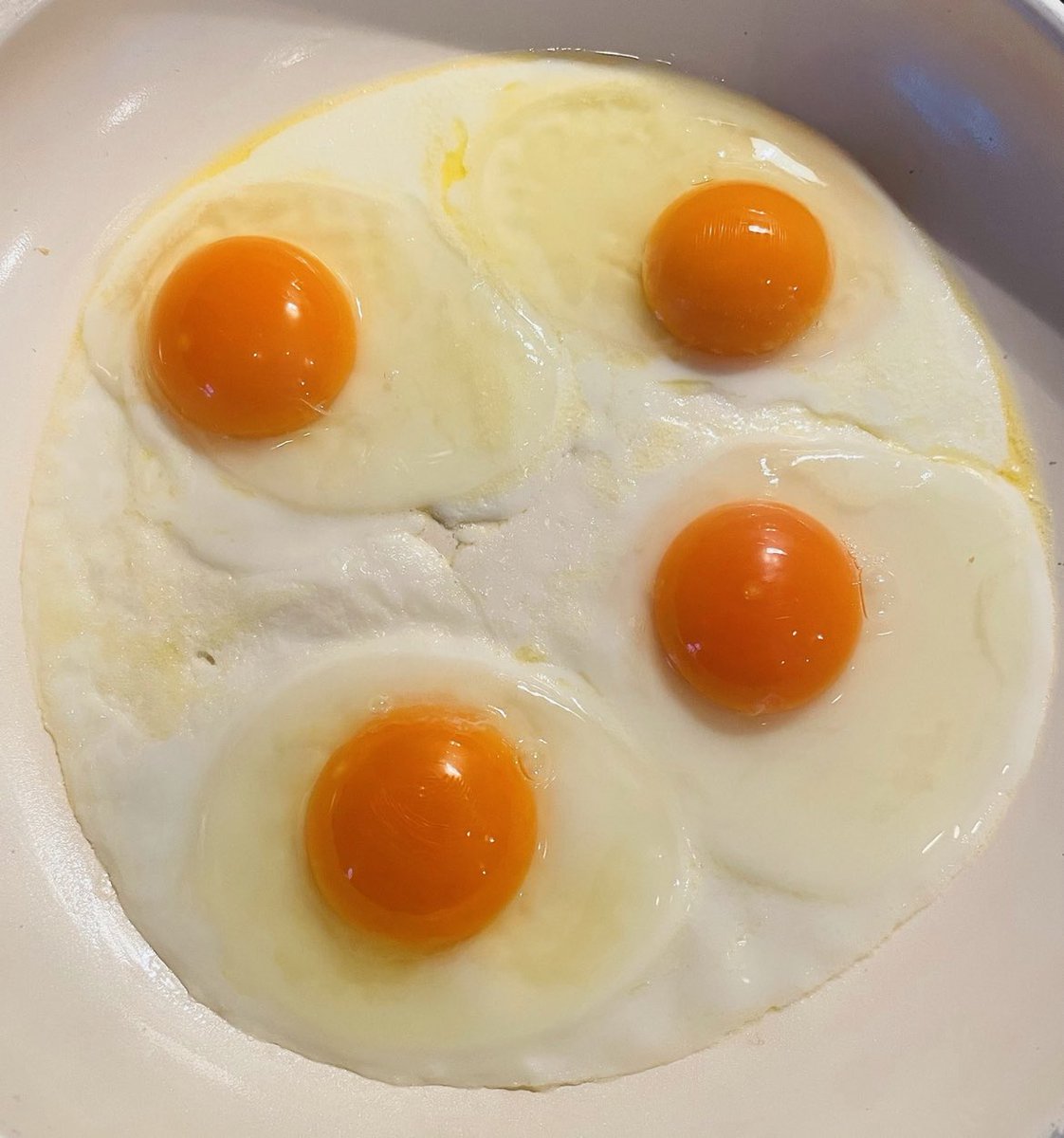
100% ceramic is the best for low/medium heat cooking, like making eggs because of it is non-stick and easy to clean.
100% ceramic is the best for low/medium heat cooking, like making eggs because of it is non-stick and easy to clean.
Braising/sauces:
Enameled cast iron is the best for braising (usually braising with acidic food) because it will not react to the acid like the others above. Just make sure the enamel is not chipped.
Enameled cast iron is the best for braising (usually braising with acidic food) because it will not react to the acid like the others above. Just make sure the enamel is not chipped.
Sautéing:
ceramic, stainless steel, cast iron and carbon steel are all safe as long as you aren’t using acids.
ceramic, stainless steel, cast iron and carbon steel are all safe as long as you aren’t using acids.
Recommended brands:
Stainless steel: All clad
Cast iron: Lodge
Enameled cast iron: Le Creuset
Ceramic: Extrema
There are definitely more brands out there that are safe, so feel free to leave them in the comments!
Stainless steel: All clad
Cast iron: Lodge
Enameled cast iron: Le Creuset
Ceramic: Extrema
There are definitely more brands out there that are safe, so feel free to leave them in the comments!
If you like this, you'll love my newsletter!
Each week I send out a new recipe, health tip and more straight to your inbox!
Also get my FREE ebook with 10 of my favorite, easy recipes!
cookingwithchris.co/quick-easy-rec…
Each week I send out a new recipe, health tip and more straight to your inbox!
Also get my FREE ebook with 10 of my favorite, easy recipes!
cookingwithchris.co/quick-easy-rec…
• • •
Missing some Tweet in this thread? You can try to
force a refresh