2) The study looked at what immune responses protect people from getting infected with different variants of the COVID-19 virus. It focused on antibodies that can neutralize the virus (called neutralizing antibodies or nAbs).
3) For the Delta variant, the researchers found that nAbs against the original COVID-19 strain (called D614G) accounted for 37% of the protection people had from prior infection. But this protection decreased over time as the antibodies weakened.
4) For the Omicron variant, nAbs against the Omicron BA.1 subvariant only accounted for 11% of the protection. This is because Omicron is much better at evading antibodies compared to earlier variants.
5) The study shows that the immune responses that protect against different COVID-19 variants can be very different. Boosting antibodies against the current variants may help restore protection that is lost over time or due to immune evasion by new variants.
6) However, antibodies alone don't fully explain the protection people have. Other immune responses, like those from immune cells, are also likely important for preventing COVID-19 infection.
Thanks for reading 🙏
• • •
Missing some Tweet in this thread? You can try to
force a refresh

2) The researchers discovered that 2-5 months after infection, the students showed impaired blood vessel function, increased arterial stiffness, and higher blood pressure compared to before they got COVID-19.
3) Interestingly, the study also showed that while arterial stiffness improved over time, blood pressure continued to rise, suggesting COVID-19 may have lasting impacts on the cardiovascular system. These findings highlight the importance of monitoring the heart health ...
When an ANCESTRAL SARS-CoV-2 VACCINE INDUCES ANTI-OMICRON ANTIBODIES !!!
One of the most interesting studies I have read, on the fascinating subject of "SOMATIC HYPERMUTATION" (SHM) nature.com/articles/s4146…
2) Somatic hypermutation is a crucial process in the adaptive immune response, where antibody-producing B cells rapidly accumulate random mutations in their antibody genes.
3) This allows the B cells to generate a diverse repertoire of antibodies, increasing the chances of recognizing and neutralizing new variants of a pathogen.
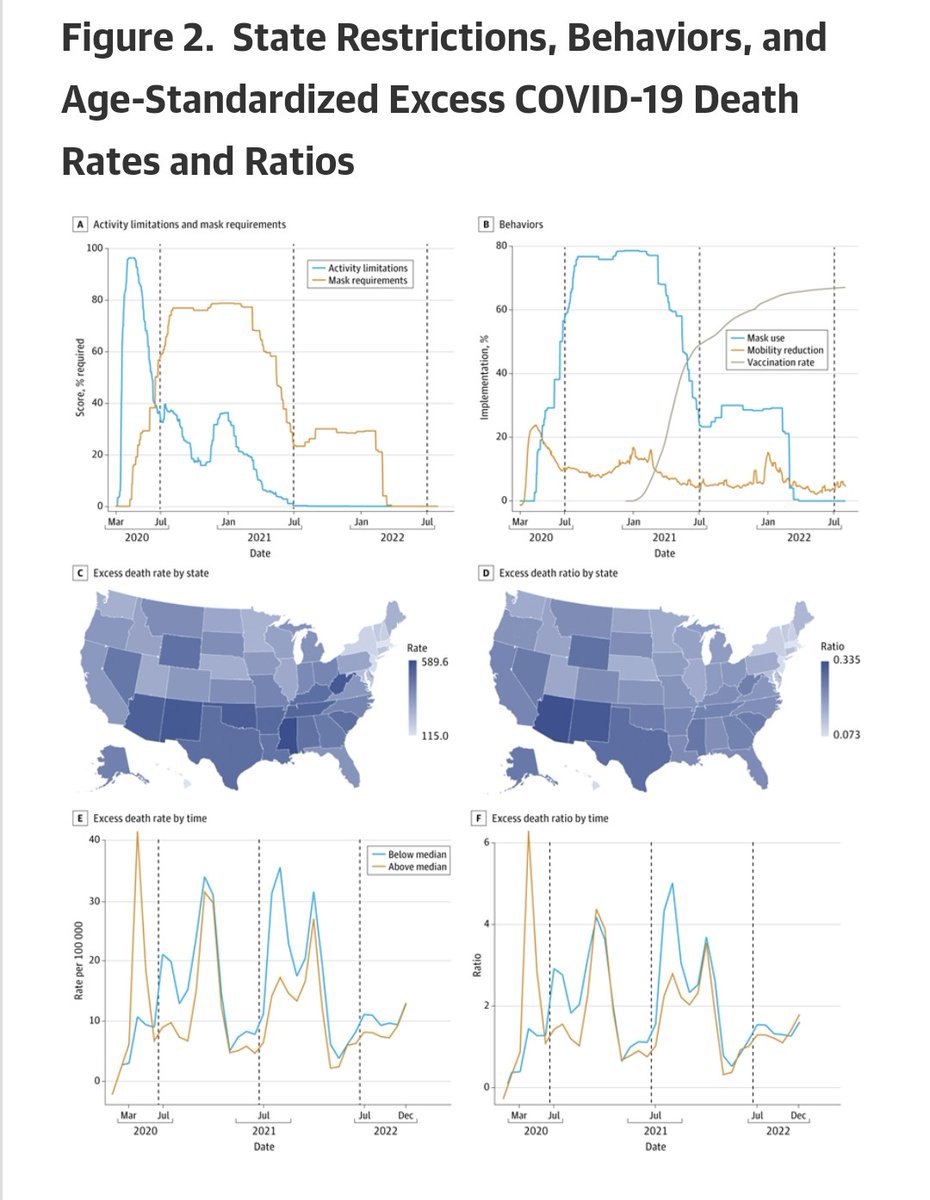
2) This study examined the relationship between US state-level COVID-19 restrictions and excess pandemic deaths. It found that states with stronger restrictions, such as mask requirements and vaccine mandates, experienced 10-21% fewer excess deaths compared to states with ...
3) ... with weaker restrictions. The analysis suggests that behavioral changes like increased masking and vaccination accounted for 49-79% of this difference.
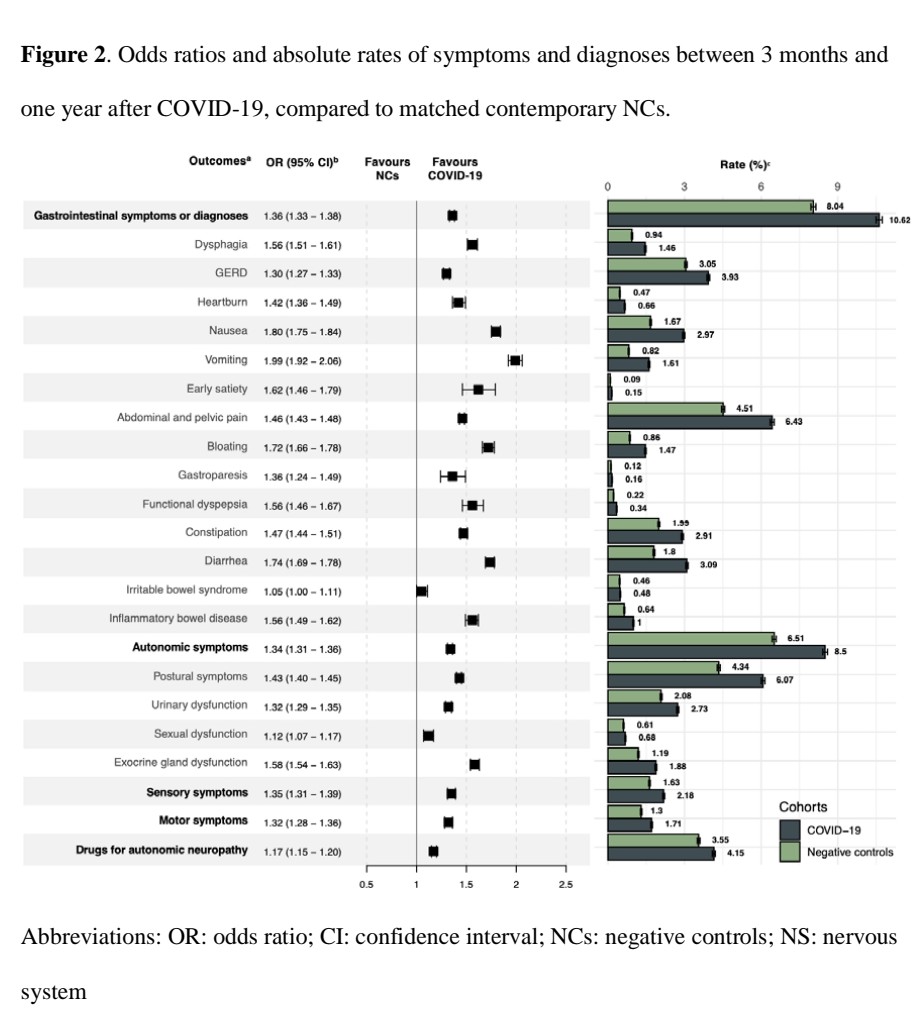
What are the LONG-TERM NEUROLOGICAL and GASTROINTESTINAL SEQUELAE of COVID-19 COMPARED to OTHER VIRAL and BACTERIAL INFECTIONS, including influenza, herpes viruses, and Lyme disease ?
2) Using a large nationwide medical record database, the researchers found that while COVID-19 increased the risk of various neurological and GI symptoms compared to uninfected controls, many of these sequelae occurred at similar or even higher rates after other infections.
3) The notable exception was autonomic nervous system symptoms, which were significantly more common after COVID-19 than most infections studied. In contrast, sensory and motor nervous system symptoms were often more prevalent after infections like influenza and herpes zoster.
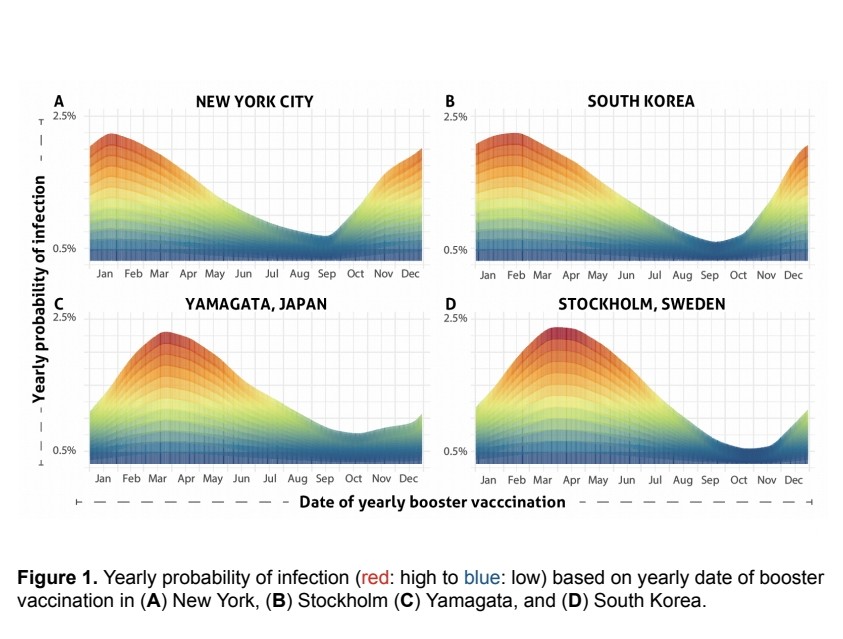
2) The optimal timing for annual COVID-19 booster shots varies by location, timed to precede seasonal infection peaks by 2-3 months. Delaying boosters even a few months can greatly reduce protection.
3) Breakthrough infections also impact optimal timing - those infected just before the yearly optimal date can stick to that schedule, while those infected 6-12 months after a booster can delay their next shot by a similar time to maximize protection.
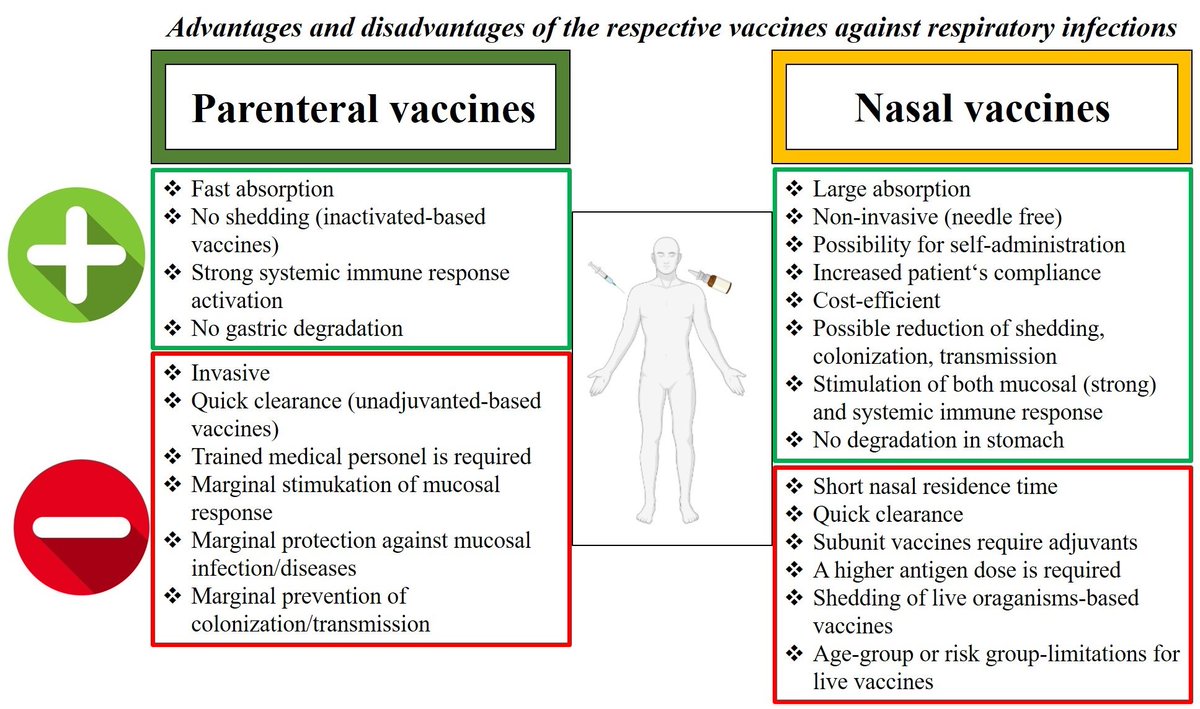
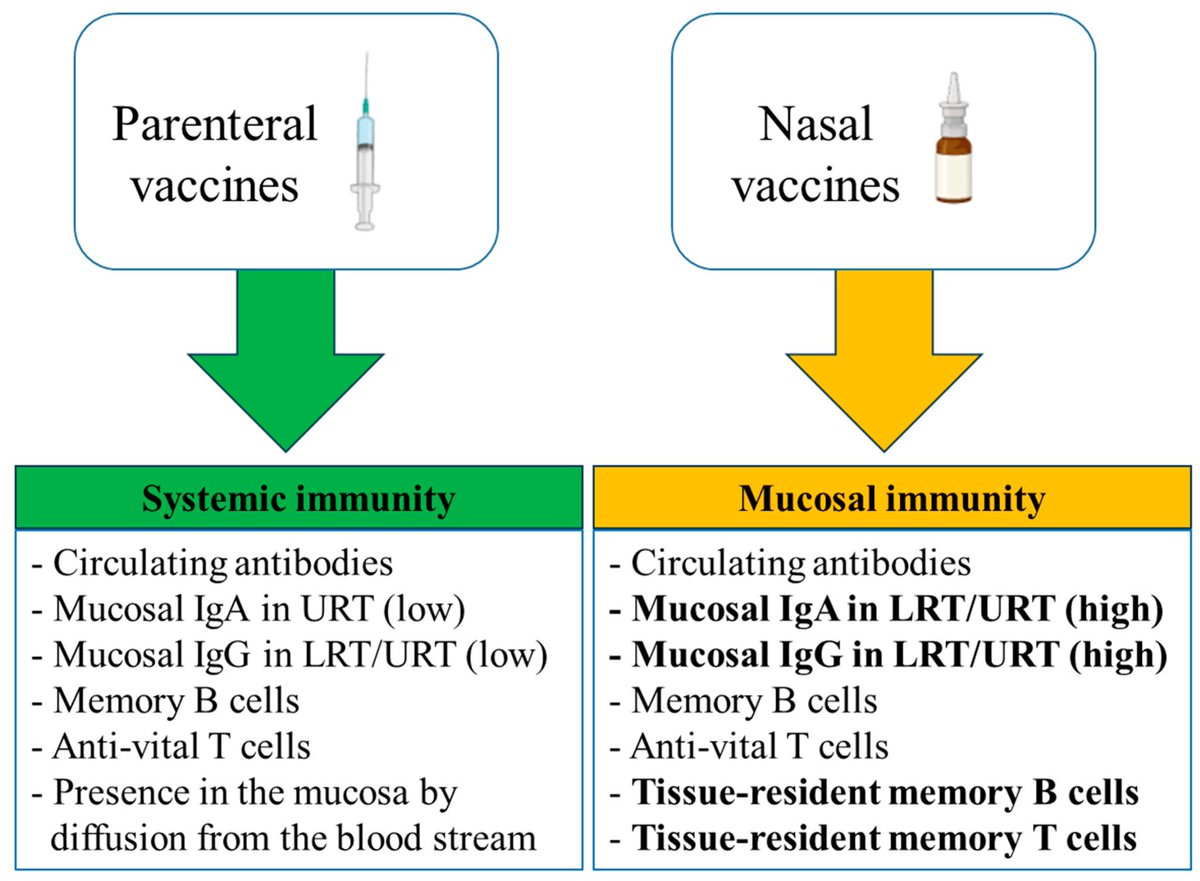
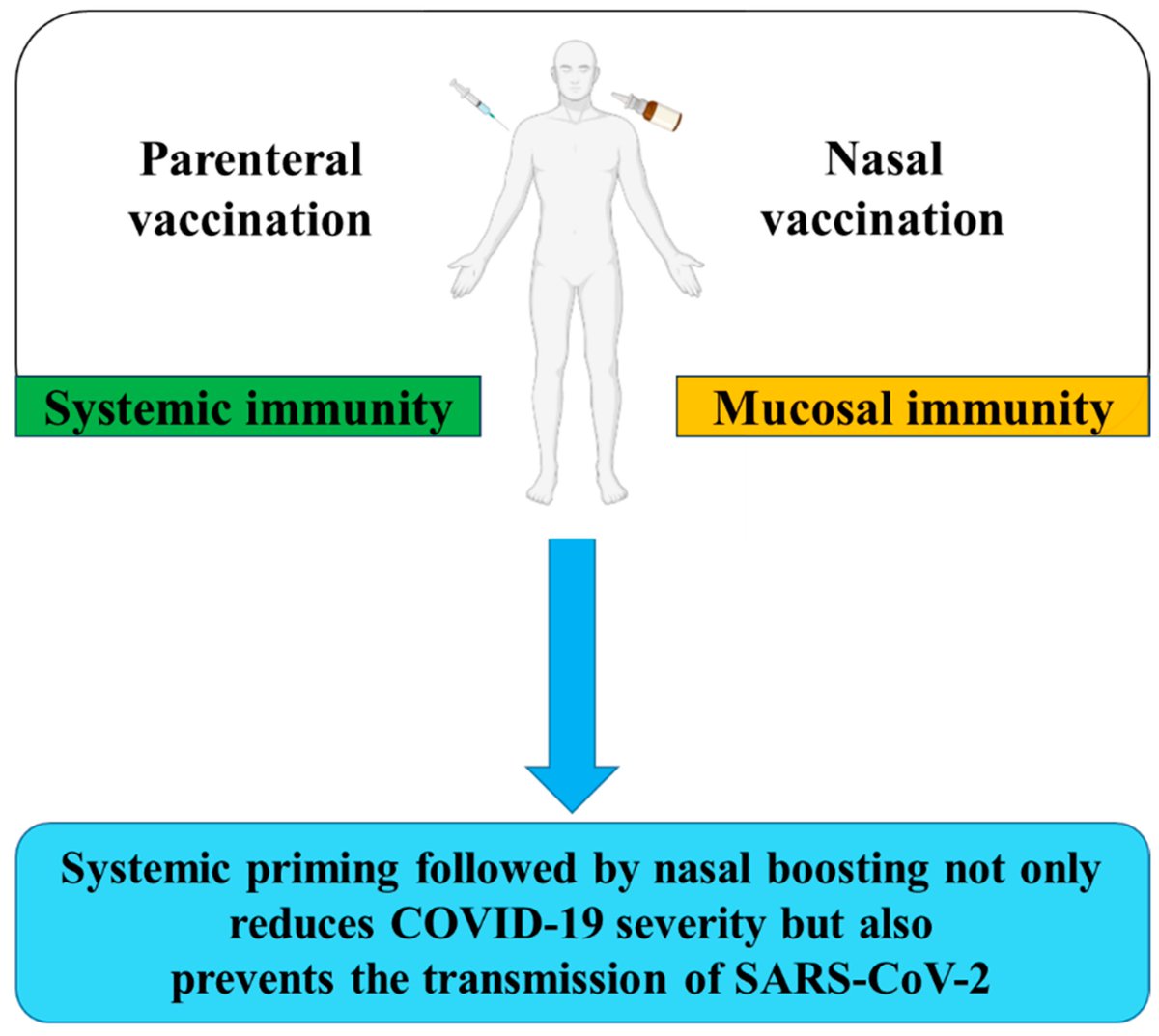
2) Vaccines given through the nose or mouth (mucosal vaccines) have advantages over vaccines given by injection (systemic vaccines) for respiratory infections like COVID-19.
3) Mucosal vaccines can trigger immune responses at the site of infection, like producing antibodies in the nose and lungs. This helps stop the virus from spreading.
While current COVID-19 vaccines given by injection have reduced severe illness, they don't always stop infection