Music can be reconstructed from the auditory cortex.
🧵1/9
These findings are from a study in @PLOSBiology which analyzed a unique intracranial electroencephalography dataset of 29 patients who listened to a @pinkfloyd song and applied a stimulus reconstruction approach previously used in the speech domain. 2/9 journals.plos.org/plosbiology/ar…
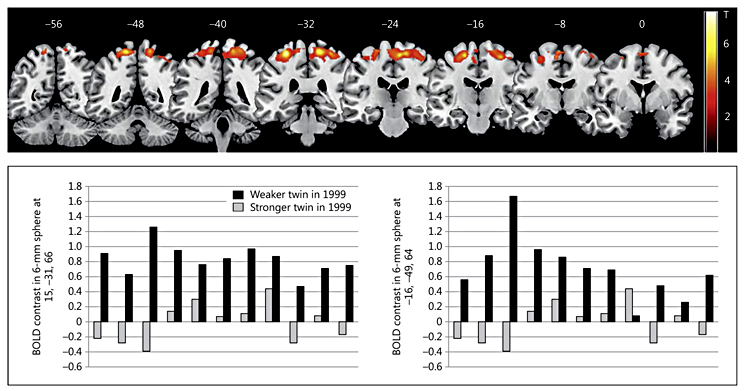
Music perception relies on a broad network of subcortical and cortical regions, including primary and secondary auditory cortices, sensorimotor areas, and inferior frontal gyri (IFG). 3/9
Despite extensive overlap with the speech perception network, some brain regions of the temporal and frontal lobes are preferentially activated during music perception. 4/9
In this study, 29 neurosurgical patients passively listened to the popular rock song Another Brick in the Wall, Part 1 (by Pink Floyd), while their neural activity was recorded from a total of 2,668 electrodes directly lying on their cortical surface. 5/9
Then, the auditory spectrogram of the song stimulus was reconstructed from the elicited high-frequency activity using a regression approach. 6/9
A recognizable song was successfully reconstructed from direct neural recordings and quantified the impact of different factors on decoding accuracy. 7/9
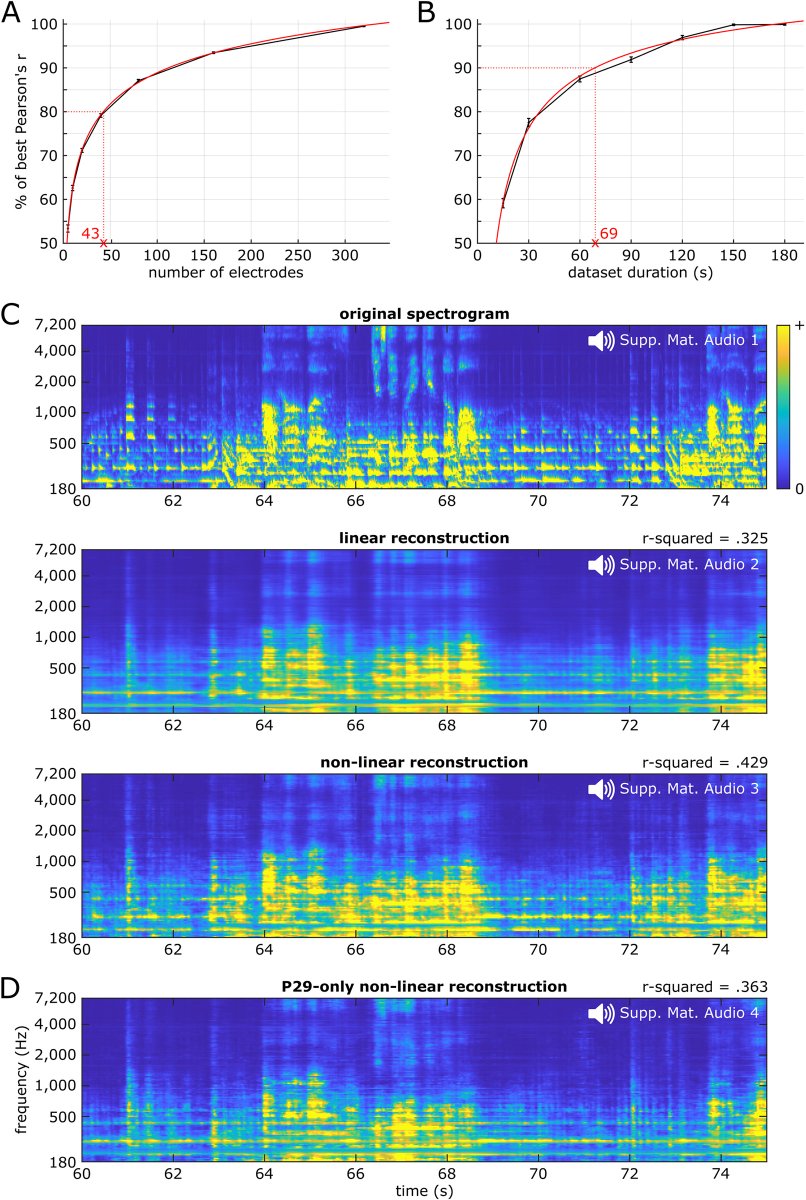
It was found that music perception relied on both hemispheres, with a preference for the right hemisphere. 8/9
Overall, these findings show the feasibility of applying predictive modeling on short datasets acquired in single patients, paving the way for adding musical elements to brain–computer interface (BCI) applications. 9/9
• • •
Missing some Tweet in this thread? You can try to
force a refresh

Our paper was just published in the British Journal of Sports Medicine.
🧵1/10
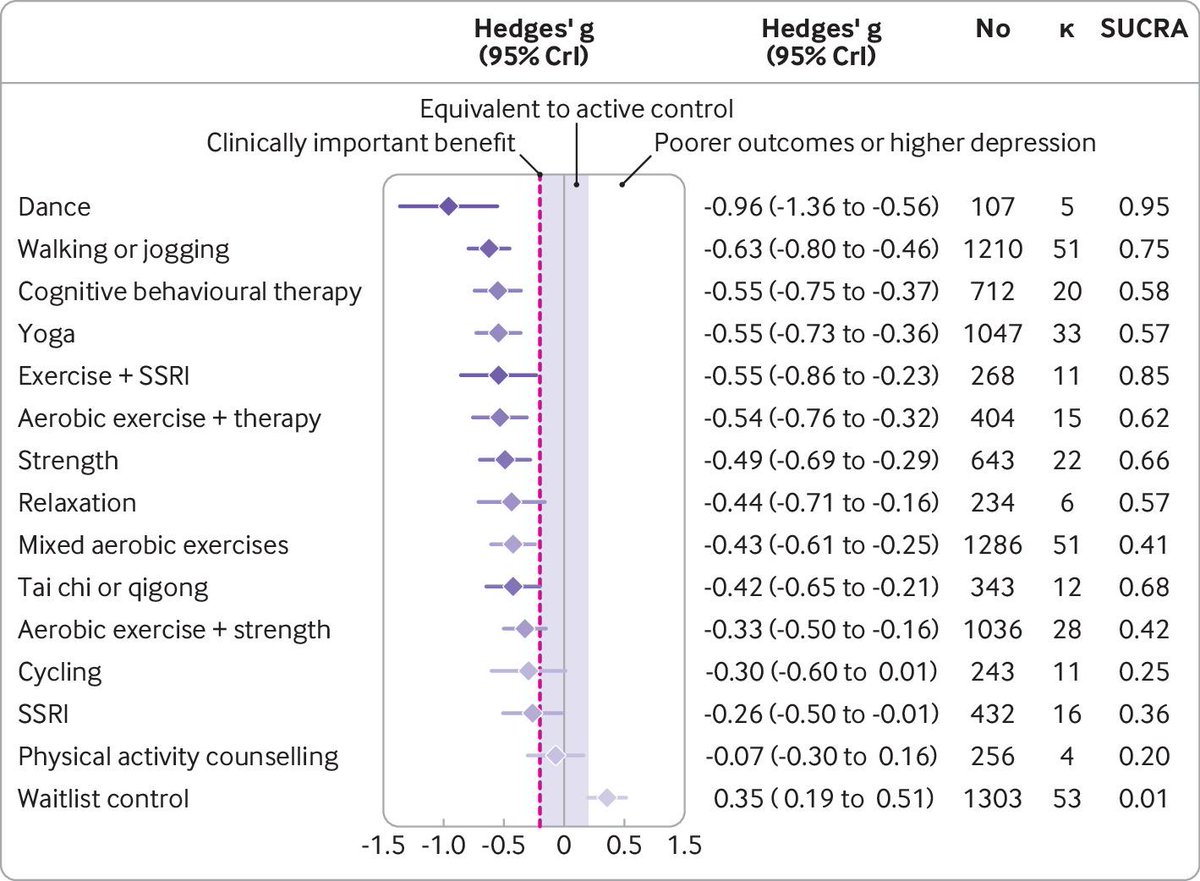
Recent studies have demonstrated that exercise has antidepressant effects comparable to those of medications or therapy, with simultaneous multisystem benefits to one’s physical health. 2/10
Exercise has been adopted as a first-line treatment in guidelines for depression globally, however, clinically, exercise is uncommonly prescribed or prioritised in the psychiatric setting. 3/10
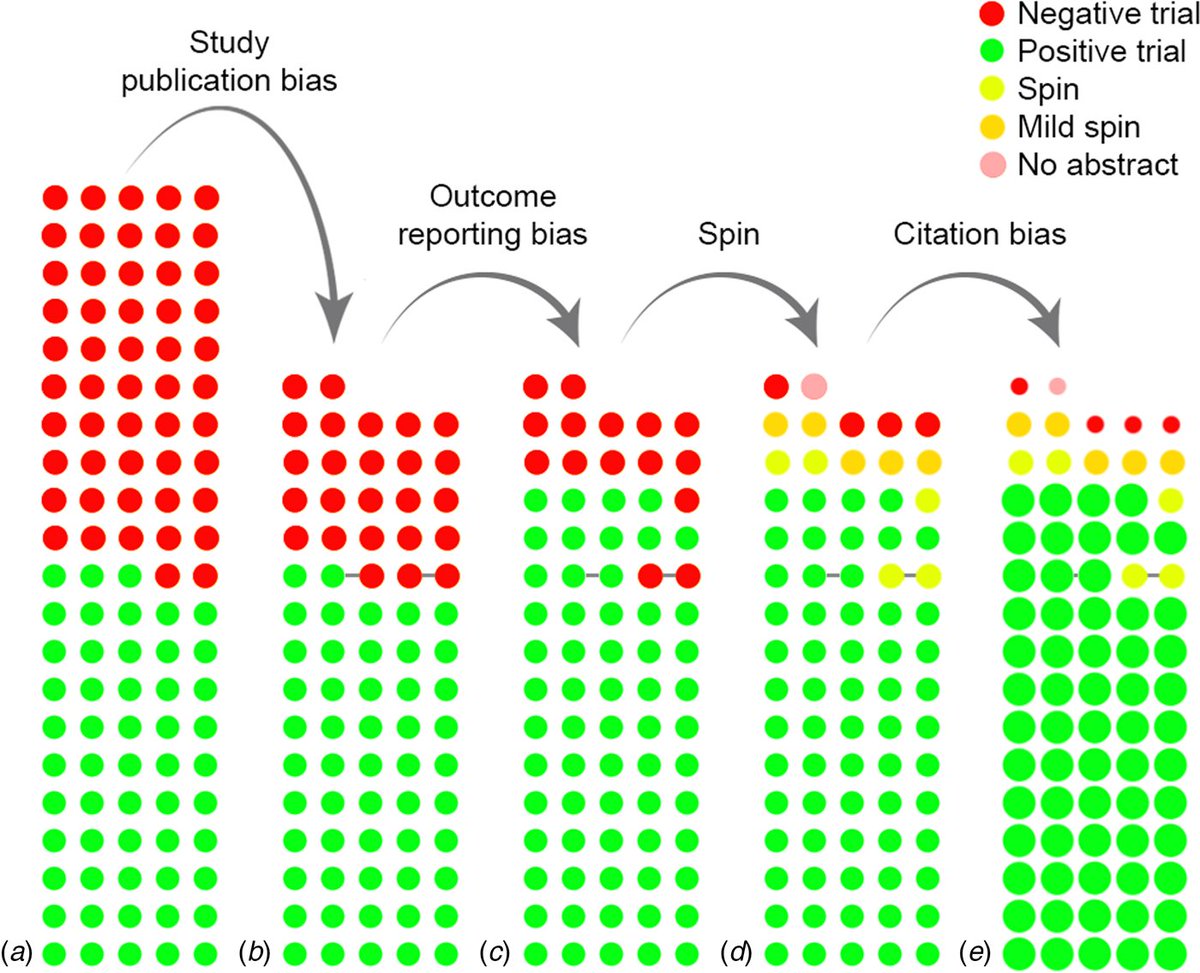
Antidepressant efficacy is inflated by the cumulative impact of publication bias, outcome reporting bias, spin, and citation bias on the evidence base.
🧵1/12
This discussion is from a paper in @CambUP_Psych which analyzed the cumulative impact of biases on apparent efficacy for antidepressants. 2/12 cambridge.org/core/journals/…
Publication bias is the failure to publish the results of a study on the basis of the direction or strength of the study findings; oftentimes, studies which have statistically significant positive results get published and the negative studies do not. 3/12
Our paper was just published in the Journal of Psychiatry & Brain Science.
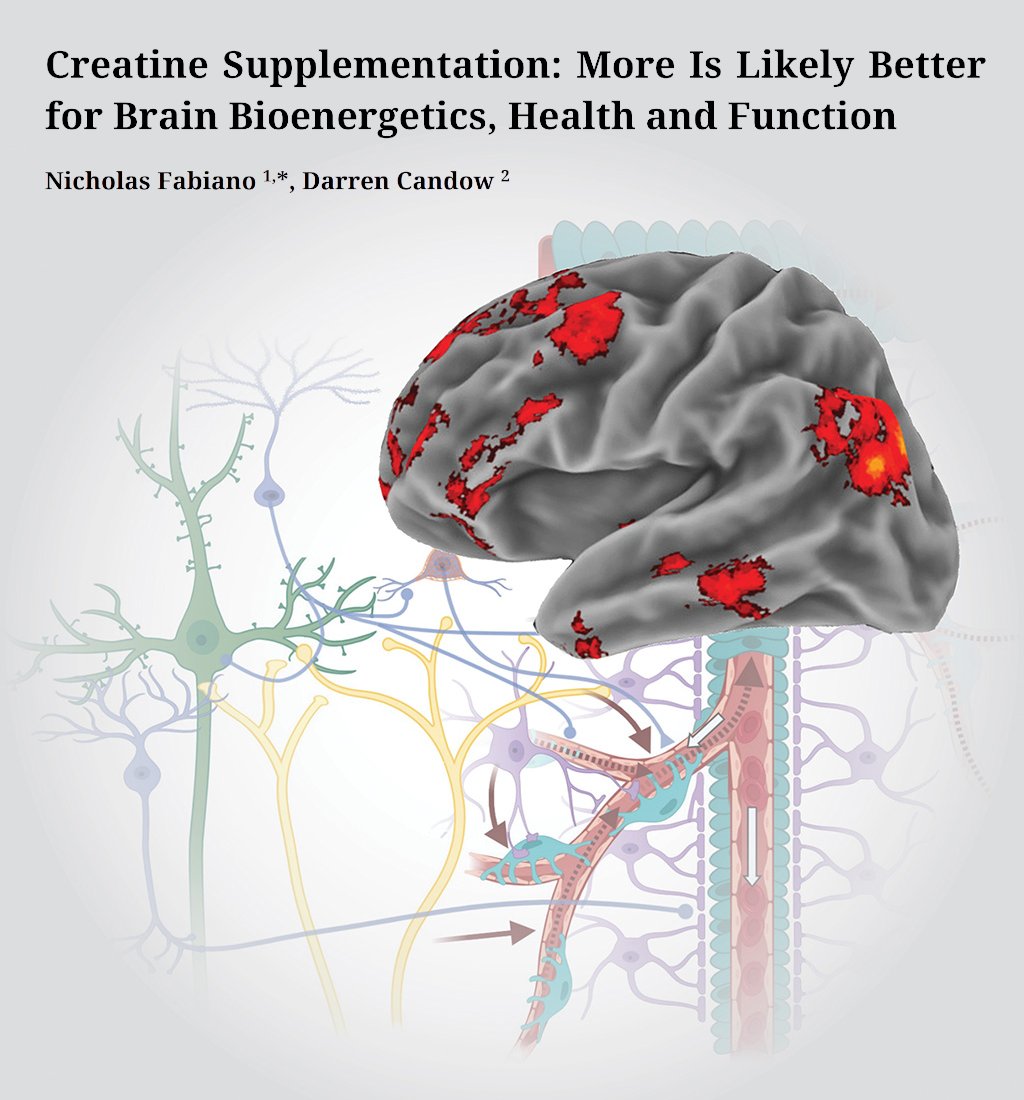
5 grams of creatine per day saturates your muscles, but is likely too low for the brain.
🧵1/10
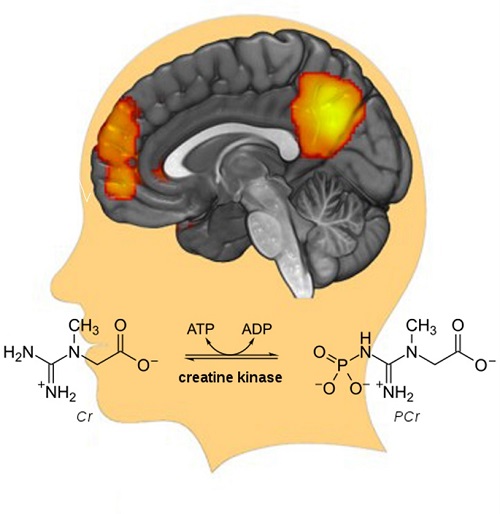
Given the constant energy supply required by the brain, there has been increasing interest in the potential of creatine for improving brain bioenergetics, health and function. 2/10
Accumulating research indicates that creatine is capable of increasing brain creatine stores which may help explain improvements in cognitive functioning particularly during times of metabolic stress. 3/10
Stronger legs are associated with larger brain volume & slower cognitive decline.
🧵1/7
These findings are from a study in @KargerPublisher which tested whether muscle fitness (measured by leg power) could predict cognitive change in a healthy older population over a 10-year time interval. 2/7 karger.com/ger/article/62…
There is consistent evidence from observational studies of a protective association between levels of physical activity and subsequent cognitive ageing within the healthy population. 3/7
A common belief is that cognition arises from the brain.
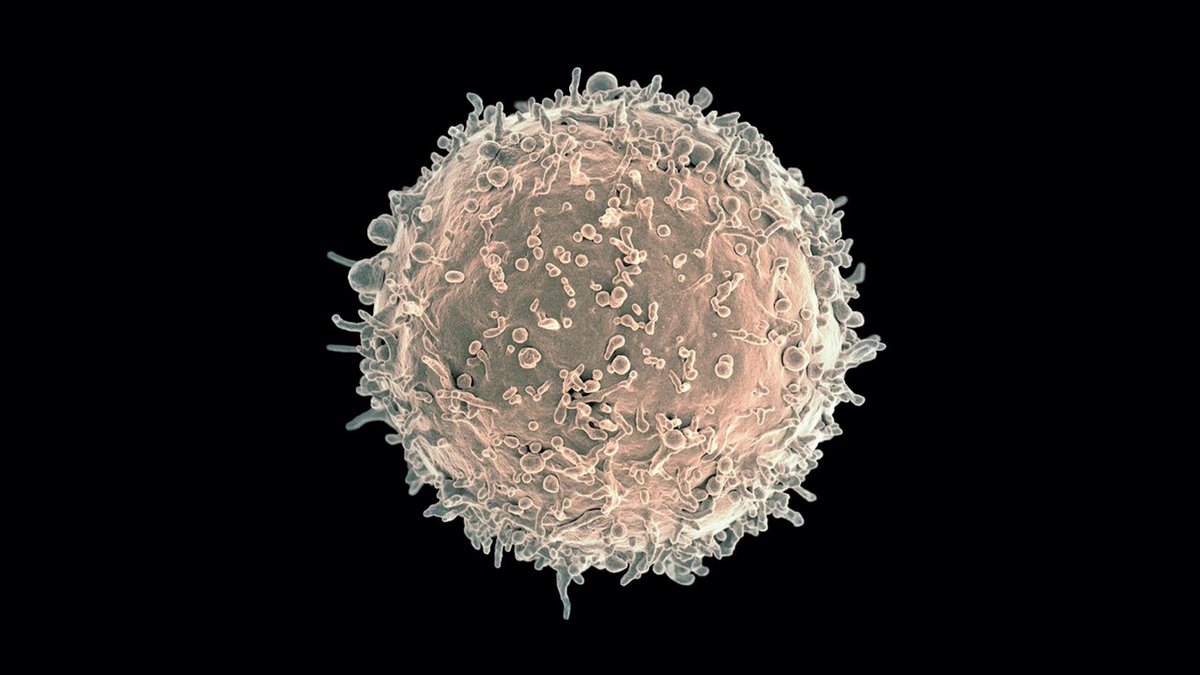
This paper suggests that cognition is a complex multiscale information processing distributed across every single cell in the body.
🧵1/10
These findings are from a paper in @FrontNeurosci which argues that a promising way forward in understanding the nature of human cognition is to zoom out from the prevailing picture focusing on its neural basis. 2/10 frontiersin.org/journals/integ…
The idea that the mind is distinct from the body and somehow at home in the human brain has deep roots in a longstanding philosophical and scientific thinking, stretching from antiquity to the present day. 3/10