Nicholas Fabiano, MD Profile picture
Aug 4, 2024 9 tweets 2 min read Read on X
Music can be reconstructed from the auditory cortex.

🧵1/9 Image
These findings are from a study in @PLOSBiology which analyzed a unique intracranial electroencephalography dataset of 29 patients who listened to a @pinkfloyd song and applied a stimulus reconstruction approach previously used in the speech domain. 2/9 journals.plos.org/plosbiology/ar…

Image
Music perception relies on a broad network of subcortical and cortical regions, including primary and secondary auditory cortices, sensorimotor areas, and inferior frontal gyri (IFG). 3/9
Despite extensive overlap with the speech perception network, some brain regions of the temporal and frontal lobes are preferentially activated during music perception. 4/9
In this study, 29 neurosurgical patients passively listened to the popular rock song Another Brick in the Wall, Part 1 (by Pink Floyd), while their neural activity was recorded from a total of 2,668 electrodes directly lying on their cortical surface. 5/9
Then, the auditory spectrogram of the song stimulus was reconstructed from the elicited high-frequency activity using a regression approach. 6/9
A recognizable song was successfully reconstructed from direct neural recordings and quantified the impact of different factors on decoding accuracy. 7/9 Image
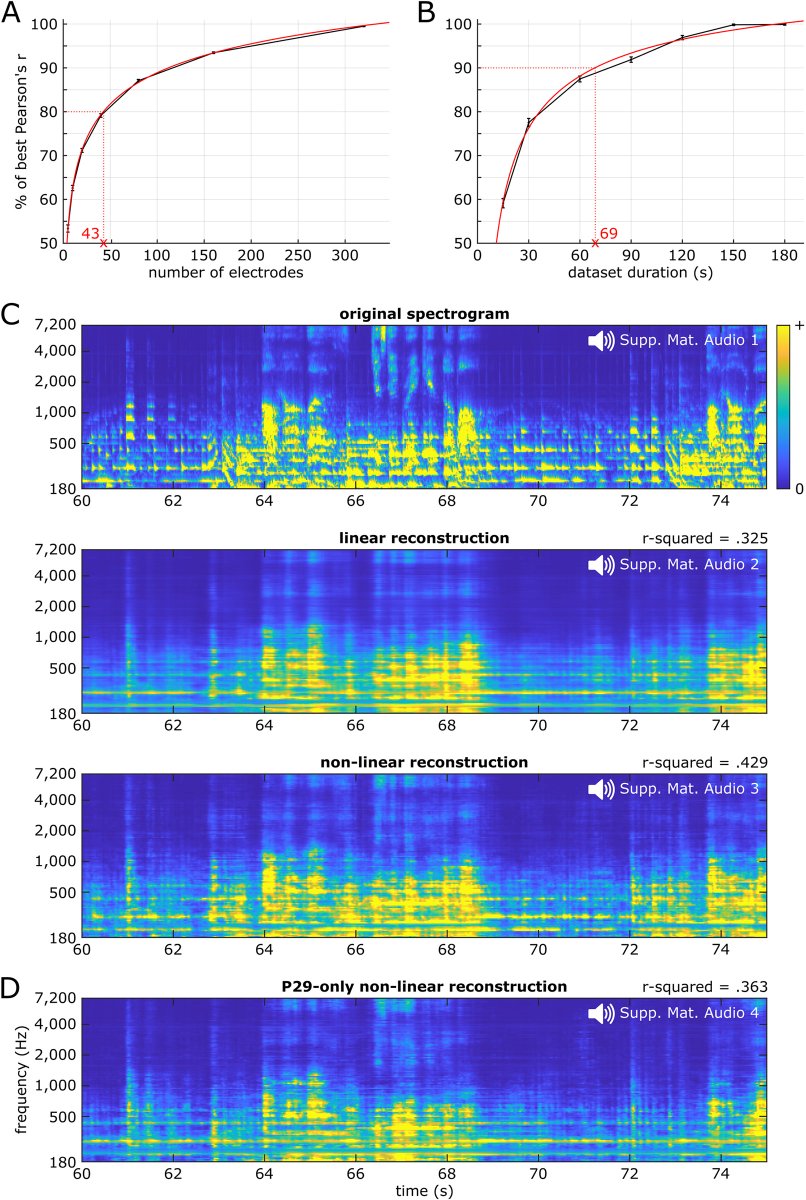
It was found that music perception relied on both hemispheres, with a preference for the right hemisphere. 8/9
Overall, these findings show the feasibility of applying predictive modeling on short datasets acquired in single patients, paving the way for adding musical elements to brain–computer interface (BCI) applications. 9/9

• • •

Missing some Tweet in this thread? You can try to force a refresh

 

Keep Current with Nicholas Fabiano, MD

Nicholas Fabiano, MD Profile picture

Stay in touch and get notified when new unrolls are available from this author!

Read all threads

This Thread may be Removed Anytime!

PDF

Twitter may remove this content at anytime! Save it as PDF for later use!

Try unrolling a thread yourself!

how to unroll video
  1. Follow @ThreadReaderApp to mention us!

  2. From a Twitter thread mention us with a keyword "unroll"
@threadreaderapp unroll

Practice here first or read more on our help page!

More from @NTFabiano

Sep 10, 2025
Our paper was just published in the British Journal of Sports Medicine.

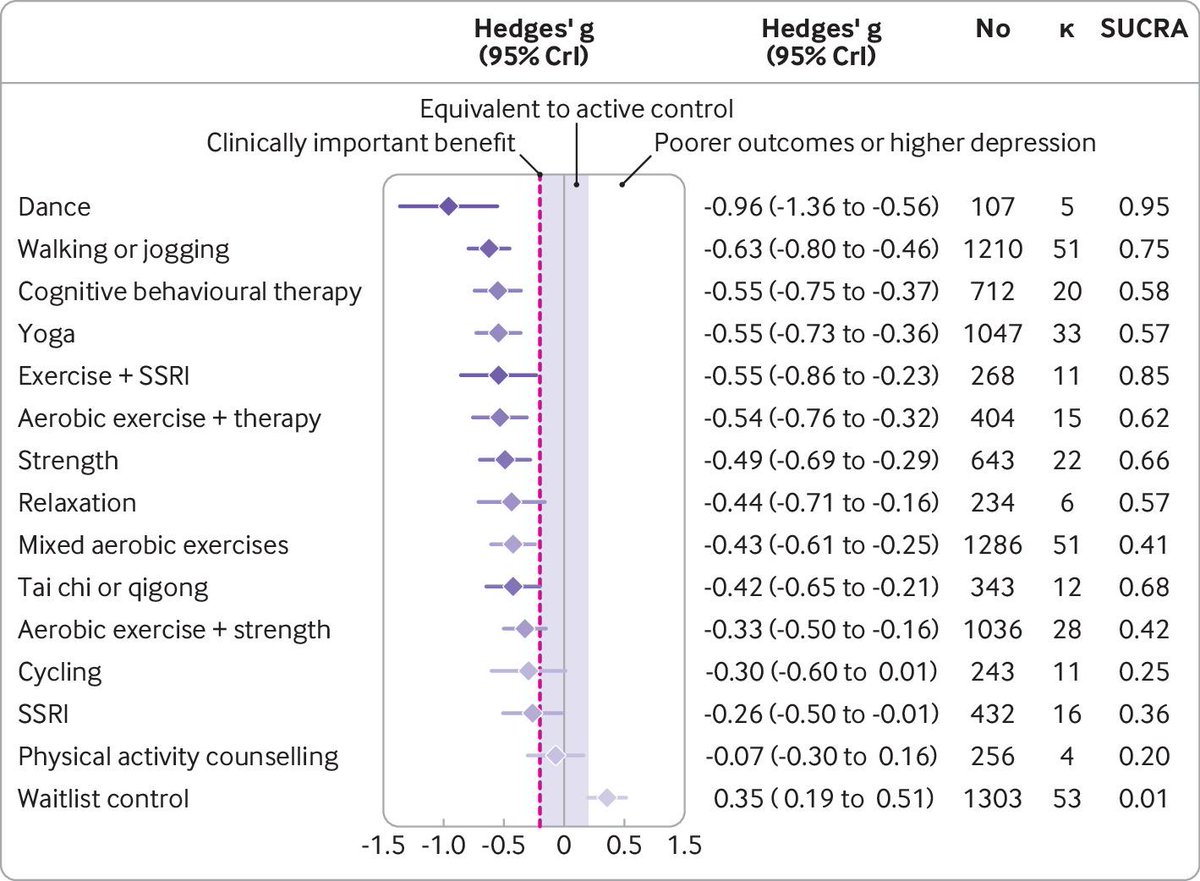
🧵1/10 Image
Recent studies have demonstrated that exercise has antidepressant effects comparable to those of medications or therapy, with simultaneous multisystem benefits to one’s physical health. 2/10 Image
Exercise has been adopted as a first-line treatment in guidelines for depression globally, however, clinically, exercise is uncommonly prescribed or prioritised in the psychiatric setting. 3/10 Image
Read 12 tweets
Aug 26, 2025
How to read an academic paper Image
Image
Read 4 tweets
Aug 4, 2025
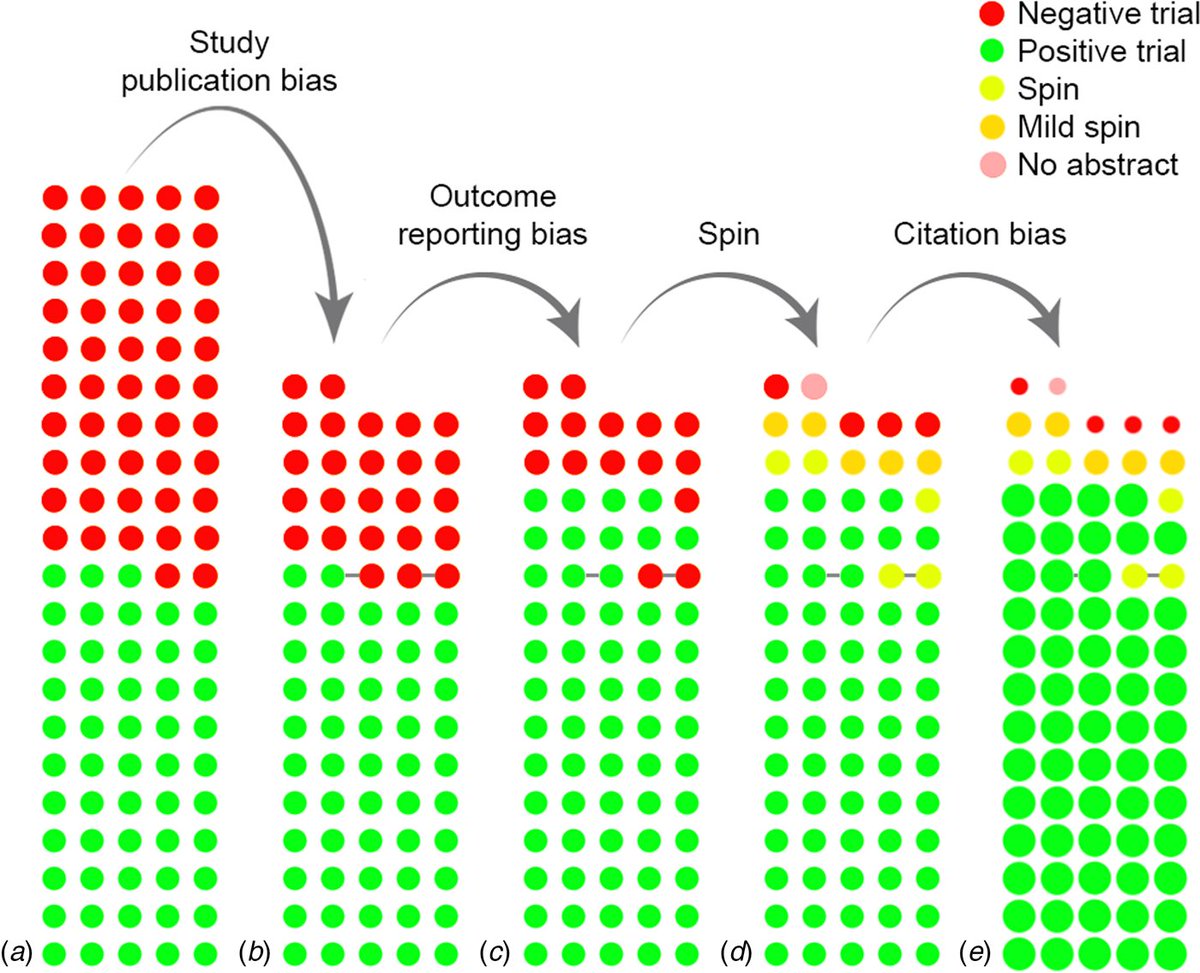
Antidepressant efficacy is inflated by the cumulative impact of publication bias, outcome reporting bias, spin, and citation bias on the evidence base.

🧵1/12 Image
This discussion is from a paper in @CambUP_Psych which analyzed the cumulative impact of biases on apparent efficacy for antidepressants. 2/12 cambridge.org/core/journals/…Image
Publication bias is the failure to publish the results of a study on the basis of the direction or strength of the study findings; oftentimes, studies which have statistically significant positive results get published and the negative studies do not. 3/12
Read 12 tweets
Jul 29, 2025
Our paper was just published in the Journal of Psychiatry & Brain Science.

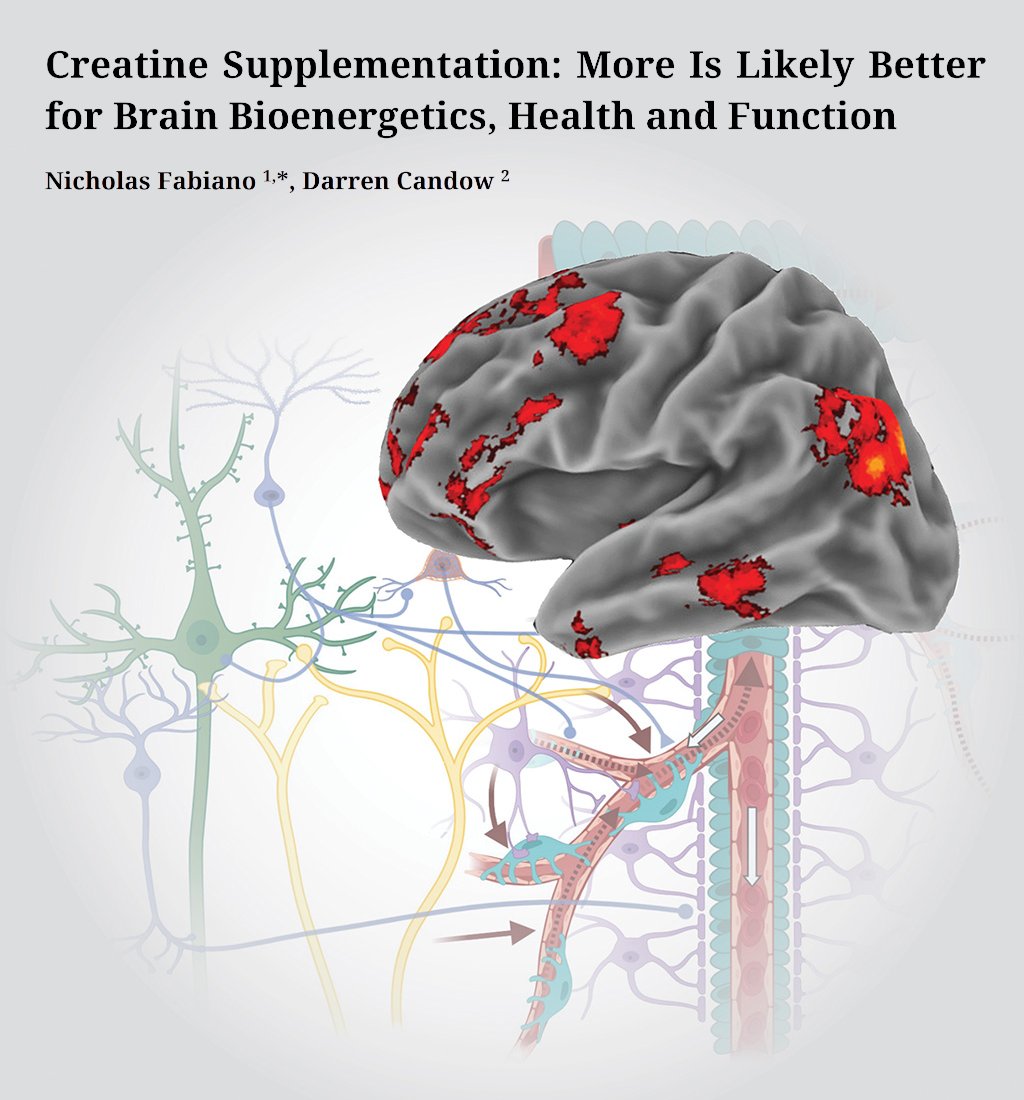
5 grams of creatine per day saturates your muscles, but is likely too low for the brain.

🧵1/10 Image
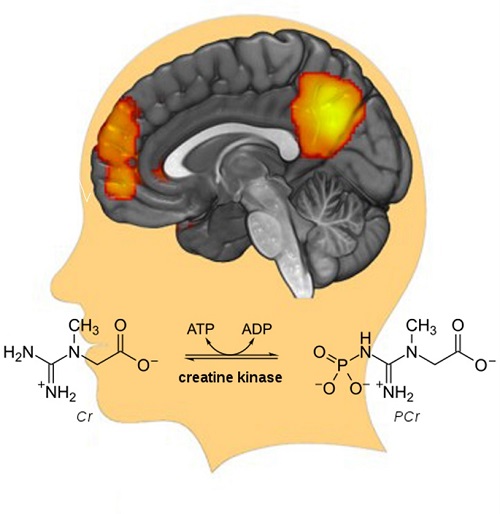
Given the constant energy supply required by the brain, there has been increasing interest in the potential of creatine for improving brain bioenergetics, health and function. 2/10 Image
Accumulating research indicates that creatine is capable of increasing brain creatine stores which may help explain improvements in cognitive functioning particularly during times of metabolic stress. 3/10
Read 12 tweets
Jul 17, 2025
Stronger legs are associated with larger brain volume & slower cognitive decline.

🧵1/7 Image
These findings are from a study in @KargerPublisher which tested whether muscle fitness (measured by leg power) could predict cognitive change in a healthy older population over a 10-year time interval. 2/7 karger.com/ger/article/62…Image
There is consistent evidence from observational studies of a protective association between levels of physical activity and subsequent cognitive ageing within the healthy population. 3/7
Read 7 tweets
Jul 15, 2025
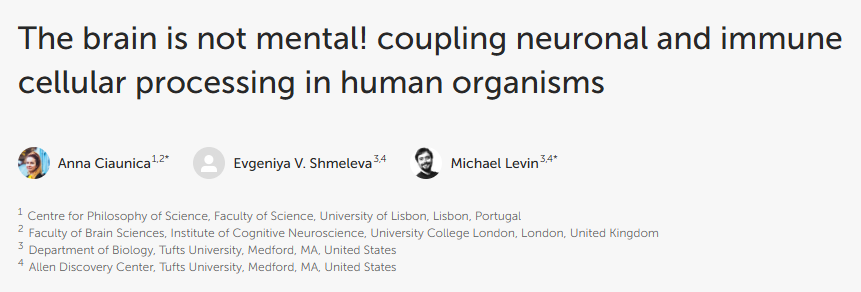
A common belief is that cognition arises from the brain.

This paper suggests that cognition is a complex multiscale information processing distributed across every single cell in the body.

🧵1/10 Image
These findings are from a paper in @FrontNeurosci which argues that a promising way forward in understanding the nature of human cognition is to zoom out from the prevailing picture focusing on its neural basis. 2/10 frontiersin.org/journals/integ…Image
The idea that the mind is distinct from the body and somehow at home in the human brain has deep roots in a longstanding philosophical and scientific thinking, stretching from antiquity to the present day. 3/10 Image
Read 10 tweets

Did Thread Reader help you today?

Support us! We are indie developers!


This site is made by just two indie developers on a laptop doing marketing, support and development! Read more about the story.

Become a Premium Member ($3/month or $30/year) and get exclusive features!

Become Premium

Don't want to be a Premium member but still want to support us?

Make a small donation by buying us coffee ($5) or help with server cost ($10)

Donate via Paypal

Or Donate anonymously using crypto!

Ethereum

0xfe58350B80634f60Fa6Dc149a72b4DFbc17D341E copy

Bitcoin

3ATGMxNzCUFzxpMCHL5sWSt4DVtS8UqXpi copy

Thank you for your support!

Follow Us!

:(