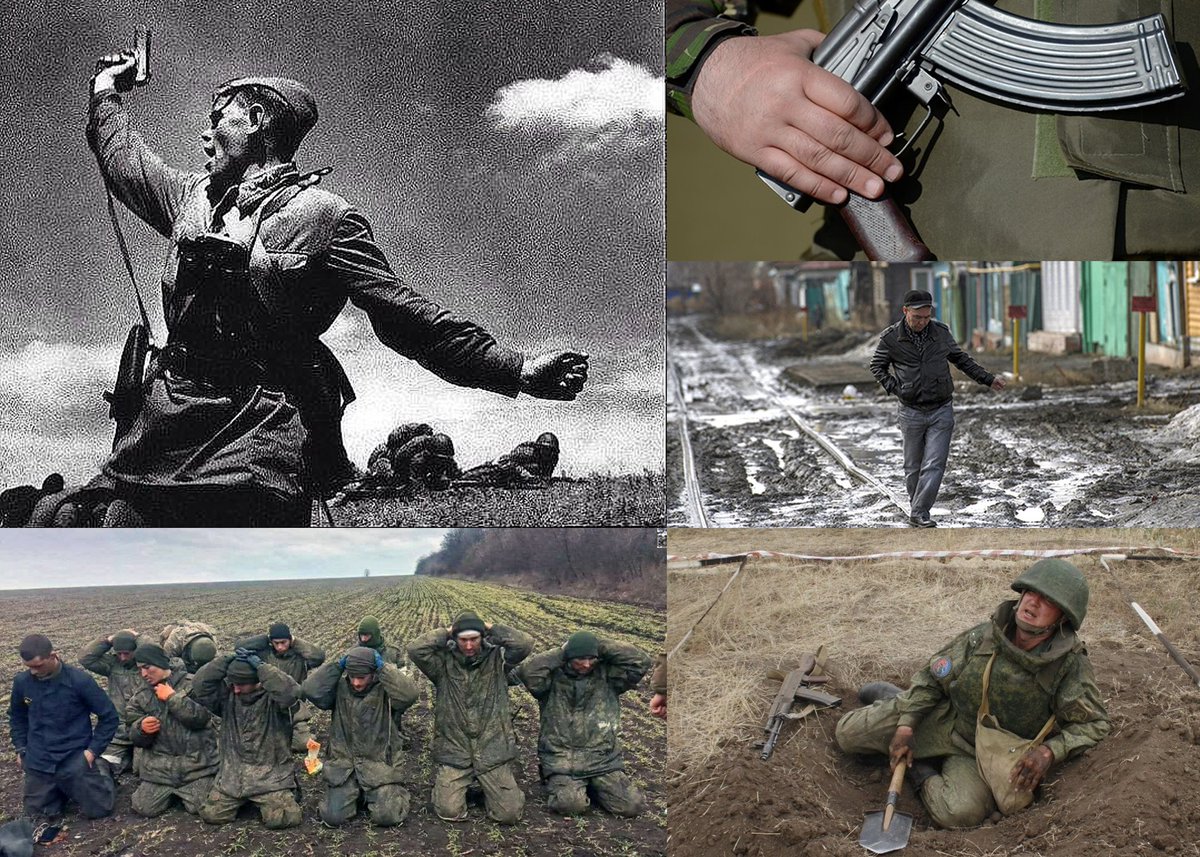
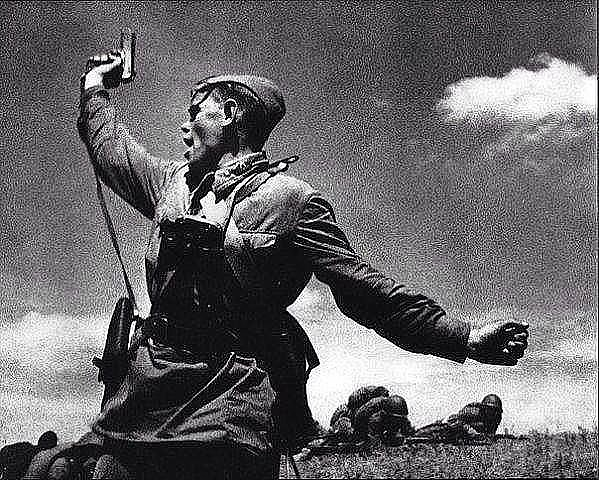
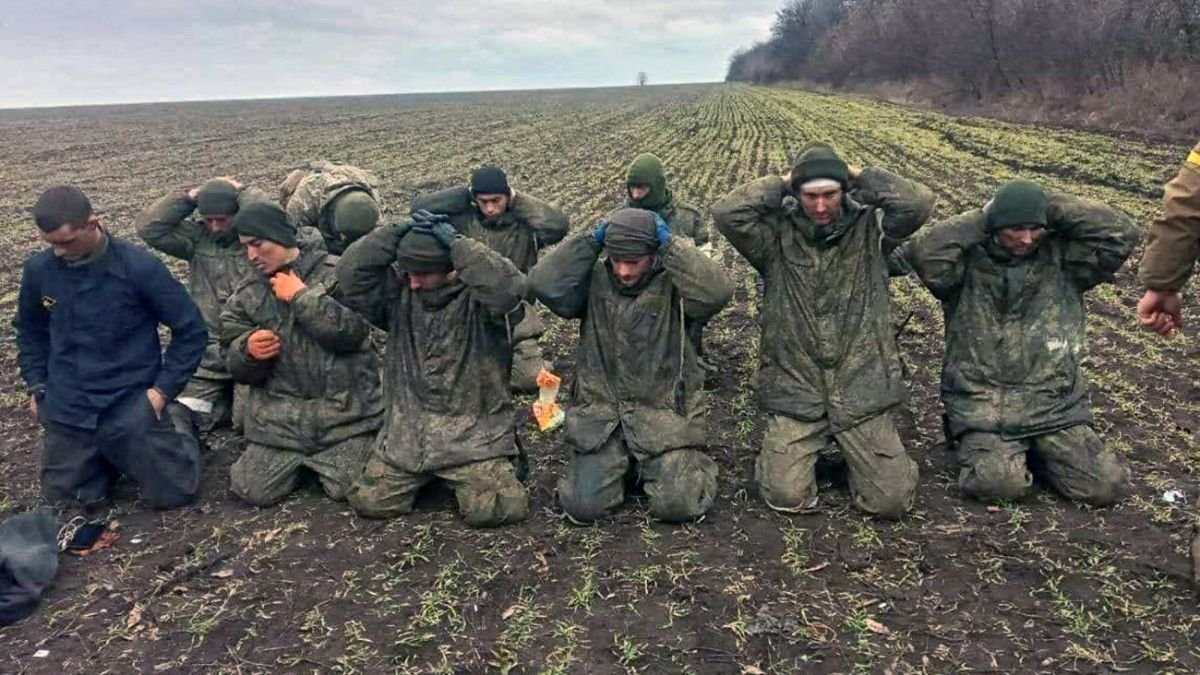
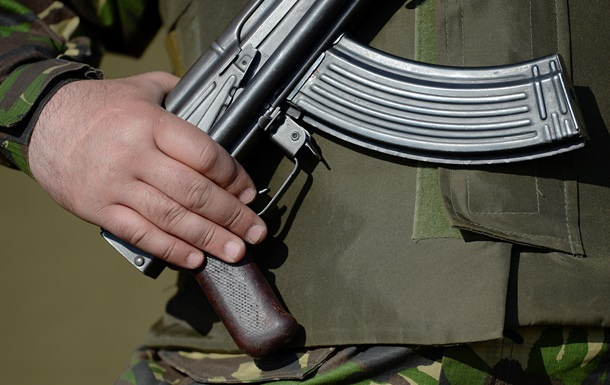
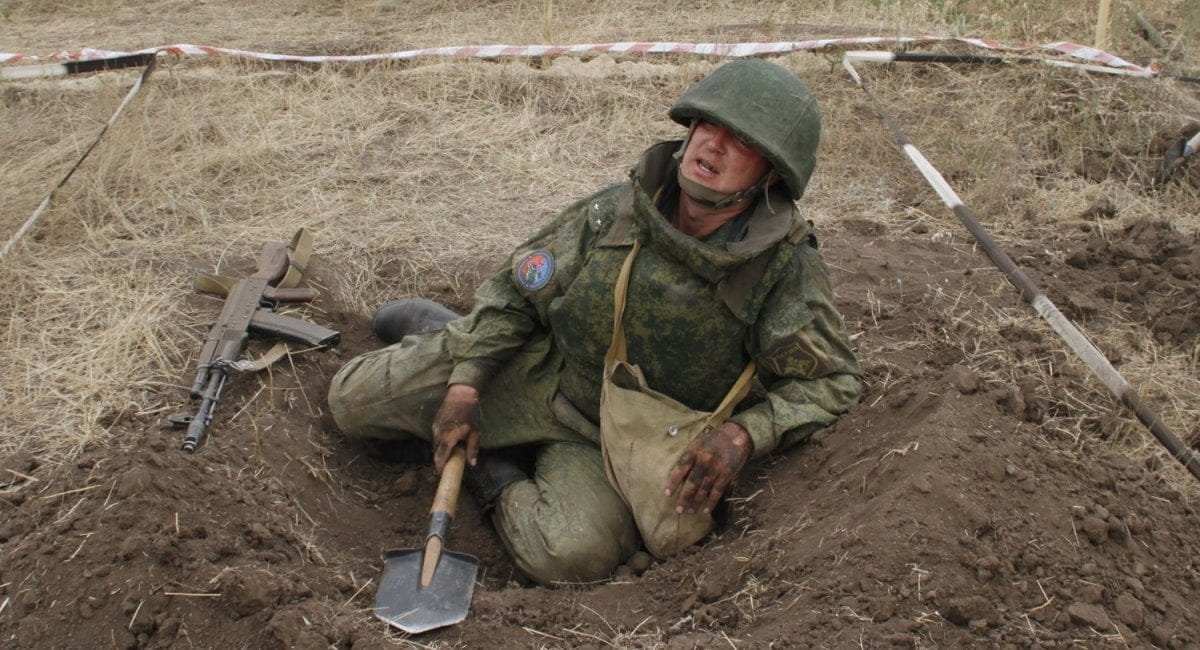
More and more often, videos appear on the Internet where wounded Russian soldiers finish themselves off. Russia continues to advance and has made some progress in the direction of Chasiv Yar and Pokrovsk. There are also local successes in the Toretsk direction. The more 1/6
furiously Russia attacks, the more such videos we see. Russian propaganda on all channels says that a soldier must "die for the Motherland", directly saying that it is a sacred duty not to surrender and to use the last bullet for oneself. The cult of death and pseudo-heroism. 2/6
In addition, propaganda and political instructors already at the front constantly talk about the terrible torture in Ukrainian captivity. Russian soldiers, knowing how their own people treat them, easily believe this propaganda. The "don't surrender campaign" is promoted 3/6
by the Russian government, because if a soldier commits suicide, his relatives are not entitled to posthumous payments. The more cases of self-inflicted gunshots, the better for the system. In order to reduce the desire to surrender, in September 2022, a criminal penalty of 4/6
up to 10 years in prison was introduced for voluntary surrender. Some Russian soldiers decide to leave simply because they were tortured and abused in the Russian army. Some, because there is no rotation and they have been at the front for 2.5 years without leave. But there 5/6
are very few of them. Russian soldiers rarely last that long. Some wounded are finished off by their own. Evacuation is difficult and risky, and the life of a Russian soldier is worth nothing in the eyes of their superiors. In principle, as is life in Russia in general. 6/6
• • •
Missing some Tweet in this thread? You can try to
force a refresh

In Russia, "import substitution," like many other things, has long turned not into technological development but into a convenient way to siphon off budget funds. The state allocates money for the creation of "domestic developments," after which companies take ready-made
🧵
Western solutions, slightly adapt them, and present them as their own innovations, keeping subsidies and reporting an alleged technological breakthrough. A telling example is the case of the company Newco. The Ministry of Industry and Trade attempted in court to recover
177.6 million rubles, arguing that hearing aids developed with state funding were in fact based on technology from the Danish company Oticon and did not constitute an independent development. However, the Moscow Arbitration Court sided with the business, ruling that
A wave of property confiscations that swept across the regions and affected officials, security officers, and judges has brought the state an amount comparable to the annual budget of a small region. In total, over the past 5-7 years, property worth 100 billion rubles has been
🧵
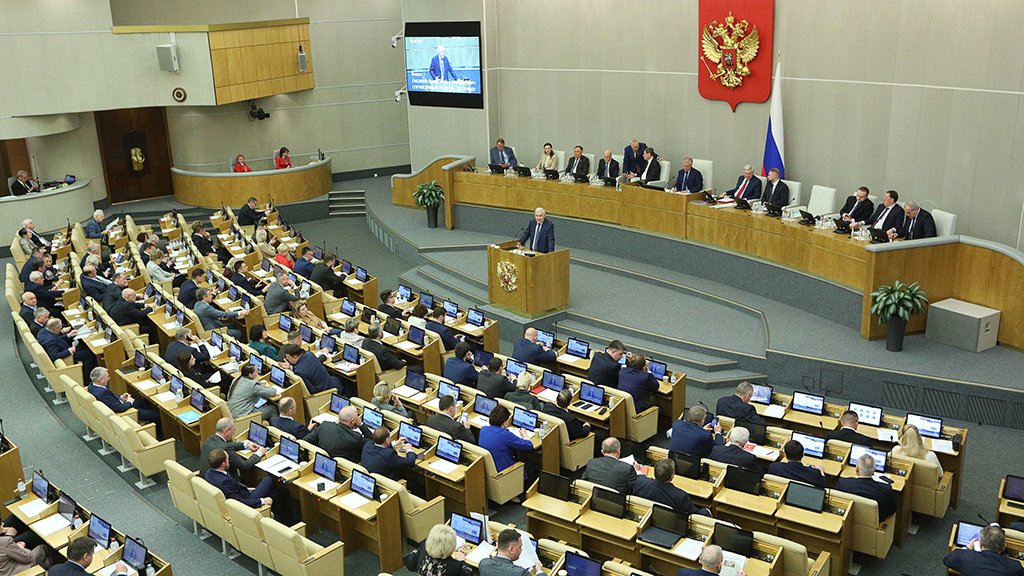
seized in corruption cases, Accounts Chamber auditor Andrei Baturkin reported in the State Duma. The confiscations have reached such a scale that, according to Baturkin, a “road map” is now required to coordinate the relevant agencies that will have to deal with seized companies,
houses, land plots, and collections of luxury cars and watches. It is necessary to “establish communication between the power bloc and Rosimushchestvo so that there is more feedback regarding what property is to be transferred into the ownership of the Russian Federation,”
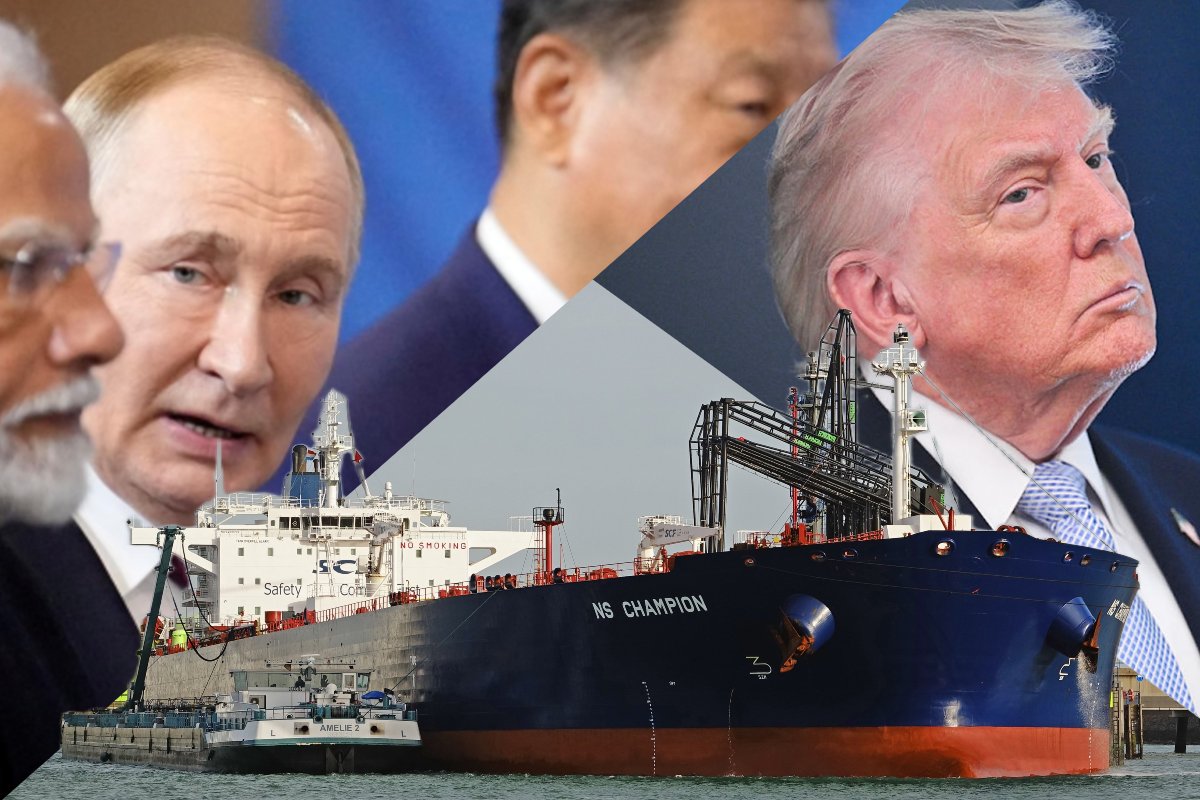
Bloomberg reported, citing sources, that Greece and Malta have become the main obstacles to an EU proposal to replace the price cap on Russian oil with a ban on services necessary for transporting fuel. According to the agency’s interlocutors, the two southern European
🧵
countries raised concerns about this step at a meeting of EU ambassadors on Monday, where the latest sanctions package against Russia was presented. They warned that such a shift could affect Europe’s shipping industry and energy prices. Both countries also requested
clarifications regarding proposals to impose sanctions on foreign ports handling Russian oil and to strengthen oversight of ship sellers in order to reduce the number of vessels entering Moscow’s fleet. A representative of the Greek government declined to comment.
The most unpleasant forecasts regarding the Russian economy are beginning to materialize. What analysts cautiously spoke about a year ago is now being discussed openly even by the most pro-government Russian economists: the safety margin is rapidly shrinking. While Putin talks
🧵
about “stability” and “growth,” the reality looks far more prosaic: a country that unleashed a war of aggression against Ukraine is methodically burning through its own financial system. According to estimates by Germany’s BND intelligence service, Russia’s real military spending
reaches around 10% of GDP and nearly half of the federal budget. In fact, actual expenditures are 66% higher than officially declared, due to hidden budget lines, Defense Ministry construction projects, military IT infrastructure, and social payments to servicemen. In simple
According to BND estimates, last year Russia’s military spending may have amounted to almost half of the state budget and around 10% of the country’s GDP. According to the German intelligence service, Russia is spending significantly more on the war and its armed forces
🧵
than it has declared in recent years. Since the start of the war against Ukraine in February 2022, Russia’s defense budget has increased sharply every year. In addition, Russia’s interpretation of “defense spending” differs significantly from the NATO definition, German
intelligence officials note. A comprehensive analysis of budget data conducted by BND shows that Russia’s defense budget in recent years was 66% higher than officially reported. Unaccounted expenditures include, for example, construction projects of the Ministry of Defense,
Ukrainian President Volodymyr Zelensky explained why he sharply criticized Europe at the World Economic Forum in Davos. He made these remarks during a meeting with journalists in Kyiv, according to a correspondent from European Pravda. Zelensky said he had grounds for critical
🧵
statements toward Europe after a lack of funding led to a shortage of air defense missiles, allowing Russia to strike Kyiv’s energy infrastructure. Zelensky did not deny that his speech may have sounded overly harsh from European capitals and explained this by saying that
Ukraine and the rest of Europe live in different information spaces. He also acknowledged that the differences are not only informational but also emotional in how events are perceived. The president explained that his Davos speech was preceded by heavy strikes on energy