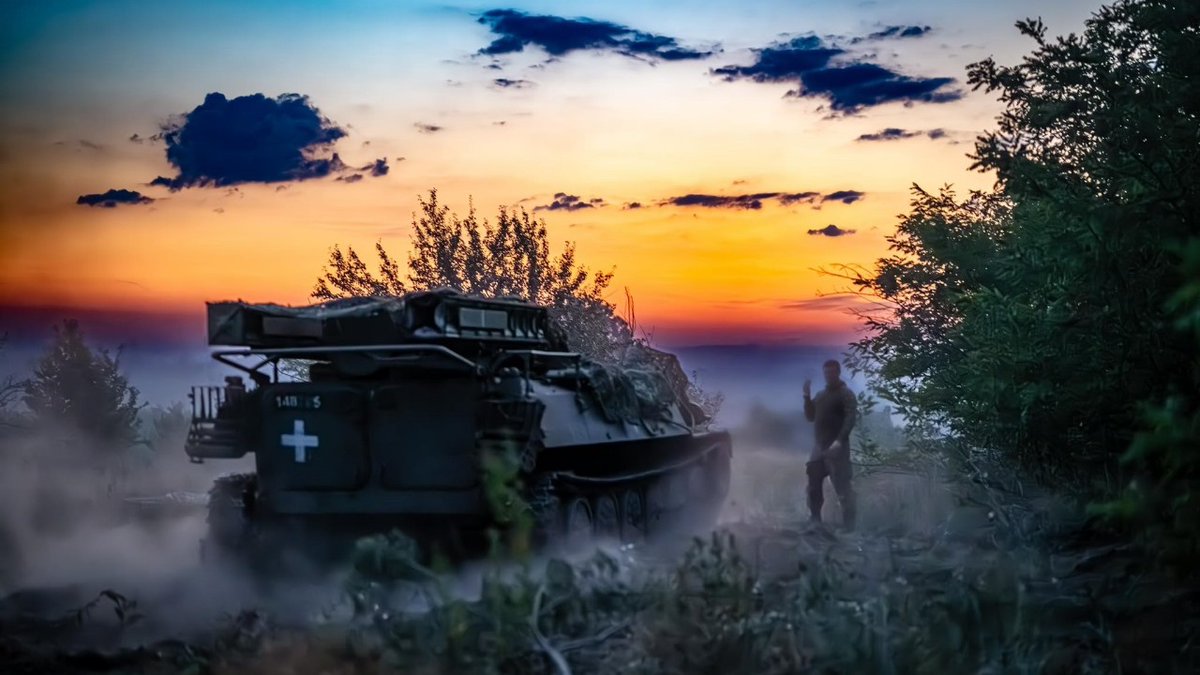
Now that we have had a couple of days to observe the new Ukrainian cross-border attack into Kursk, I wanted to offer a quick assessment of what we know, as well as Ukraine's potential objectives and the challenges it faces. 1/23 🧵( (Image: @DefenceU) 
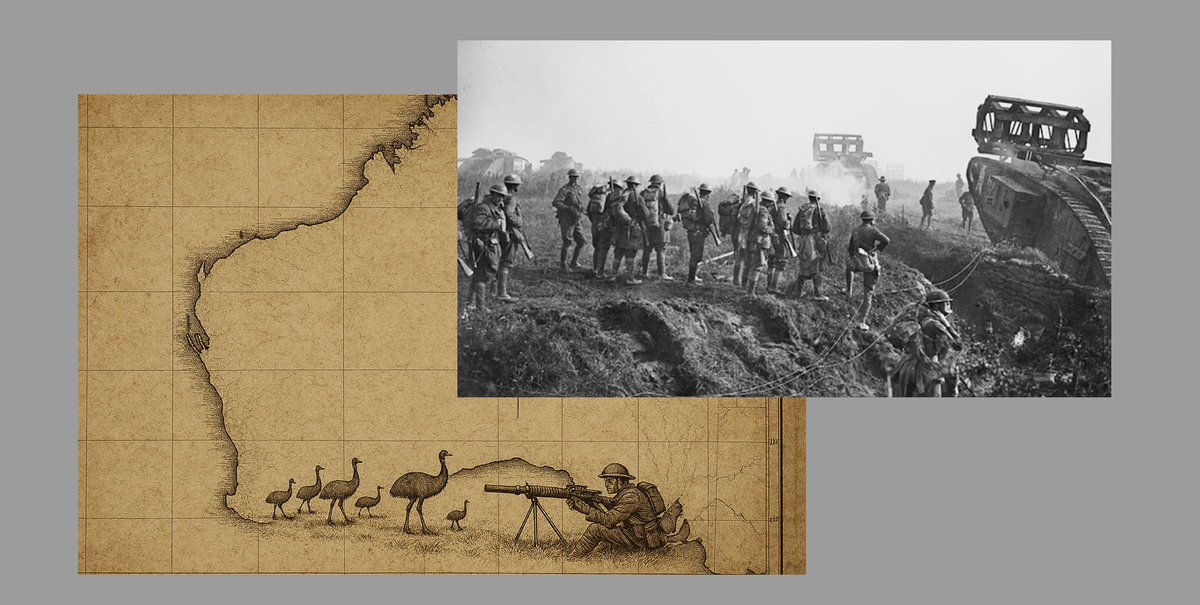
2/ Surprise is an important continuity in human competition and warfare. The aim is to shock an adversary and overwhelm them when they are their weakest or when they least expect it. That shock, and the accompanying break down in enemy cohesion & ability to effectively respond, can then be used to seize ground and destroy enemy formations.
3/ It appears that yet again, the Ukrainians have surprised Russia, and observers in the west, with their latest operation. Over the past 72 hours, we have watched as Ukraine has launched a significant cross-border assault into Russia’s Kursk region.
4/ Initially viewed as another raid into Russia, similar to the previous Ukrainian operations in May 2023 and March 2024, it has become clear that this is something different. Despite our ability to only see a small part of what is occurring in Kursk, there are several aspects of this new Ukrainian operation which are apparent.
5/ First, this is a multi-brigade operation. At least two Ukrainian brigades have been identified so far: the 22ndMechanized Brigade and the 82nd Air Assault Brigade. These are both quality formations. It appears that unlike in the 2023 southern counteroffensive where fresh brigades were employed, the Ukrainians have allocated experienced formations to this attack.
6/ Second, the Ukrainians have attacked with a highly mobile, mechanised force. This is different to the Russian dismounted attacks into Kharkiv in recent months. A high level of mobility is essential to creating or exploiting gaps in enemy defences, and rapidly exploiting such gaps. Speed and shock action are vital.
7/ Third, the Ukrainians appear to have deployed a significant amount of air defence capability. At least one Russian fighter aircraft and two helicopters have been claimed to have been shot down by the Ukrainians. There has been, as of this point, limited reports of Russia being able to use glide bombs or even large numbers of drones to counter the Ukrainian assault. This is indicative of a more effective air defence environment for the Ukrainians than was created for their 2023 counter offensives.
8/ Fourth, Ukraine has penetrated a good distance into Russia on at least two axes of advance. Main and supporting efforts are unclear. However, the situation remains very unclear and Ukrainian forces could be much deeper into Russia than we know. This constitutes the biggest advance by any side in this war since late 2022.
9/ Fifth, Ukraine has achieved surprise. This is an important theme to note given the obsession of some with describing this war as a ‘transparent battlefield’. This, again, shows that the battlefield is far from transparent, and that deception activities, good intelligence, and surprise are crucial elements of modern war.
10/ More importantly, the Ukrainian cross-border attack shows that surprise is still possible, and that offensive operations are also possible despite the prevalence of the defence in the past year.
11/ So, what might Ukraine's objectives - tactical, operational, strategic and political - be for their Kursk operation?
12/ At the most basic tactical level, this operation will be about seizing ground and destroying Russian ground and aerial forces. That is the central role of ground forces in war. But it is the operational and strategic purpose of conducting operations to seize ground and destroy the enemy that is interesting.
13/ There are a couple of possible operational objectives for this Ukrainian attack. First, Ukraine may be seeking to draw Russian forces away from its attacks on the Niu-York and its advances on Toretsk and Pokrovsk. This might be possible, but given Russia’s advantage in manpower, one would have to assess that this outcome is probably unlikely.
14/ Another operational objective, which is more likely to be realised, is to force the Russians to reconsider their force dispositions elsewhere on the front line. The Russians will have to respond, and even they do not have a bottomless pit of resources to do so. To respond to the Ukrainian attack on the Kursk region, they will have to stop defending somewhere else.
15/ Ukraine may have some specific operational objectives in mind which are related to ground. The Kursk nuclear power station may be one objective, but that still lies 60 kilometres from the border with #Ukraine, well beyond where Ukraine is currently thought to be operating. Key road and railway lines might also be interrupted.
16/ The strategic objectives of this attack can only be estimated at this early stage. First, the attack might be an attempt to slow or kill Russian momentum in its offensives which have lasted for the duration of 2024. Ukrainian planners will understand that even Russia can’t remain on the offensive forever.
17/ A 2nd strategic objective might be to shift the narrative on the war to one more positive for Ukraine and counter Russian misinformation about their ‘inevitable victory’ in Ukraine. The 2022 offensive in Kharkiv not only stunned the world but shifted the narrative on Ukraine’s ability to prosecute the war and resulted in a significant change in the west’s approach to providing aid.
18/ A 3rd strategic objective may be to boost morale in the Ukrainian population. Given the past 8 months of defensive operations, constant aerial attacks on infrastructure and ongoing power shortages, the will of the people will be at the forefront of the Ukrainian government’s considerations about the trajectory of the war.
19/ A 4th strategic objective for Ukraine might be to do what the Russians are doing in eastern Ukraine at the moment – grab as much territory as possible in case Ukraine is forced into some kind of negotiated settlement at the end of 2024 or in early 2025. Negotiating with some of your enemy’s territory is much better than negotiating without it.
20/ Ukraine faces a daunting array of issues as it moves forward with this operation. These include tactical, operational, strategic and political challenges. I explore these in detail in my new (free) article at Futura Doctrina, which can be read at the link. mickryan.substack.com/p/the-battle-o…

21/ Time will tell whether using these Ukrainian brigades to attack into Russia rather than defending eastern Ukraine has been the most strategically effective use of their forces.
22/ At a time when Ukrainian defenders in the east are being pushed back on several axes, the use of highly capable Ukrainian combat forces in Kursk is either a brilliant countermove to shift the momentum in the war, or a strategic error which compounds the challenges in Ukraine’s eastern Ukraine defensive operations.
23/ There is no way yet to make this assessment, however. As with all war, there is an abundance of uncertainty at the early stage of this Ukrainian offensive. Not only are we unsure about just how far the Ukrainians have penetrated, but we are also unsure of the strategic & political objectives of this operation. There is much more to learn in the coming days. End.
• • •
Missing some Tweet in this thread? You can try to
force a refresh