Ukrainian soldiers who could be contacted say there is a strict ban on publications, but they have them. Russian Telegram channels are currently the only source of information about what is happening in Kursk. Here is what the VChK-OGPU writes: "A source of the VChK-OGPU
1/21
1/21

reports that in Sudzha, departments and divisions of security and administrative structures have physically ceased to exist. Even if the employees have to return, they will have nowhere to return to, since the material base was destroyed by the Armed Forces of Ukraine. There
2/21
2/21

is no MAPP, no Rosgvardia, no Ministry of Internal Affairs. From special reports of the Sudzha security forces, it follows that the units have physically ceased to exist. In the same Rosgvardia department: the control panel, warehouses, boxes were destroyed by an almost
3/21
3/21

direct hit, administrative buildings were damaged. Three meters from the department, there was an incoming missile, in the place of which a giant crater was formed. All equipment was abandoned there, since there was no time or opportunity to dig it out and take it away.
4/21
4/21
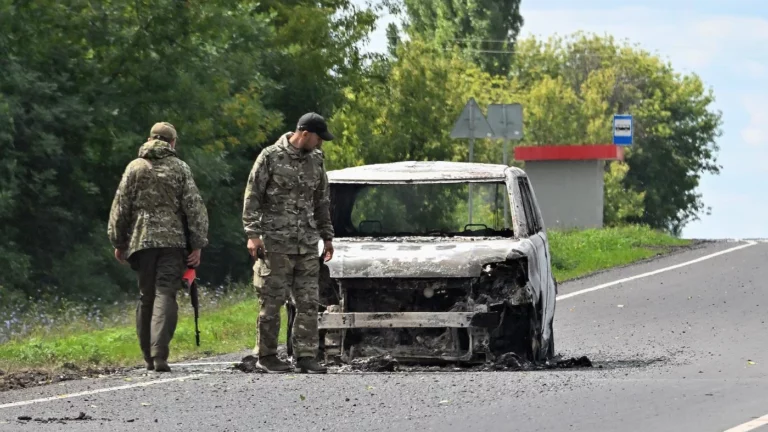
"There was a repeated shelling of such force and duration that it covered the entire city. The artillery preparation was the most powerful in history," said one of the employees of the now defunct department. The Security Forces personnel are transferred to salaries and
5/21
5/21

staff in the Kursk units. Accordingly, the survivors are redeployed there, since the area is almost completely under the control of the Armed Forces of Ukraine, and the units of the Ministry of Defense are working in the gray zones. The border guards suffered the most
6/21
6/21

losses, the Ministry of Internal Affairs and the Russian Guard managed to retreat and got off with a light fright... If people from Sudzha left their native penates under fire, then in Korenevo there was more time. The city and the district were evacuated by 90%. But the
7/21
7/21
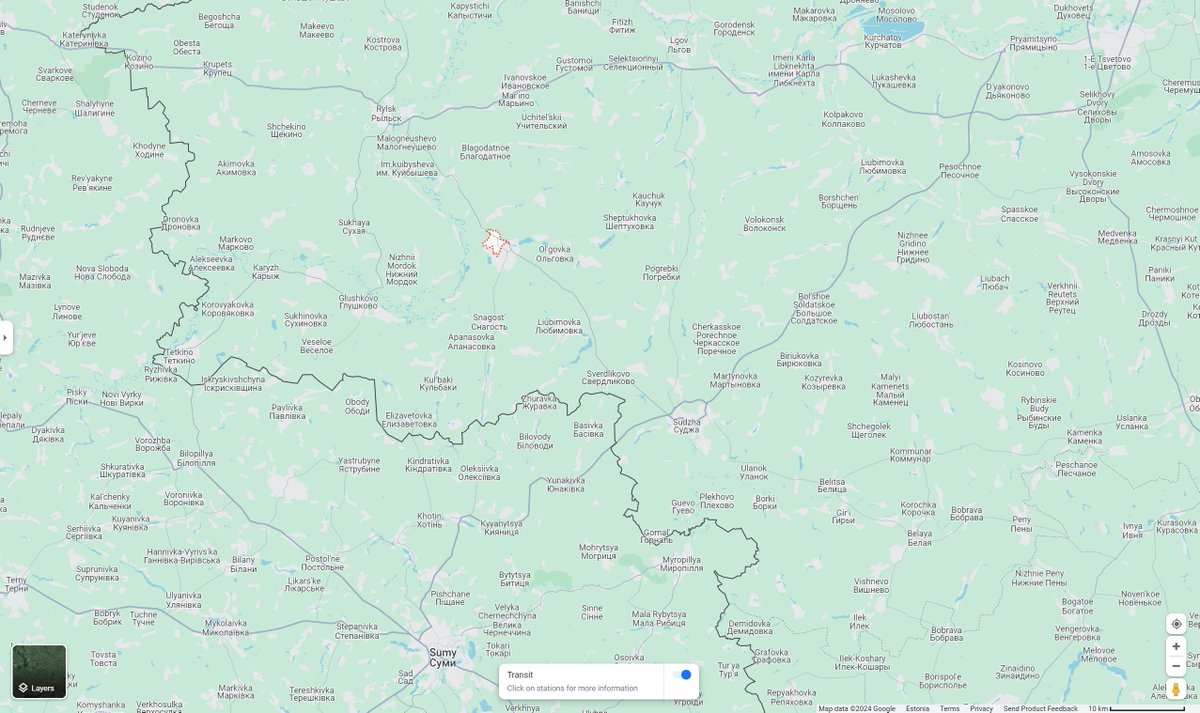
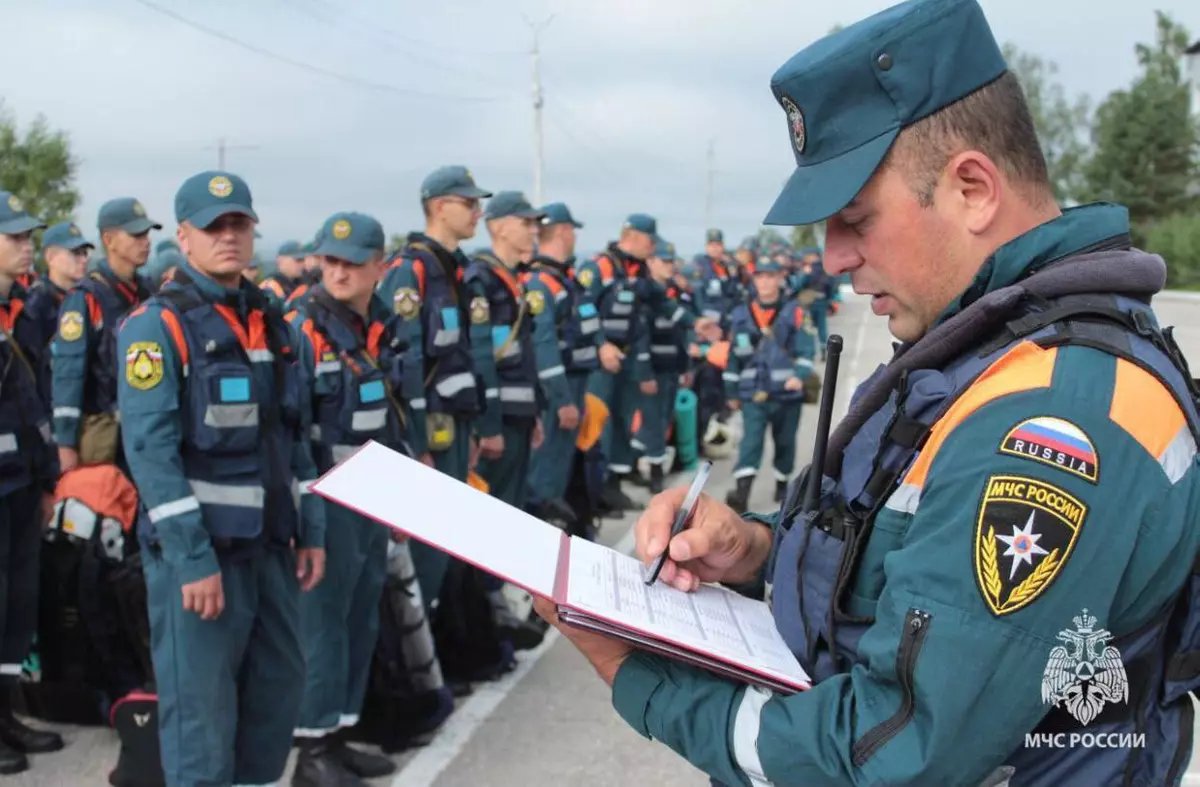
secret evacuation of security forces and employees is already underway on the next line: in the direction of the settlements of Glushkovo, Rylsk, Lgov, Kurchatov. In these villages and cities, people are being evacuated from hospitals, and the security forces have already
8/21
8/21

taken out the documentation. Local residents tell the VChK-OGPU that contrary to official reports that the Russian Armed Forces stopped the advance of the Armed Forces of Ukraine and that breakthrough attempts were “suppressed,” including in the village of Malaya Loknya, this is not
9/21
9/21
true. “It’s a lie. The situation is such that almost everything from Sudzha to the village of Kromskiye Byki (Lgovsky District) is controlled by the Ukrainian Armed Forces. The last ones who evacuated say that there are a lot of corpses in Malaya Loknya, lying right on
10/21
10/21

the roads. There are mines everywhere, sabotage groups, the Armed Forces of Ukraine have already dug in in Malaya Loknya. According to the latest information, again, those who left said that there is a checkpoint and a machine gunner at the crossroads near the village.”
11/21
11/21

“There are about 20 people left in Pogrebki. They were all forgotten, you can’t get there, the Armed Forces of Ukraine are everywhere. Local residents, who knew how to get through the fields and forests, before they took 1-2 people out at night on motorcycles to the village
12/21
12/21
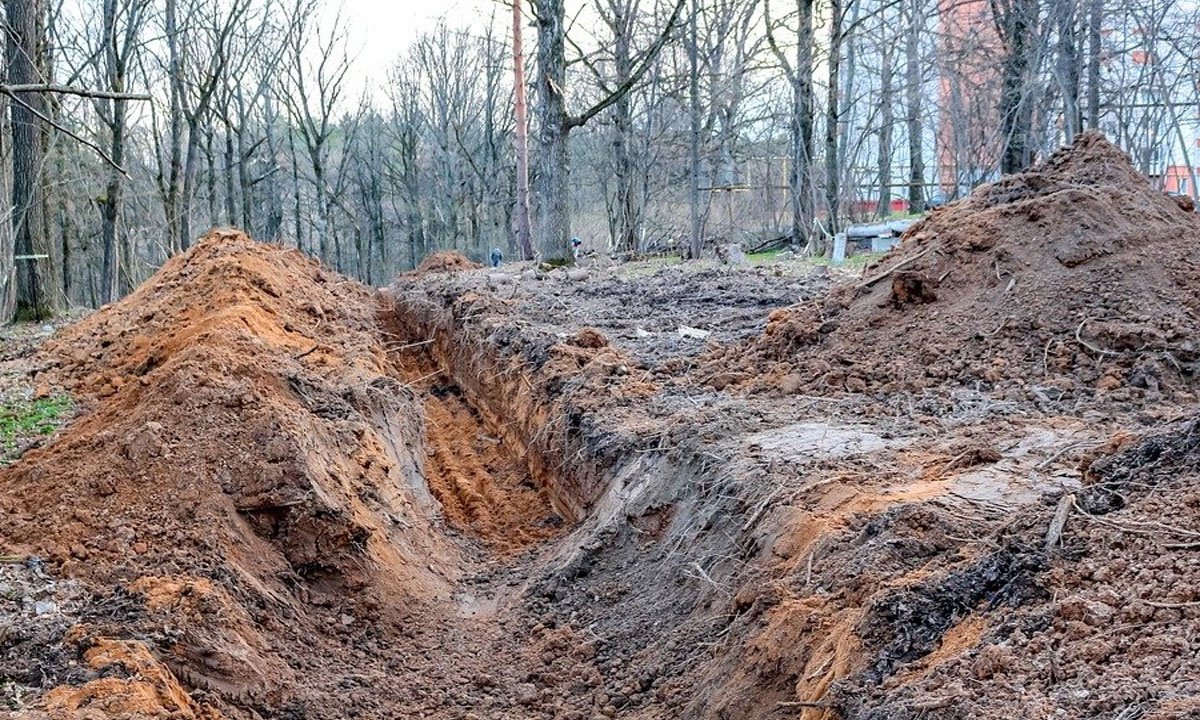
of Kromskie Byki. So much for evacuation. I know someone stayed in Lyubimovka, and even in Viktorovka there are 5-6 people sitting in basements, you can’t get through to them by phone.” “I saved myself on foot, I walked for two days through the forests and fields. Anti-tank
13/21
13/21

mines and fragmentation petal mines are lying right on the asphalt and the ground. I was hospitalized in the Lgovskaya hospital, there are many wounded contract soldiers there — all marines. They said that they held off the Ukrainian infantry in Novoivanovka for two days.
14/21
14/21

Without communication, without any support. There was not even artillery. On the second day, heavy infantry fighting vehicles and tanks broke through the defense, followed by the military in Bradleys. The survivors flanked, many died. The Armed Forces of Ukraine, without
15/21
15/21
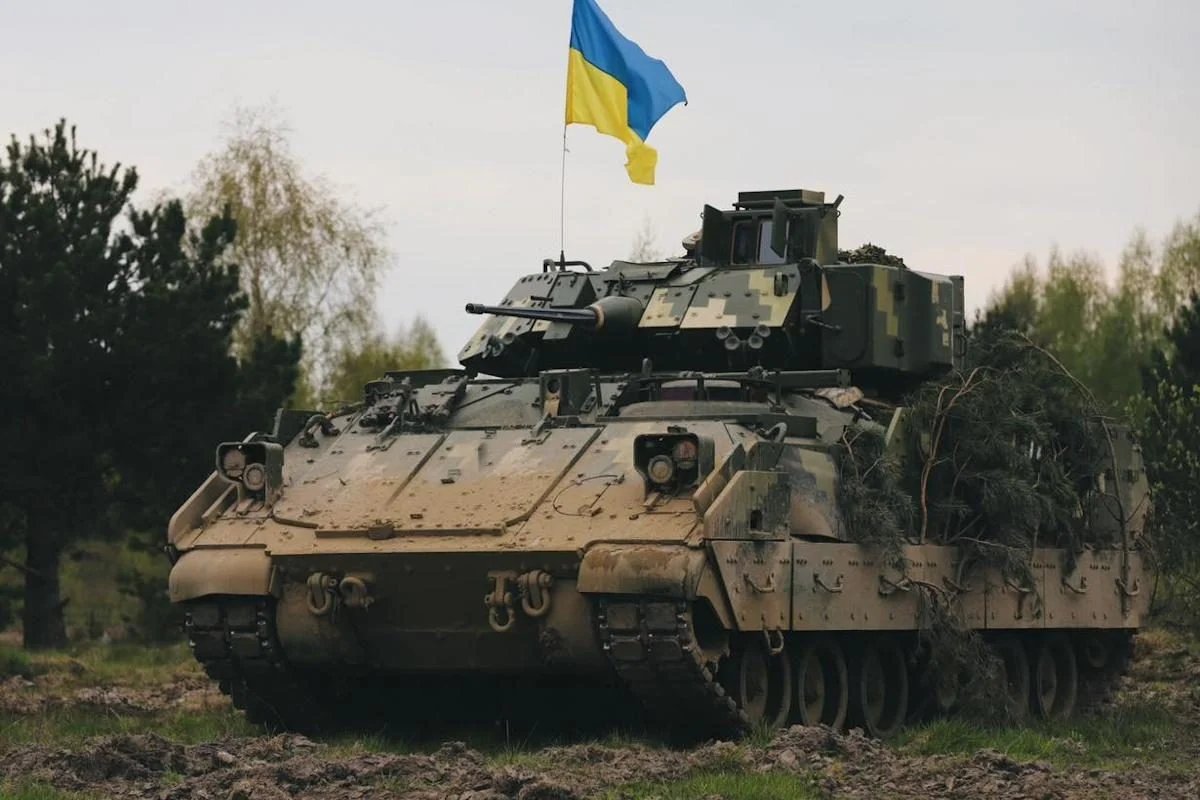
delay, entered Malaya Loknya, no one stopped them there. And then to other villages. The information that is transmitted is two days late. In the Lgov Central District Hospital, the evacuation to the Kursk Regional Hospital began on August 8."
16/21
16/21

"Shops are being robbed, there is a collapse in Korenevo, "Magnit" was simply destroyed. No water, no gas, no electricity. There was no organized evacuation, and if there was, why didn't we hear anything about it in Lobanovka?", a local resident writes. The situation is
17/21
17/21

similar in other border municipalities."
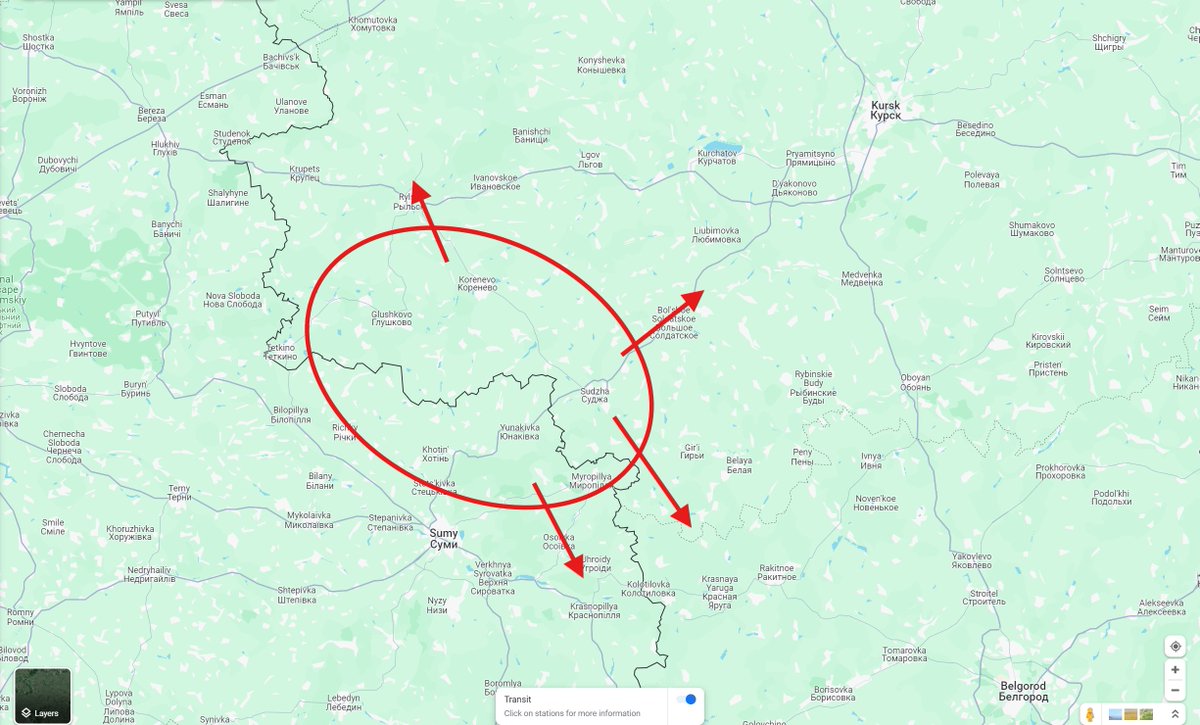
It is difficult to verify the reports, but apparently, Ukraine is moving forward in mobile groups, but they are trying to consolidate their positions on the territory. The movement is going towards the city of Kursk and towards
18/21
It is difficult to verify the reports, but apparently, Ukraine is moving forward in mobile groups, but they are trying to consolidate their positions on the territory. The movement is going towards the city of Kursk and towards
18/21

Belgorod. It is difficult to say whether there are plans to break through in the Belgorod region and go to join forces. Akhmat, who was supposed to be reinforcements for the Russian border guards, disappeared somewhere. The battalion commander said that Akhmat and the
19/21
19/21

Ukrainians missed each other. There are reports that the Armed Forces of Ukraine managed to agree with Akhmat on mutual fire containment, but this is at the level of rumors. Control over the border has been lost and Ukrainian troops are crossing it freely.
20/21
20/21
Many officers of the FSB, the Ministry of Internal Affairs and other important Russian agencies have also been captured.
Source:
21/21t.me/vchkogpu
Source:
21/21t.me/vchkogpu
• • •
Missing some Tweet in this thread? You can try to
force a refresh