Lots of people asking me to comment on this photo, so I will explain why Trump wears these shoulder pads. 🧵
https://twitter.com/RonFilipkowski/status/1823166678483824654
As usual, my comments are not meant to body shame, but rather do the opposite: discuss how anyone can dress for their body type if they know a few tricks. However, I will say that I was surprised by how Trump fat shamed Tester the other day
https://x.com/Acyn/status/1822130945706913946
I was surprised because Trump's tailoring is done in a way to conceal his weight. His shoulders are relatively narrow compared to his waist, which gives his body a somewhat rectangular shape.


As I've mentioned many times, the platonic male silhouette in classic Western aesthetic is a shoulder line that's broader than the waist, which creates a V-shaped figure. Since Trump doesn't naturally have this silhouette, his suits have an extended shoulder.


However, you can only extend the shoulder so much before it starts to collapse. Think of what would happen if you extended the shoulder line on a t-shirt or dress shirt—it would just flop on you. This is why an extended shoulder needs a bit of structure, as you see here.

The softer the shoulder, and the more extended the line, the more collapsing will happen over time. Rubinacci, a well-regarded bespoke tailoring house in Naples, uses a 1.5 ply shoulder pad. You can see how the end of Mariano's shoulder is already starting to dip.


A heavily padded shoulder also builds *up* the shoulder, making the silhouette look more powerful, authoritative, and formal. Compare the vibes of the padded Huntsman coat (pic 1) to the softer Solito (pic 2). Solito is more causal, natural, and relaxed.


The downside of a heavily padded, extended shoulder is that artifice is revealed when you sit like this. Not much you can do about this. Padded coats look great when you're standing still, but they can look artificial when you move or sit when your shoulders pitched forward

To me, Trump would benefit from a softer shoulder, partly because his natural shoulders are narrow but square. The more padding you add to this, the squarer the shoulder line. IMO, heavy padding is best for people with very sloped shoulders, not square ones.


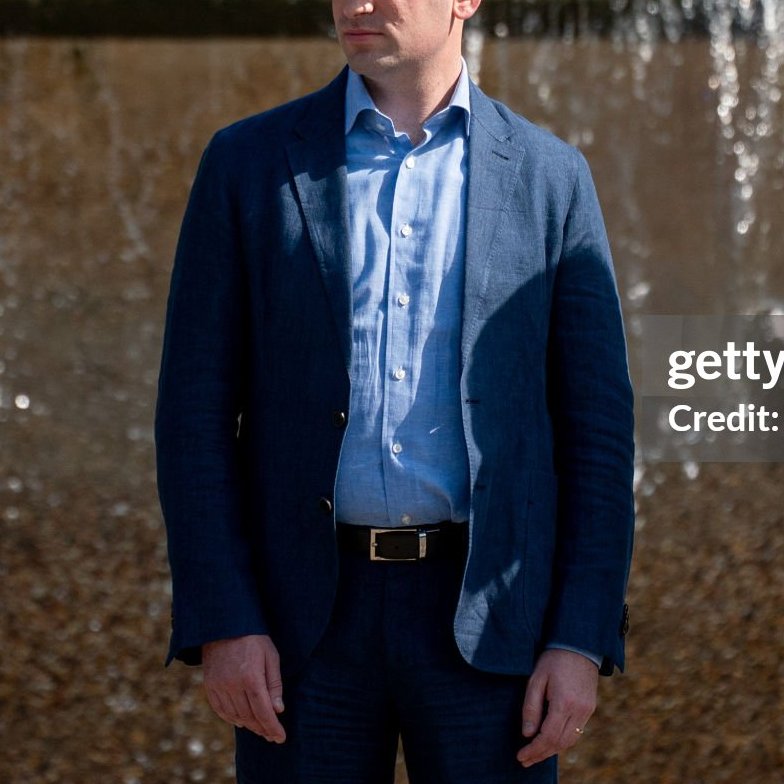
Still, this issue of padding and extension is something everyone has to figure out for themselves when buying tailored jackets. Pay attention to the silhouette. Here is the same man in two different coats. Right has extension; left does not. IMO, he looks better on the right.

IMO, most people benefit from some extension because you can more easily achieve that V-shaped silhouette. How much extension—and how much padding—depends on your body type and the vibe you want to give off.

I should add: while I think Trump would benefit from a softer shoulder, the more you extend his shoulder line, the more structure the jacket needs. Ralph Lauren likes a very extended shoulder and you can see how much padding he puts into his Purple Label tailoring.


• • •
Missing some Tweet in this thread? You can try to
force a refresh