MiG-23 timeline🧵
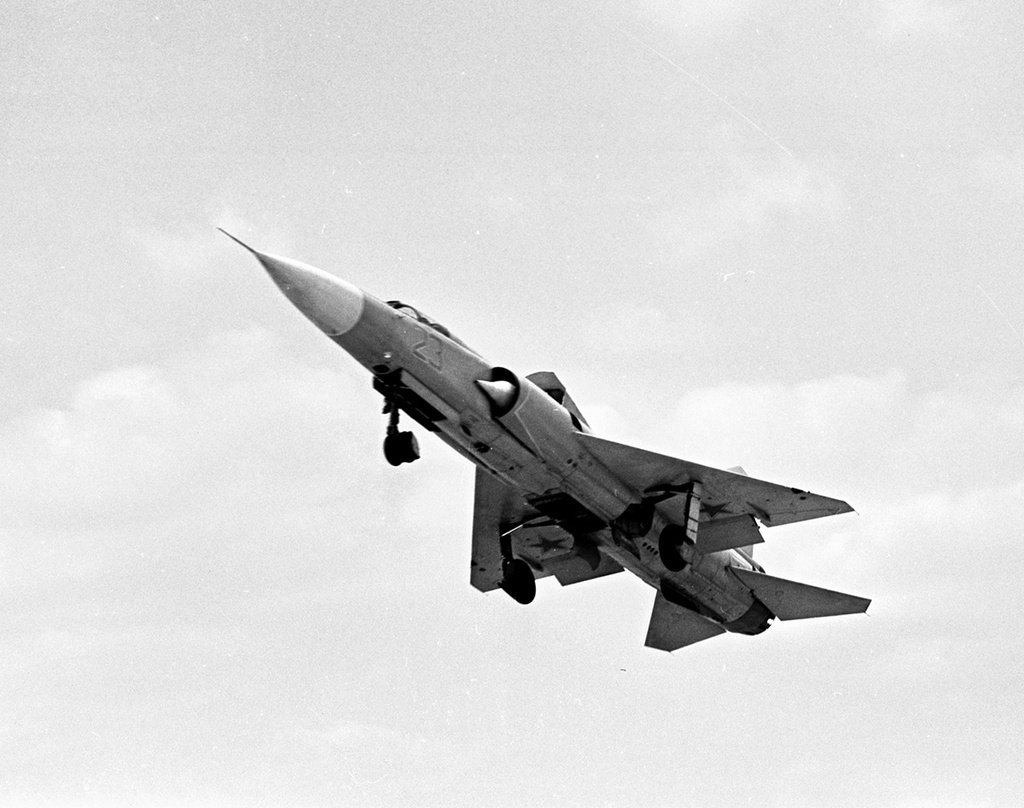
The development of the MiG-23PD (aircraft 23-01) was decided in a goverment decree issued on 30 April, 1965. Its first flight was with P.M. Ostapenko at the controls, on 3 April, 1967.
The development of the MiG-23PD (aircraft 23-01) was decided in a goverment decree issued on 30 April, 1965. Its first flight was with P.M. Ostapenko at the controls, on 3 April, 1967.
Government approval for building the MiG-23 (23-11) aircraft with variable sweep wings, is issued to OKB-155 (MiG) on 28 February, 1966.
The first prototype, 23-11/1 (№ 231), with a R27F-300 engine, is transported for flight testing at Zhukovsky on May 26, 1967.
The first prototype, 23-11/1 (№ 231), with a R27F-300 engine, is transported for flight testing at Zhukovsky on May 26, 1967.
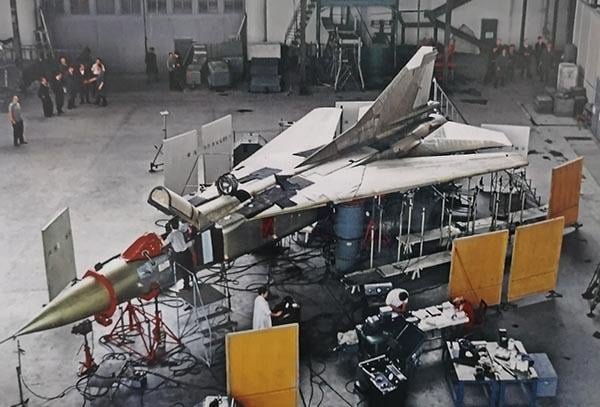
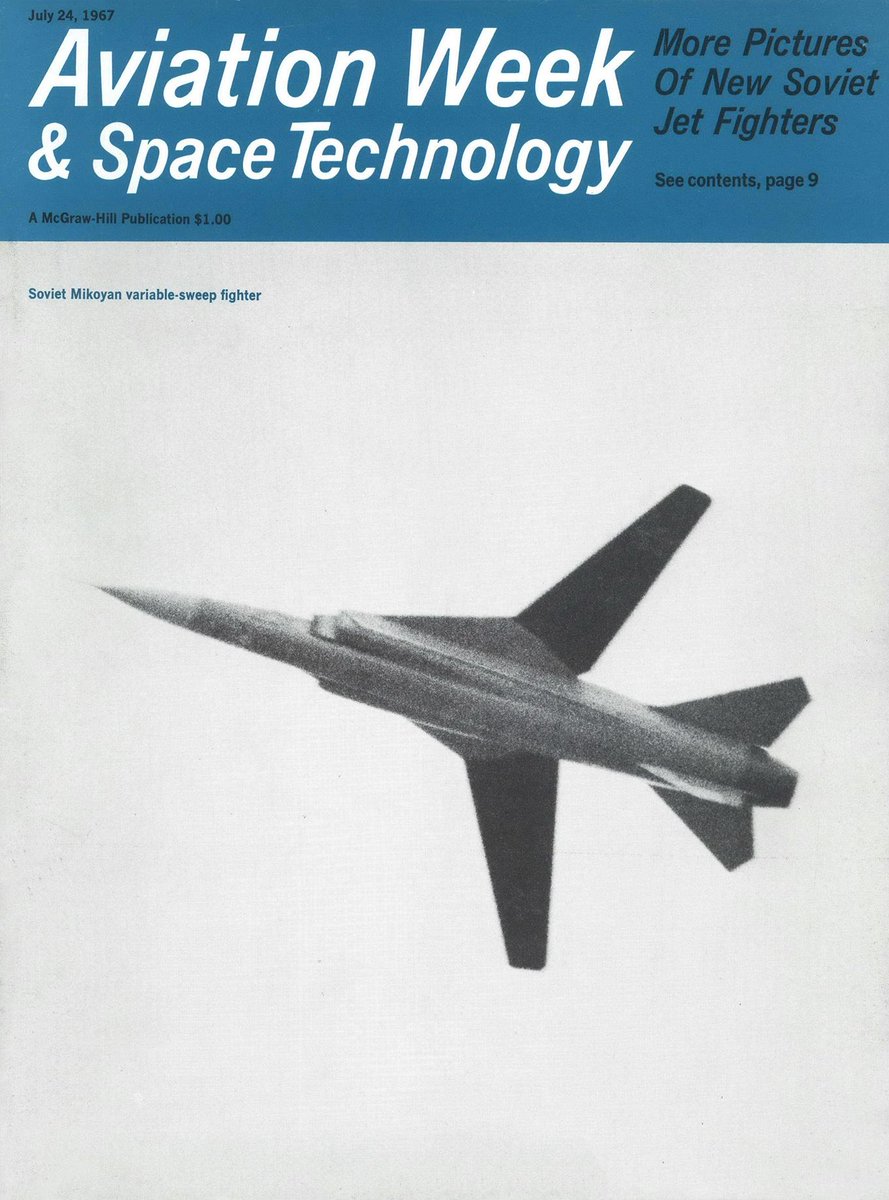
The first flight takes place on 10 June, 1967, with A.V. Fedotov at the controls. Factory test flights are completed in July 1968, and signed by A.I. Mikoyan on 6 November, 1968.
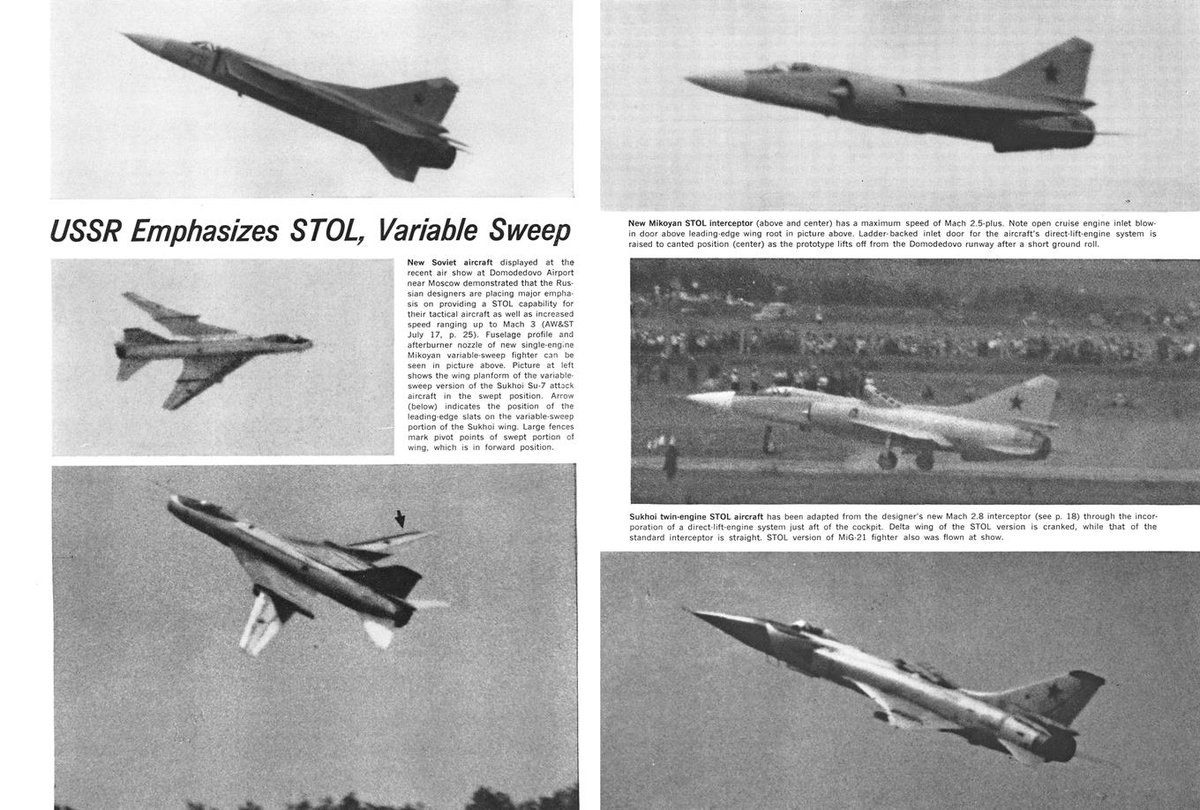
Both aircraft, 23-01 & 23-11, are displayed at the Domodedovo air parade on 9 July, 1967.
Both aircraft, 23-01 & 23-11, are displayed at the Domodedovo air parade on 9 July, 1967.
Note: Soviet aircraft have 3 designations. For example:
• design bureau project: type 23-11
• factory product: product 2
• service name: MiG-23
• design bureau project: K-13
• factory product: product 310
• service name: R-3S
• design bureau project: type 23-11
• factory product: product 2
• service name: MiG-23
• design bureau project: K-13
• factory product: product 310
• service name: R-3S
Three more prototype aircraft will be built by OKB-155's Moscow Machine-Building Plant "Zenith" (ММЗ "Зинит"). MiG-23 23-11/2 (232) in December 1967, 23-11/3 (233) in June 1968 & 23-11/4 (234) in 1969.
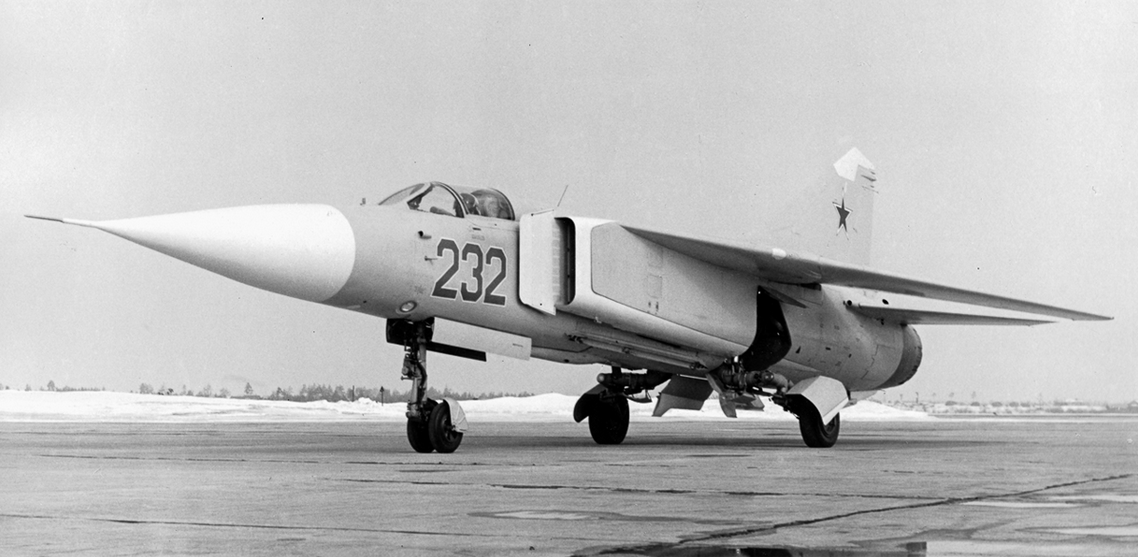
At Moscow Machine-Building Plant "Banner of Labour" (ММЗ "Знамя Труда"), 2 a/c were built in 1968, in 1969 - 10. These aircraft were known as MiG-23 model 1969 (образца 1969). In 1970, 26 aircraft, known as MiG-23 model 1970 were built. In 1971, 2 a/c.
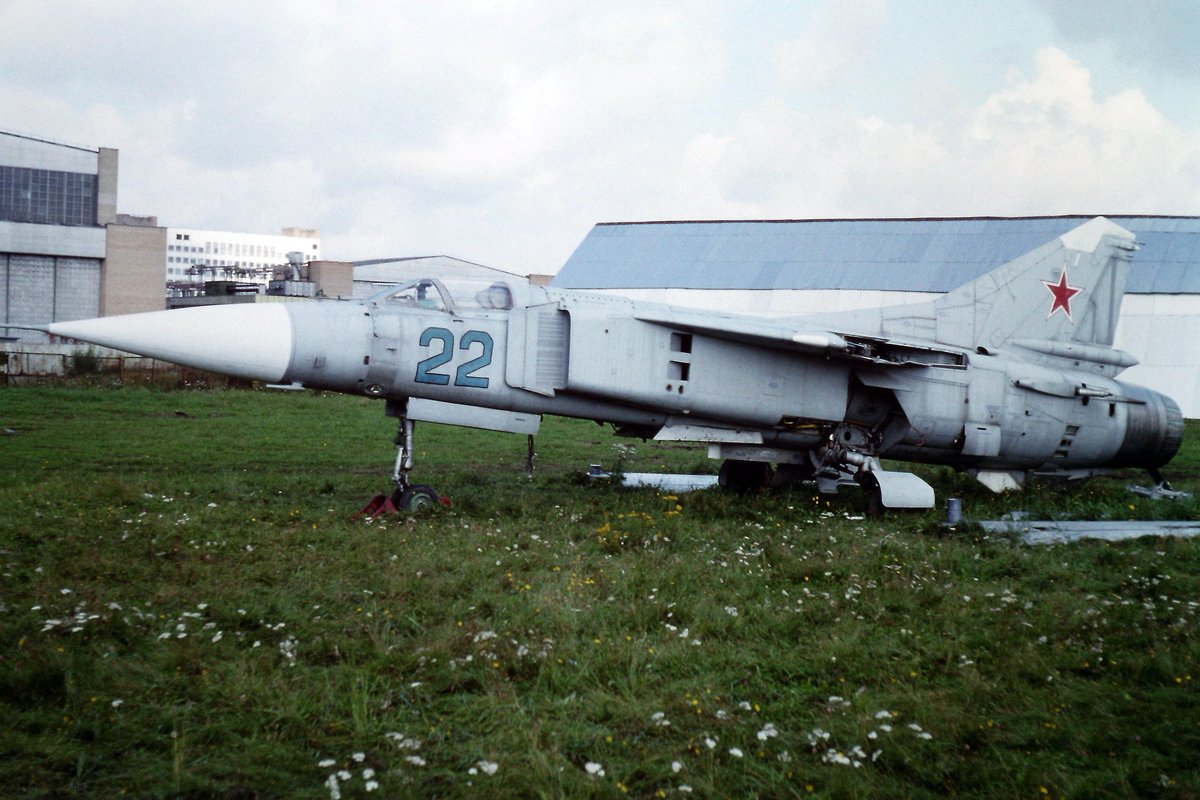
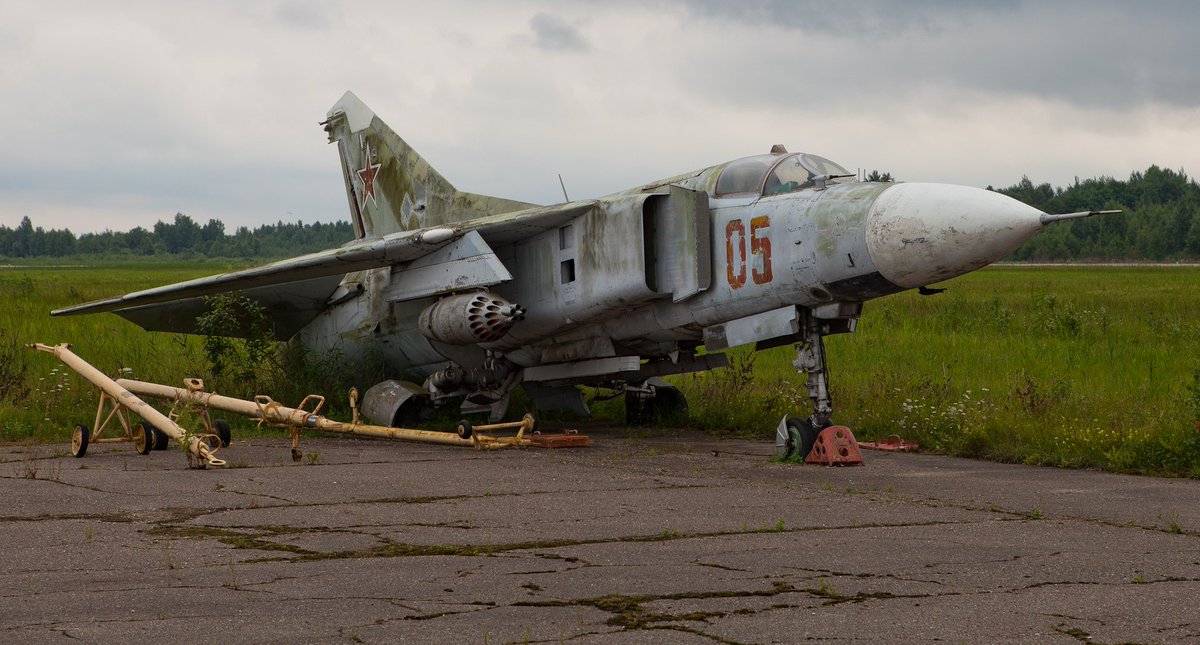
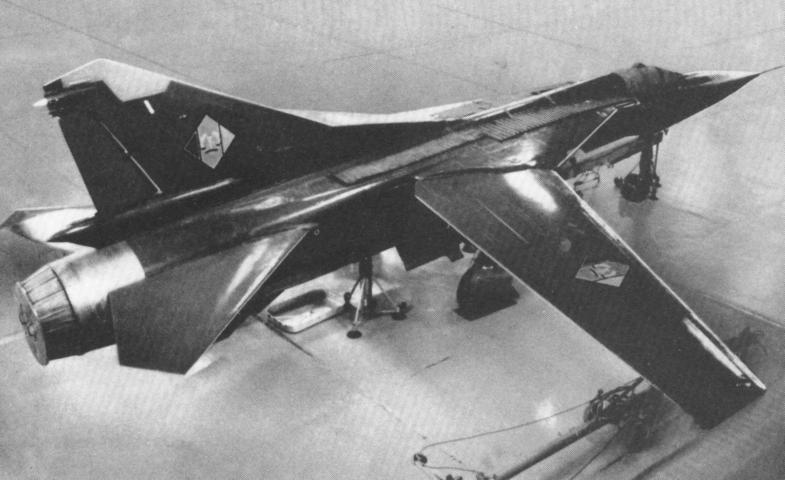
The first MiG-23 supplied to operational units (but only for familiarization) was the MiG-23S (23-21 or 23-11S, product 22). First flight 28 May, 1969. A total of 60 were produced in 1969-70, but only 59 were delivered (one aircraft crashed during factory tests in 1970).
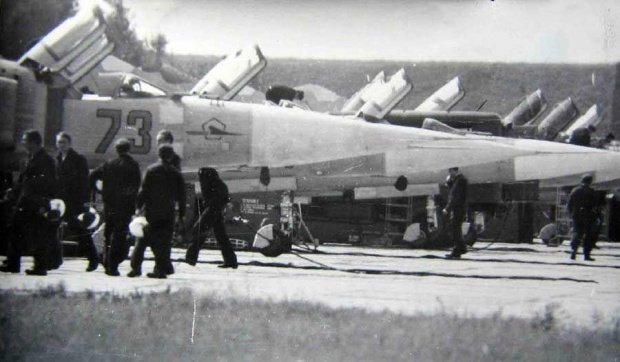
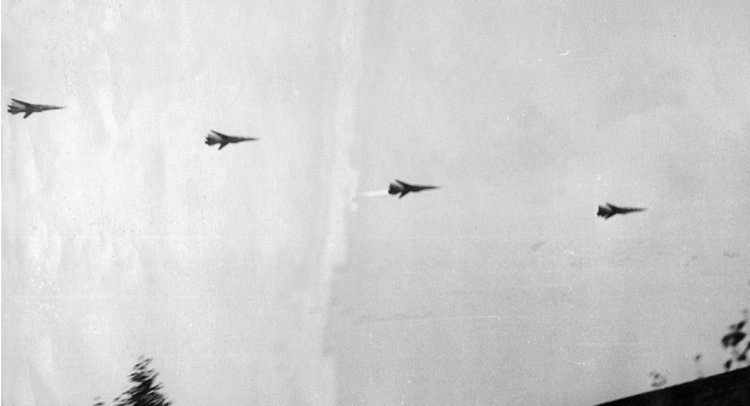
One MiG-23S was also delivered to East Germany as an instructional airframe.
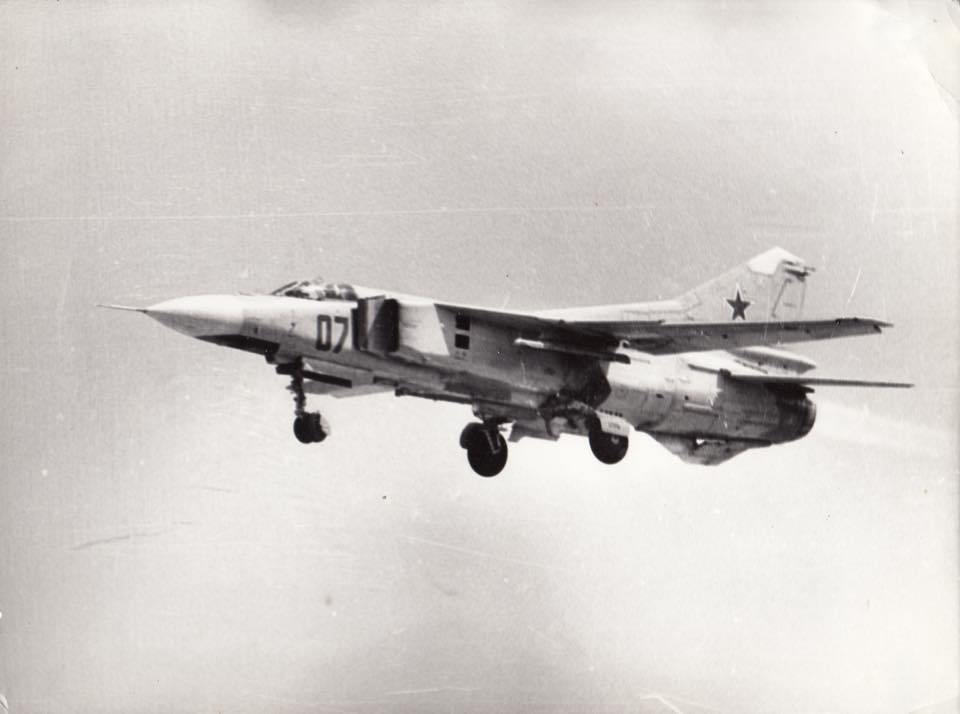
MiG-23 model 1971, (23-11, product 2), with Sapfir-23L (323L), ASP-23, TP-23, R27F2M-300 engine. A total of 102 were produced, 98 aircraft were delivered (2 crashed, 2 converted to MiG-23M).
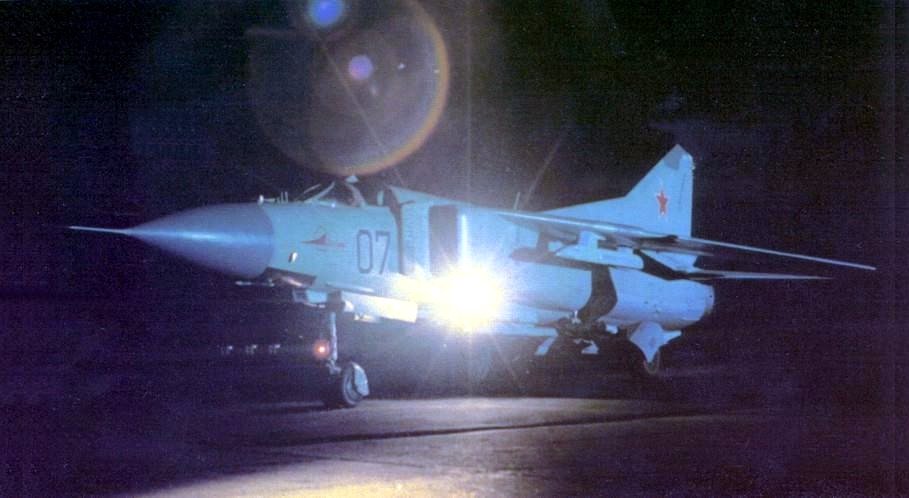
MiG-23M (aircraft 23-11М, product 2M). With Sapfir-23D-III, ASP-23D, TP-23 or TP-23-1. The first flight of the MiG-23M was performed by A.V. Fedotov in June 1972, & accepted in service by goverment decree, 9 January 1974. Produced until 1978.
MiG-23MS (23-13, product 2MS). With Sapfir-21M (Almaz-23), 179 built between 1974 and 1978. MiG-23MF (23-11MF, product 2MF). 278 aircraft produced between 1978 and 1983 (1st Czechoslovakia). Total MiG-23M (with its export models), production amounted to 1810 aircraft.
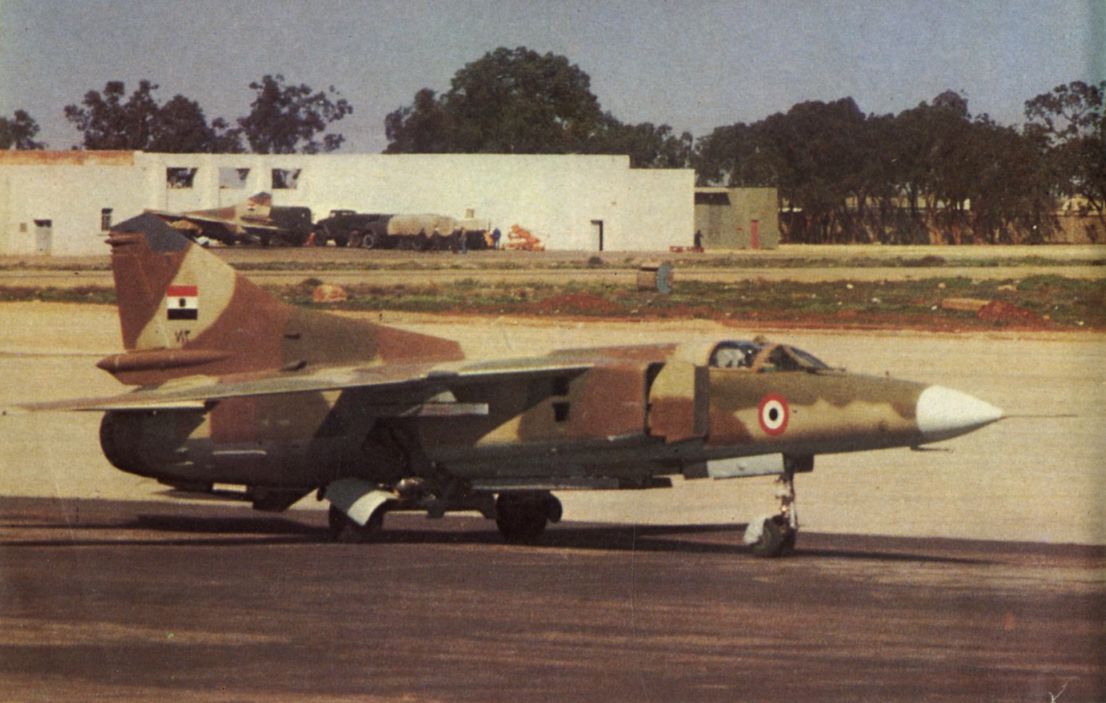
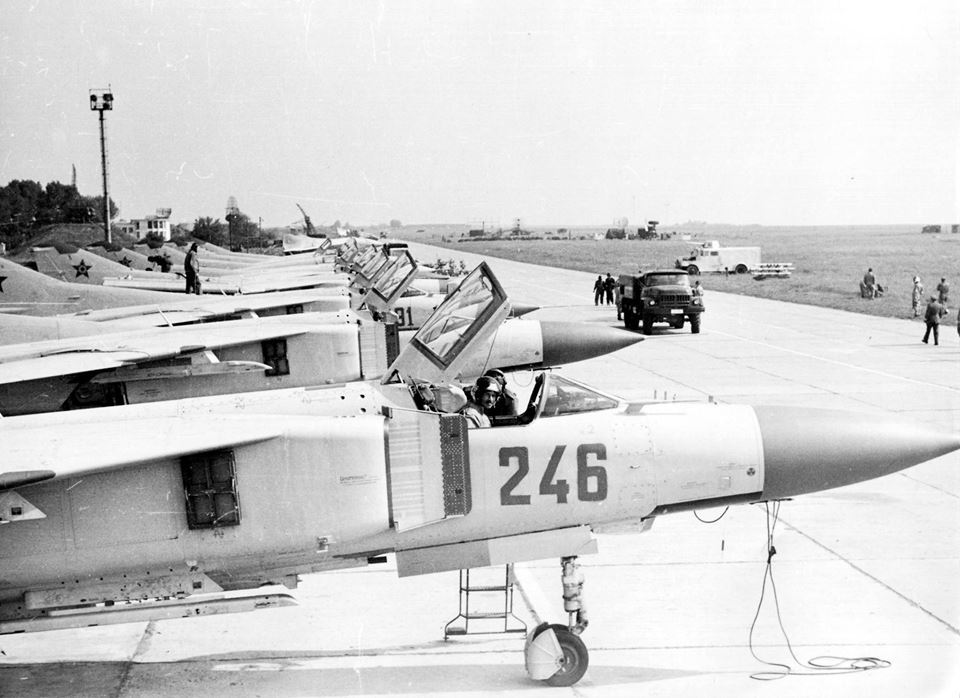
MiG-23ML (23-12, product 3) with Sapfir-23ML, ASP-23DTsM, TP-23M. The project was approved by a government decree on 9 January, 1974. On 21 January, 1975, A.G. Fastovets performed the 1st flight on the MiG-23ML. In July 15 1975, the 2nd prototype took to the skies, & ...
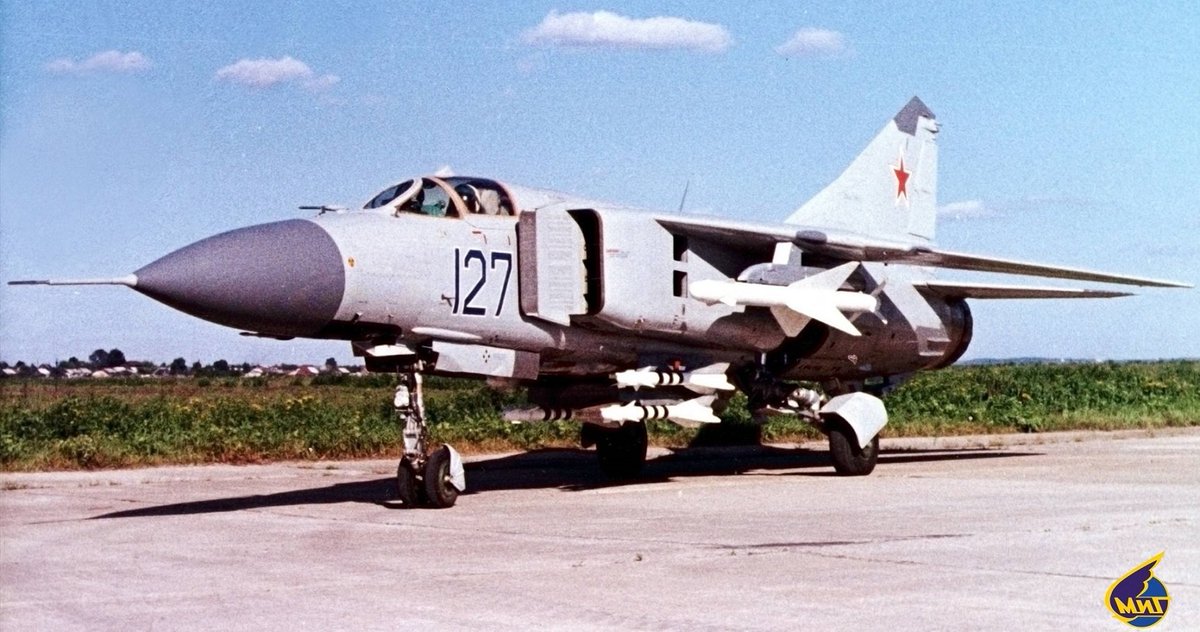
on November 27, the 3rd. MiG-23M № 3206 was used for testing the R35 engine, & the Sapfir-23ML radar was tested on № 1203. The first stage of joint state tests was completed at the end of 1975. It was launched into production in May 1976, 141 being produced until 1977.
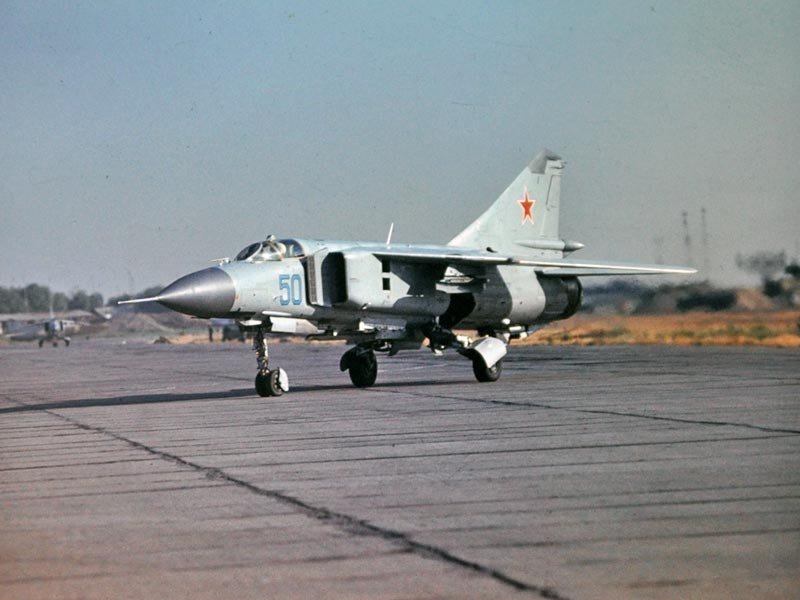
MiG-23ML (23-12, product 3) with Sapfir-23MLA, ASP-17ML, TP-23M. The task was issued in September 1976, the deadline for completing joint state tests was set for September 1977. It went into production in the fourth quarter of 1977. The first delivery in June 1978.
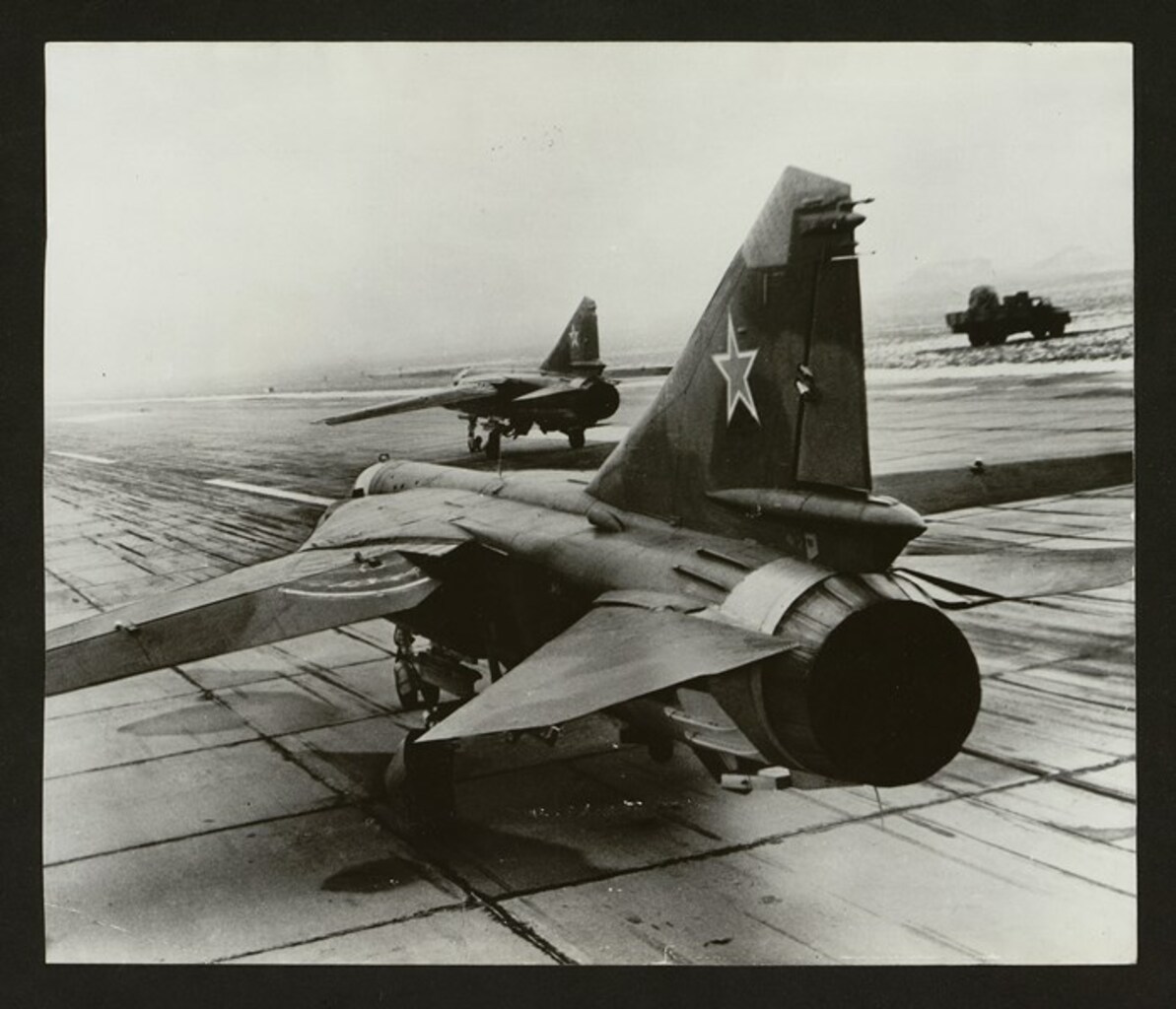
Production of MiG-23ML for the Soviet Air Force continued until the end of 1982. Export began in 1981, 1st customer being Czechoslovakia. A total of 321 MiG-23P (23-14) were also built in 1978-1983. MiG-23ML/P were accepted into service by government decree on 18 January 1982.
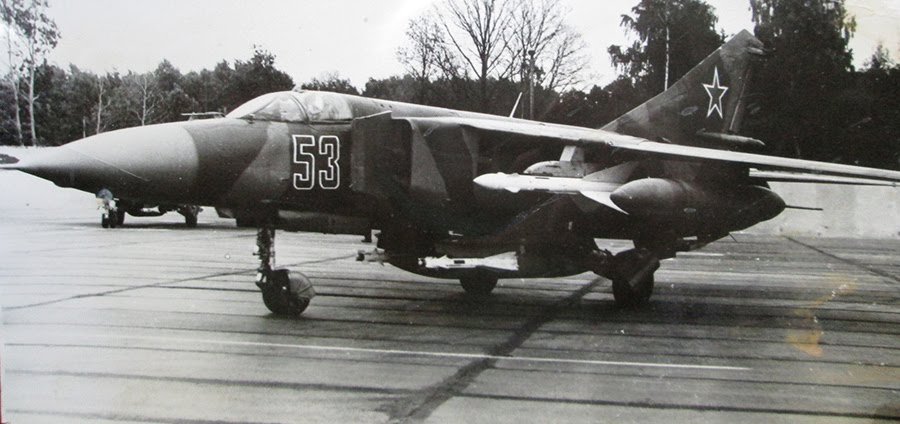
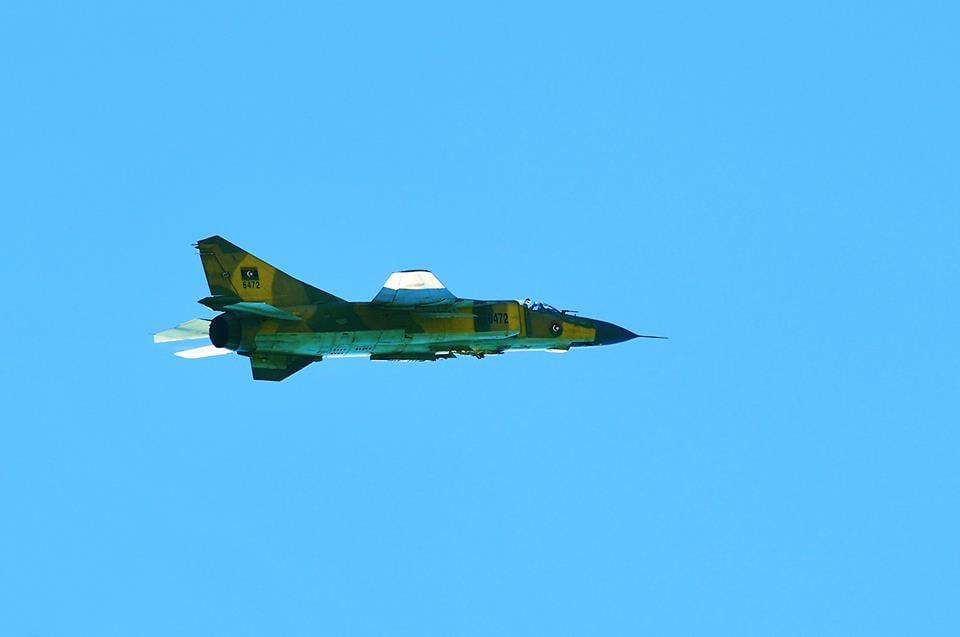
In 1984, 65 export MiG-23MLD (product 23-22A & 23-22B) with Sapfir-23MLAE-2 (N008E) radar were produced for Bulgaria (16 aircraft) & Libya.
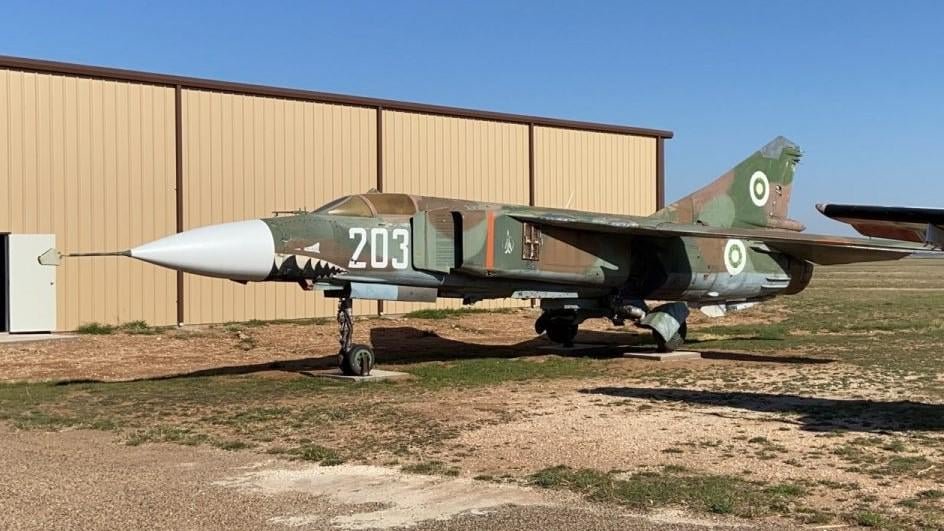
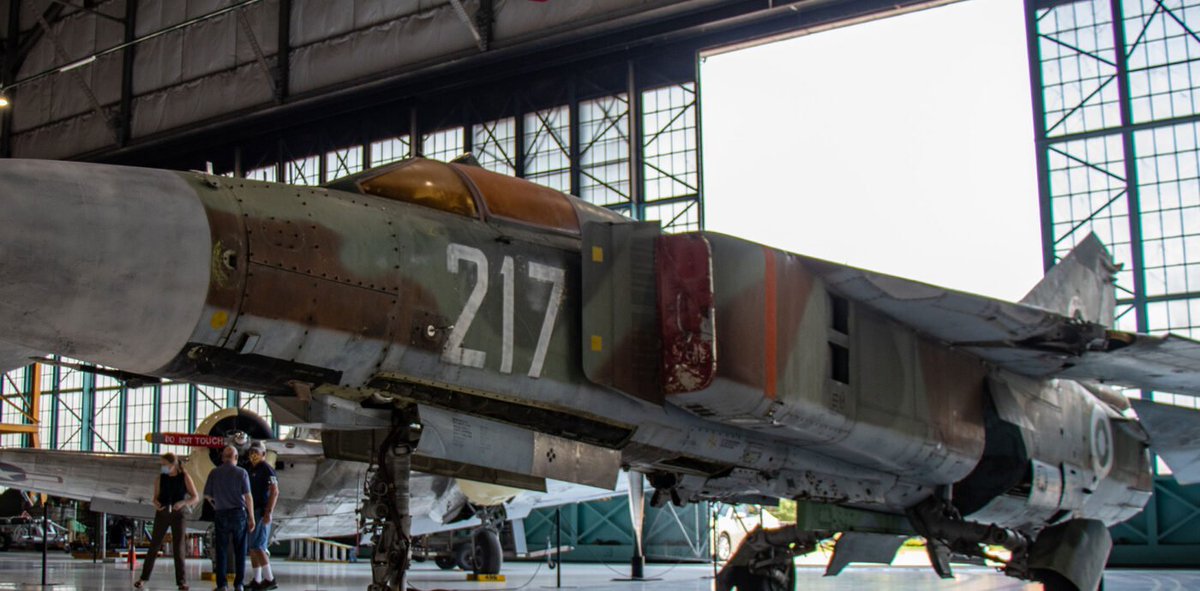
The first 8 Bulgarian aircraft (385, 386, 389, 390, 391, 392, 395 & 396), produced at the beginning of 1984, arrived in Gabrovnitsa in the autumn, the rest (203, 204, 205, 211, 212, 215, 217 & 219) were produced in late 1984, & arrived in early 1985.
The last single-seat fighter MiG-23 was Bulgarian MiG-23MLD c/n 2960327219 (№ 219), manufactured 22 December 1984. During the first years of operation, it was also the aircraft with the most technical problems &, for this reason, with the fewest hours flown.
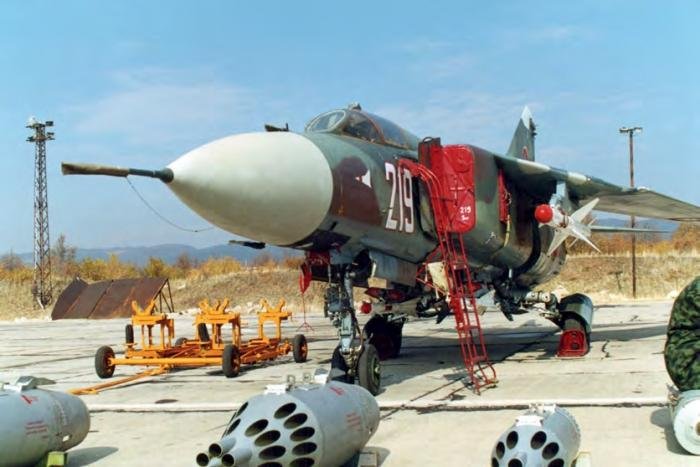
№ 219 was sold to Cote d'Ivoire in 2003, together with № 204. Today they are in Togo. Luckily, 217 & 203 found their way into US museums
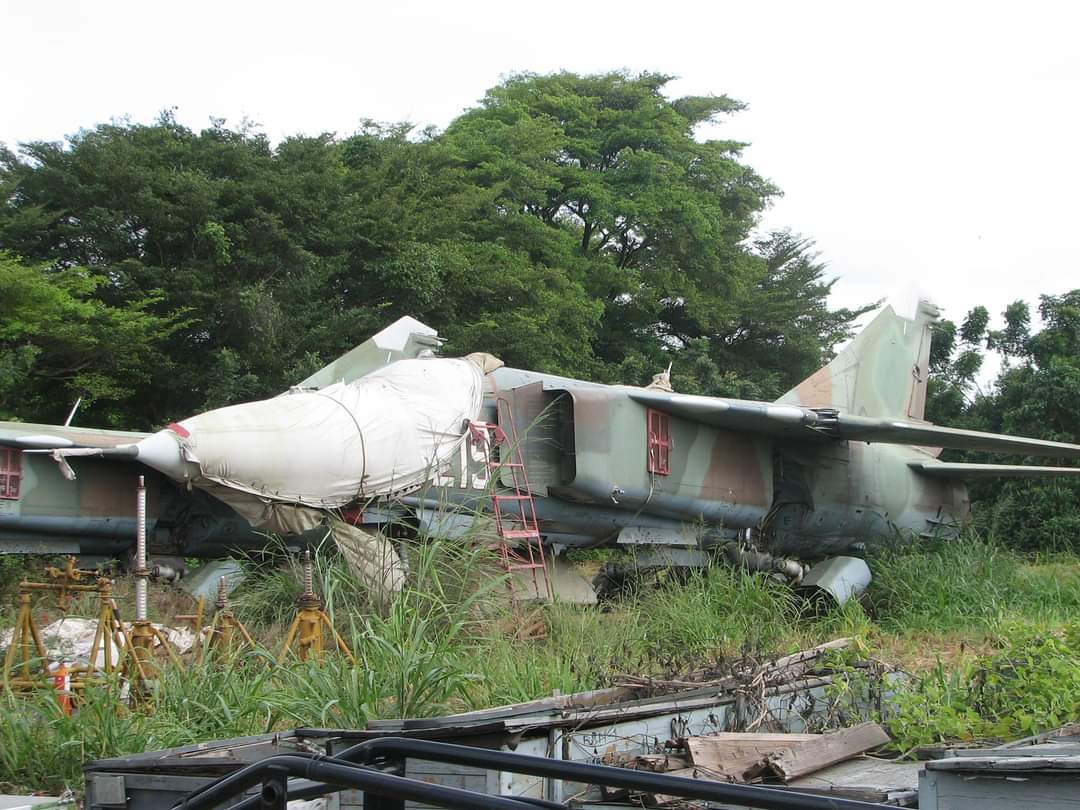
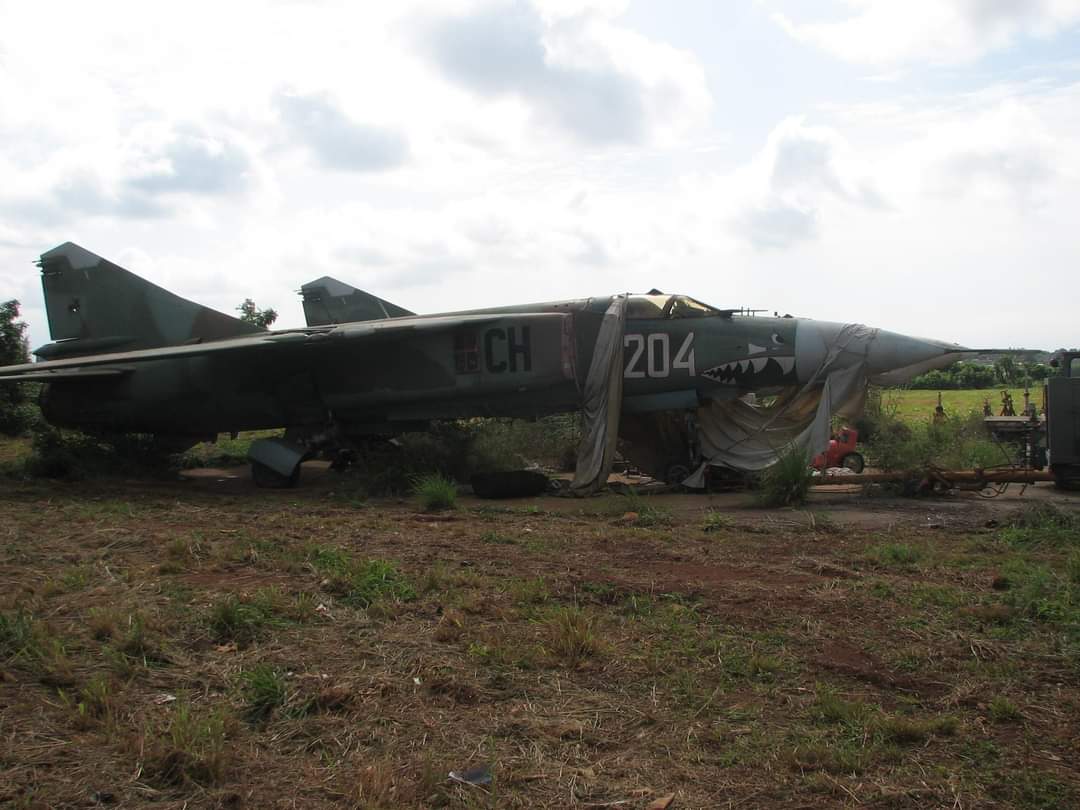
Luckily, both MiG-23MLD № 203 & № 217 (probably 2nd to last ever produced) have found their ways into US museums.
In total, from 1968 to 1984, 4,256 MiG-23 were produced, of which 3,532 are fighters of various modifications, as well as 624 MiG-23B/BN fighter-bombers. Together with UBs & MiG-27, the total number of MiG-23 and MiG-27 produced exceeded 6,000.
End of thread.
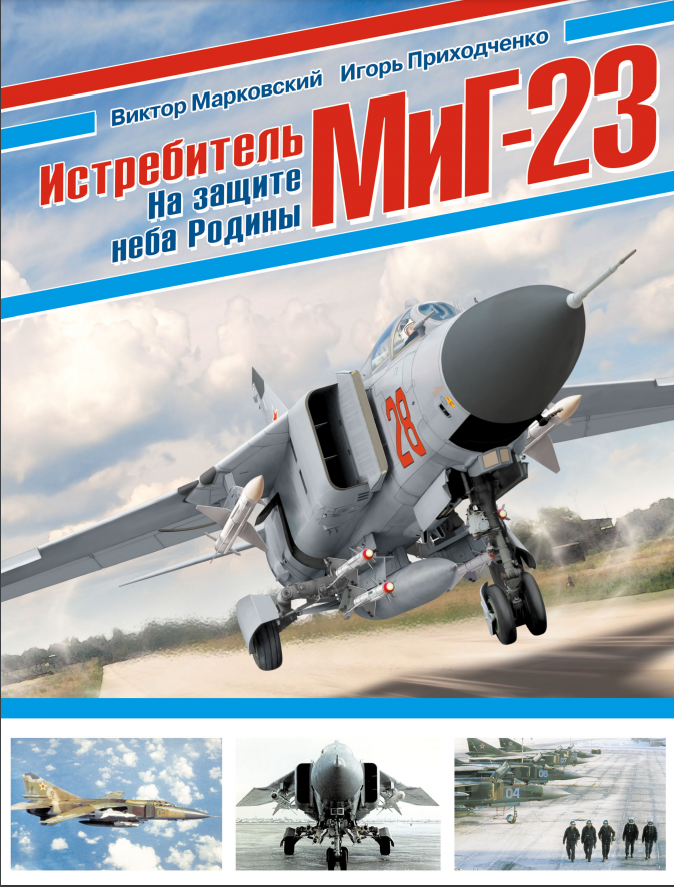
I decided to make this basic🧵about MiG-23 fighter versions in order to give some context, but the numbers posted here are probably imperfect, and just the best that I could find. Main source was this book:
I decided to make this basic🧵about MiG-23 fighter versions in order to give some context, but the numbers posted here are probably imperfect, and just the best that I could find. Main source was this book:
• • •
Missing some Tweet in this thread? You can try to
force a refresh