Throughout Kamala Harris's political career her biggest weakness was her sobriety according to those closest to her. In her first run for the presidency donors were especially reluctant to fund her campaign forcing her out of the race. According to various reports, Obama did NOT want to appoint her to be the Democrat nominee and he lobbied fellow Democrats for a week after Biden withdrew to pick someone else. Anyone who has watched videos of Kamala Harris at events over the past four years can recognize the telltale signs that she is often drunk and/or on mood altering medications. Should Democrats have taken more time to pick a candidate who doesn't struggle with alcoholism and addiction? Can we afford ANOTHER incapacitated president? Of course, Tim Walz is worse given his criminal record related to drunk driving...

Reminder the media knew all about Kamala Harris's addition problem throughout Biden's term - they were all calling for her replacement in his second term.
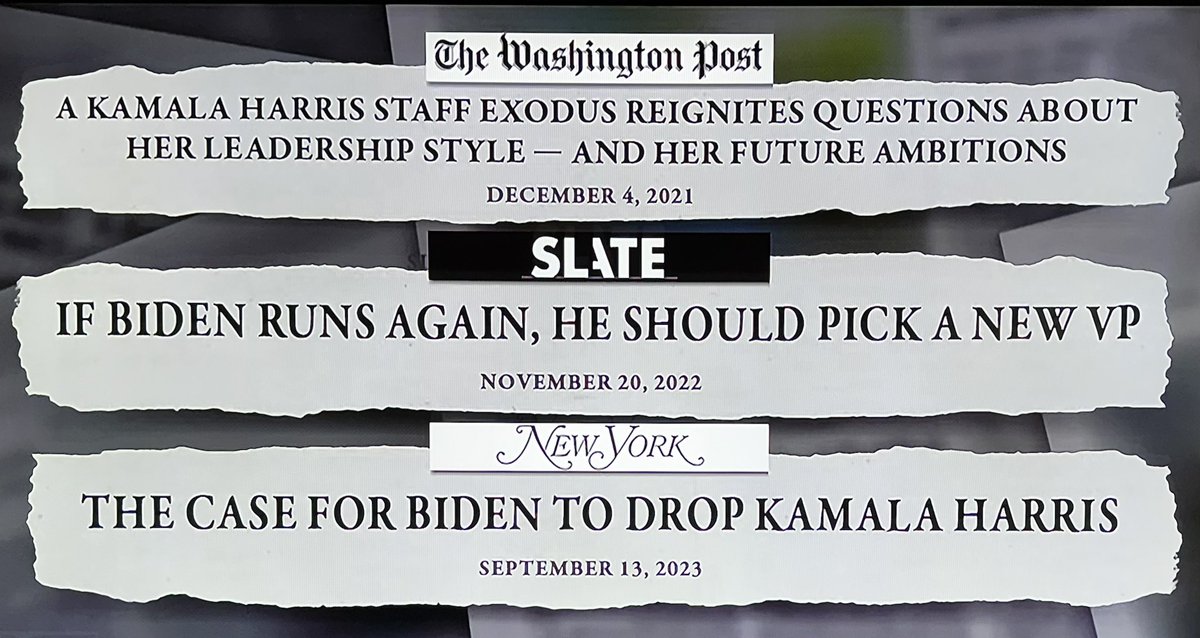
Throughout President Biden’s first term, the mainstream media repeatedly questioned the fitness of Vice President Kamala Harris, casting doubt on her capability not only as the second-in-command but also as a potential successor to the presidency. The calls for Biden to select a new running mate for his second term were not mere whispers—they were headlines that dominated the news cycle.
Headlines Over the Years
"Kamala Harris Struggles to Define Role as Vice President Amid Criticism" – The New York Times, July 2021Just months into her tenure, Harris faced widespread criticism for her inability to establish herself as a strong and independent leader. The article highlighted her floundering performance and the lack of a clear role, leading many to question whether she was the right choice for such a crucial position.
"Biden's Border Czar Under Fire: Can Kamala Harris Handle the Immigration Crisis?" – CNN, October 2021As the border crisis escalated, Harris, who was tasked with handling the issue, failed to provide effective leadership. Her reluctance to visit the border and her ambiguous statements on immigration raised concerns about her competence in managing such a critical national issue.
"Kamala Harris’ Approval Ratings Plummet: What Does It Mean for 2024?" – ABC News, December 2022Harris’s approval ratings tanked, reaching record lows for a sitting vice president. The media began openly discussing whether Biden should consider replacing her on the 2024 ticket, citing her unpopularity as a potential liability for the Democratic Party.
"Democrats Quietly Question Harris’ Leadership: Is It Time for a Change?" – The Washington Post, March 2023Prominent Democrats, frustrated with Harris’s lackluster performance and dwindling influence, began voicing their concerns more openly. The article suggested that even within her own party, there was growing support for Biden to consider a different running mate for his reelection campaign.
"Kamala Harris Faces Backlash Over Foreign Policy Missteps" – Politico, June 2023Harris’s foreign policy gaffes, particularly during her trips to Europe and Asia, were widely covered and criticized. Her apparent lack of preparation and inability to articulate coherent positions on key issues fueled further speculation about her unsuitability for the vice presidency, let alone the presidency.
"Is Kamala Harris the Weakest Vice President in Modern History?" – The Atlantic, November 2023The Atlantic didn’t mince words in its scathing assessment of Harris’s term as vice president. The article detailed her numerous failures, from domestic policy to international diplomacy, and argued that Biden’s legacy could be at risk if he did not choose a more competent running mate for 2024.
Unfit for Office?
Kamala Harris’s time as vice president has been marked by a series of blunders, missteps, and a lack of decisive leadership. The mainstream media, usually an ally of the Democratic establishment, has not shied away from criticizing her, leading to widespread calls for her to be replaced on the 2024 ticket.
Her inability to effectively handle major issues such as the border crisis, her plummeting approval ratings, and her numerous foreign policy missteps have made it clear that she is not just unfit for the presidency but perhaps even for the vice presidency. With Biden’s age and declining health, the possibility of Harris stepping into the role of president is a scenario that should give every American pause. The media’s consistent scrutiny and criticism over the last four years highlight the growing consensus that Harris was a poor choice from the start, and that the country deserves better leadership moving forward.
h/t @rmlunn
Throughout President Biden’s first term, the mainstream media repeatedly questioned the fitness of Vice President Kamala Harris, casting doubt on her capability not only as the second-in-command but also as a potential successor to the presidency. The calls for Biden to select a new running mate for his second term were not mere whispers—they were headlines that dominated the news cycle.
Headlines Over the Years
"Kamala Harris Struggles to Define Role as Vice President Amid Criticism" – The New York Times, July 2021Just months into her tenure, Harris faced widespread criticism for her inability to establish herself as a strong and independent leader. The article highlighted her floundering performance and the lack of a clear role, leading many to question whether she was the right choice for such a crucial position.
"Biden's Border Czar Under Fire: Can Kamala Harris Handle the Immigration Crisis?" – CNN, October 2021As the border crisis escalated, Harris, who was tasked with handling the issue, failed to provide effective leadership. Her reluctance to visit the border and her ambiguous statements on immigration raised concerns about her competence in managing such a critical national issue.
"Kamala Harris’ Approval Ratings Plummet: What Does It Mean for 2024?" – ABC News, December 2022Harris’s approval ratings tanked, reaching record lows for a sitting vice president. The media began openly discussing whether Biden should consider replacing her on the 2024 ticket, citing her unpopularity as a potential liability for the Democratic Party.
"Democrats Quietly Question Harris’ Leadership: Is It Time for a Change?" – The Washington Post, March 2023Prominent Democrats, frustrated with Harris’s lackluster performance and dwindling influence, began voicing their concerns more openly. The article suggested that even within her own party, there was growing support for Biden to consider a different running mate for his reelection campaign.
"Kamala Harris Faces Backlash Over Foreign Policy Missteps" – Politico, June 2023Harris’s foreign policy gaffes, particularly during her trips to Europe and Asia, were widely covered and criticized. Her apparent lack of preparation and inability to articulate coherent positions on key issues fueled further speculation about her unsuitability for the vice presidency, let alone the presidency.
"Is Kamala Harris the Weakest Vice President in Modern History?" – The Atlantic, November 2023The Atlantic didn’t mince words in its scathing assessment of Harris’s term as vice president. The article detailed her numerous failures, from domestic policy to international diplomacy, and argued that Biden’s legacy could be at risk if he did not choose a more competent running mate for 2024.
Unfit for Office?
Kamala Harris’s time as vice president has been marked by a series of blunders, missteps, and a lack of decisive leadership. The mainstream media, usually an ally of the Democratic establishment, has not shied away from criticizing her, leading to widespread calls for her to be replaced on the 2024 ticket.
Her inability to effectively handle major issues such as the border crisis, her plummeting approval ratings, and her numerous foreign policy missteps have made it clear that she is not just unfit for the presidency but perhaps even for the vice presidency. With Biden’s age and declining health, the possibility of Harris stepping into the role of president is a scenario that should give every American pause. The media’s consistent scrutiny and criticism over the last four years highlight the growing consensus that Harris was a poor choice from the start, and that the country deserves better leadership moving forward.
h/t @rmlunn
Drunk…
Drunk…
Drunk…
Drunk…
Drunk…
Drunk…
Drunk…
Alcohol takes its toll…
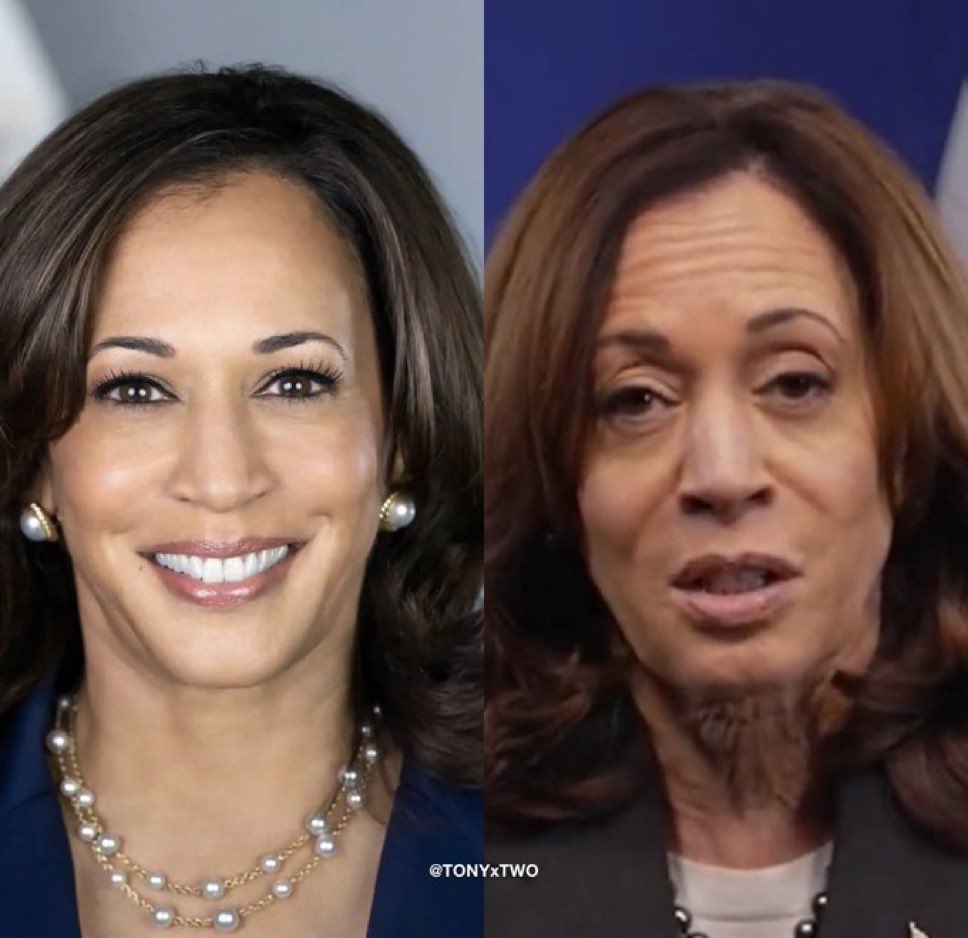
Alcohol is on the ballot…
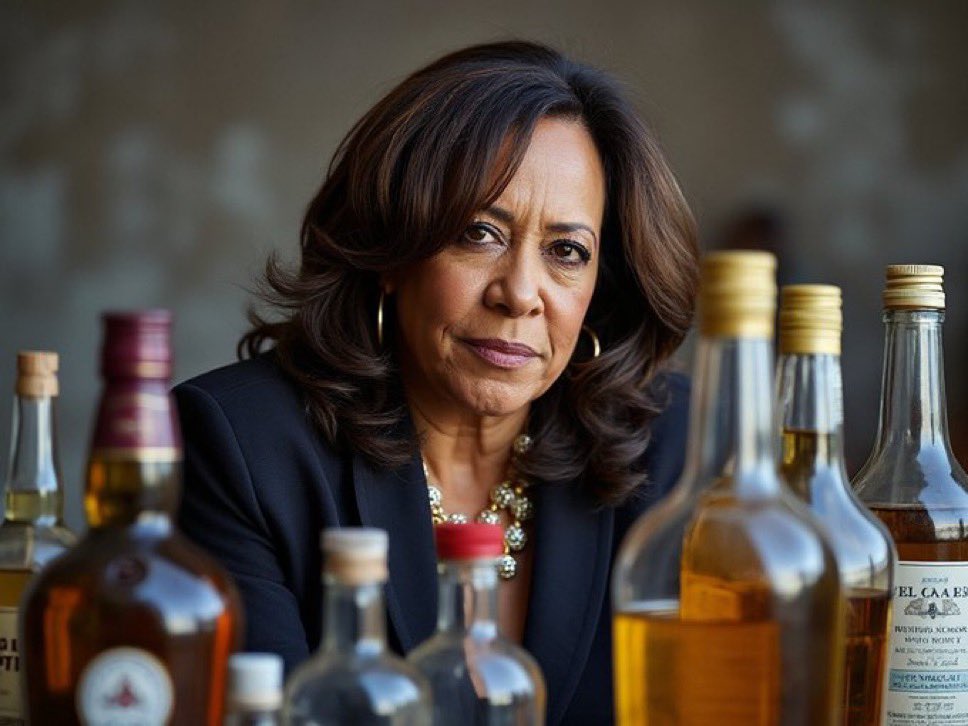
Drunk…
• • •
Missing some Tweet in this thread? You can try to
force a refresh