The Pokrovsk direction remains one of the hottest on the front. The Russians are storming Ukrainian positions around the clock, sometimes even without breaks at night. The number of assaults in the Pokrovsk direction is consistently high. The Russians are managing to put
1/11
pressure thanks to new tactics. Ivan Sekach, press officer of the 110th separate mechanized brigade named after General-ensign Mark Bezruchko, told in more detail about it. Active combat operations are underway in the Pokrovsk direction, in the
2/11 24tv.ua
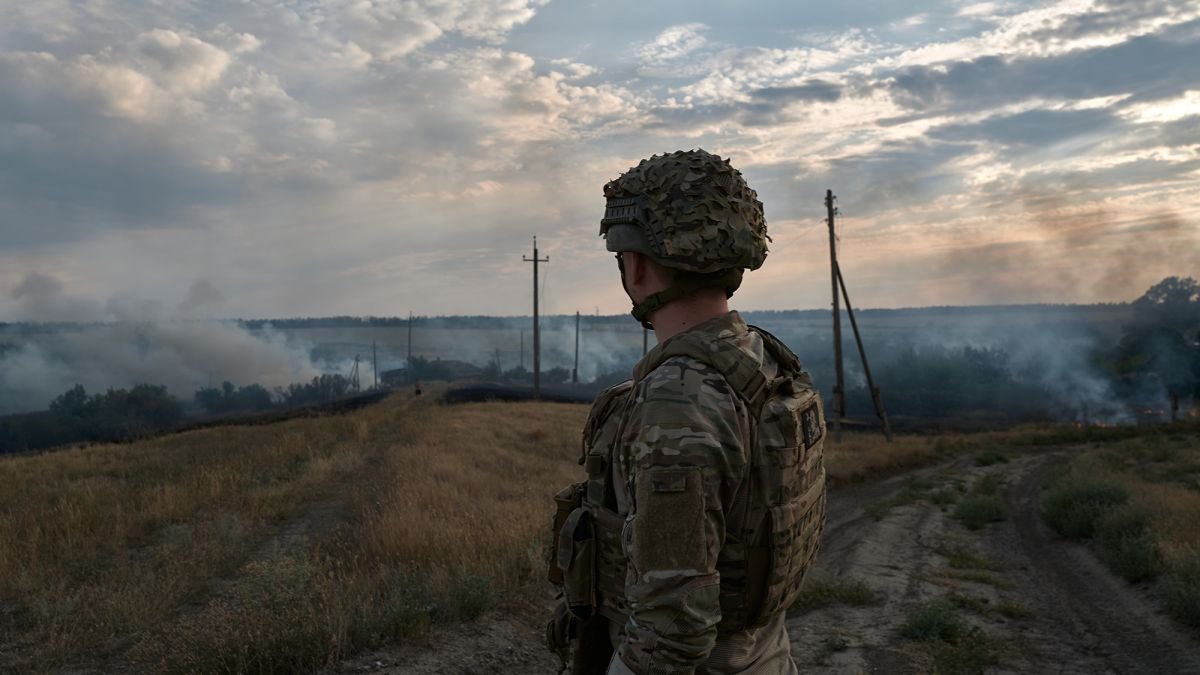
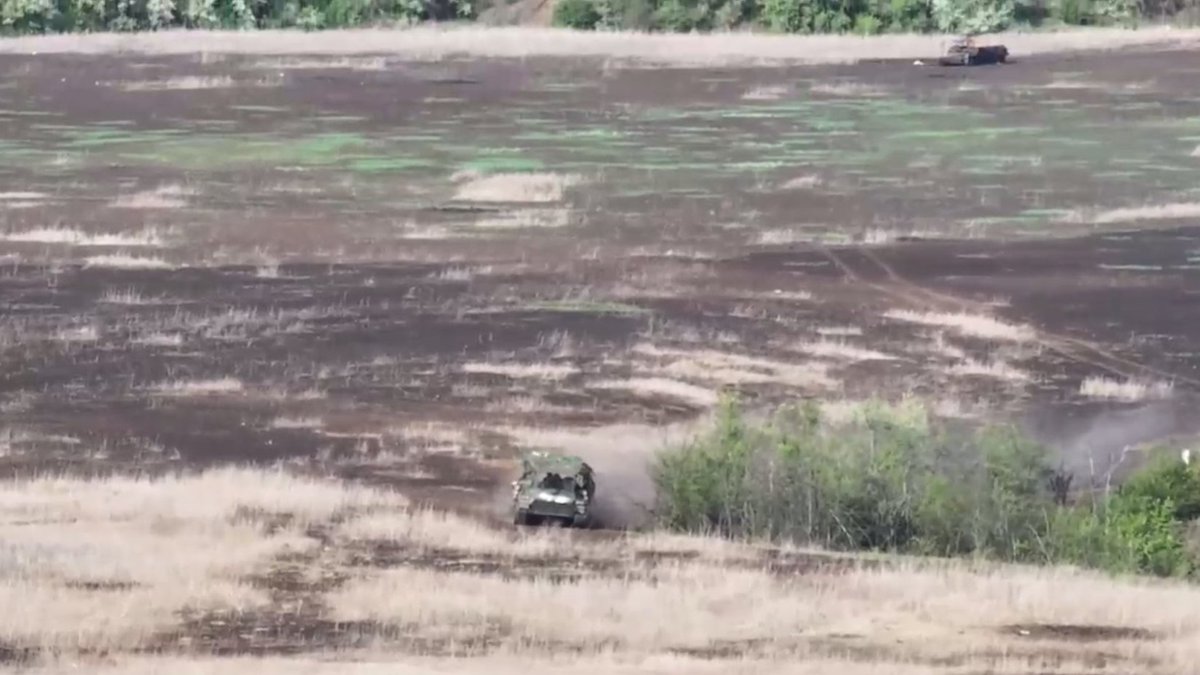
Myrnohrad area. Russian troops do not give up their attempts to break through the defense of the Ukrainian Armed Forces and are looking for weak spots in it. The front is ablaze. Assaults are happening constantly. On the night of August 18, 12 units of equipment stormed us.
3/11
Several units were destroyed and damaged. The infantry was scattered and ran through the plantings. They were then actively destroyed, - said Ivan Sekach. There is no weakening of pressure from the enemy in the Pokrovsk direction. According to the General Staff of the
4/11
Ukrainian Armed Forces, on average, about 50 assaults are taking place in this section of the front. "Our brigade has been in this direction since the end of April. Since then, the number of assaults has not changed, they occur several dozen times a day. Here we need to
5/11
clarify: these are not two-hour assaults, they are constant," the military man noted. The enemy uses the tactics of small groups that operate virtually around the clock. Only sometimes at night is there a respite, because the Russians need technical support. The Russian
6/11
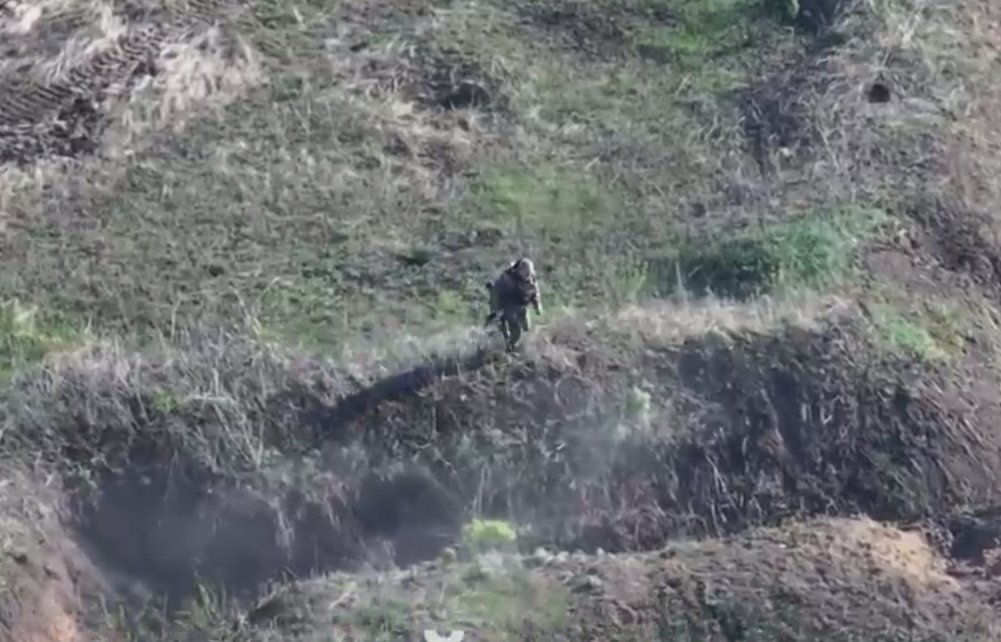
military is trying to accumulate forces and resources in order to storm the Ukrainian positions. However, in general, the tactics of the Russians have changed. "Meat assaults" are now a rare story. They now conduct assaults in small assault groups: 5-6 groups (2-3 people
7/11
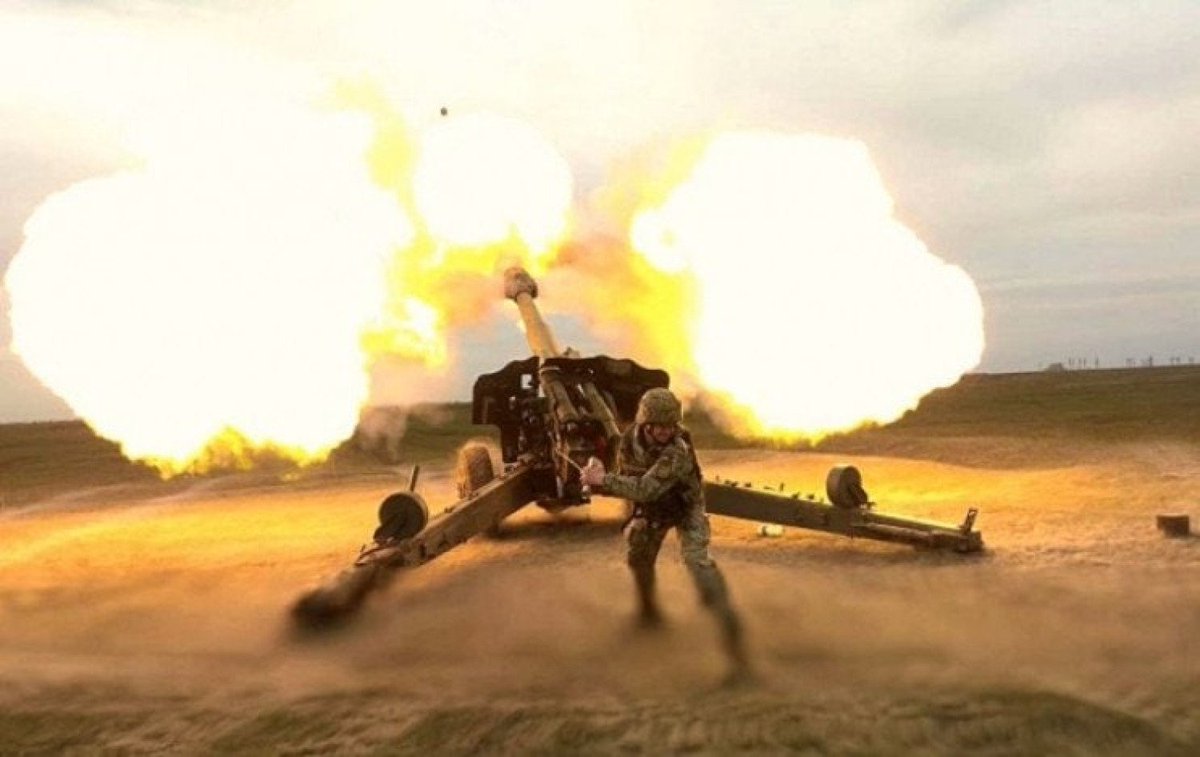
in each) simultaneously go within a one-kilometer interval. It is very difficult for artillery to destroy such moving targets, especially when we are talking about such a small number of people, then a lot of shells are spent on their destruction, Sekach noted. Also, FPV
8/11
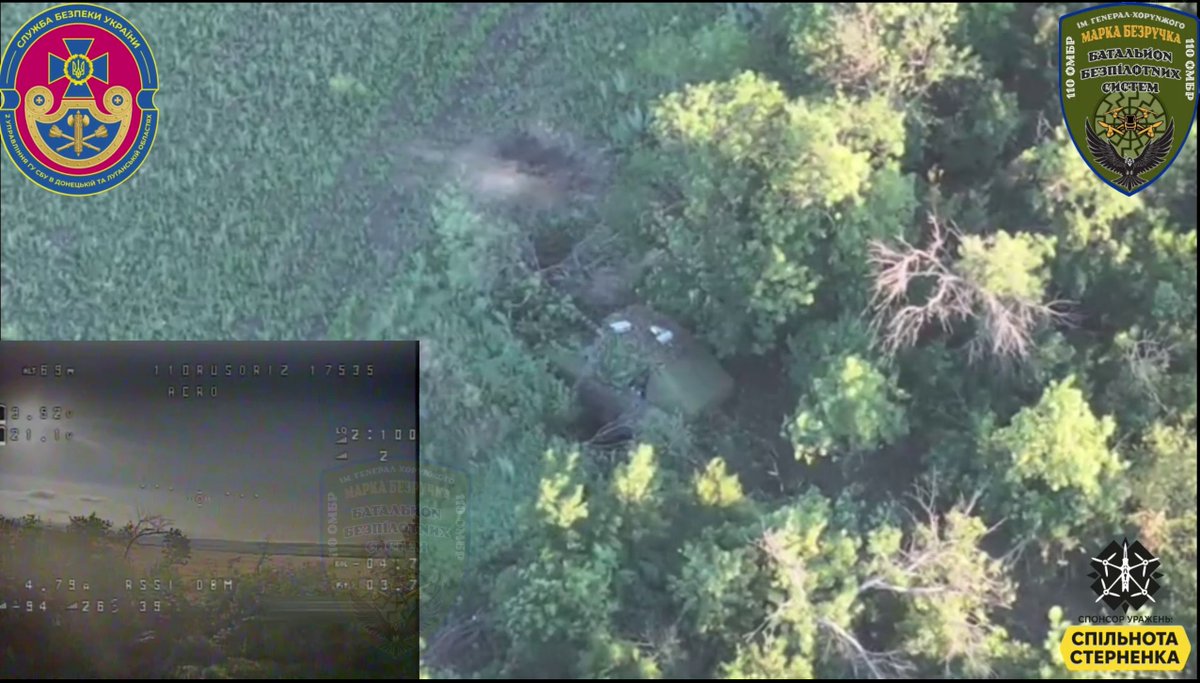
drones cannot always work on the enemy. For example, when the Russians are in the plantings, the work of drones becomes virtually impossible. However, the skill of the artillerymen and the Ukrainian infantry still give the enemy a rebuff. It is also worth noting that the
9/11
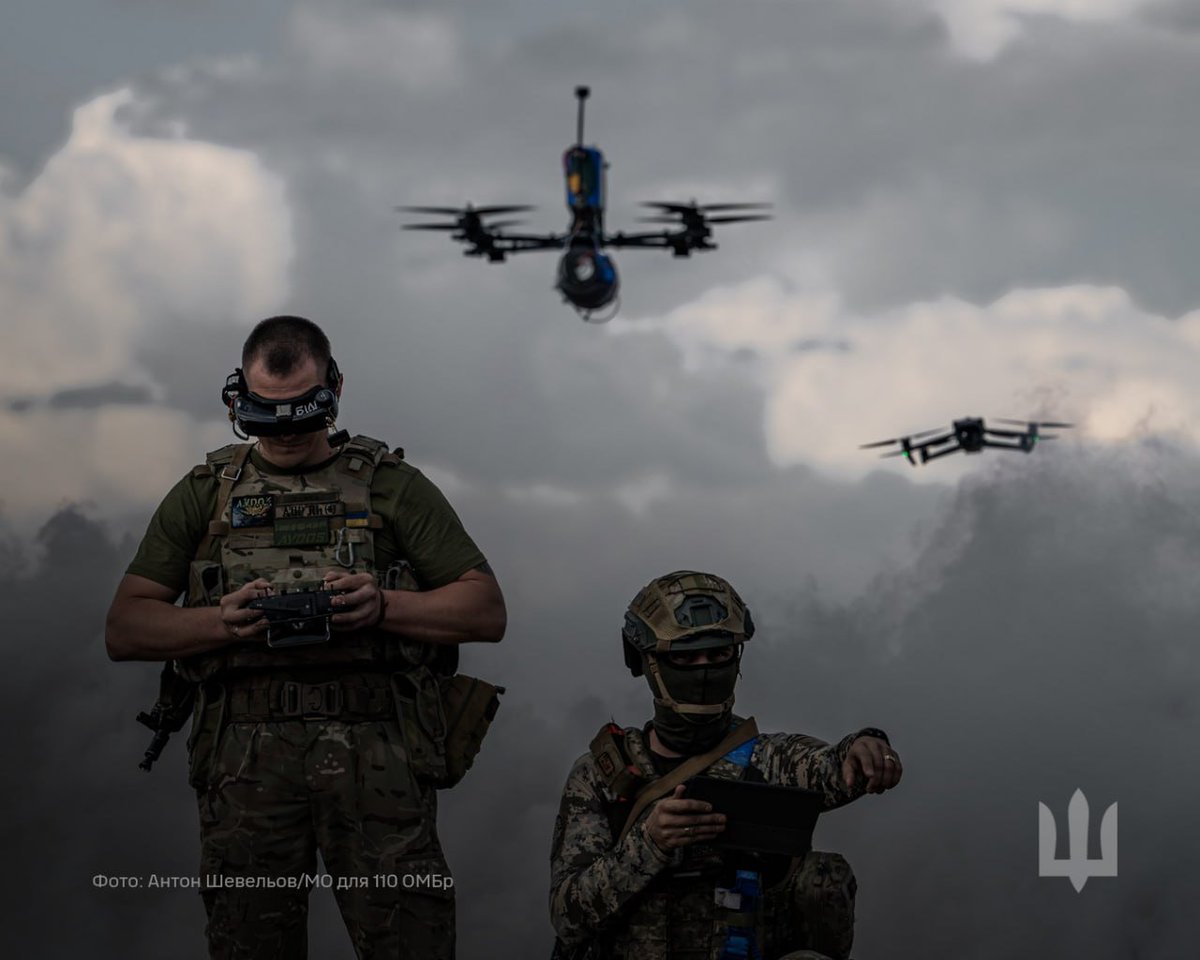
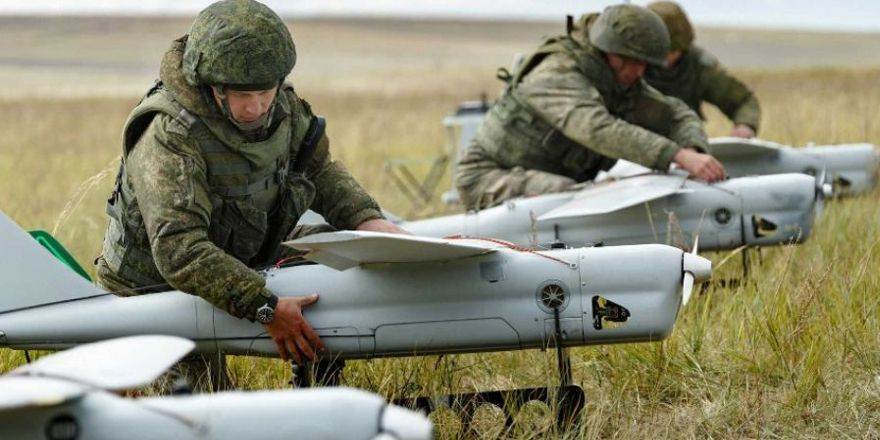
Russians have no problems with the number of drones. They have enough Mavics and FPV drones. "Sometimes it happens that as many as 20 "wings" are circling in the Pokrovsk region. Our brigade recently received new weapons, we began to shoot them down more actively, and
10/11
they began to fly less. But when necessary, they again raise up to 20 "wings" into the sky at the same time," said the press officer of the 110th OMBR.
Bloomberg reported, citing sources, that Greece and Malta have become the main obstacles to an EU proposal to replace the price cap on Russian oil with a ban on services necessary for transporting fuel. According to the agency’s interlocutors, the two southern European
🧵
countries raised concerns about this step at a meeting of EU ambassadors on Monday, where the latest sanctions package against Russia was presented. They warned that such a shift could affect Europe’s shipping industry and energy prices. Both countries also requested
clarifications regarding proposals to impose sanctions on foreign ports handling Russian oil and to strengthen oversight of ship sellers in order to reduce the number of vessels entering Moscow’s fleet. A representative of the Greek government declined to comment.
The most unpleasant forecasts regarding the Russian economy are beginning to materialize. What analysts cautiously spoke about a year ago is now being discussed openly even by the most pro-government Russian economists: the safety margin is rapidly shrinking. While Putin talks
🧵
about “stability” and “growth,” the reality looks far more prosaic: a country that unleashed a war of aggression against Ukraine is methodically burning through its own financial system. According to estimates by Germany’s BND intelligence service, Russia’s real military spending
reaches around 10% of GDP and nearly half of the federal budget. In fact, actual expenditures are 66% higher than officially declared, due to hidden budget lines, Defense Ministry construction projects, military IT infrastructure, and social payments to servicemen. In simple
According to BND estimates, last year Russia’s military spending may have amounted to almost half of the state budget and around 10% of the country’s GDP. According to the German intelligence service, Russia is spending significantly more on the war and its armed forces
🧵
than it has declared in recent years. Since the start of the war against Ukraine in February 2022, Russia’s defense budget has increased sharply every year. In addition, Russia’s interpretation of “defense spending” differs significantly from the NATO definition, German
intelligence officials note. A comprehensive analysis of budget data conducted by BND shows that Russia’s defense budget in recent years was 66% higher than officially reported. Unaccounted expenditures include, for example, construction projects of the Ministry of Defense,
Ukrainian President Volodymyr Zelensky explained why he sharply criticized Europe at the World Economic Forum in Davos. He made these remarks during a meeting with journalists in Kyiv, according to a correspondent from European Pravda. Zelensky said he had grounds for critical
🧵
statements toward Europe after a lack of funding led to a shortage of air defense missiles, allowing Russia to strike Kyiv’s energy infrastructure. Zelensky did not deny that his speech may have sounded overly harsh from European capitals and explained this by saying that
Ukraine and the rest of Europe live in different information spaces. He also acknowledged that the differences are not only informational but also emotional in how events are perceived. The president explained that his Davos speech was preceded by heavy strikes on energy
Putin is losing the game he himself started. His bet was placed on a return to the world of the 19th and early 20th centuries - a world of empires and spheres of influence, where Europe, America, Africa, and Asia are divided among several “superpowers.” In Putin’s vision of
1/19
the world, there were supposed to be three such powers: the United States, Russia, and China. However, the real transformation of the global order is unfolding in a completely different way. The key failure is Ukraine. At the end of the fourth year of war, Russia has still
2/19
been unable to subjugate it. The army is visibly degrading, human and technological resources are being exhausted, the economy is held together by military spending and gray schemes, and the state increasingly resembles an overextended empire losing its ability to govern
3/19
Within NATO, the possibility of conducting a special joint mission in Greenland is being considered in order to accommodate the interests of US President Donald Trump. This week, the US president once again stated that he wants Greenland. Military intervention is not being 1/8
ruled out. Danish Prime Minister Mette Frederiksen previously said that this would mean the end of the Alliance if the United States were to begin military action against her country. On Thursday morning, the 32 ambassadors of the Alliance gathered for their weekly meeting. 2/8
It took place in a "calm atmosphere." Denmark raised the Greenland issue in a "positive and forward-looking manner," NOS insiders reported. The US ambassador to NATO, Whitaker, also reportedly spoke in a conciliatory tone. As became clear during the meeting, almost all 3/8