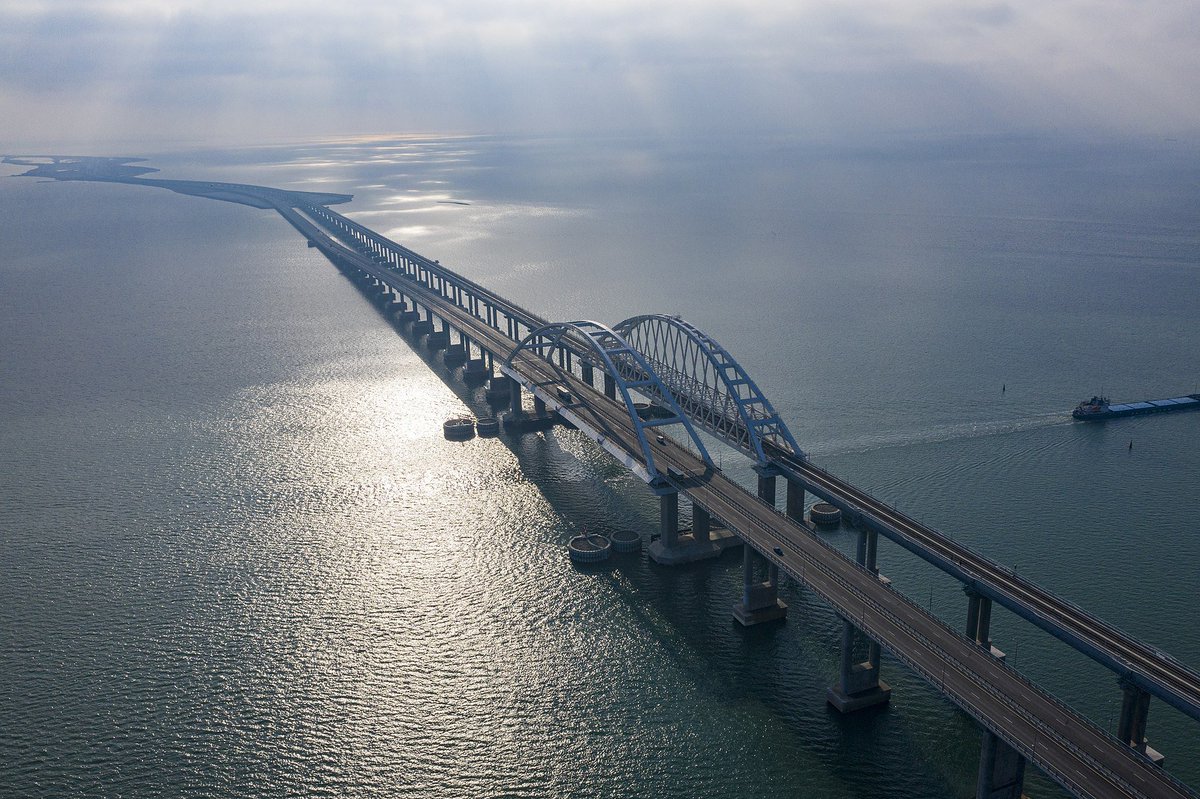
Crimean Bridge, get ready! The ferry Conro Trader that was hit in the port of Kavkaz was the last one that was sailing across the Kerch Strait and could transport railway cars. The only way of transportation between the peninsula and Russia remains the Crimean 1/8
Bridge. The ferry sank. According to initial data, it was hit by a Neptune missile. It was transporting fuel and caught fire after the missile hit. There were two ferries across the strait and the first one is currently undergoing repairs after it was damaged in May of this 2/8
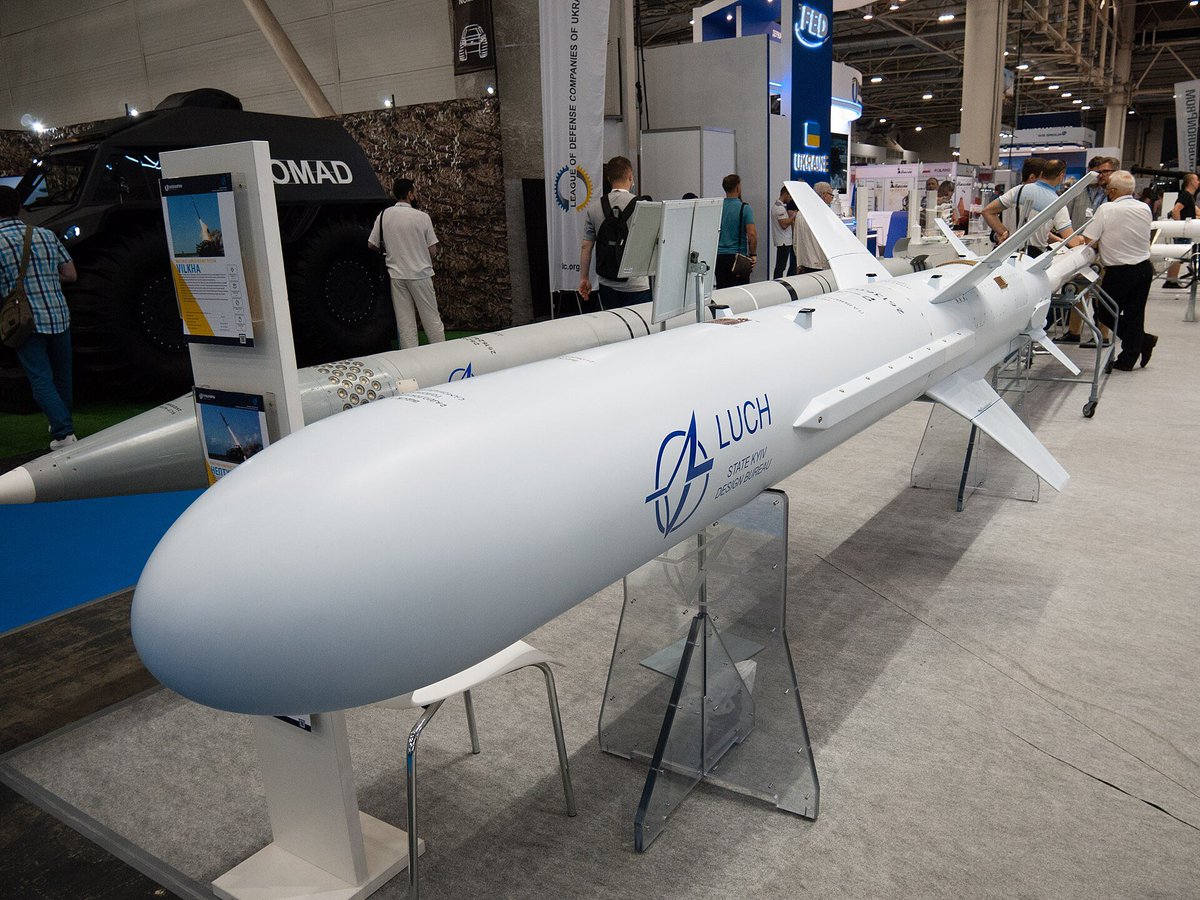
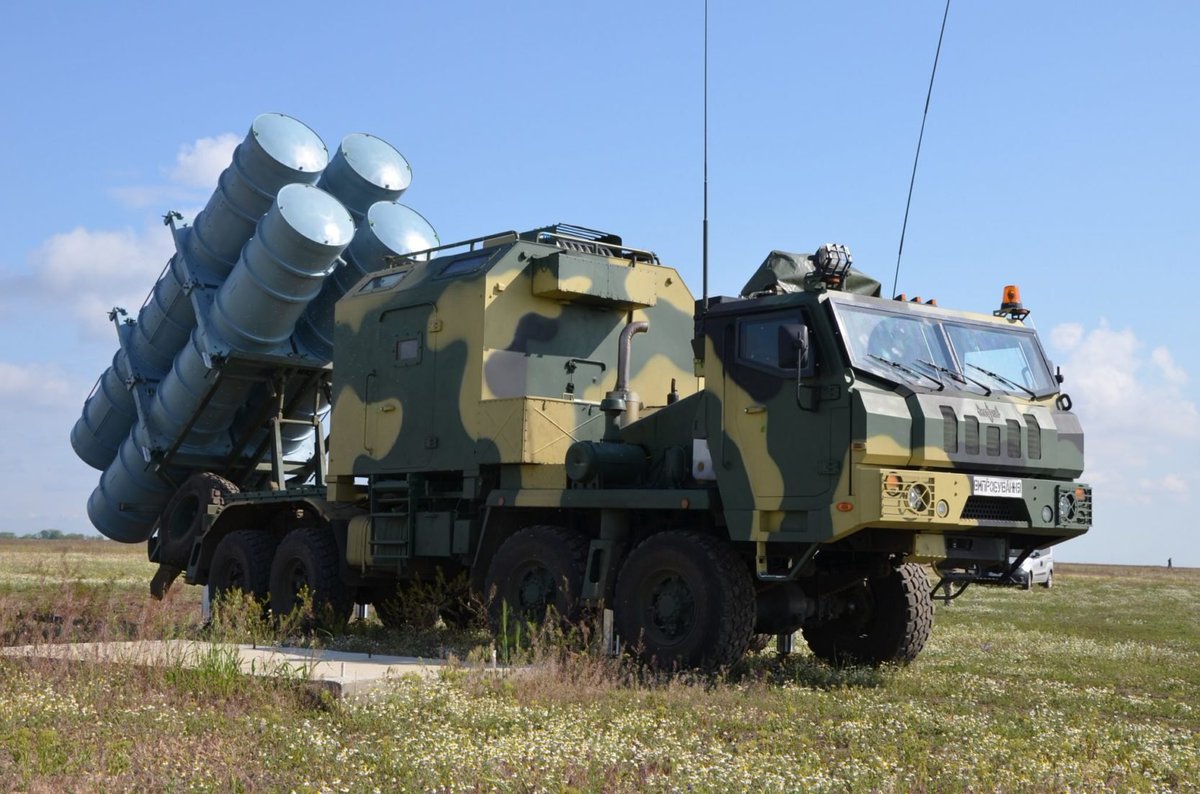
year. Russia was moving its best, newest air defense systems to Crimea, but in two months from March to June, Ukraine destroyed about 15 S300-S400 systems. Possibly one S-500. Ukraine is clearly clearing a path for itself and is using Neptune missiles of its own production 3/8
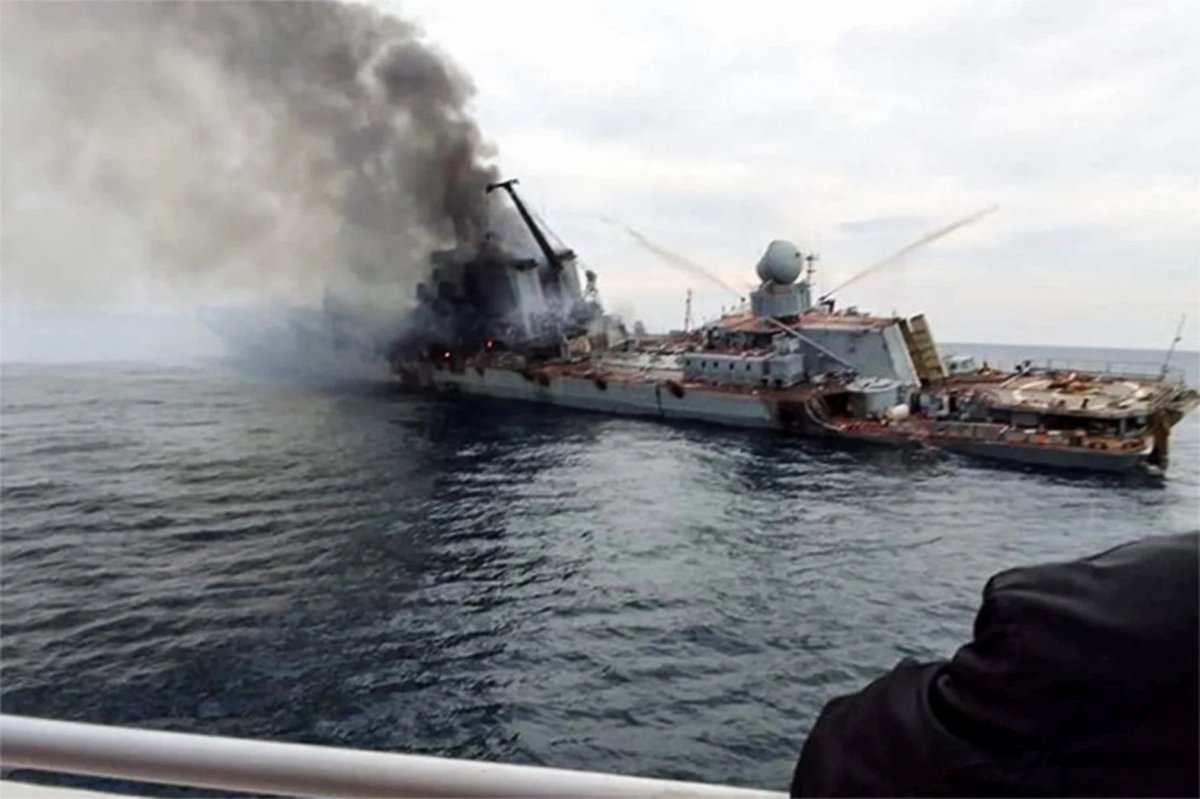
for this. The latest modification has a radius of 400 km. On April 14, 2022, the Ukrainian Navy launched two Neptune cruise missiles at the Russian missile cruiser Moskva. She joined Russian submarine fleet. On August 23, 2023, the Ukrainian Armed Forces successfully launched 4/8
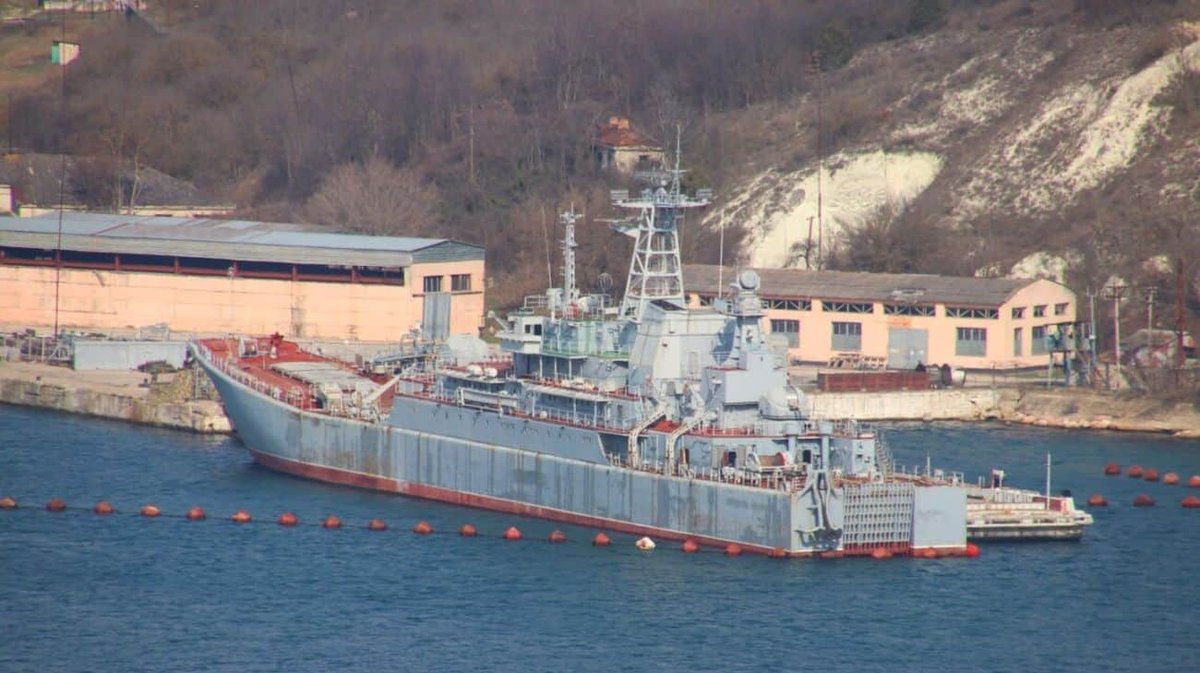
a strike with modified Neptune missiles against an S-400 battery, and on September 14, against an S-400 near Yevpatoria in Crimea. On March 26, 2024, Ukraine launched a missile strike against the landing ship Konstantin Olshansky, which Russia had captured in 2014. 5/8
The ship was damaged and has since been incapacitated. That day, these missiles were also used to strike the Azov, Yamal, and Ivan Khurs, seriously damaging the ships. Ukraine produces several dozen such missiles a year, but has used only a small portion. Some have been shot 6/8
down. In light of what Budanov said about the fate of the Crimean Bridge, it is quite possible that Ukraine has several missiles in reserve for a more massive strike. One missile will not destroy the bridge, but if it is a powerful salvo from several launchers and other 7/8
weapons, the bridge will sink to the bottom. If the bridge is destroyed, Russia will have to supply the peninsula through the Kherson region. This way, the supply lines will be closer to the front and it will be easier for Ukraine to hit them. 8/8
• • •
Missing some Tweet in this thread? You can try to
force a refresh

A wave of property confiscations that swept across the regions and affected officials, security officers, and judges has brought the state an amount comparable to the annual budget of a small region. In total, over the past 5-7 years, property worth 100 billion rubles has been
🧵
seized in corruption cases, Accounts Chamber auditor Andrei Baturkin reported in the State Duma. The confiscations have reached such a scale that, according to Baturkin, a “road map” is now required to coordinate the relevant agencies that will have to deal with seized companies,
houses, land plots, and collections of luxury cars and watches. It is necessary to “establish communication between the power bloc and Rosimushchestvo so that there is more feedback regarding what property is to be transferred into the ownership of the Russian Federation,”
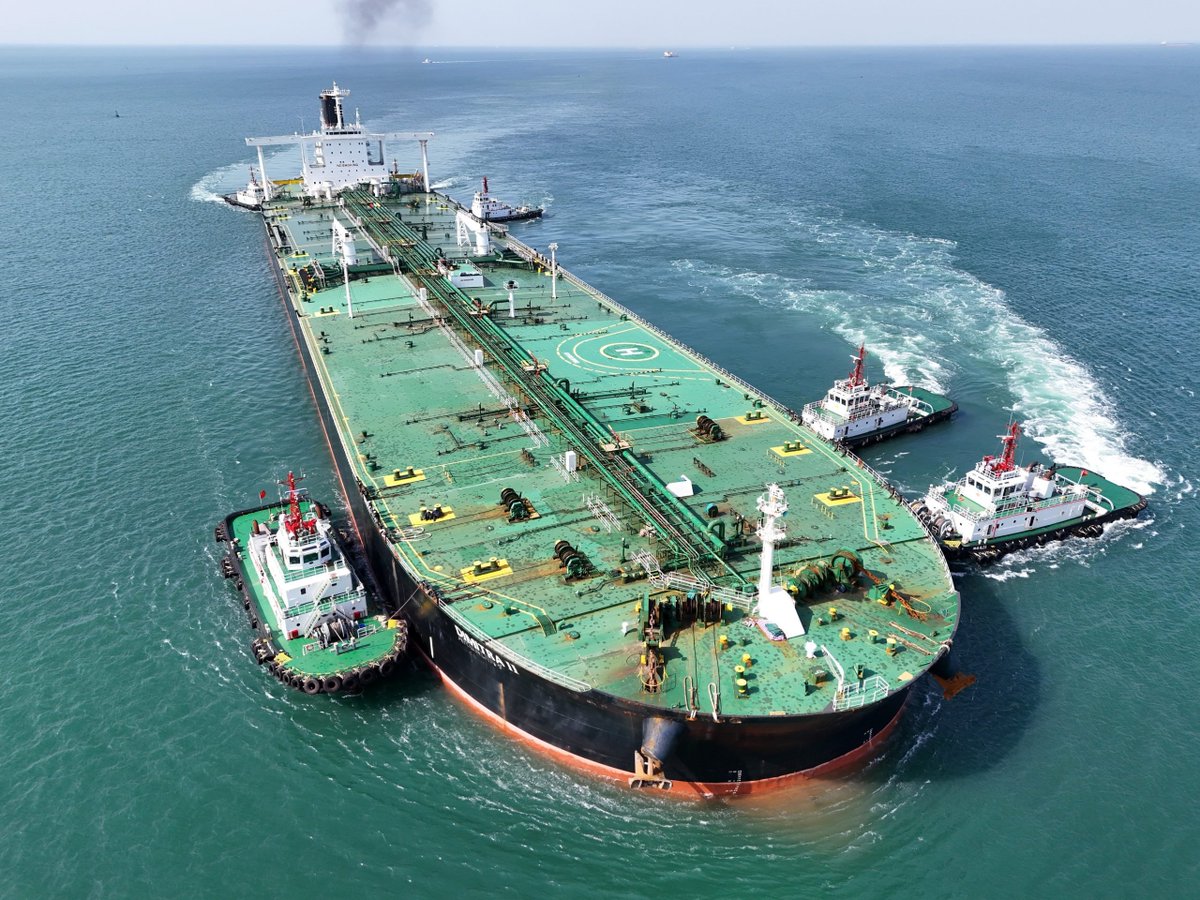
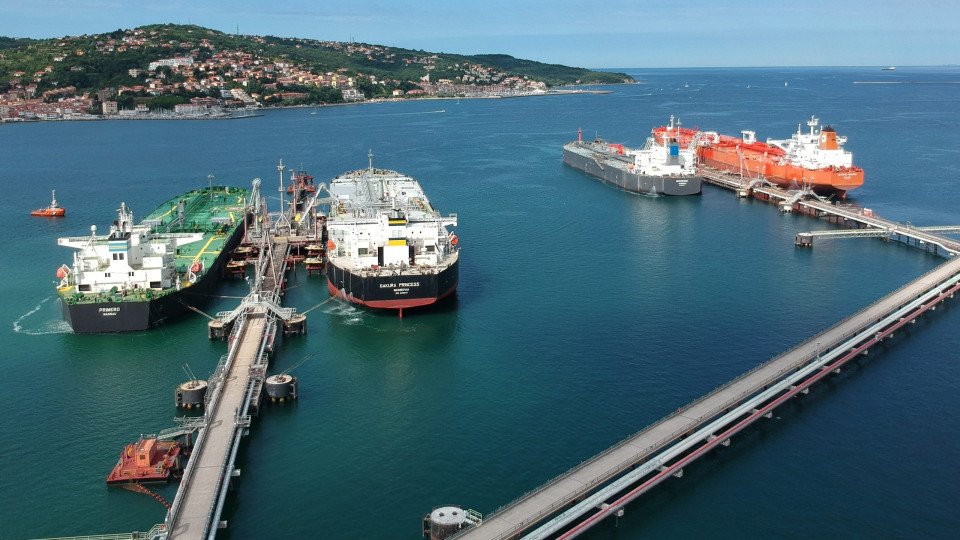
Bloomberg reported, citing sources, that Greece and Malta have become the main obstacles to an EU proposal to replace the price cap on Russian oil with a ban on services necessary for transporting fuel. According to the agency’s interlocutors, the two southern European
🧵
countries raised concerns about this step at a meeting of EU ambassadors on Monday, where the latest sanctions package against Russia was presented. They warned that such a shift could affect Europe’s shipping industry and energy prices. Both countries also requested
clarifications regarding proposals to impose sanctions on foreign ports handling Russian oil and to strengthen oversight of ship sellers in order to reduce the number of vessels entering Moscow’s fleet. A representative of the Greek government declined to comment.
The most unpleasant forecasts regarding the Russian economy are beginning to materialize. What analysts cautiously spoke about a year ago is now being discussed openly even by the most pro-government Russian economists: the safety margin is rapidly shrinking. While Putin talks
🧵
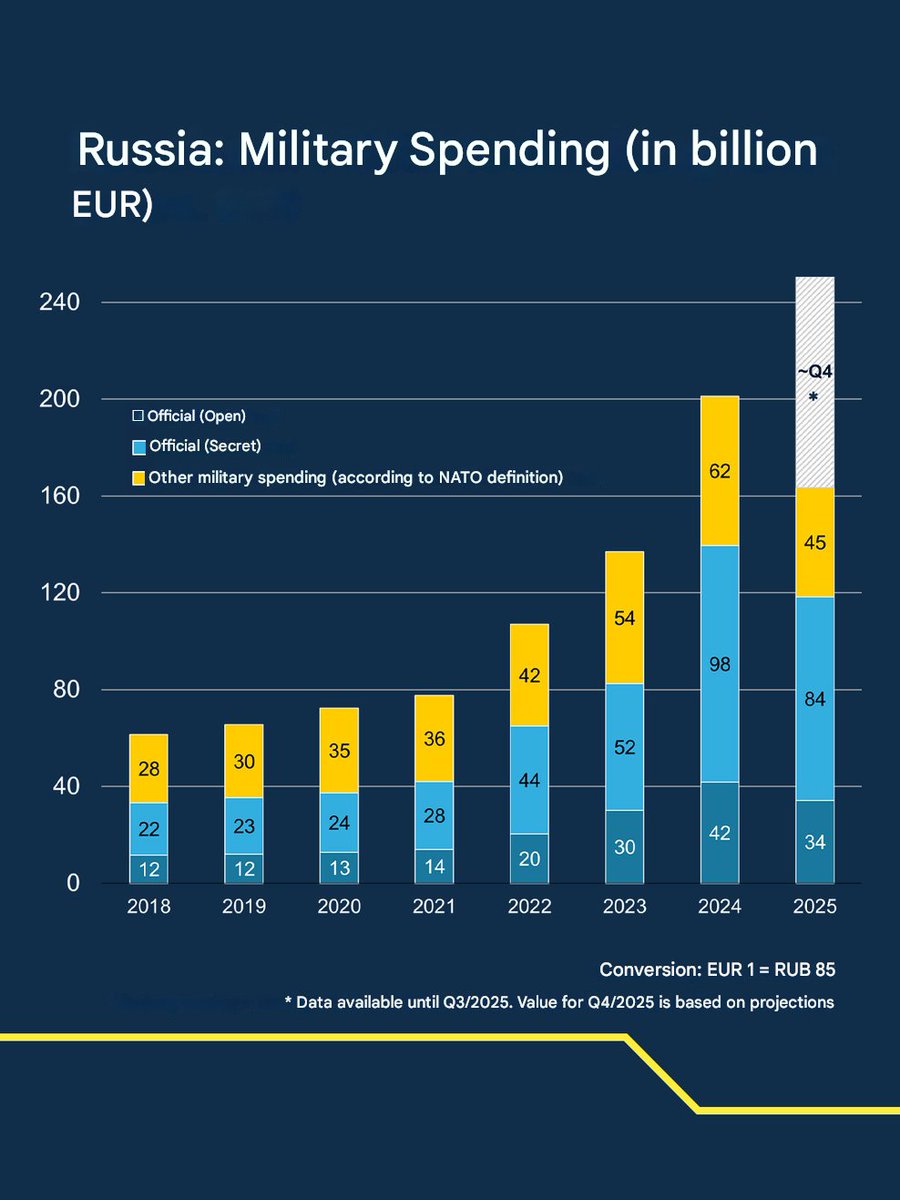
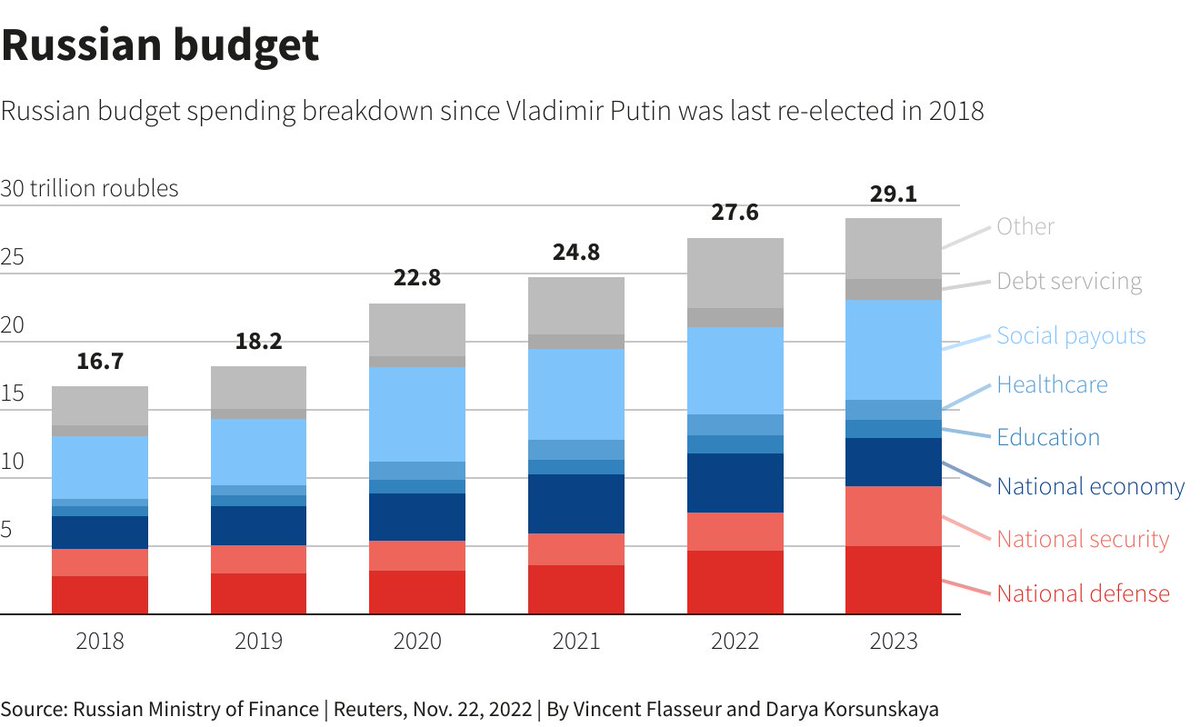
about “stability” and “growth,” the reality looks far more prosaic: a country that unleashed a war of aggression against Ukraine is methodically burning through its own financial system. According to estimates by Germany’s BND intelligence service, Russia’s real military spending
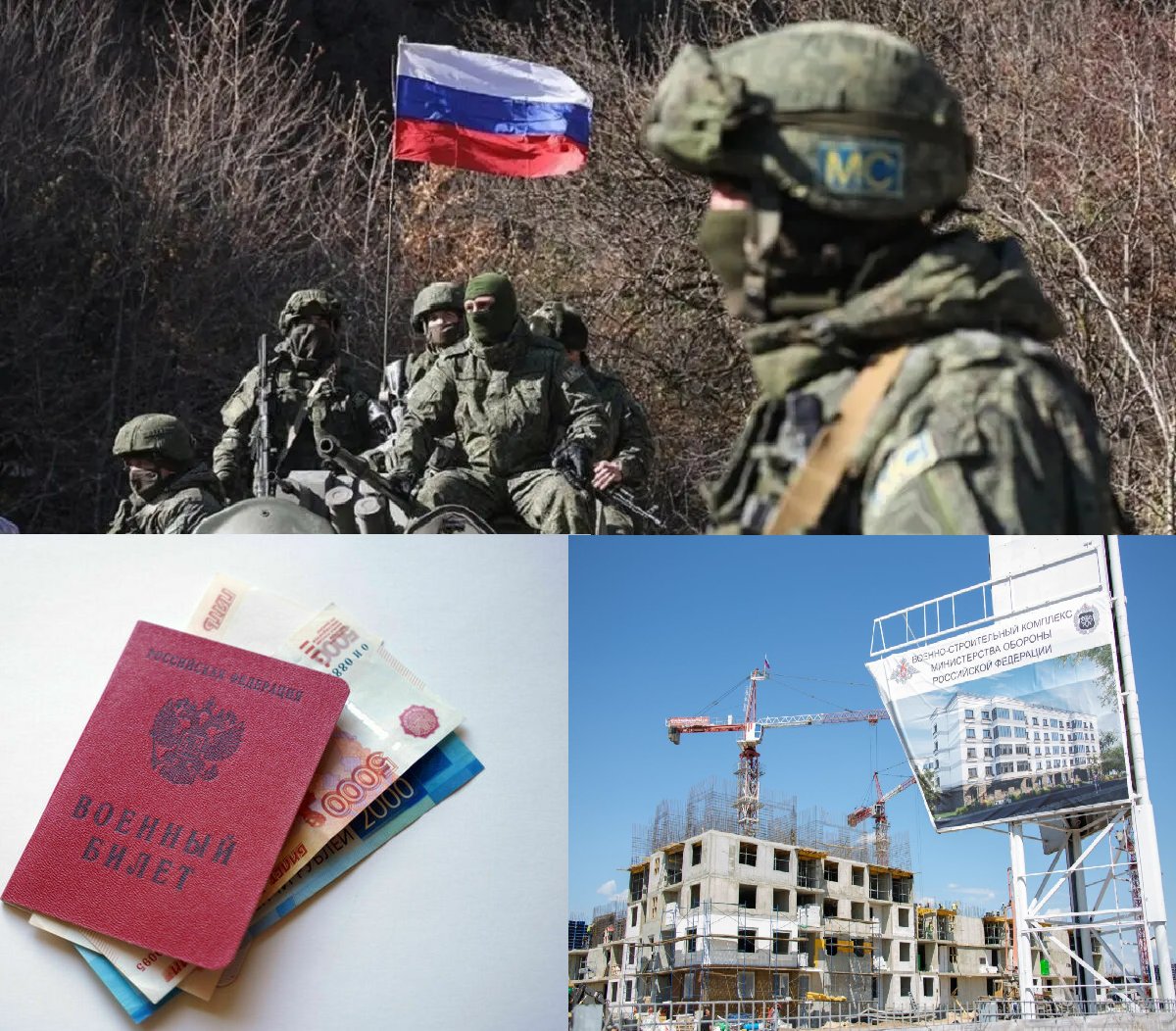
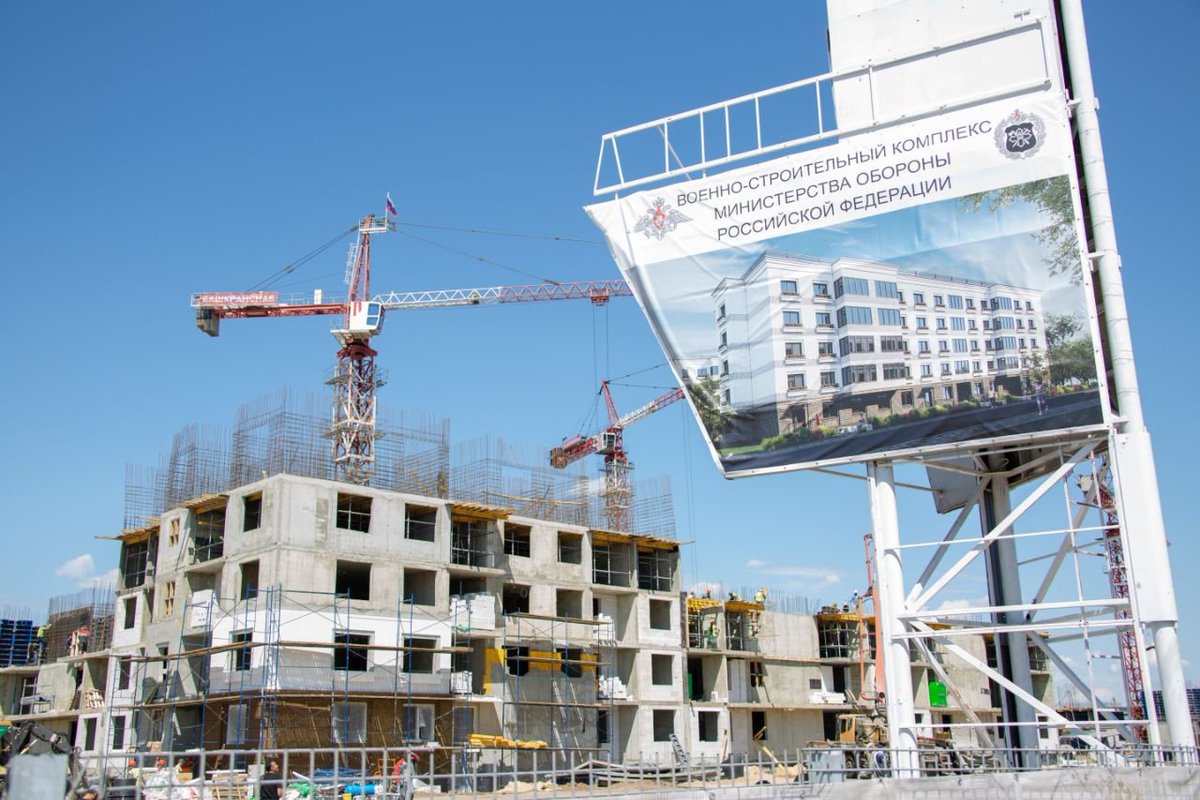
reaches around 10% of GDP and nearly half of the federal budget. In fact, actual expenditures are 66% higher than officially declared, due to hidden budget lines, Defense Ministry construction projects, military IT infrastructure, and social payments to servicemen. In simple
According to BND estimates, last year Russia’s military spending may have amounted to almost half of the state budget and around 10% of the country’s GDP. According to the German intelligence service, Russia is spending significantly more on the war and its armed forces
🧵
than it has declared in recent years. Since the start of the war against Ukraine in February 2022, Russia’s defense budget has increased sharply every year. In addition, Russia’s interpretation of “defense spending” differs significantly from the NATO definition, German
intelligence officials note. A comprehensive analysis of budget data conducted by BND shows that Russia’s defense budget in recent years was 66% higher than officially reported. Unaccounted expenditures include, for example, construction projects of the Ministry of Defense,
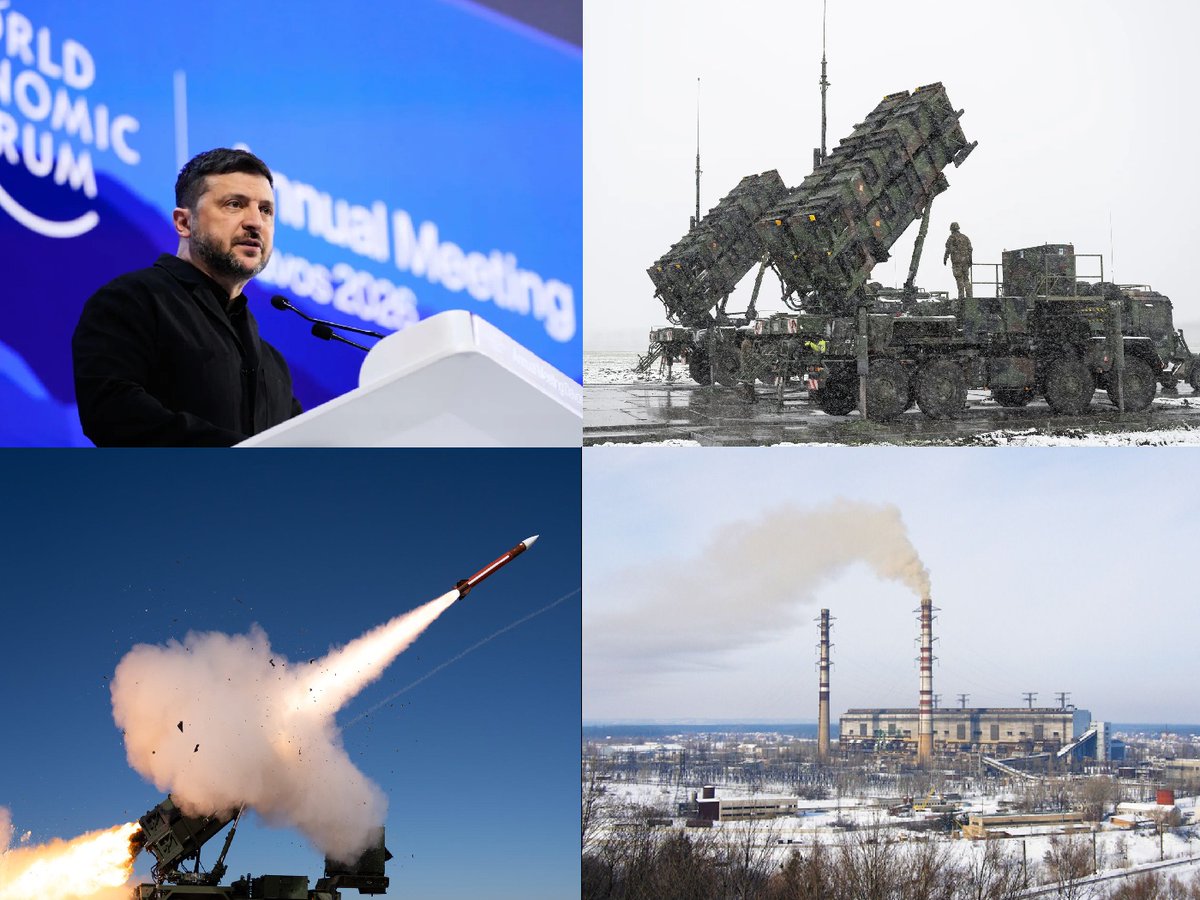
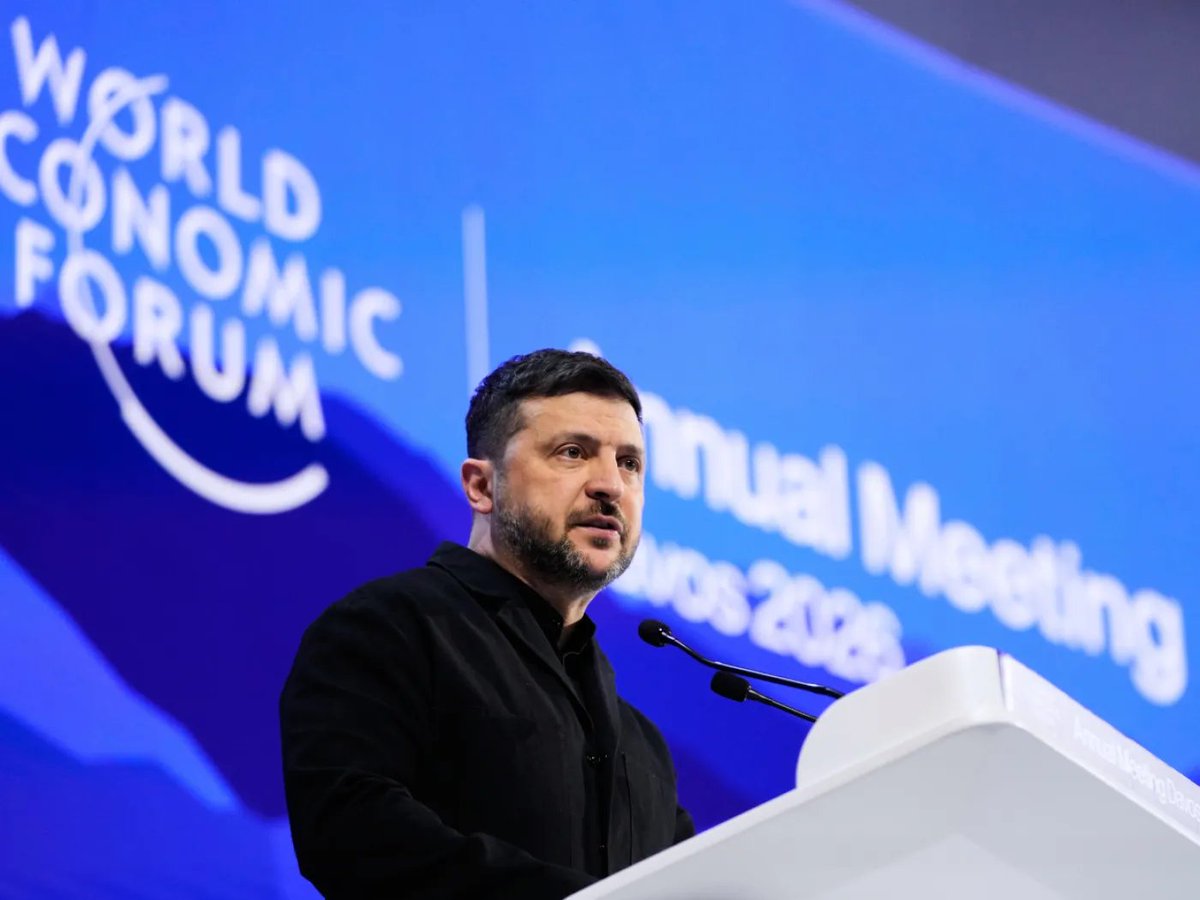
Ukrainian President Volodymyr Zelensky explained why he sharply criticized Europe at the World Economic Forum in Davos. He made these remarks during a meeting with journalists in Kyiv, according to a correspondent from European Pravda. Zelensky said he had grounds for critical
🧵
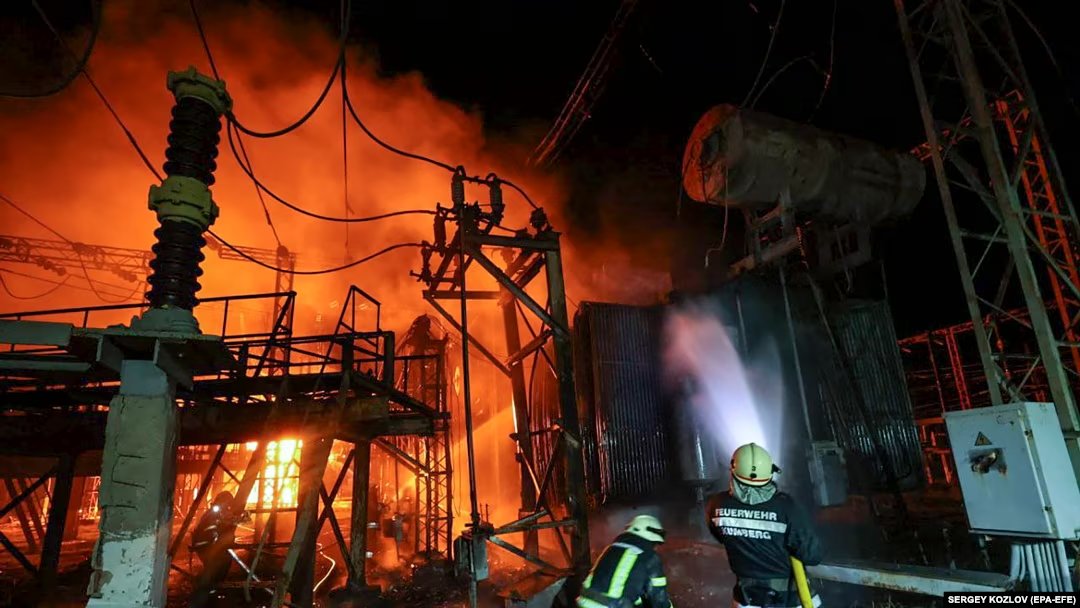
statements toward Europe after a lack of funding led to a shortage of air defense missiles, allowing Russia to strike Kyiv’s energy infrastructure. Zelensky did not deny that his speech may have sounded overly harsh from European capitals and explained this by saying that
Ukraine and the rest of Europe live in different information spaces. He also acknowledged that the differences are not only informational but also emotional in how events are perceived. The president explained that his Davos speech was preceded by heavy strikes on energy
Putin is losing the game he himself started. His bet was placed on a return to the world of the 19th and early 20th centuries - a world of empires and spheres of influence, where Europe, America, Africa, and Asia are divided among several “superpowers.” In Putin’s vision of
1/19
the world, there were supposed to be three such powers: the United States, Russia, and China. However, the real transformation of the global order is unfolding in a completely different way. The key failure is Ukraine. At the end of the fourth year of war, Russia has still
2/19
been unable to subjugate it. The army is visibly degrading, human and technological resources are being exhausted, the economy is held together by military spending and gray schemes, and the state increasingly resembles an overextended empire losing its ability to govern
3/19