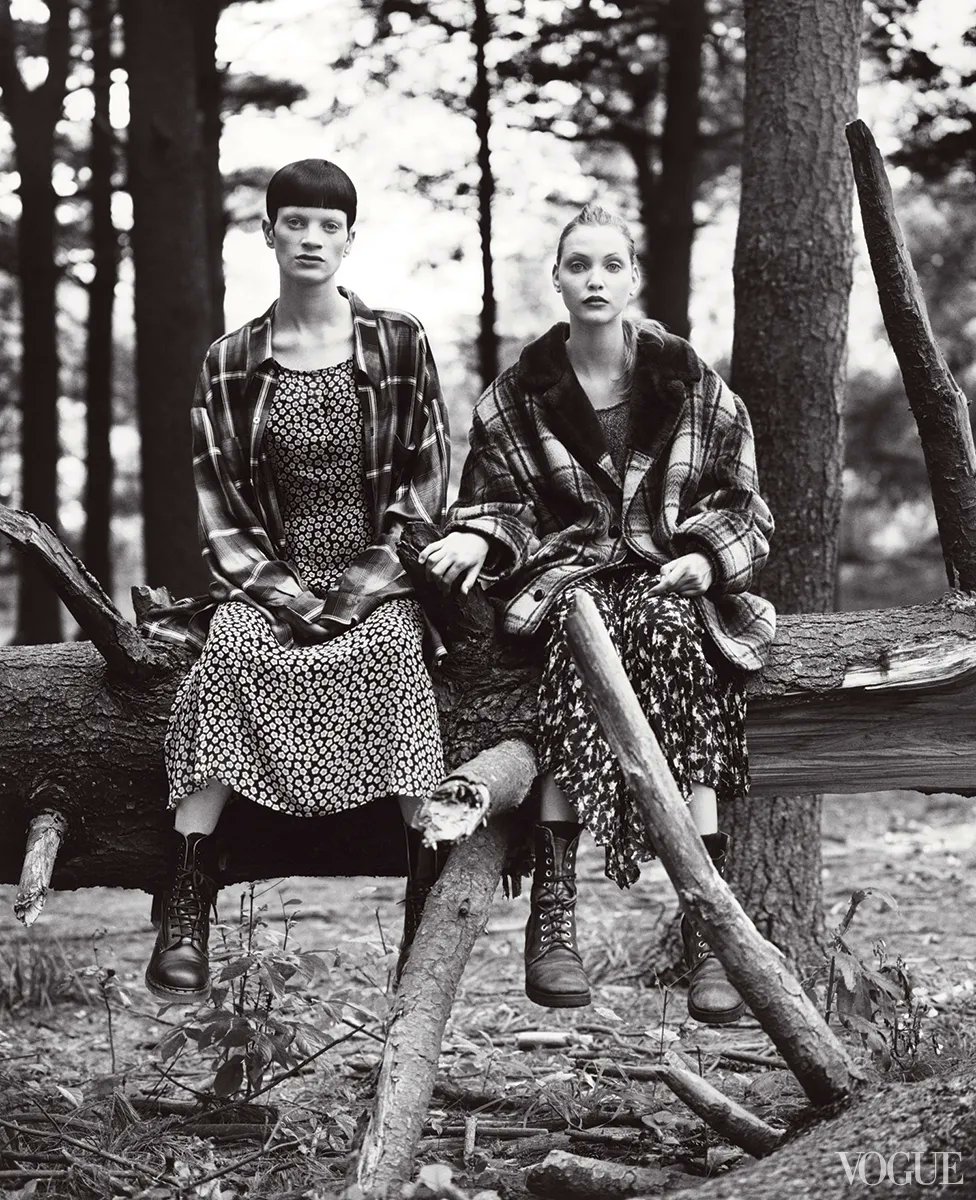
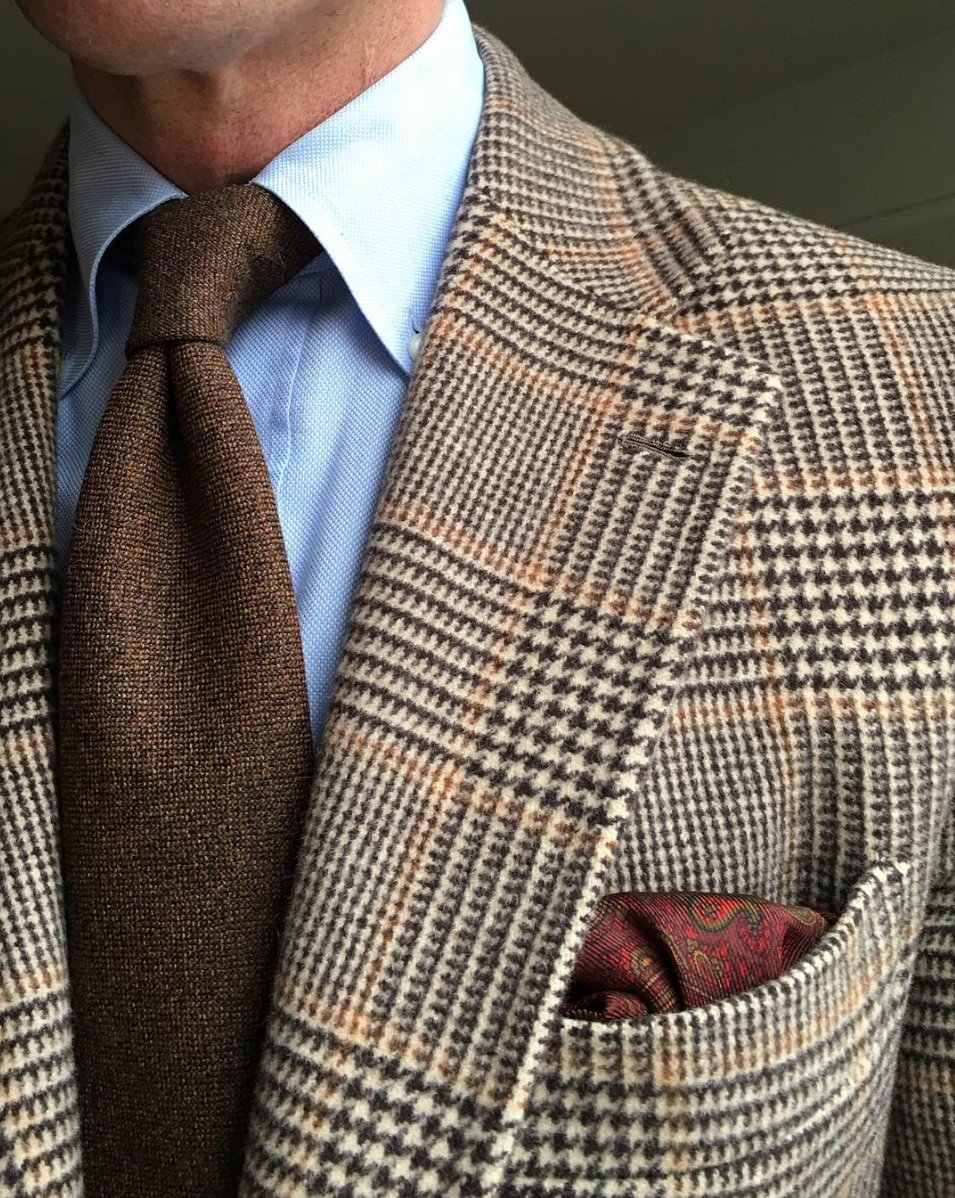
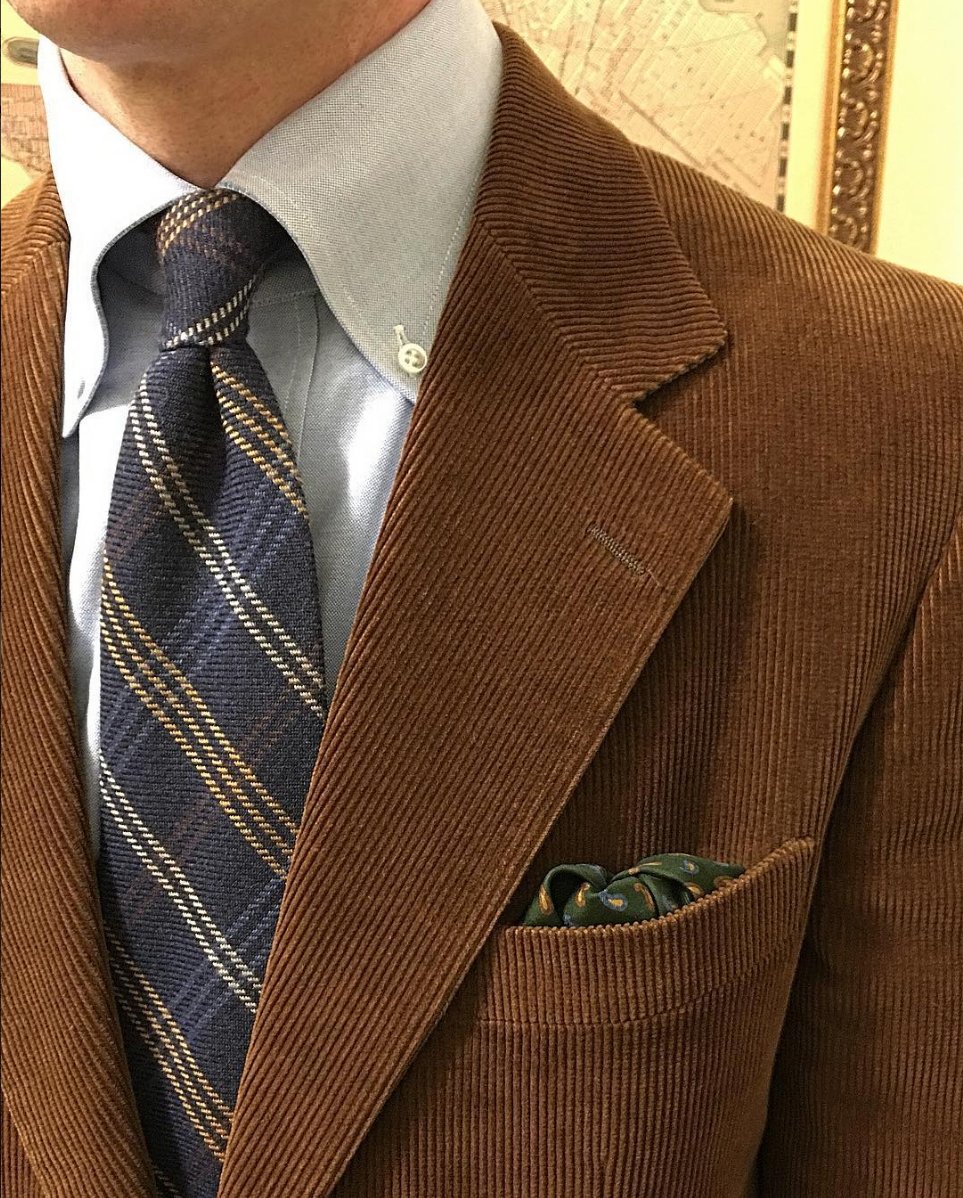
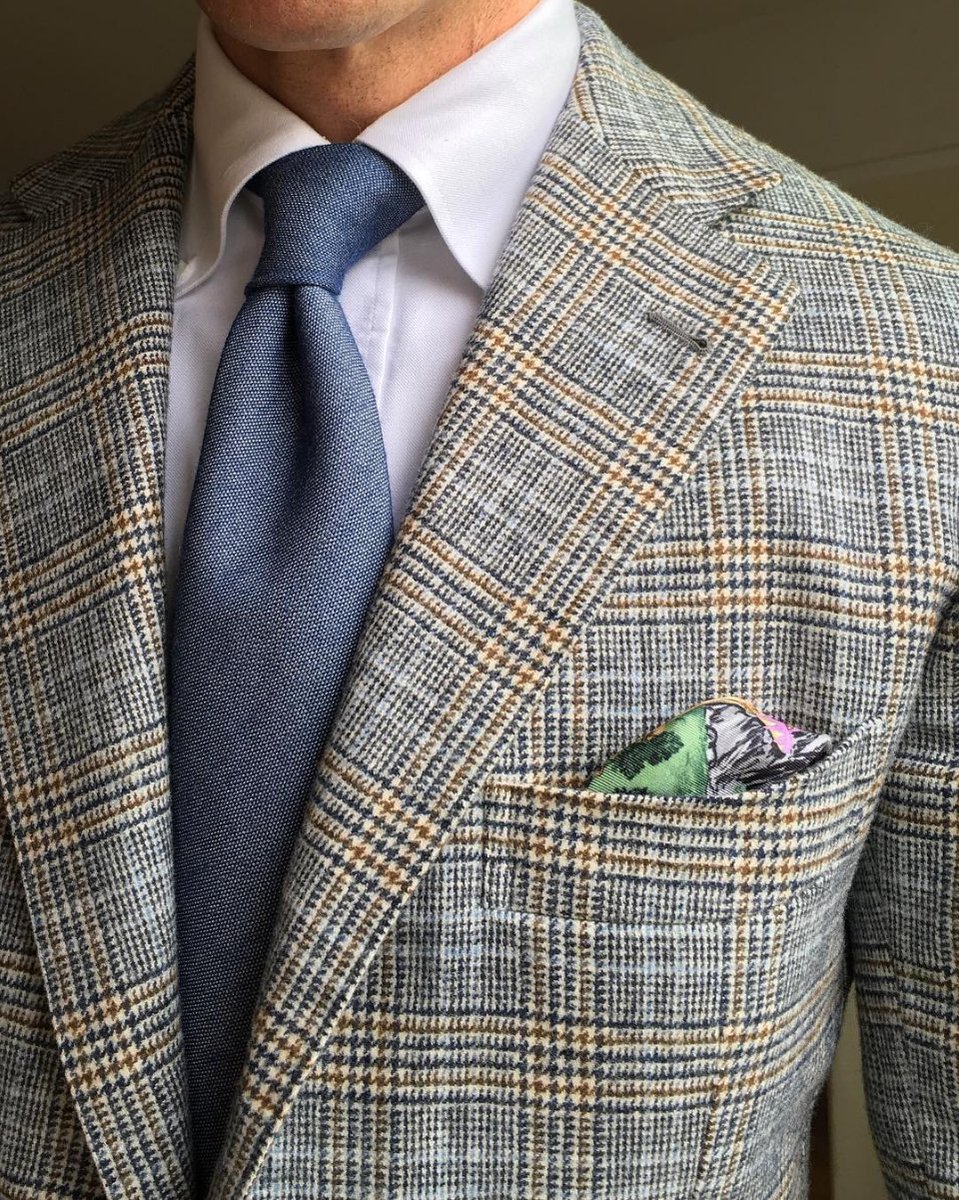
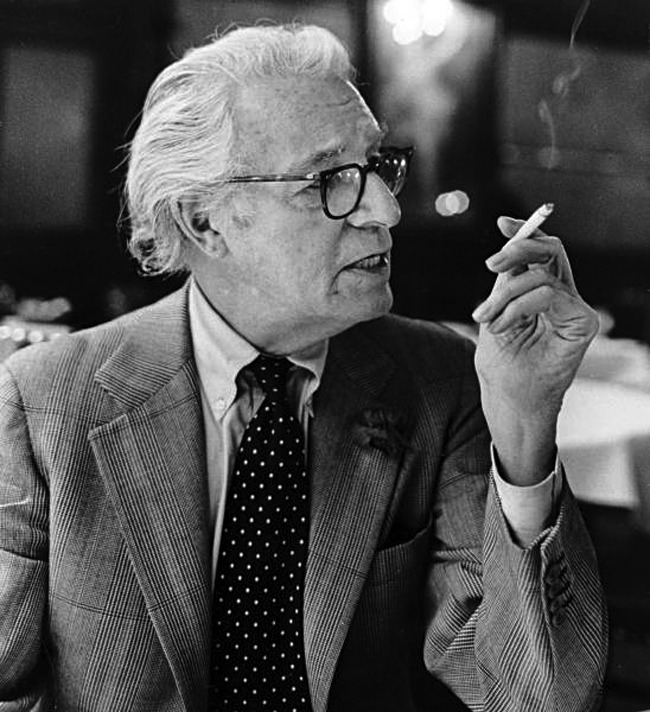
Kids never get it wrong. And even when they style clothes in a slightly off way, it only looks more awesome. But here is a guide on how adults can match patterns. 🧵
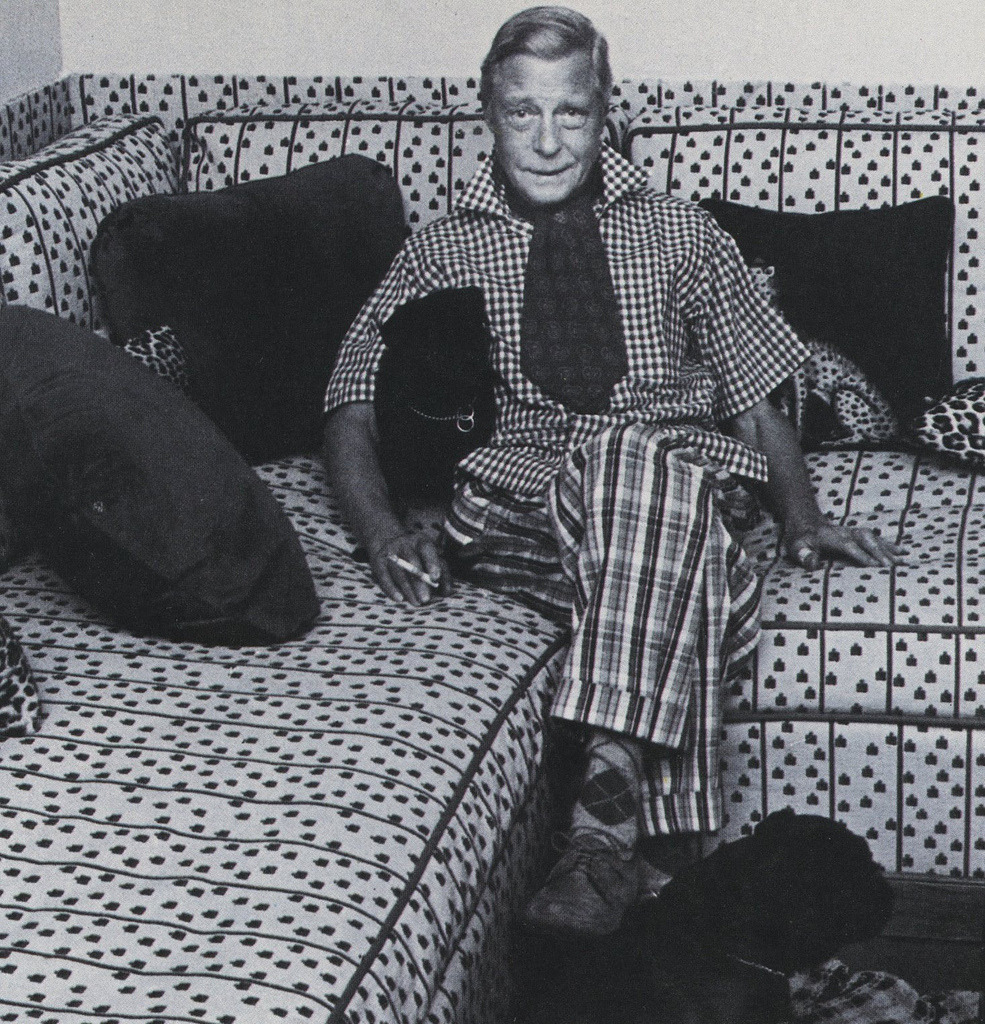
Edward VIII, later known as the Duke of Windsor, was one of the most stylish men of the 20th century. He popularized belts, zippered flies, cuffed trousers, and a style of tailoring known as the drape cut. He was also a master at matching patterns.
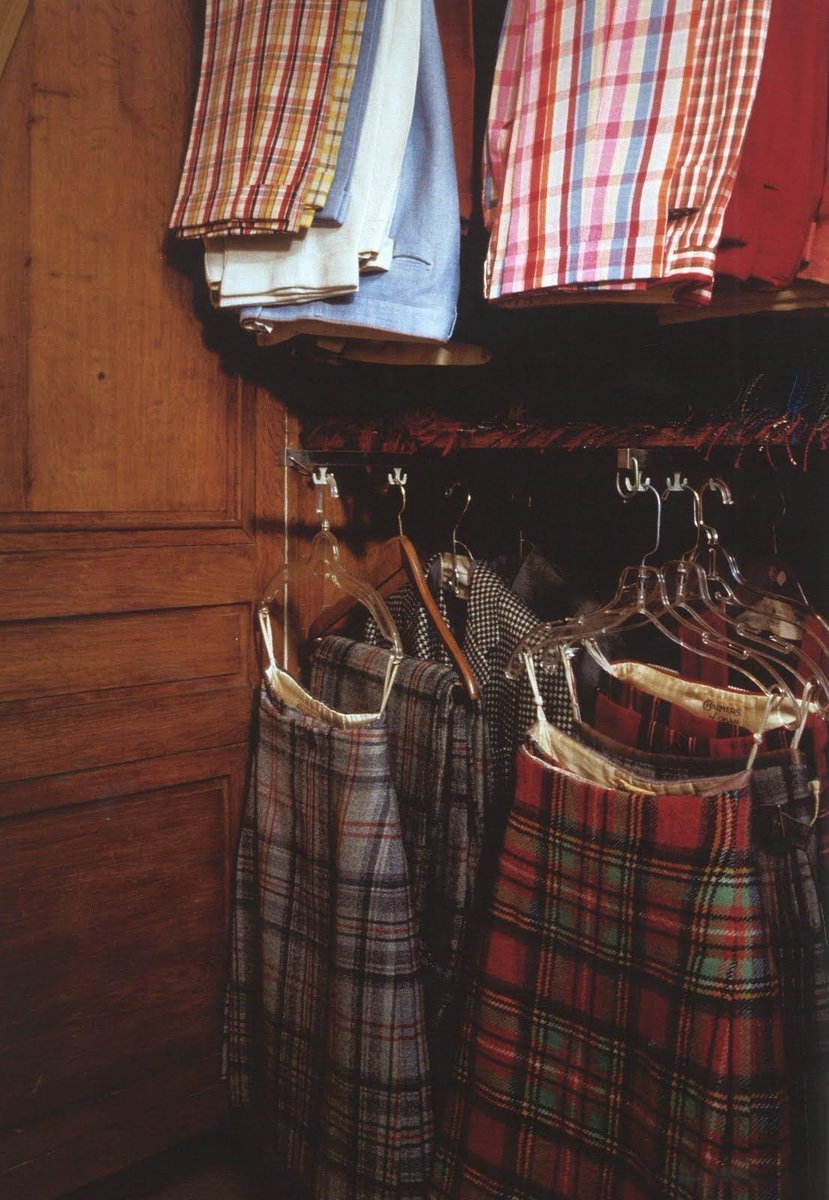
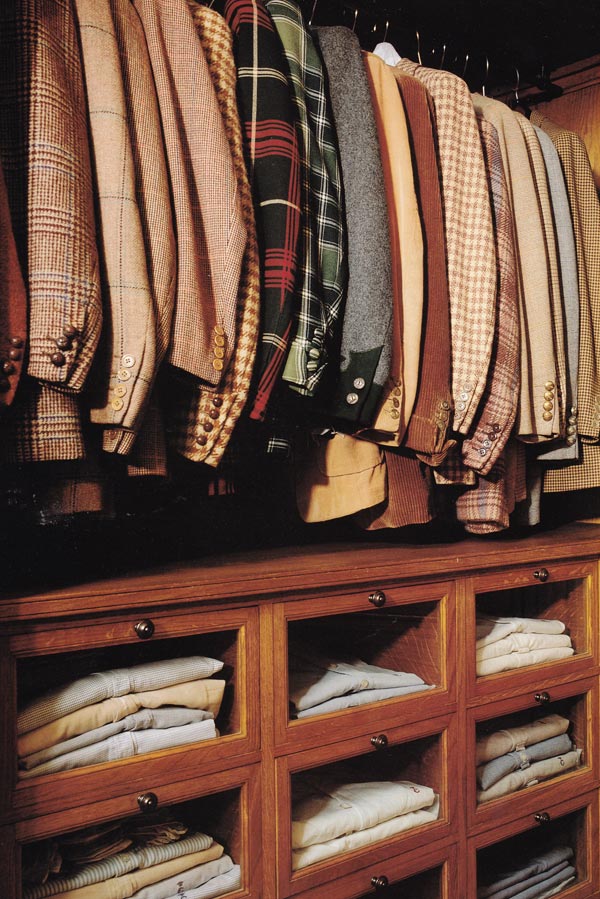
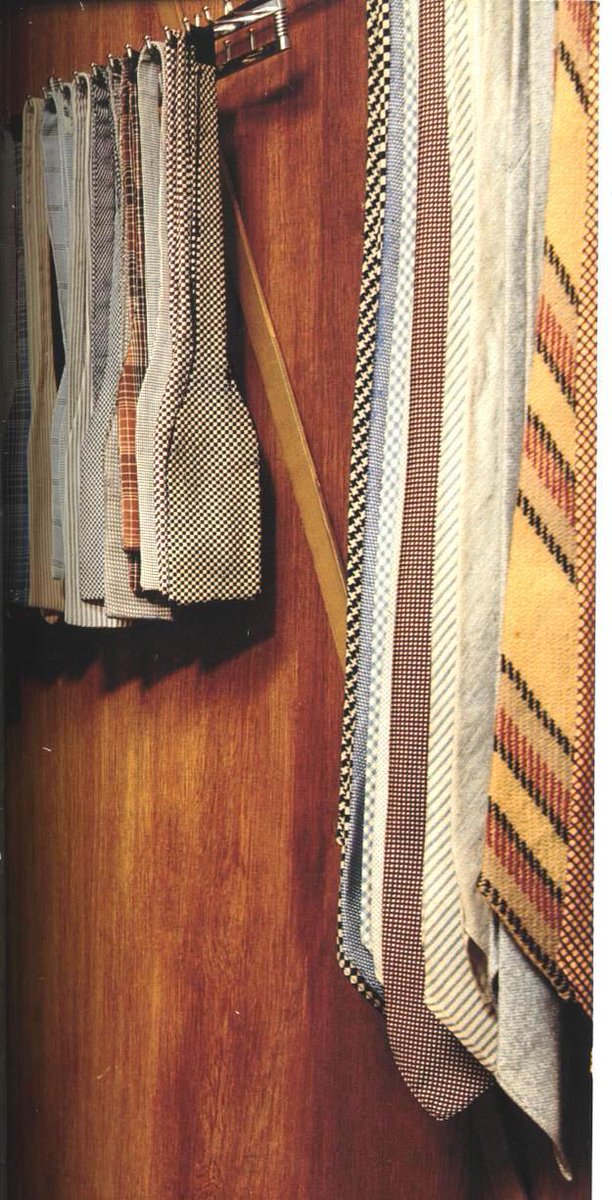
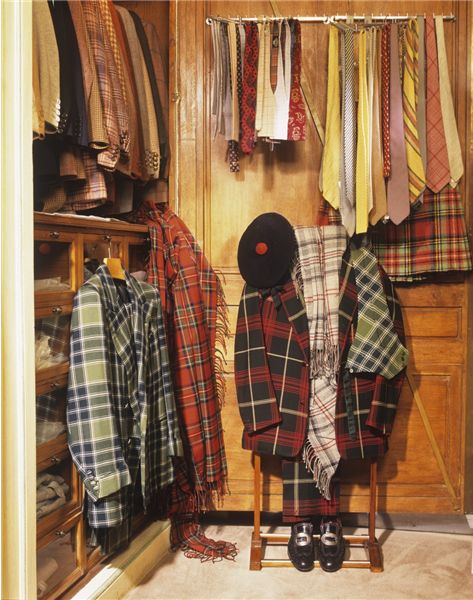
Of course, he had to be. In September 1997, Sotheby's auctioned off a portion of the Duke and Duchess of Windsor's wardrobes. And inside the catalog, we got to see photos of the Duke of Windsor's actual closet. Look at all those patterns!
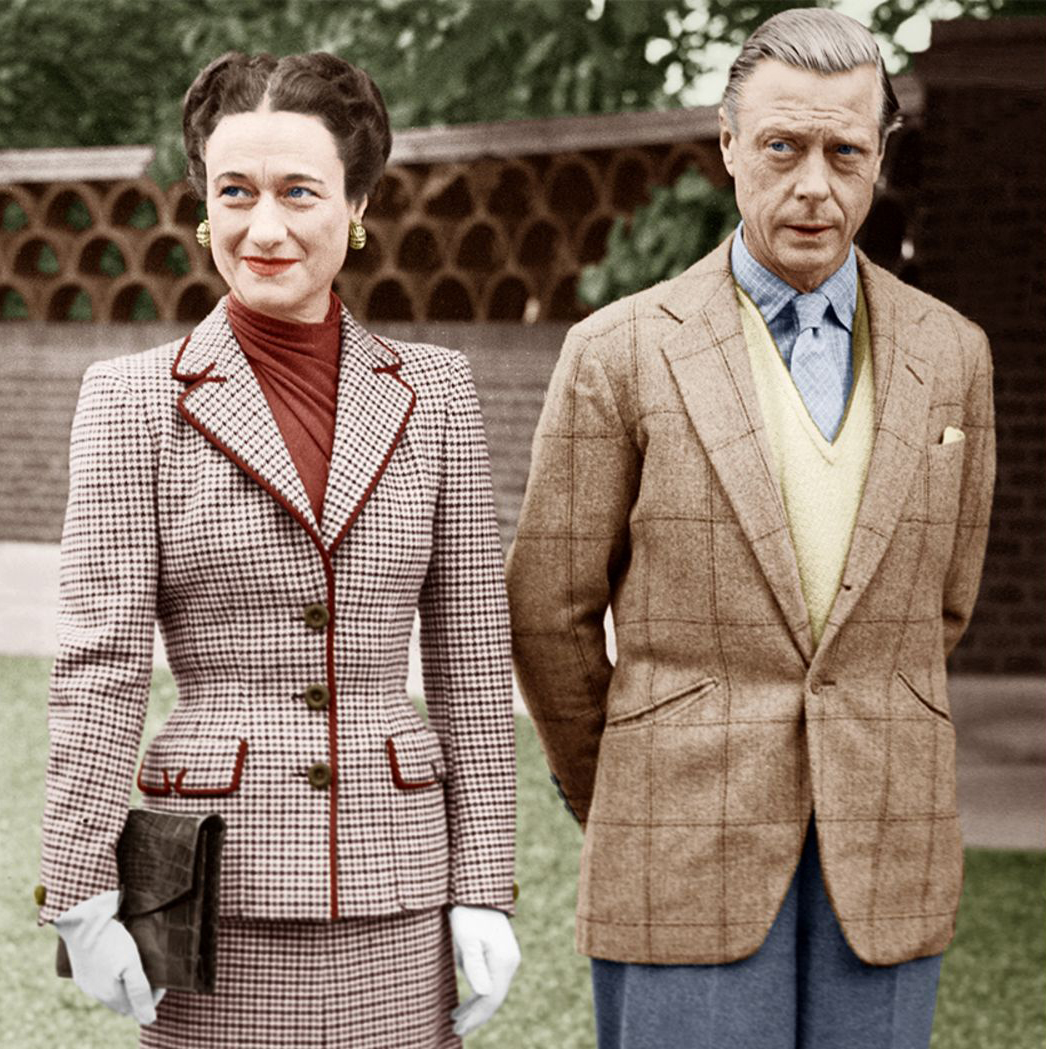
Despite wearing a lot of patterns, the Duke always looked good because he (mostly) stuck to a simple rule: when combining patterns, vary the scale, intensity, and sometimes design. Here we see him in 1967 wearing a Sutherland check suit with a windowpane shirt and paisley tie.
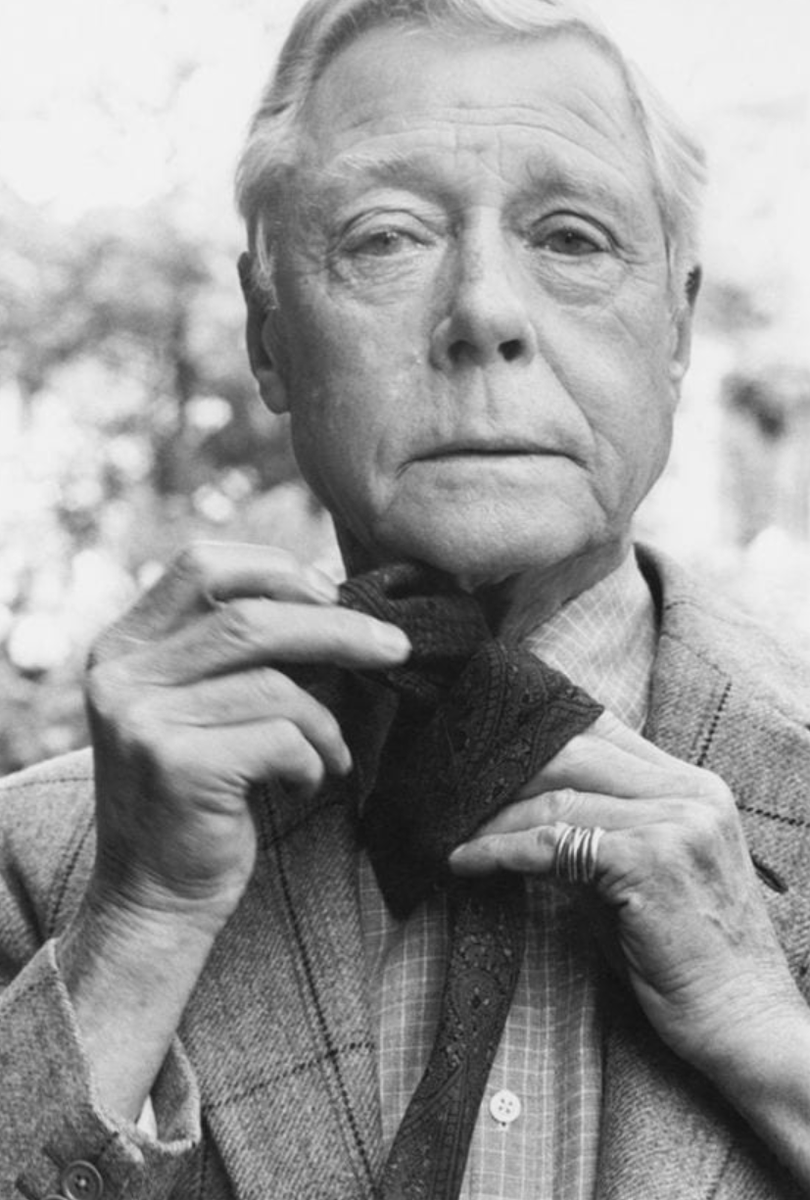
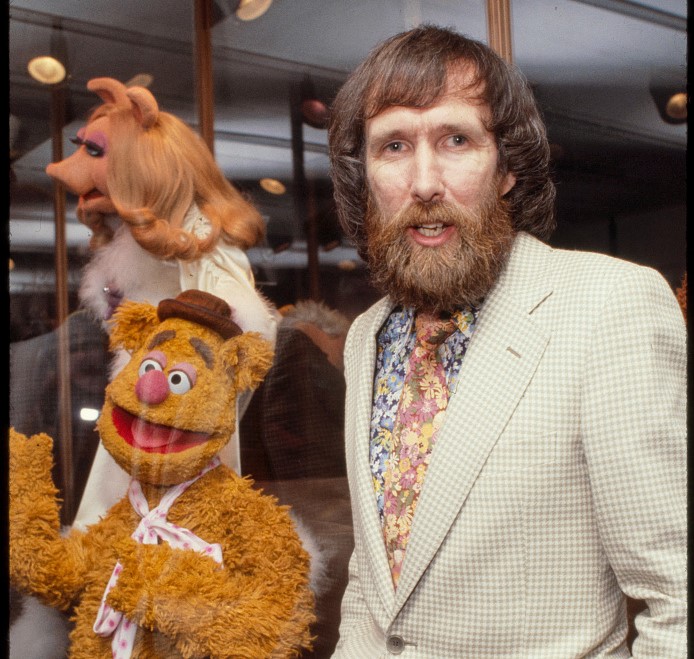
I say "mostly" because sometimes he wore things in exact matching patterns. Like this necktie seemingly made from the same material as his shirt. Frankly, this is not recommended unless you are the Duke of Windsor or Muppets creator Jim Henson.
The problem with wearing patterns that are too close in scale is that you can easily end up with a moiré effect. Think of what happens when you lay two identical mesh screens over each other. The repetitiveness of the patterns can look dizzying.
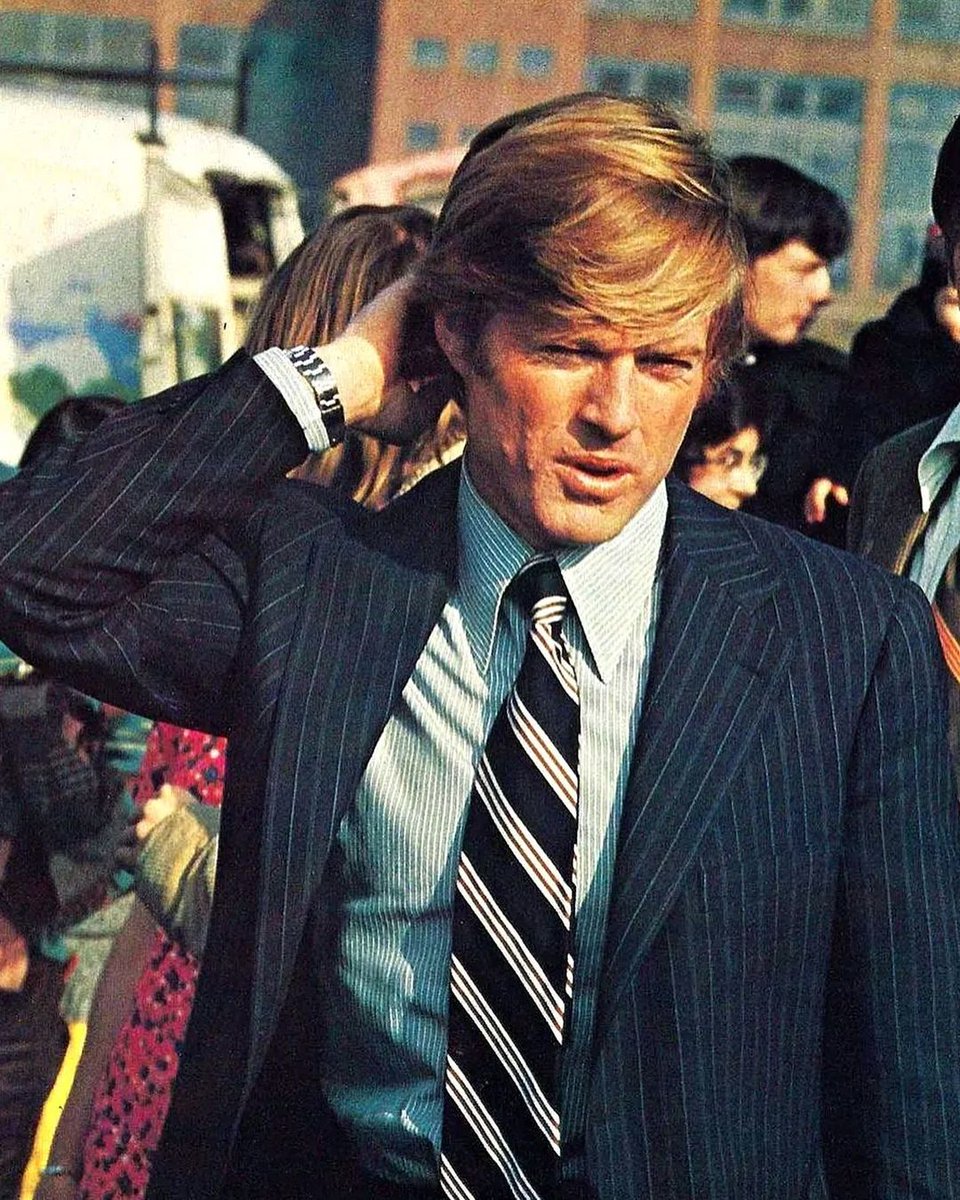
Compare that to these outfits, which mix three patterns, but all different stripes that vary in scale and intensity. Your eyes comfortably rest on the boldness of the tie, while the shirt and suit play supporting roles.
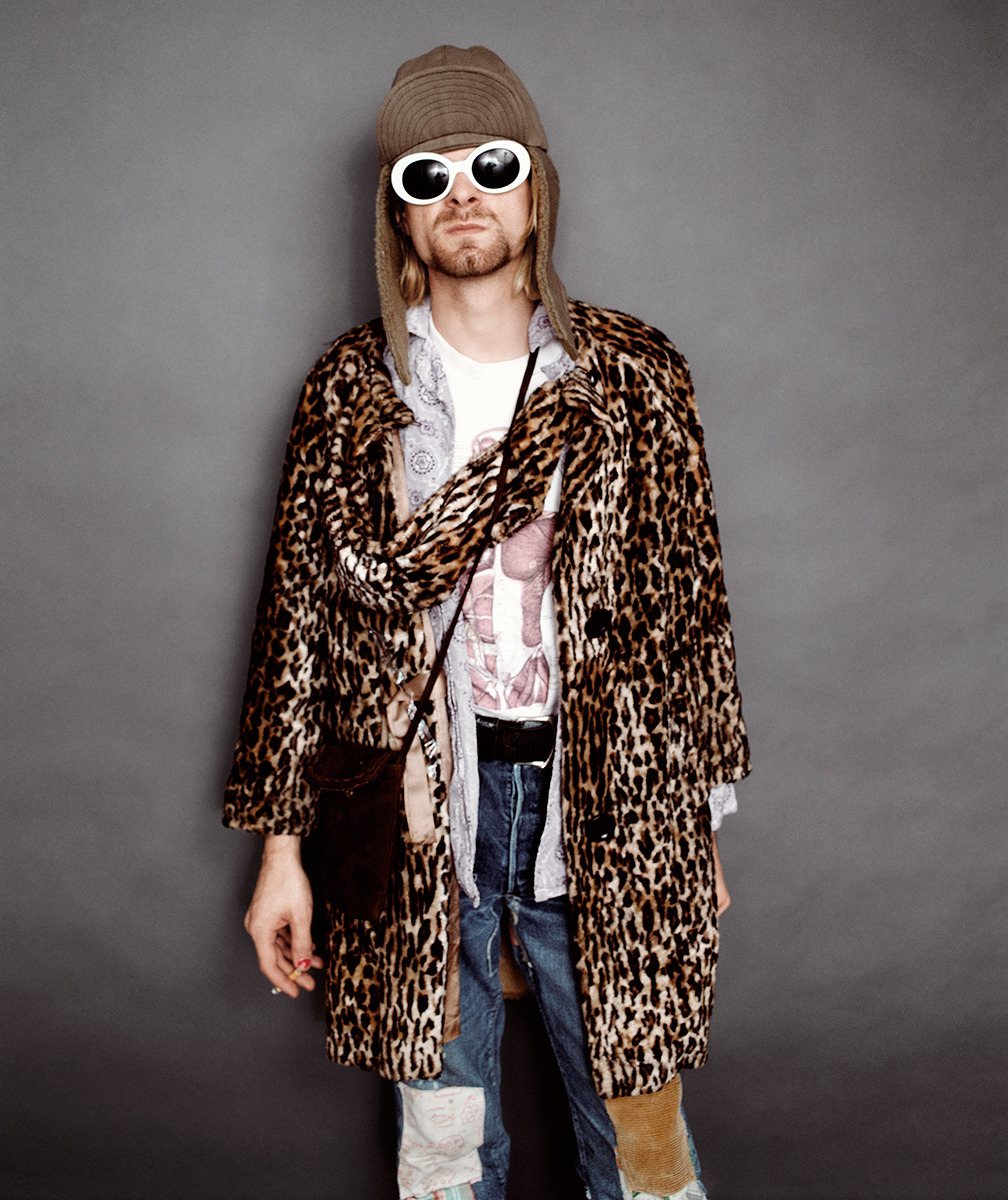
Such ideas need not be limited to tailored clothing. Here's Kurt Cobain wearing a jacket with a bold leopard pattern, which he's paired with a subtle South Asian patterned shirt and graphic tee. Vogue employed a similar idea for their 1992 issue on grunge style.
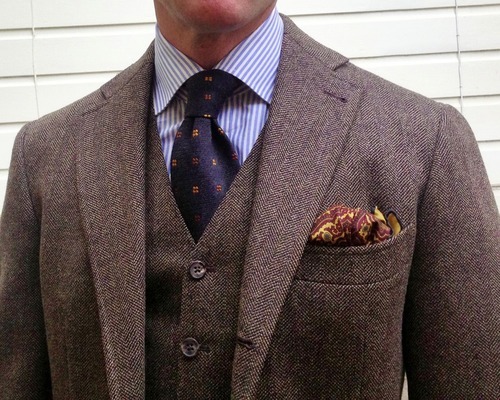
The more patterns you throw in, the harder it is to juggle. Here's the most difficult of all: four patterns. But it works bc the suit is a fine herringbone, tie is widely spaced squares, and the shirt and pocket square are somewhere between in terms of scale.
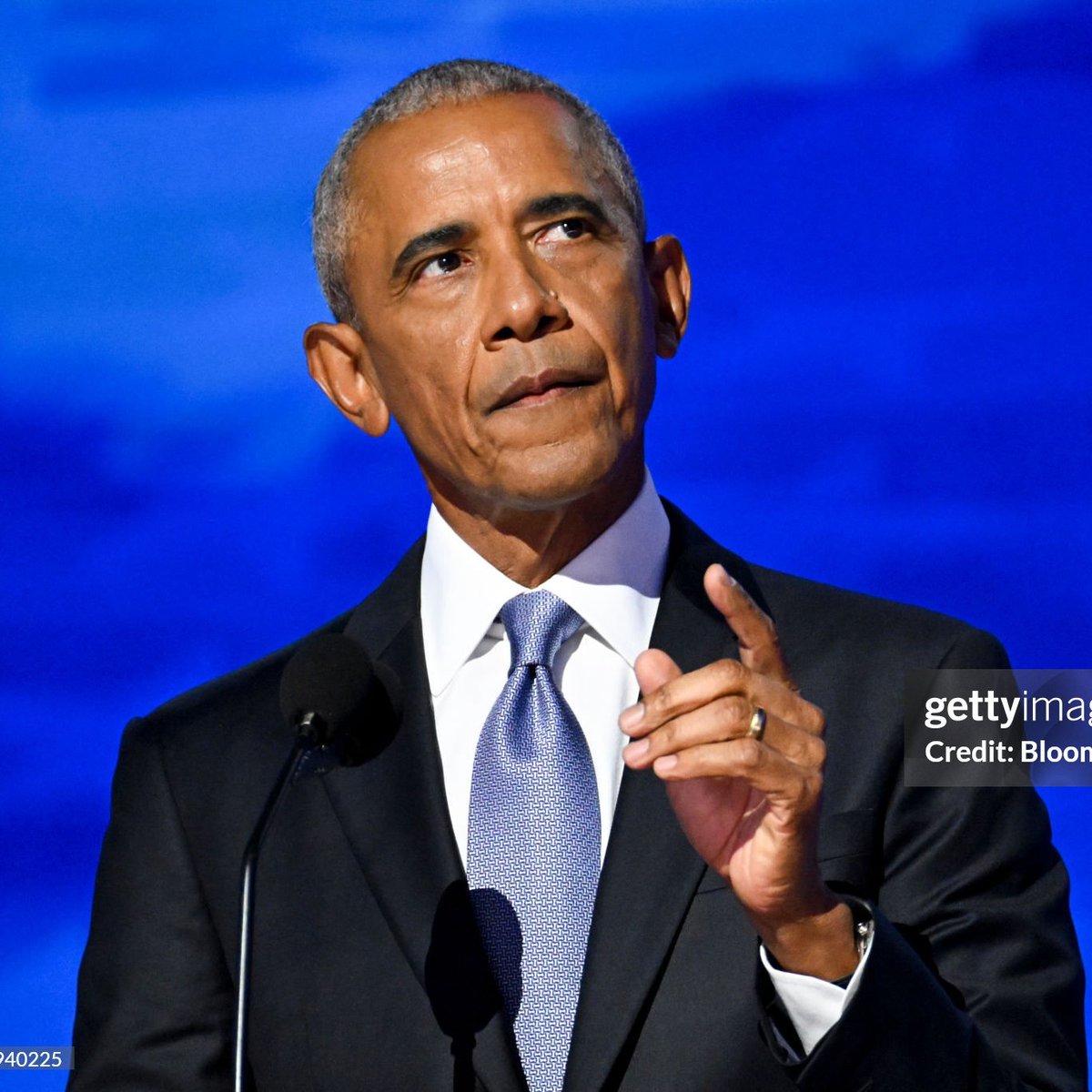
Personally, I think tailored outfits look better when there's some texture or pattern somewhere to help break up what could be a lot of monotony. Pete Buttigieg's outfit at the DNC was a little *too* plain, I thought. Obama's use of a jacquard tie was better.

If you're putting together a coat-and-tie outfit, consider throwing in two patterns. This is enough to add visual interest without requiring you to pay too much attention to whether any of the patterns are too close in scale. Pattern can be in tie and square, or tie and jacket.
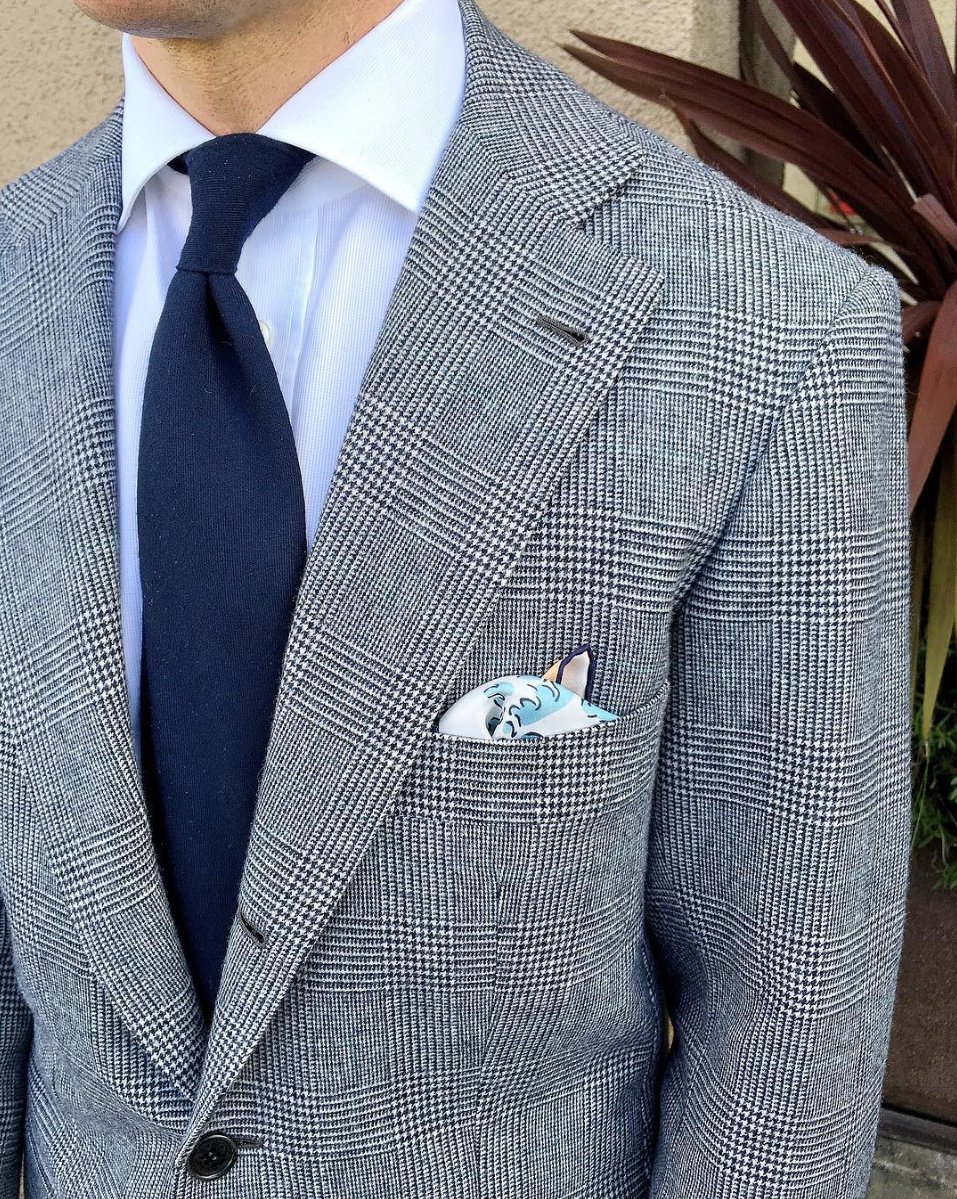
When going tie-less, even a patterned shirt can help add some useful visual interest.
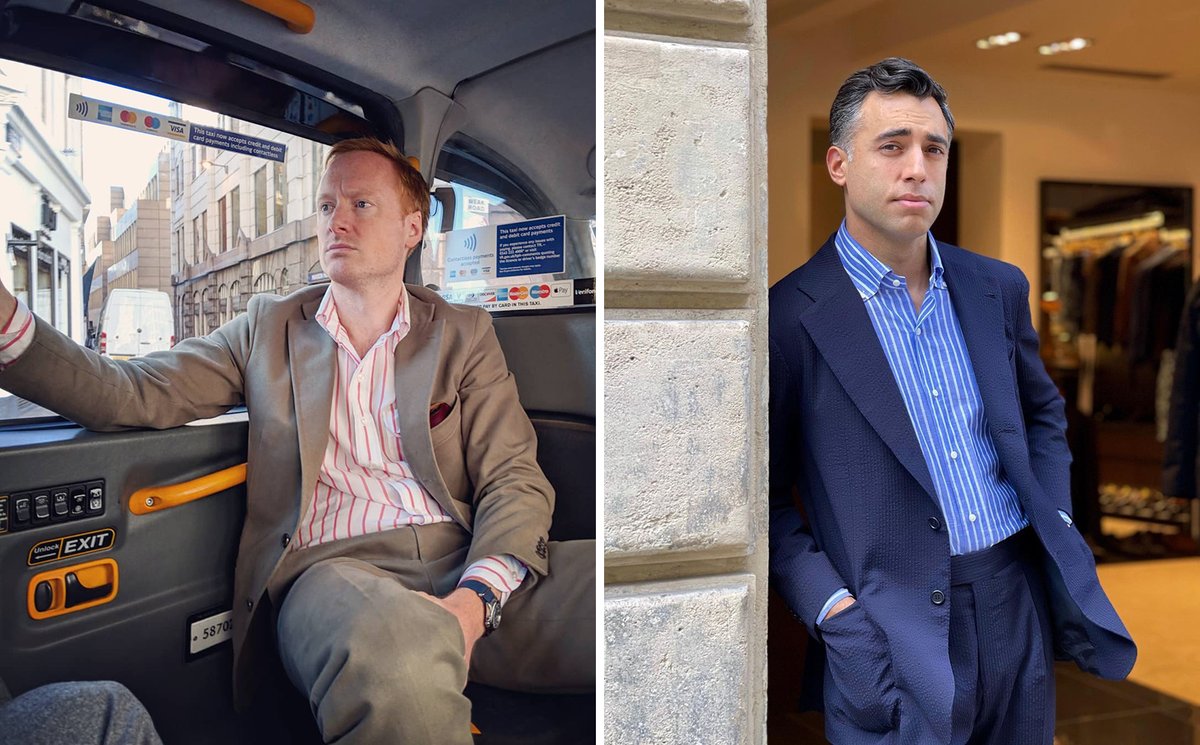
But again, there's no wrong way for kids to dress. The more experimentation and creativity, the better. Childhood is a time for expression, so they should wear whatever makes them happy.
But for adults looking for guidance, there are some simple ideas to increase your chance of success: vary the scale and intensity of the pattern. Beware of the moiré effect. And when in doubt, limit yourself to just two patterns, which is an easy way to look better.
• • •
Missing some Tweet in this thread? You can try to
force a refresh

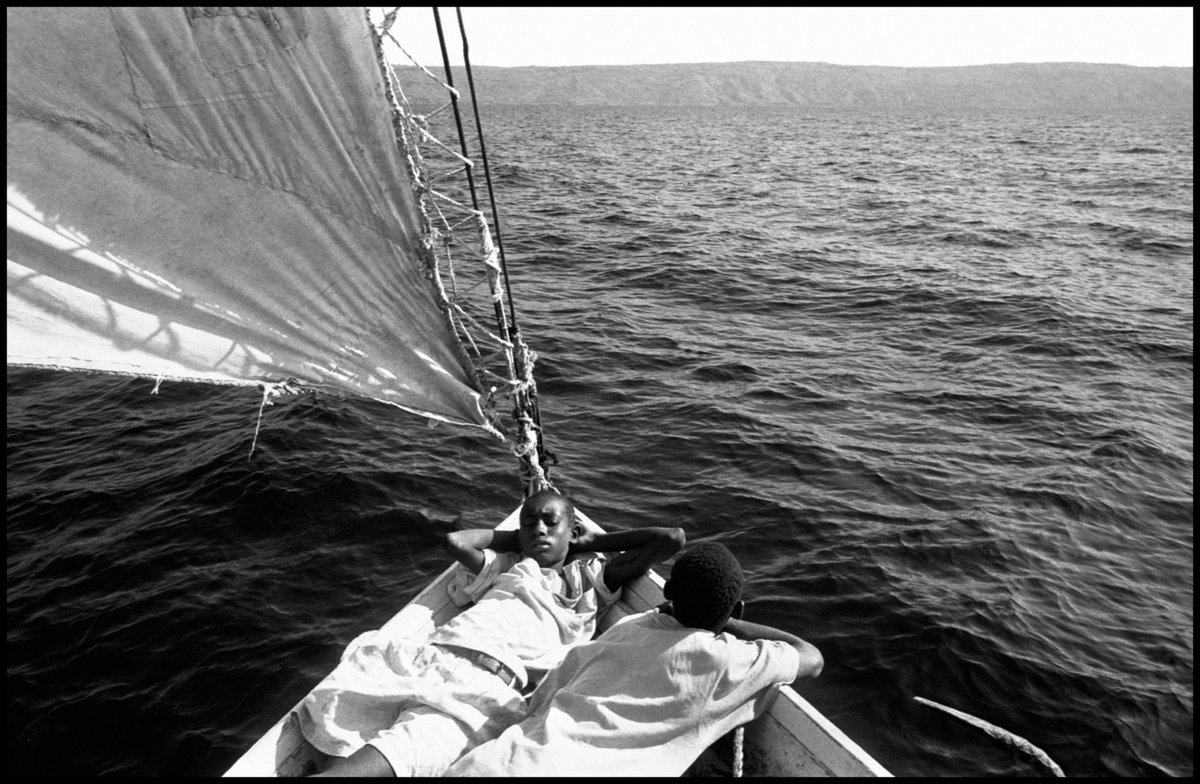
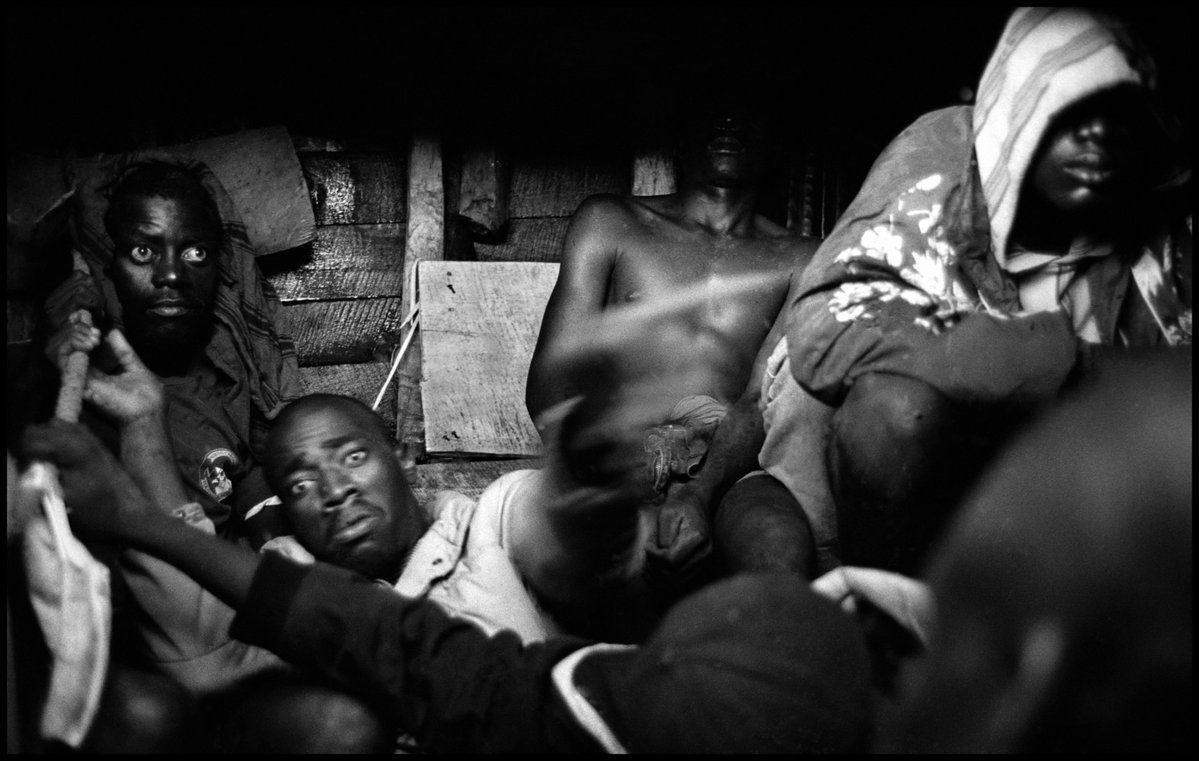
In 1999, a group of Haitians were tired of political disorder and dreamed of a better life in the United States. So they built a small, 23-foot boat by hand using pine trees, scrap wood, and used nails. They called the boat "Believe in God." 🧵
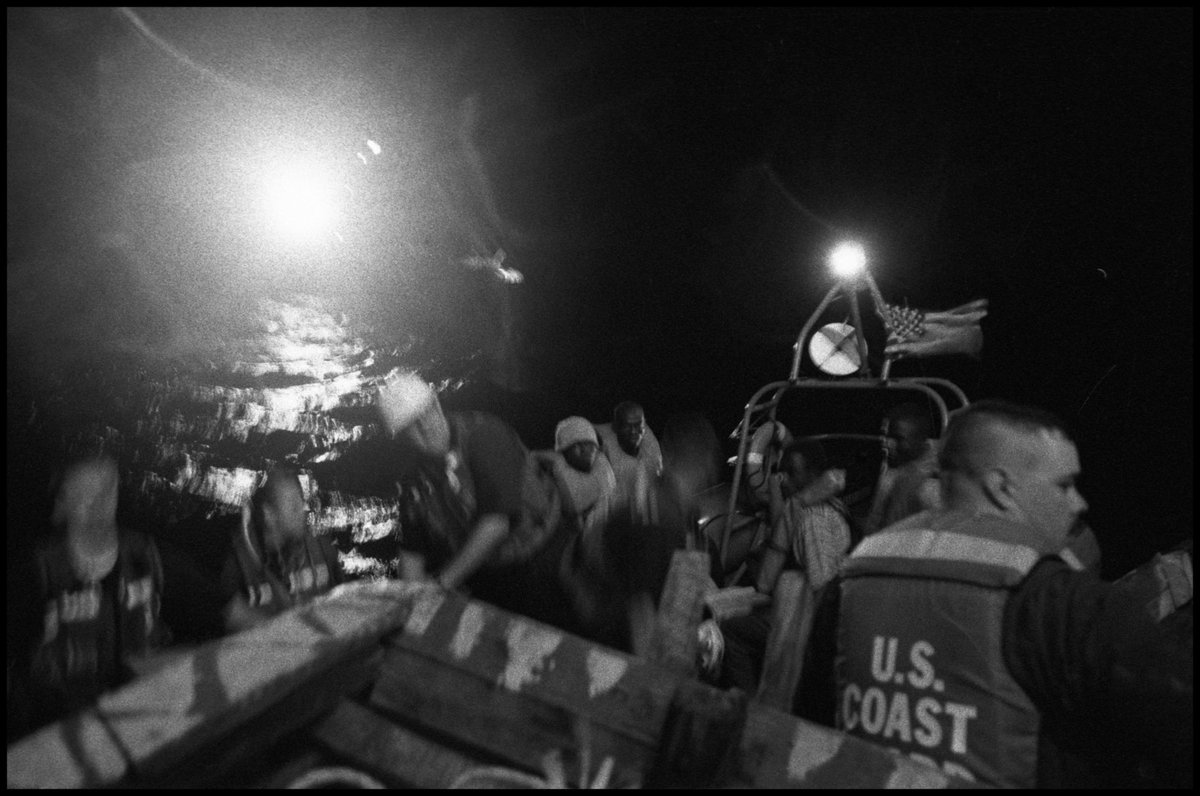
In a boat powered by nothing but a sail, they somehow made it from Tortuga Island to the Bahamas (about a 90 mile distance). Then from the Bahamas, they set sail again. But a few days and some hundred miles later, their makeshift boat began to sink.
The men on the boat were so dehydrated this point, one slipped in and out of consciousness, unable to stand. They were all resigned to their death.
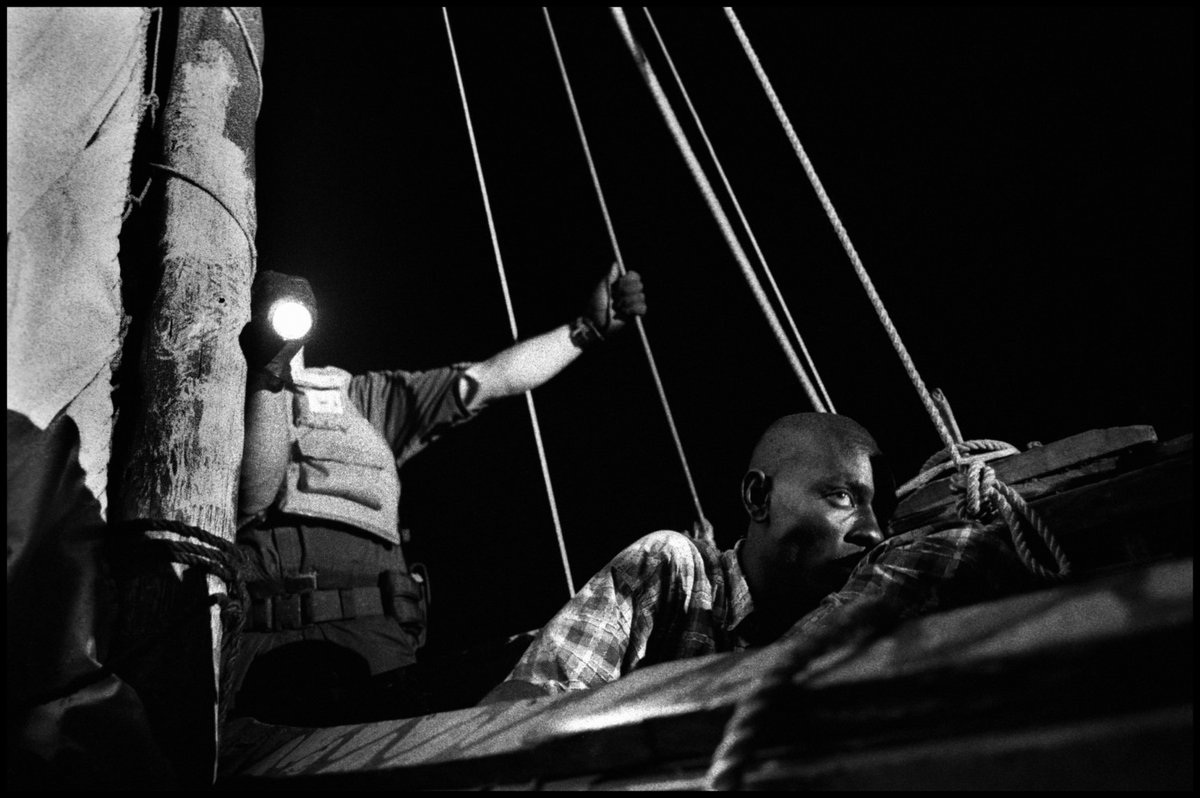
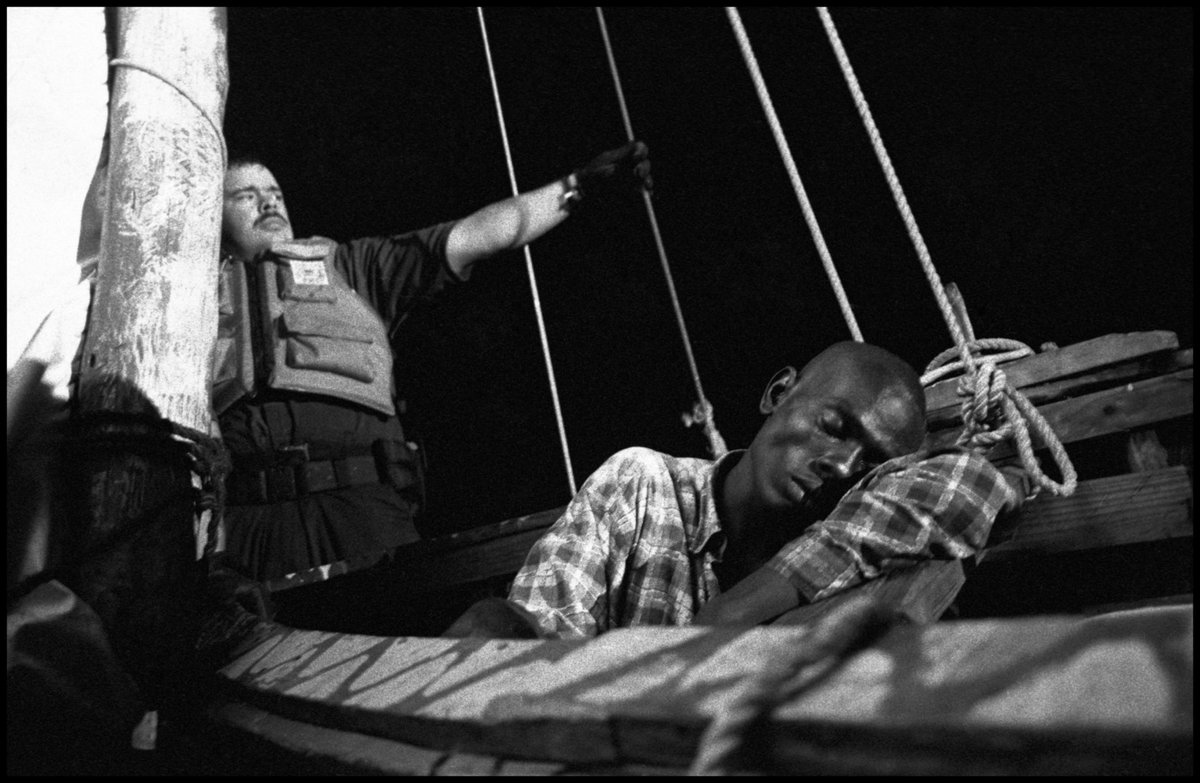
Luckily, they were rescued at the last minute by the US Coast Guard.
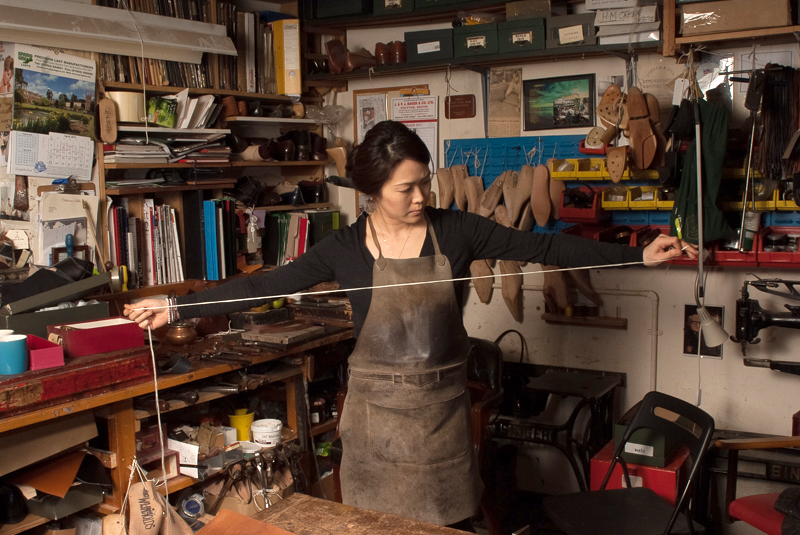
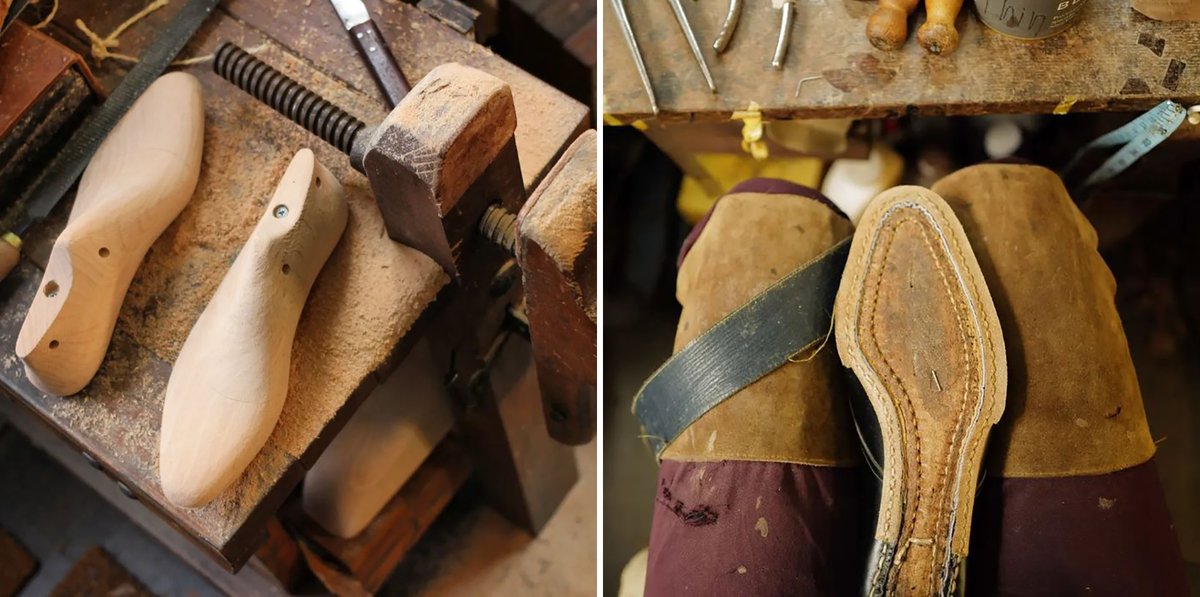
After this post went viral, I called Caroline Groves, a world-class bespoke shoemaker, to discuss how women's shoes are made. I normally don't talk about womenswear, but I found the information interesting, so I thought I would share what I learned here. 🧵
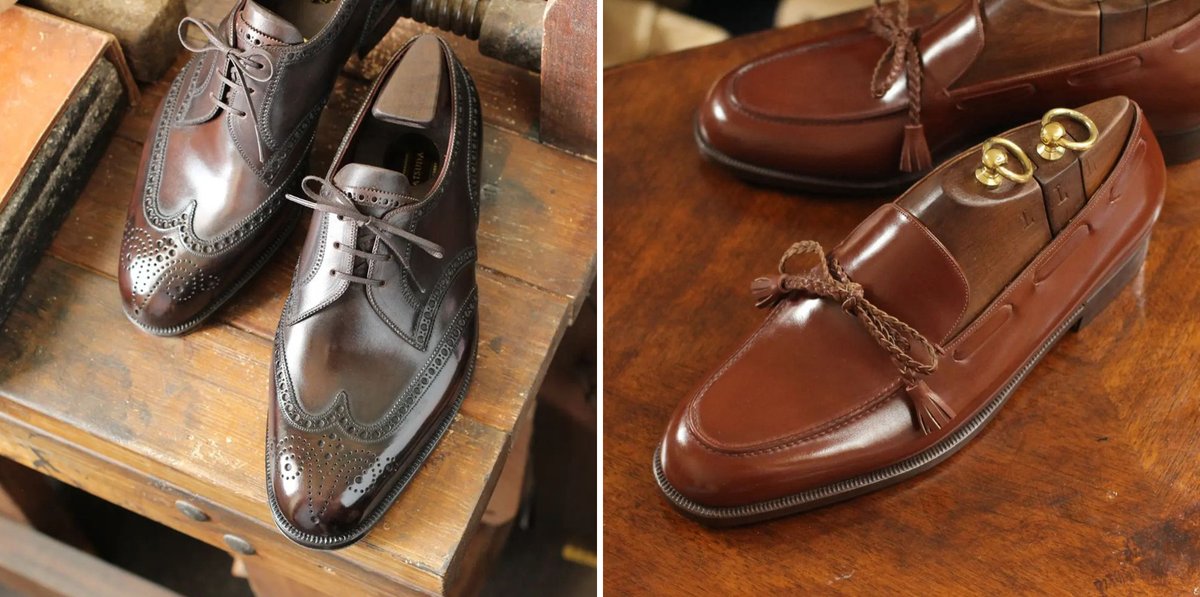
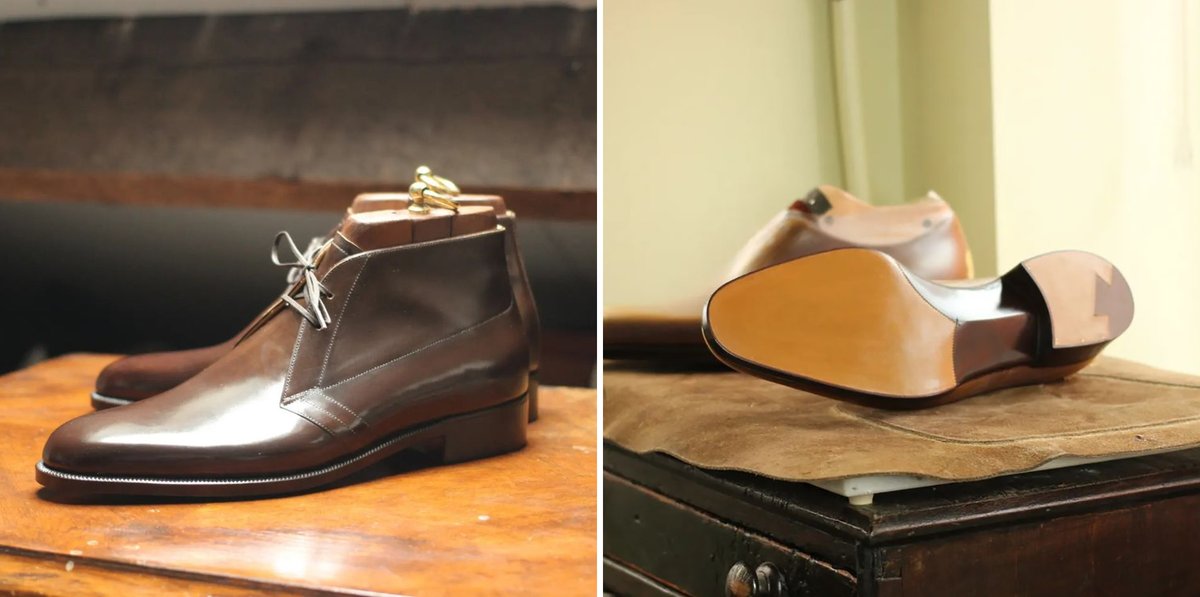
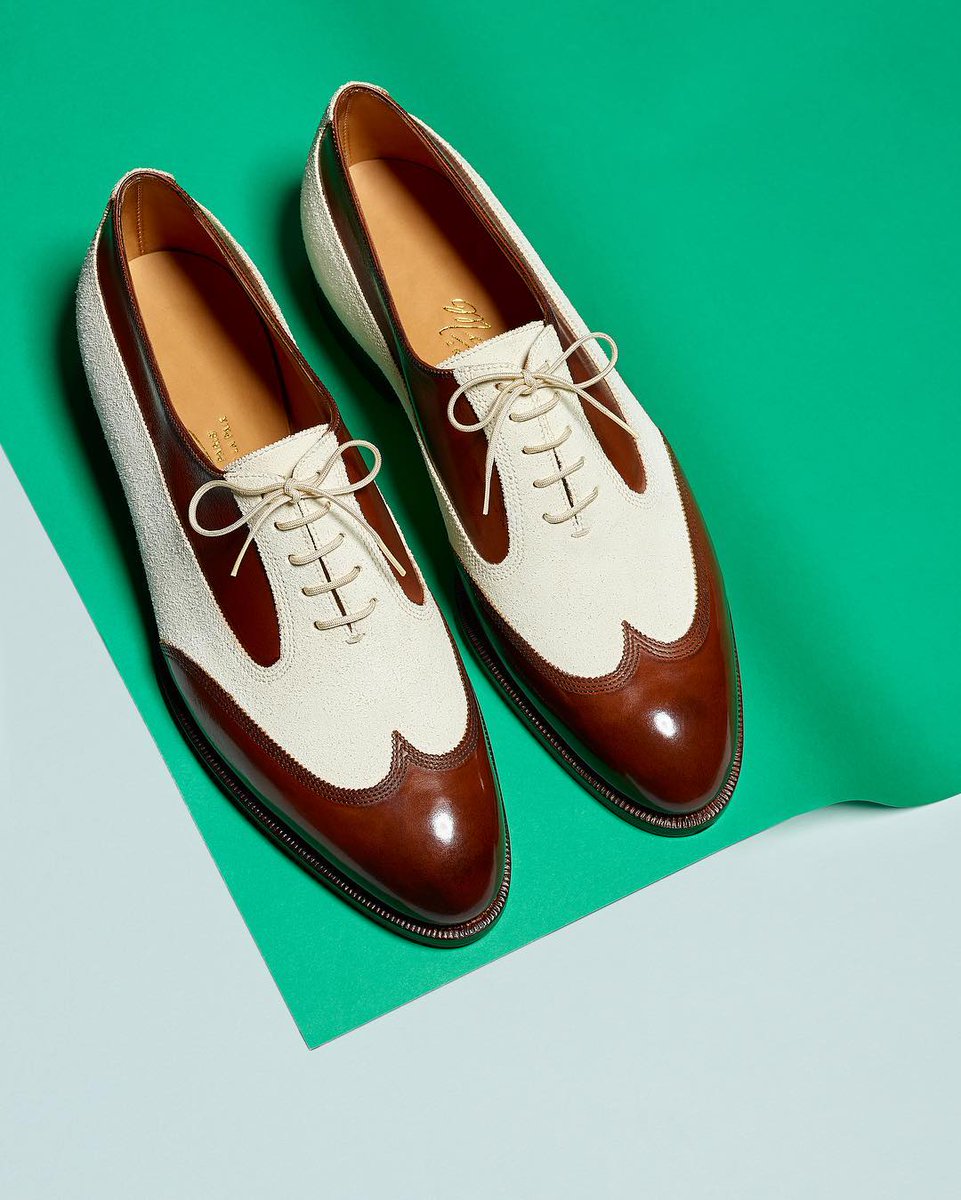
Footwear is broadly broken into two categories: bespoke and ready-to-wear. In London, bespoke makers, including those for women, are largely focused on traditional styles, such as wingtip derbies and loafers. Emiko Matsuda is great for this.
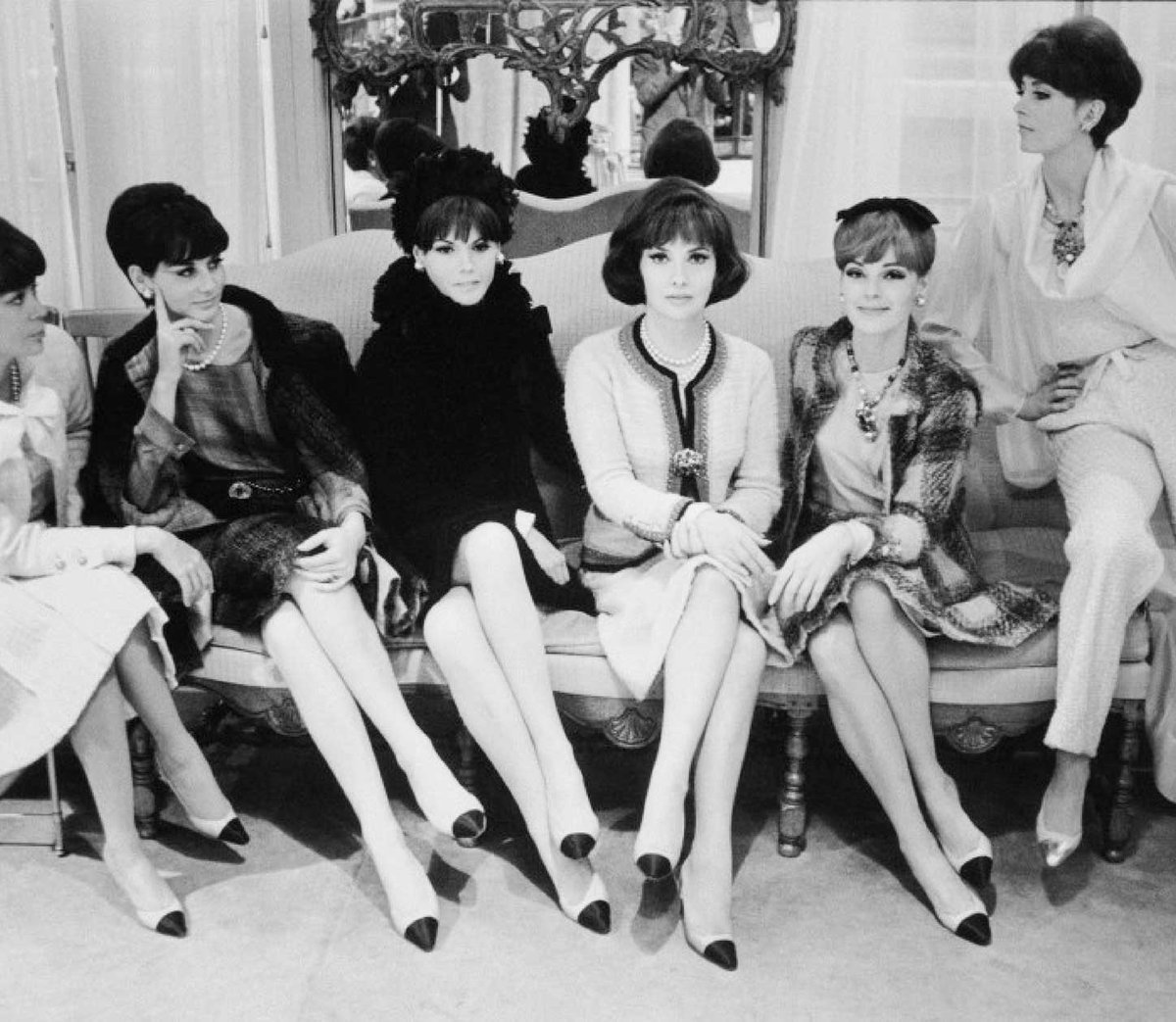
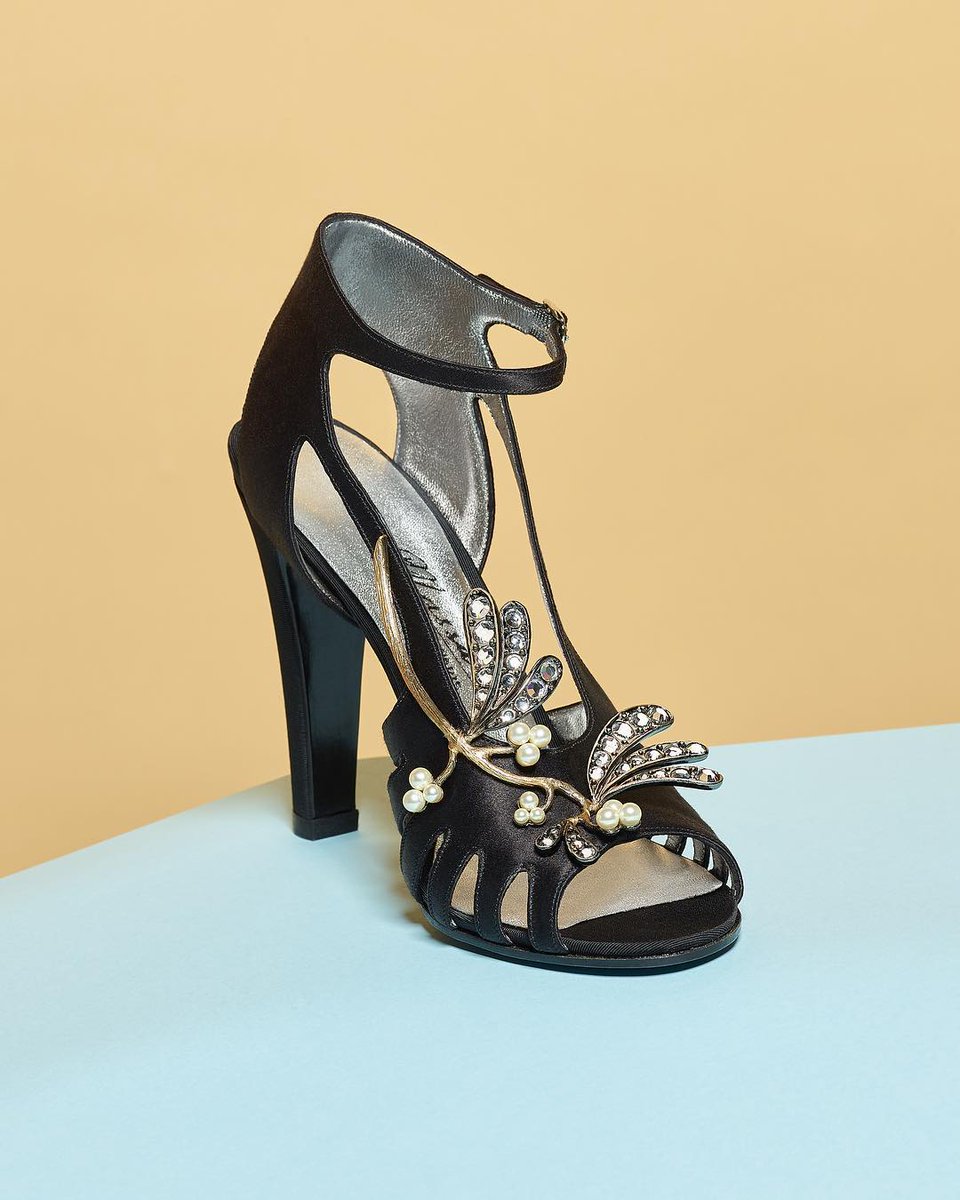
In Paris, there's Massaro, a historic firm that has been operating since 1894, now owned by Chanel. Their designs are less about creating the women's equivalent of traditional men's footwear and more about things such as heels or creative styles. Aesthetic is still "traditional."
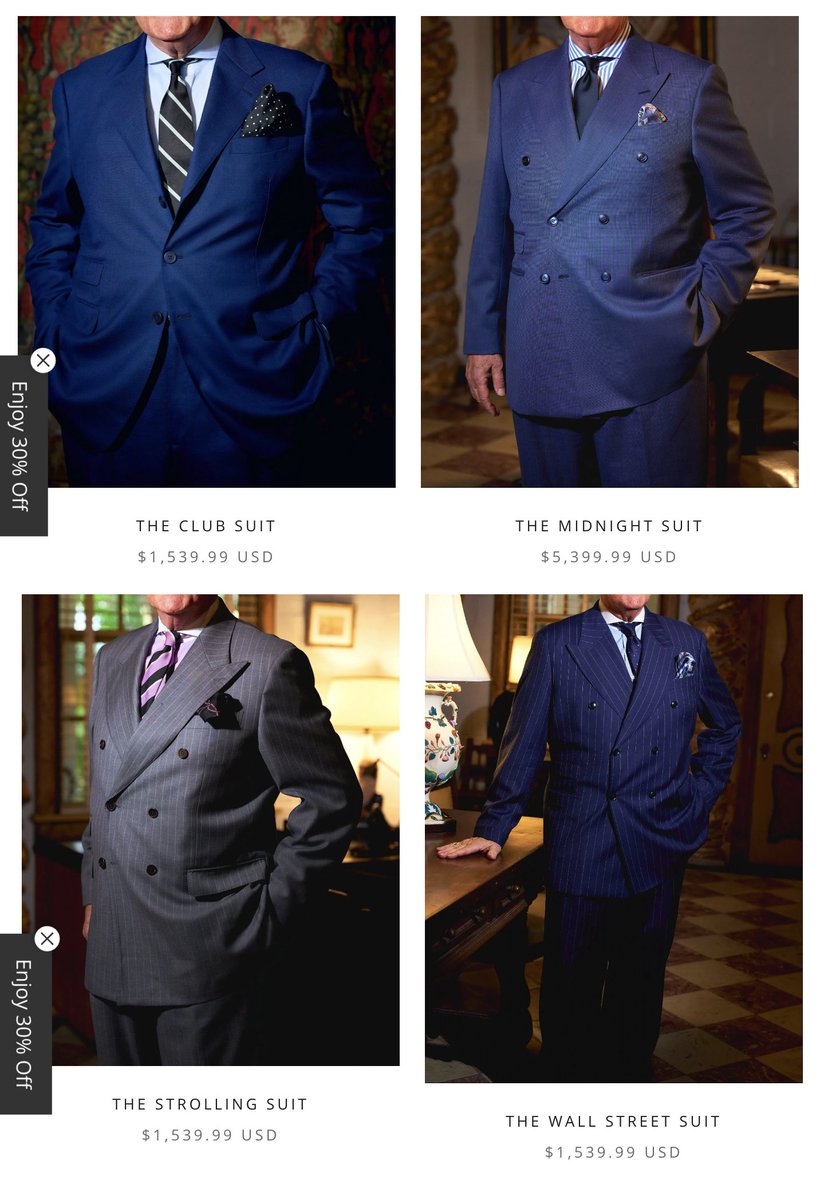
Earlier today, Roger Stone announced his partnership with a menswear company, where together they've released a collection of tailored clothing items.
Here is my review of those pieces. 🧵
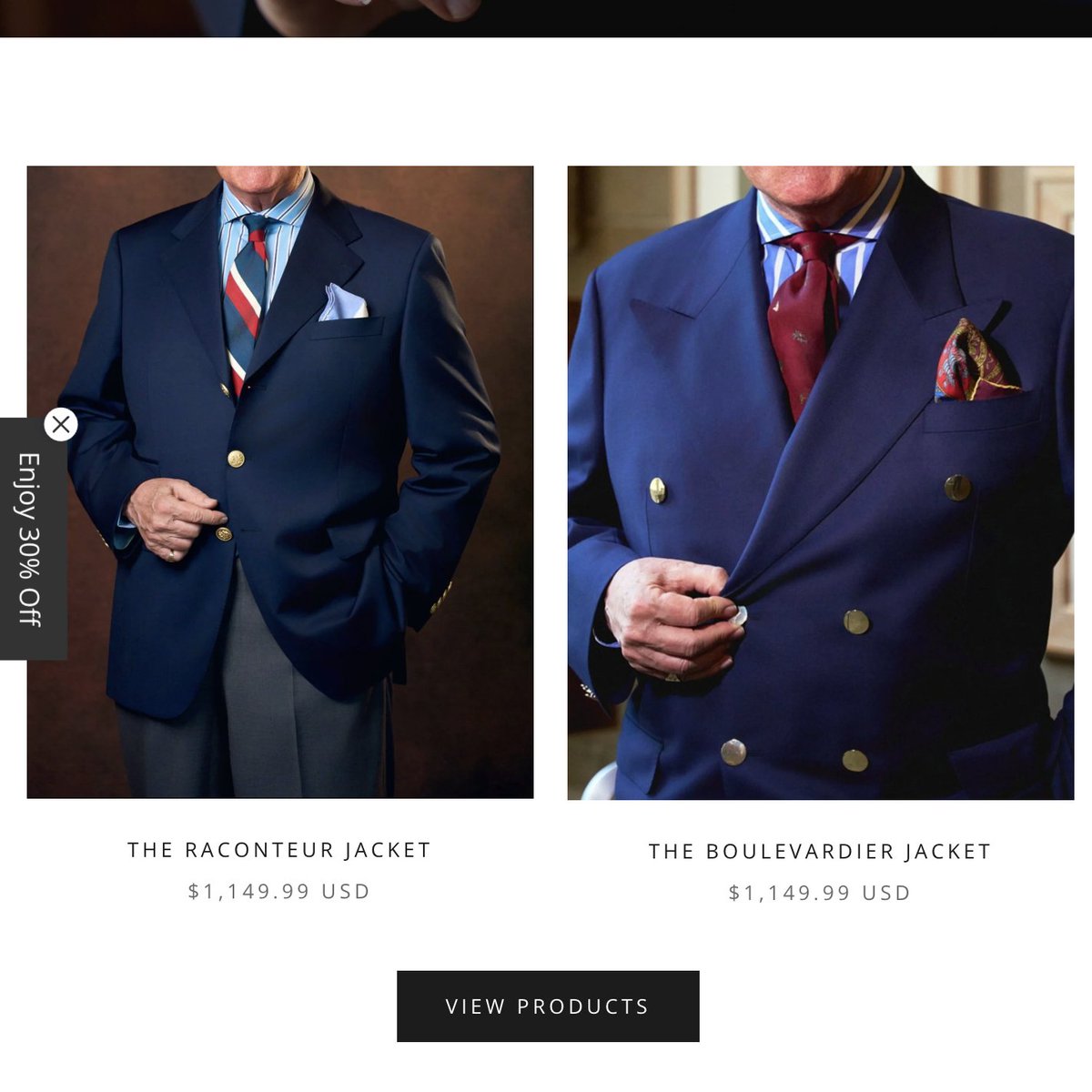
The line is mostly comprised of suits and sport coats, supplemented with dress shirts and one pair of odd trousers (tailor-speak for a pair of pants made without a matching jacket). Suits start at $1,540; sport coats are $1,150. One suit is $5,400 bc it's made from Scabal fabric
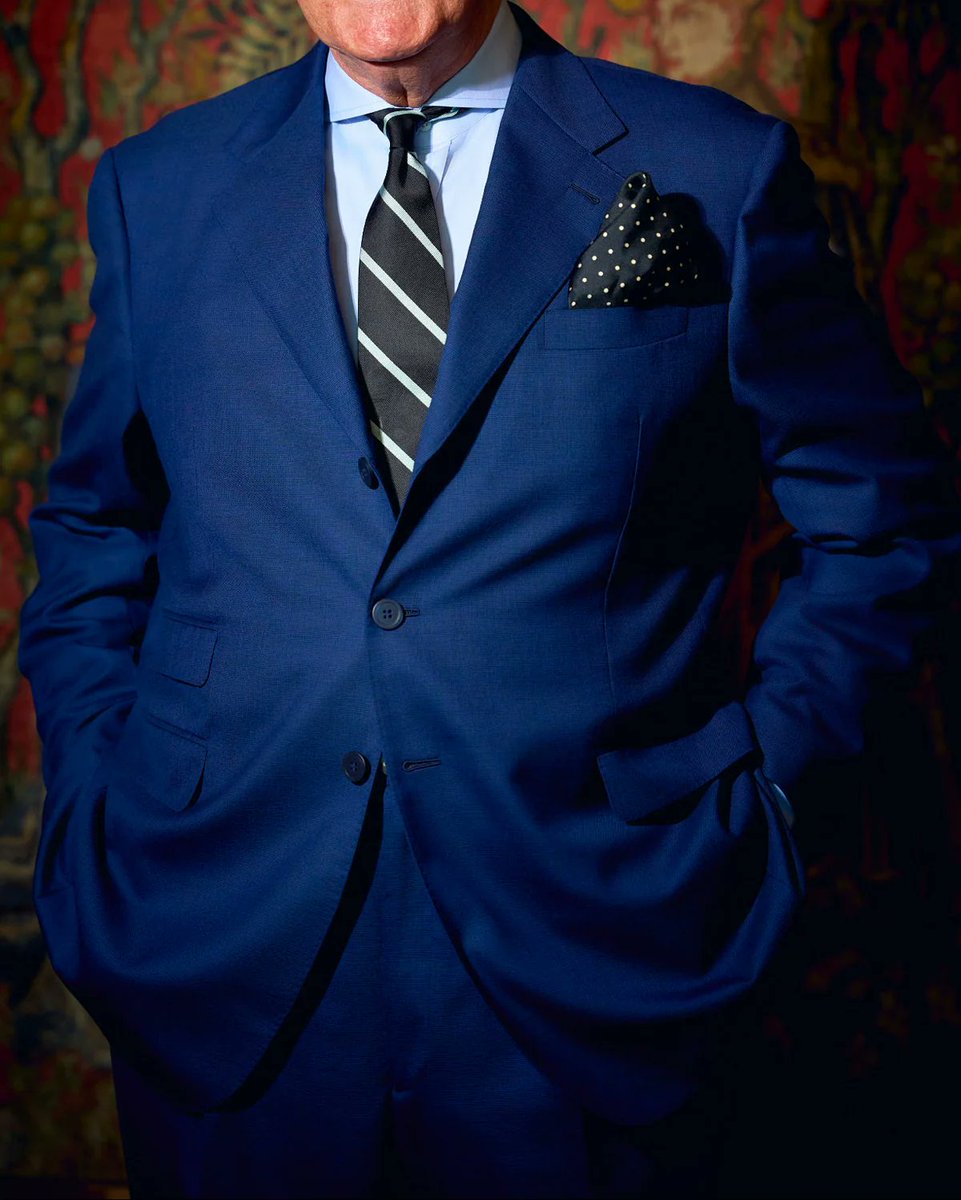
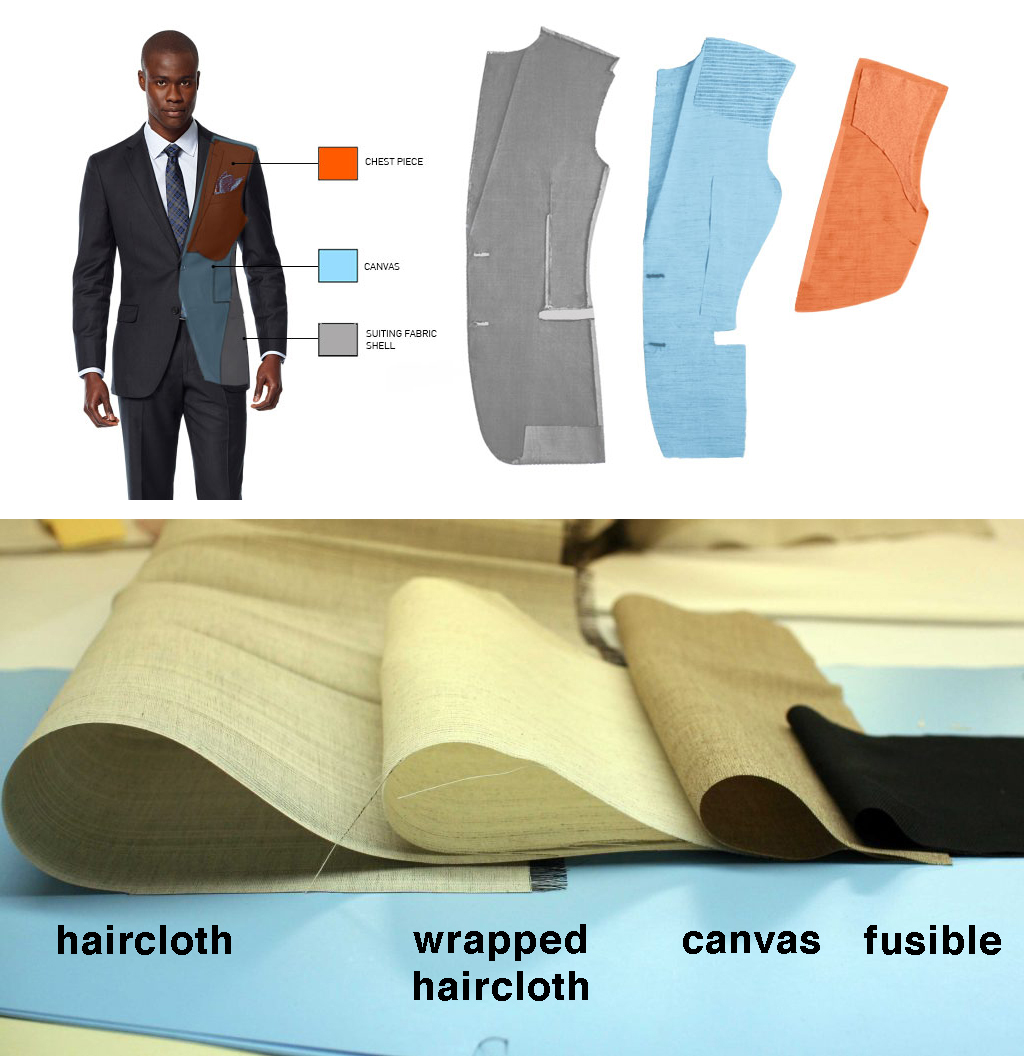
Let's start with the good points. These are fully canvassed jackets, meaning a free floating canvas has been tacked onto the face fabric to give it some weight and structure. This is better than a half-canvas and fully fused construction, but requires more time and labor.
Here is a guide breaking down what goes into quality men's footwear. This is focused on men's shoes, as women's shoes, depending on the style, will have different construction techniques and thus standards. 🧵
First, let's set a standard. What does it mean for a pair of shoes to be "good quality?" In this thread, I define that standard to be two things:
— Do the shoes age well?
— Can they be easily repaired?
In short, you should want and be able to wear the shoes for a long time.
We'll start with the part most people see: the uppers.
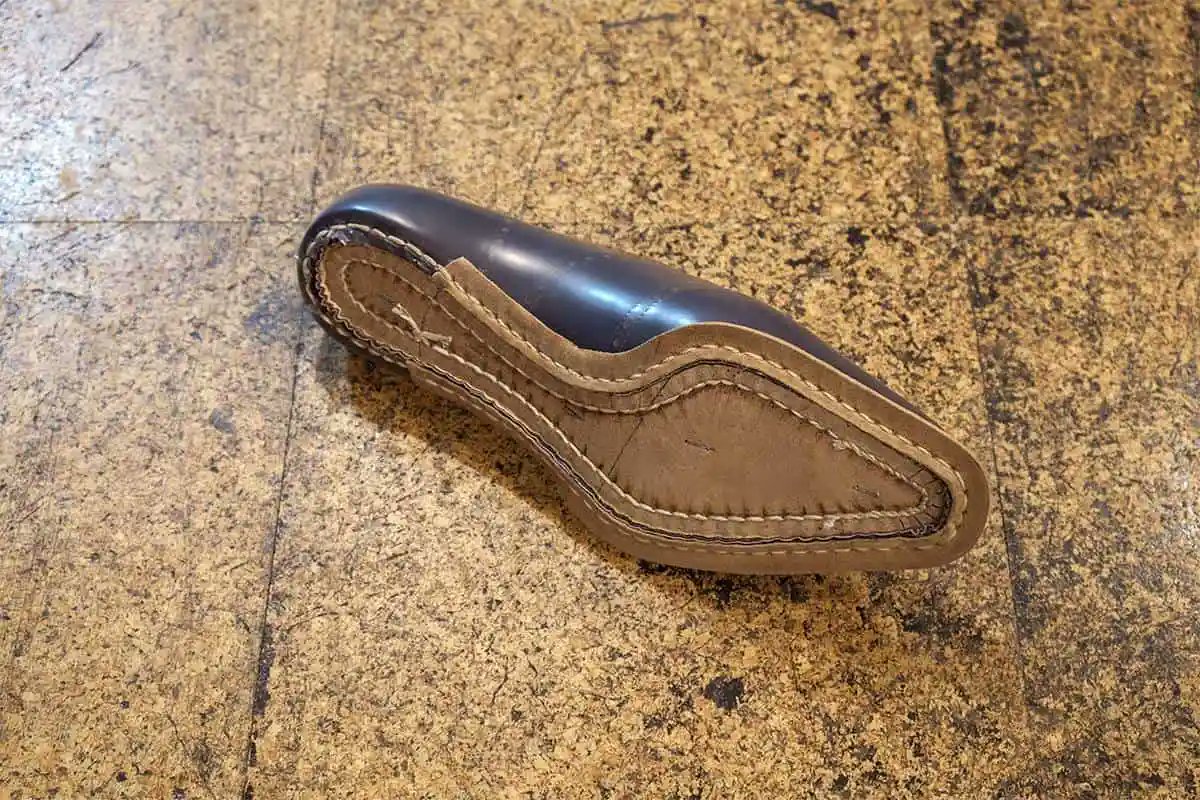
Quality uppers are made from full grain leather, which shows the natural grain of the hide (pic 1). Low quality uppers will be made from corrected grain, where bad leather has been sanded and given a chemical coating (pic 2)
When I was on a menswear forum, one of my most controversial opinions was that certain coats look better when they're worn open, while others look better when they're closed.
For instance, which of these two outfits look better to you? 🧵
If you shop for an overcoat today, there's a good chance you'll land on a single breasted. As suits and sport coats have receded from daily life, the types of outerwear that men historically wore with them have also slowly disappeared.
If you look at the past, men had all sorts of designs to wear over their tailored clothing: polos, Ulsters, Balmacaans, Chesterfields, paletots, wrap coats, etc. They were offered in a wider range of materials: gabardine, camelhair, covert, heavy tweeds, etc.
The reason why this looks off is bc the coat is built from many layers of material — haircloth, canvas, and padding — which sits on top of another jacket with similar structure. This can make you look a bit like a linebacker. If you find this to be the case, switch to a raglan 🧵
A raglan is defined by its sleeve construction. Most coats have a set-in sleeve, which is to say the sleeve attached to a vertical armhole, much like a shirt. A raglan, by contrast, has a diagonal seam running from the neck to armpit. Historically, this was put on raincoats.
A raglan construction is a bit more waterproof that its set-in sleeve counterpart because there's not vertical seam in which water can sit and eventually penetrate. But most importantly, it's completely devoid of padding. This results in a softer, rounder shoulder line. Compare: