
Kids never get it wrong. And even when they style clothes in a slightly off way, it only looks more awesome. But here is a guide on how adults can match patterns. 🧵
https://twitter.com/MarcIstook/status/1828392581916442837
Edward VIII, later known as the Duke of Windsor, was one of the most stylish men of the 20th century. He popularized belts, zippered flies, cuffed trousers, and a style of tailoring known as the drape cut. He was also a master at matching patterns.

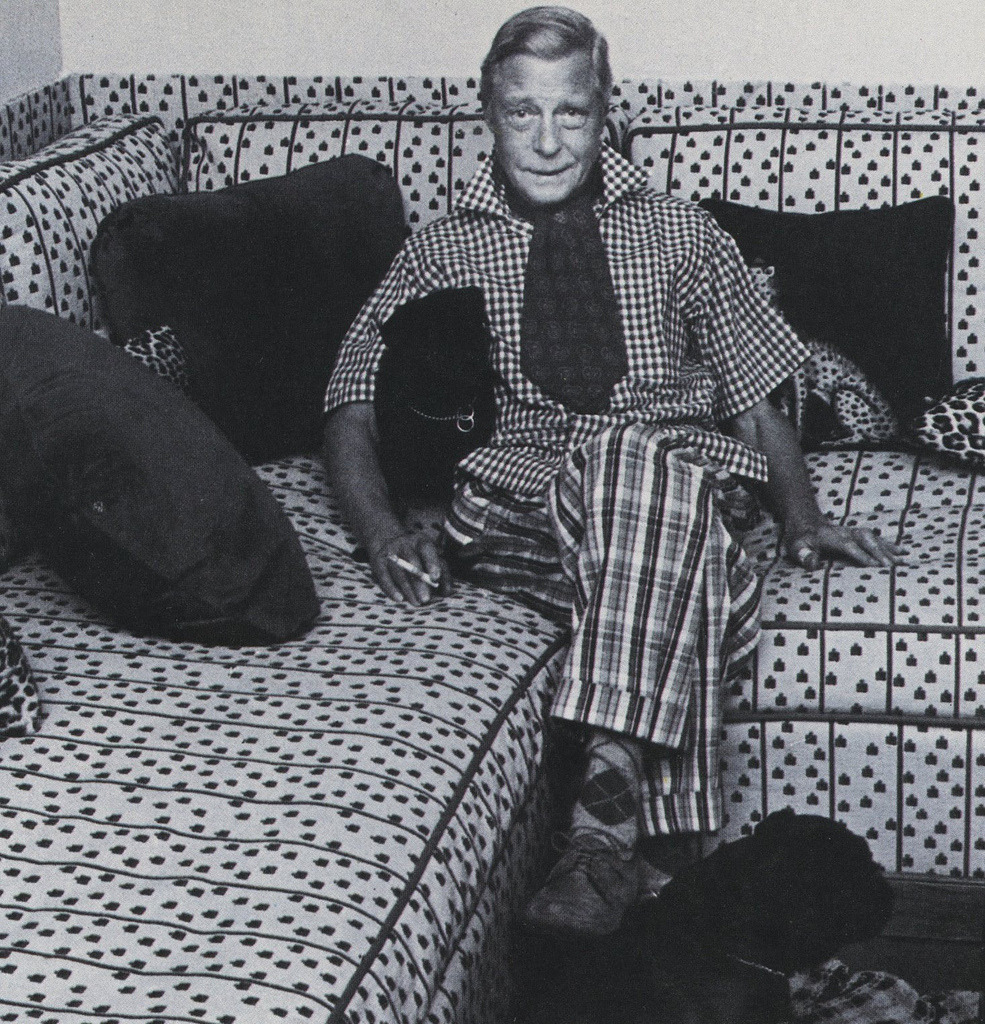

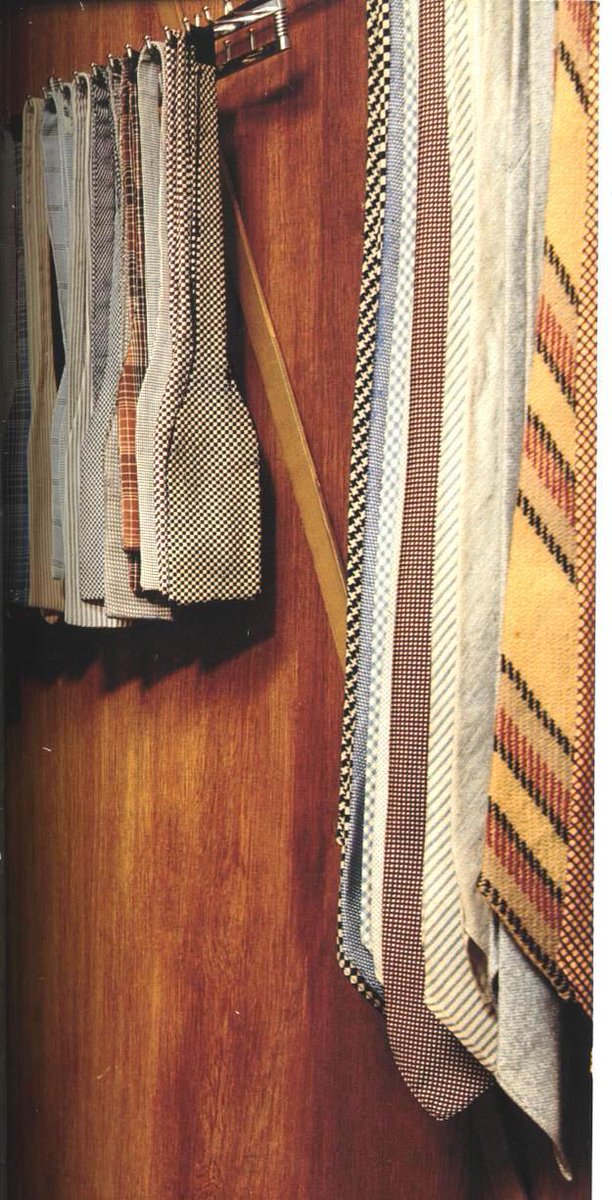
Of course, he had to be. In September 1997, Sotheby's auctioned off a portion of the Duke and Duchess of Windsor's wardrobes. And inside the catalog, we got to see photos of the Duke of Windsor's actual closet. Look at all those patterns!
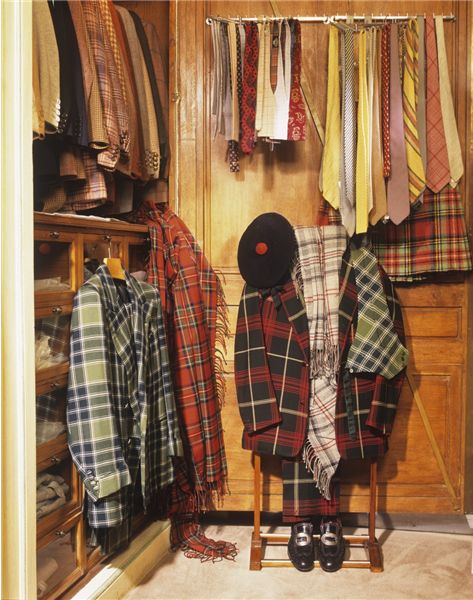
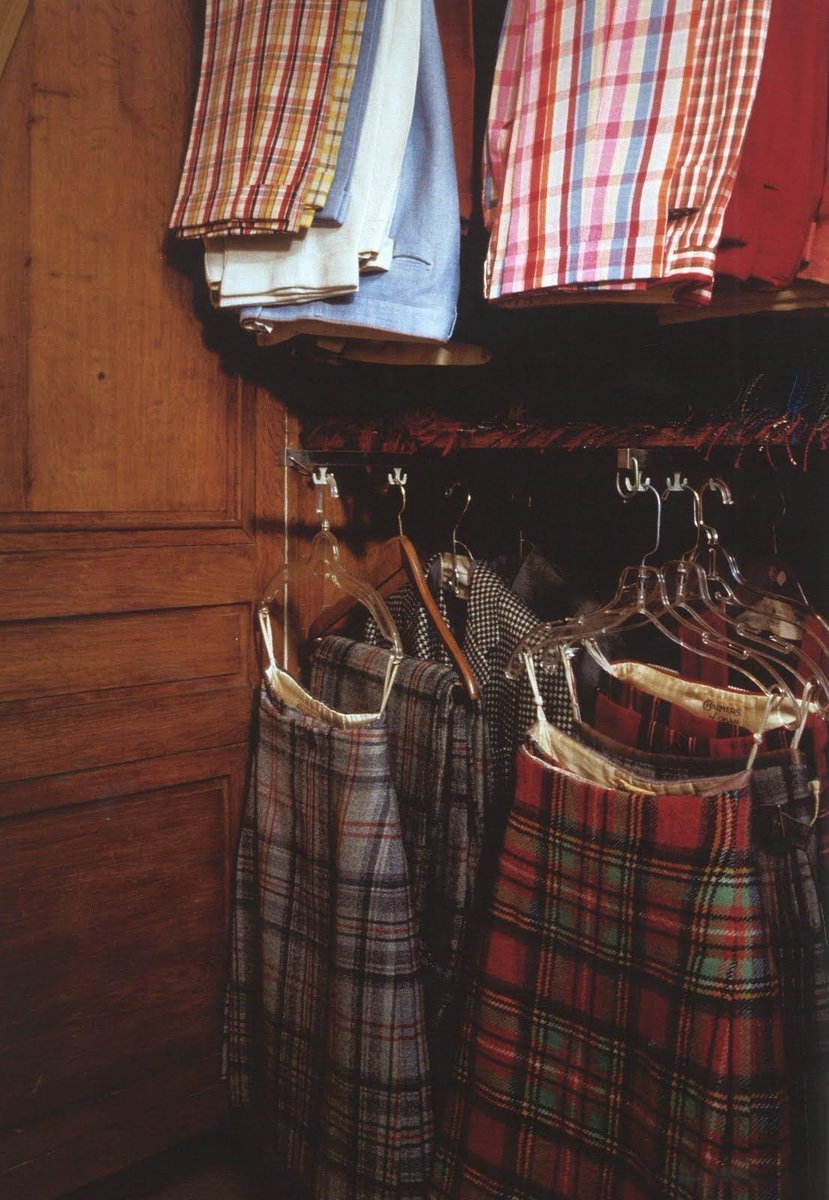
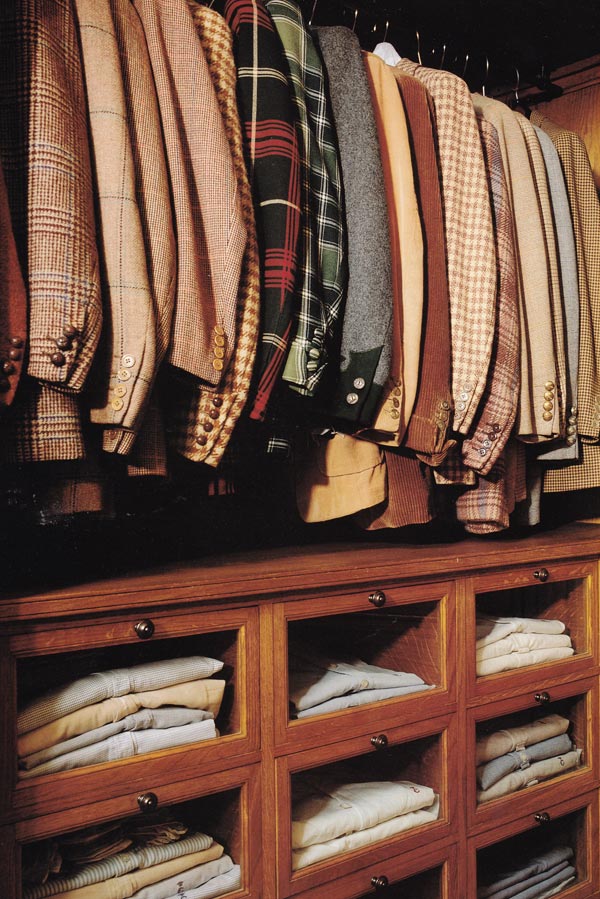
Despite wearing a lot of patterns, the Duke always looked good because he (mostly) stuck to a simple rule: when combining patterns, vary the scale, intensity, and sometimes design. Here we see him in 1967 wearing a Sutherland check suit with a windowpane shirt and paisley tie.
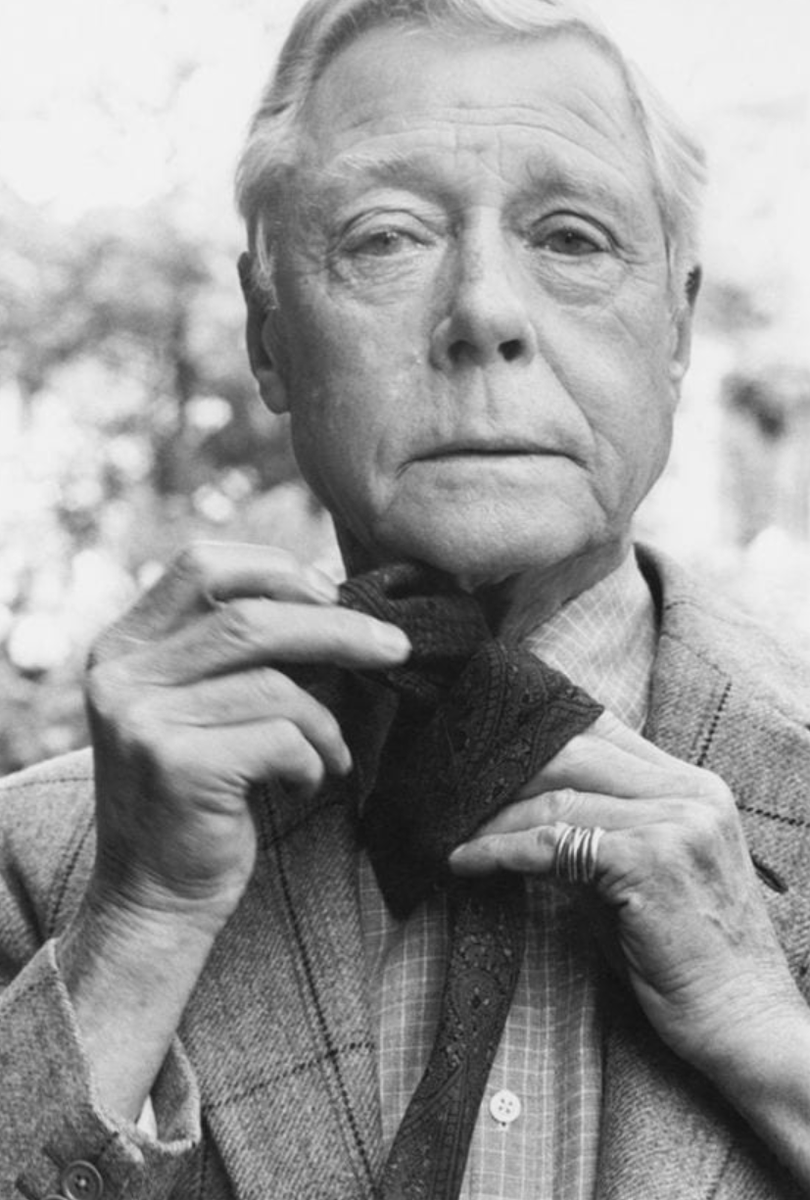

I say "mostly" because sometimes he wore things in exact matching patterns. Like this necktie seemingly made from the same material as his shirt. Frankly, this is not recommended unless you are the Duke of Windsor or Muppets creator Jim Henson.
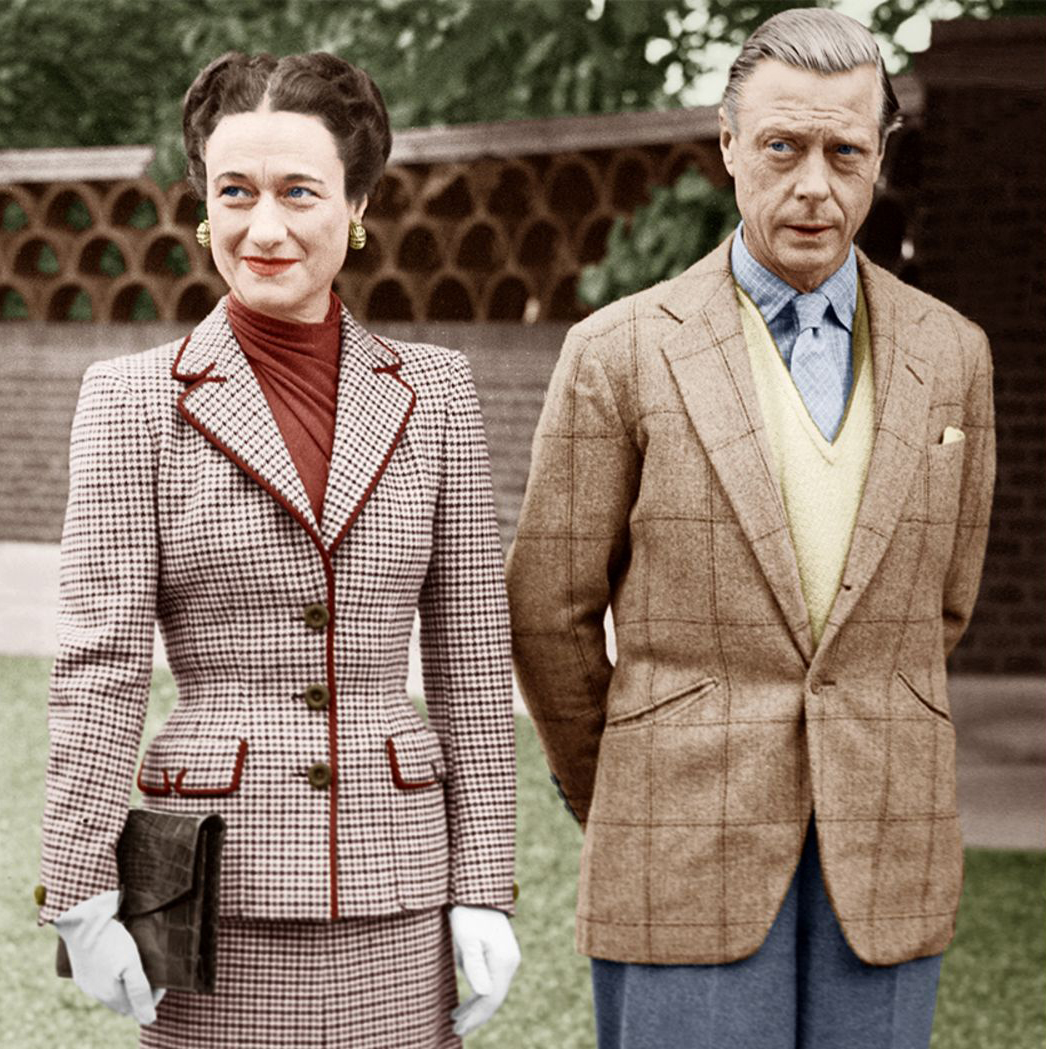
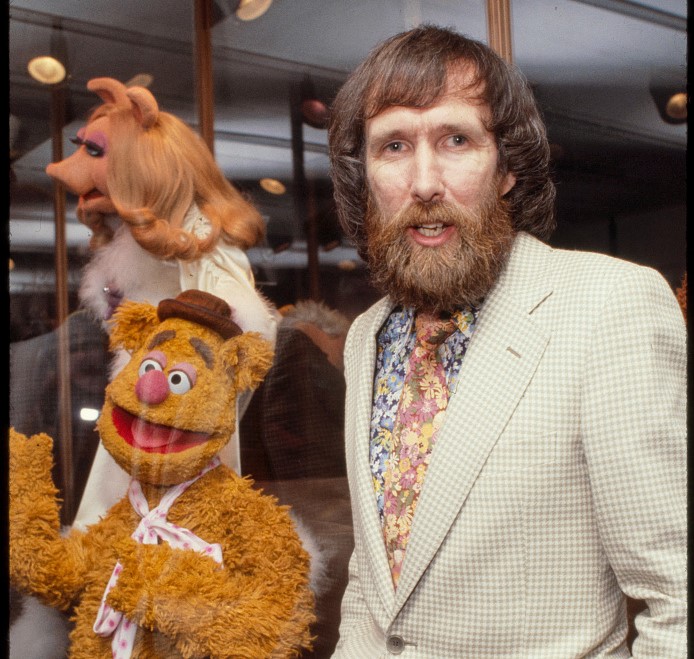
The problem with wearing patterns that are too close in scale is that you can easily end up with a moiré effect. Think of what happens when you lay two identical mesh screens over each other. The repetitiveness of the patterns can look dizzying.
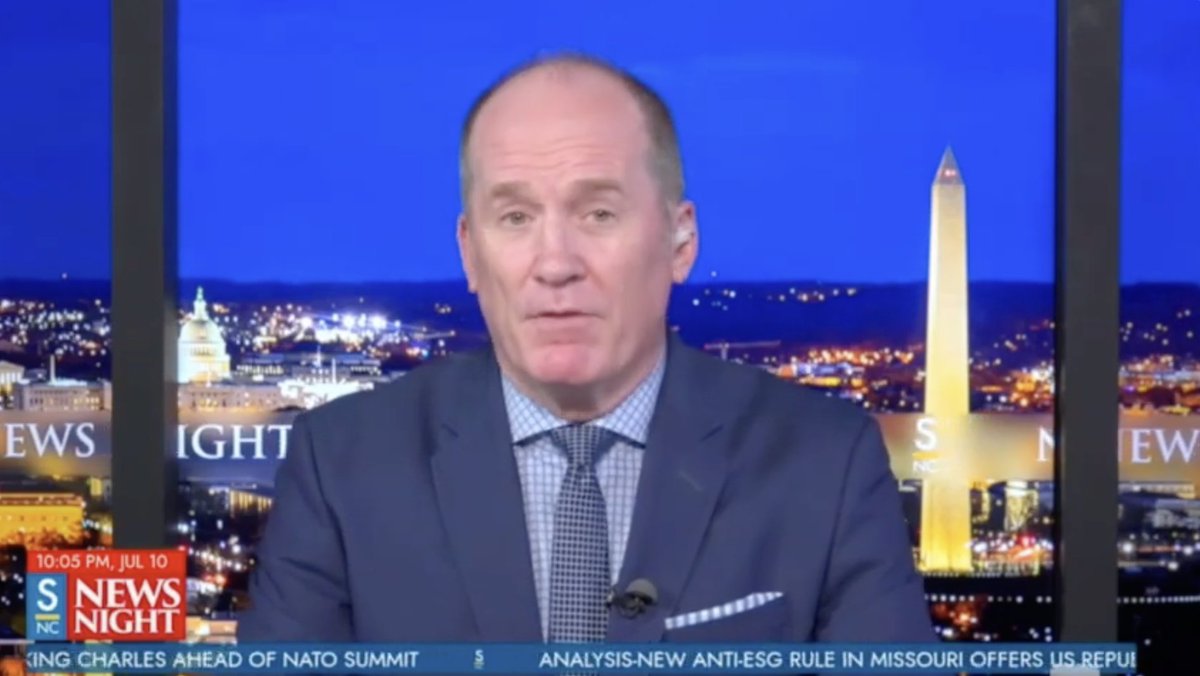
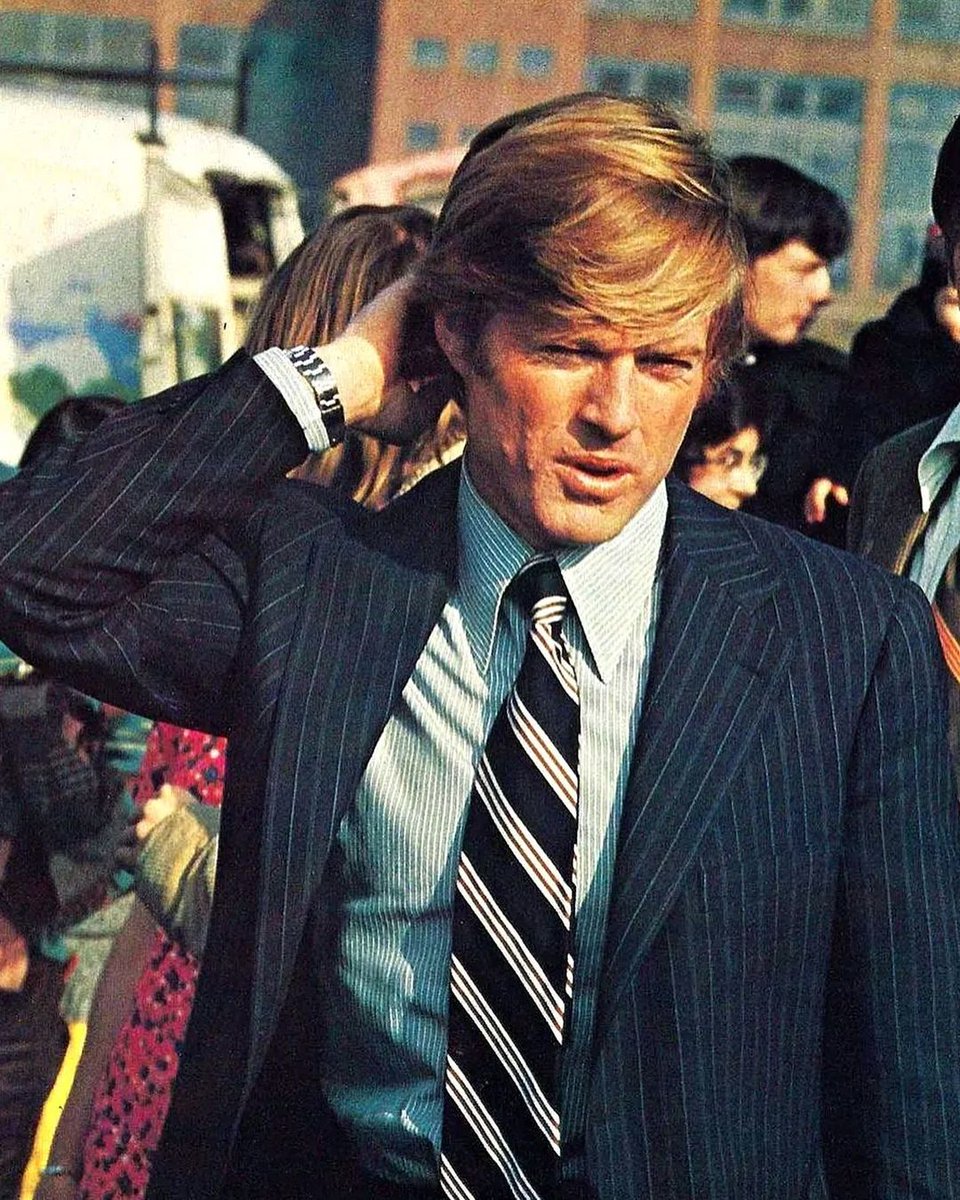
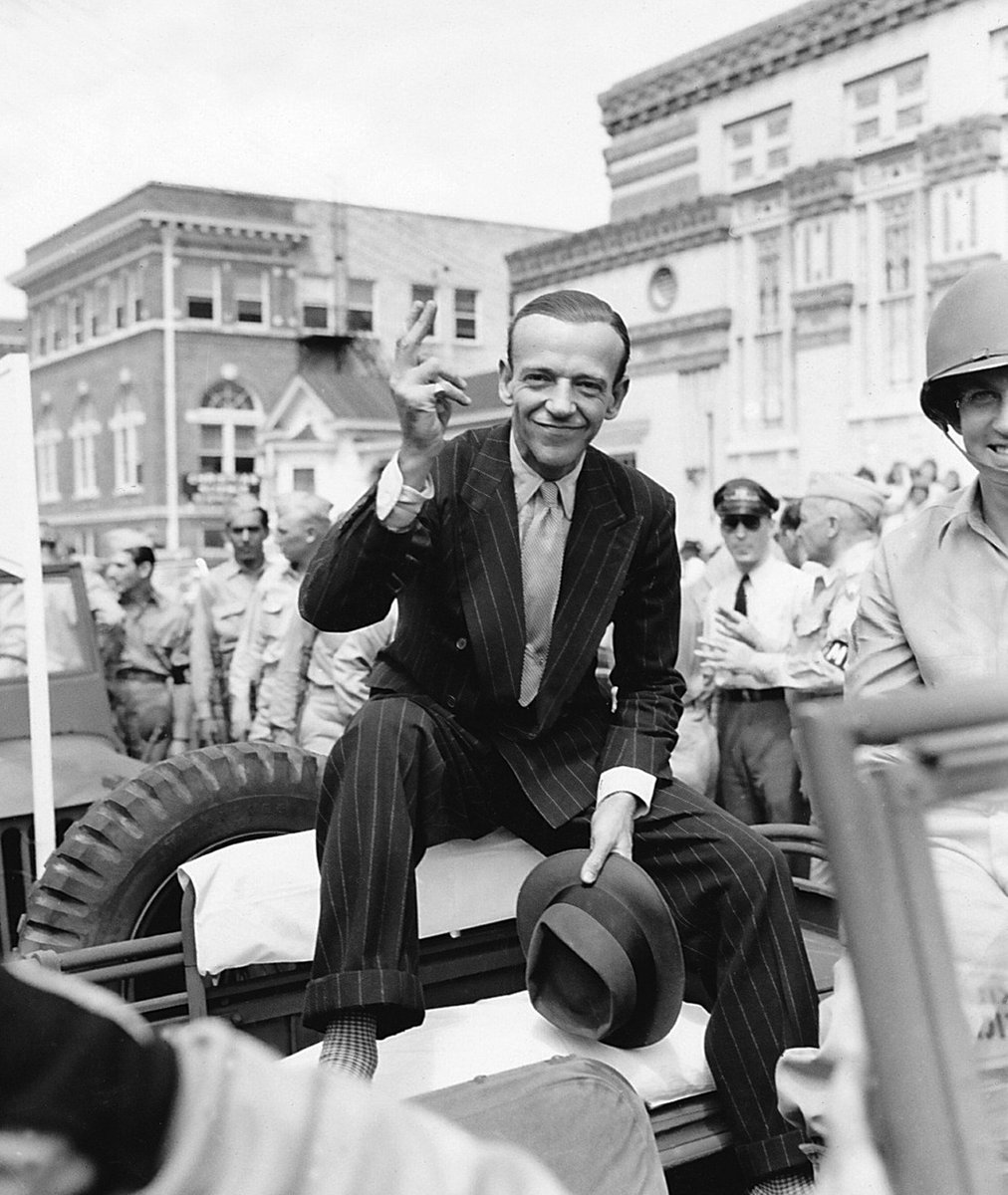
Compare that to these outfits, which mix three patterns, but all different stripes that vary in scale and intensity. Your eyes comfortably rest on the boldness of the tie, while the shirt and suit play supporting roles.

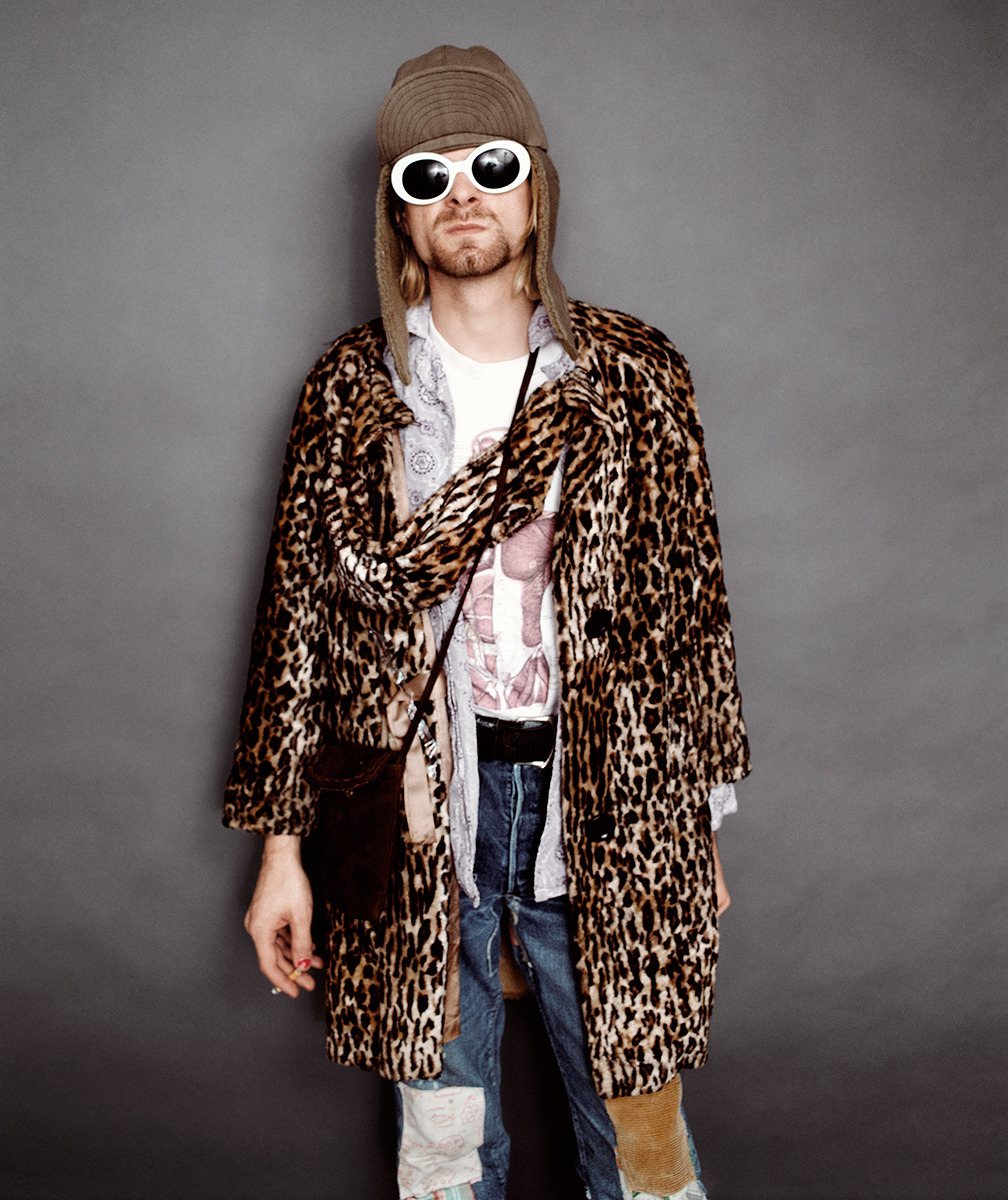
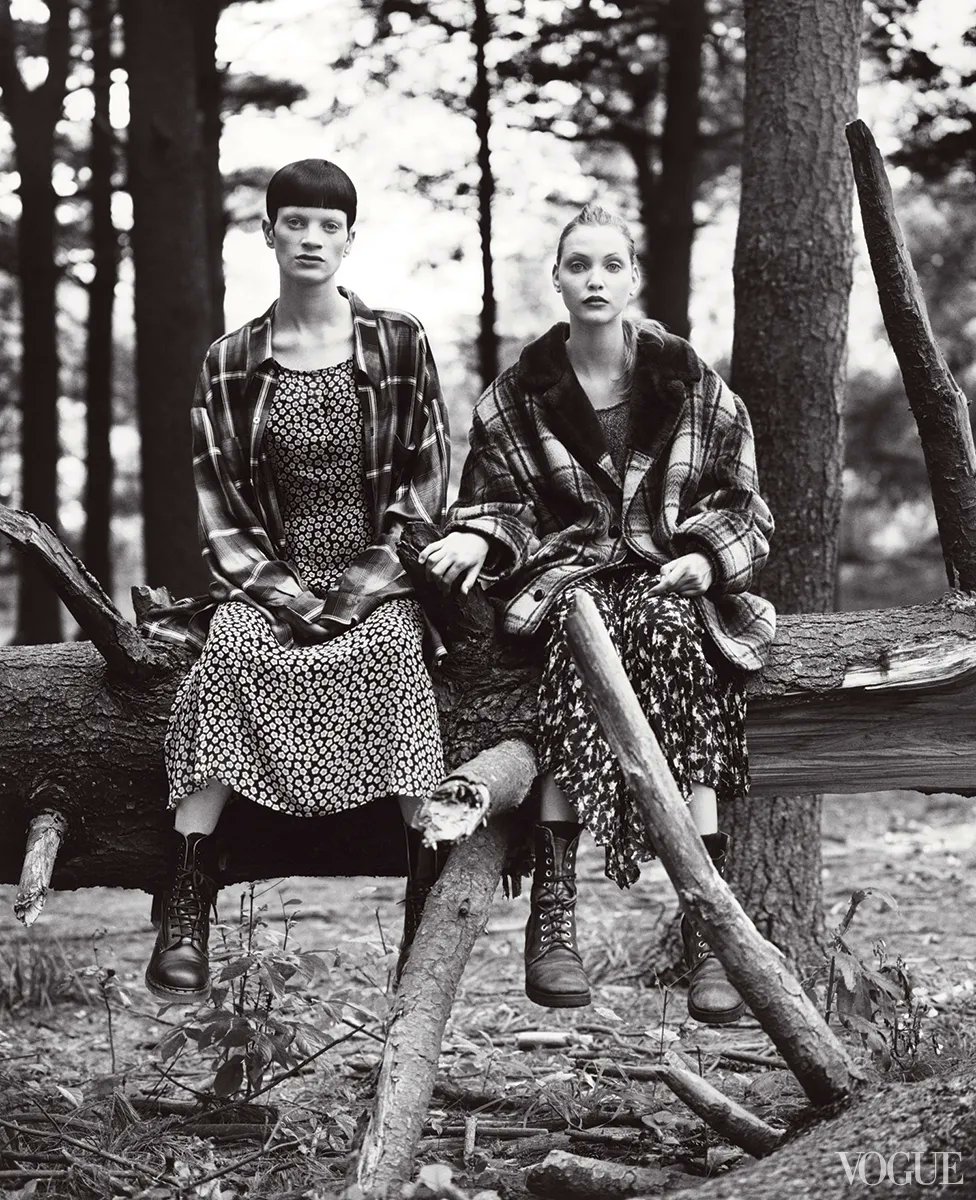
Such ideas need not be limited to tailored clothing. Here's Kurt Cobain wearing a jacket with a bold leopard pattern, which he's paired with a subtle South Asian patterned shirt and graphic tee. Vogue employed a similar idea for their 1992 issue on grunge style.
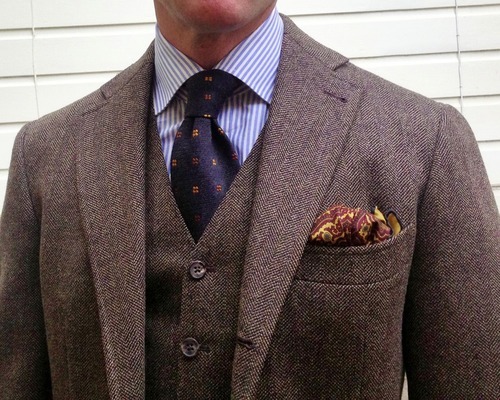
The more patterns you throw in, the harder it is to juggle. Here's the most difficult of all: four patterns. But it works bc the suit is a fine herringbone, tie is widely spaced squares, and the shirt and pocket square are somewhere between in terms of scale.
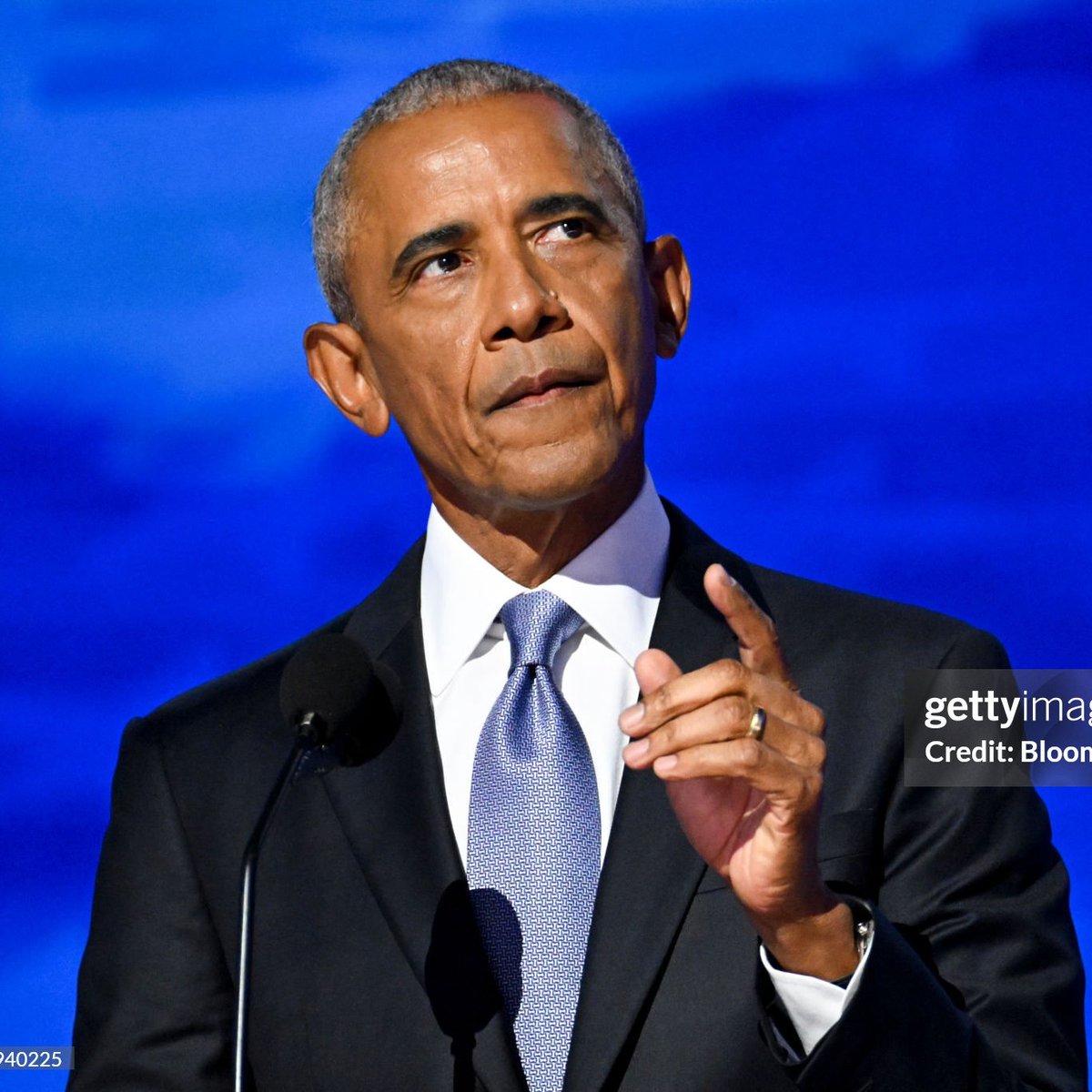
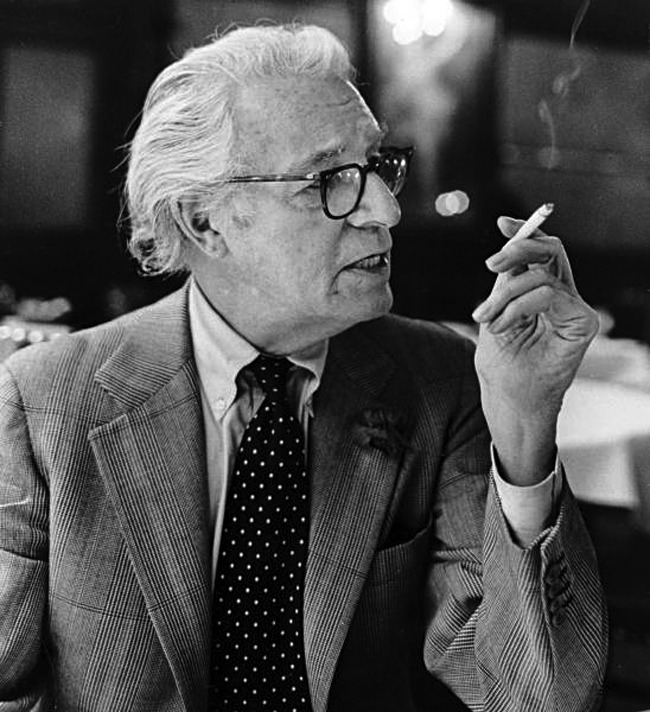
Personally, I think tailored outfits look better when there's some texture or pattern somewhere to help break up what could be a lot of monotony. Pete Buttigieg's outfit at the DNC was a little *too* plain, I thought. Obama's use of a jacquard tie was better.

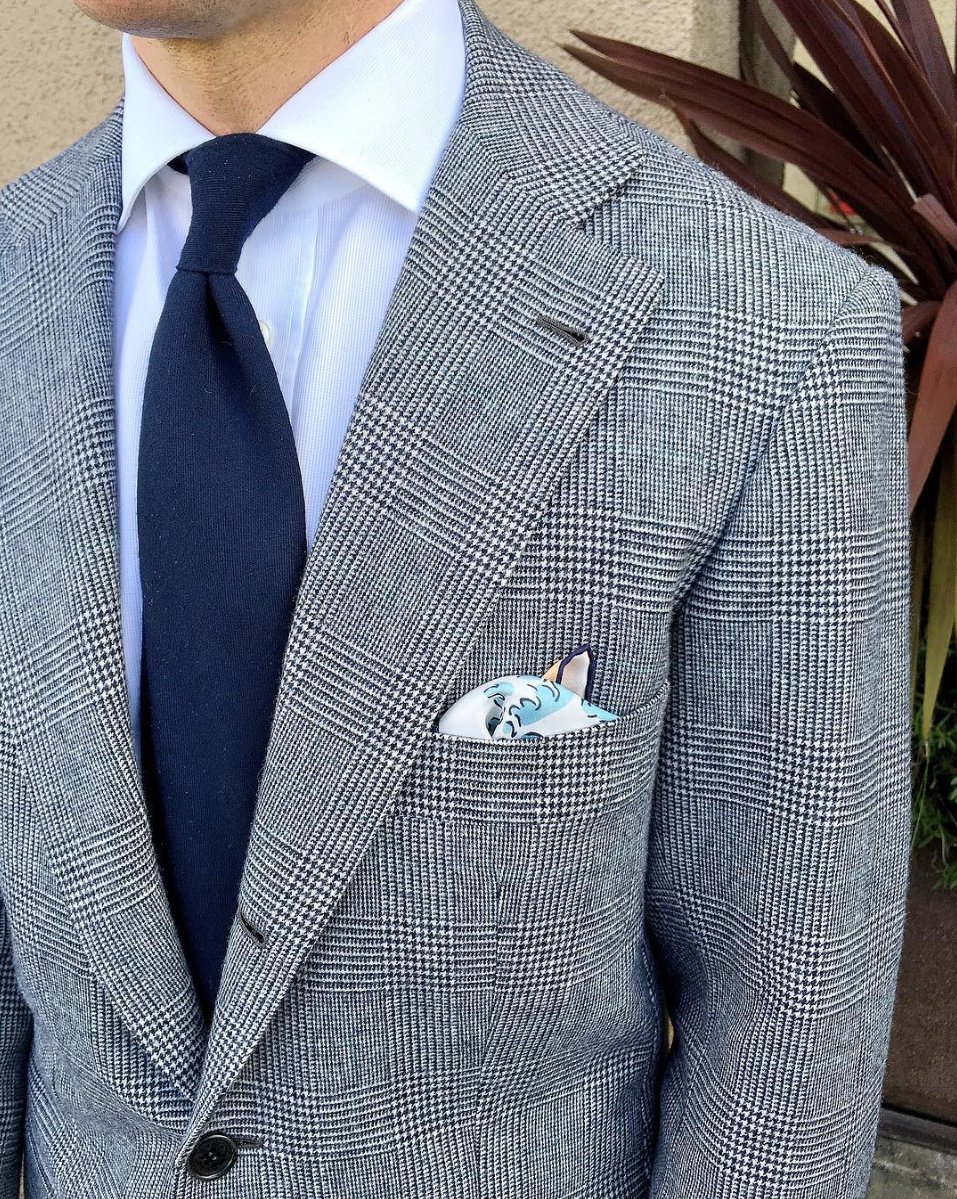
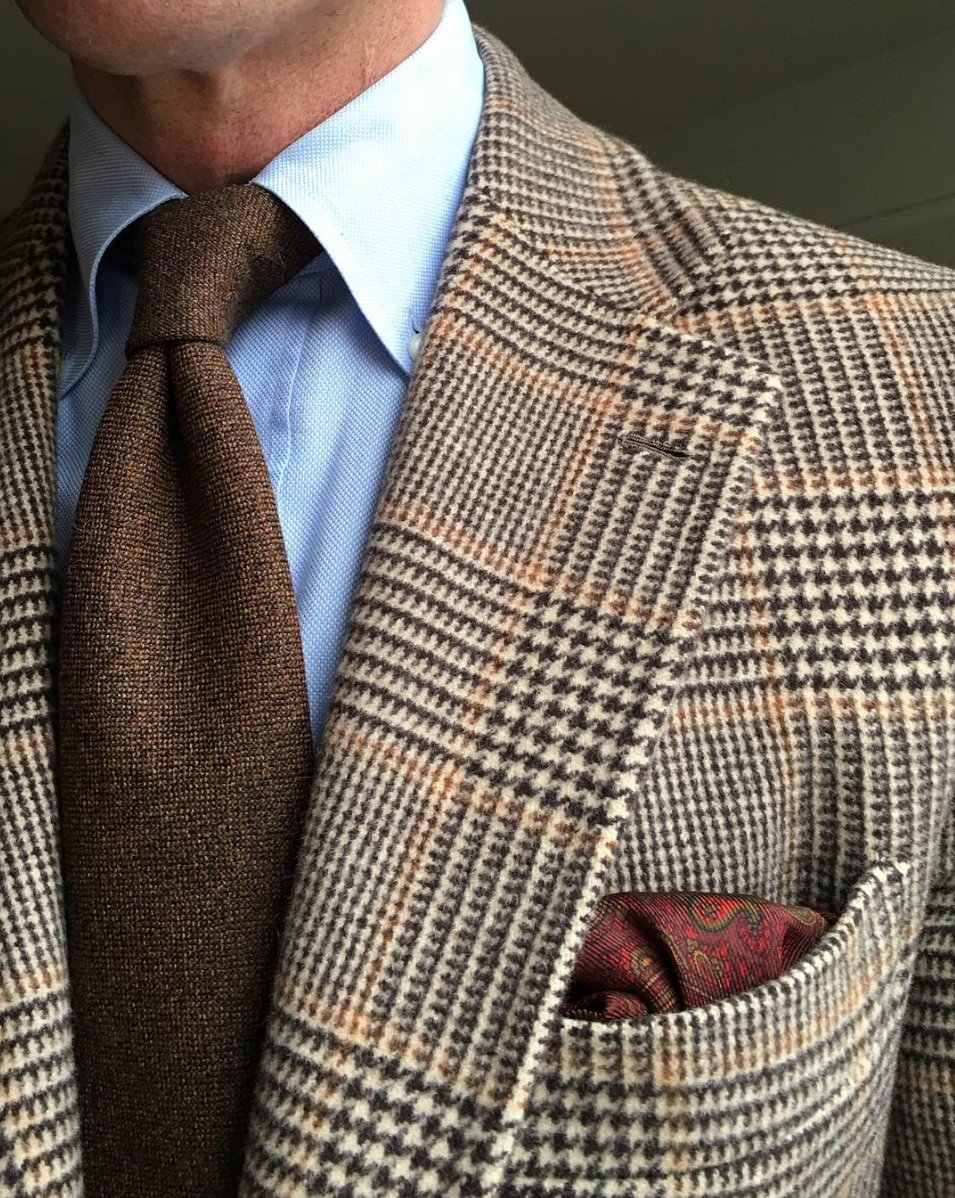
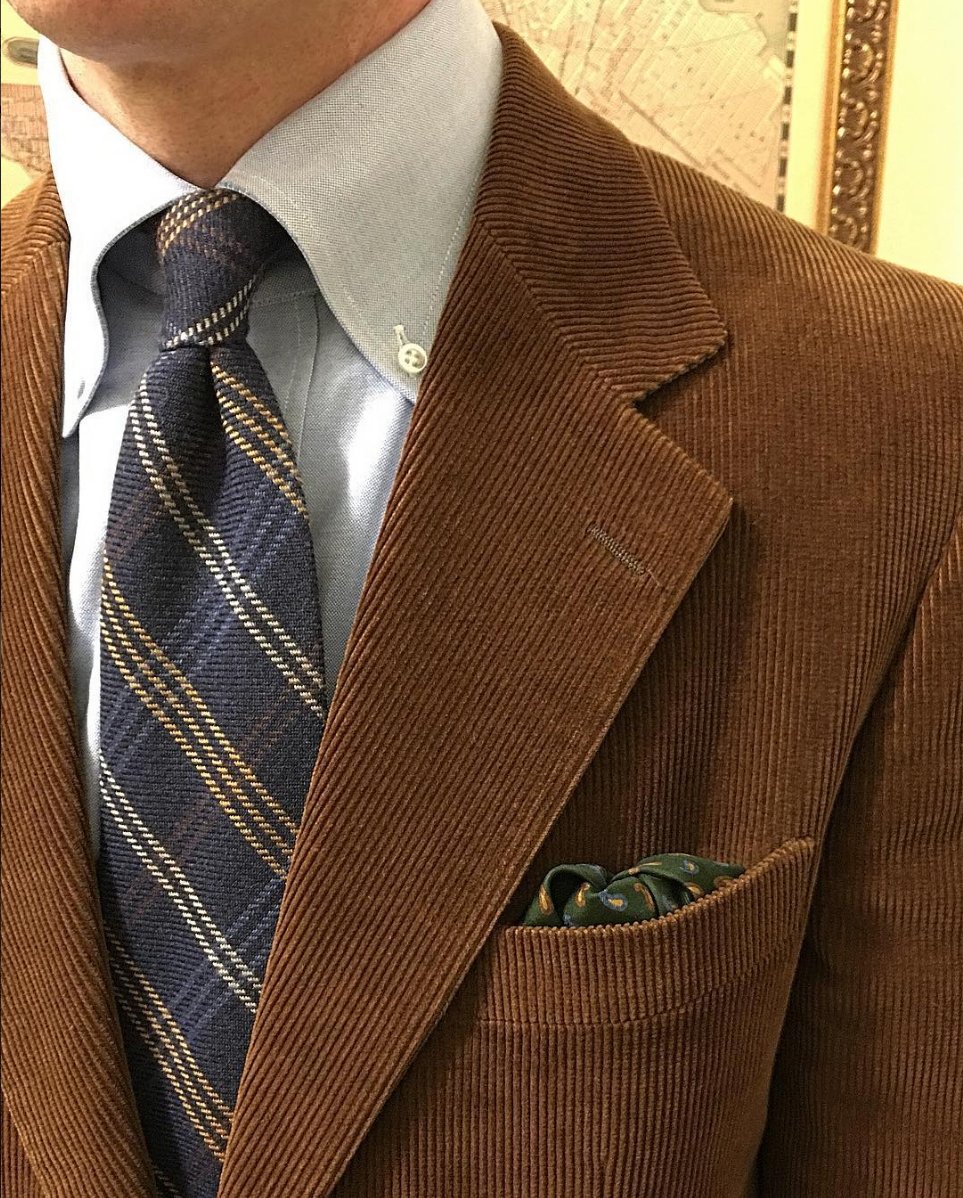
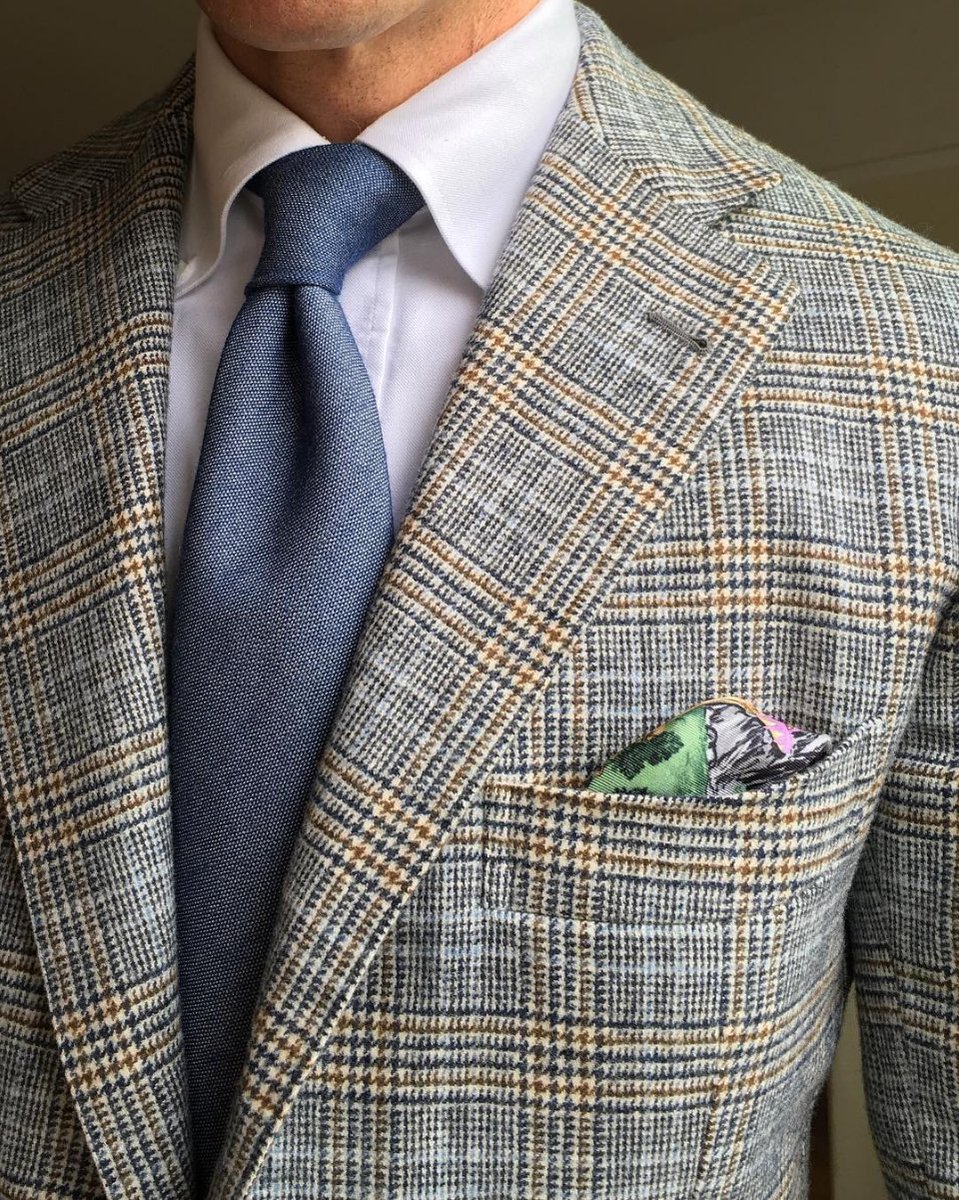
If you're putting together a coat-and-tie outfit, consider throwing in two patterns. This is enough to add visual interest without requiring you to pay too much attention to whether any of the patterns are too close in scale. Pattern can be in tie and square, or tie and jacket.
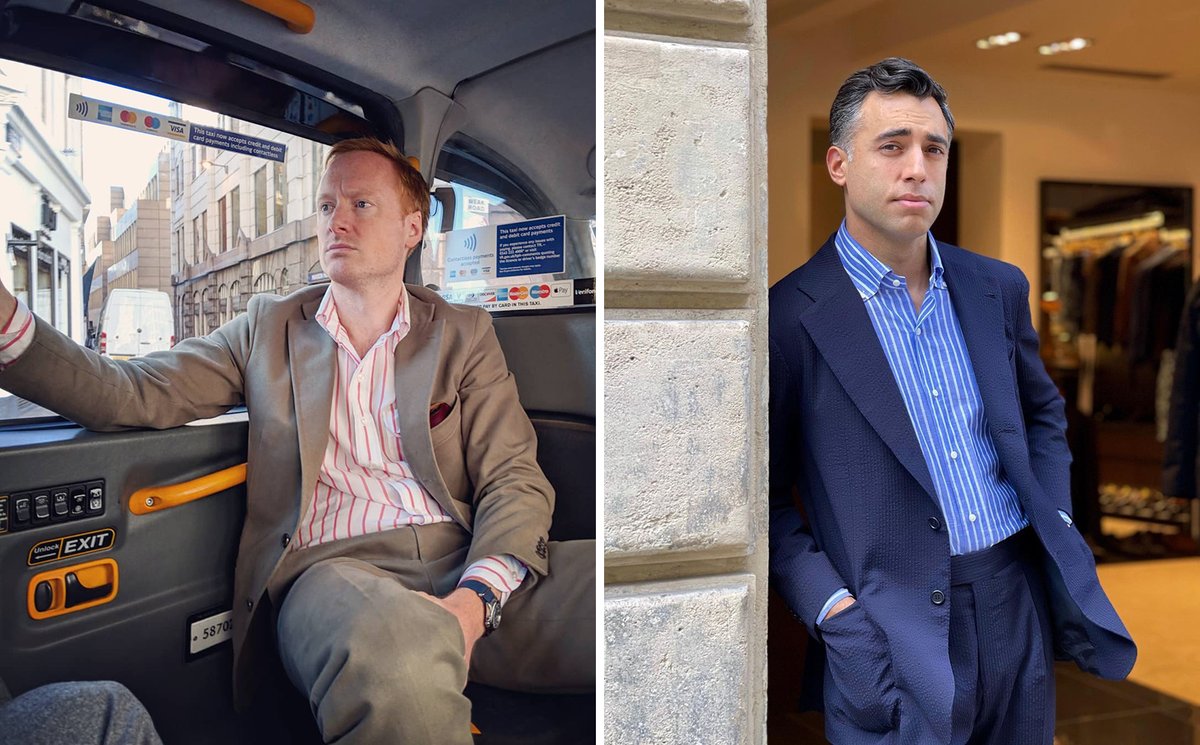
When going tie-less, even a patterned shirt can help add some useful visual interest.
But again, there's no wrong way for kids to dress. The more experimentation and creativity, the better. Childhood is a time for expression, so they should wear whatever makes them happy.
But for adults looking for guidance, there are some simple ideas to increase your chance of success: vary the scale and intensity of the pattern. Beware of the moiré effect. And when in doubt, limit yourself to just two patterns, which is an easy way to look better.
• • •
Missing some Tweet in this thread? You can try to
force a refresh






