𝐆𝐑𝐎𝐔𝐍𝐃𝐈𝐍𝐆 𝐈𝐒 𝐍𝐎𝐓 𝐏𝐒𝐄𝐔𝐃𝐎𝐒𝐂𝐈𝐄𝐍𝐂𝐄
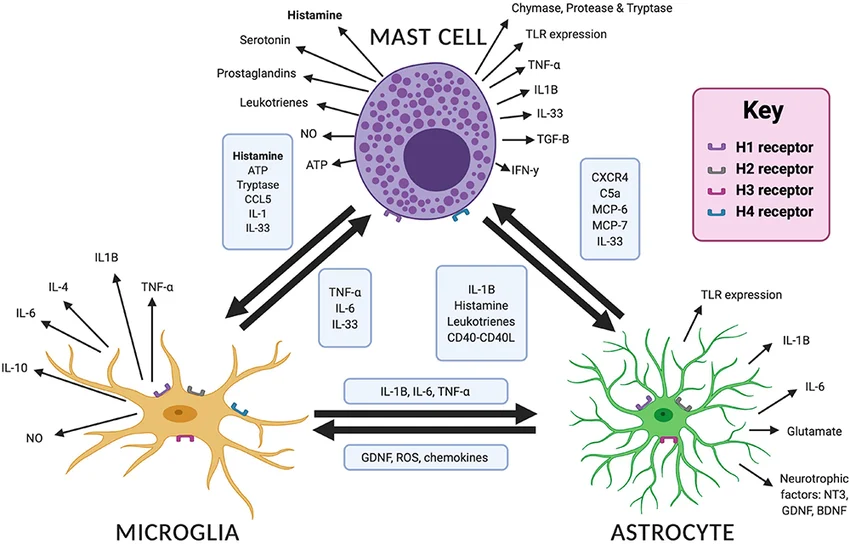
𝐆𝐫𝐨𝐮𝐧𝐝𝐢𝐧𝐠 𝐢𝐬 𝐚 𝐅𝐑𝐄𝐄 𝐚𝐧𝐝 𝐏𝐑𝐎𝐕𝐄𝐍 𝐦𝐞𝐭𝐡𝐨𝐝 𝐨𝐟 𝐫𝐞𝐝𝐮𝐜𝐢𝐧𝐠 𝐢𝐧𝐟𝐥𝐚𝐦𝐦𝐚𝐭𝐢𝐨𝐧 𝐢𝐧 𝐭𝐡𝐞 𝐛𝐨𝐝𝐲.
[𝐁𝐨𝐨𝐤𝐦𝐚𝐫𝐤 𝐭𝐡𝐢𝐬 𝐨𝐧𝐞🧵]
𝐆𝐫𝐨𝐮𝐧𝐝𝐢𝐧𝐠 𝐢𝐬 𝐚 𝐅𝐑𝐄𝐄 𝐚𝐧𝐝 𝐏𝐑𝐎𝐕𝐄𝐍 𝐦𝐞𝐭𝐡𝐨𝐝 𝐨𝐟 𝐫𝐞𝐝𝐮𝐜𝐢𝐧𝐠 𝐢𝐧𝐟𝐥𝐚𝐦𝐦𝐚𝐭𝐢𝐨𝐧 𝐢𝐧 𝐭𝐡𝐞 𝐛𝐨𝐝𝐲.
[𝐁𝐨𝐨𝐤𝐦𝐚𝐫𝐤 𝐭𝐡𝐢𝐬 𝐨𝐧𝐞🧵]

𝐈𝐧𝐭𝐫𝐨
If someone tells you grounding is pseudoscience, it’s a sign that they have no idea what they are talking about.
This post is all about exploring the various health benefits that come with grounding, which is simply just touching your feet to the bare earth⚡️
If someone tells you grounding is pseudoscience, it’s a sign that they have no idea what they are talking about.
This post is all about exploring the various health benefits that come with grounding, which is simply just touching your feet to the bare earth⚡️
𝐆𝐫𝐨𝐮𝐧𝐝𝐢𝐧𝐠 𝐫𝐞𝐝𝐮𝐜𝐞𝐬 𝐢𝐧𝐟𝐥𝐚𝐦𝐦𝐚𝐭𝐢𝐨𝐧
When we ground our bare feet to the Earth, free electrons flow into our body which have the potential to neutralized positively charged free radicals.
Oxidative stress goes down, and your quality of life goes up!
When we ground our bare feet to the Earth, free electrons flow into our body which have the potential to neutralized positively charged free radicals.
Oxidative stress goes down, and your quality of life goes up!

𝐆𝐫𝐨𝐮𝐧𝐝𝐢𝐧𝐠 𝐬𝐮𝐩𝐩𝐨𝐫𝐭𝐬 𝐧𝐞𝐫𝐯𝐨𝐮𝐬 𝐬𝐲𝐬𝐭𝐞𝐦 𝐛𝐚𝐥𝐚𝐧𝐜𝐞
Many of us live lifestyles full of chronic stress, in which our bodies are constantly on fight or flight mode (sympathetic)
Grounding helps enhance our rest and digest capabilities (parasympathetic)
Many of us live lifestyles full of chronic stress, in which our bodies are constantly on fight or flight mode (sympathetic)
Grounding helps enhance our rest and digest capabilities (parasympathetic)

𝐆𝐫𝐨𝐮𝐧𝐝𝐢𝐧𝐠 𝐬𝐮𝐩𝐩𝐨𝐫𝐭𝐬 𝐡𝐞𝐚𝐥𝐭𝐡𝐲 𝐬𝐭𝐫𝐞𝐬𝐬 𝐦𝐚𝐧𝐚𝐠𝐞𝐦𝐞𝐧𝐭
Cortisol (our stress hormone) is supposed to be higher in the morning and lower in the evening.
Grounding helps normalize our stress response back to what it’s supposed to be.
Cortisol (our stress hormone) is supposed to be higher in the morning and lower in the evening.
Grounding helps normalize our stress response back to what it’s supposed to be.


𝐆𝐫𝐨𝐮𝐧𝐝𝐢𝐧𝐠 𝐢𝐬 𝐚 𝐧𝐚𝐭𝐮𝐫𝐚𝐥 𝐦𝐨𝐨𝐝 𝐞𝐧𝐡𝐚𝐧𝐜𝐞𝐫
One study found that participants who were grounded experienced statistically significant improvements in pleasant and positive moods compared to those who were not grounded.
Take that depression!
One study found that participants who were grounded experienced statistically significant improvements in pleasant and positive moods compared to those who were not grounded.
Take that depression!
𝐆𝐫𝐨𝐮𝐧𝐝𝐢𝐧𝐠 𝐢𝐦𝐩𝐫𝐨𝐯𝐞𝐬 𝐬𝐥𝐞𝐞𝐩 𝐪𝐮𝐚𝐥𝐢𝐭𝐲
We need to optimize our sleep if we want our body to heal to its full capacity.
Our current environment is full of electric and light pollution.
By sleeping grounded, we can mitigate some of the damage.
We need to optimize our sleep if we want our body to heal to its full capacity.
Our current environment is full of electric and light pollution.
By sleeping grounded, we can mitigate some of the damage.
𝐆𝐫𝐨𝐮𝐧𝐝𝐢𝐧𝐠 𝐮𝐩𝐠𝐫𝐚𝐝𝐞𝐬 𝐨𝐮𝐫 𝐜𝐚𝐫𝐝𝐢𝐨𝐯𝐚𝐬𝐜𝐮𝐥𝐚𝐫 𝐡𝐞𝐚𝐥𝐭𝐡
It has beneficial effects on:
• Blood viscosity
• Heart rate variability
Both of which are important for our CV health.
It has beneficial effects on:
• Blood viscosity
• Heart rate variability
Both of which are important for our CV health.

𝐆𝐫𝐨𝐮𝐧𝐝𝐢𝐧𝐠 𝐭𝐮𝐫𝐧𝐬 𝐨𝐮𝐫 𝐢𝐦𝐦𝐮𝐧𝐞 𝐬𝐲𝐬𝐭𝐞𝐦 𝐢𝐧𝐭𝐨 𝐚𝐧 𝐞𝐥𝐢𝐭𝐞 𝐚𝐫𝐦𝐲 𝐭𝐡𝐚𝐭 𝐟𝐨𝐬𝐭𝐞𝐫𝐬 𝐨𝐩𝐭𝐢𝐦𝐚𝐥 𝐡𝐞𝐚𝐥𝐭𝐡
I’m just going to let these study results do the talking here.
The illness in question?
Hint: we had an entire pandemic for it
I’m just going to let these study results do the talking here.
The illness in question?
Hint: we had an entire pandemic for it

Thanks for reading.
I hope you’re now motivated to go touch grass an hour a day⚡️
To silence the ignorant people that think grounding is fake, go ahead and share this post and bring more people to TEAM EARTH 🌍
I hope you’re now motivated to go touch grass an hour a day⚡️
To silence the ignorant people that think grounding is fake, go ahead and share this post and bring more people to TEAM EARTH 🌍
If you enjoyed this post and want to go deeper into topics like this, join my free telegram community ⬇️
t.me/Life0ptimized
t.me/Life0ptimized
• • •
Missing some Tweet in this thread? You can try to
force a refresh