A few people asked me about this, so I will do a thread. As usual, the story starts with a bit of history about socio-economic class. 🧵
https://twitter.com/gehirnstuermer/status/1830159933398016135
As a technique, it's believed that the four-in-hand originated with 19th century British carriage drivers who used this method to wear colorful scarves. This includes members of the exclusive Four-in-Hand Club, which is where we likely get the name. 

But why was the club called Four-in-Hand? It's because the coach would be pulled by four horses, and the reins of those horses would be carried by one of the driver's hands, leaving the other free to operate the brake. We see a reference to this in a May 1965 issue of the NYT:

Since the four-in-hand style is connected to the Four-in-Hand Club, you might believe that the Windsor is connected to the Duke of Windsor, the most fashionable man of his day. But he did not, in fact, wear a Windsor knot.
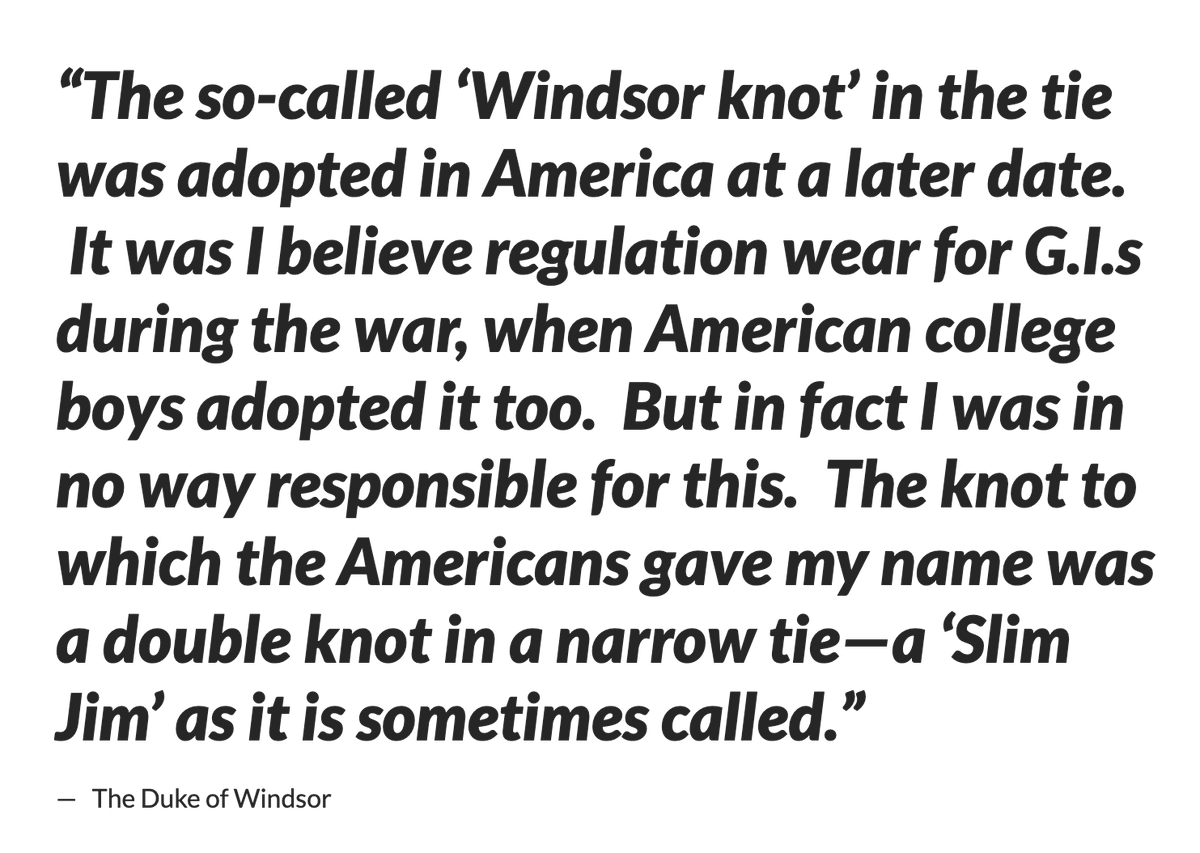
No, the Duke wore a four-in-hand but used bespoke ties specially made with thicker interlinings. Since he set the day's trends, American GIs and members of the middle-class copied him, but using a double knot to achieve the same heft. Hence the Windsor knot was born.
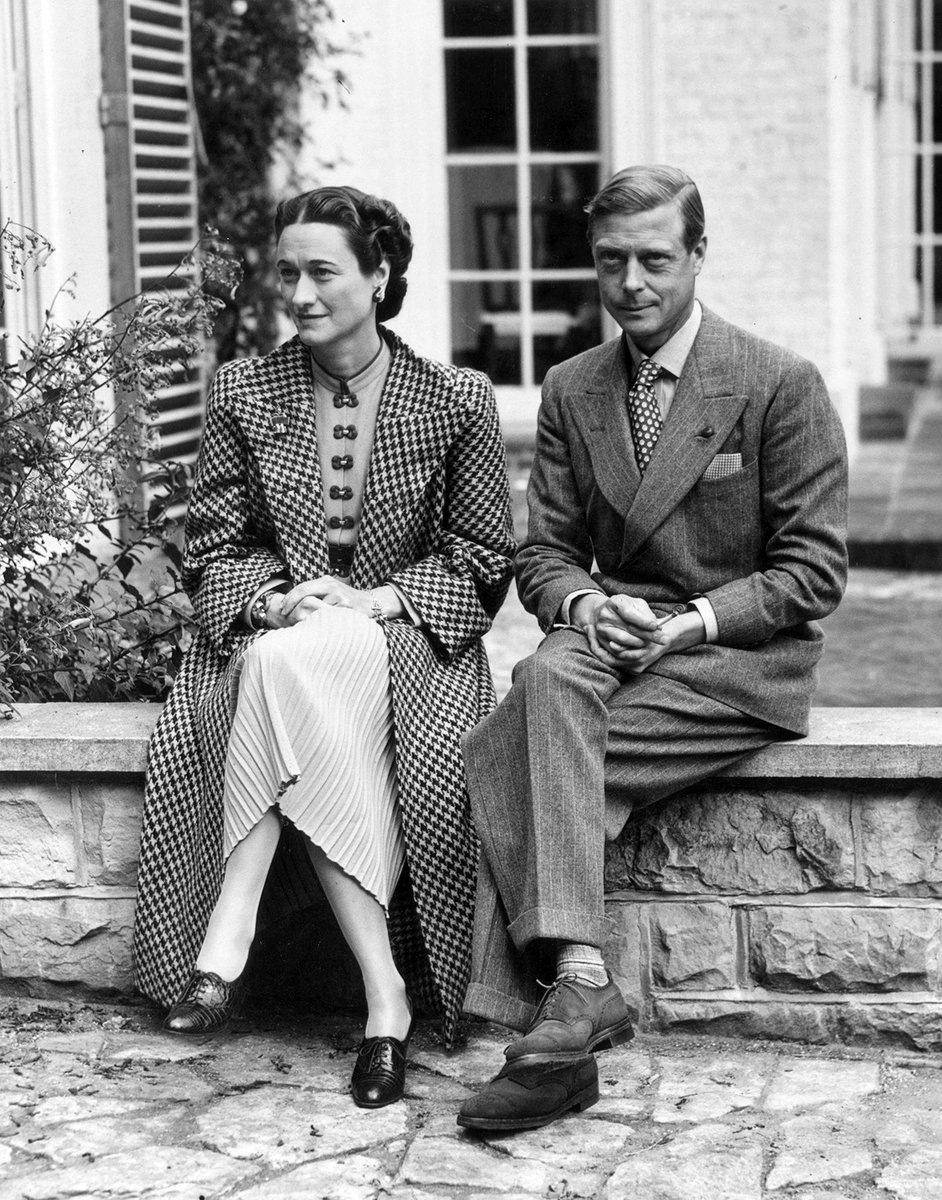
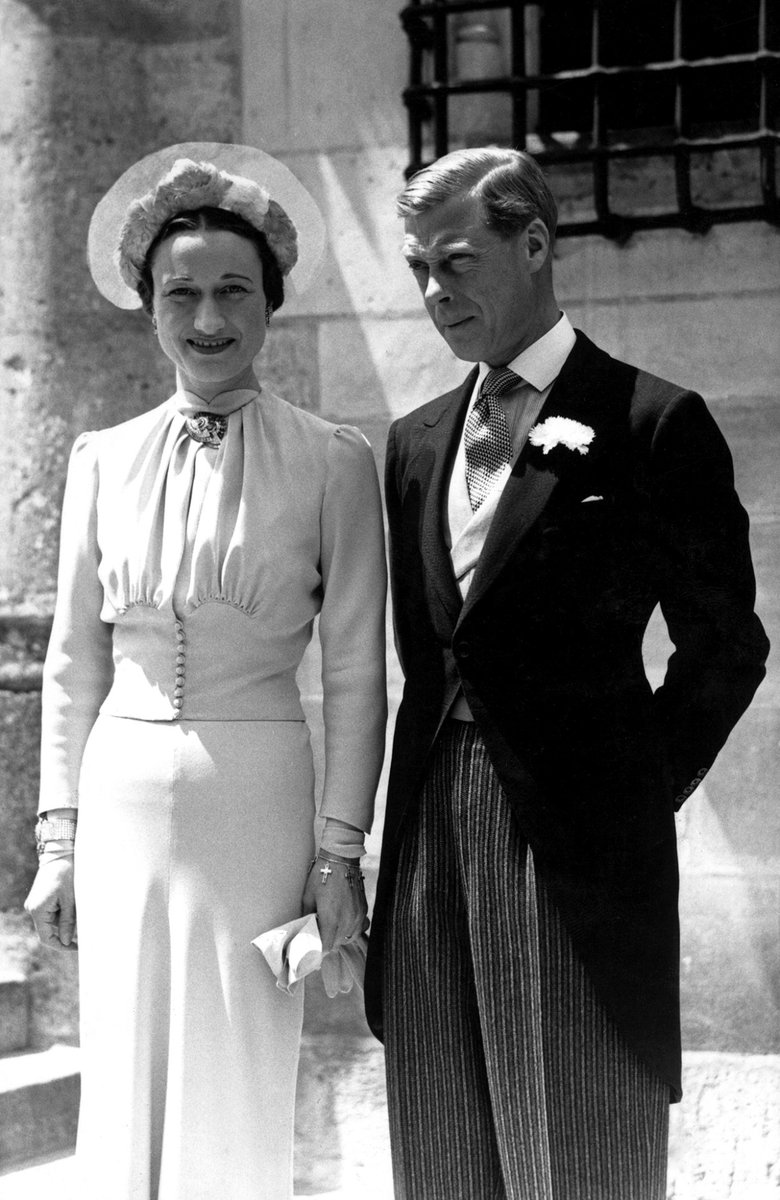
For much of the 20th century, your knot style suggested something about your socio-economic class. Members of the ruling elite, such as British aristocrats and American Old Money, continued with the four-in-hand, while others wore a mix of things, including the Windsor.

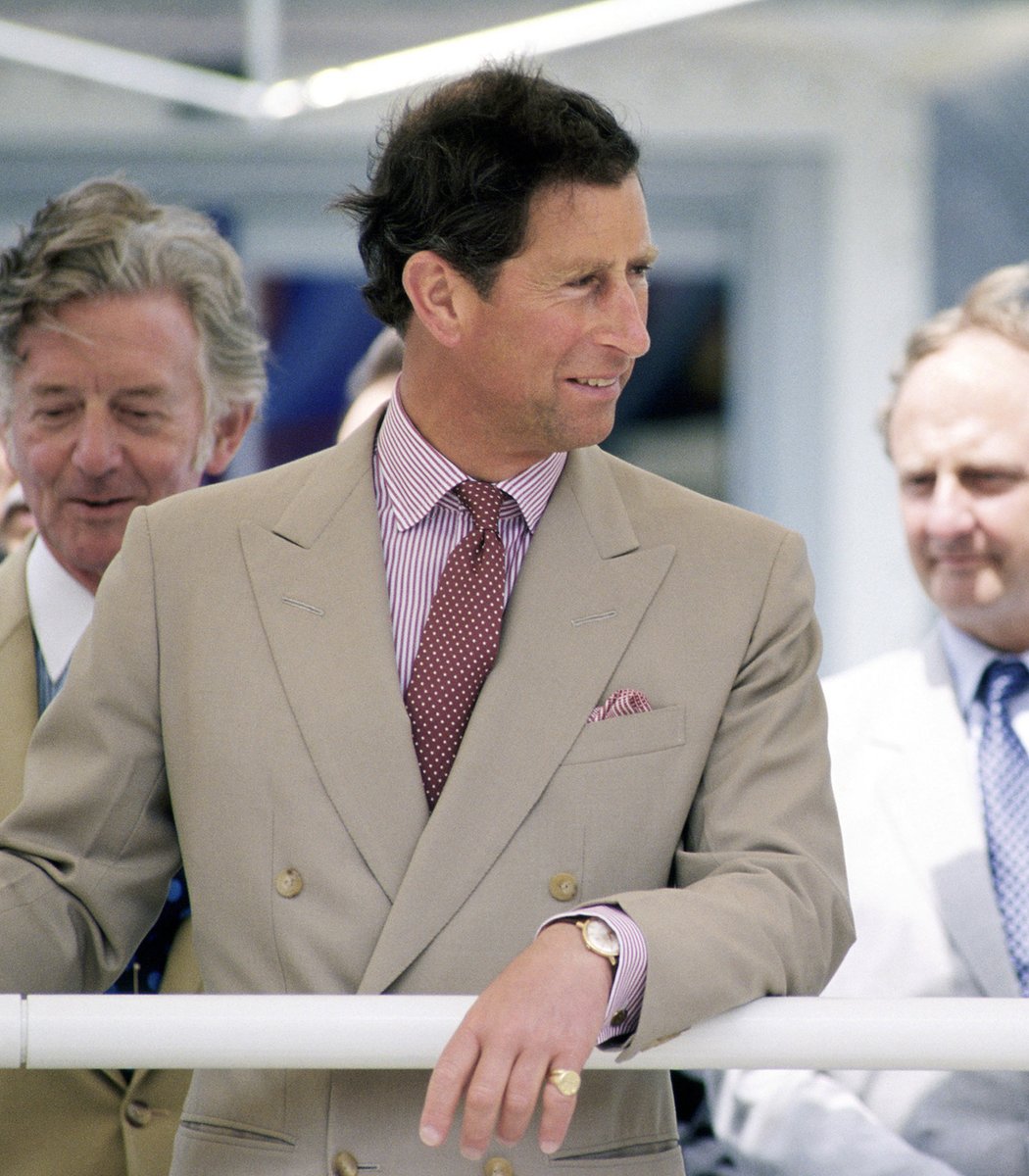
The elite rejected the Windsor for the same reason they rejected most fashions—they considered too flashy, slang, and something of an affectation. The stability of their dress is partly why we considered this look "timeless." It's because they literally kept wearing it.


In his book Distinction, Pierre Bourdieu correctly noted that our notions of Good Taste are nothing more than the preferences and habits of the ruling class. And thus, this is also how the four-in-hand became considered more "tasteful" than the Windsor.


Two side notes. First, Old Money taste casts a long shadow. Why does Trump's gold home and Windsor-knotted red satin ties seem like they're "Bad Taste?" It's because WASPy elites valued unaffected understatement, and Trump is very much not that.
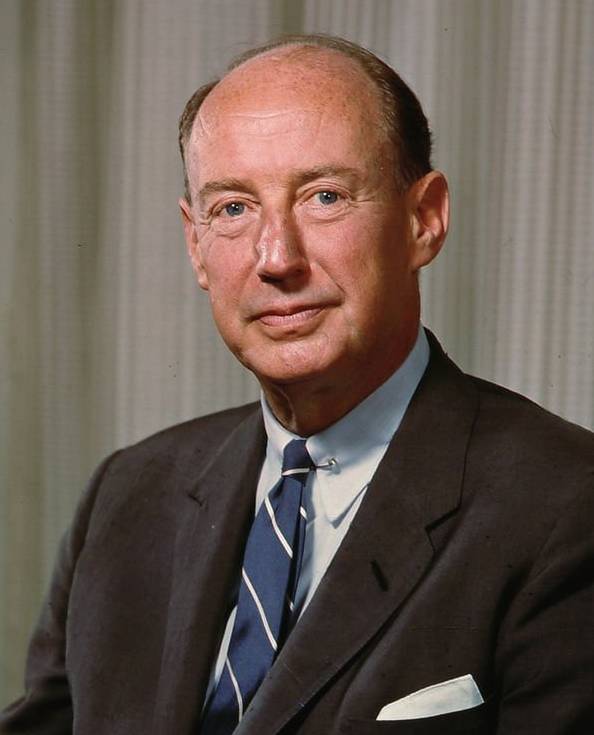

Second, for anyone who would mistake this as simple classism, things are more complicated. The story of 20th century fashion is about how dress influence switched from just those with financial capital to those with cultural capital—artists, rebels, musicians, hippies, etc.


In the post-war period, most of those people ditched the tie altogether, so they never blessed a new knot style with any sense of "coolness." This is why the four-in-hand is considered more "tasteful" than the Windsor, at least for ppl obsessed with nuances of taste (eg Frazier)


I like the four-in-hand for another reason: the asymmetrical knot lends a bit of nonchalance to a tailored outfit, which is good when everything else looks perfect (particularly the tailoring quality).
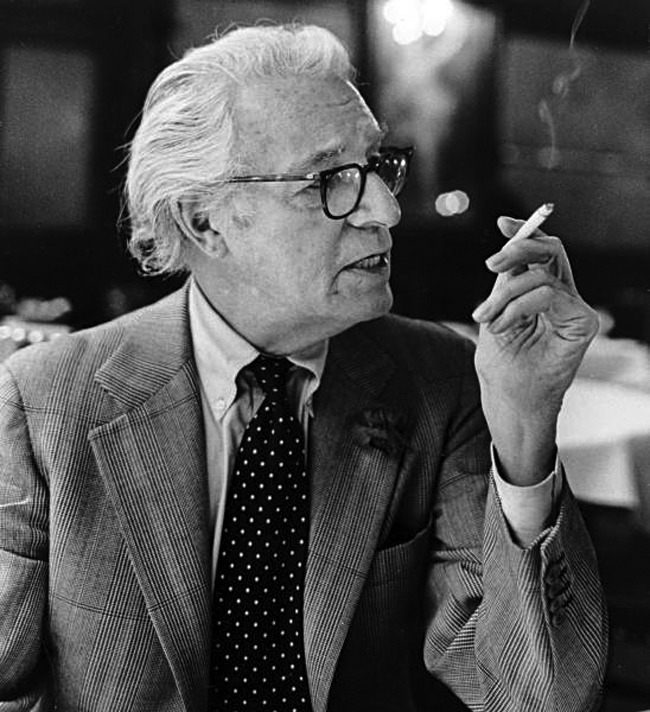
This is the same reason why traditional hats look better when they're cocked and why pocket squares are best worn stuffed, rather than folded like origami. When everything else in the outfit is perfect, this sort of asymmetry makes the outfit look more natural and less studied.

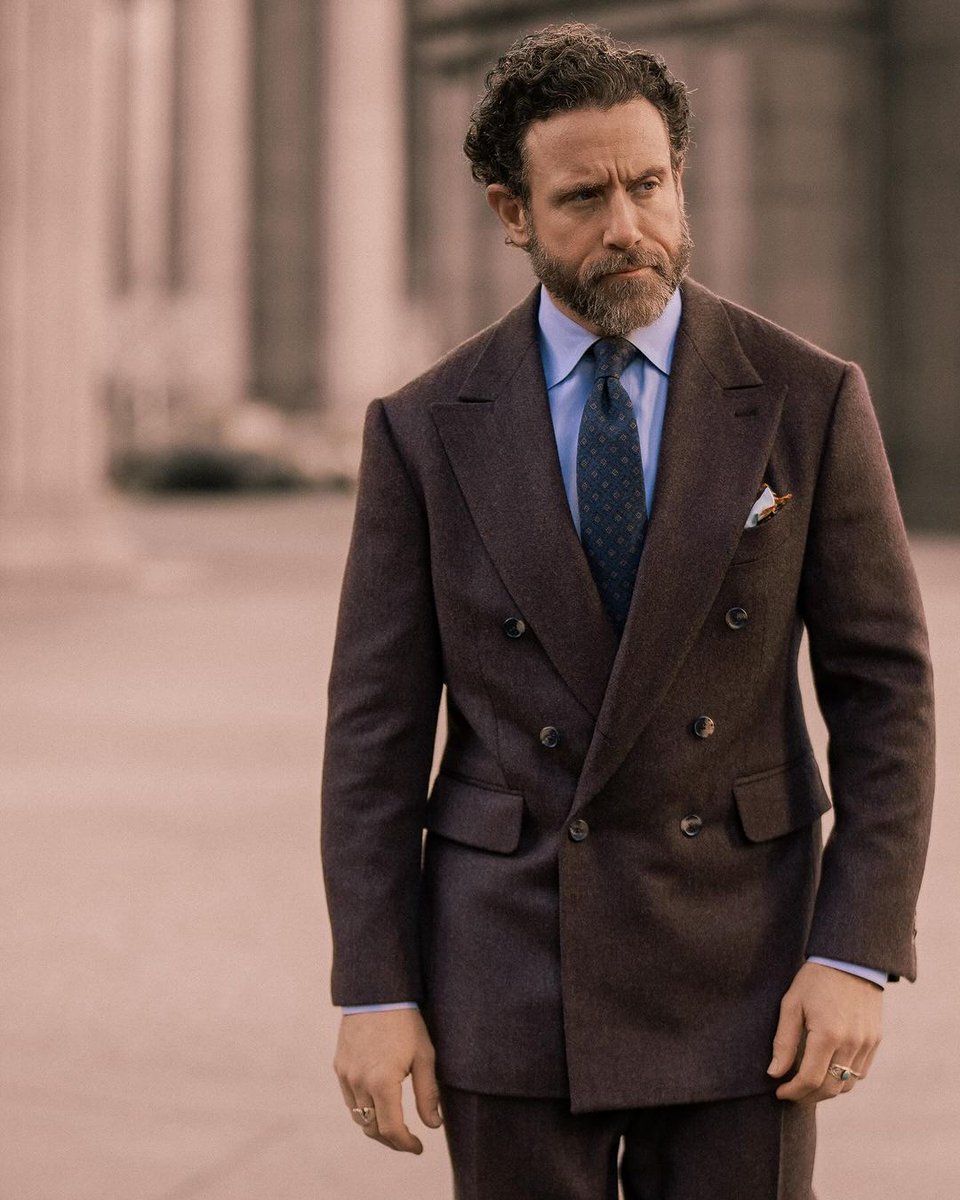
Some will knot that a Windsor looks better with a cutaway collar. But cutaway collars also look aggressive, gauche, and flashy, so they're best avoided altogether. A semi-spread or button-down collar is more tasteful.
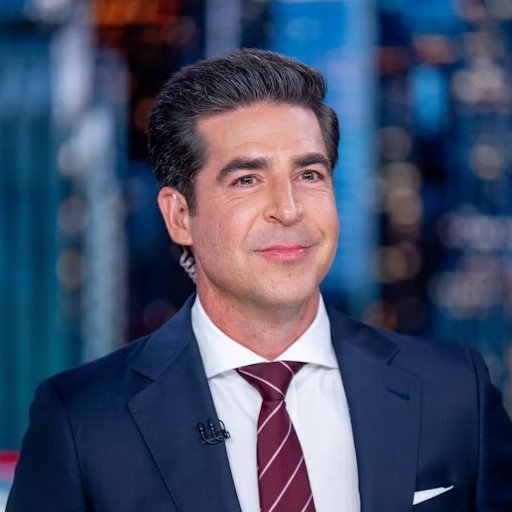
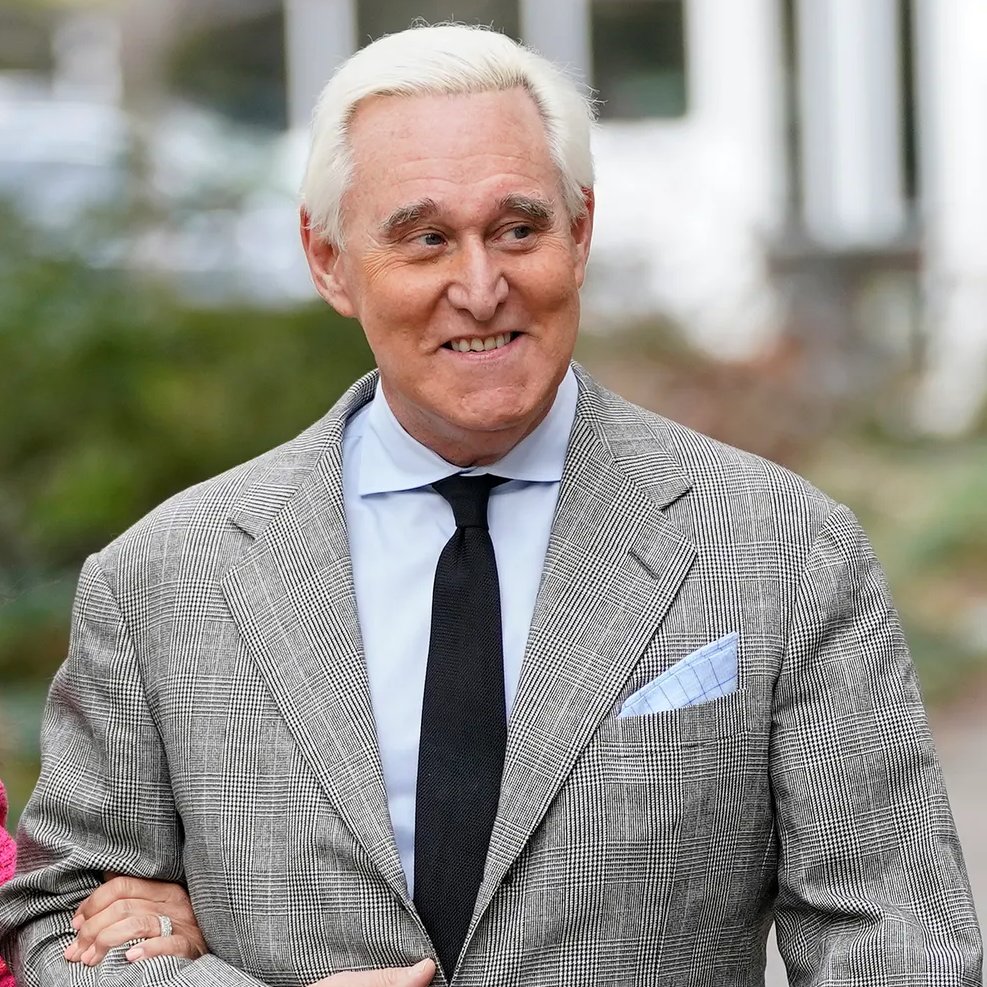
I mostly dislike the Windsor because it leaves a meatball sized knot under your chin. To me, Obama's four-in-hand here looks much more tasteful.
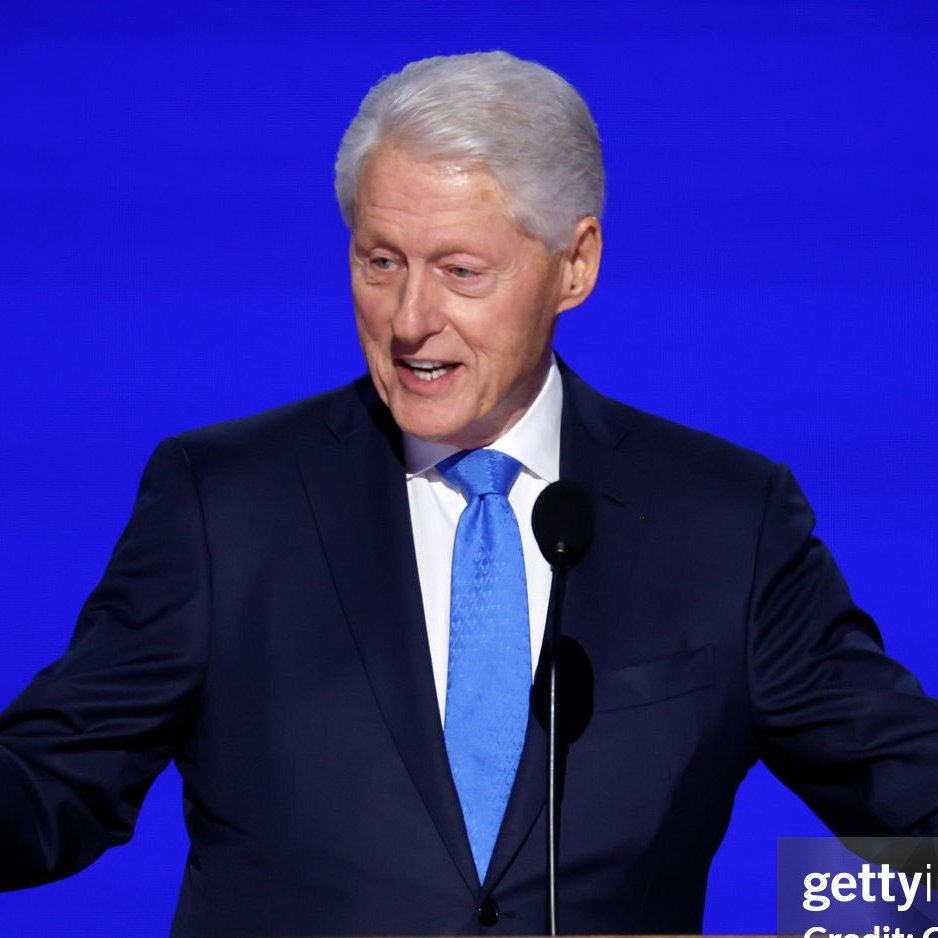

Reagan favored a Windsor. To me, this looked best when he wore ties with thinner interlinings and were specially cut so that you got a very distinctive V-shape at the top, trim middle, and then bottleneck shape at the bottom.


IMO, this is one of the things the new Reagan film gets wrong about Reagan himself. Dennis Quaid's ties are much too thick, resulting in a very ugly tie knot, especially in the Windsor style. They don't reflect Reagan's sophistication in terms of dress.


In any case, wear whatever you'd like, although I will personally smile if I see a four-in-hand. If you find your tie reaches below your belt, consider the double-four-in-hand or the Bertie to take up that slack. Mark of The Armoury demonstrates two of these techniques here.
The only objectively bad knots are these, which tell people you learned how to tie your tie on Reddit. Please don't wear stuff like this.

• • •
Missing some Tweet in this thread? You can try to
force a refresh