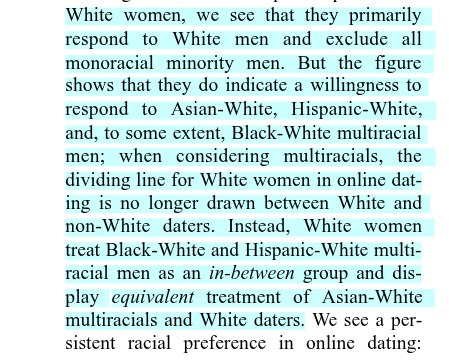
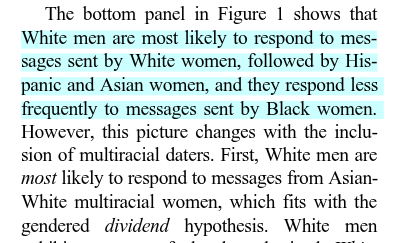
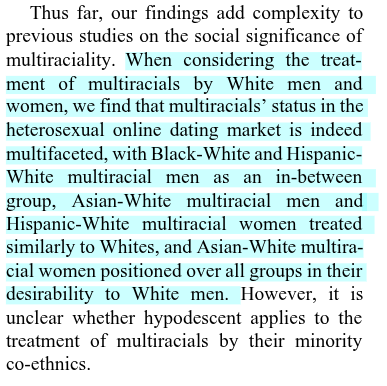
Is Harper Lee's "To Kill a Mockingbird," a Jewish story?
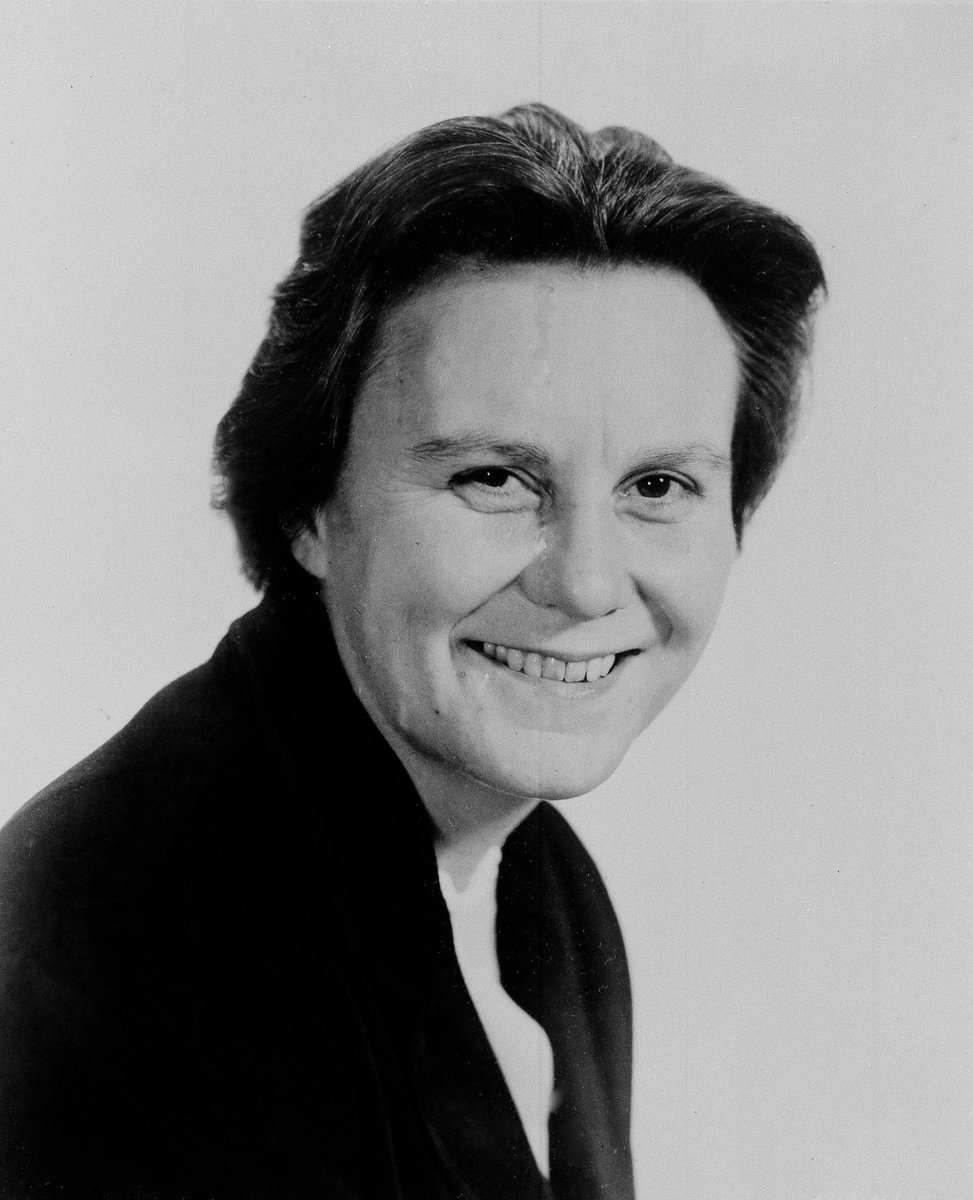
How Harper Lee's "philosemitism" shaped her work, and became the symbolic template for BLM, according to Jewish journalists. 🧵

How Harper Lee's "philosemitism" shaped her work, and became the symbolic template for BLM, according to Jewish journalists. 🧵


According Alexandra Levine, in her article "Harper Lee's Jewish Lessons," she was stunned by how Jewish "To Kill a Mockingbird" was.
"There was something Jewish about the novel that clicked, a poignant scene that I didn’t remember reading the first time around.
'There are no better people in the world than the Jews, and why Hitler doesn't think so is a mystery. They contribute to every society they live in. You'll learn that the Jews have been persecuted since the beginning of history. Time for arithmetic, children.'
"The parallel that Lee so obviously draws between Jews and blacks in the scene, and between one supremacist and another, went right over my head."
In Lee's worldview, black men, like Jews, exemplify the wrongfully accused and misunderstood victim.
"People like Hitler are persecuting the Jews for no good reason...White people are persecuting their black neighbors for no good reason."
"There was something Jewish about the novel that clicked, a poignant scene that I didn’t remember reading the first time around.
'There are no better people in the world than the Jews, and why Hitler doesn't think so is a mystery. They contribute to every society they live in. You'll learn that the Jews have been persecuted since the beginning of history. Time for arithmetic, children.'
"The parallel that Lee so obviously draws between Jews and blacks in the scene, and between one supremacist and another, went right over my head."
In Lee's worldview, black men, like Jews, exemplify the wrongfully accused and misunderstood victim.
"People like Hitler are persecuting the Jews for no good reason...White people are persecuting their black neighbors for no good reason."


According to Saul Jay Singer of "The Jewish Press,"
"Lee’s discussion of the Holocaust in To Kill a Mockingbird is truly remarkable, coming as it did in an era when few Jewish leaders and writers were discussing it."
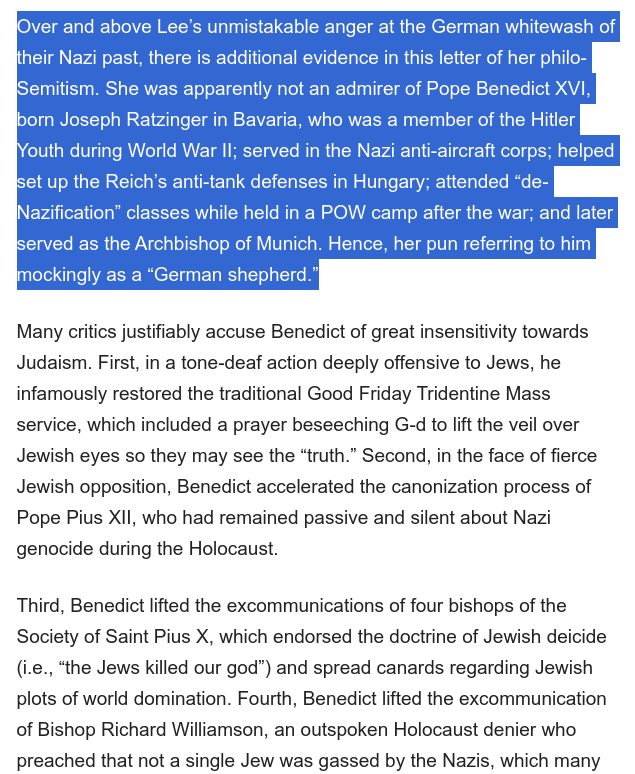
Singer goes on to say, "Lee's philo-Semitism is borne out in this letter to her friend."
'Maybe I'm prejudiced, but I don't like German shepherds [Catholics].
I shall never forget how quickly the Germans forgave themselves after the war.
Like Hitler never happened.'"
"Lee’s discussion of the Holocaust in To Kill a Mockingbird is truly remarkable, coming as it did in an era when few Jewish leaders and writers were discussing it."
Singer goes on to say, "Lee's philo-Semitism is borne out in this letter to her friend."
'Maybe I'm prejudiced, but I don't like German shepherds [Catholics].
I shall never forget how quickly the Germans forgave themselves after the war.
Like Hitler never happened.'"


Singer goes on to speculate:
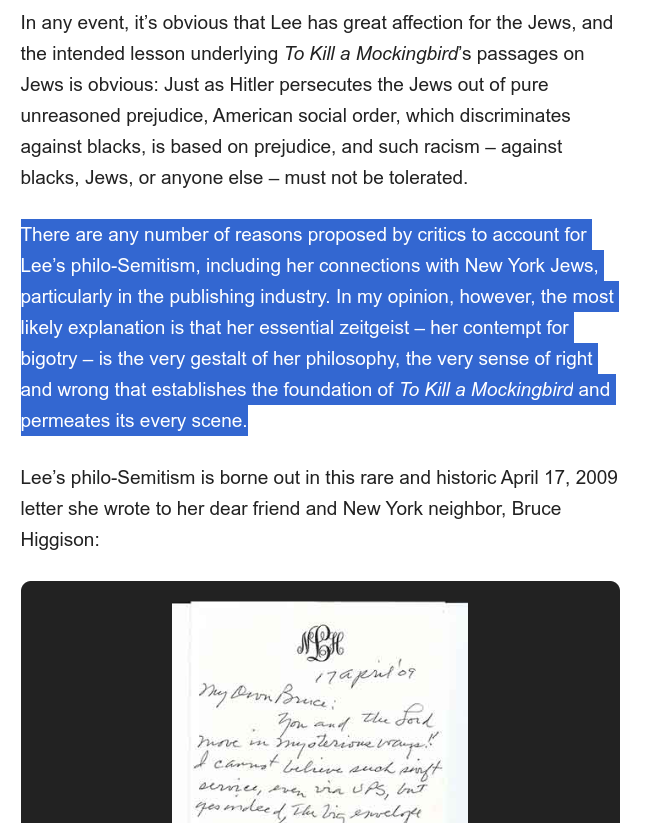
"There are any number of reasons proposed by critics to account for Lee’s philo-Semitism, including her connections with New York Jews, particularly in the publishing industry. In my opinion, the most likely explanation is her contempt of bigotry."
"There are any number of reasons proposed by critics to account for Lee’s philo-Semitism, including her connections with New York Jews, particularly in the publishing industry. In my opinion, the most likely explanation is her contempt of bigotry."
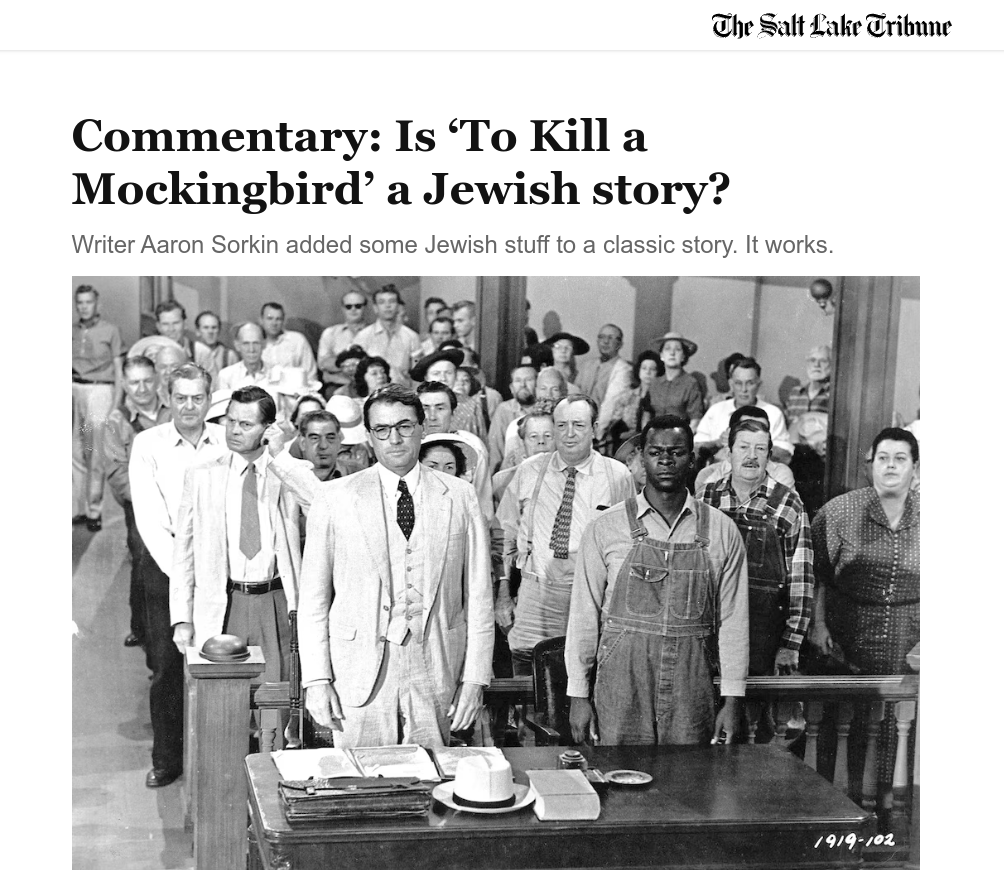
Aaron Sorkin of "The Salt Lake Tribune" also believes it's a Jewish story.
Even the title, he notes, comes from Isaiah.
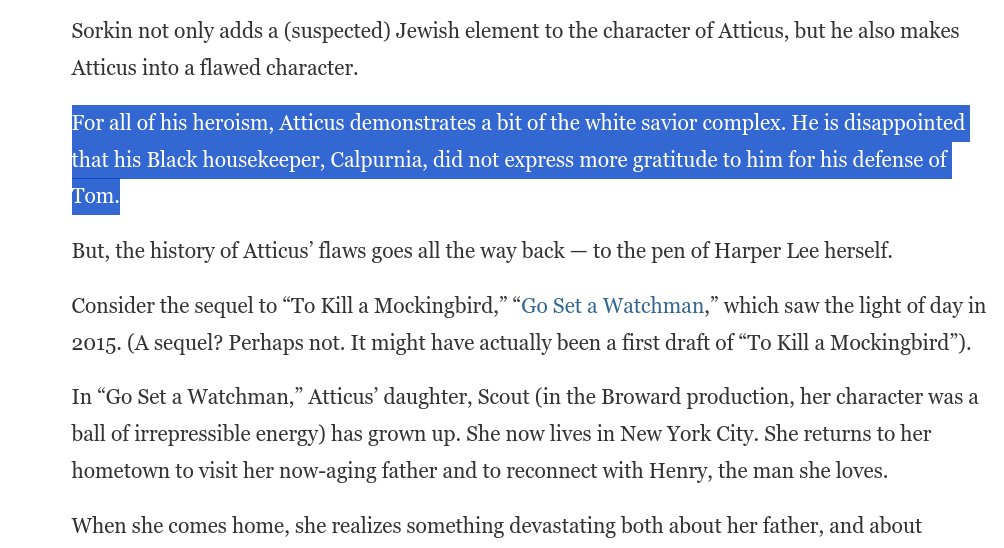
"Lee intended her protagonist, Atticus Finch, to have a 'White Savior complex'"
Atticus' flaws, he says, go back to Harper Lee's own father...
Even the title, he notes, comes from Isaiah.
"Lee intended her protagonist, Atticus Finch, to have a 'White Savior complex'"
Atticus' flaws, he says, go back to Harper Lee's own father...
In the story, Mayella, the girl who falsely accuses Tom, had in fact been assaulted--by her white father, Robert E. Lee Ewell.
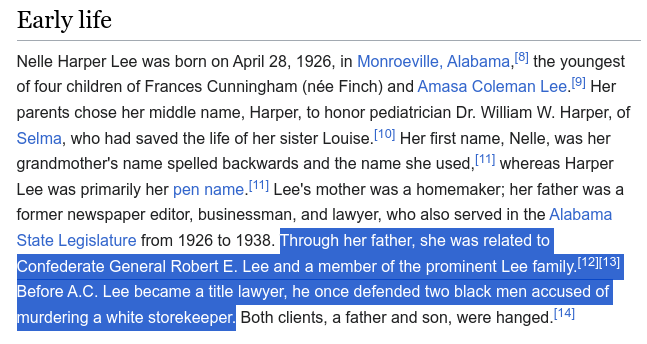
Harper Lee's actual father's name is Amasa Coleman Lee, who's related to Confederate General Robert E. Lee.
A family history Lee despised...
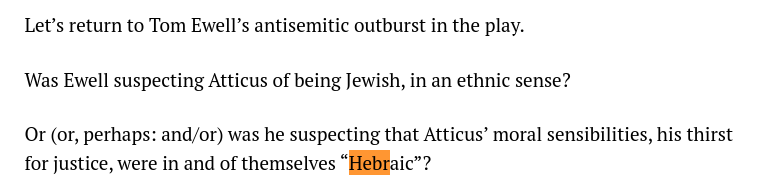
Robert E. Ewell: “I detect something a little Hebraic in you.”
Salkin writes, "Was he suspecting that Atticus' moral sensibilities, his thirst for justice, were in and of themselves "Hebraic?"
In this version of the story, Atticus' morality is starkly contrasted with Ewell's.
Harper Lee's actual father's name is Amasa Coleman Lee, who's related to Confederate General Robert E. Lee.
A family history Lee despised...
Robert E. Ewell: “I detect something a little Hebraic in you.”
Salkin writes, "Was he suspecting that Atticus' moral sensibilities, his thirst for justice, were in and of themselves "Hebraic?"
In this version of the story, Atticus' morality is starkly contrasted with Ewell's.
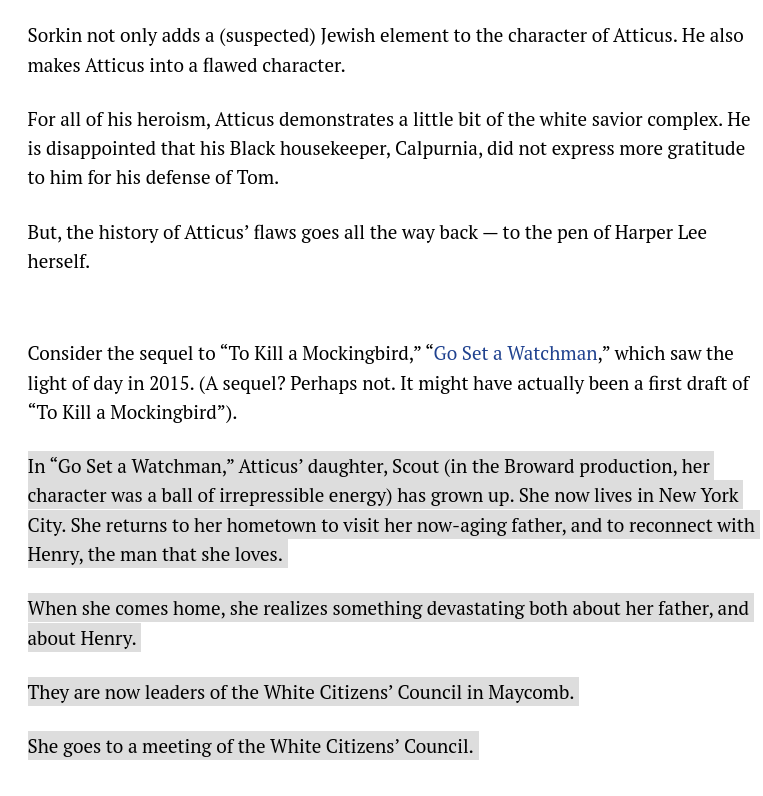
In "Go Set a Watchman," (the original first draft of To Kill a Mockingbird) Atticus' daughter, Scout is grown up, and returns to her hometown.
She's devastated to learn her father leads the "White Citizens' Council."
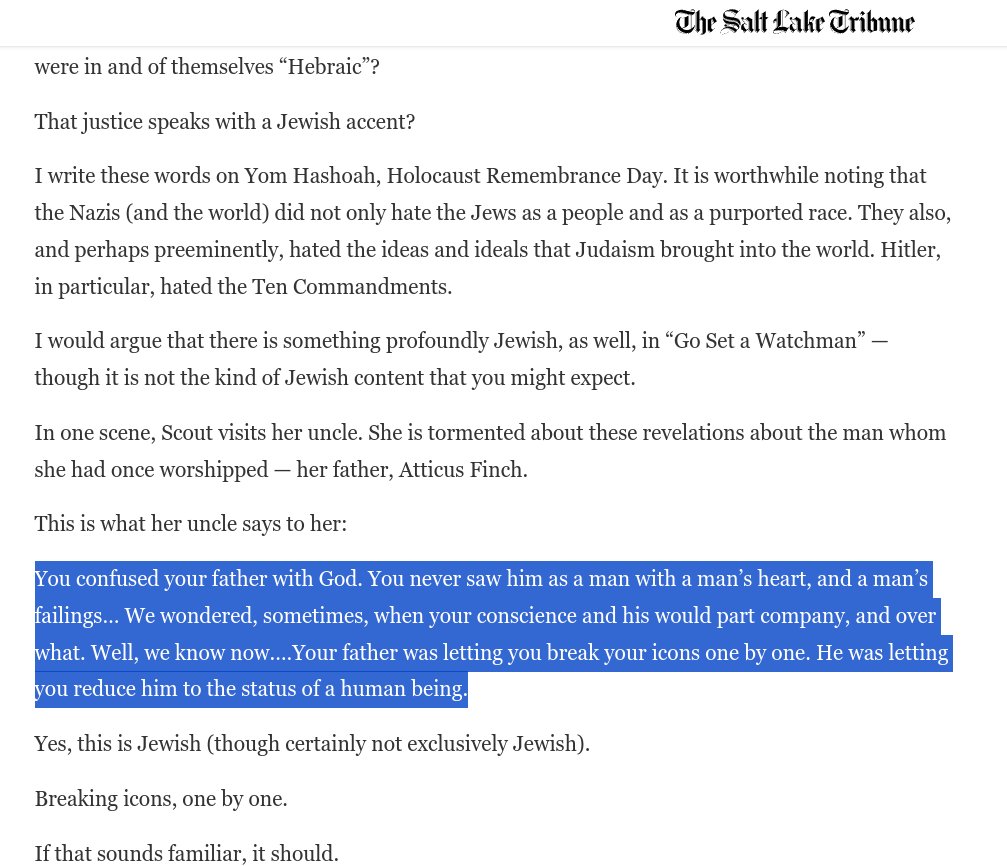
Her uncle:
"You confused your father with God. Your father was letting you break your icons one by one..."
She's devastated to learn her father leads the "White Citizens' Council."
Her uncle:
"You confused your father with God. Your father was letting you break your icons one by one..."
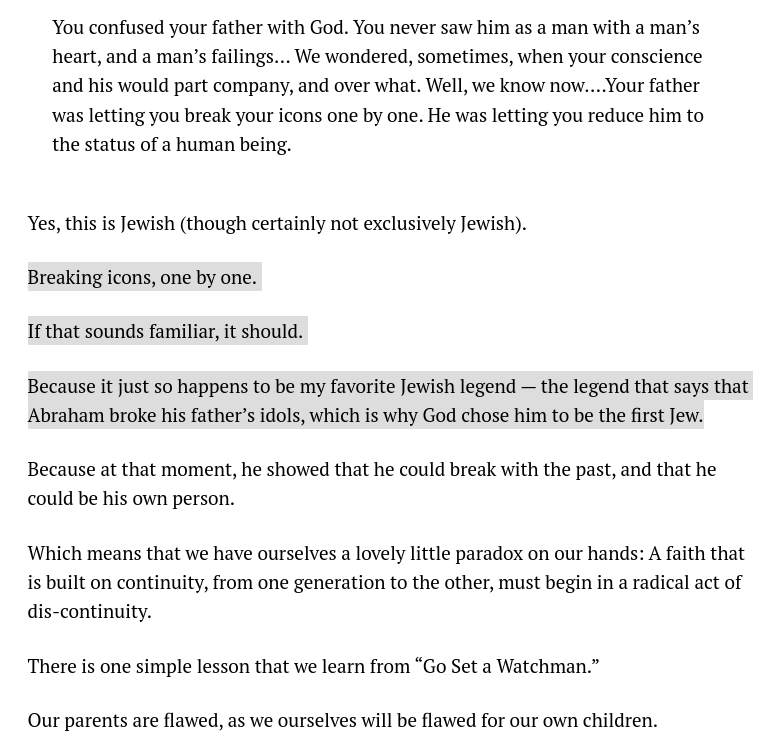
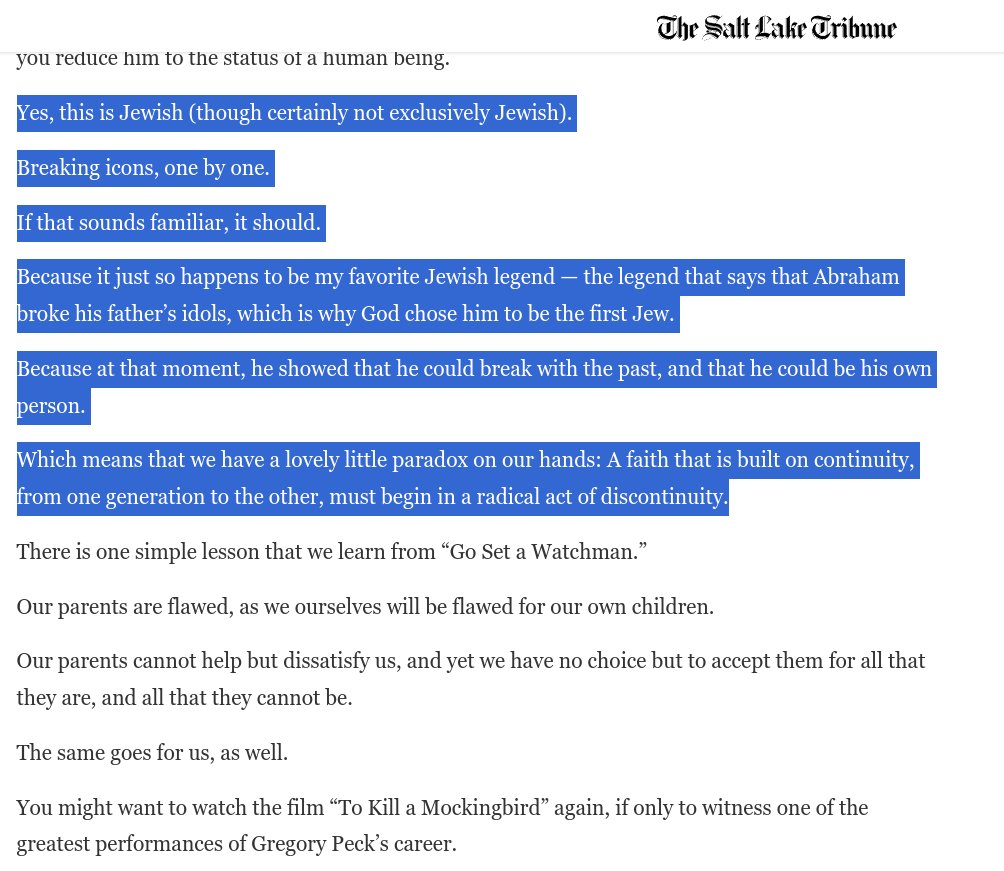
"Yes, this is Jewish," writes Salkin
"Breaking icons, one by one.
Abraham broke his father’s idols, which is why God chose him to be the first Jew.
A faith built on continuity must begin in a radical act of discontinuity."
Her White father was her icon growing up.
"Breaking icons, one by one.
Abraham broke his father’s idols, which is why God chose him to be the first Jew.
A faith built on continuity must begin in a radical act of discontinuity."
Her White father was her icon growing up.
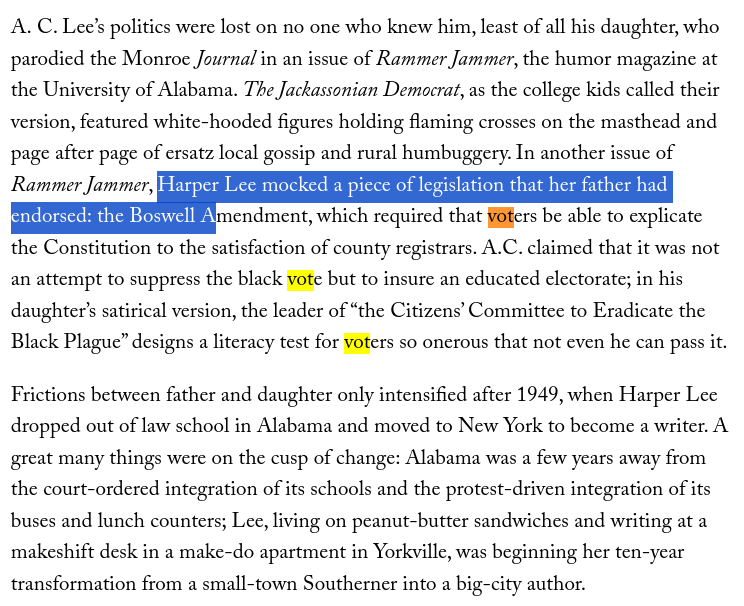
Lee often mocked her father's politics.
He endorsed the Boswell Amendment, which required voters to show basic literacy.
In Lee's satirical version, her father leads "the Citizen's Committee to Eradicate the Black Plague"
He endorsed the Boswell Amendment, which required voters to show basic literacy.
In Lee's satirical version, her father leads "the Citizen's Committee to Eradicate the Black Plague"
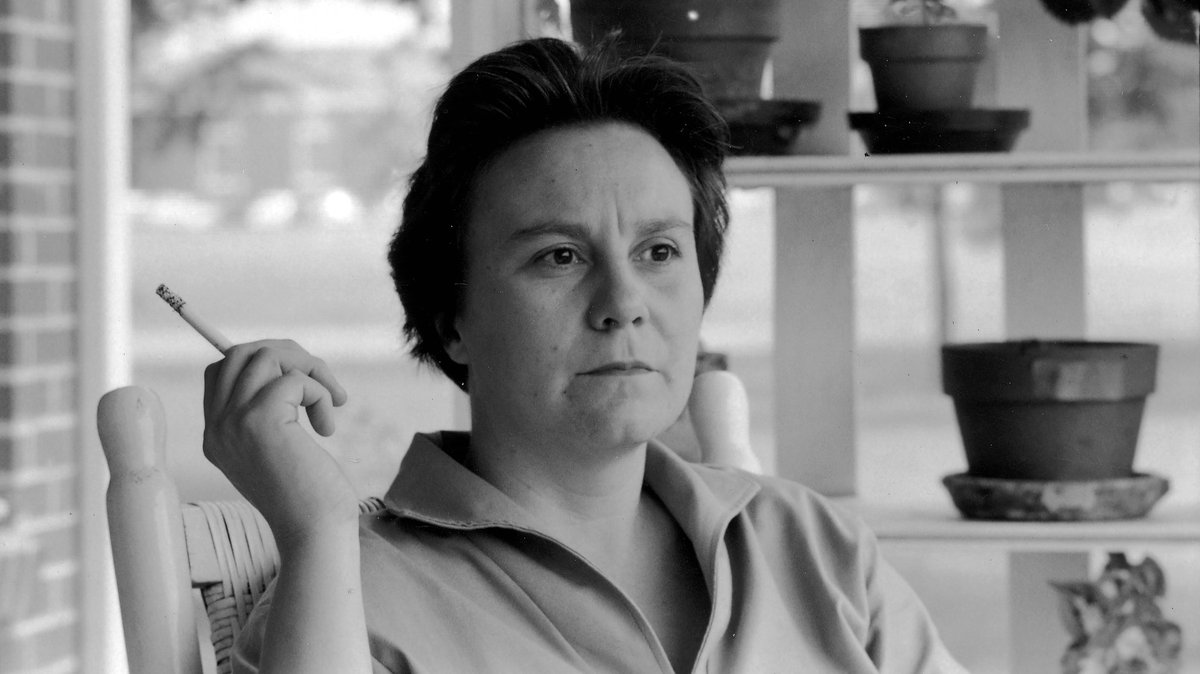
Her actual father was oblivious to this mockery, and promoted her book until his death.
Ms. Lee never married or had children. Her only legacy is the trope of the innocent Black man, and the racially disloyal "Karen" that frames him.
But where did this narrative originate?
Ms. Lee never married or had children. Her only legacy is the trope of the innocent Black man, and the racially disloyal "Karen" that frames him.
But where did this narrative originate?
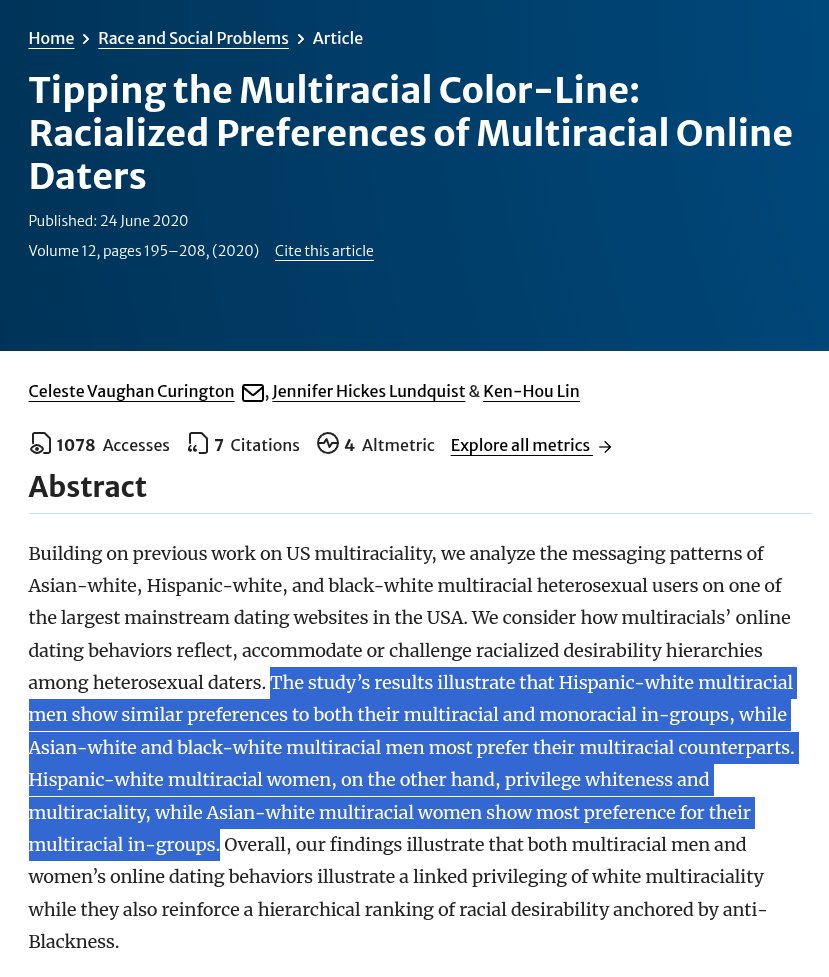
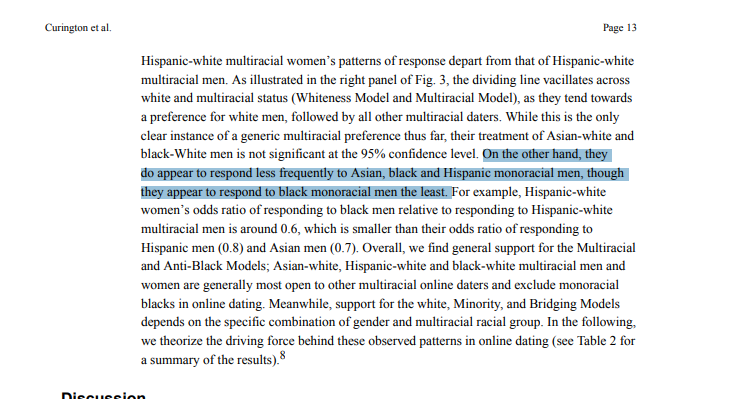
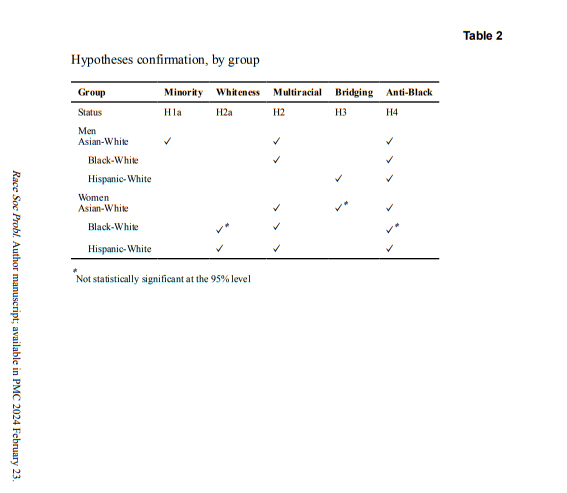
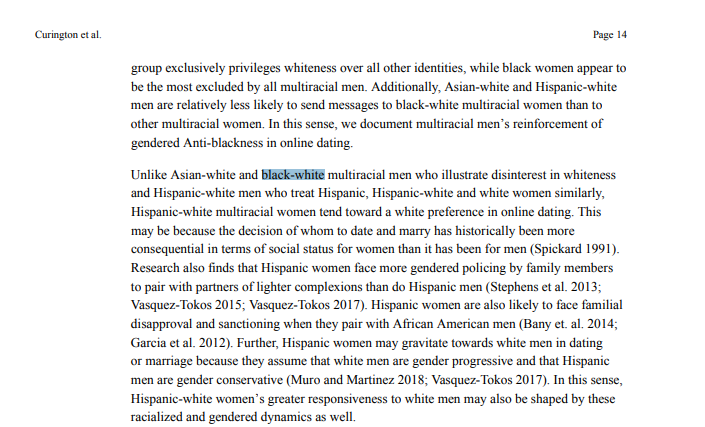
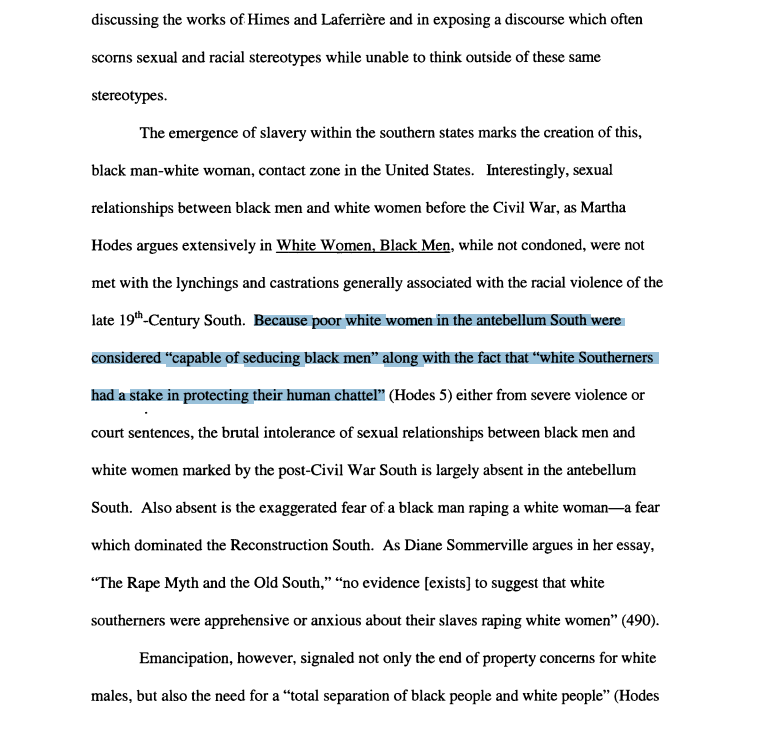
This historic revision of lynching in the South is the default belief of Sociologists.
In her essay, "The Black penis and the demoralization of the West," Kristen Fink explains both the origin and value of this narrative:
"Because poor white women in the antebellum South were considered "capable of seducing black men" along with the fact that "white Southerners had a stake in protecting their human chattel"
In other words, White Southerners weren't protecting actual r*pe victims. The White women were all lying because they were racists.
This belief comes from Foucault's theory of resistance.
In short, White women are "contact zones" between two oppressed groups, and all forms of racial stereotypes like "overblown threats of sexual violence" is a means by which White men control their human chattel, and prevent the "transfer point" of relations of power.
Stories like Harper Lee's, she says, "offer a model by which other writers, including white women, might attack the sexual discourses and stereotypes which subjugate them."
This "counter storytelling," is designed to undermine and disrupt "the discourses that continue to govern the sexual relationships between black men and white women, rather than attack directly white systems of power."
They view this narrative as a "weapon" against White systems of power. She doesn't define what these "White system of power" are, other than White racial preferences and White families.
Both Fink and Susann Lawrenz claim that there's no evidence for "mass r*pe of White women in the South.
"...the exagerated fear of a black man r*ping a white woman dominated the Reconstruction South."
This claim is false, as we have crime statistics from the era. Prior to integration, most men lynched in the South were White. The only crime Southern Whites committed, was avoiding due process, which at the time, was extremely slow and often inadequate. White girls who were r*ped by Black men only had their word, as DNA evidence hadn't yet been discovered.
The same people who write #believeallwomen on Twitter, are the same people who completely believe the revisionist narrative that Black men who were lynched for r*ping White women were innocent, and framed by White women who just wanted to protect their status.
The second origin of this narrative comes from Arthur Raper, an "accused Communist" and progressive Liberal who wrote a book called "The Tragedy of Lynching" in which he argues that the practice is "retarding progress for economic development" in the South. He then states, after "studying" 100 lynchings, that he believed as many as 2/3 were fabricated and based on racism. There's no source for this claim, but it was enough to pass the New Deal.
In her essay, "The Black penis and the demoralization of the West," Kristen Fink explains both the origin and value of this narrative:
"Because poor white women in the antebellum South were considered "capable of seducing black men" along with the fact that "white Southerners had a stake in protecting their human chattel"
In other words, White Southerners weren't protecting actual r*pe victims. The White women were all lying because they were racists.
This belief comes from Foucault's theory of resistance.
In short, White women are "contact zones" between two oppressed groups, and all forms of racial stereotypes like "overblown threats of sexual violence" is a means by which White men control their human chattel, and prevent the "transfer point" of relations of power.
Stories like Harper Lee's, she says, "offer a model by which other writers, including white women, might attack the sexual discourses and stereotypes which subjugate them."
This "counter storytelling," is designed to undermine and disrupt "the discourses that continue to govern the sexual relationships between black men and white women, rather than attack directly white systems of power."
They view this narrative as a "weapon" against White systems of power. She doesn't define what these "White system of power" are, other than White racial preferences and White families.
Both Fink and Susann Lawrenz claim that there's no evidence for "mass r*pe of White women in the South.
"...the exagerated fear of a black man r*ping a white woman dominated the Reconstruction South."
This claim is false, as we have crime statistics from the era. Prior to integration, most men lynched in the South were White. The only crime Southern Whites committed, was avoiding due process, which at the time, was extremely slow and often inadequate. White girls who were r*ped by Black men only had their word, as DNA evidence hadn't yet been discovered.
The same people who write #believeallwomen on Twitter, are the same people who completely believe the revisionist narrative that Black men who were lynched for r*ping White women were innocent, and framed by White women who just wanted to protect their status.
The second origin of this narrative comes from Arthur Raper, an "accused Communist" and progressive Liberal who wrote a book called "The Tragedy of Lynching" in which he argues that the practice is "retarding progress for economic development" in the South. He then states, after "studying" 100 lynchings, that he believed as many as 2/3 were fabricated and based on racism. There's no source for this claim, but it was enough to pass the New Deal.
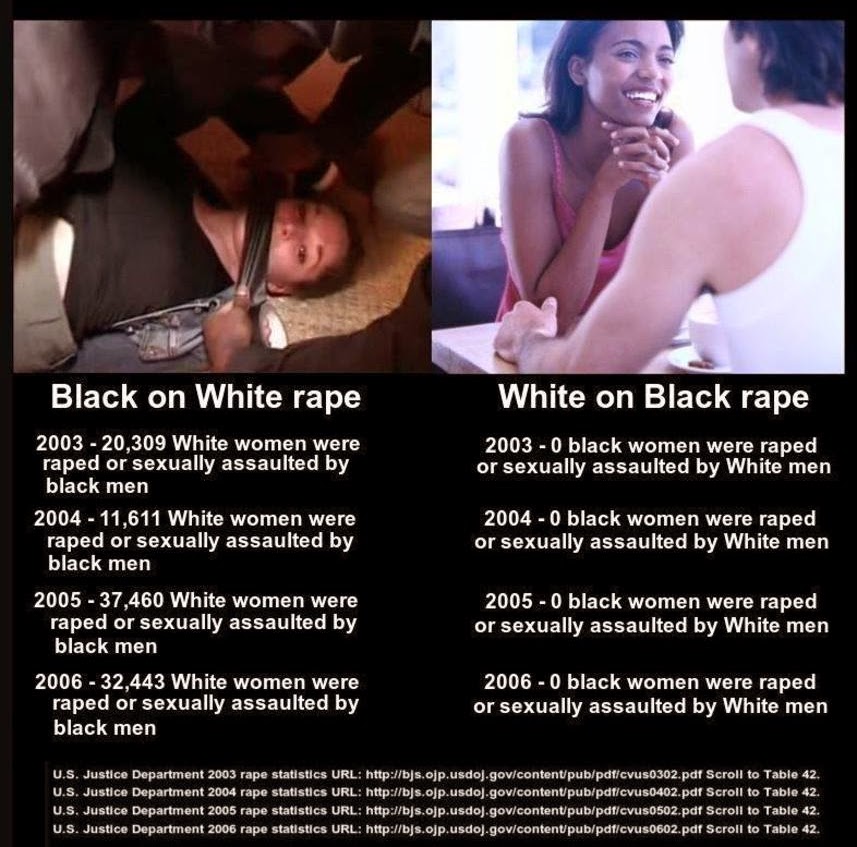
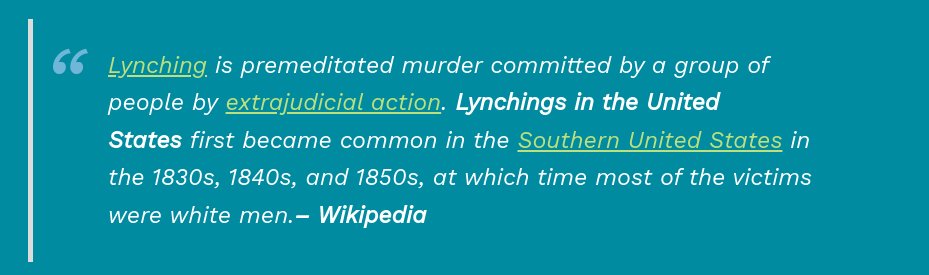
The desire to r*pe White women as a means of racial revenge used to be a commonly admitted trope among Black Civil Right's Leaders:
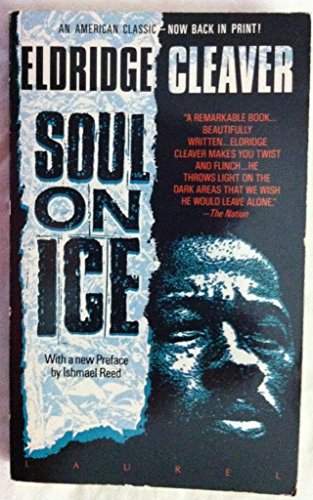
Eldridge Cleaver, leader of the Black Panther Party, in his book "Soul on Ice":
"I sought White prey...rape [of white women] was an insurrectionist act. I was defying White man's law. I was defiling his women... I felt that I was getting revenge."
-
Civil Rights leader, James Baldwin on White women:
"There is no Negro living in America who has not wanted to violate, out of motives of the cruelest vengeance, their women, to break their bodies and bring them low, as low as the dust in which he has been trampled."
-
Civil Rights activist, Amiri Baraka, in his poem, "Black Dada Nihilismus":
"Rape the white girls.
Cut the mothers’ throats."
This poem was so popular, it was performed by the New York Quartet.
Eldridge Cleaver, leader of the Black Panther Party, in his book "Soul on Ice":
"I sought White prey...rape [of white women] was an insurrectionist act. I was defying White man's law. I was defiling his women... I felt that I was getting revenge."
-
Civil Rights leader, James Baldwin on White women:
"There is no Negro living in America who has not wanted to violate, out of motives of the cruelest vengeance, their women, to break their bodies and bring them low, as low as the dust in which he has been trampled."
-
Civil Rights activist, Amiri Baraka, in his poem, "Black Dada Nihilismus":
"Rape the white girls.
Cut the mothers’ throats."
This poem was so popular, it was performed by the New York Quartet.
This desire is alive and well today. Not much has changed since integration, except for the fact that 63% of sexual assaults are not reported to police.
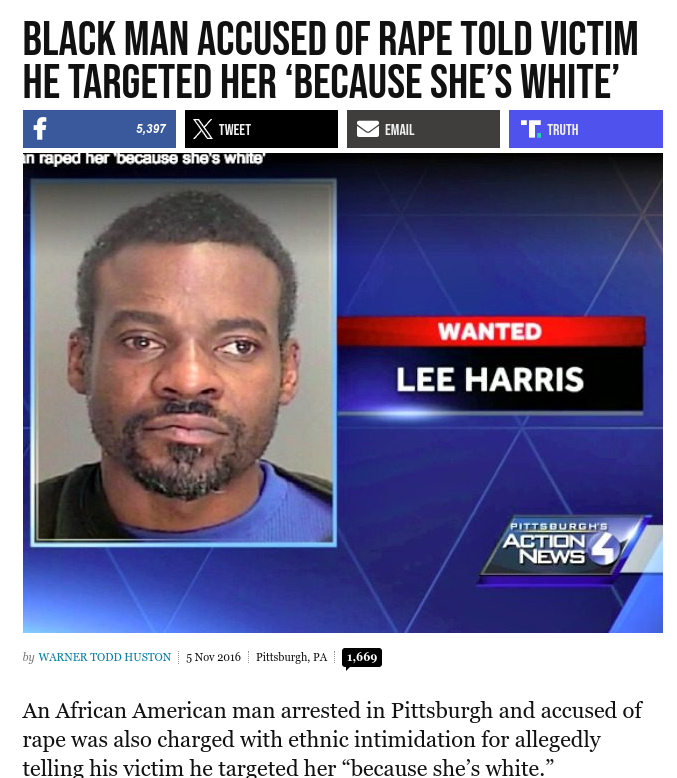
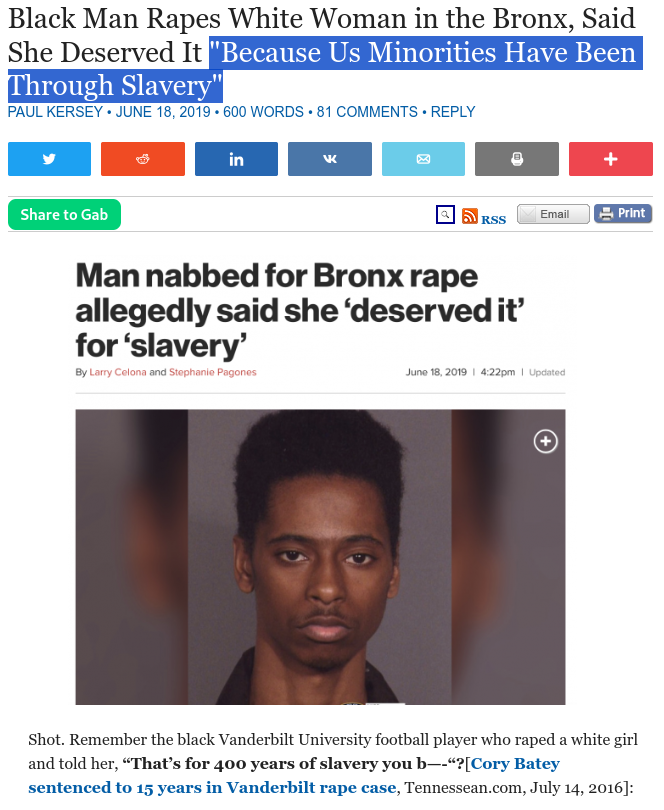
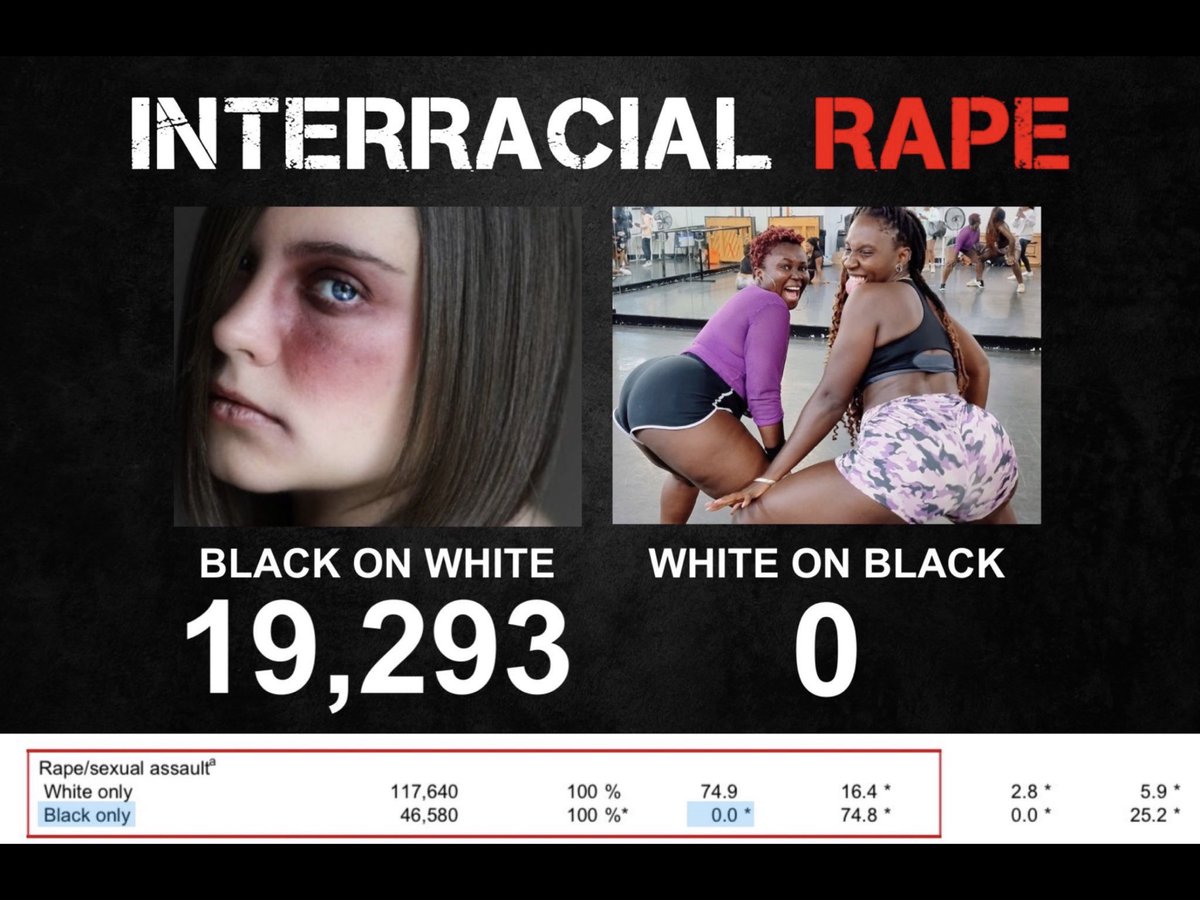
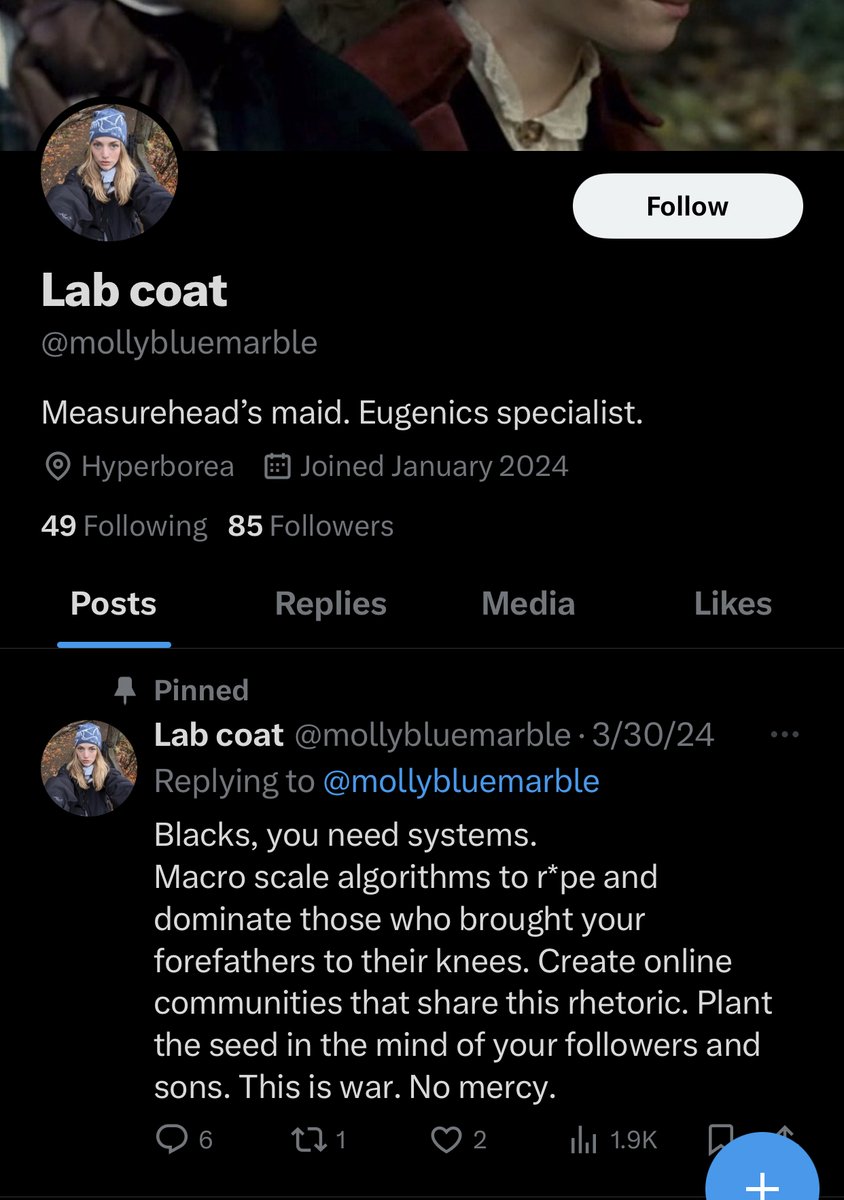
You can see this fantasy firsthand, even on Twitter:
"Blacks, you need systems to r*pe and dominate those who brought your forefathers to their knees.
Create online communities, share this rhetoric. Plant the seed in the mind of your followers and sons. This is war. No mercy."
"Blacks, you need systems to r*pe and dominate those who brought your forefathers to their knees.
Create online communities, share this rhetoric. Plant the seed in the mind of your followers and sons. This is war. No mercy."

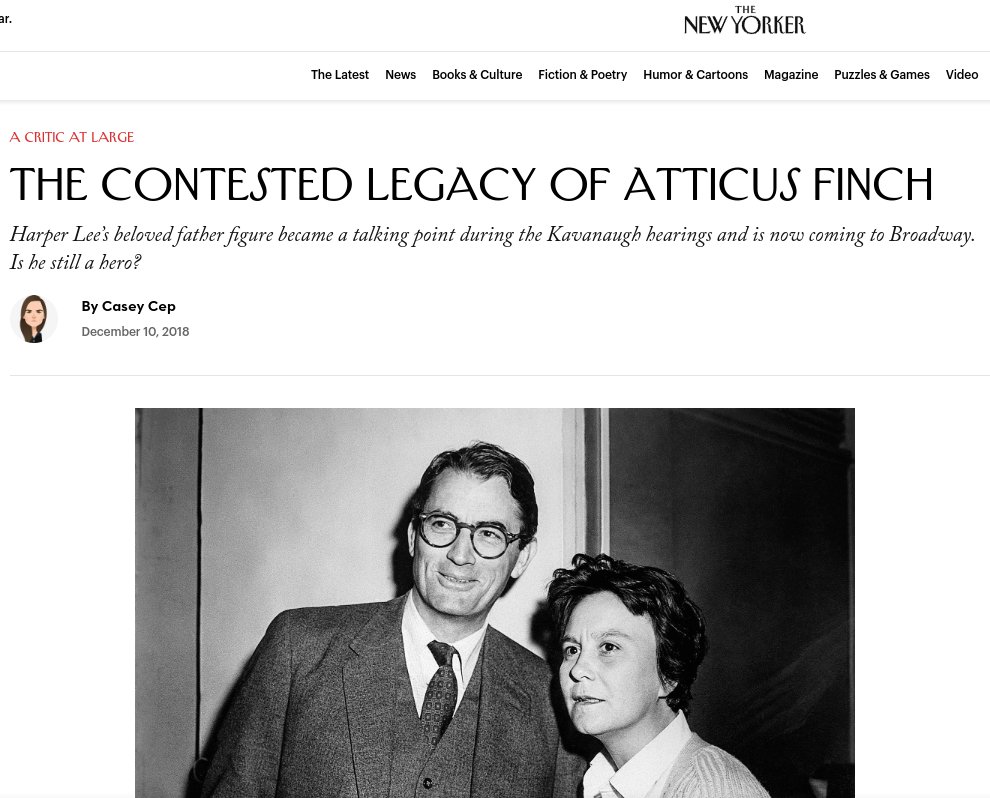
According to Casey Cep of the New Yorker, "criticisms of the enshrinement of "Mockingbird" on school syllabi have increased, because it could be equally disturbing for a young white girl who has been raped and is worried she'll be treated like Mayella Ewel."
A rare instance of clarity.
A rare instance of clarity.
The narratives embedded in Harper Lee's work are a confluence of two related pathologies: survivor's guilt and White guilt.
The tendency for women to blame themselves for sexual violence they receive, and for Whites to feel guilt for racially motivated crimes against them.
The tendency for women to blame themselves for sexual violence they receive, and for Whites to feel guilt for racially motivated crimes against them.
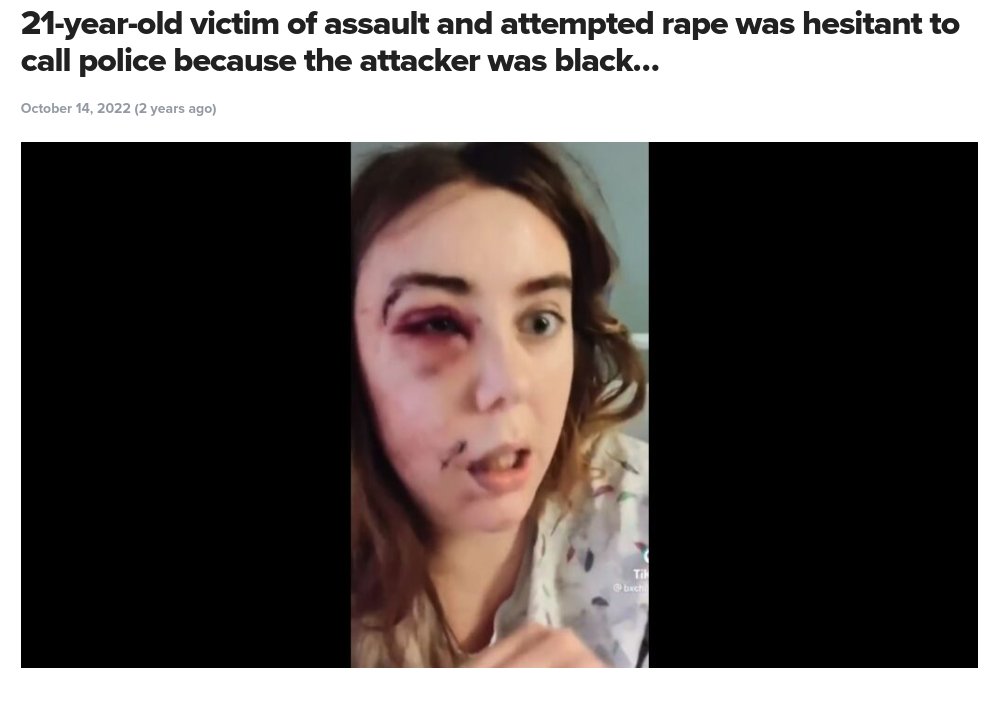
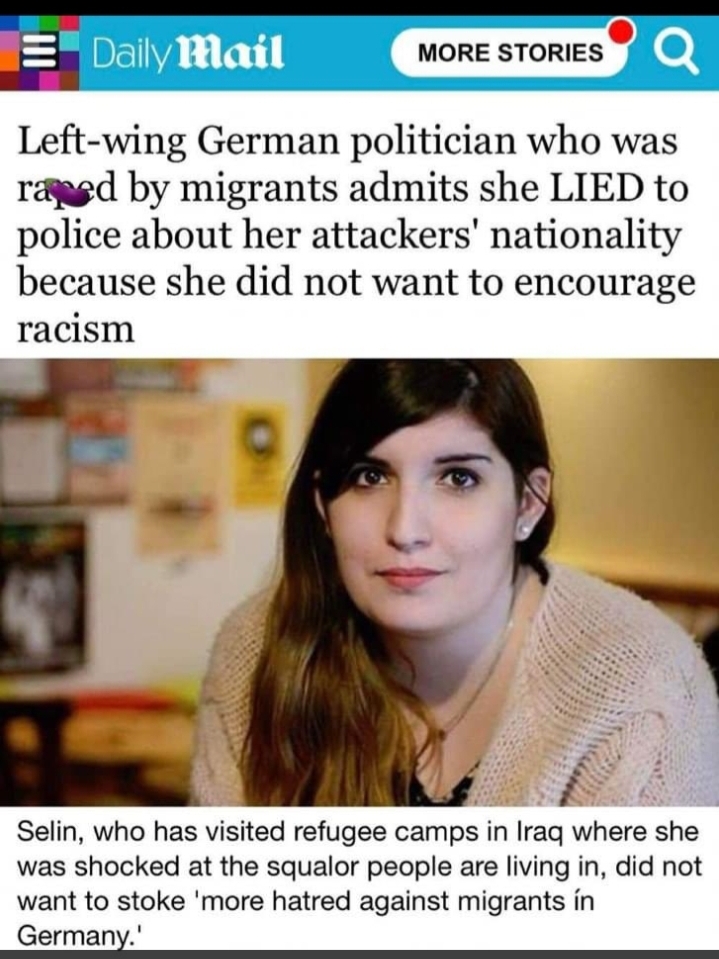
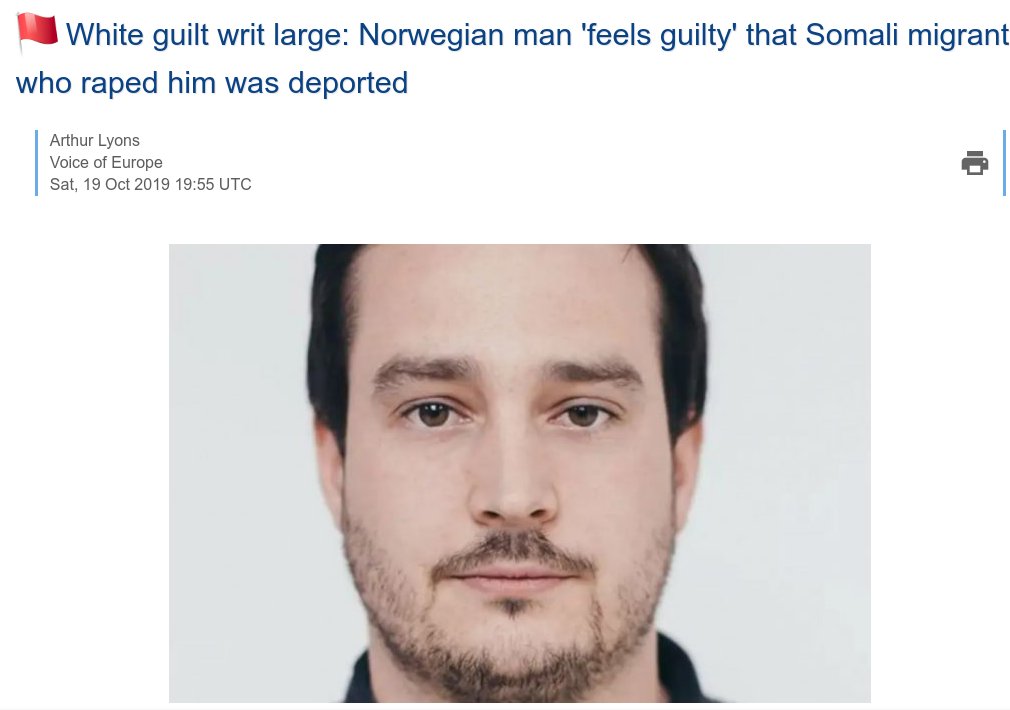
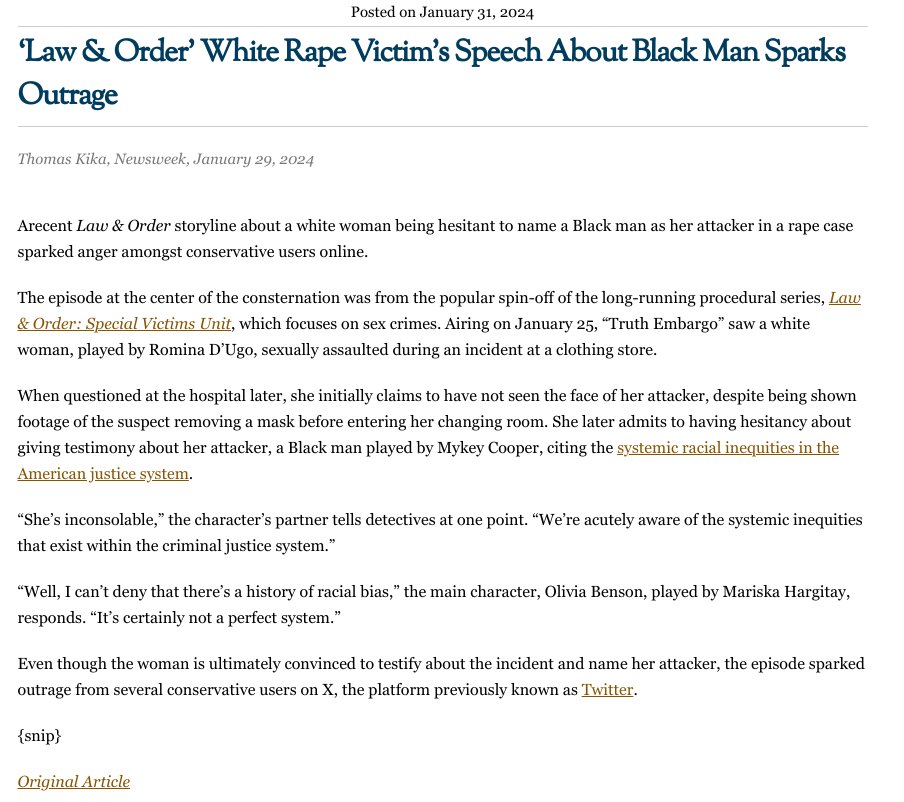
On Law & Order, a White victim was hesitant to report her rape, citing the systemic racial inequities in the American justice system.
"Well, I can't deny the history" the detective responds.
This pernicious programming targets White people who are victimized.
"Well, I can't deny the history" the detective responds.
This pernicious programming targets White people who are victimized.
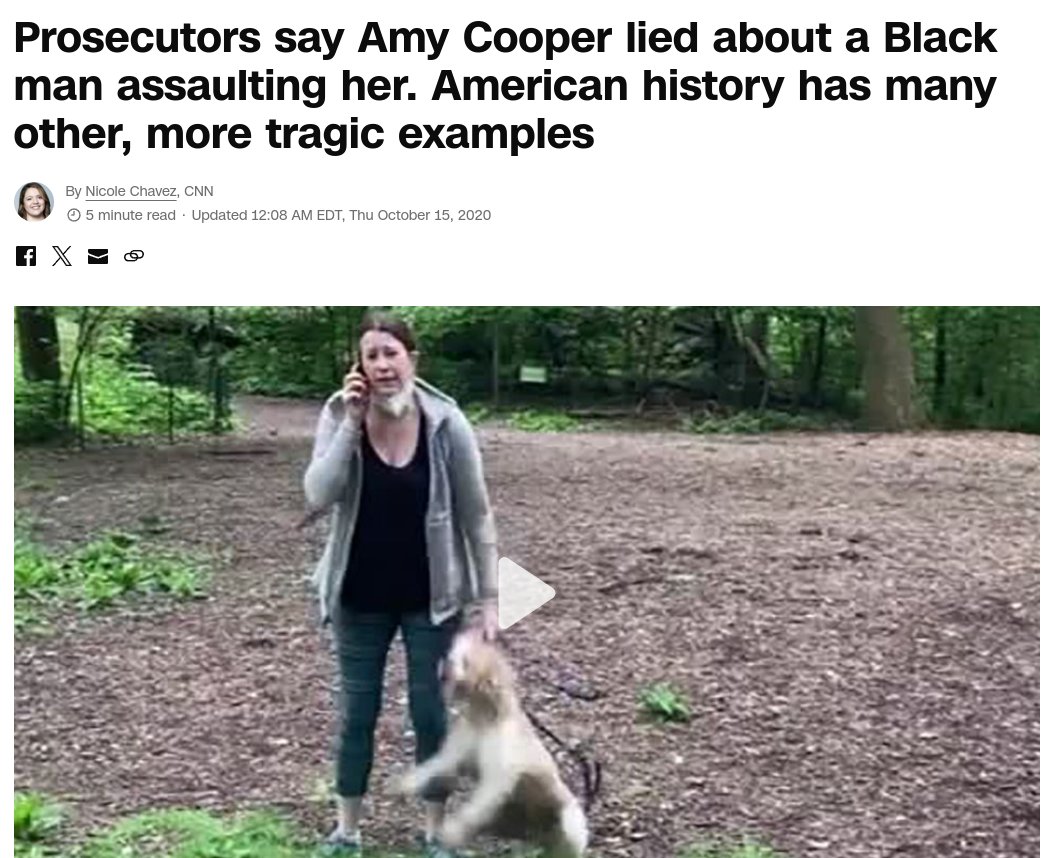
There's a reason Leftists don't care about White victims of Black or Muslim crime.
They're not stupid. They know it happened in the past, and they know it's happening now.
They're not stupid. They know it happened in the past, and they know it's happening now.
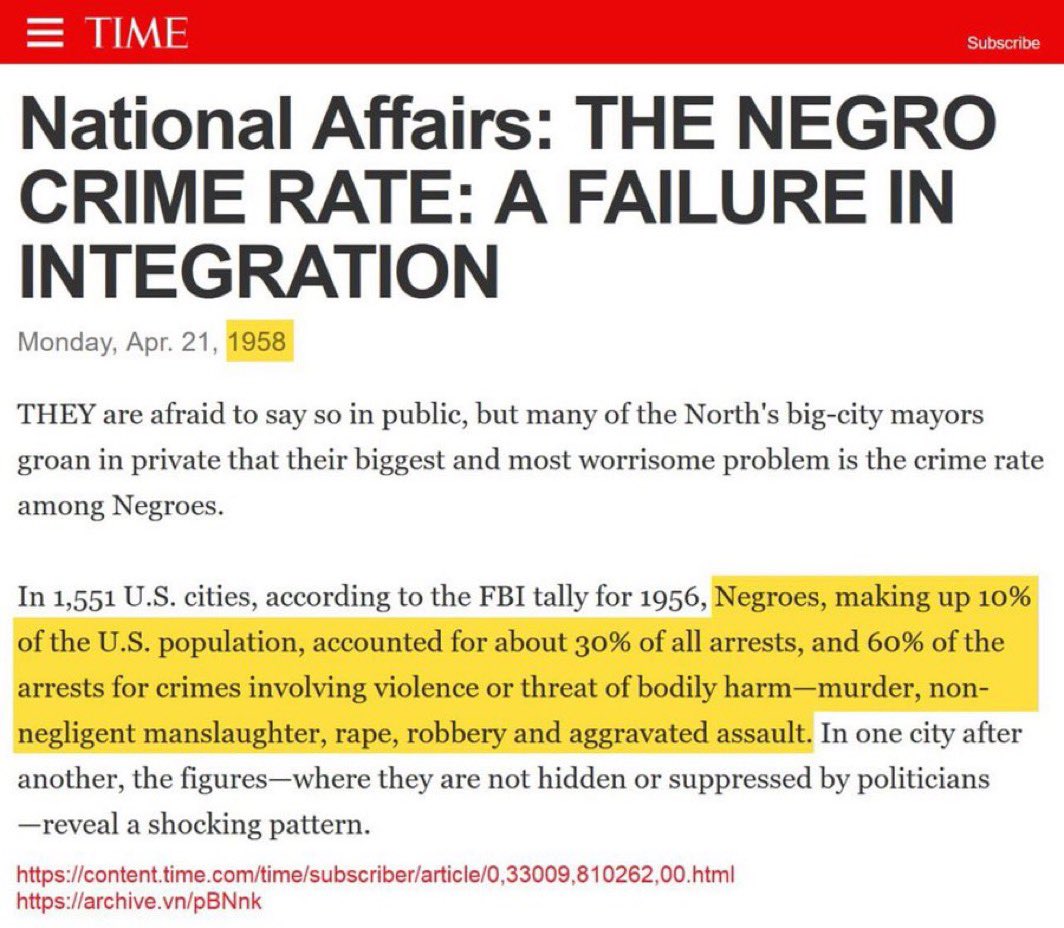
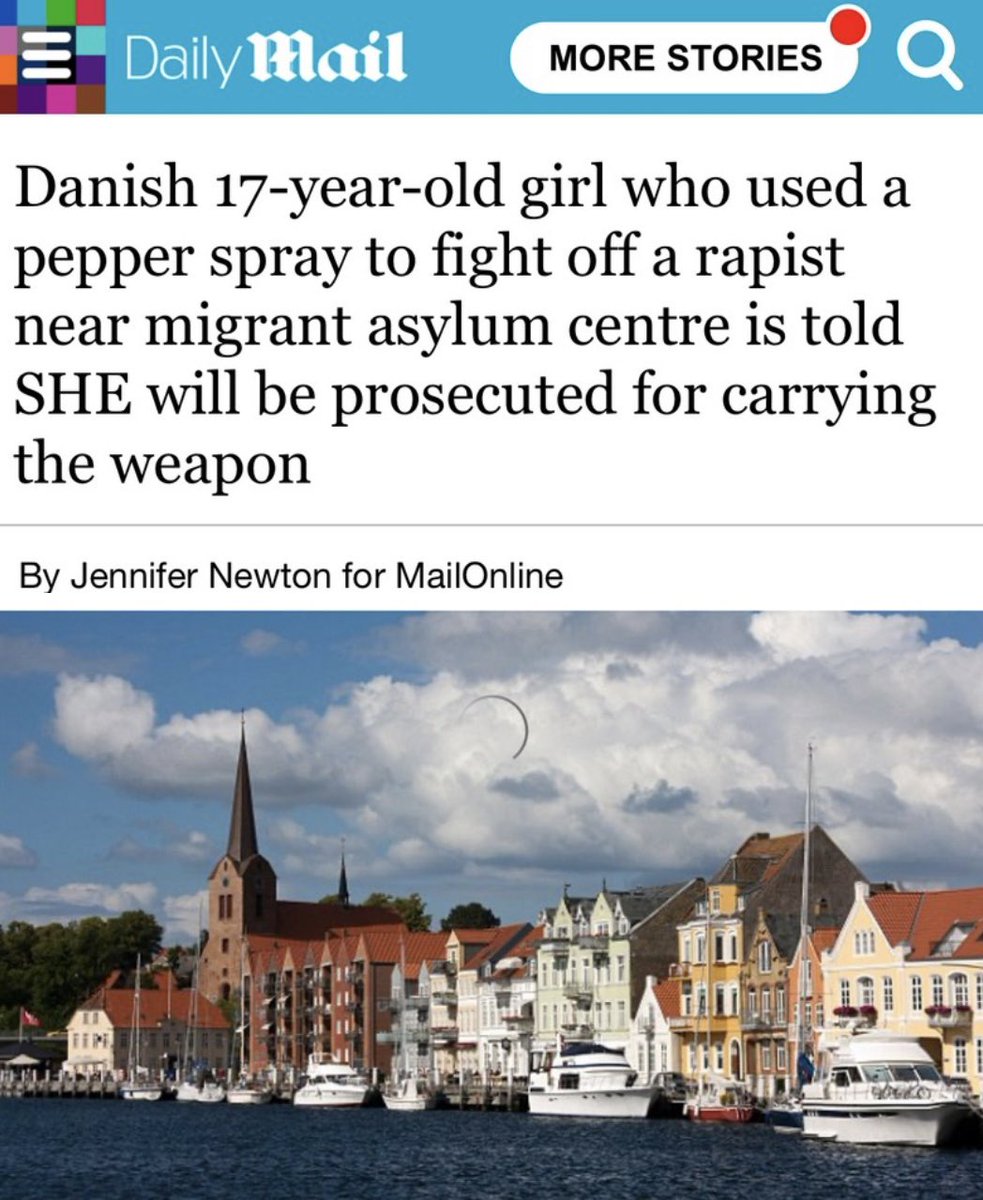
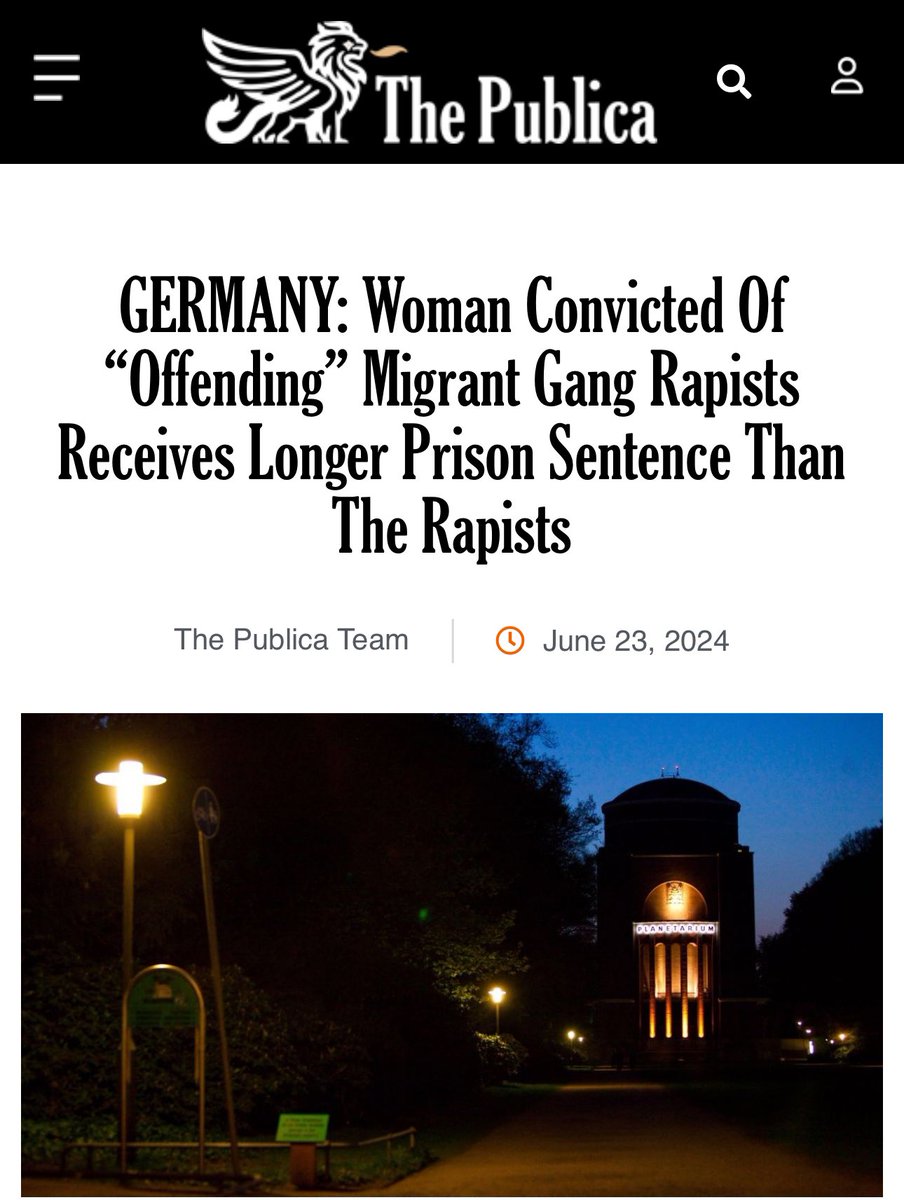

They just hate White people.
Whether from indoctrination, pathological guilt, or ethnic hatred, it effects their interpretation of the past and present.
It didn't happen, and if it did, it was deserved.
Whether from indoctrination, pathological guilt, or ethnic hatred, it effects their interpretation of the past and present.
It didn't happen, and if it did, it was deserved.
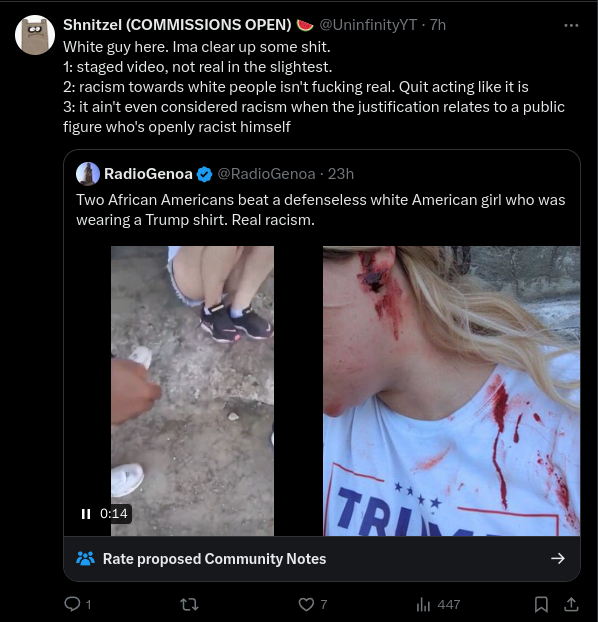
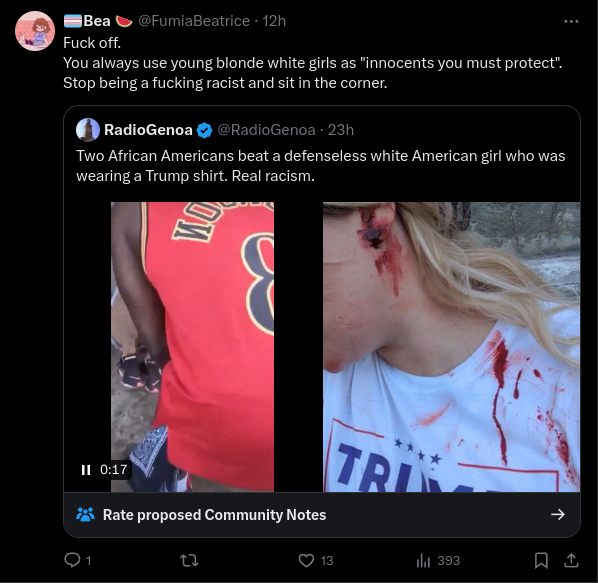
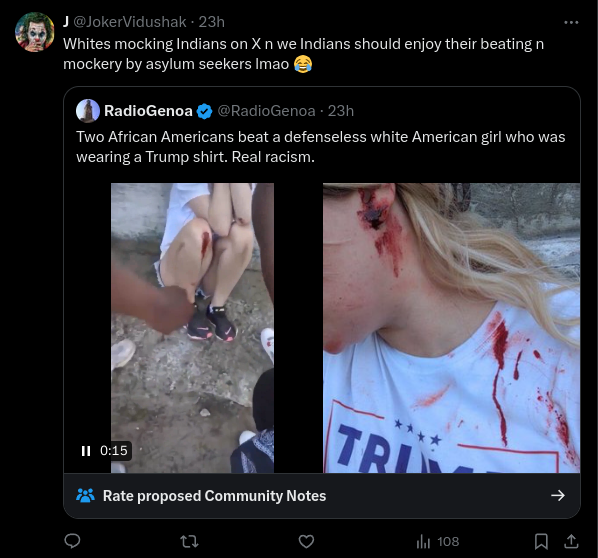
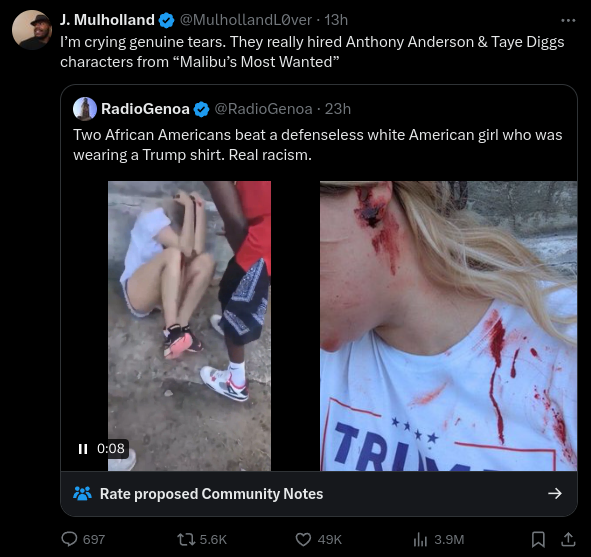
Woman: People don't take my rape seriously.
Vaush: Almost every female friend I have has been raped. Nobody fucking reports because reports aren't taken seriously."
Woman: "Because the perpetrator wasn't White...the police said they couldn't do anything."
Vaush: "BULLSHIT!"
Vaush: Almost every female friend I have has been raped. Nobody fucking reports because reports aren't taken seriously."
Woman: "Because the perpetrator wasn't White...the police said they couldn't do anything."
Vaush: "BULLSHIT!"
The effects of Harper Lee's work on the psyche of young girls cannot be effectively summarized. We can see White guilt emerge from the standard public school syllabi.
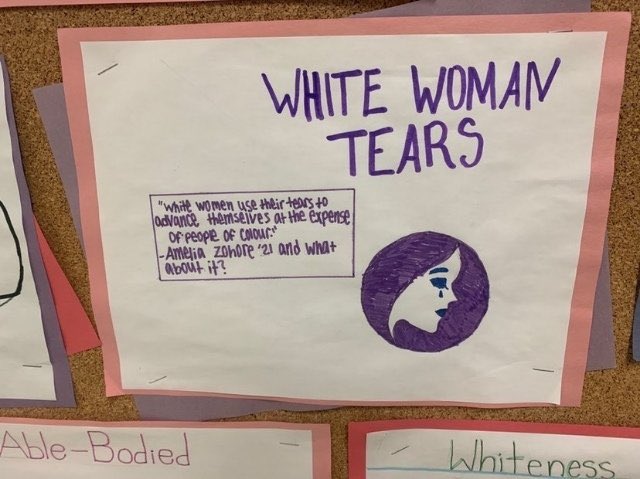
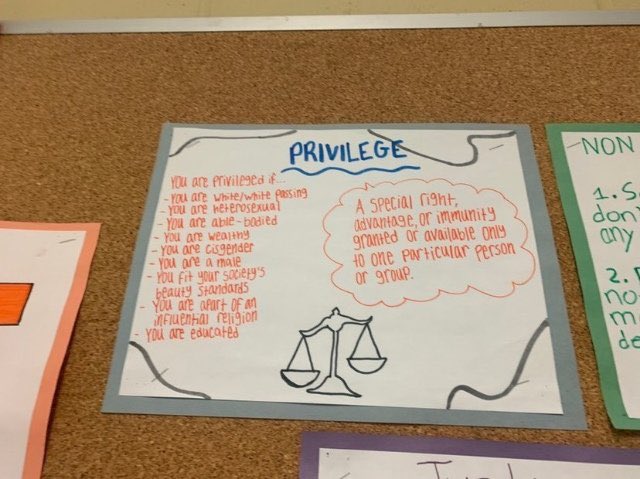
But she voted for it??
No, she probably didn't. And even if she did, the instinct to protect even indoctrinated, guilt-ridden Whites should remain.
No, she probably didn't. And even if she did, the instinct to protect even indoctrinated, guilt-ridden Whites should remain.
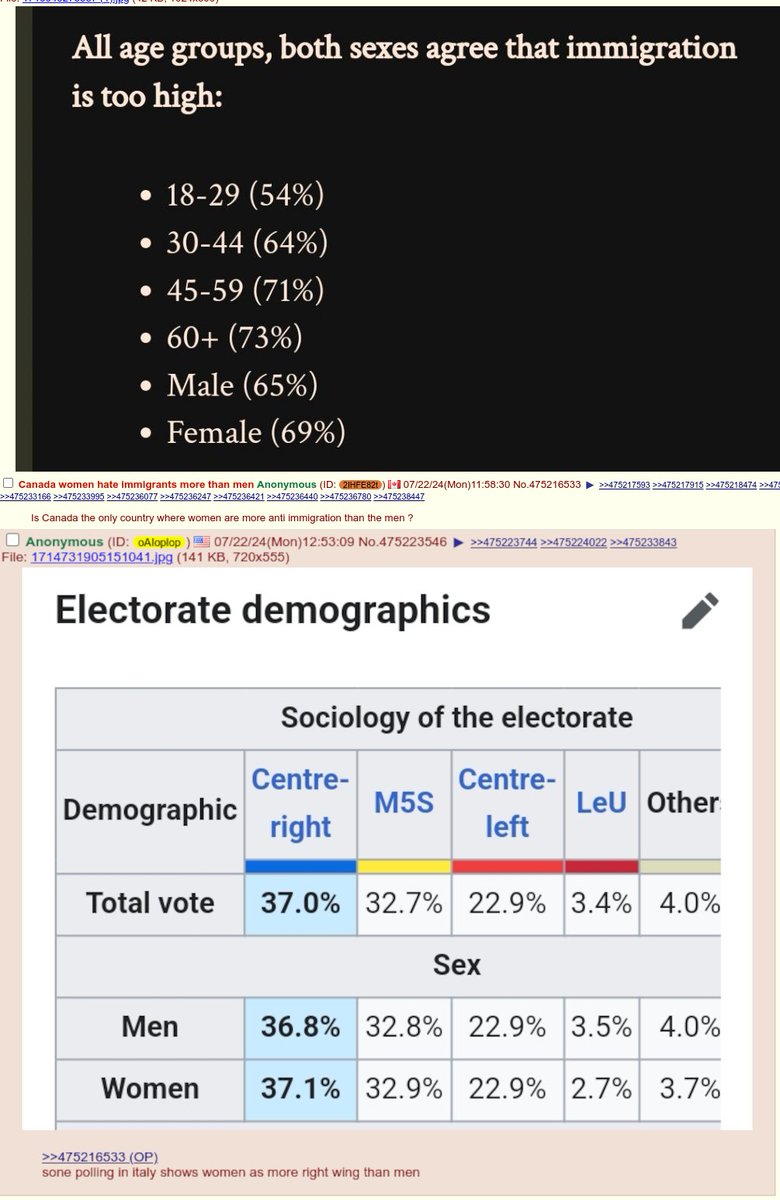


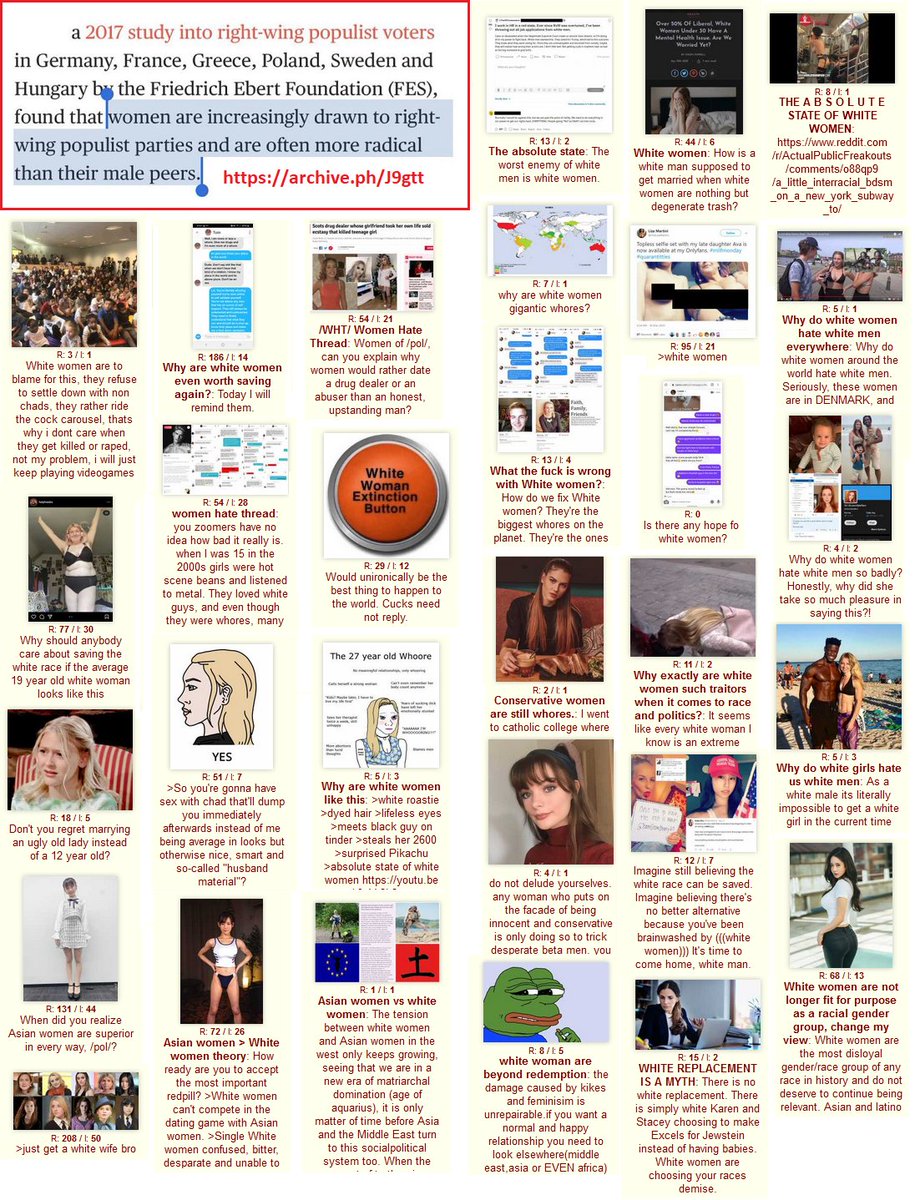
The next time a Leftist says #believeallwomen, ask them what they think of Harper Lee's book.

• • •
Missing some Tweet in this thread? You can try to
force a refresh