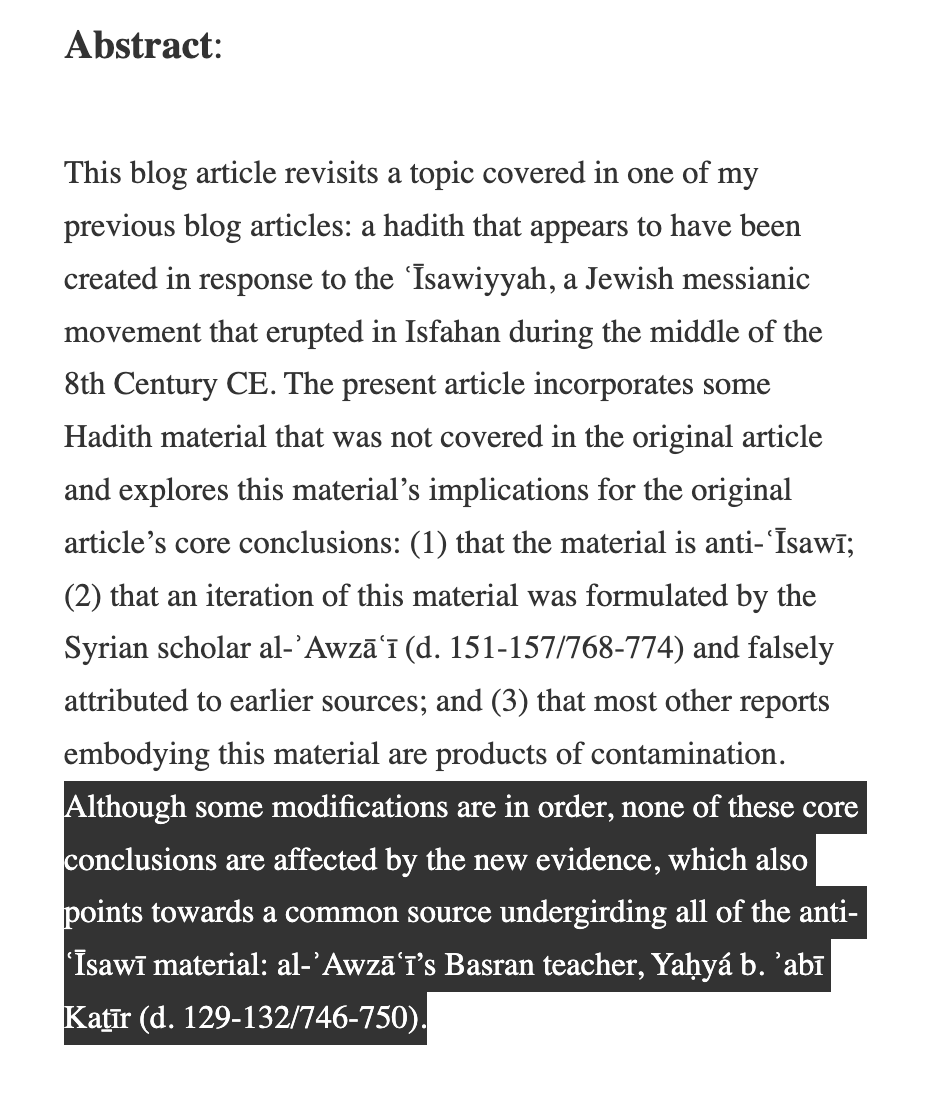
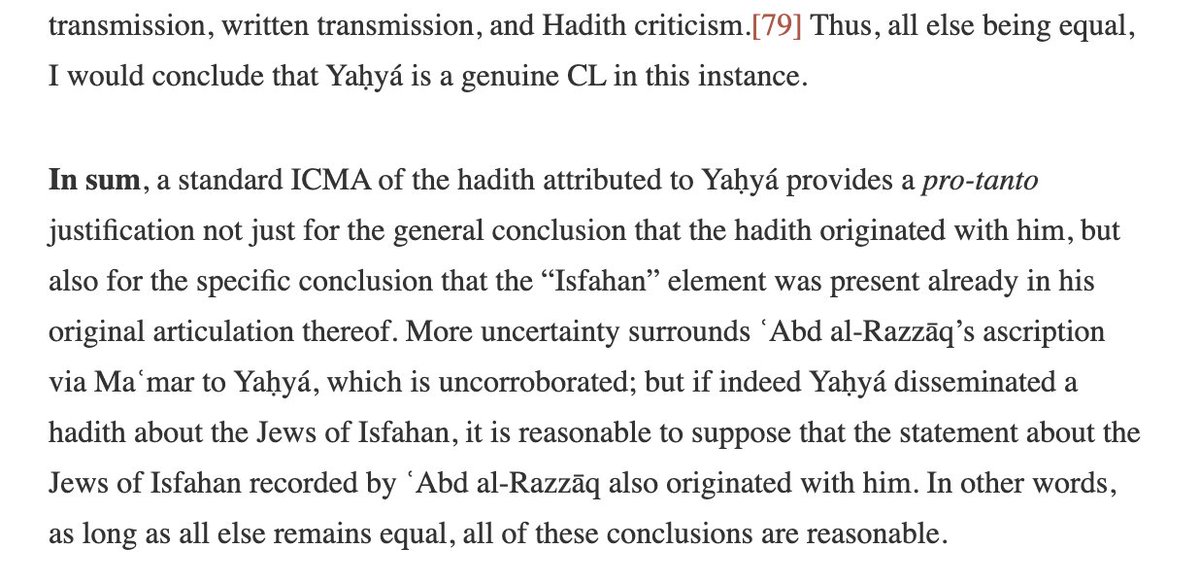
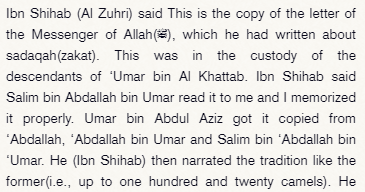
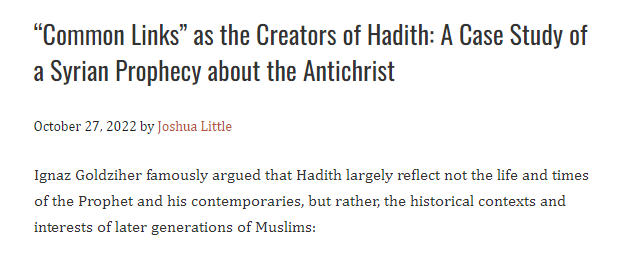
That guy is a rafidi who loves every kafir that attacks the sunnah
Of the many holes in Little's screed is that he seems to concede Ma'mar ascribed the report to Al-Zuhri AND Hisham
Also, there is a chain independent of Ma'mar
Lets see how Little tries to worm his way out
Of the many holes in Little's screed is that he seems to concede Ma'mar ascribed the report to Al-Zuhri AND Hisham
Also, there is a chain independent of Ma'mar
Lets see how Little tries to worm his way out
https://twitter.com/safwanSpiker7/status/1831715470614876401
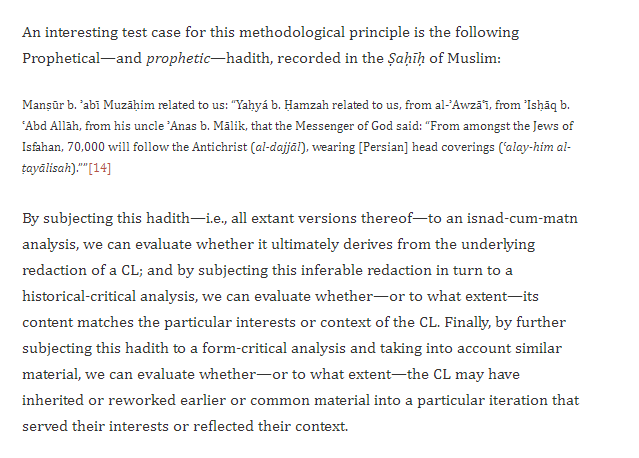
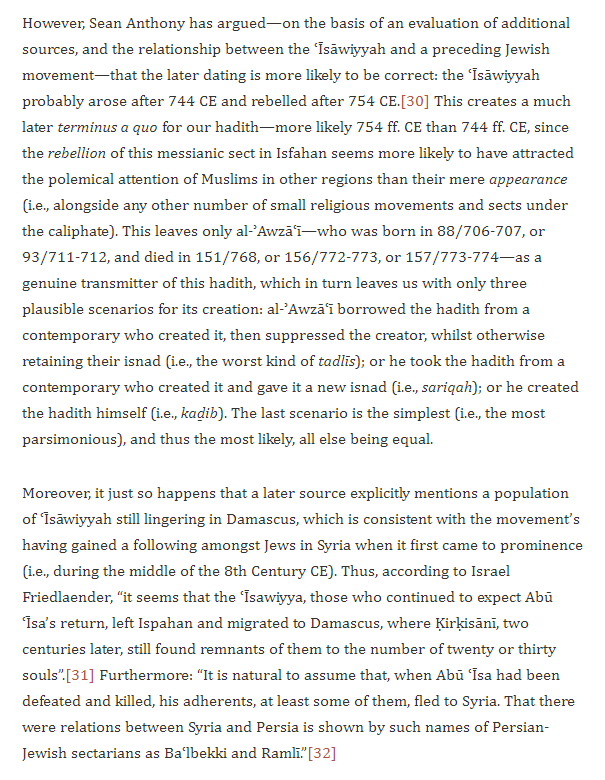
Here is the Zuhri Section
He accepts and "reconstructs" that Ma'mar himself affirmed the report from both Hisham & al-Zuhri.
I also have his isnad diagram for the zuhri ver (I have omitted most chains to Ma'mar to keep the image small)
He accepts and "reconstructs" that Ma'mar himself affirmed the report from both Hisham & al-Zuhri.
I also have his isnad diagram for the zuhri ver (I have omitted most chains to Ma'mar to keep the image small)
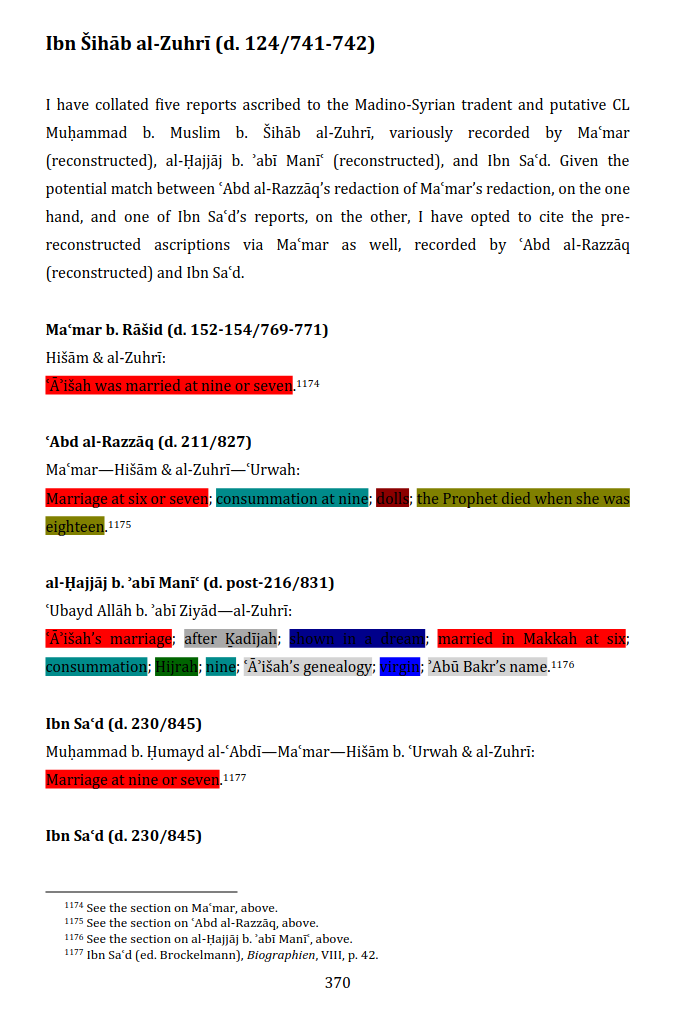


Now there is a path to Zuhri independent of Ma'mar:
Ibn Sa'd from Kathir bin Hisham from Ja'far bin Burqān
So to claim Al-Zuhri never said this is to claim:
* His student Ma'mar lied
* Others as well (one of Ibn Sa'd/Kathir/Ja'far) also lied and falsely ascribed to Zuhri
Ibn Sa'd from Kathir bin Hisham from Ja'far bin Burqān
So to claim Al-Zuhri never said this is to claim:
* His student Ma'mar lied
* Others as well (one of Ibn Sa'd/Kathir/Ja'far) also lied and falsely ascribed to Zuhri
He wants us to believe "multiple people, including Zuhri's own student, lied and falsely put this material upon Al Zuhri". As justification he points out the variation in reports (but admits below this can be explained) and also that the reports are more similar to other accounts

What is silly here is highlighting how divergent some of these other accounts are. Many of these other accounts are worthless according to traditionalists. Eg Muhammad bin Umar, Al-Waqidi, mentioned in the above, is a discarded narrator.
Let's look at one other issue. Let's examine Sulaiman al-A'mash. Most of the routes to him go through Abu Mu'awiyah, but there are a couple independent routes.
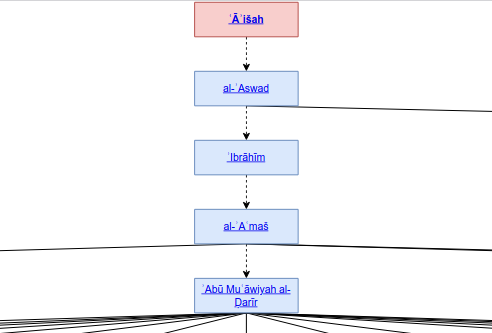
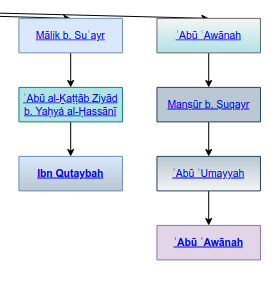
Little at least considers al-A'mash a plausible common link and that he spread the report. But he casts suspicion as to why there's so little transmission independent of Abu Mu'awiyah.
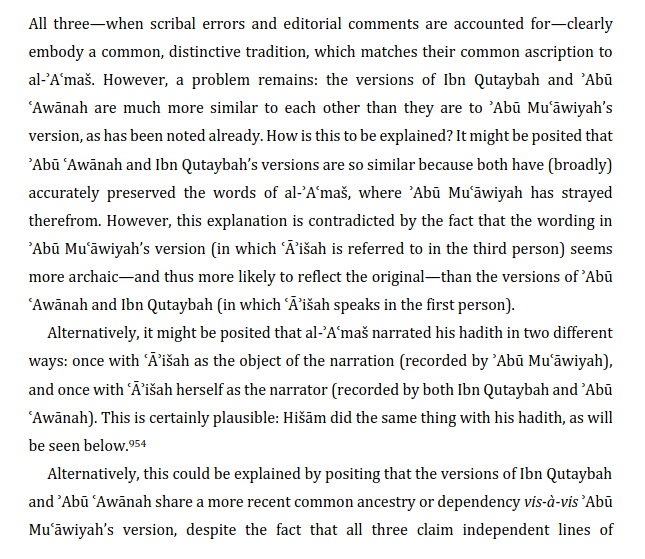
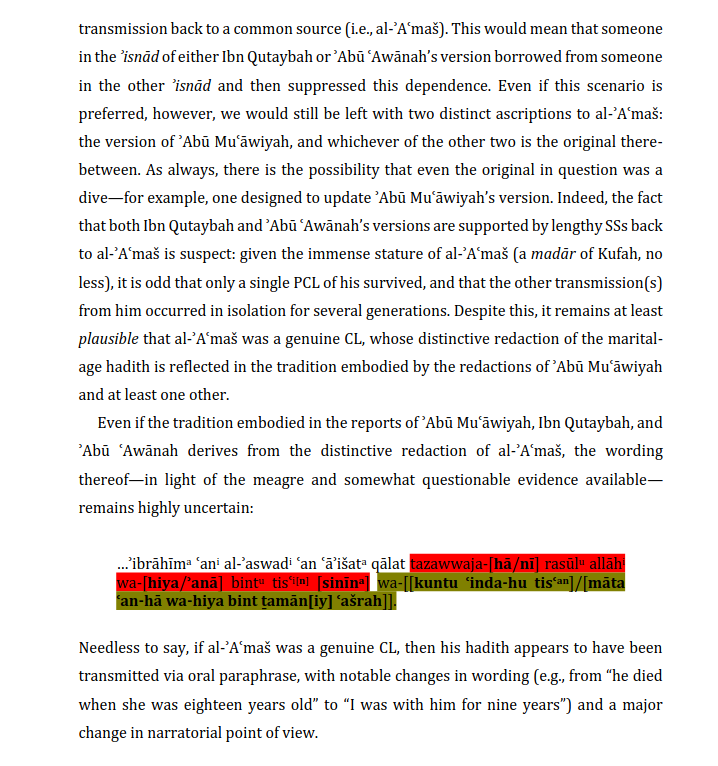
This is of course nothing strange, Abu Mu'awiyah outlived Abu Awanah, and not to mention he is often considered the most reliable transmitter from Al-A'mash, of course his transmission would proliferate more.
This is also partly why Hisham's version is way more transmitted. al-A'mash is contemporary to Hisham in time but his isnad has two people between him and Aisha (Hisham only has one, making his isnad superior and more sought after)
Now we have al-A'mash as a common link, but his isnad to Aisha is independent of Hisham. So it must be labelled as fake.
Now if you start looking at death dates, al-Aʽmash, Hisham, Ma'mar etc are all very close, they are contemporaries.
Now if you start looking at death dates, al-Aʽmash, Hisham, Ma'mar etc are all very close, they are contemporaries.
In other words Little's theory is:
Hisham forged the report, and then *multiple* scholars contemporary to him heard it and decided "we will forge new isnads to give more fabricated sources for this story"
Note: Not just the scholars I named in this thread, others too
Hisham forged the report, and then *multiple* scholars contemporary to him heard it and decided "we will forge new isnads to give more fabricated sources for this story"
Note: Not just the scholars I named in this thread, others too
It's easy to claim Hisham forged the story if you also dismiss all his contemporaries that give independent sources as forgers as well. Who would have thought?
There are loads of other issues with Little's methodology and his assumptions. But that is beyond the scope of this thread. This isn't a point by point response to his thesis.
• • •
Missing some Tweet in this thread? You can try to
force a refresh