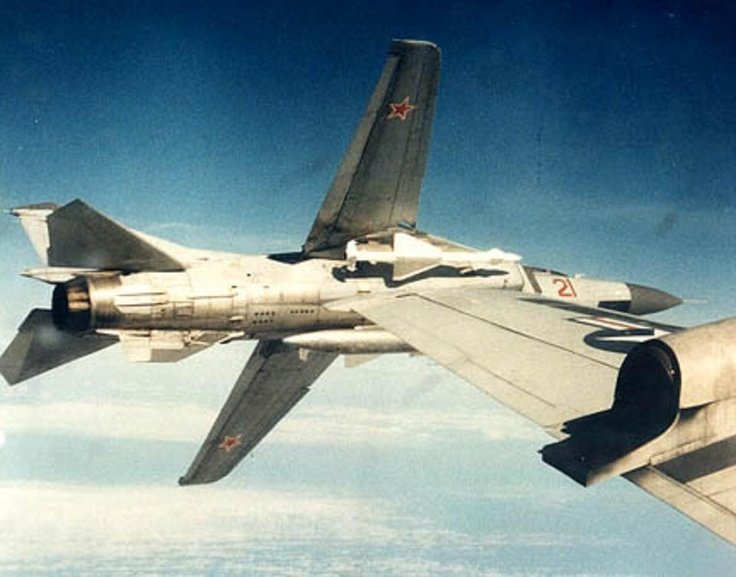
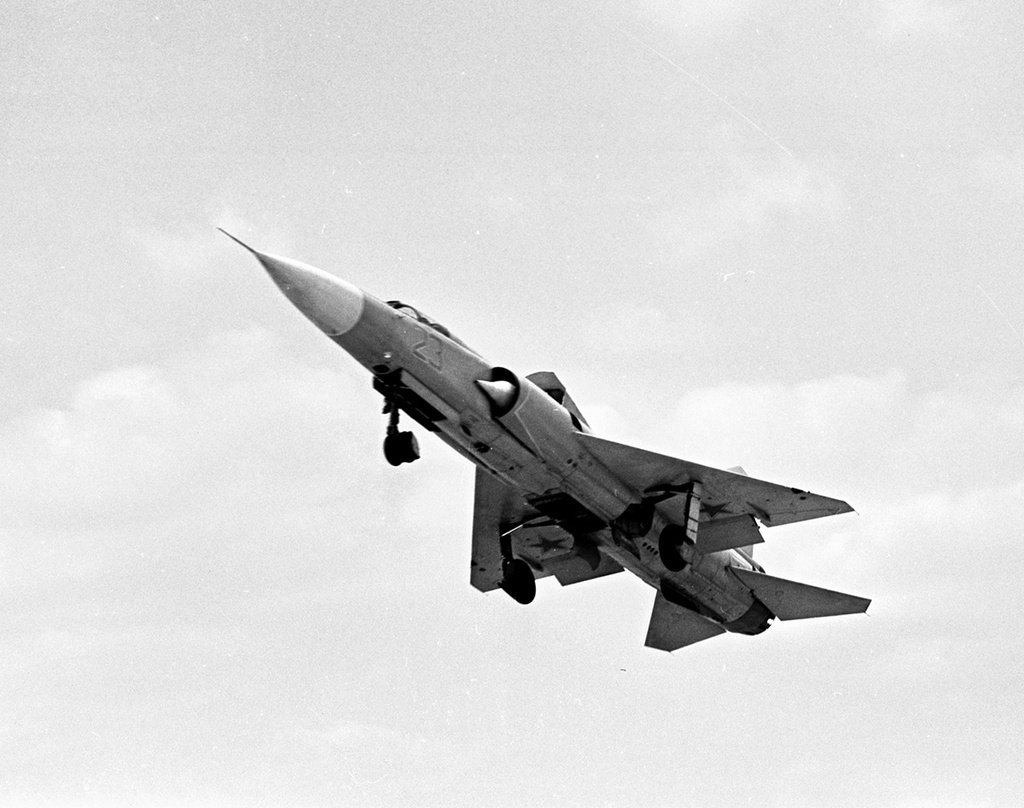
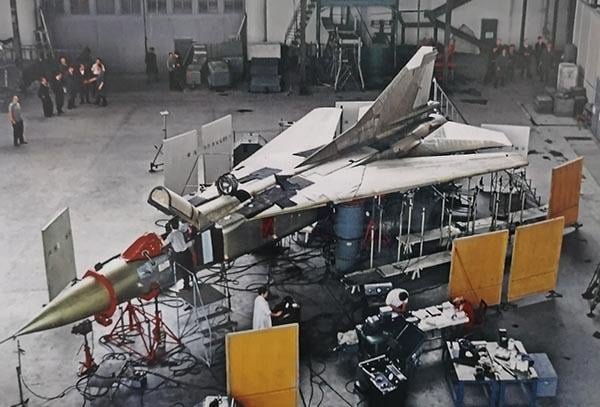
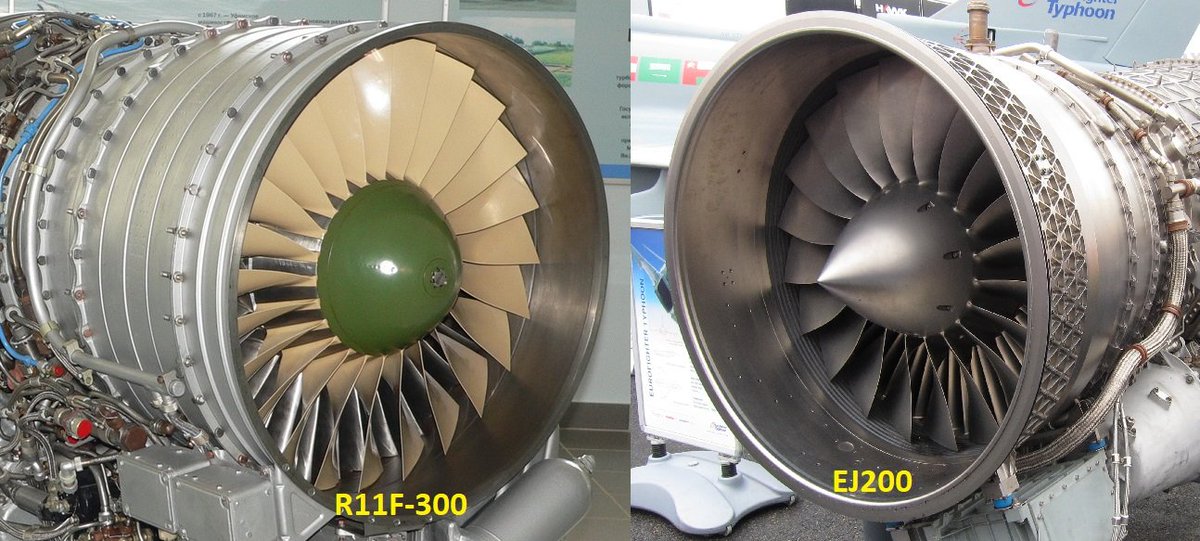
MiG-23ML or MiG-23MLA?
A pedantic🧵
I see a lot of people use the term "MiG-23MLA" when referring to the MiG-23ML with Sapfir-23MLA/Sapfir-23MLAE radar.
To be fair, I've also noticed a lot of former Soviet pilots use this term in order to differentiate between the MiG-23ML...
A pedantic🧵
I see a lot of people use the term "MiG-23MLA" when referring to the MiG-23ML with Sapfir-23MLA/Sapfir-23MLAE radar.
To be fair, I've also noticed a lot of former Soviet pilots use this term in order to differentiate between the MiG-23ML...

...with Sapfir-23ML & MiG-23ML with Sapfir-23MLA. But I'm a snobbish MiG-23 fаnбоу, and as such, prefer to stick to nomenclature found in official documents.
First, some context. The MiG-23ML (product 23-12, product 3) with Sapfir-23MLA (product N003 or 323MLA) radar &...
First, some context. The MiG-23ML (product 23-12, product 3) with Sapfir-23MLA (product N003 or 323MLA) radar &...

& ASP-17ML optical sight (which includes the HUD). The previous MiG-23ML model had the Sapfir-23ML (product 323ML) & ASP-23DTsM. In order to differentiate between the two 23ML versions, Soviet pilots called the one equipped with Sapfir-23MLA radar the "MiG-23MLA".

The export versions of the "MiG-23MLA" were the:
▪MiG-23ML 23-12 version A - Warsaw-Pact customers,
▪MiG-23ML 23-12 version B - non Warsaw-Pact customers.
Both had the Sapfir-23MLAE (N003E, 323MLAE) and ASP-17MLE.
▪MiG-23ML 23-12 version A - Warsaw-Pact customers,
▪MiG-23ML 23-12 version B - non Warsaw-Pact customers.
Both had the Sapfir-23MLAE (N003E, 323MLAE) and ASP-17MLE.
Now let's look at a few document issued by the socialist gods of paper&ink, to see what's actually canon:
▪MiG-23ML pilot instructions from 1980 (revised 1985). The aircraft is described as a МиГ-23МЛ with Сапфир-23МЛА, ТП-23М & АСП-17МЛ.
▪MiG-23ML pilot instructions from 1980 (revised 1985). The aircraft is described as a МиГ-23МЛ with Сапфир-23МЛА, ТП-23М & АСП-17МЛ.
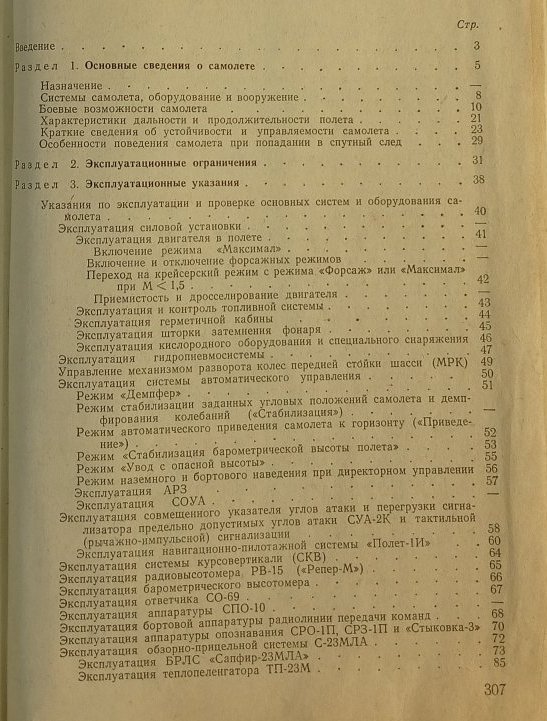
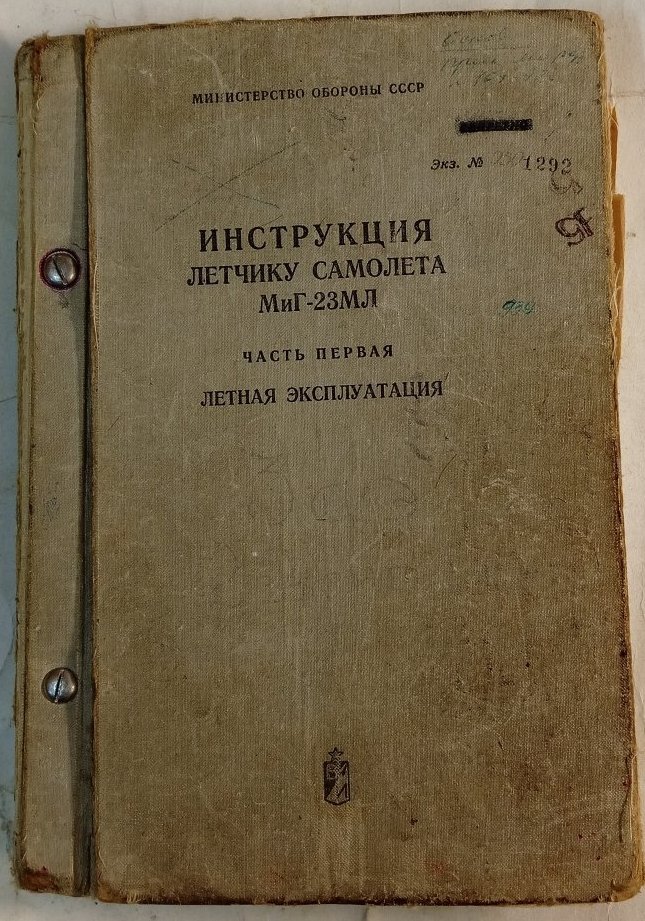

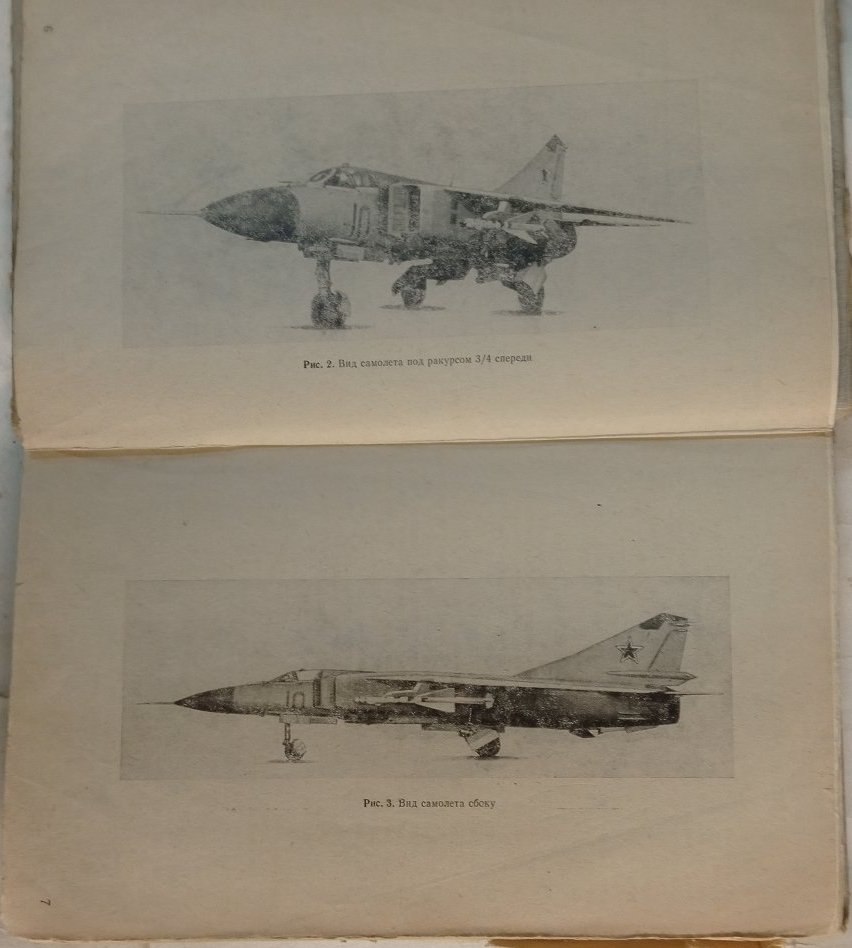
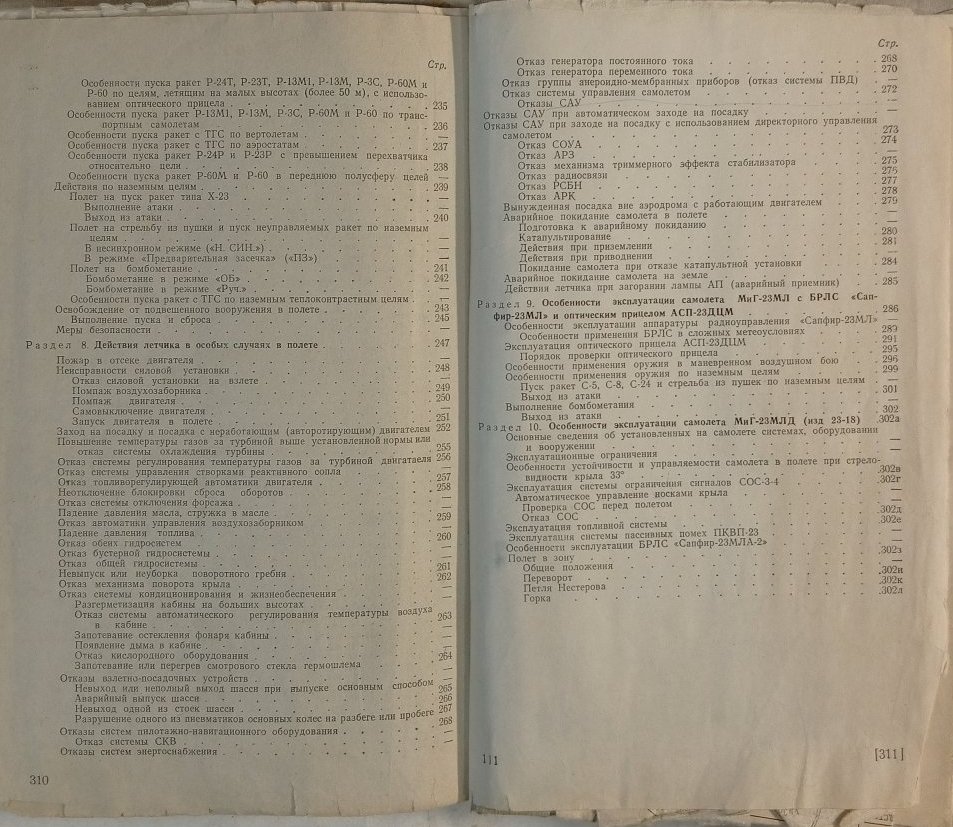
Capable of using Р-3С, Р-13M, Р-13M1, Р-60, Р-60М, Р-23Т, Р-24Т, Р-23Р & Р-24Р missiles.
There is also mention of the older model МиГ-23МЛ with Сапфир-23МЛ & АСП-23ДЦМ, and newer МиГ-23МЛД (изд. 23-18) with Сапфир-23МЛА-2.
No МиГ-23МЛА is mentioned however.
There is also mention of the older model МиГ-23МЛ with Сапфир-23МЛ & АСП-23ДЦМ, and newer МиГ-23МЛД (изд. 23-18) with Сапфир-23МЛА-2.
No МиГ-23МЛА is mentioned however.
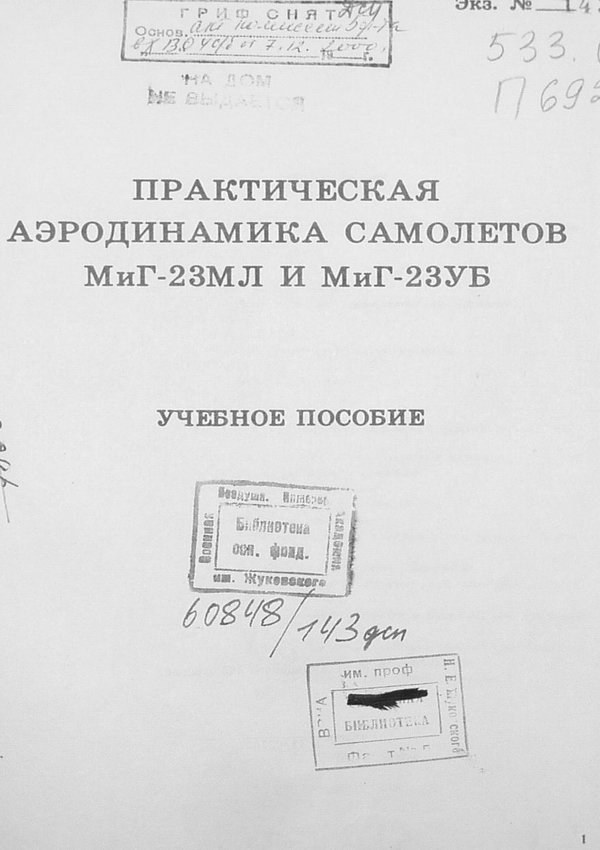
▪In "Практическая аэродинамика самолетов МиГ-23МЛ и МиГ-23УБ" mentions only MiG-23ML, even though the aircraft referred to is equipped with the Сапфир-23МЛАЭ and is capable of using the Р-24 according to pages 8 & 142.
Again, no "MiG-23MLA".
Again, no "MiG-23MLA".

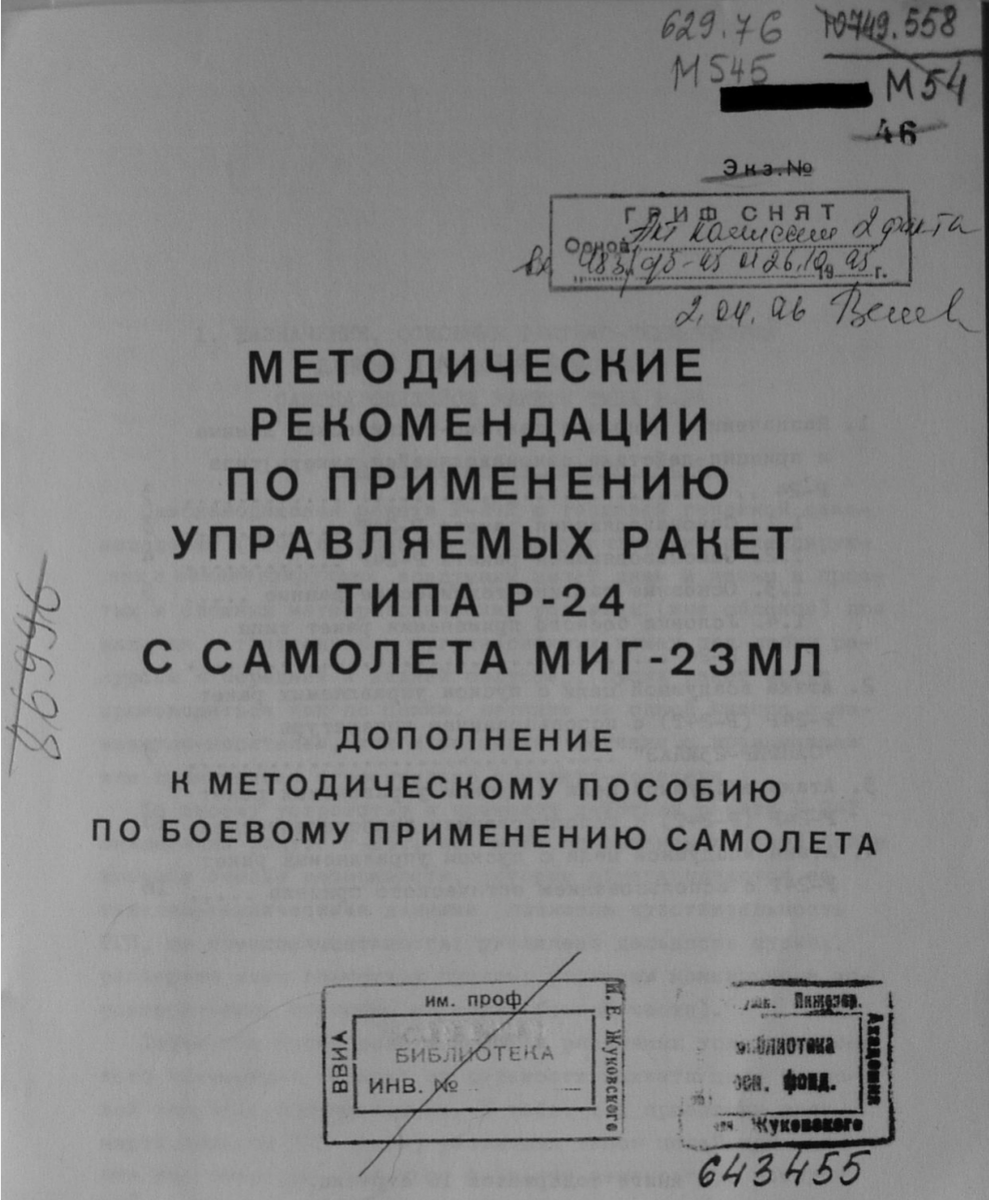
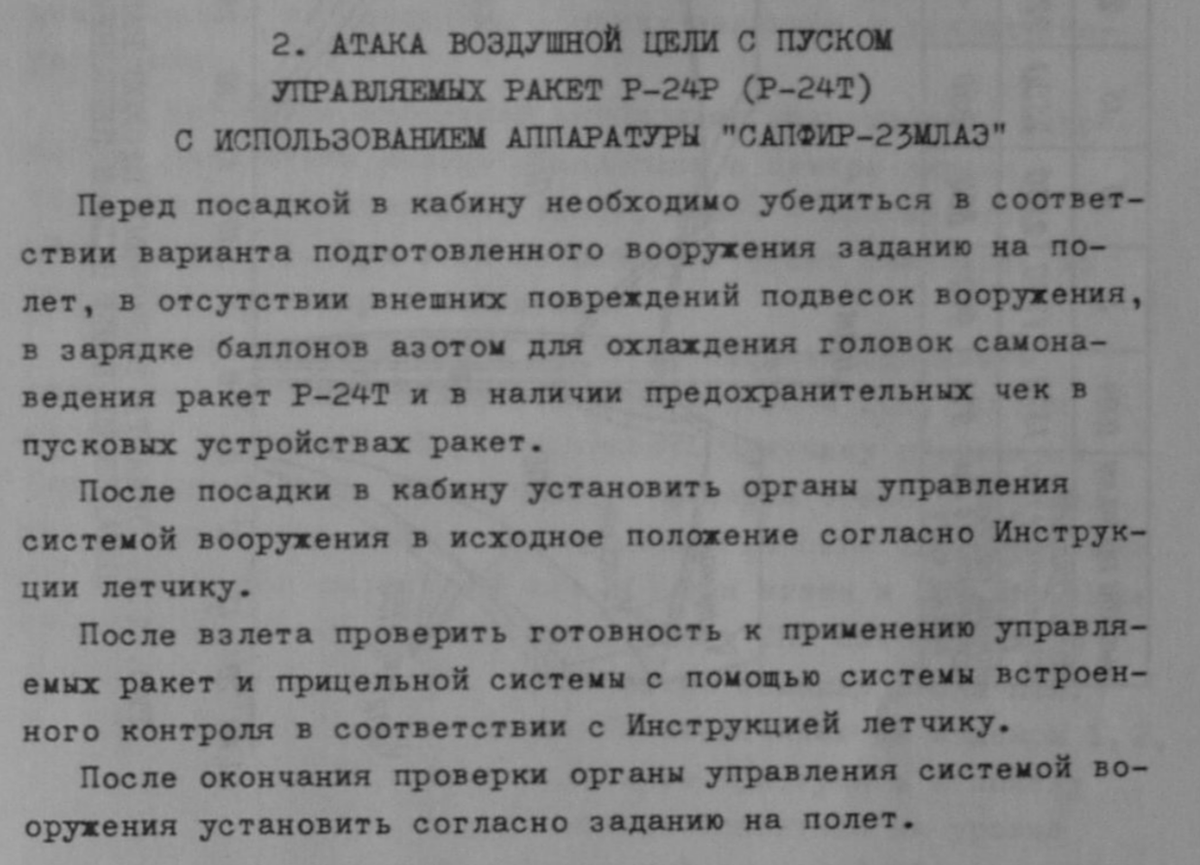
▪Finally, the R-24 missile employment manual. MiG-23ML with Sapfir-23MLAE radar, no mention of "MiG-23MLA".
In conclusion, I can't find any evidence of for "MiG-23MLA" being allowed by the Soviet bureaucratic gods of paper&ink.
In conclusion, I can't find any evidence of for "MiG-23MLA" being allowed by the Soviet bureaucratic gods of paper&ink.
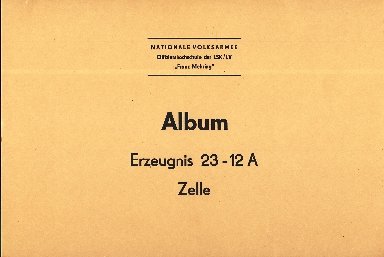
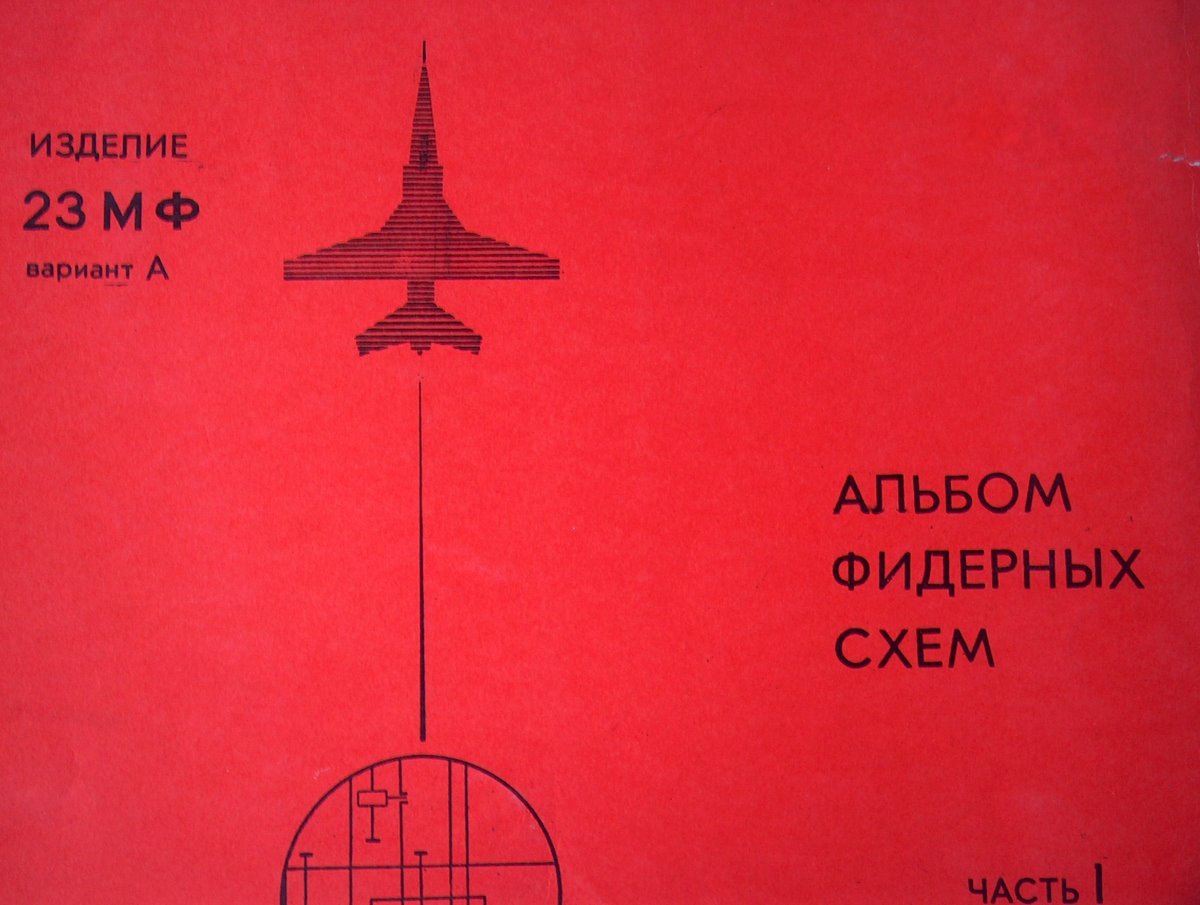
And if someone gets the idea that MiG-23ML 23-12A can be considered "MLA" then "MiG-23MF version A" should be called MiG-23MFA.
Or:
MiG-23ML 23-12B → MiG-23MLB
MiG-23MLD 23-22A → MiG-23MLDA
MiG-23MLD 23-22B → MiG-23MLDB
MiG-23ML 23-12B → MiG-23MLB
MiG-23MLD 23-22A → MiG-23MLDA
MiG-23MLD 23-22B → MiG-23MLDB
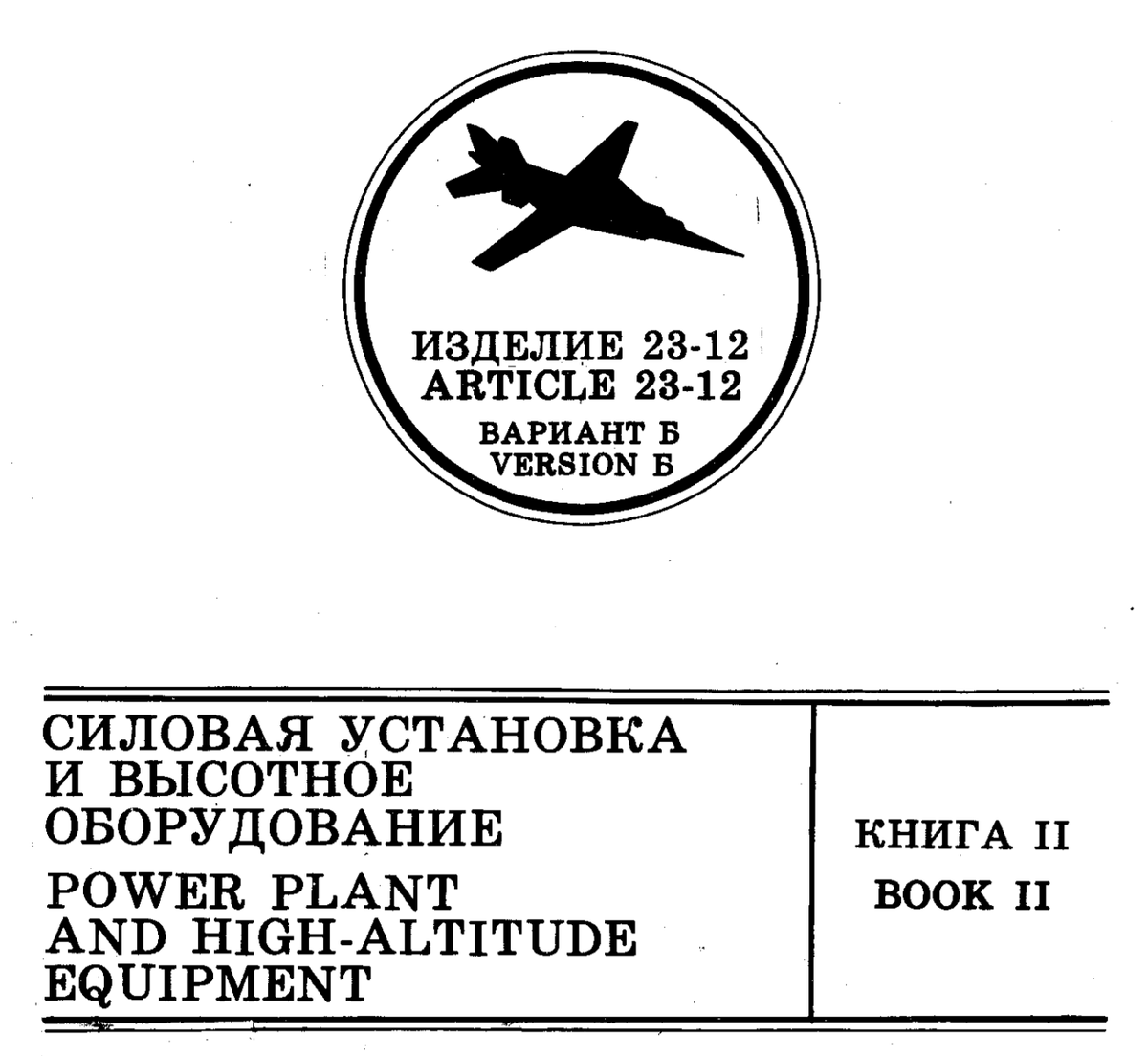
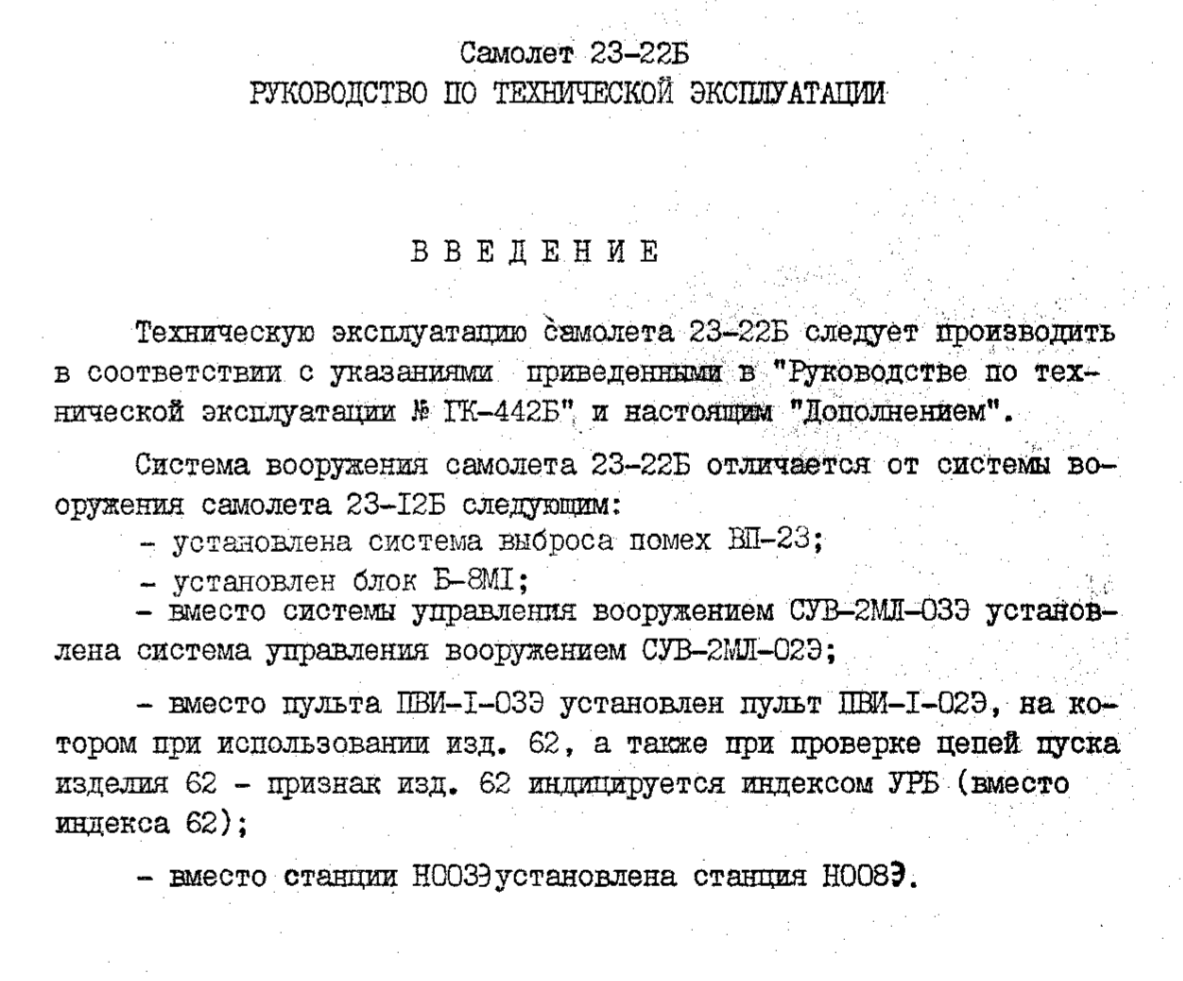
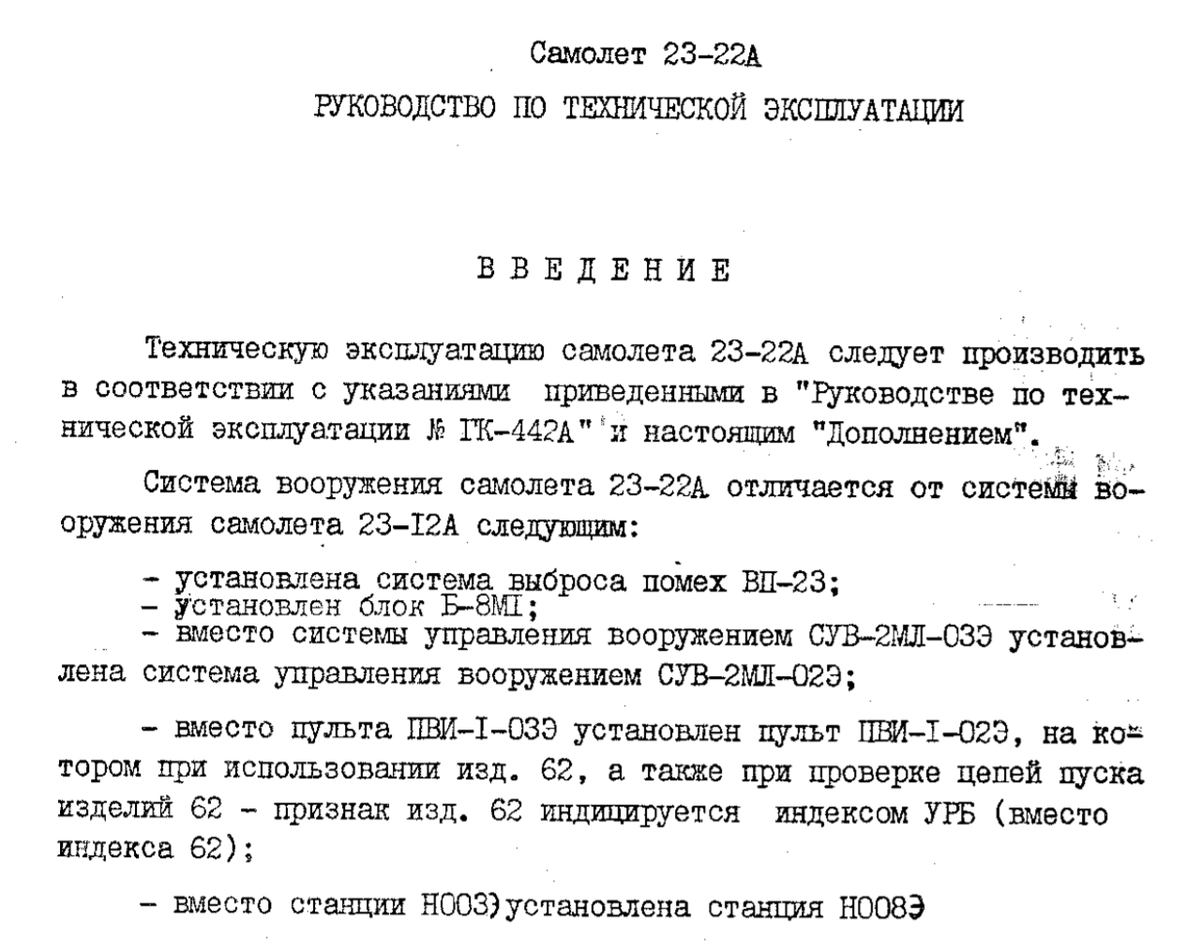
All of this justifies my disdain and snobbish attitude towards those who polute proper MiG-23ML lore with their "MLA" heresy. So, Gaijin please, stop this BS!
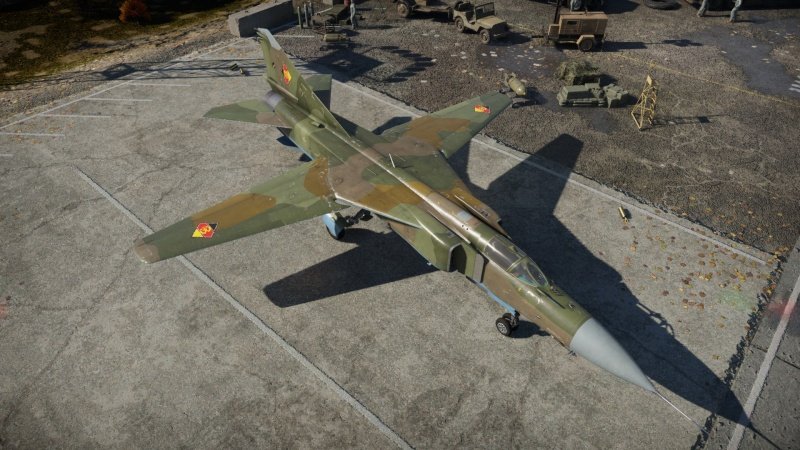
Warthunder: BaA43A3aHy:
MiG-23MLA!
Warthunder: BaA43A3aHy:
MiG-23MLA!

• • •
Missing some Tweet in this thread? You can try to
force a refresh