What a ridiculous, glib view of style. Let's discuss. 🧵
https://twitter.com/c_kletzer/status/1832466951966200071
It's true that fashion once served as a form of class differentiation, and as soon as hoi polloi caught on, the elite moved on. German sociologist wrote about this in this 1902 essay On Fashion. An excerpt: 

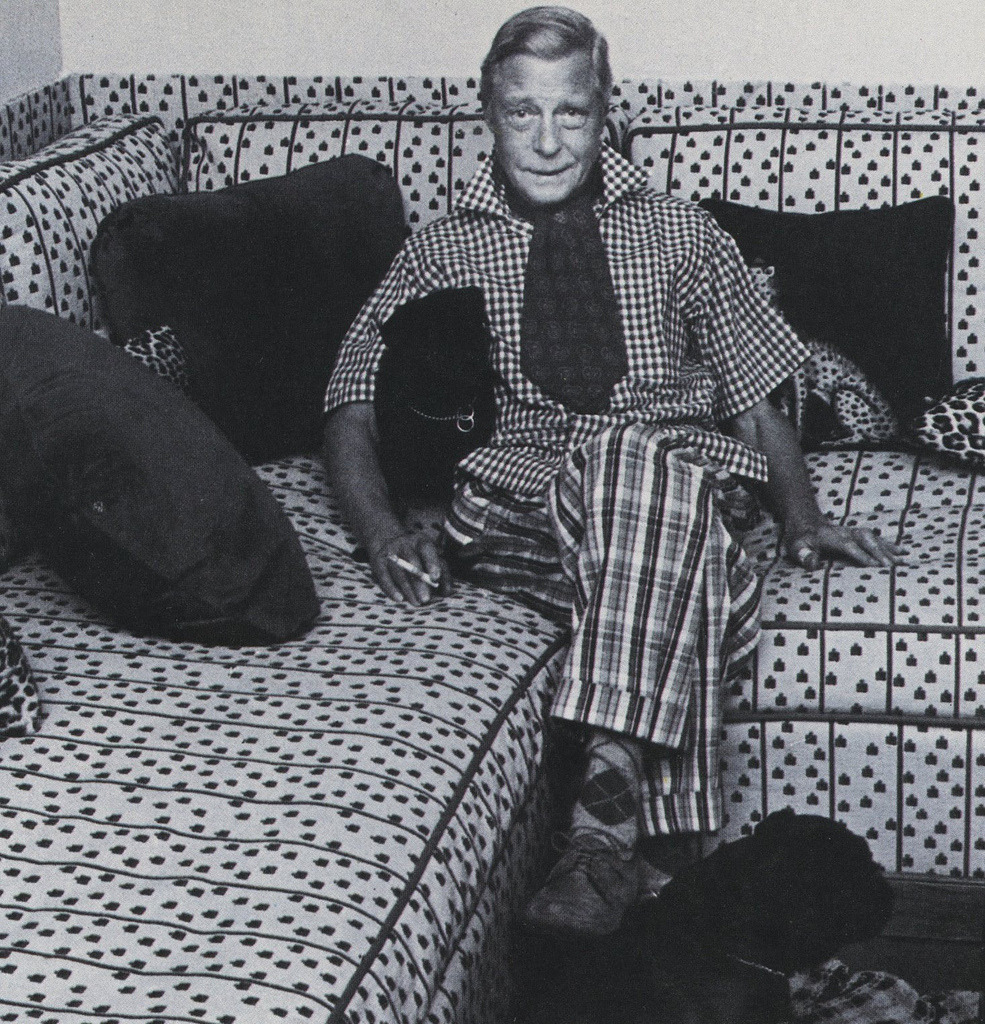
This largely explains why the Duke of Windsor was the most influential male fashion figure of his day. He popularized belts, zippered flies, cuffed trousers, and a style of tailoring known as the drape cut. For a while, when he wore something, others followed.

But as the century marched forward, fashion influence switched from just those with financial capital to those with cultural capital. This switch is most neatly represented during the immediate post-war years, when the culture wars was reflected in clothes.
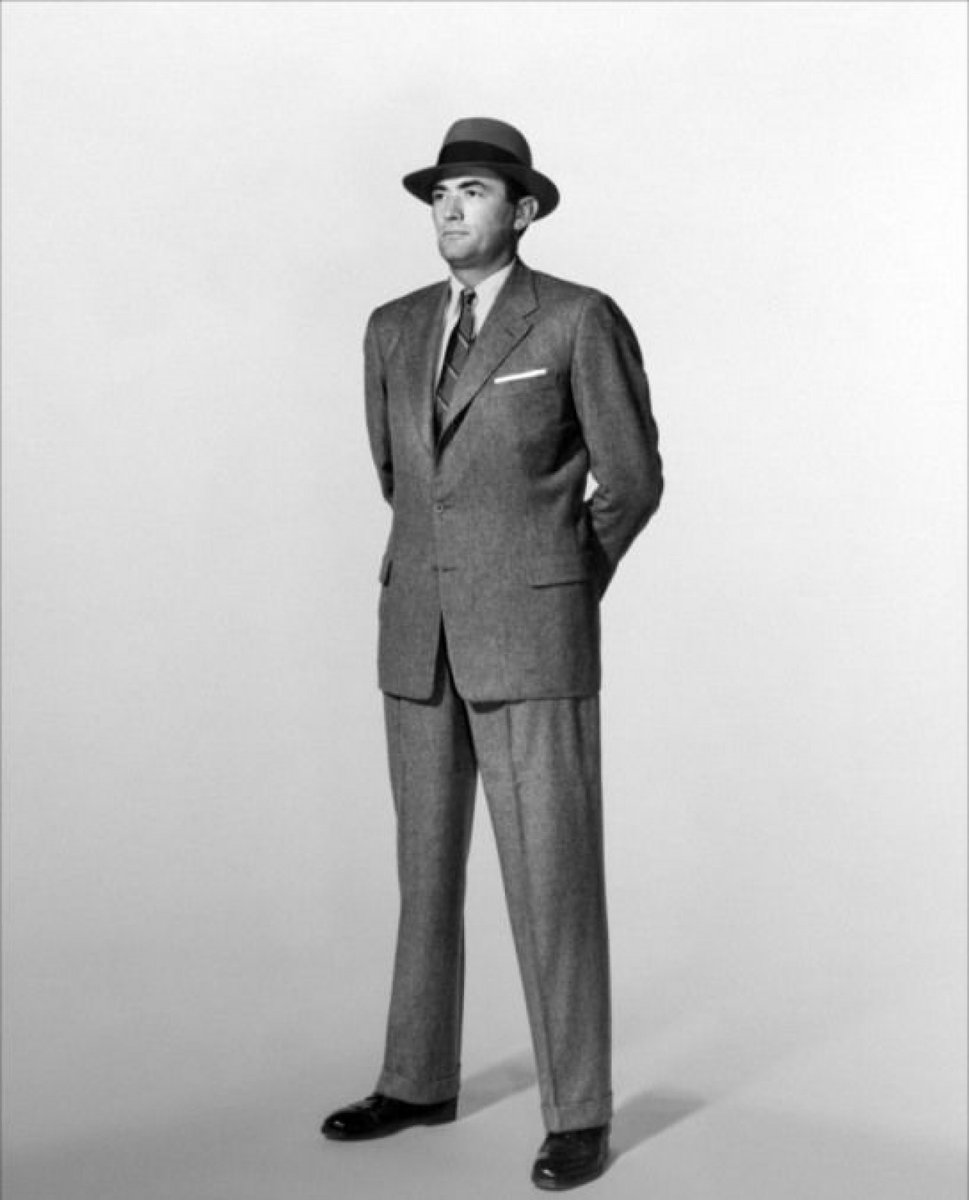
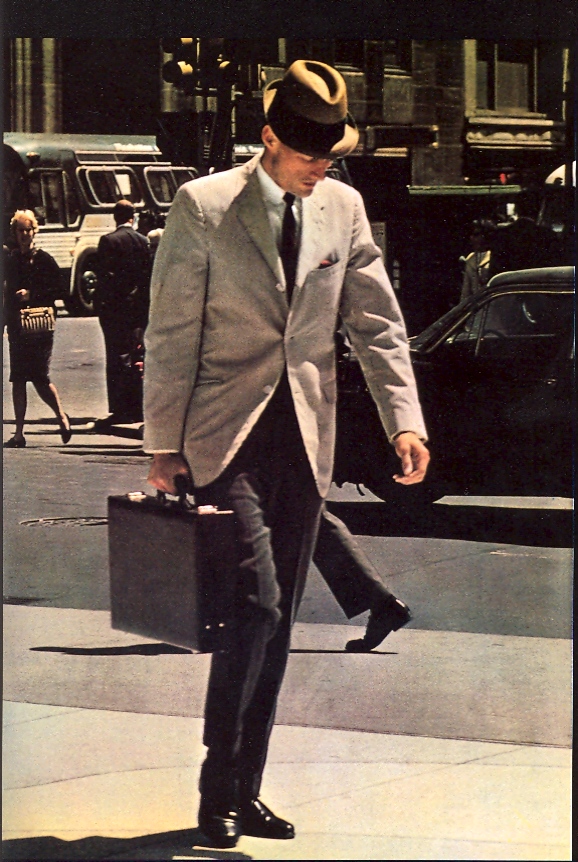
American men returning home from the trenches of Europe were able to receive a free college education through the GI Bill. Consequently, many adopted bourgeoisie mores and ended up becoming some version of The Man in the Gray Flannel Suit.
Those not afforded such opportunities formed a kind of American underclass, and they created their own fashions. My friend Bruce Boyer writes about this in his book Rebel Style. This was the rise of workwear, zoot suits, and "proletarian fashion."
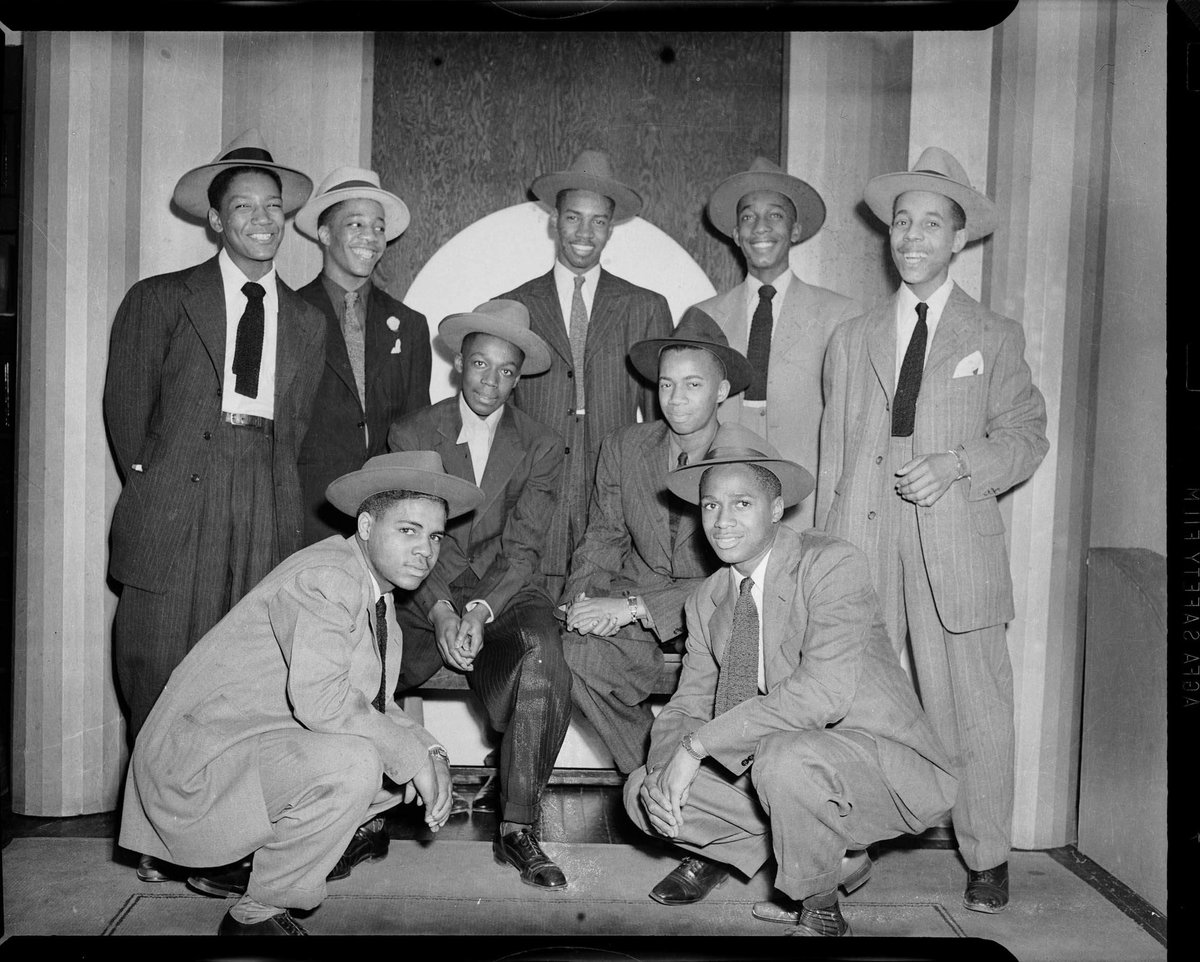
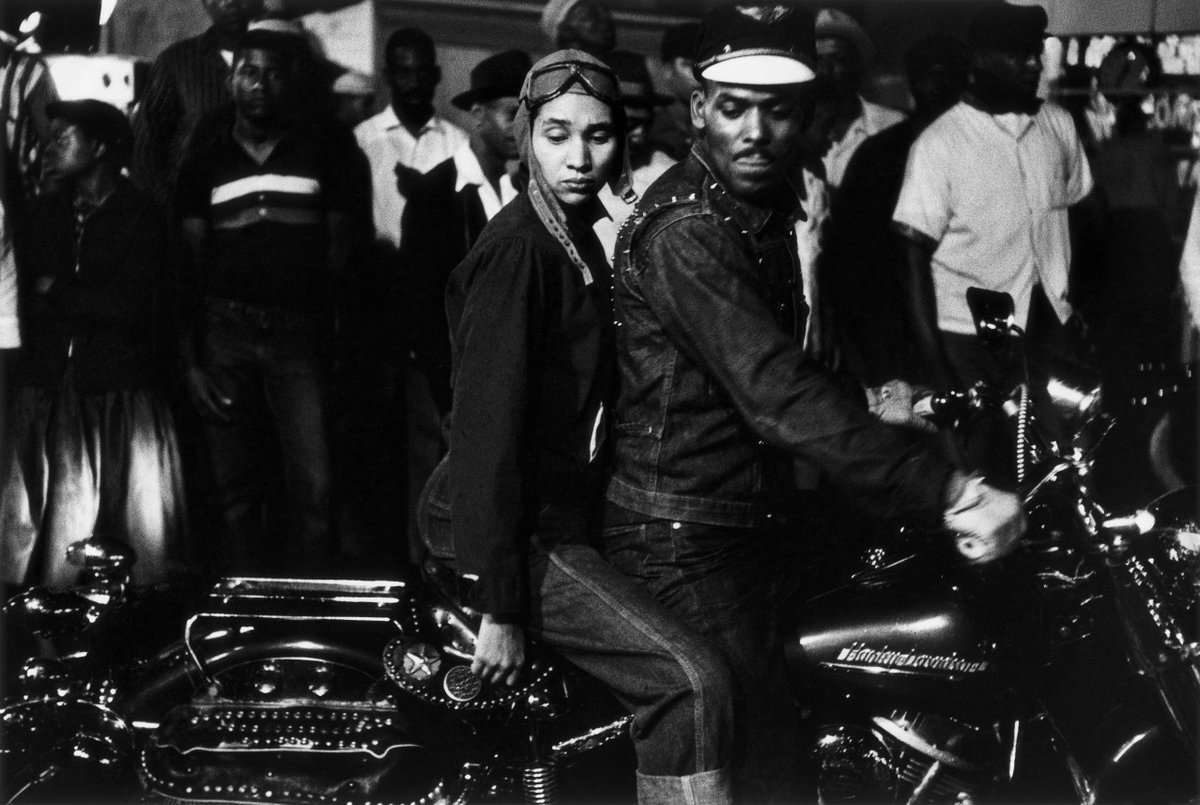
Although there has always been countercultural fashion, we see an explosion of these styles across the US and Western Europe after the war: swing kids and hep cats; bikers, rockers and outlaws; beats and beatniks; modernists and mods; drag and dandies; hippies and bohemians.
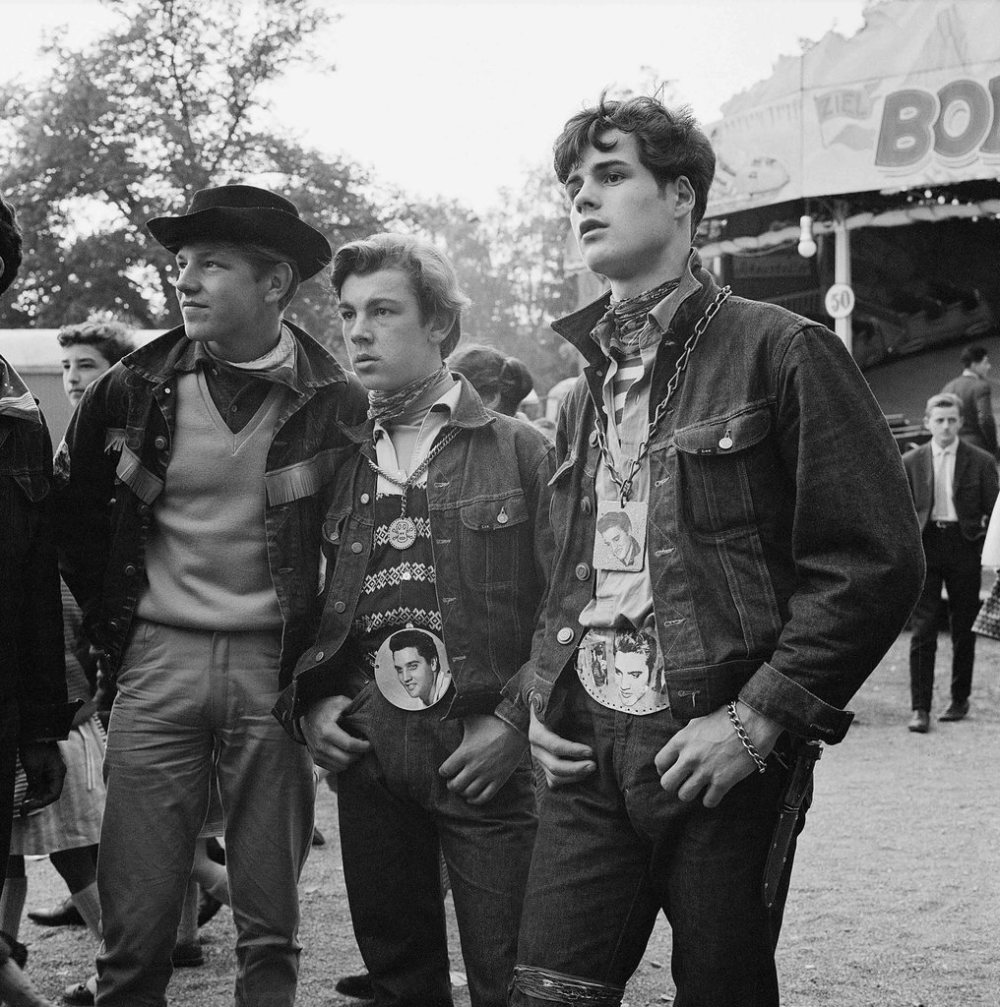
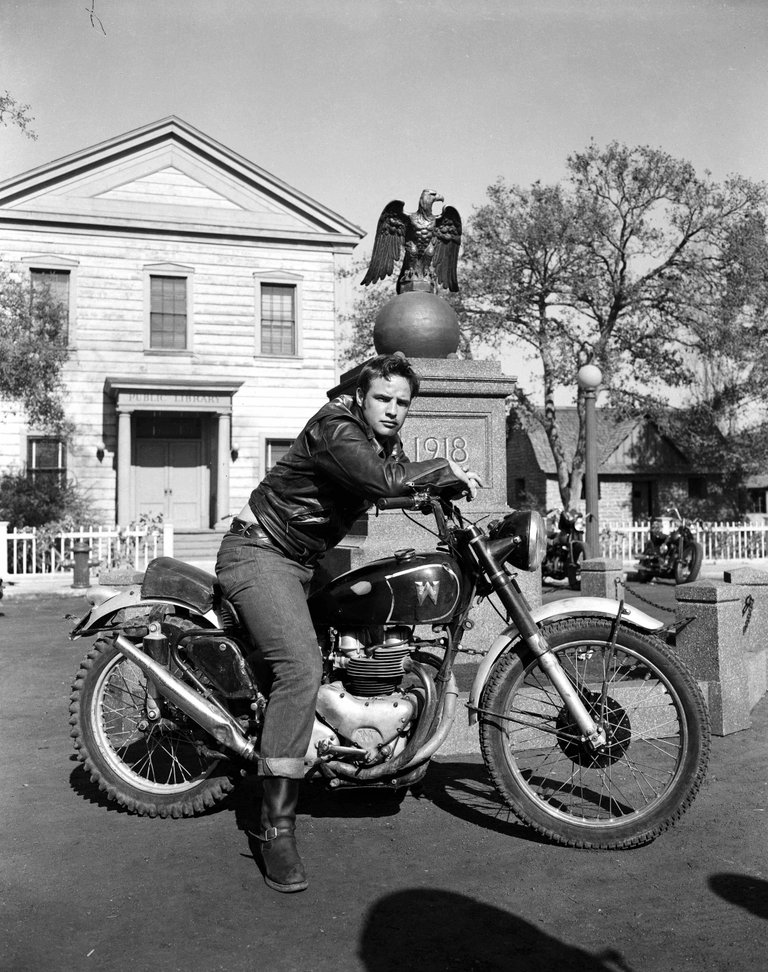
As the post-war period marched forward, the appeal of the suit started to wane. Remember, the suit represented the bourgeoisie (e.g., Man in the Gray Flannel Suit) and the underclass presented an alternative (e.g., Marlon Brando in The Wild One).
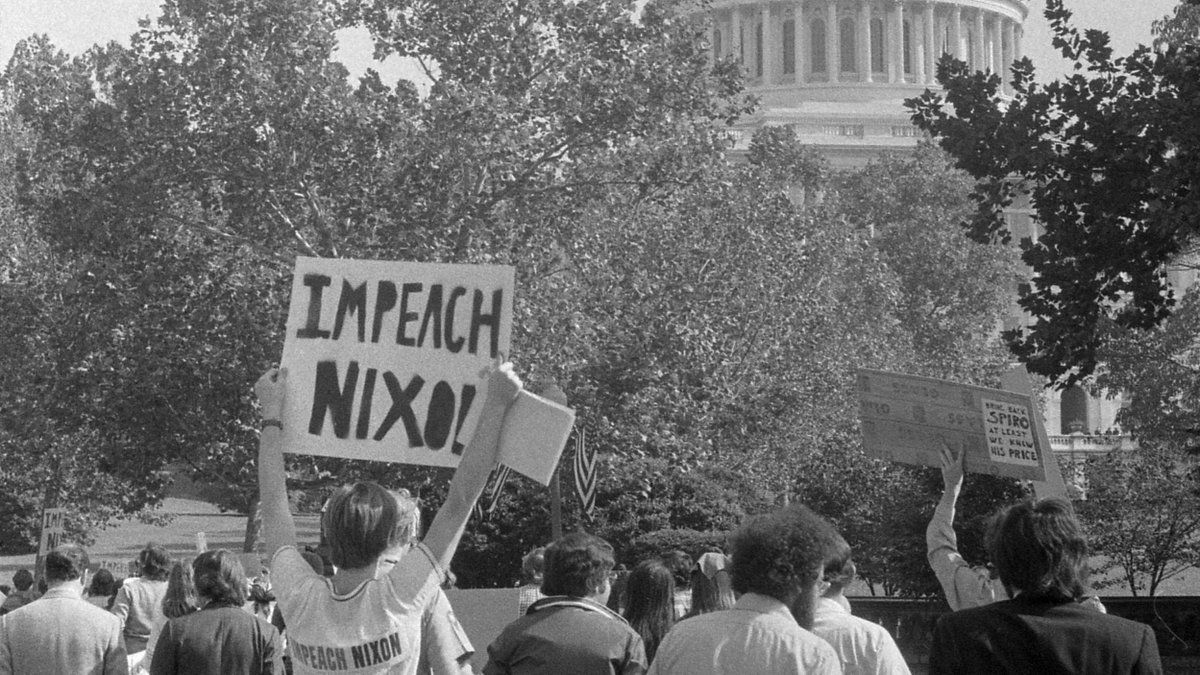
Given the anti-war protests, various freedom movements (e.g., Civil Rights movement, feminist movement, and Stonewall), and the Watergate scandal, the suit just increasingly felt less appealing.
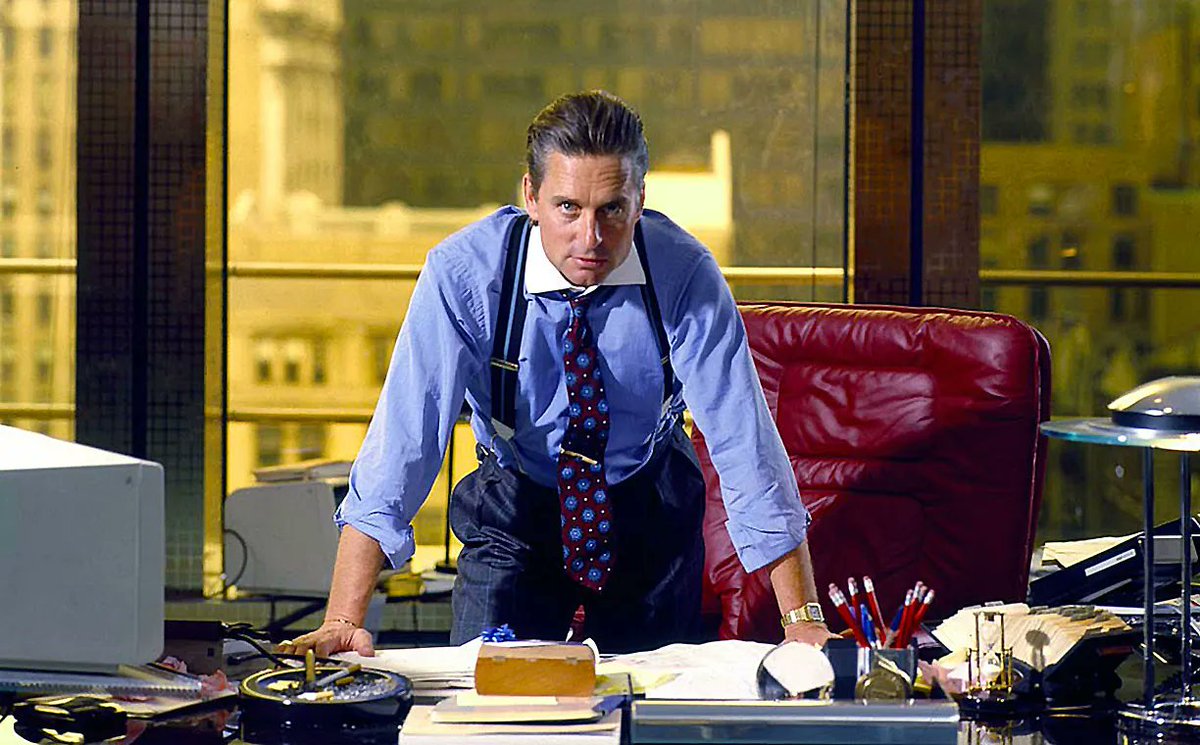
Tailoring saw a brief resurgence in the 1980s as a backlash to 1970s hippies (e.g., the "greed is good" ethos represented in the film Wall Street). But it met its final blow in the 1990s with the rise of business casual, the tech boom, and newly minted Sand Hill Road billionaires
In fact, people like Zuckerberg made jeans and hoodies the new status symbol. This uniform represented meritocracy in the New Economy, which stood opposed to the coat-and-tie aesthetic of traditional industries back east. Turns out, you can still be a bad person in a hoodie


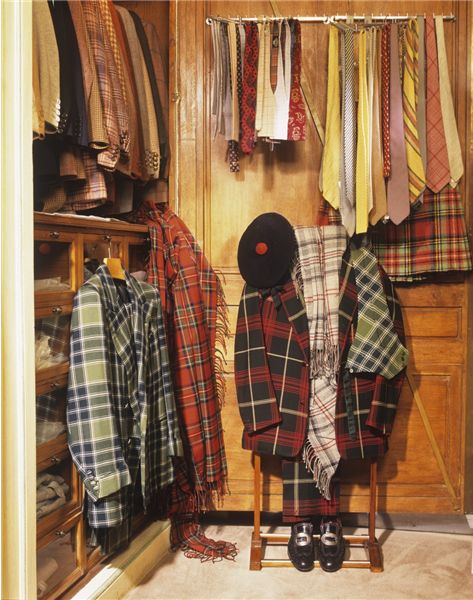
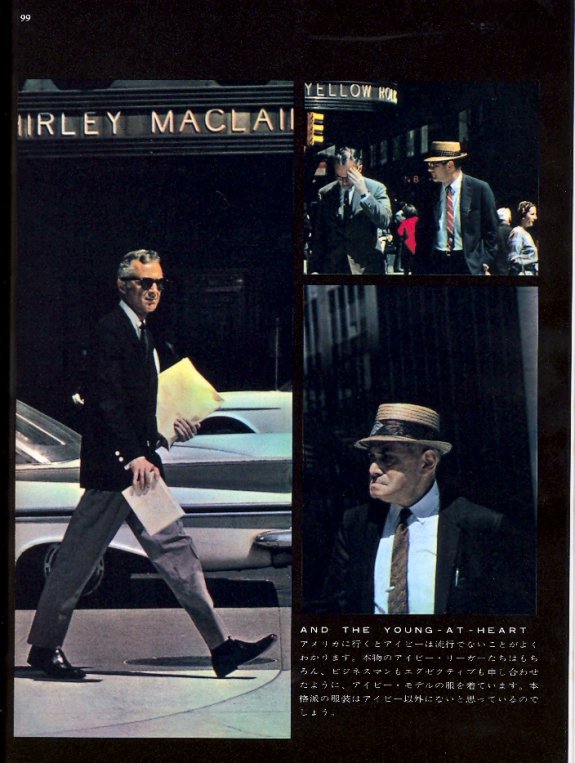
Meanwhile, as Americans were leaving these aesthetics, Japanese people were picking them up and turning them into rules. There are a ton of publications in Japan that dissect all of these looks—what are the right materials, cuts, styles, etc for a look.
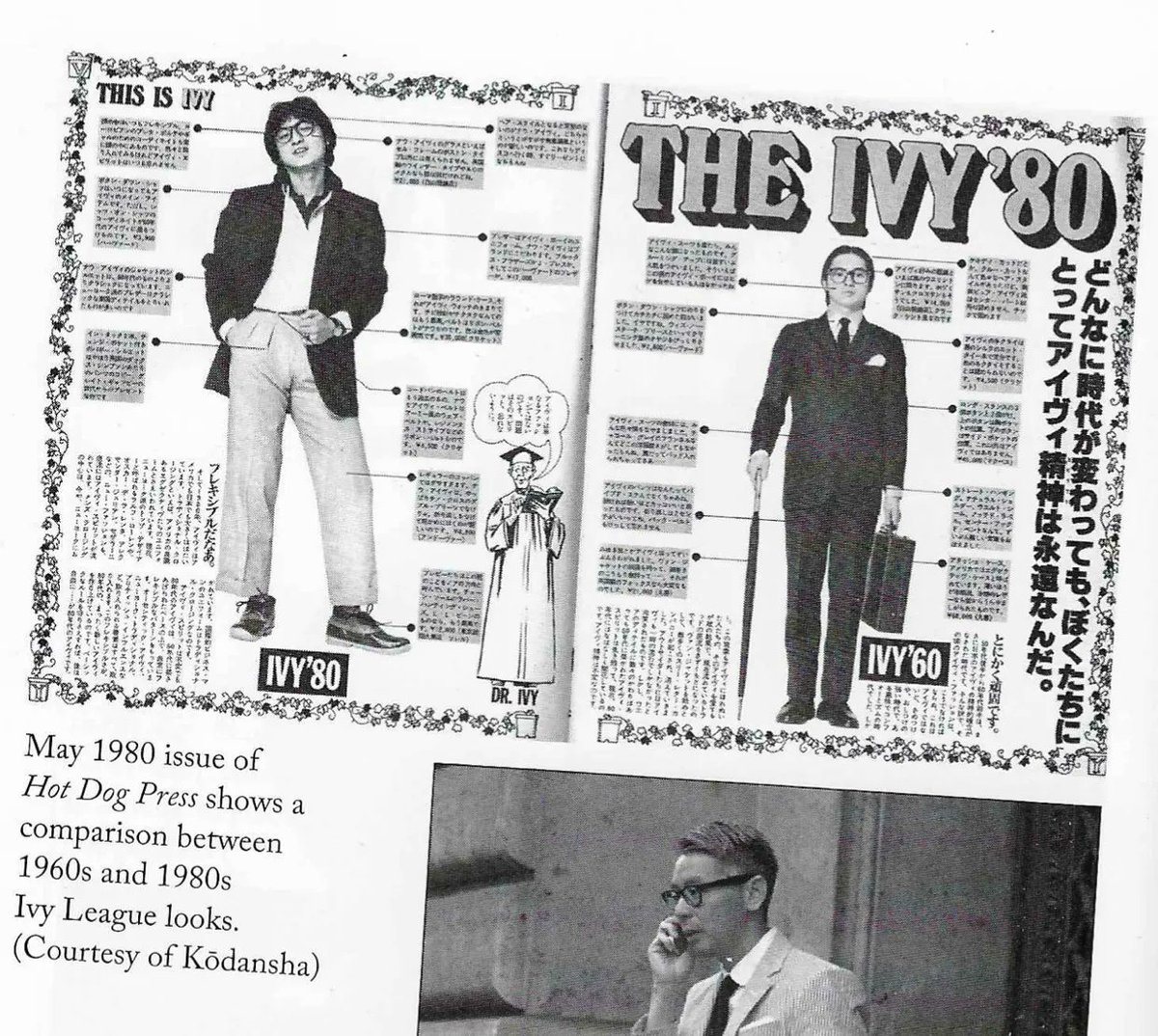
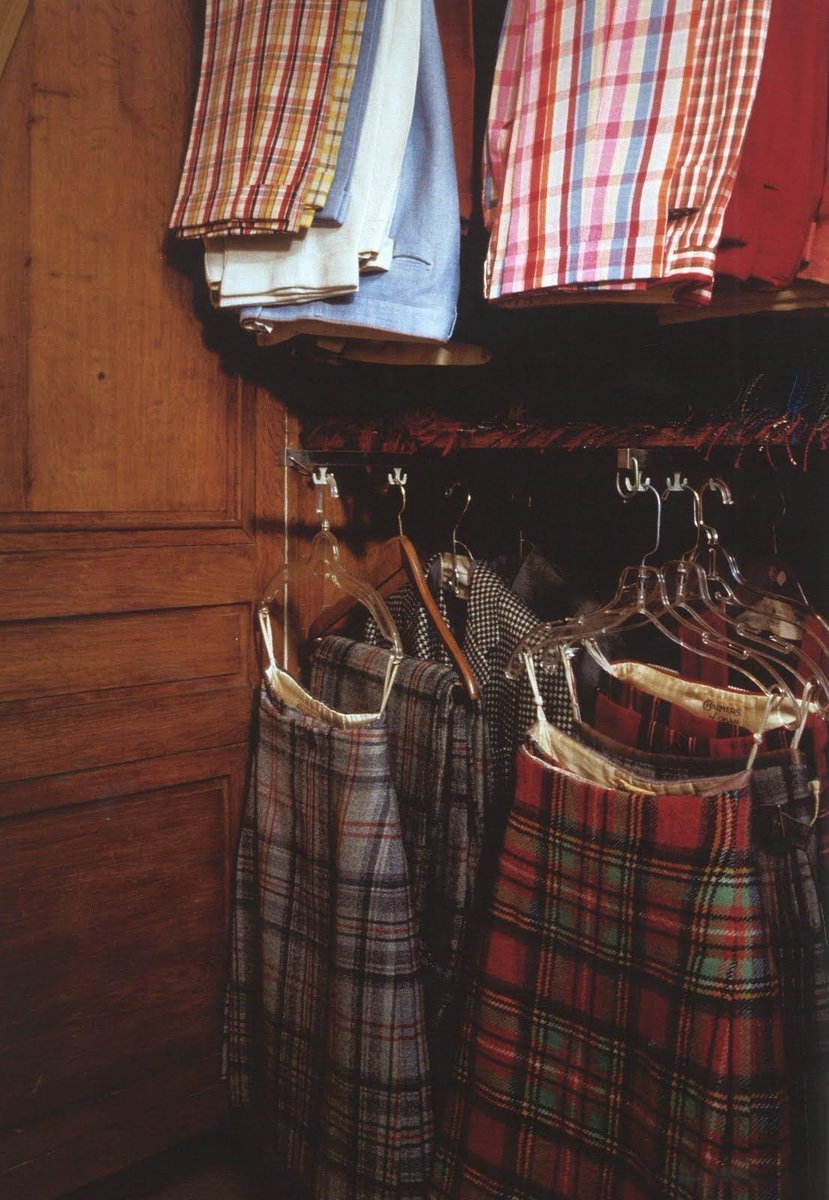
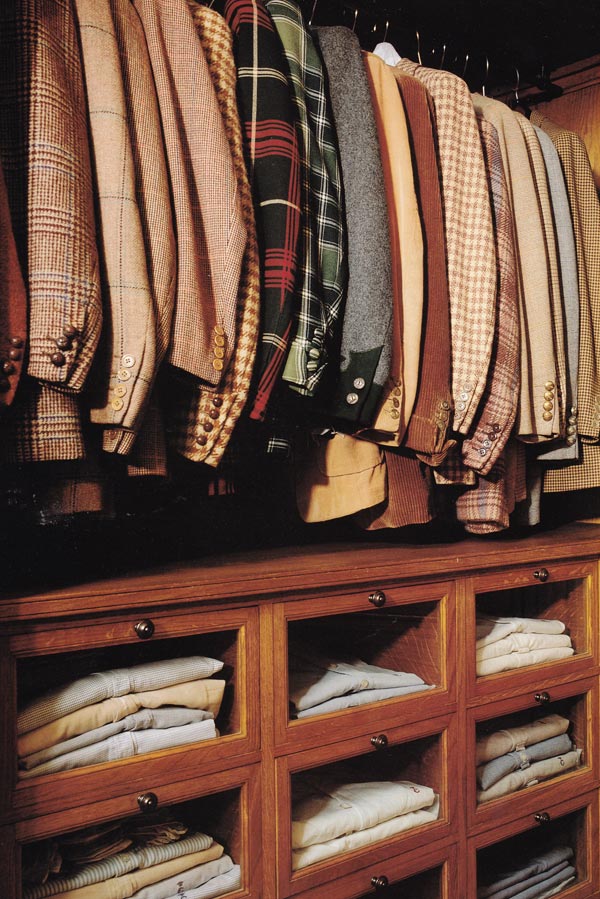
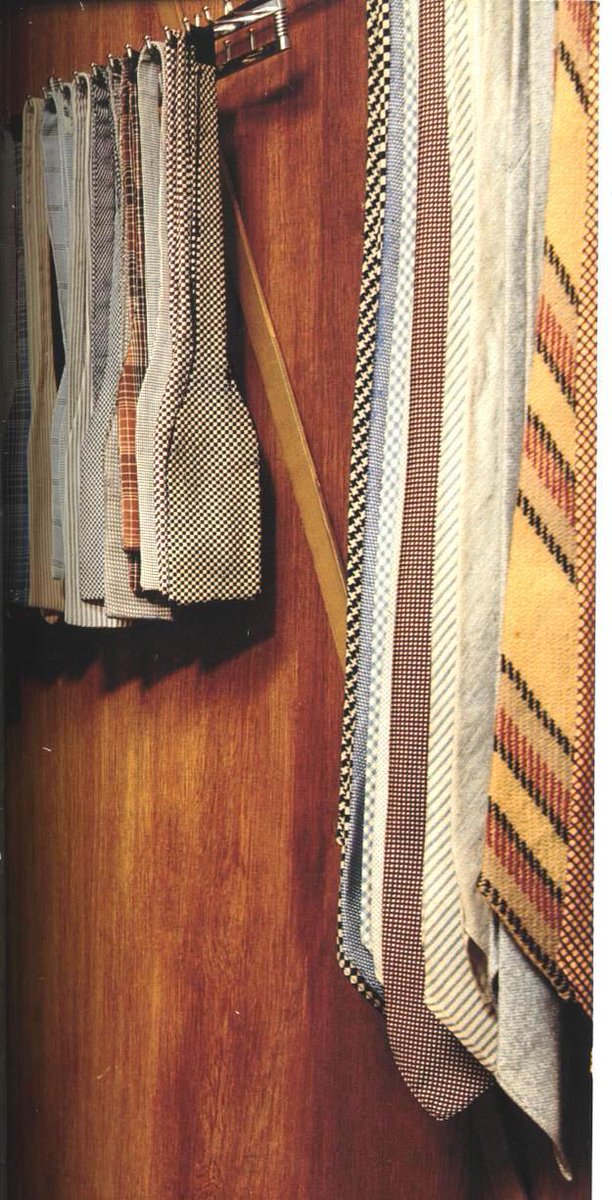
Such codifications weren't just for tailoring, but also workwear, hiking style, rockabilly, etc. Lots of cool magazine layouts of "gear," like these photos below. If you want to read about how Japan saved classic American style, pick up David Marx's book Ametora.
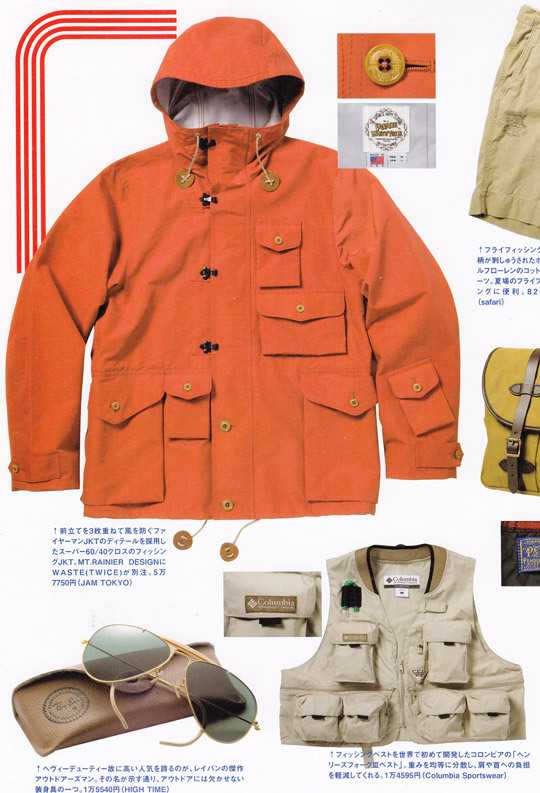
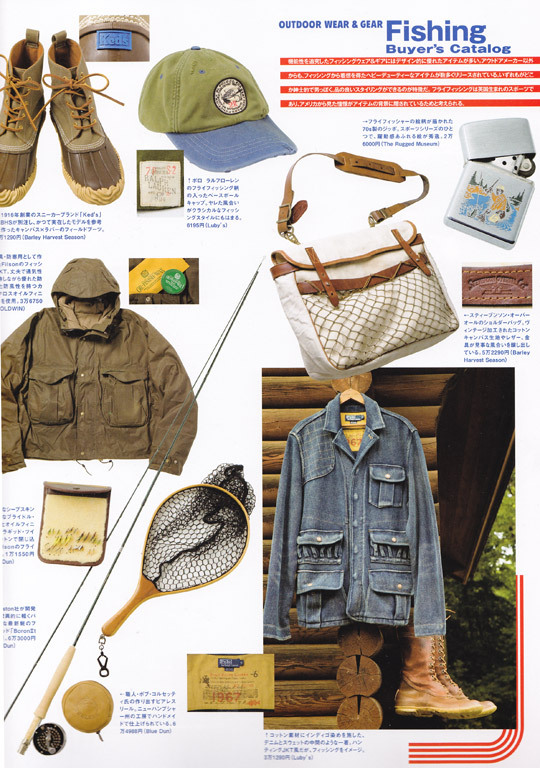
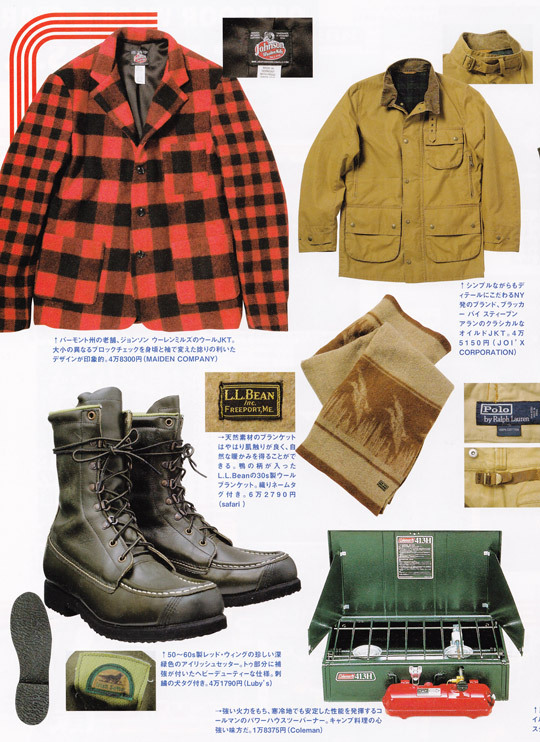

The wealthiest people today dress terribly. It's all some form of bland business casual—slim fit chinos, polos, finance vests, and dress sneakers. If it's a suit, the thing fits terribly and the person has probably mucked it up with some contrasting buttonhole.
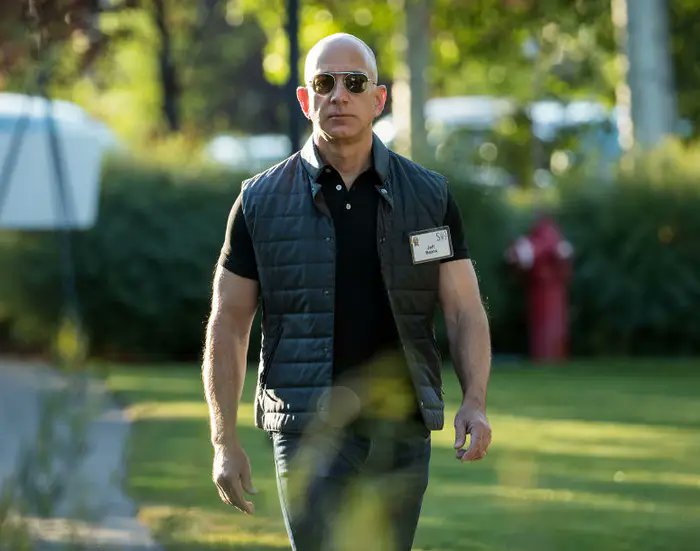
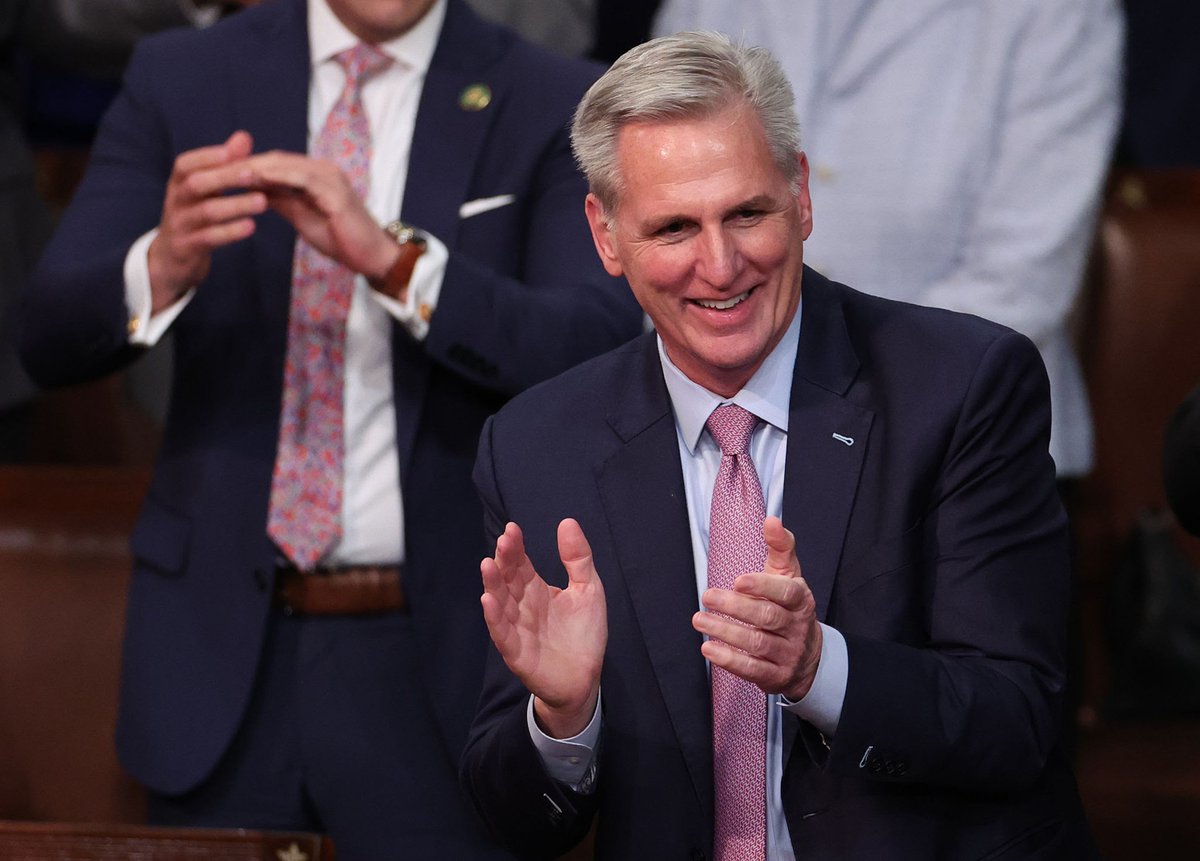
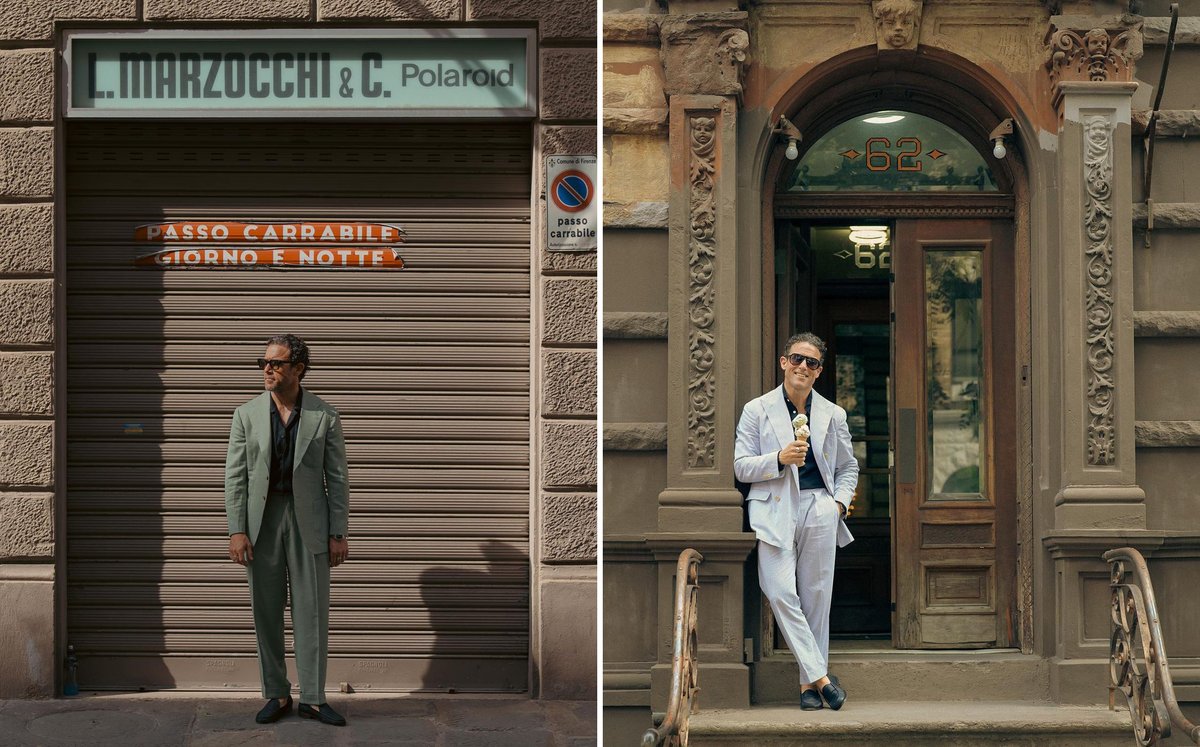
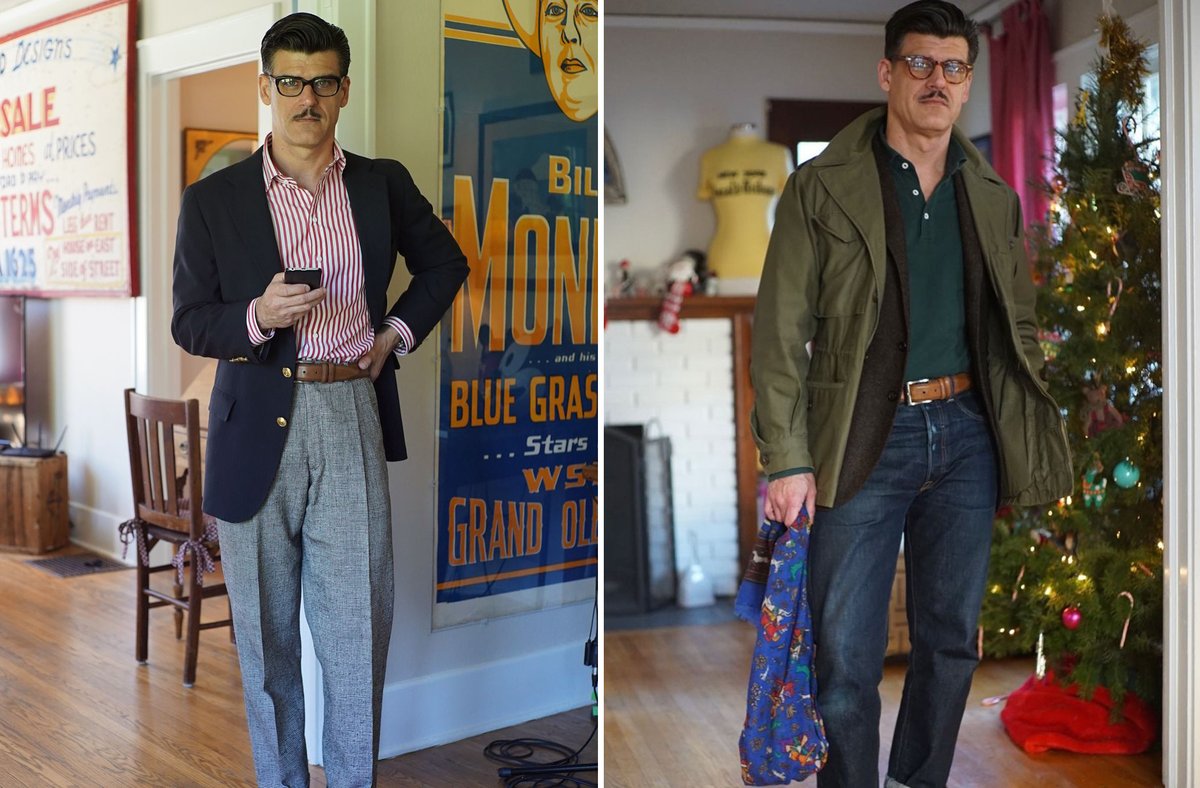
Dressing well today is not about money, but about taste. I often post photos of rich men as bad examples. And the good examples?
1. @DavidLaneDesign (art teacher)
2. @urban_comp (electrician)
3. IG thefoxtooth (realtor)
4. IG therapeuticwhale and @Barima_ON (writers)
1. @DavidLaneDesign (art teacher)
2. @urban_comp (electrician)
3. IG thefoxtooth (realtor)
4. IG therapeuticwhale and @Barima_ON (writers)

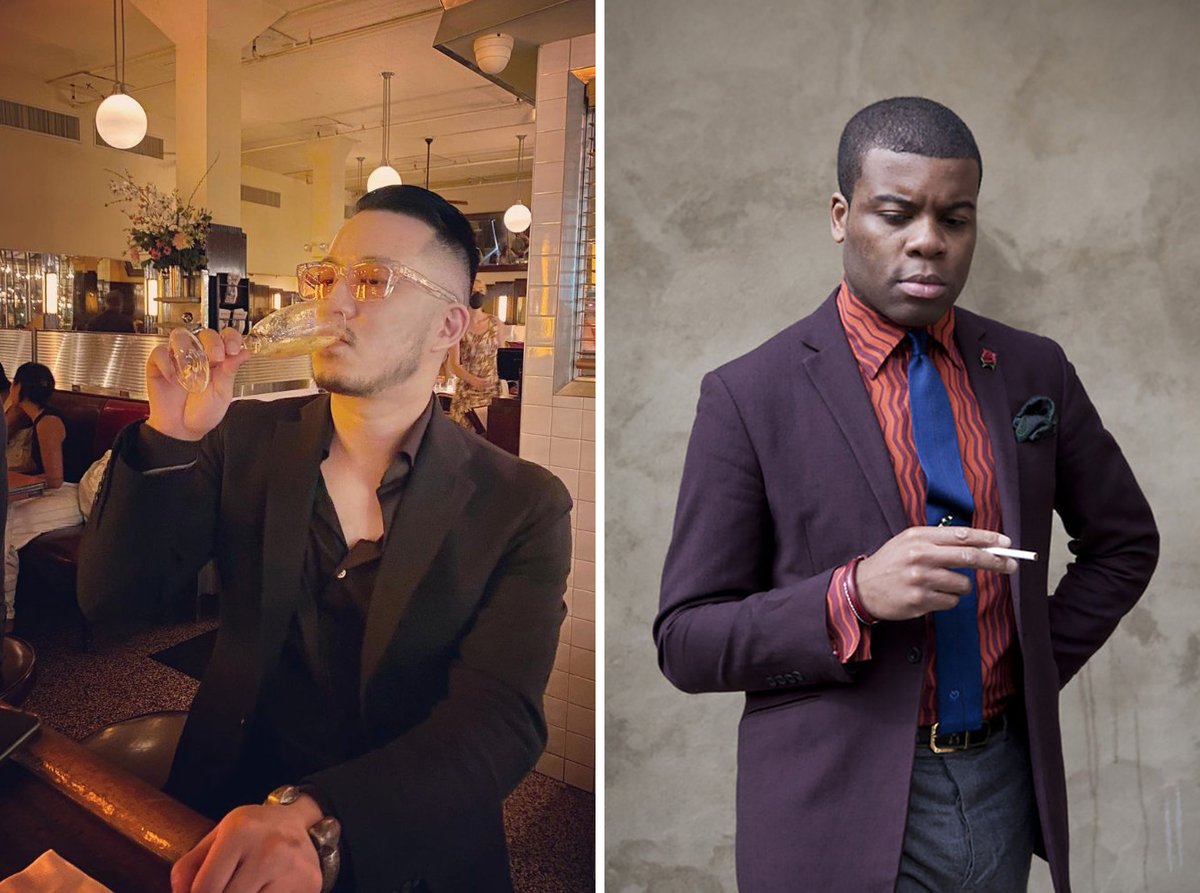
Are we supposed to pretend this suit is good tailoring? The trousers are too low, the side seams are straining, the upper sleeve is too tight, and the pattern doesn't match across the pockets. McGregor's "tailor" charges ~$5k for this. You can get the same for $30 at Shein.
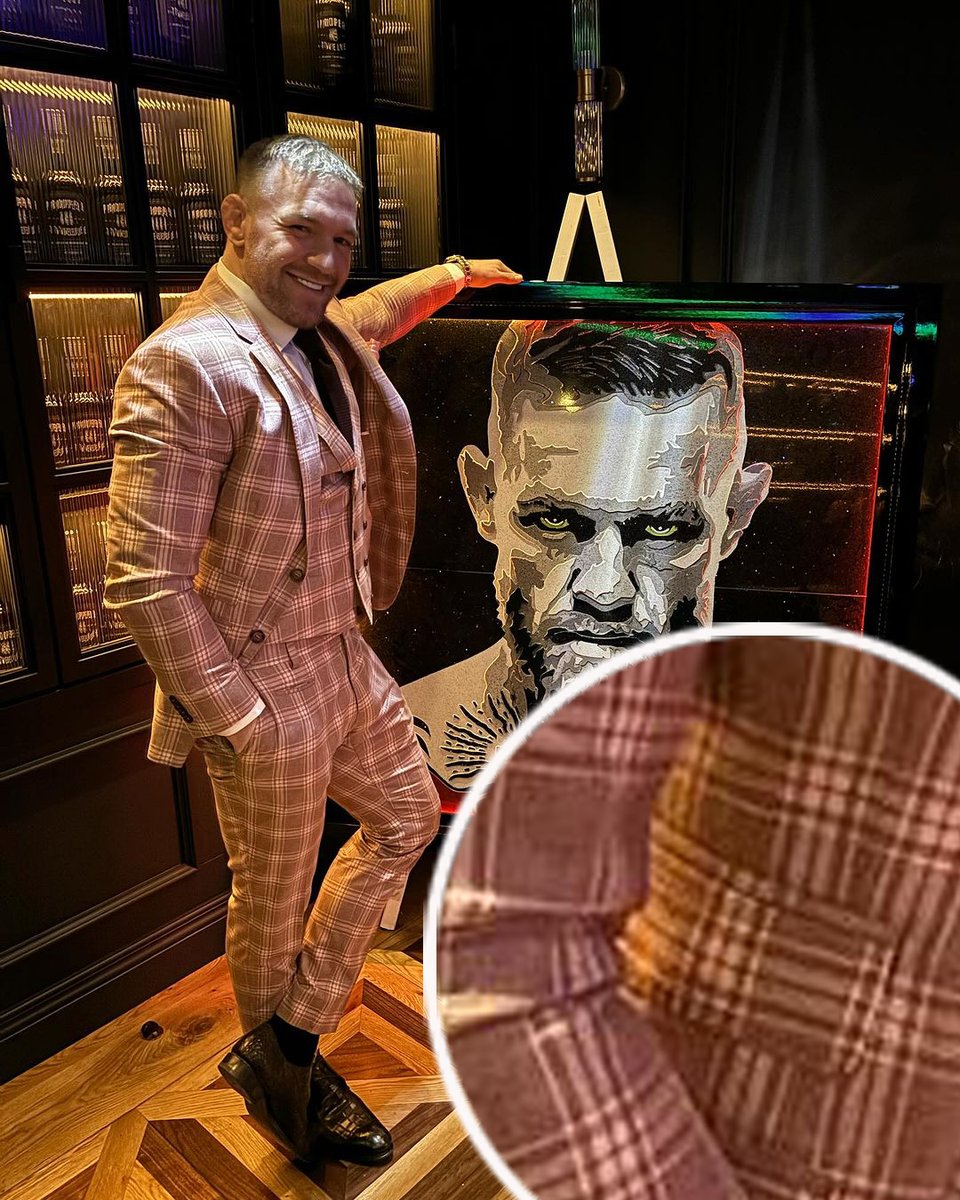

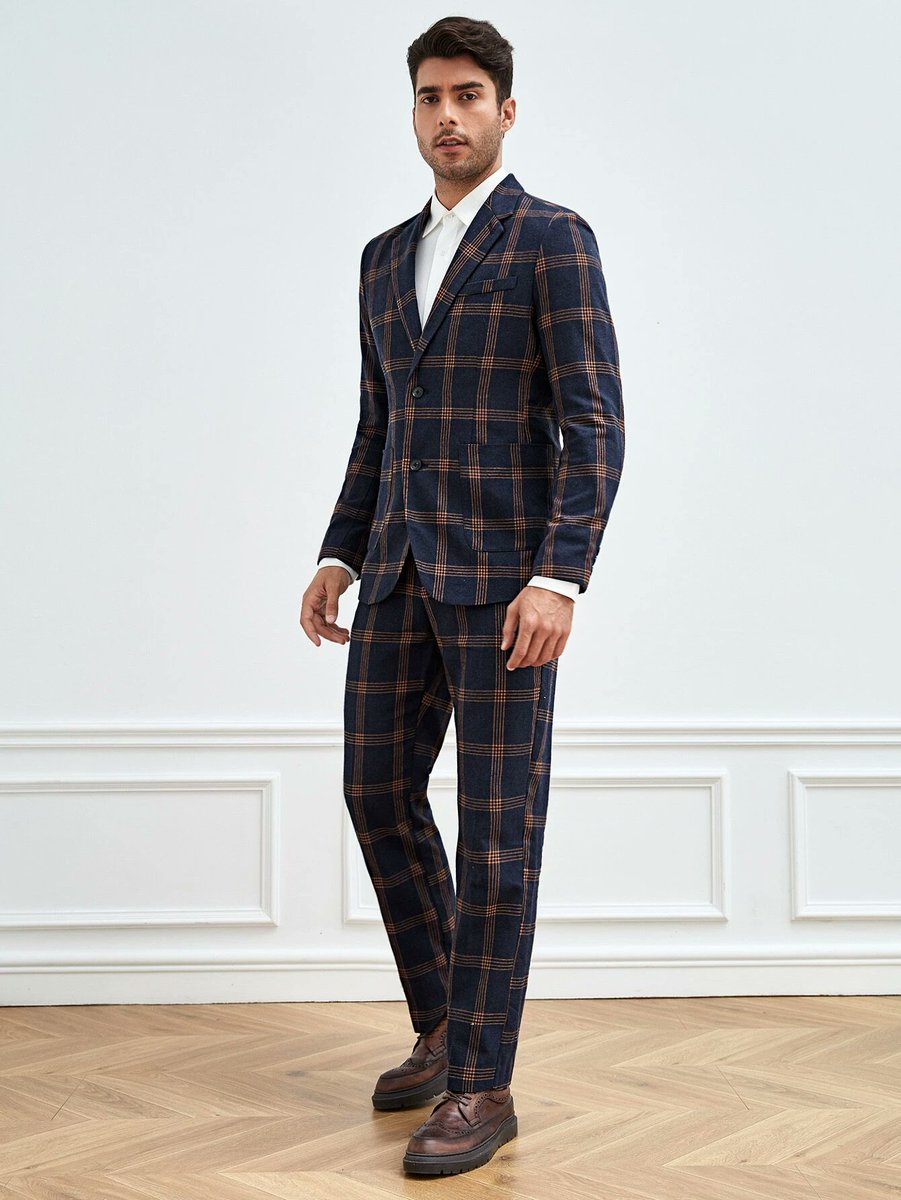
Furthermore, it's ridiculous to suggest I only promote expensive looks when I've spent the last 13 years rounding up quality menswear items on eBay. This takes me ~10 hrs a week. I'd wager that I've dedicated more time to this than most ppl. I've also made suggestions on Twitter:
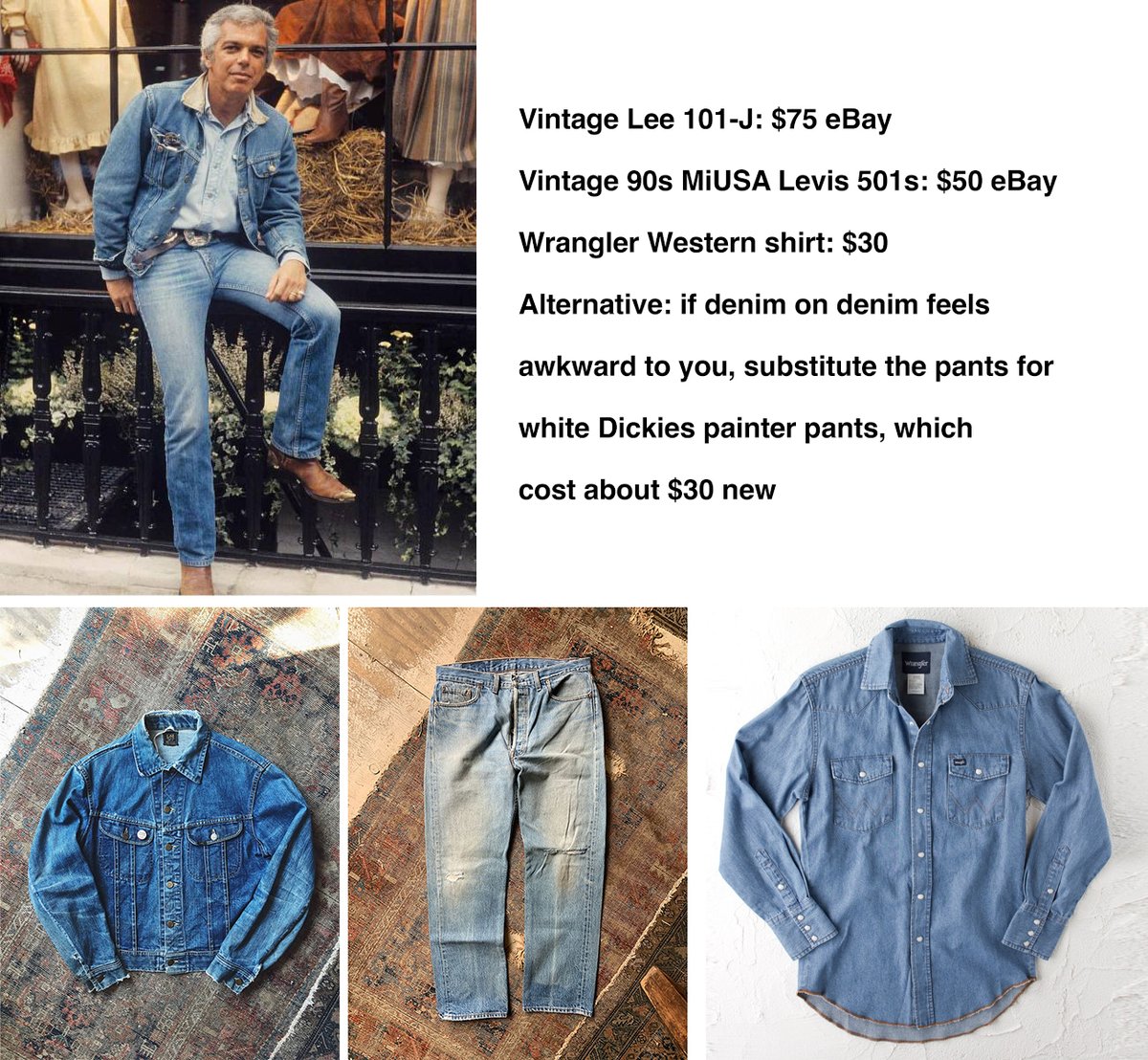
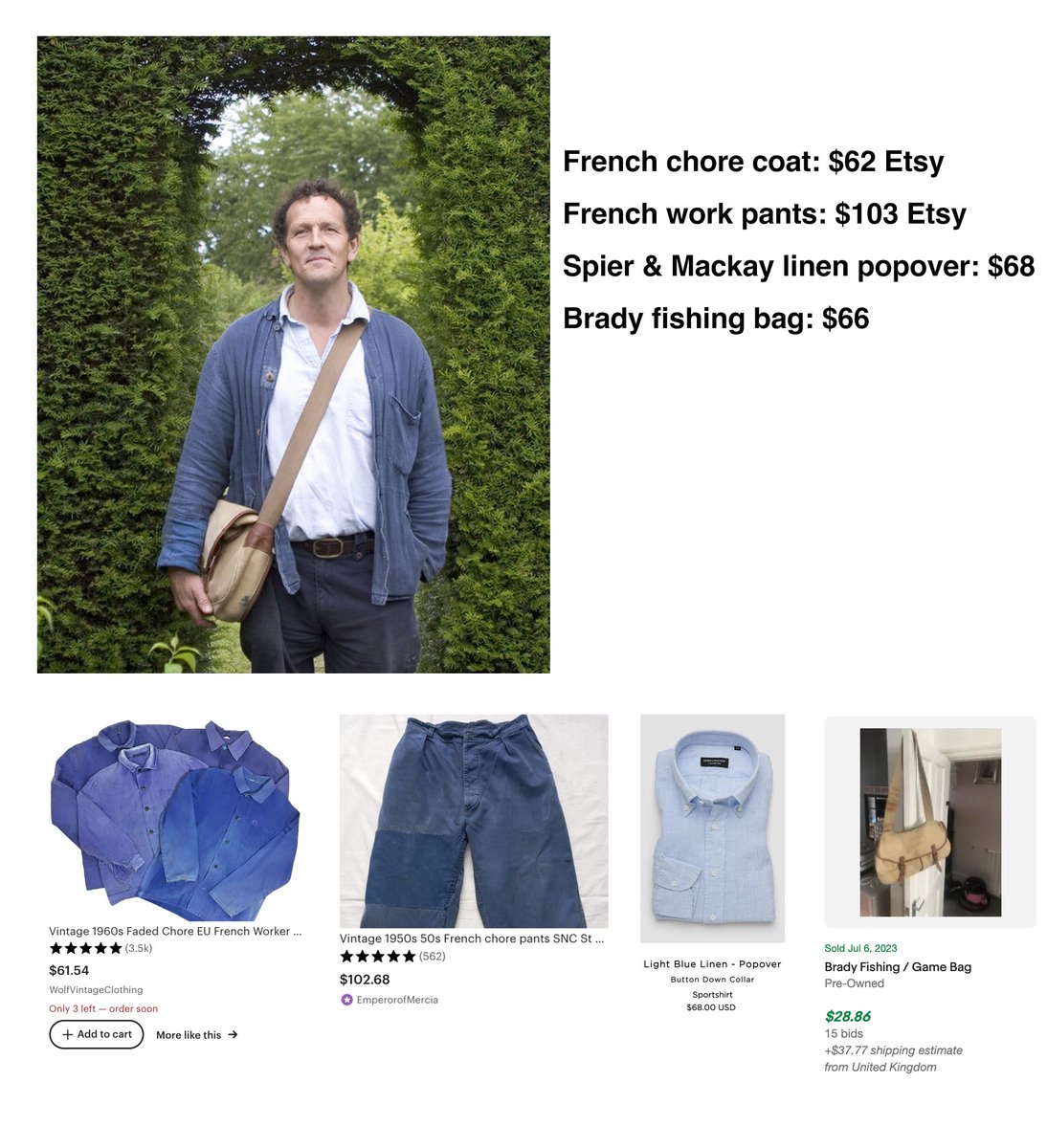
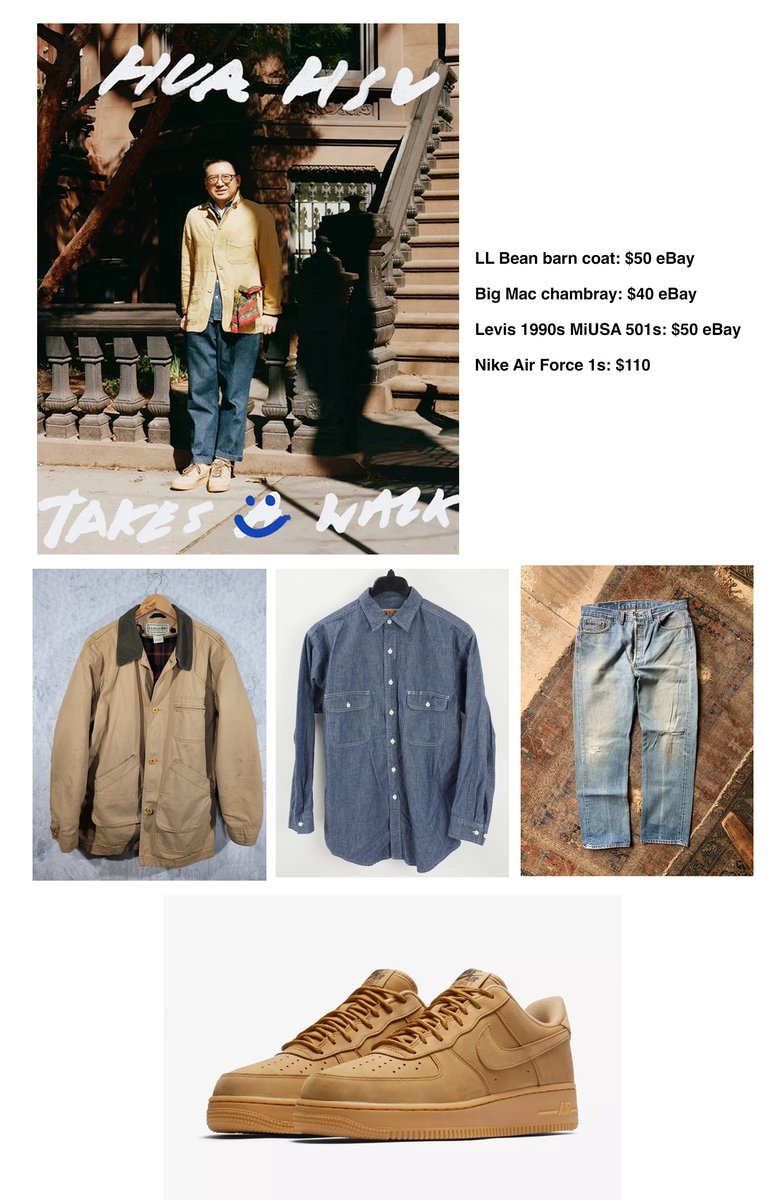
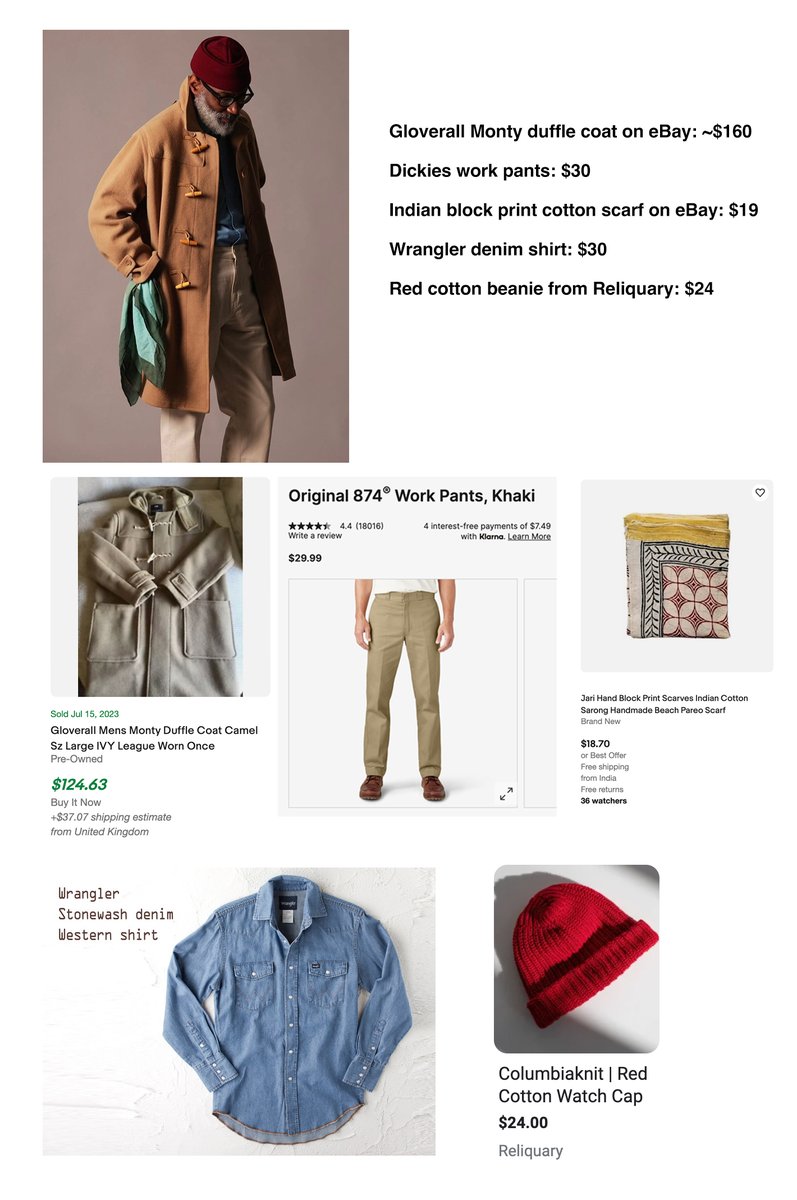
Here's a whole thread on affordable stuff you can find on eBay and elsewhere. I have a ton of posts like this on my site (Die, Workwear) and Put This On (where I do most of my service writing)
https://x.com/dieworkwear/status/1806878056315056310
I've shown examples here of how a cheap suit can look better than an expensive one if you simply develop an eye. Here's a suit costs a whopping $25. IMO, this looks better than McGregor's $5,000 suit.
IG edgyalbert
IG edgyalbert
You also don't have to wear tailoring! While my Twitter acct is now mostly about tailoring bc of the audience size, half my blog is about workwear & casualwear. Just yesterday, I showed these completely thrifted looks from Derrick (IG derrick_b_smith).
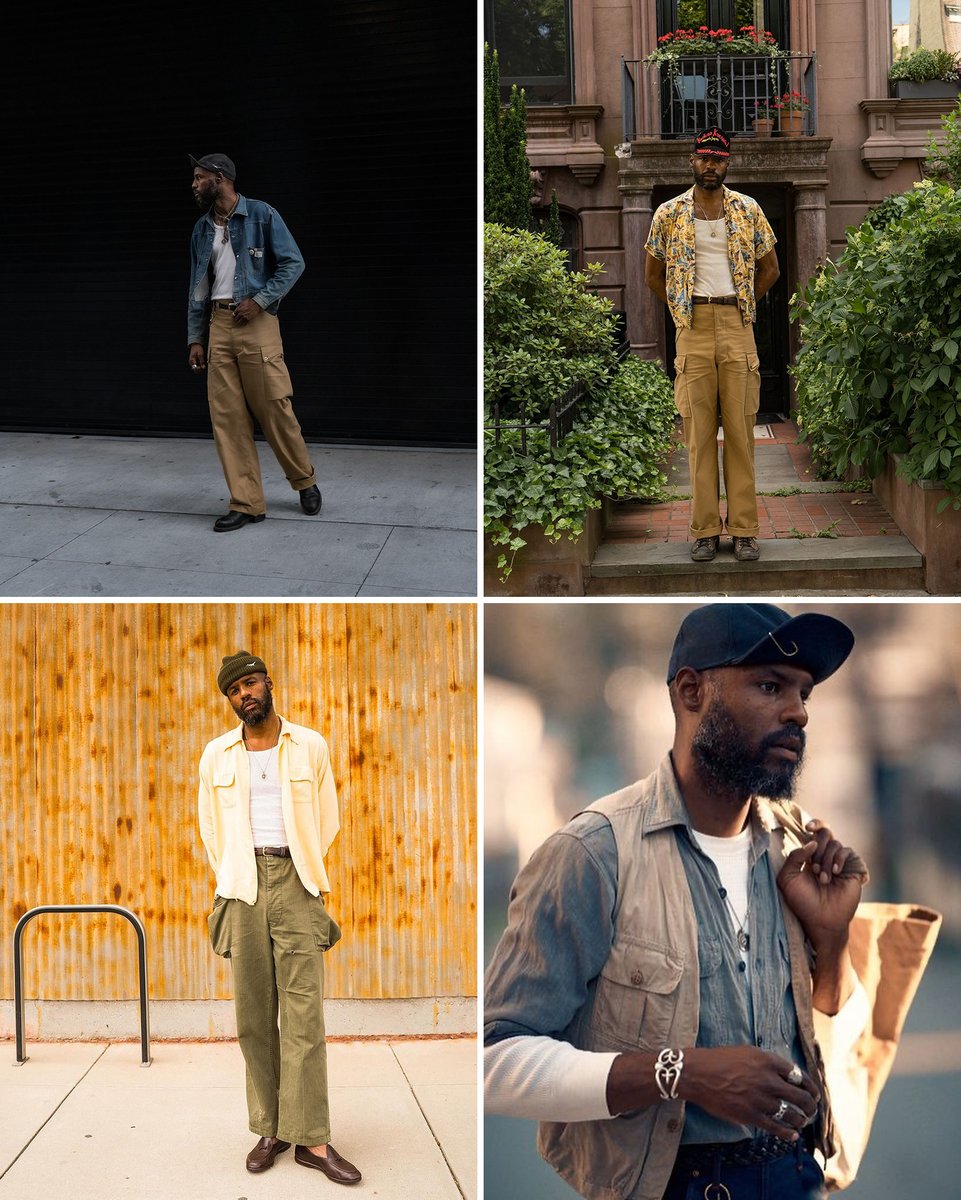
If I can be accused of anything, it's weaponizing arcane info about menswear that doesn't matter in real life. My views are purely that of a hobbyist and have nothing to do with how rich ppl dress today. Prince William often looks like your average business casual guy now.
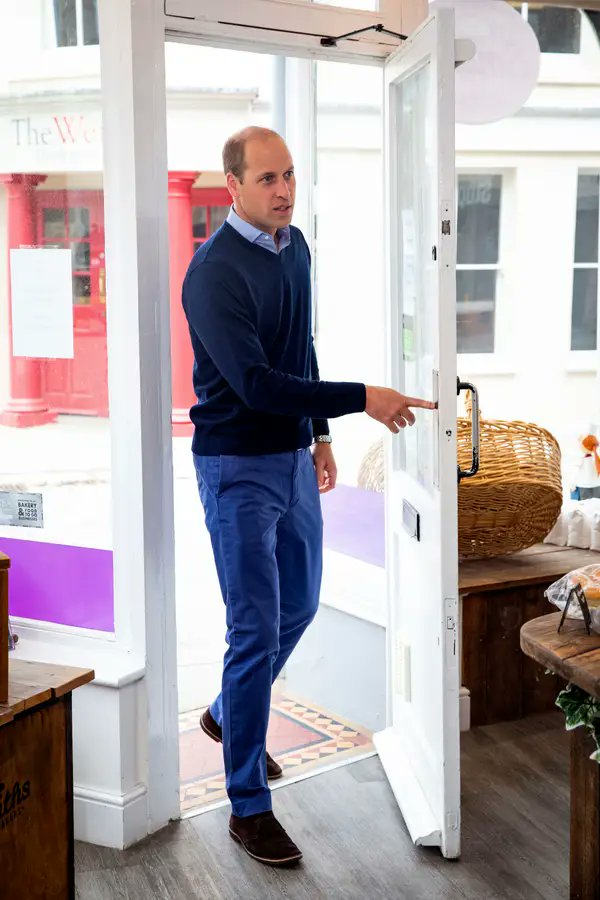
I mainly take umbrage with with @c_kletzer's critique because I've spent ~15 years trying to make this hobby more accessible to a wide range of people. I spend a lot of time rounding up eBay items, writing articles, and making my info free. Hardly gatekeeping with wealth.
• • •
Missing some Tweet in this thread? You can try to
force a refresh