Historian Will Durant was not a religious man, but he believed faith was "indispensable" to a culture.
He delivered a dire warning to societies who traded faith for comfort…🧵 (thread)
He delivered a dire warning to societies who traded faith for comfort…🧵 (thread)

Will Durant was a 20th-century American historian and philosopher most known for his 11-volume “Story of Civilization,” telling the history of both eastern and western civilizations.
His work led him to conclude that all cultures follow a predictable pattern…
His work led him to conclude that all cultures follow a predictable pattern…

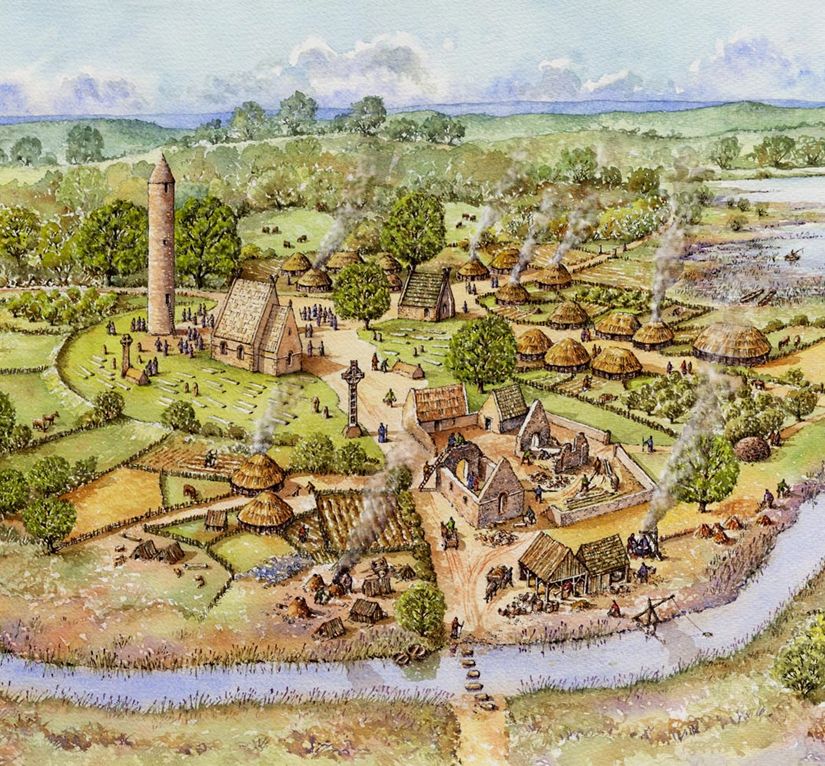
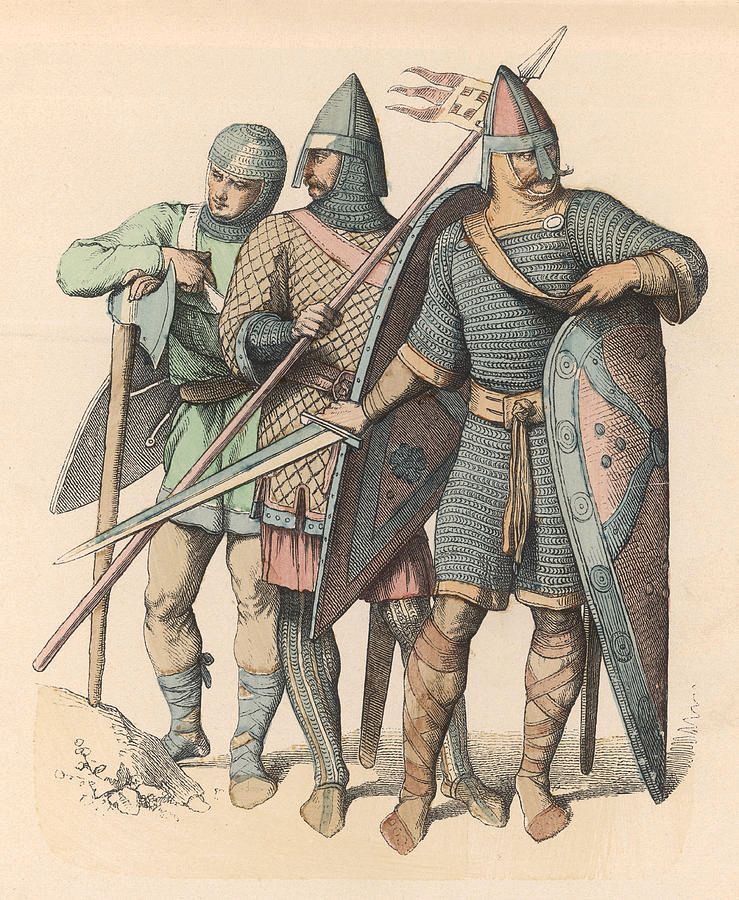
Civilizations first begin with religious fervor, giving a nation strength to overcome great difficulty.
It’s their faith in a higher power that allows them to bear the initial “growth pains” that precede prosperity.
It’s their faith in a higher power that allows them to bear the initial “growth pains” that precede prosperity.

Durant writes:
“In the beginning of all cultures a strong religious faith conceals and softens the nature of things, and gives men courage to bear pain and hardship patiently.”
“In the beginning of all cultures a strong religious faith conceals and softens the nature of things, and gives men courage to bear pain and hardship patiently.”

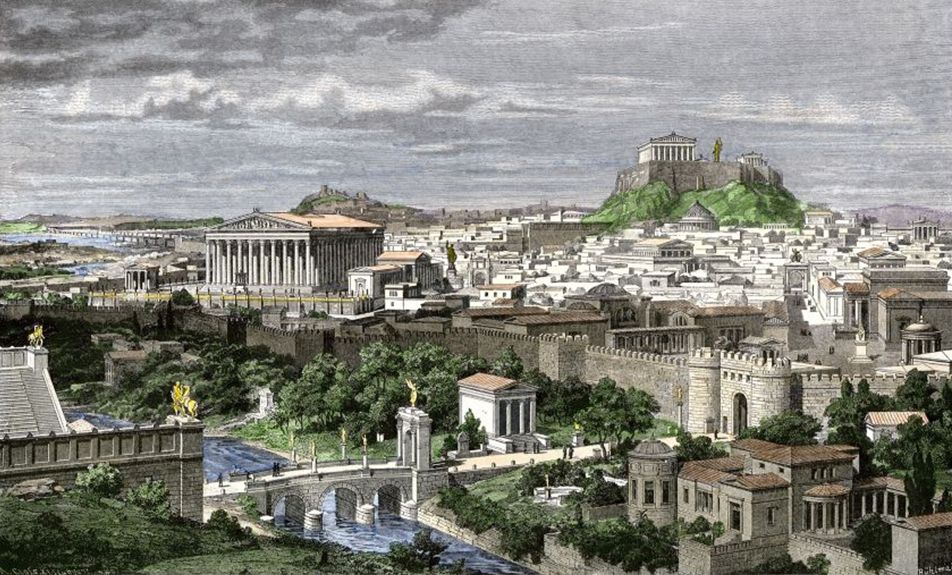
In Greece and Rome, for example, mythologies told of heroes who battled overwhelming adversity to accomplish their goals.
These myths inspired people to overcome struggles while offering an ideal to strive for.
These myths inspired people to overcome struggles while offering an ideal to strive for.


He also notes that a people’s religion is actually strengthened by difficulty:
“...a firm faith will explain that it was the sins of the people that turned their gods to an avenging wrath; evil does not destroy faith, but strengthens it.”
“...a firm faith will explain that it was the sins of the people that turned their gods to an avenging wrath; evil does not destroy faith, but strengthens it.”

Durant believed tough times were essential to building the character and faith of a nation.
But once success and abundance were eventually attained, the seeds of a culture’s downfall had already been planted…
But once success and abundance were eventually attained, the seeds of a culture’s downfall had already been planted…
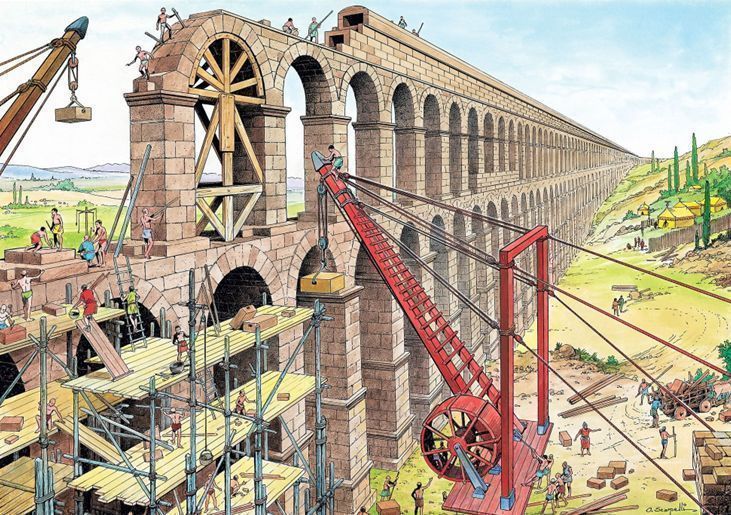
“If victory comes, if war is forgotten in security and peace, then wealth grows… toil and suffering are replaced by pleasure and ease; science weakens faith even while thought and comfort weaken virility and fortitude…”
Hardships give way to hedonic pleasure seeking, dulling the strength of a people.
When there are no great struggles left, people tend to lose their religiosity, and an analytical yet nihilistic ethos dominates the culture.
When there are no great struggles left, people tend to lose their religiosity, and an analytical yet nihilistic ethos dominates the culture.

Durant writes:
“At last men begin to doubt the gods; they mourn the tragedy of knowledge, and seek refuge in every passing delight.”
When faith dies, selfishness and apathy take root. People look to what they can get out of society rather than what they can contribute.
“At last men begin to doubt the gods; they mourn the tragedy of knowledge, and seek refuge in every passing delight.”
When faith dies, selfishness and apathy take root. People look to what they can get out of society rather than what they can contribute.

Durant sums up his observations with the famous line:
“A nation is born stoic, and dies epicurean.”
“A nation is born stoic, and dies epicurean.”

He relates the two attitudes of a civilization to two disparate schools of philosophy: the stoic school, which sought to bear hardships honorably, and the epicurean school, which taught one to seek pleasure and avoid pain.


It’s interesting that Durant posited that religion was so fundamental to a healthy society given that he was a notable critic of religion.
Nonetheless, he admitted its importance after studying the rise and fall of multiple civilizations.
Nonetheless, he admitted its importance after studying the rise and fall of multiple civilizations.

He notes:
“Even the skeptical historian develops a humble respect for religion, since he sees it functioning, and seemingly indispensable, in every land and age.”
“Even the skeptical historian develops a humble respect for religion, since he sees it functioning, and seemingly indispensable, in every land and age.”

With religion on the decline in the West today, the question arises: will our civilization be able to overcome our waning faith?
Or have we already succumbed to an epicurean ethos?
Or have we already succumbed to an epicurean ethos?
If you enjoyed this thread and would like to join the mission of promoting western tradition, kindly repost the first post (linked below) and consider following: @thinkingwest
https://twitter.com/thinkingwest/status/1833494410585100681
• • •
Missing some Tweet in this thread? You can try to
force a refresh