Sur le front de #Koursk, un nouveau bêchage ukrainien 🇺🇦 pour contrer la contre-offensive russe 🇷🇺 qui avance.
L'encerclement du district de Glushkovo a été levé par l'offensive russe, mais une nouvelle menace apparait au cœur de celui-ci.
🧵THREAD🧵1/17⬇️
L'encerclement du district de Glushkovo a été levé par l'offensive russe, mais une nouvelle menace apparait au cœur de celui-ci.
🧵THREAD🧵1/17⬇️

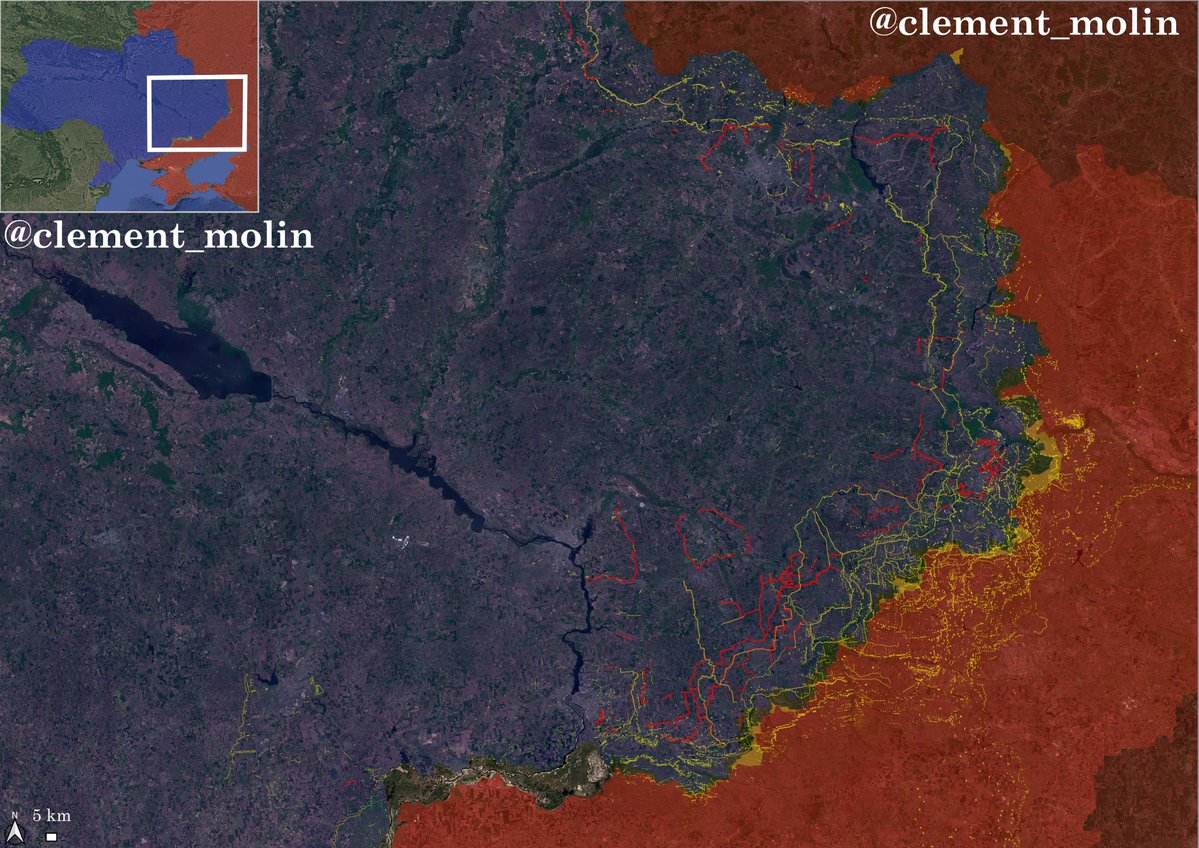
Contexte cartographique :
Est évoqué ici l'oblast russe de Koursk dont l'Ukraine contrôle ~1 000km2 depuis l'invasion surprise de celui-ci en août 2024.
Est évoqué ici l'oblast russe de Koursk dont l'Ukraine contrôle ~1 000km2 depuis l'invasion surprise de celui-ci en août 2024.

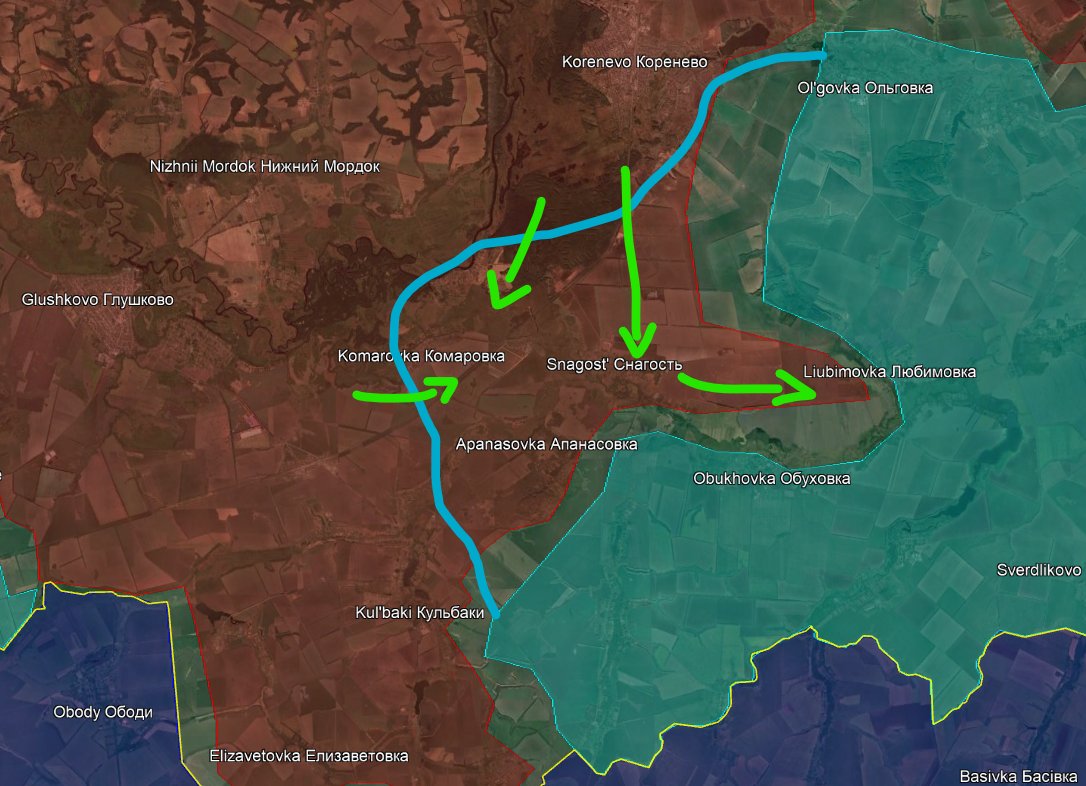
J'ai déjà partagé plusieurs vidéos de l'assaut russe. Celui-ci est parti de Korenevo pour prendre Snagost par le nord et couper la présence ukrainienne entre la rivière Seym et la frontière.
Voici une vidéo de la même colonne au milieu des mais vu du côté russe. On reconnait les véhicules de la VDV russe.
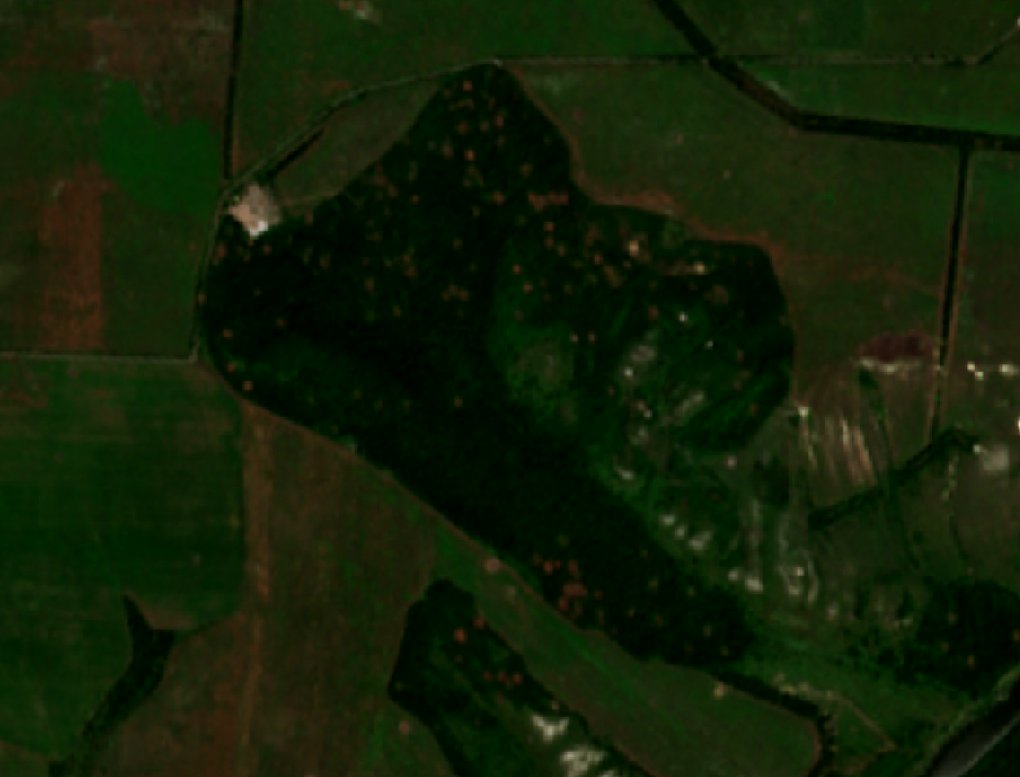
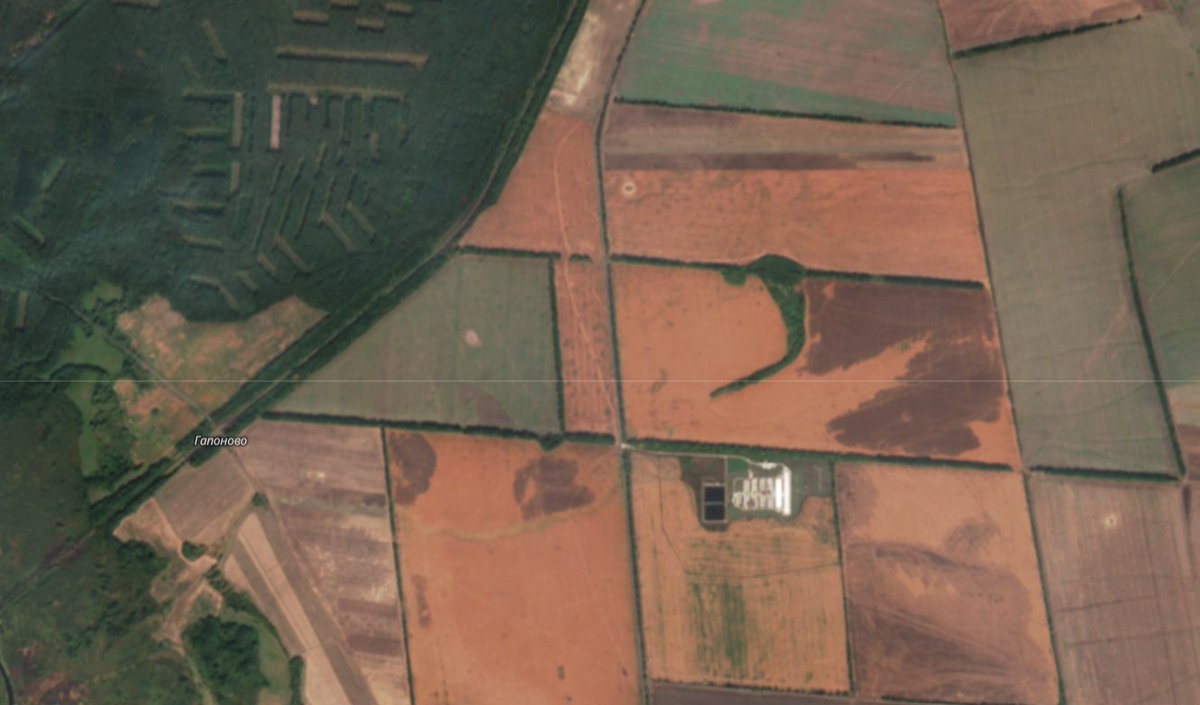
Les images satellites du jour via Sentinel-2 montrent le passage de la colonne russe au milieu des champs de mais pour prendre Snagost par le nord.
Le village a été libéré après 2 jours de combats.
Le village a été libéré après 2 jours de combats.
Je vous l'avait dit, l'armée russe devait absolument lever l'encerclement du district de Glushkovo. La carte représente l'assaut russe avec seulement la confirmation visuelle. Obukhovka et la zone au sud pourrait être libéré.
Les contre-attaques russes à Koursk ont commencé bien plus tôt, dès la mi-août à l'est de Korenevo avec la 810ème brigade d'infanterie de marines.
Mais l'attaque principale a débuté il y a quelques jours seulement.
Mais l'attaque principale a débuté il y a quelques jours seulement.
En reprenant le terrain, l'armée russe a réussi à détruire une partie du matériel ukrainien abandonné lors des différents assauts.
Les pertes sont un sujet tabou en Ukraine, mais pour attaquer, il faut forcément perdre du matériel.
Les pertes sont un sujet tabou en Ukraine, mais pour attaquer, il faut forcément perdre du matériel.
Voici le dernier bilan des pertes par @naalsio26 il y a 5 jours :
Les pertes principales des russes sont dans les camions et moyens du génie, côté ukrainien, ce sont les MRAP.
Les pertes principales des russes sont dans les camions et moyens du génie, côté ukrainien, ce sont les MRAP.


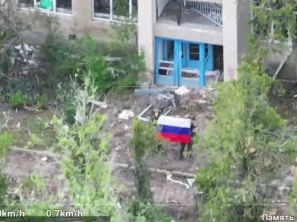
En réponse, l'armée ukrainienne a ouvert un nouveau front directement au sud de Glushkovo, entrant via 3 points par la frontière.
Voici quelques vidéos côté russe et ukrainien.
Voici quelques vidéos côté russe et ukrainien.
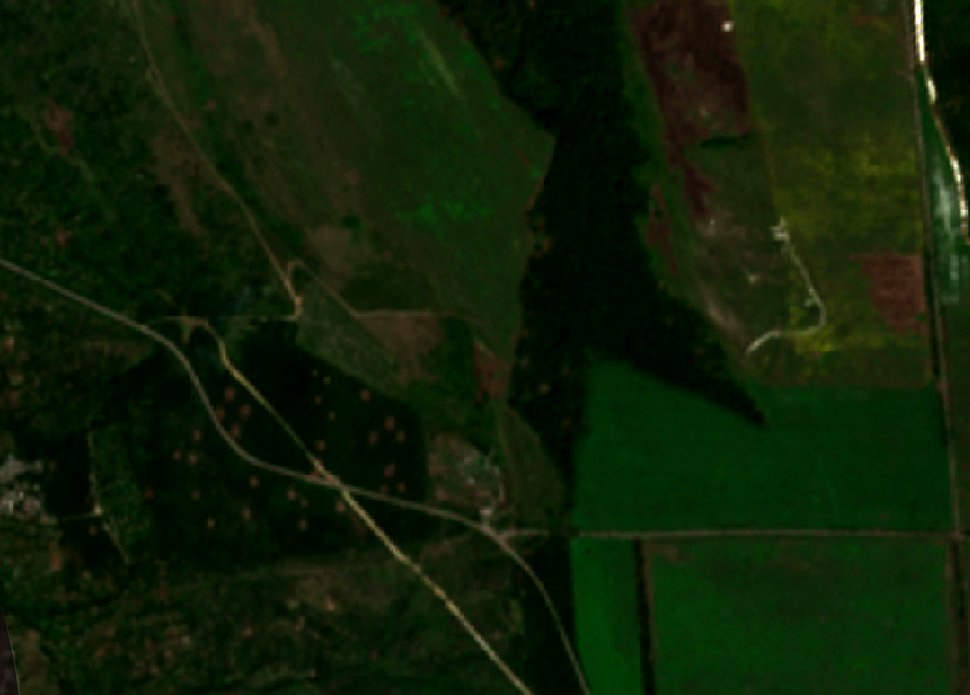
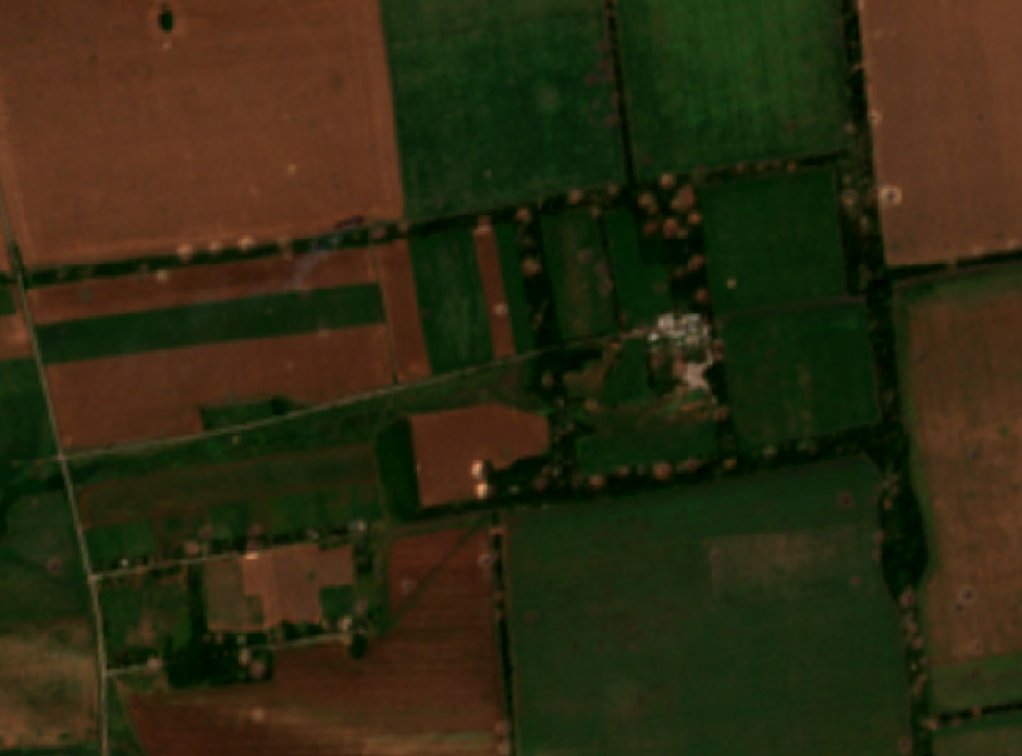
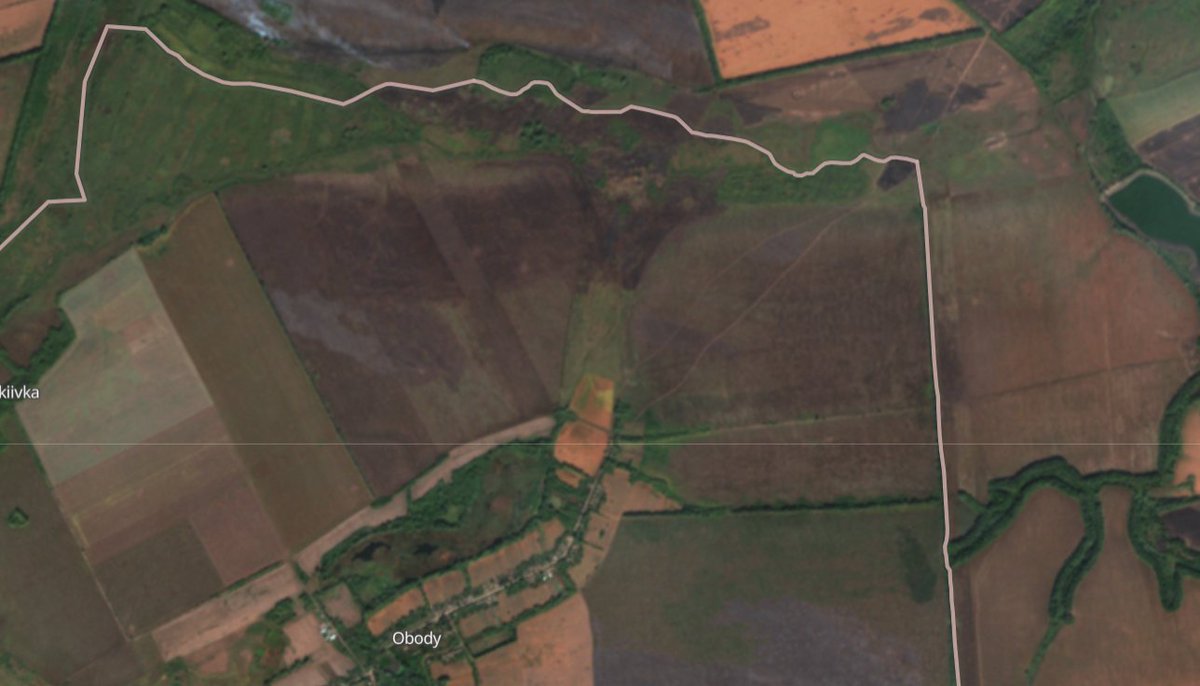
Les images satellites du jour montrent deux chemin tracés au milieu des mines qui sont connus, et un troisième inconnu jusque là.
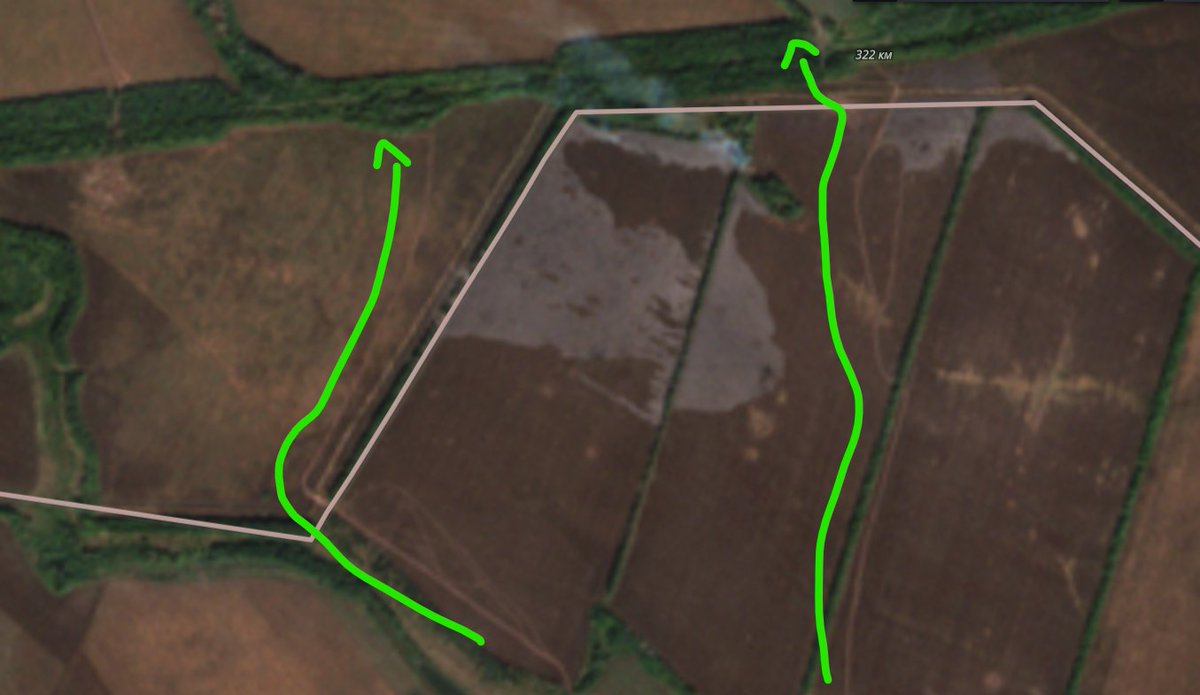
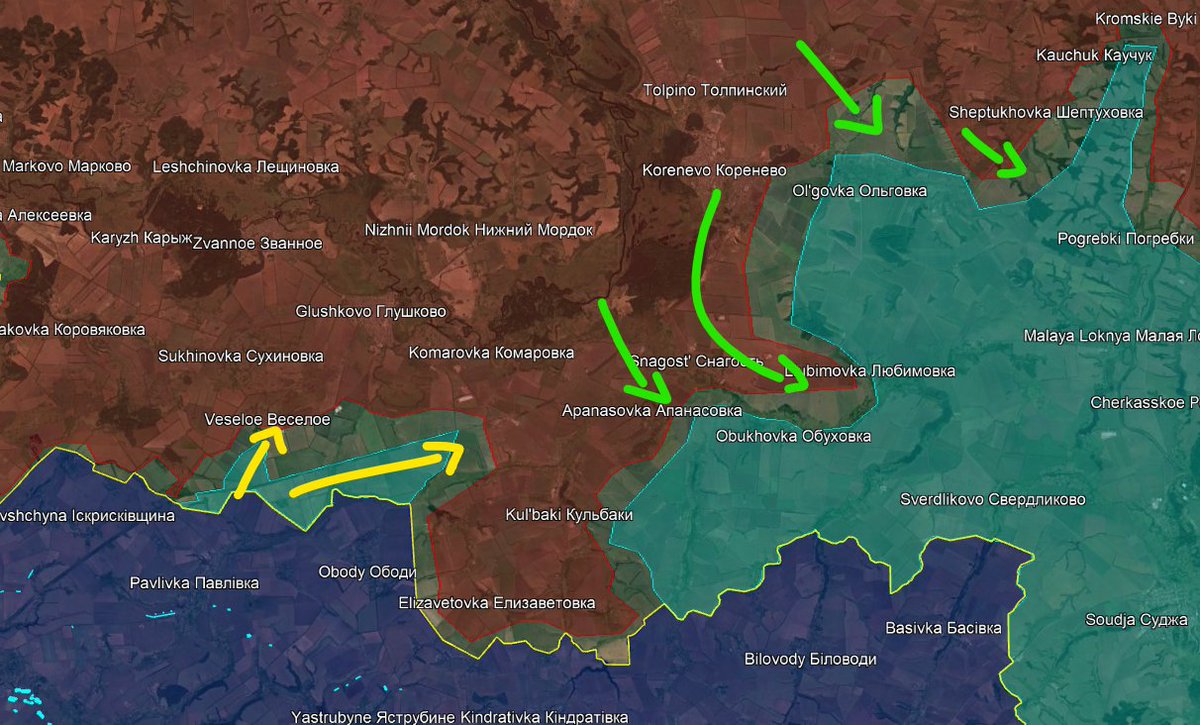
L'armée ukrainienne est entrée par 3 endroits dans le district de Glushkovo. De fait, celui-ci est de nouveau quasiment encerclé.
Le groupe de dronistes 🇺🇦"Khorne Group" était mécontent contre les journalistes occidentaux disant que l'opération avait échouée.
Le groupe de dronistes 🇺🇦"Khorne Group" était mécontent contre les journalistes occidentaux disant que l'opération avait échouée.
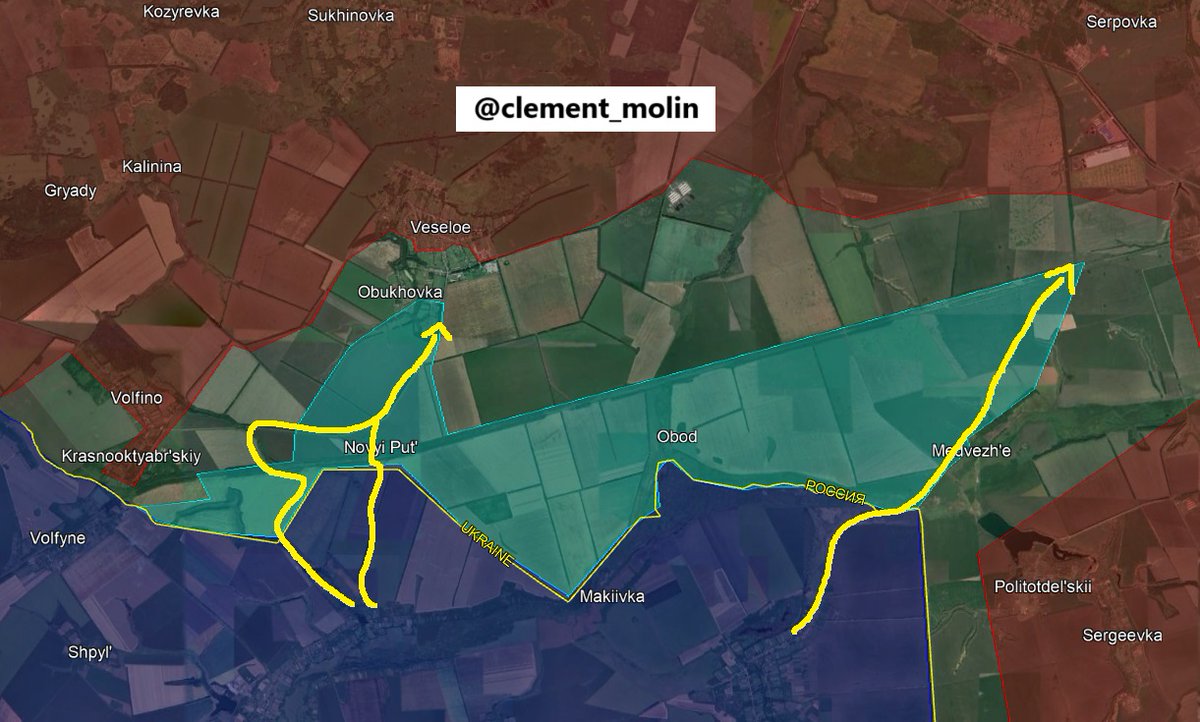
Images de cette 3ème progression bien plus à l'ouest. Les images sont disponibles sur Sentienl-2, ce n'est donc en rien de l'OPSEC puisque tout le monde à accès à Sentinel-2.

Sur la partie est du front de Koursk, l'armée russe est entrée dans Borki après de lourds bombardements.
Je ne peux cependant pas le confirmer visuellement.
Je ne peux cependant pas le confirmer visuellement.
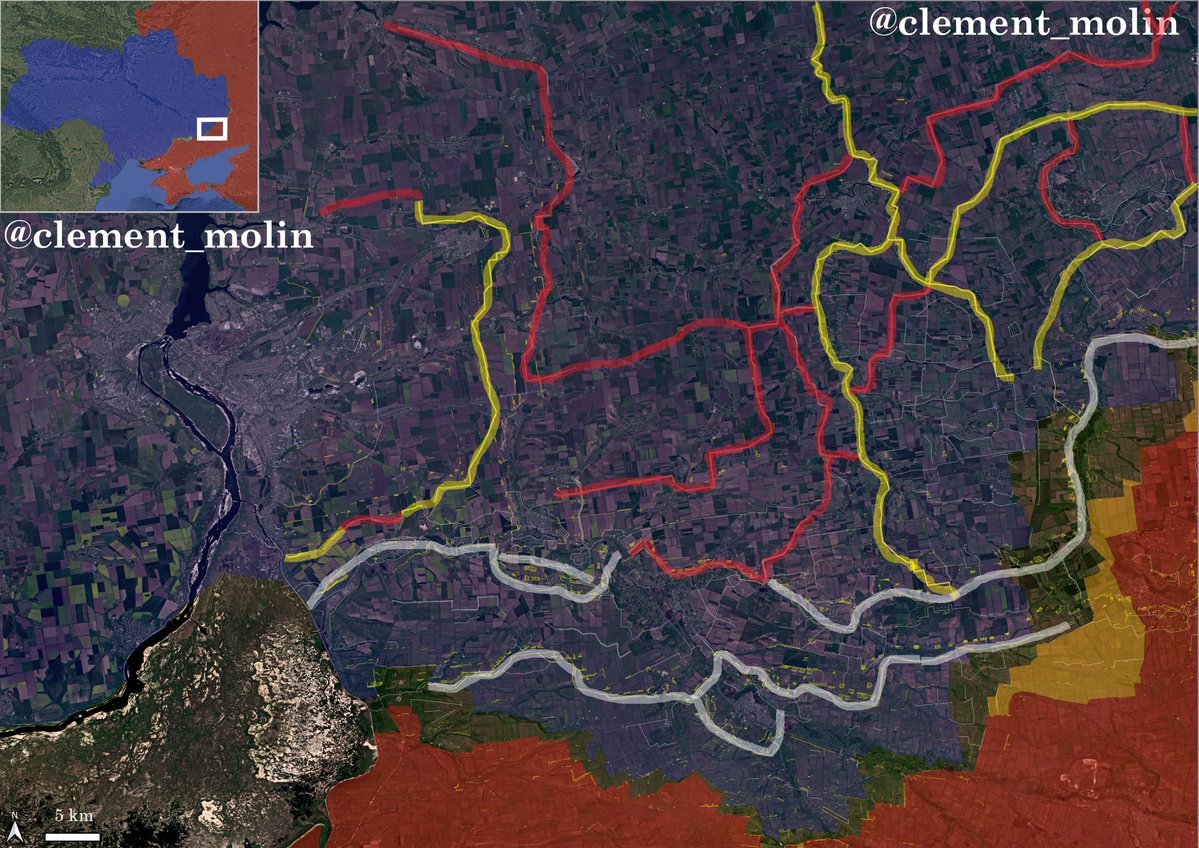
Voici donc une carte résumant la situation sur le front ouest de Koursk, avec une contre-attaque russe elle-même contre-attaquée par une attaque ukrainienne.
Tout va se jouer dans la capacité ukrainienne à atteindre une distance minimale de Glushkovo.
Tout va se jouer dans la capacité ukrainienne à atteindre une distance minimale de Glushkovo.
Le grand nombre de départs de feu autour de la frontière montre la violence des combats et des bombardements de ces dernières heures.

En résumé : un nouvel axe de progression ukrainien menace une contre-attaque russe qui a réussi à s'enfoncer en profondeur dans les lignes ukrainiennes. L'armée russe passe à l'attaque sur l'ensemble du front de Koursk avec une force importante.
Demain, je parlerai de Pokrovsk.
Demain, je parlerai de Pokrovsk.
La vidéo du Tweet 4 n'a pas chargé. Voici le lien :
(au passage, la démocratie que j'avais invoqué hier avait demandé Pokrovsk, j'ai choisi finalement de faire Koursk face aux nombreuses infos ; à demain pour Pokrovsk ! )t.me/sudoplatov_off…
(au passage, la démocratie que j'avais invoqué hier avait demandé Pokrovsk, j'ai choisi finalement de faire Koursk face aux nombreuses infos ; à demain pour Pokrovsk ! )t.me/sudoplatov_off…
• • •
Missing some Tweet in this thread? You can try to
force a refresh