Charlie Munger was a big believer in mental models.
But he’s not the only one—Warren Buffett, Ray Dalio, and Howard Marks too use mental models before investing in a company.
10 most powerful mental models I've learned from genius investors:
But he’s not the only one—Warren Buffett, Ray Dalio, and Howard Marks too use mental models before investing in a company.
10 most powerful mental models I've learned from genius investors:

1. Circle of Competence (Warren Buffett)
Only invest in areas you fully understand.
Buffett focuses on industries he has a deep understanding of, avoiding those outside his expertise.
If you don’t understand how a business makes money, don’t invest in it.
Only invest in areas you fully understand.
Buffett focuses on industries he has a deep understanding of, avoiding those outside his expertise.
If you don’t understand how a business makes money, don’t invest in it.
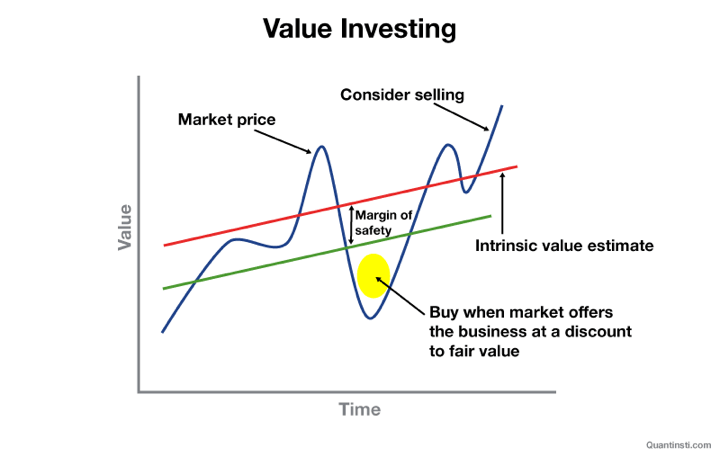
2. Margin of Safety (Benjamin Graham)
Buy assets well below their intrinsic value to reduce risk.
This is one of the most important principles in value investing.
This model teaches that the price you pay can offer protection against volatility and mistakes.
Buy assets well below their intrinsic value to reduce risk.
This is one of the most important principles in value investing.
This model teaches that the price you pay can offer protection against volatility and mistakes.
3. Inversion (Charlie Munger)
Solve problems by thinking backward, focusing on what you want to avoid.
Munger often says, “All I want to know is where I’m going to die, so I’ll never go there.”
Investors use inversion to identify pitfalls and avoid poor investment choices.
Solve problems by thinking backward, focusing on what you want to avoid.
Munger often says, “All I want to know is where I’m going to die, so I’ll never go there.”
Investors use inversion to identify pitfalls and avoid poor investment choices.
4. Survivorship Bias (Howard Marks)
Don't just study the winners, study the losers to understand the full picture.
Marks cautions that we often focus on success stories while overlooking failed businesses.
To avoid this bias, consider why many investments fail rather than why a few succeed.
Don't just study the winners, study the losers to understand the full picture.
Marks cautions that we often focus on success stories while overlooking failed businesses.
To avoid this bias, consider why many investments fail rather than why a few succeed.

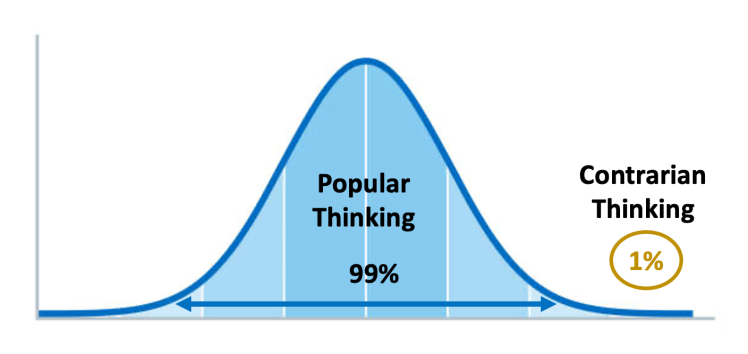
5. Contrarian Thinking (John Templeton)
Buy when others are fearful.
Templeton famously bought into markets others shunned, like during the Great Depression, and made a fortune by being a contrarian investor.
Buy when others are fearful.
Templeton famously bought into markets others shunned, like during the Great Depression, and made a fortune by being a contrarian investor.
6. Risk-Reward Ratio (Peter Lynch)
Always evaluate risk relative to potential reward.
Lynch focused on finding "10-bagger" stocks, meaning those with the potential to increase tenfold in value, while being mindful of the risks associated with each investment.
Always evaluate risk relative to potential reward.
Lynch focused on finding "10-bagger" stocks, meaning those with the potential to increase tenfold in value, while being mindful of the risks associated with each investment.
7. Mr. Market (Benjamin Graham)
Treat the market as an irrational entity that can be overly optimistic or pessimistic.
Think of the stock market as an emotional business partner offering deals at varying prices.
Buy when others are overly pessimistic, and sell when they are irrationally optimistic.
Treat the market as an irrational entity that can be overly optimistic or pessimistic.
Think of the stock market as an emotional business partner offering deals at varying prices.
Buy when others are overly pessimistic, and sell when they are irrationally optimistic.
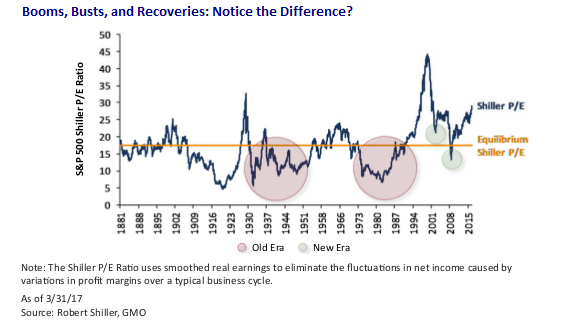
8. Mean Reversion (Jeremy Grantham)
Markets return to the average over time.
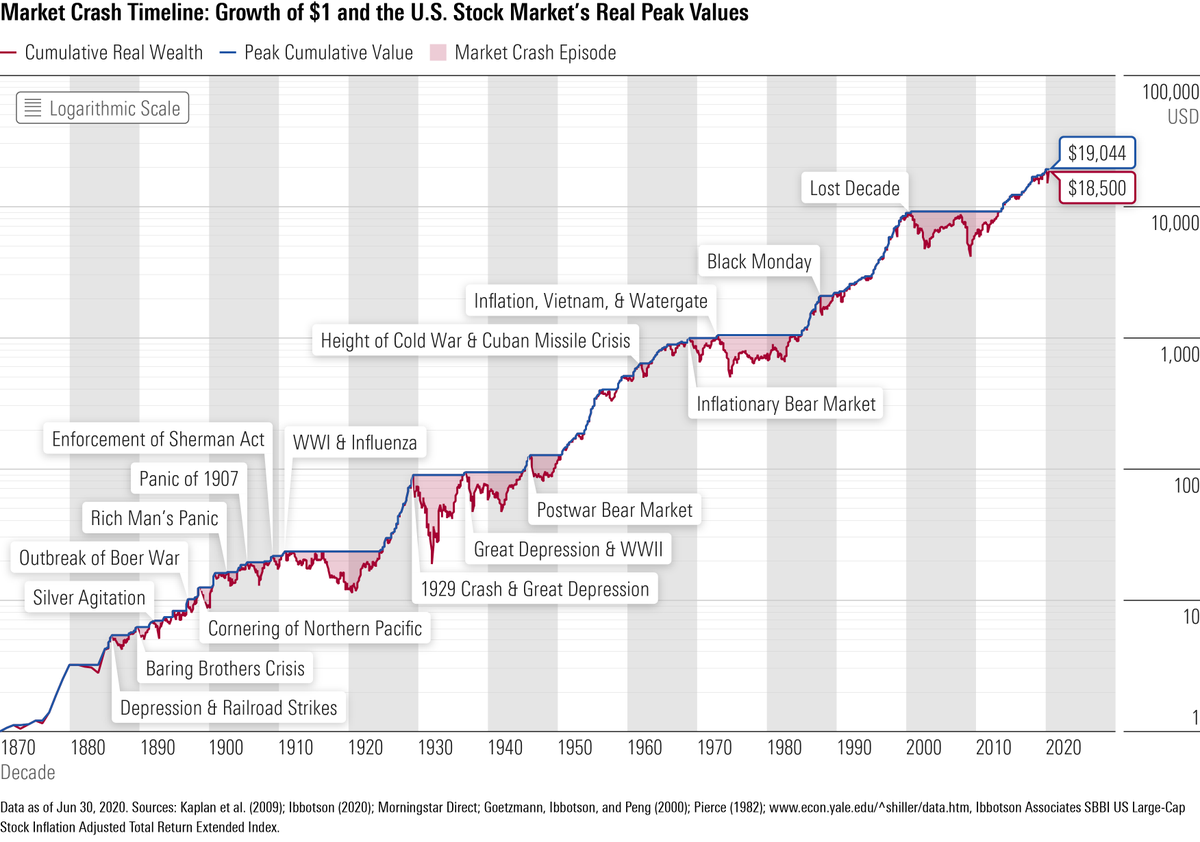
Grantham is famous for predicting bubbles and crashes, based on the idea that markets and valuations eventually revert to their historical means.
Markets return to the average over time.
Grantham is famous for predicting bubbles and crashes, based on the idea that markets and valuations eventually revert to their historical means.
9. Opportunity Cost (Charlie Munger)
The true cost of a decision is the value of the next best alternative.
Munger constantly evaluates the opportunity cost of each investment decision.
Is your current investment better than what else you could be doing with the same money?
The true cost of a decision is the value of the next best alternative.
Munger constantly evaluates the opportunity cost of each investment decision.
Is your current investment better than what else you could be doing with the same money?
10. Second-Order Thinking (Howard Marks)
Think beyond the initial effects of your decision and consider the long-term consequences.
Marks is a big proponent of second-order thinking—thinking not just about what will happen, but what happens after that.
This helps to see opportunities others miss.
Think beyond the initial effects of your decision and consider the long-term consequences.
Marks is a big proponent of second-order thinking—thinking not just about what will happen, but what happens after that.
This helps to see opportunities others miss.
Do you want investing strategies powered by the best insights and historical precedent?
Join Surmount and start automating your investments:
app.surmount.ai/signup
Join Surmount and start automating your investments:
app.surmount.ai/signup
• • •
Missing some Tweet in this thread? You can try to
force a refresh