For your EYE's Only .
The 1728 Fiber.. The artery Of Data-center
Corning #1728-Fiber Rocket-Ribbon Extreme.
The 1728 fiber cable (L) is 25mm, ~1 inch diameter. These are cables made from conventional "hard" ribbons, not the "flexible" ribbons used on some cable designs.
1,728-Fiber Cable With 12-Fiber Ribbons Comprising 160-μm-Coating Fiber With 80-μm Cladding
The 1728 Fiber.. The artery Of Data-center
Corning #1728-Fiber Rocket-Ribbon Extreme.
The 1728 fiber cable (L) is 25mm, ~1 inch diameter. These are cables made from conventional "hard" ribbons, not the "flexible" ribbons used on some cable designs.
1,728-Fiber Cable With 12-Fiber Ribbons Comprising 160-μm-Coating Fiber With 80-μm Cladding

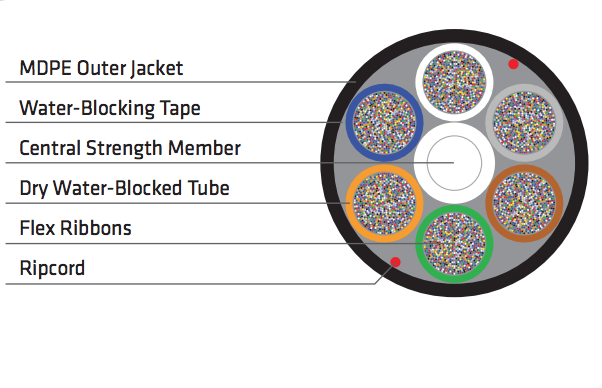
How the Fiber shape it


Perfect !!!
The BIRDS eye - is investor smelling 1728 ?? #hfcl
The BIRDS eye - is investor smelling 1728 ?? #hfcl

Configuration :
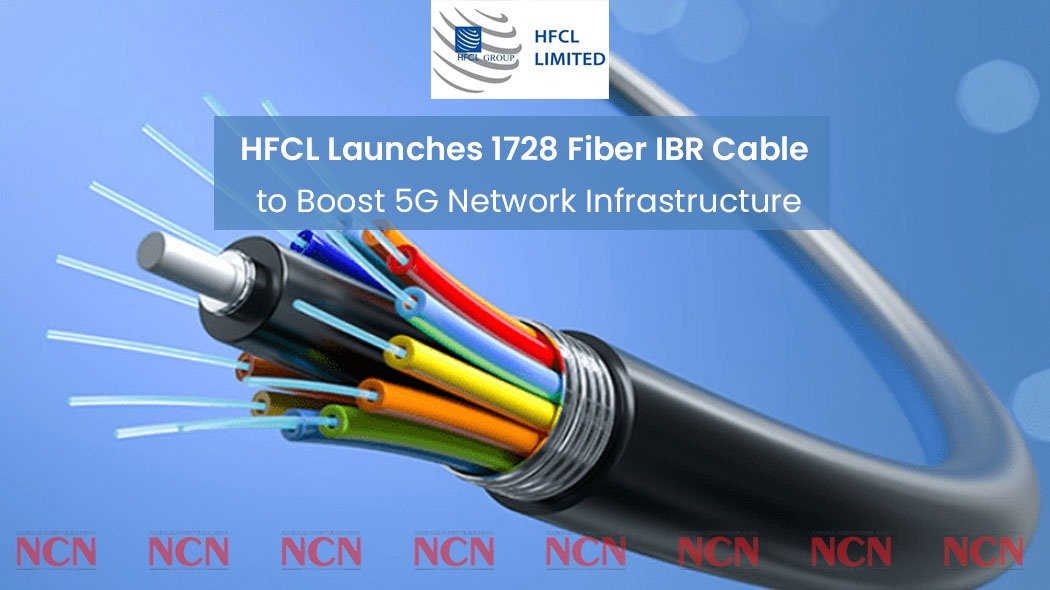
The core technology behind these dense 1728-high fibre count IBR Cables is individual Intermittently Bonded Ribbons, each made up of 12 optical fibres, which are securely bonded at specific intervals along their lengths. Unlike traditional flat ribbons, IBR Cables offer a unique blend of space efficient design with a fully backward- compatible cable design, allowing seamless upgradation of optical infrastructures and further making it a readily deployable innovation in the field of optical fibre technology.
well all can build !! i am just taking what this tiny company doing
Fiber count: HFCL makes IBR cables with up to 1728 fibers.
Cable diameter: HFCL's IBR cables are small in diameter, allowing them to fit into ducts and conduits of various sizes.
Flexibility and scalability: HFCL's cables are designed to be flexible and scalable to meet the needs of data centers.
Quality: HFCL uses state-of-the-art facilities and stringent quality checks to ensure the quality of their products.
Types of cables: HFCL makes both armored and unarmored cables.
Bend resistance: HFCL's micro-module cables have enhanced bend resistance to protect the fibers during installation and maintenance.
The core technology behind these dense 1728-high fibre count IBR Cables is individual Intermittently Bonded Ribbons, each made up of 12 optical fibres, which are securely bonded at specific intervals along their lengths. Unlike traditional flat ribbons, IBR Cables offer a unique blend of space efficient design with a fully backward- compatible cable design, allowing seamless upgradation of optical infrastructures and further making it a readily deployable innovation in the field of optical fibre technology.
well all can build !! i am just taking what this tiny company doing
Fiber count: HFCL makes IBR cables with up to 1728 fibers.
Cable diameter: HFCL's IBR cables are small in diameter, allowing them to fit into ducts and conduits of various sizes.
Flexibility and scalability: HFCL's cables are designed to be flexible and scalable to meet the needs of data centers.
Quality: HFCL uses state-of-the-art facilities and stringent quality checks to ensure the quality of their products.
Types of cables: HFCL makes both armored and unarmored cables.
Bend resistance: HFCL's micro-module cables have enhanced bend resistance to protect the fibers during installation and maintenance.
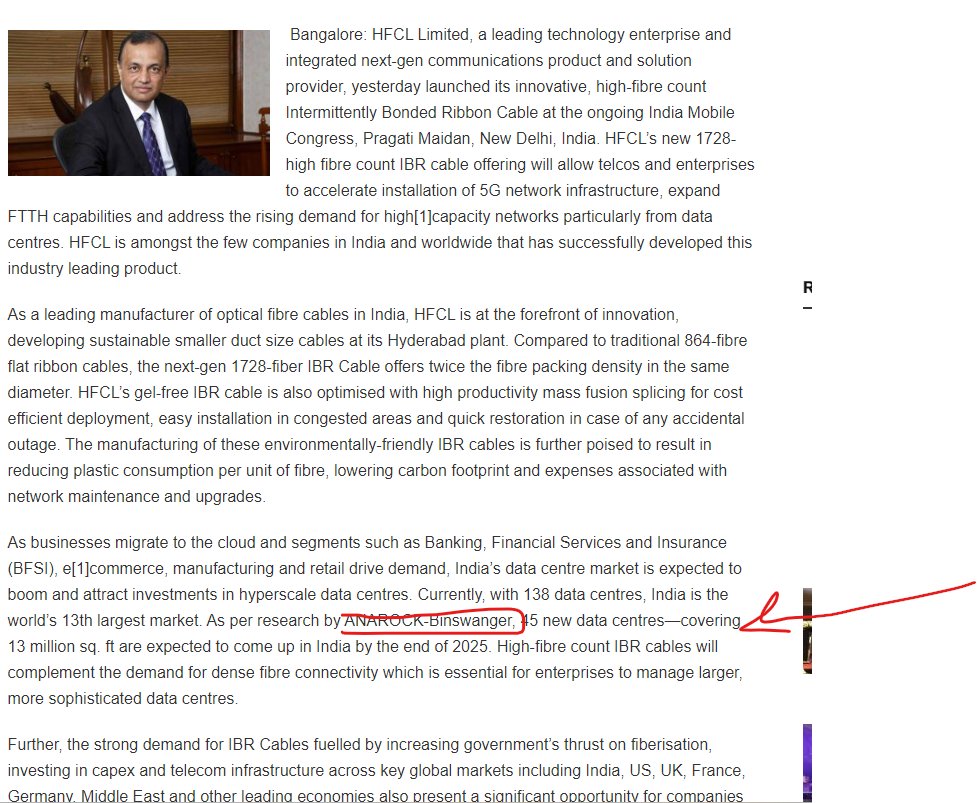
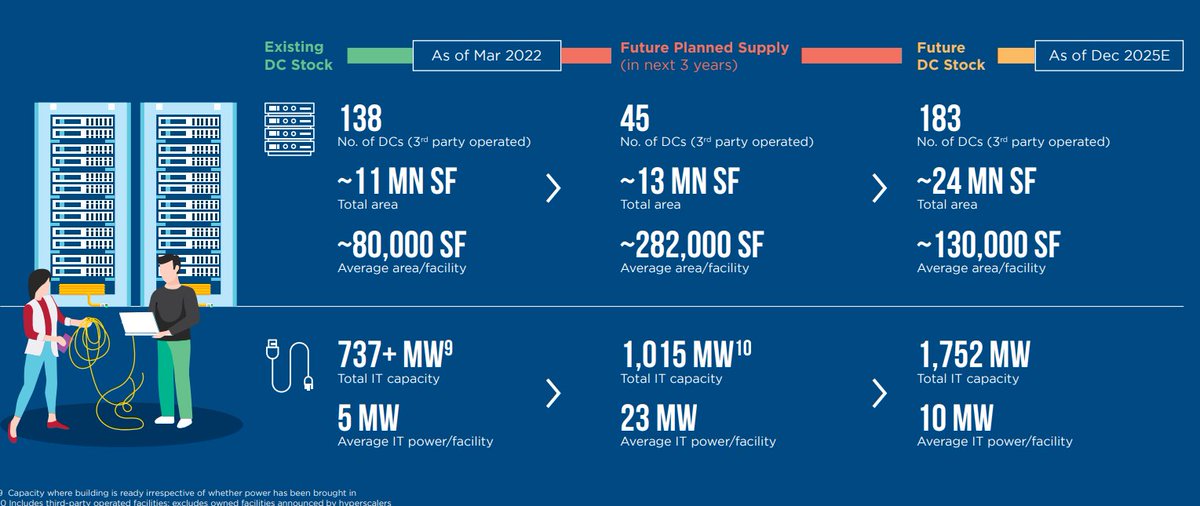
why 1728 ?
Ribbon cables are typically used when space is limited in an application. It comprises of optical fibers placed side-by-side which resembles a ribbon. The key difference between ribbon cables and traditional loose tube cables is that ribbon cables enable mass fusion splicing, which is more cost-efficient, brings down deployment time and ensures overall better management.
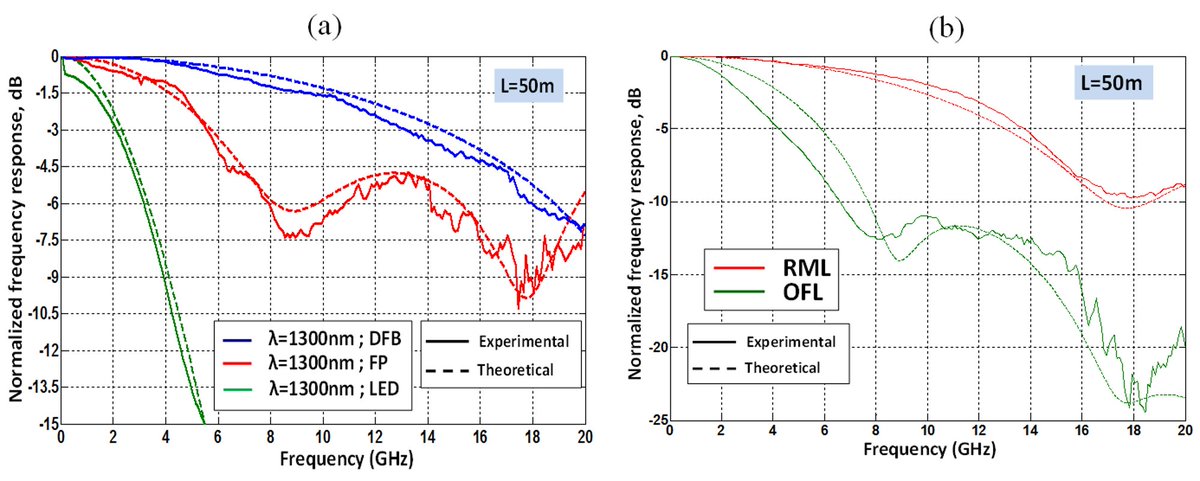
Most critical Is frequency -
Ribbon cables are typically used when space is limited in an application. It comprises of optical fibers placed side-by-side which resembles a ribbon. The key difference between ribbon cables and traditional loose tube cables is that ribbon cables enable mass fusion splicing, which is more cost-efficient, brings down deployment time and ensures overall better management.
Most critical Is frequency -
Is Railway comes under same category ?
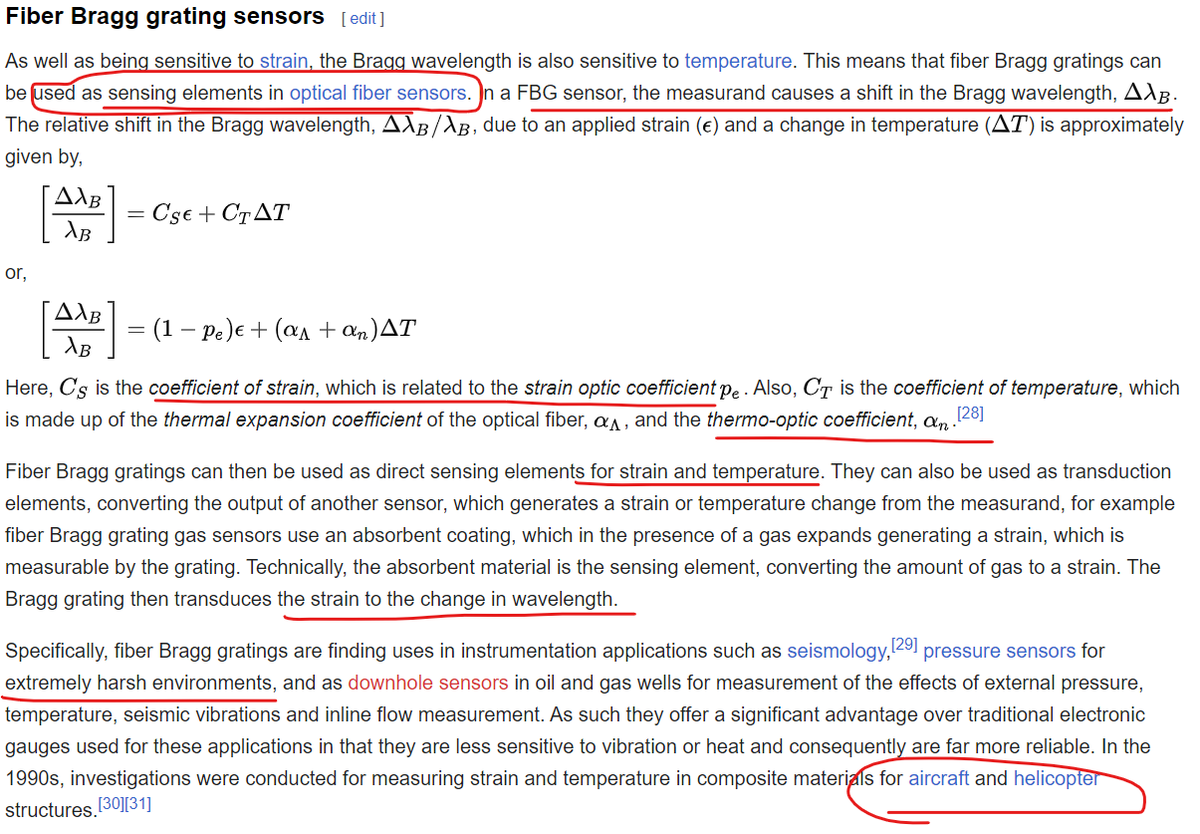
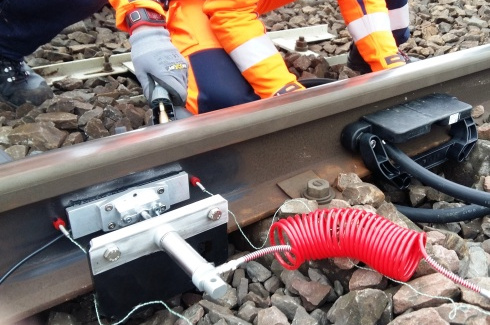
Optical fiber sensing (OFS) technologies are used in the railway industry to monitor the condition of the tracks, rolling stock, and other components. Some of the best OFS technologies for the railway industry include:
Fiber Bragg Grating (FBG): These sensors are small, easy to handle, and have high resolution and accuracy. They are often used for local measurements, but multiple FBGs can be connected to create a quasi-distributed sensing element for longer distances.
Distributed Fiber Optic Sensing (DFOS): This technology uses optical fibers laid alongside the tracks to create a large array of distributed sensors. DFOS can monitor acoustic signals from events like train movements and wheel-rail interactions. This helps to identify problems early, which can improve safety and reduce the risk of failures.
Light scattering-based sensors: These sensors are suitable for continuous and long distance measurement.
Where Railway need?
1. Vibration Monitoring
Distributed Acoustic Sensing (DAS) uses fibre optics to sense and monitor vibrations. A railway line can install this fibre optic solution to help them detect obstacles on the track, wheel damage, and locate the train’s position, amongst other things.
2. Data Transmission
Optical fibre cables transfer data via pulses of light. The speed at which data is transmitted is substantially faster than those delivered electronically. High-speed data transmissions enable train staff to receive important information quickly, helping them to react and respond accordingly.
3. Long-Distance Communication
Fibre optic cables can provide information over long distances, enabling train drivers to learn about real-time events near the monitored area.
4. Security
Since fibre optic cables are non-metallic, they are immune to electromagnetic interference (EMI). In short, signals are unaffected by environmental electrical noise, so data remains strong and secure. Also, sensitive data is encrypted as ciphertext, making it difficult for hackers to access.
5. Safety and Reliability
As mentioned, fibre optic cables are weather resistant. They are a highly durable cable choice and can survive most weather conditions. The high immune levels of fibre optics mean they experience fewer outages, making them more reliable for networks and increasing railway signal connectivity.
Optical fiber sensing (OFS) technologies are used in the railway industry to monitor the condition of the tracks, rolling stock, and other components. Some of the best OFS technologies for the railway industry include:
Fiber Bragg Grating (FBG): These sensors are small, easy to handle, and have high resolution and accuracy. They are often used for local measurements, but multiple FBGs can be connected to create a quasi-distributed sensing element for longer distances.
Distributed Fiber Optic Sensing (DFOS): This technology uses optical fibers laid alongside the tracks to create a large array of distributed sensors. DFOS can monitor acoustic signals from events like train movements and wheel-rail interactions. This helps to identify problems early, which can improve safety and reduce the risk of failures.
Light scattering-based sensors: These sensors are suitable for continuous and long distance measurement.
Where Railway need?
1. Vibration Monitoring
Distributed Acoustic Sensing (DAS) uses fibre optics to sense and monitor vibrations. A railway line can install this fibre optic solution to help them detect obstacles on the track, wheel damage, and locate the train’s position, amongst other things.
2. Data Transmission
Optical fibre cables transfer data via pulses of light. The speed at which data is transmitted is substantially faster than those delivered electronically. High-speed data transmissions enable train staff to receive important information quickly, helping them to react and respond accordingly.
3. Long-Distance Communication
Fibre optic cables can provide information over long distances, enabling train drivers to learn about real-time events near the monitored area.
4. Security
Since fibre optic cables are non-metallic, they are immune to electromagnetic interference (EMI). In short, signals are unaffected by environmental electrical noise, so data remains strong and secure. Also, sensitive data is encrypted as ciphertext, making it difficult for hackers to access.
5. Safety and Reliability
As mentioned, fibre optic cables are weather resistant. They are a highly durable cable choice and can survive most weather conditions. The high immune levels of fibre optics mean they experience fewer outages, making them more reliable for networks and increasing railway signal connectivity.
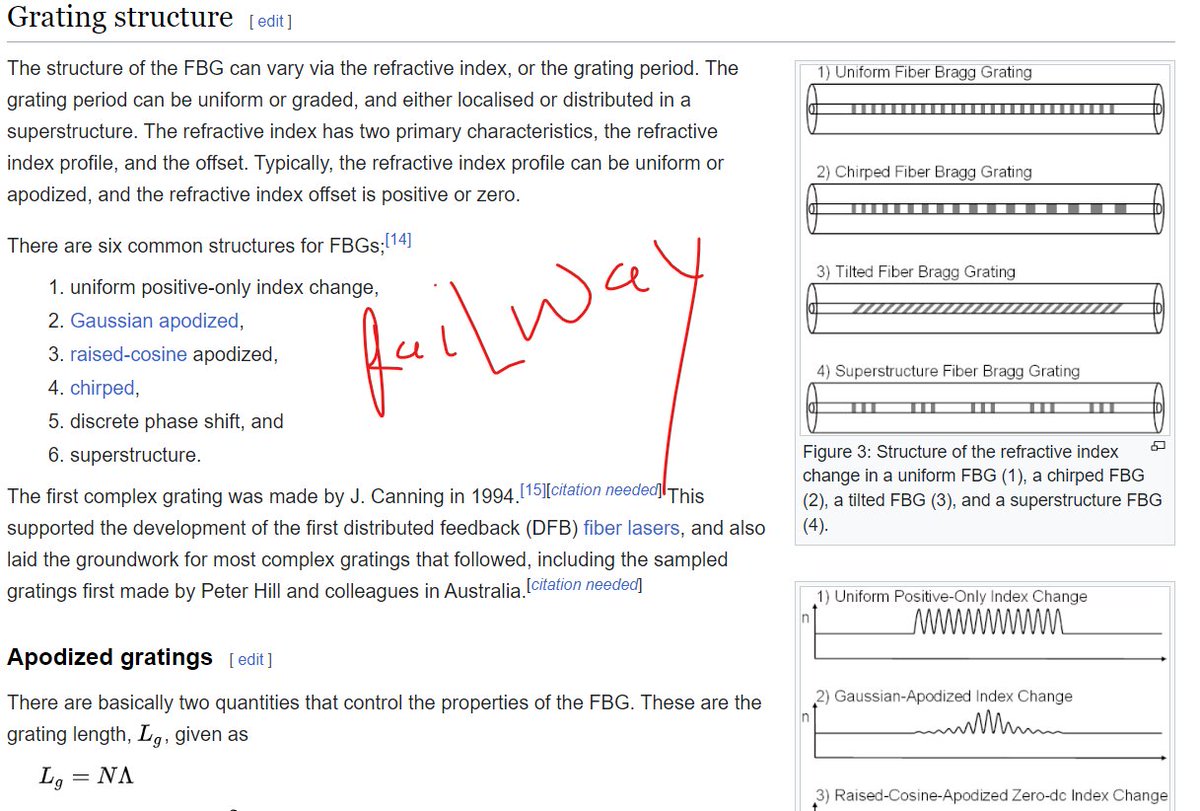
Fiber Bragg grating Optic fiber - sensor / Railway
For high speed train : #FBG
For high speed train : #FBG
Railway :
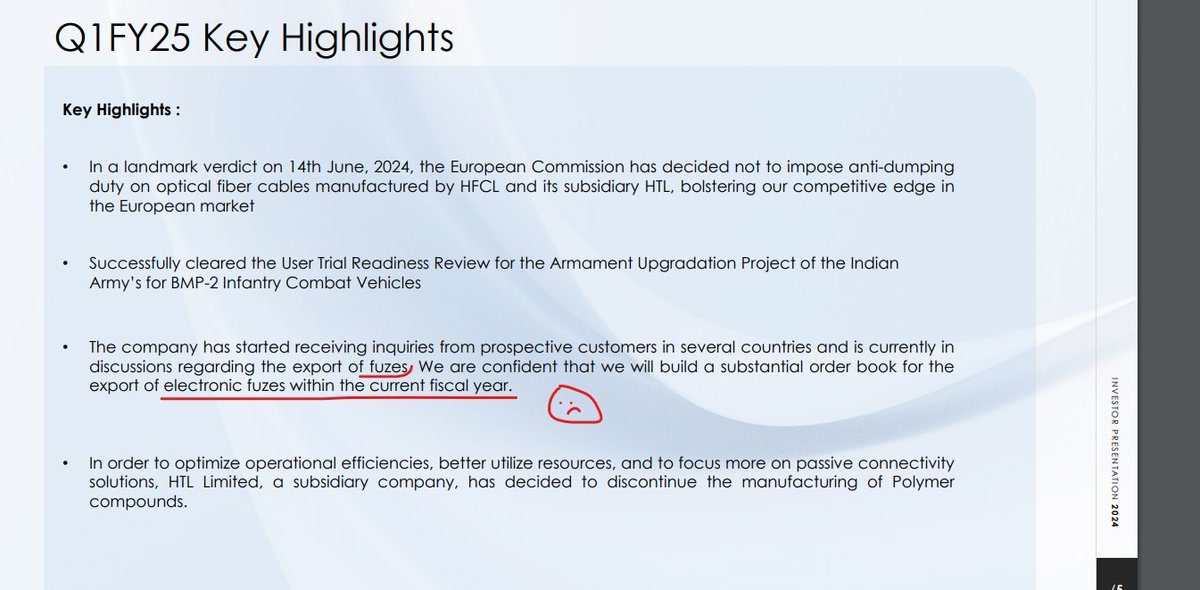
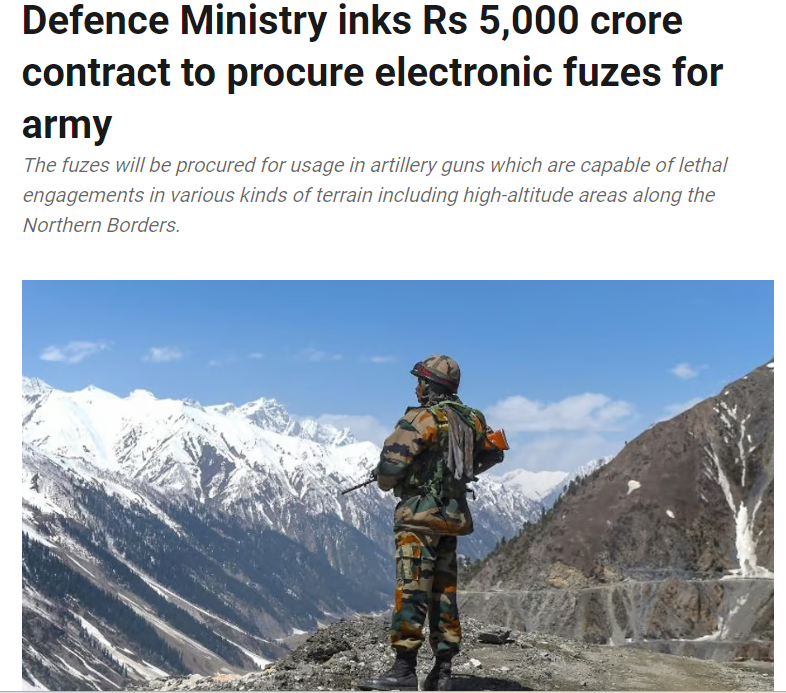
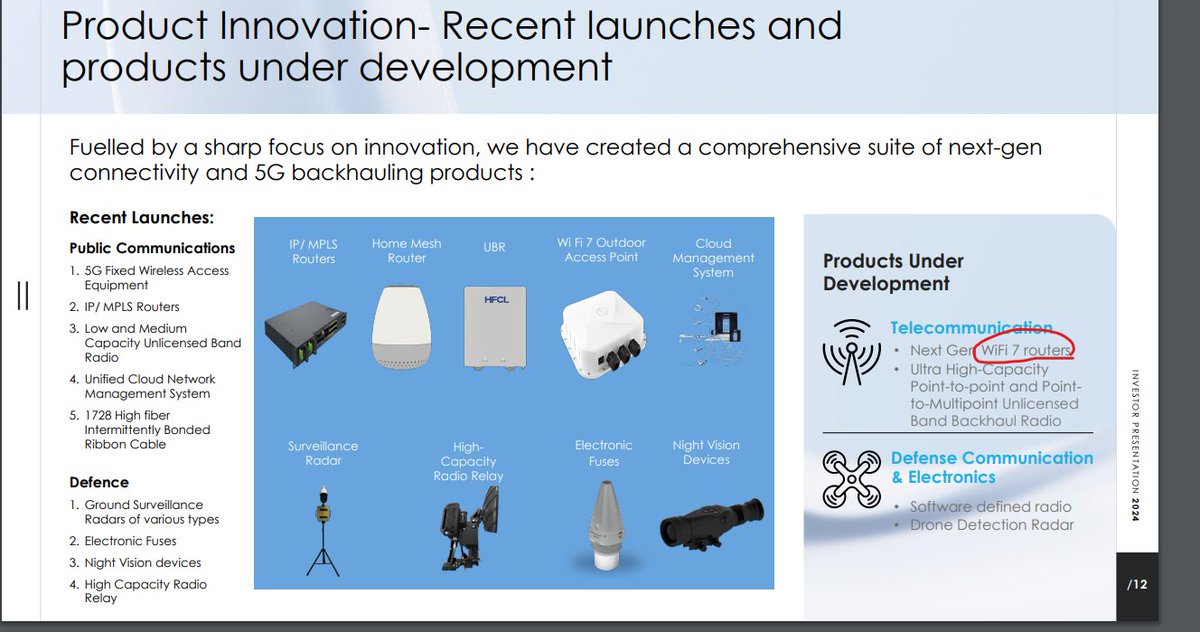
#Fuzes ? really
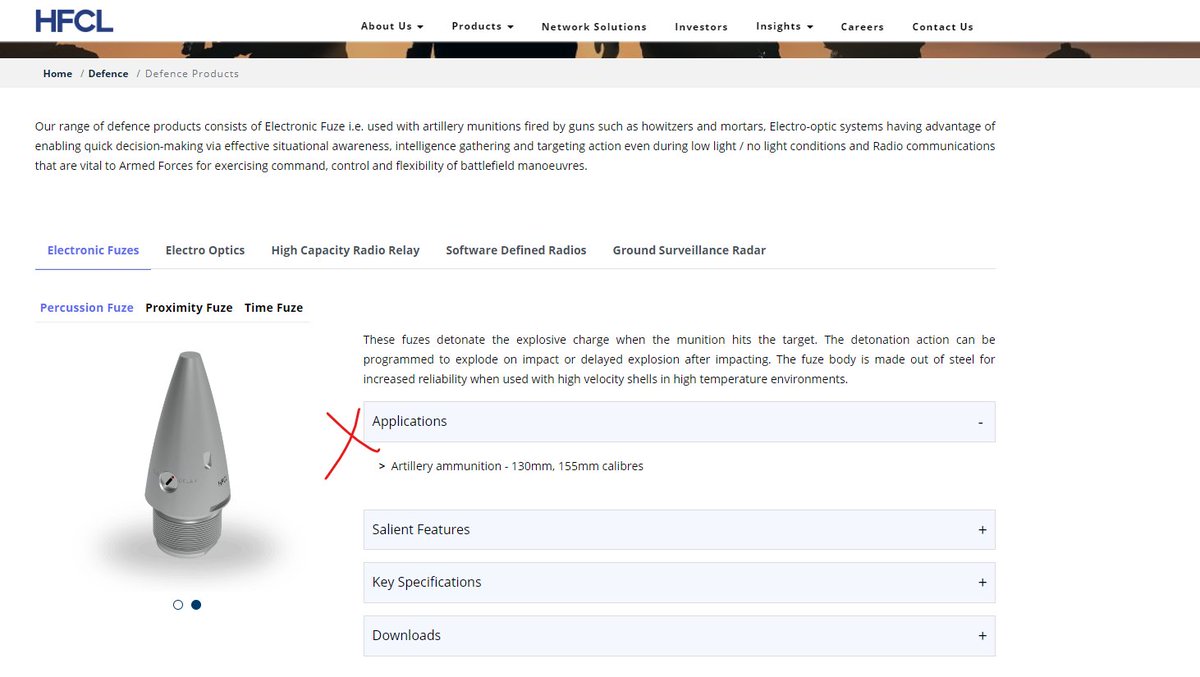
These fuzes detonate the explosive charge when the munition hits the target. The detonation action can be programmed to explode on impact or delayed explosion after impacting. The fuze body is made out of steel for increased reliability when used with high velocity shells in high temperature environments.
rehene de application pe maat jaa . mein samaj gaya
🤡🤡
rehene de application pe maat jaa . mein samaj gaya
🤡🤡
#fuzes
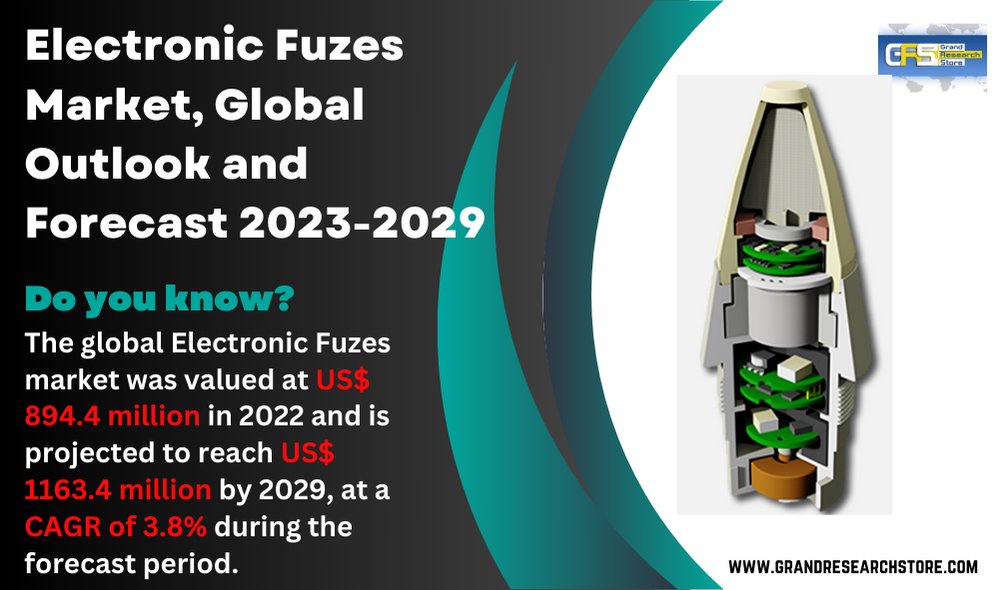
Very surprise how electronics company quickly turn their right hand into defense . wow
#HFCL
#HBLPOWER
#HFCL
#HBLPOWER
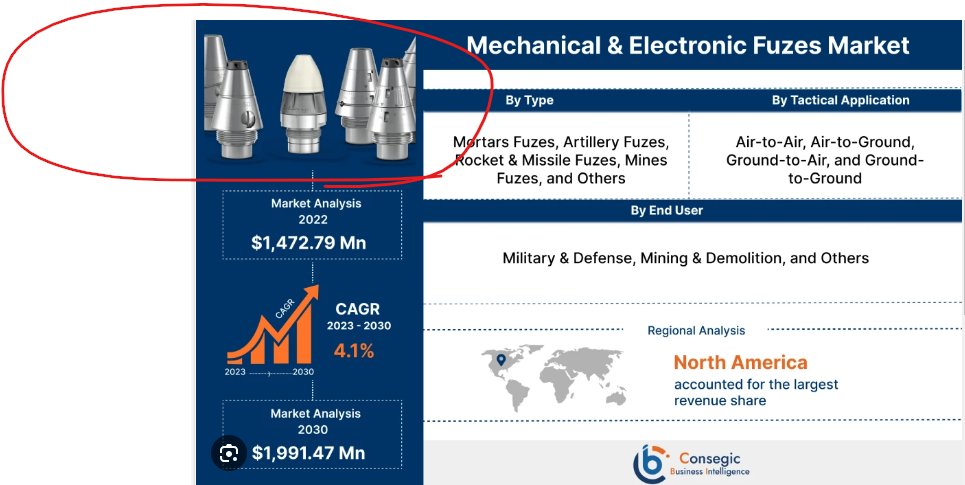
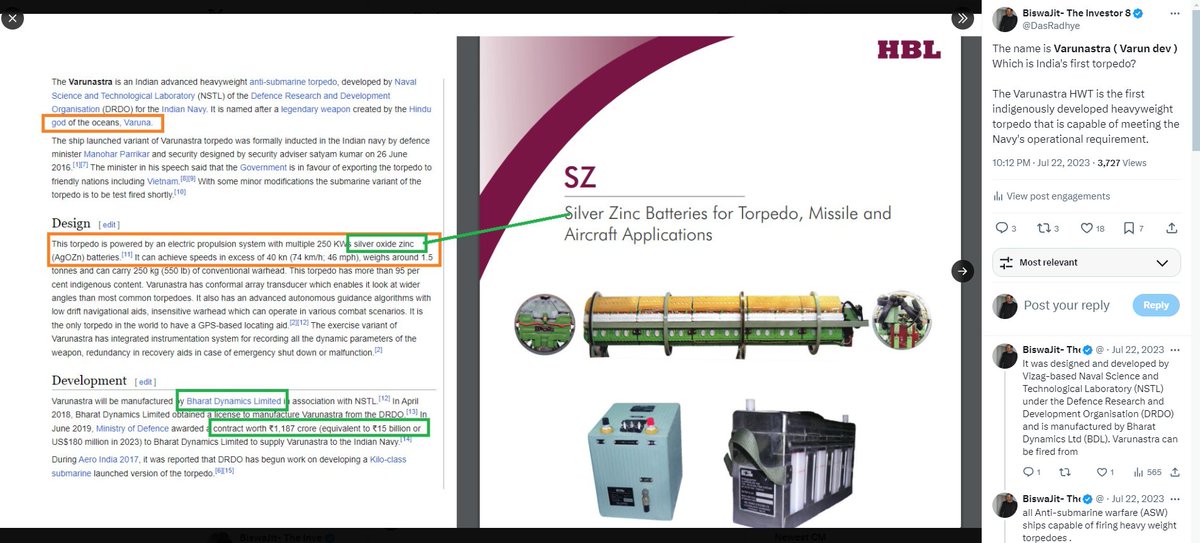
How much FUZE india need ?
1 kilo
2 kilo
3 kilo
................................
1 kilo
2 kilo
3 kilo
................................
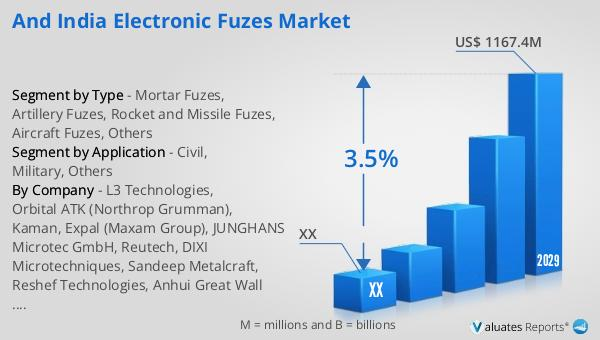
are bap re
so in future the KID will change the game in next 2 section ?
No- 7 company put the most wanted product !!
khujili thinking
No- 7 company put the most wanted product !!
khujili thinking
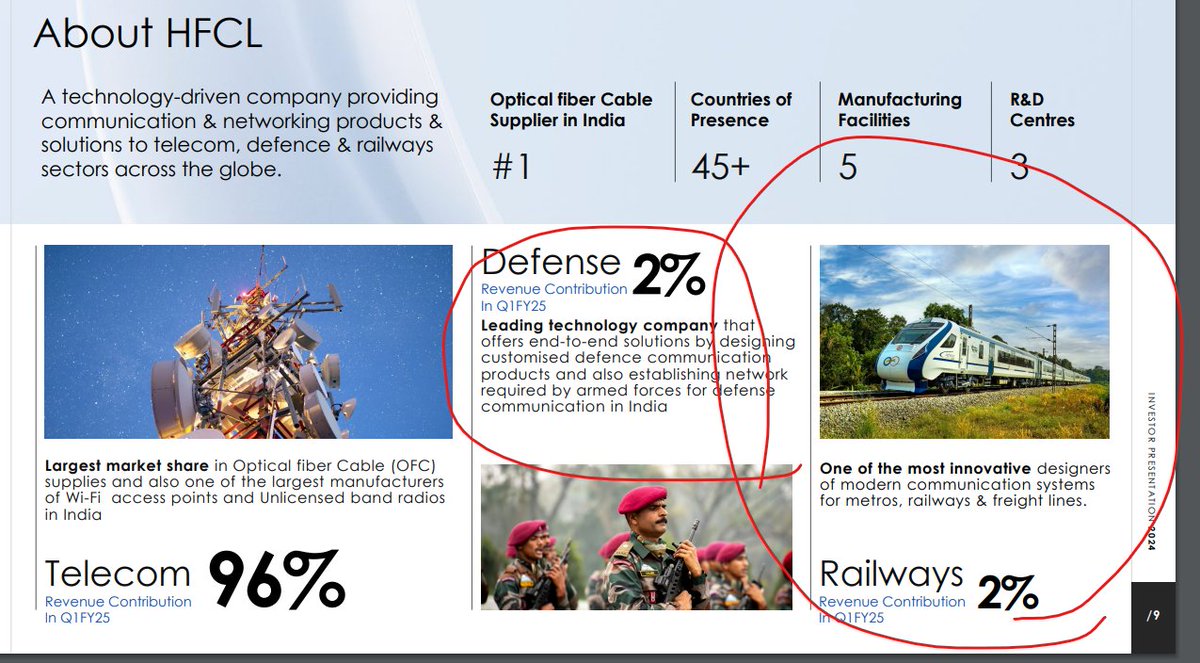
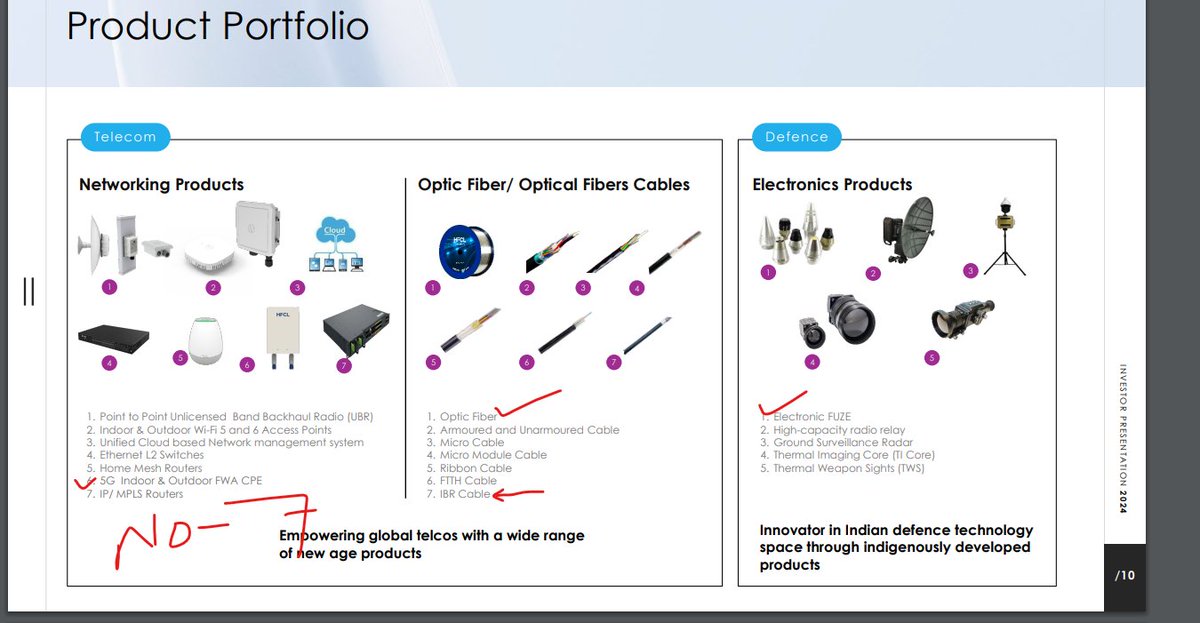
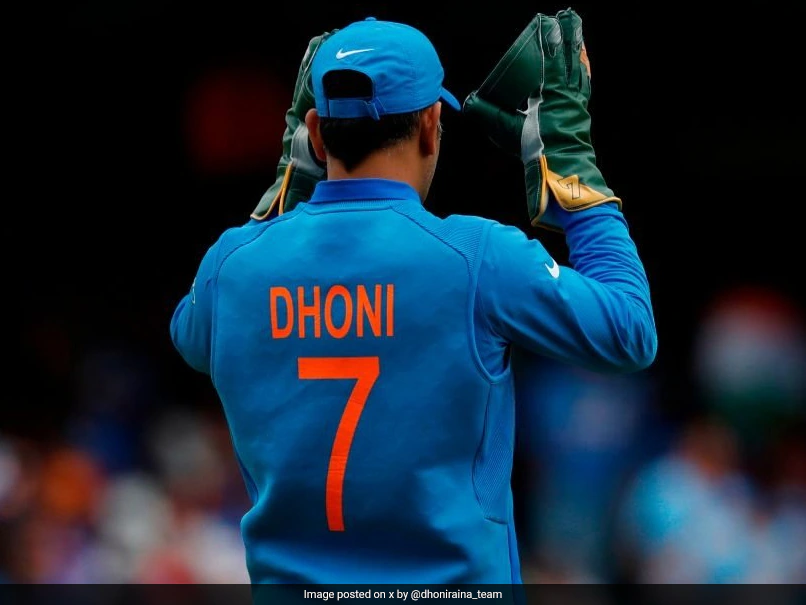
phir se - 7
looks like company CEO like - 7
looks like company CEO like - 7
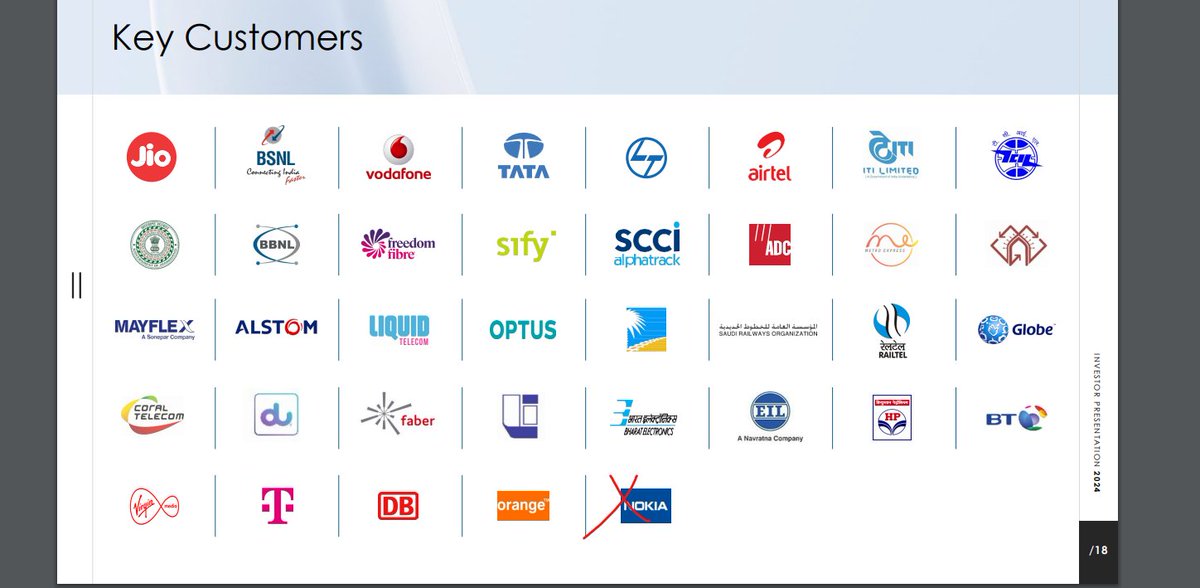
customer -
• • •
Missing some Tweet in this thread? You can try to
force a refresh