Tomorrow is Geeks & Nerds for Harris, a free livestream hosted by @RealLyndaCarter bringing fandoms together in support of Kamala Harris. I don't know if anyone is planning to show up in a costume, but if they do, I want you to think about the work that goes into costuming. 🧵


If a costume dept has done its job well, you shouldn't think about the costumes at all. The clothes should just pull you into the show. Such is the case of The Boys, where the clothes were made by a network of tailors and designers operating under the name LA Specialty Costumes.

To understand what makes this type of work special, you have to understand how clothes are made. Generally speaking, there are two types: ready-to-wear and bespoke.
In ready-to-wear (RTW), a designer comes up with an idea and works with a factory to make a series of samples
In ready-to-wear (RTW), a designer comes up with an idea and works with a factory to make a series of samples


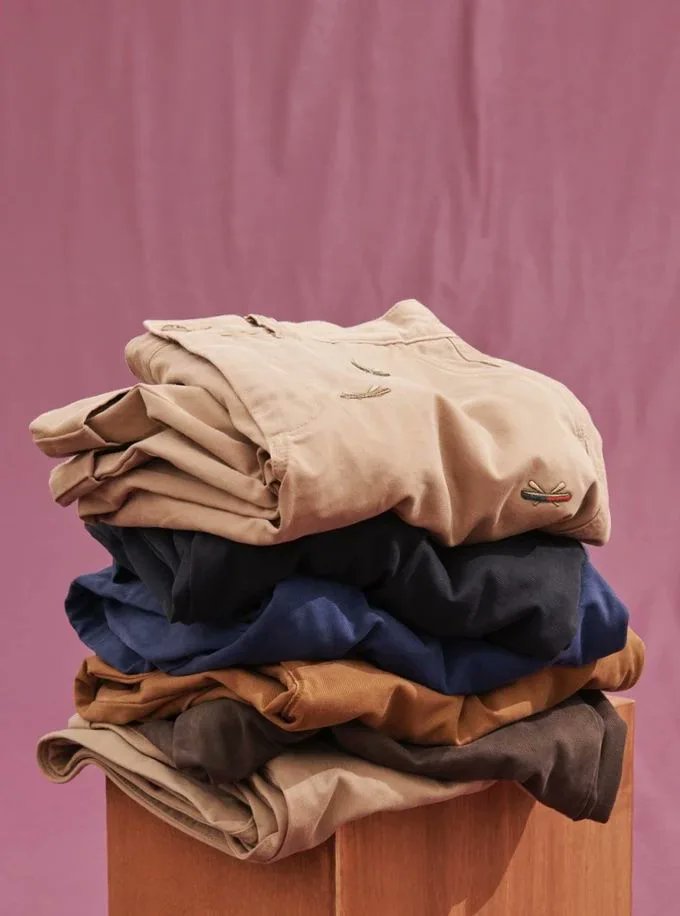
This iterative process—making a sample, adjusting the design, making another sample, adjusting the design—is how they're able to come up with such creative pieces that fit a wide range of body types. A bespoke tailor would never be able to make this for you:
The problem with RTW is that it's made to fit many ppl but no one in particular. This is where bespoke tailoring comes in. In bespoke, a garment is perfected for a client through an iterative series of fittings. The labor intensiveness of this makes it hard to create samples
For shows such as The Boys, the costuming process is unique in that it combines these two worlds: the unbounded creativity in RTW with the perfect fit in bespoke tailoring. It also brings to bear a much wider scope of technologies (as you'll soon see).

The process starts with concept art, which as you can see below, is much more detailed than what can be found in a fashion designer's sketchbook. It's important to get all these details right bc they have to be approved by committees, so everyone is on the same page.


Once the actors have been casted, they are measured by tailors, like you would see in a traditional bespoke tailoring process (such as below). But here's where things diverge: the actors also put on tight clothes, such as cycling shorts, and get a full body scan.

This gives the costume dept a digital rendering, which they use to play around with the proportions of the costume, so all the details come out right (as agreed upon in the concept art). They also use this data to create a 3D mold of the person's body (like a dress form or dummy)
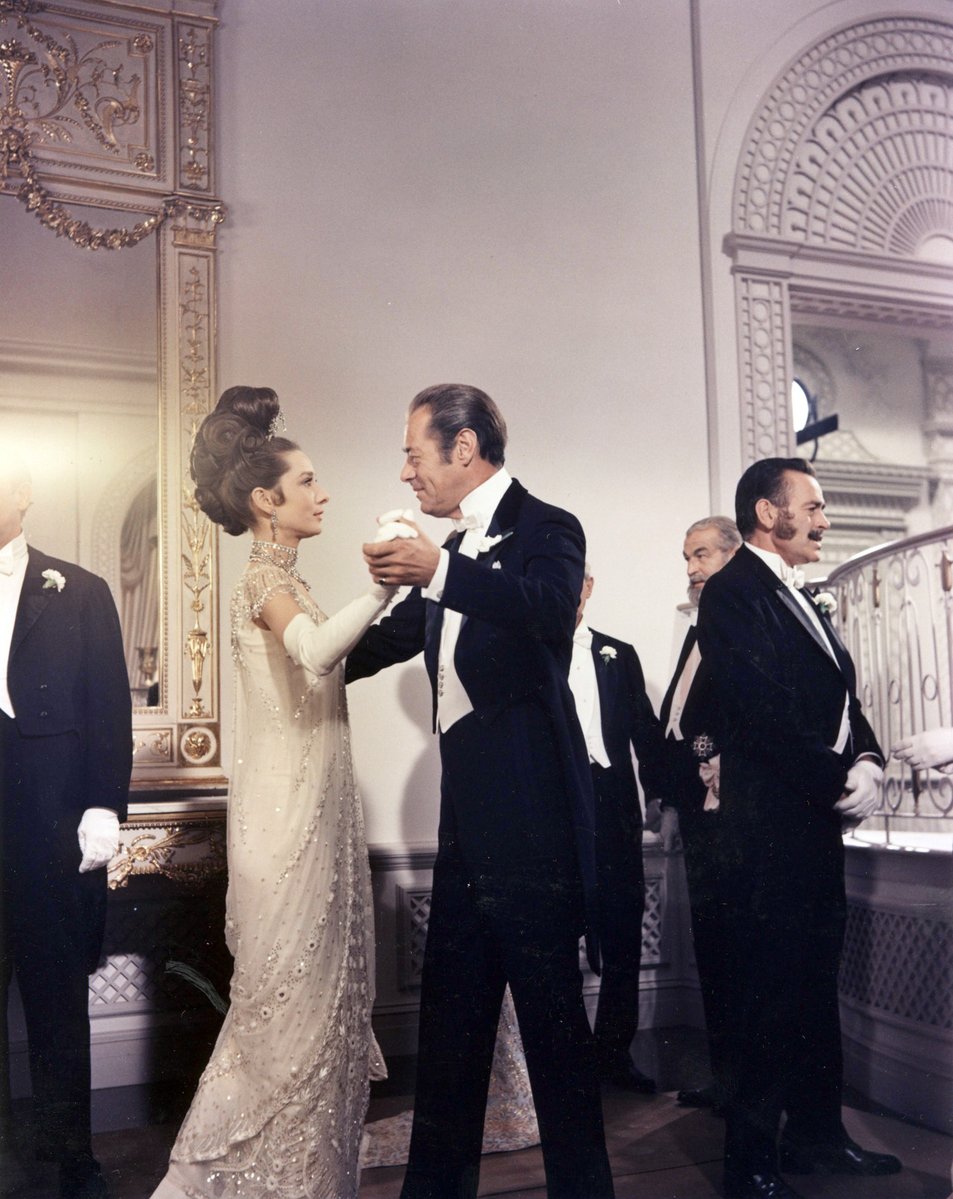
I should say here that I know a tailor who makes bespoke suits for films. I asked if I could get photos of body forms so I can share them with you. He wisely said it's prob a bad idea for him to share semi-naked pics of Harrison Ford. OK Fair. So here's some pics of Ford clothed


These forms allow the tailors to conduct fittings without the actors being physically present. However, actors still need to come in for fittings. Laura Jean Shannon told me she had The Boys' cast come in and do kung-fu kicks in these clothes to make sure they fit right.
At a bespoke tailoring shop, a client will choose a stock fabric from one of the many fabric books. For The Boys, the fabrics are often customized. For example, Homelander's suit is made from a durable twill known as gabardine, much like military uniforms of the past.

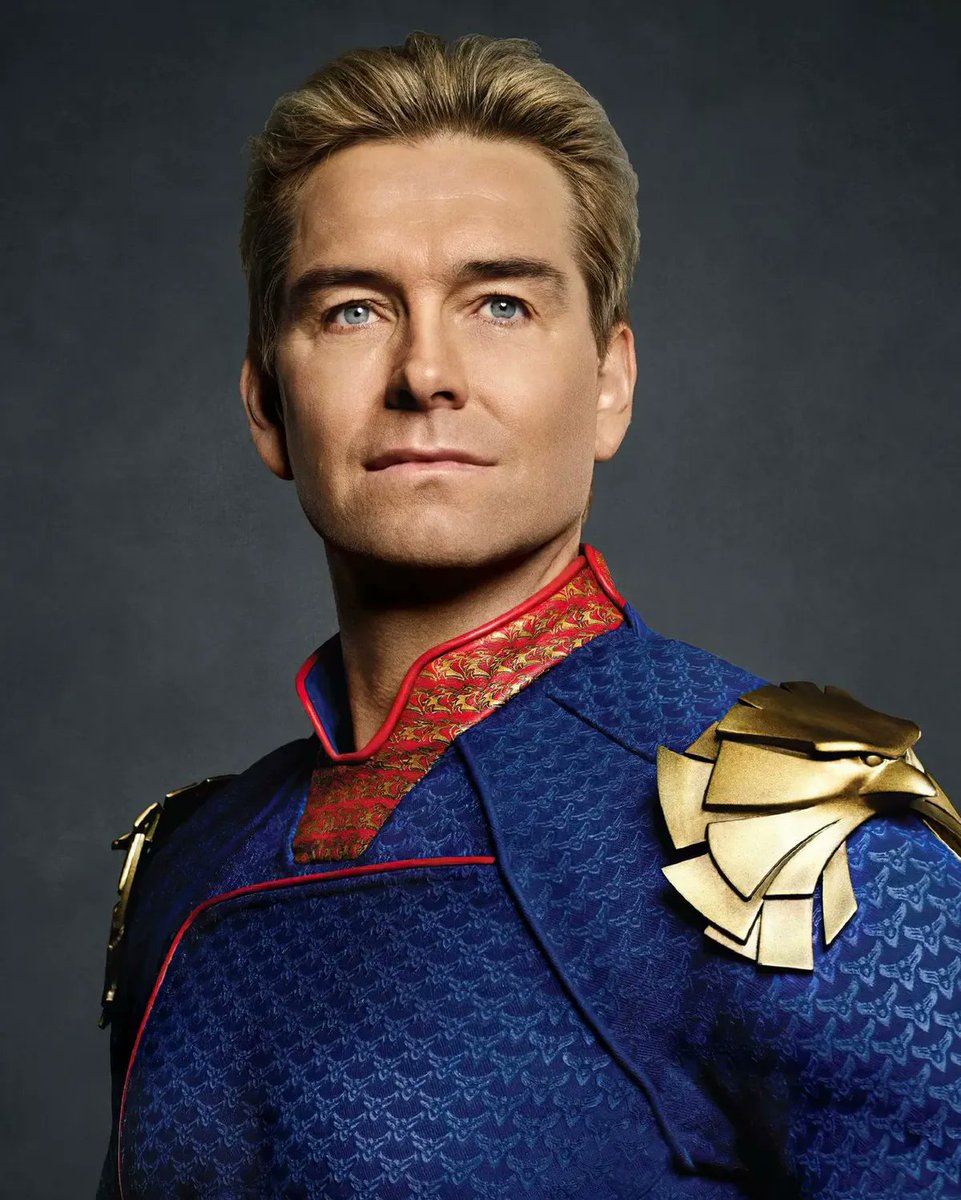
However, the fabric has been put through a high-density printing process, which gives it some texture. Homelander's suit features a repeat eagle pattern. Soldier Boy's suit has repeating stars, but made with clear ink and little sparkles, so they catch the light in diff ways.


These costumes are also layered over bespoke muscle suits. These muscle suits build up a silhouette and even out the actor's muscles (ppl are rarely symmetrical). In season one of The Boys, the muscle suits were made from latex; now they are made from lighter weight foam.


The presence of a muscle suit is why even expensive repros of Homelander's costume don't have the same effect. On the left, we see a $125 costume on Amazon. On the right, we see Homelander's actual costume, which has the full silhouette (shape and drape!)


As you can imagine, all of this material—the foam muscle suit, high-density printed gabardine, accessories, and such—can make the person underneath feel quite warm. So underneath all this is another skin-tight garment with a network of tubes running around the body.
Between takes, the actor can cool down by plugging themselves into a machine that runs cold water through these tubes. Anthony Starr, who plays Homelander on the show, has a little bag that he carries around that powers this machine.

Another aspect is how difficult it is to get in and out of these costumes when you need to use the bathroom. Homelander's suit is actually a two-piece suit with the line hidden behind a working belt, as well as a zipper under the crotch for when he needs to go.

Lastly, there's a lot of finishing that goes into these costumes. All of the shadows and distressing you see here were done by an artist, who paints directly on the pieces by hand. Laura Jean stressed to me that the painted shadows are necessary to make the muscles really pop.


What's remarkable is not just the amount of work that goes into each garment—the creative design, bespoke fit, custom printed material, handmade muscle suits, custom gauntlets, belts, and knee pads—but that they need *multiples* of each costume for battle scenes (stuff rips).

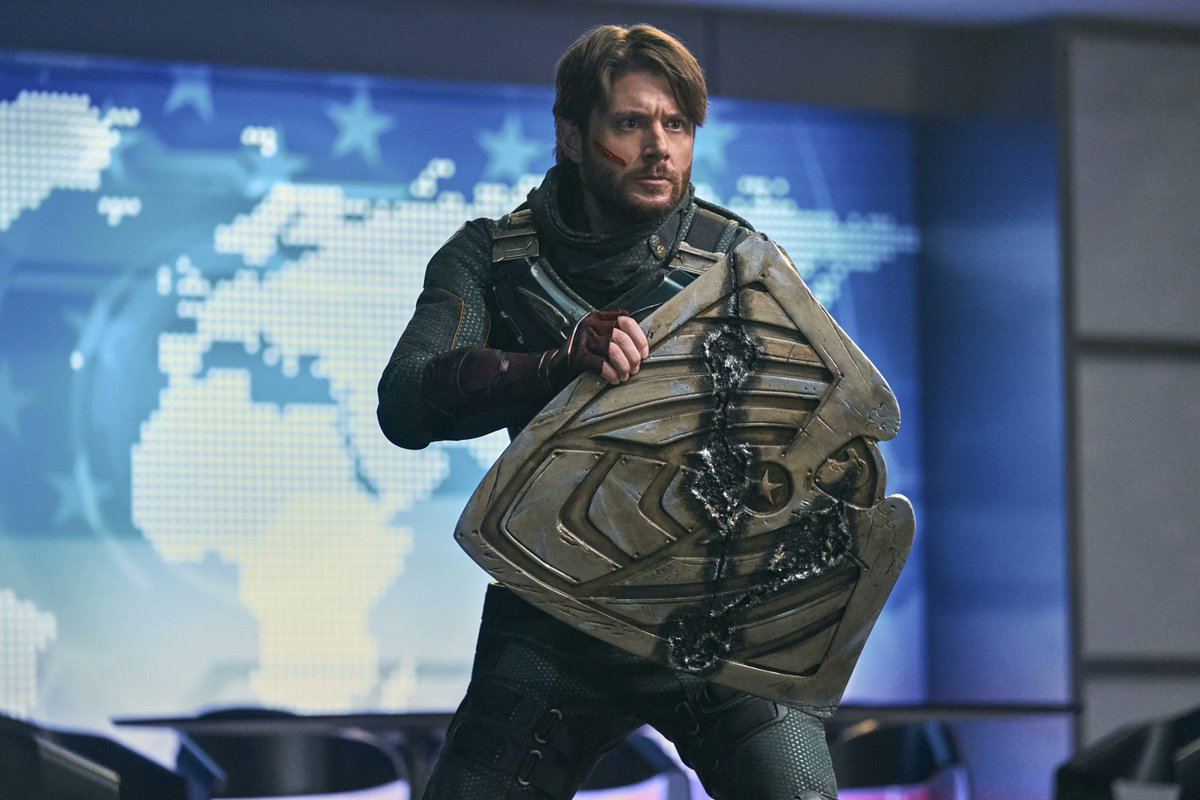
What you're seeing is the result of century-old bespoke tailoring traditions meshed with modern technologies and unbound creativity. All of this takes a team of highly skilled people (20 people in LA Specialty Costumes along with a network of manufacturing partners).


One of the seamstresses on this team works for Gucci and does alterations for Lady Gaga. Another person helps makes the costumes you see on Broadway shows. As ever, it's important to remember there are actual people—talented tailors, pattern makers, artists—behind these things.
As mentioned earlier, tomorrow is "Geeks and Nerds for Harris," a livestream bringing fandoms together for Harris (e.g., anime nerds, comic nerds, Trekkies). @RealLyndaCarter is hosting with guests like @GeorgeTakei, @SeanAstin, and @BillNye. The Boys cast also will be there.


Jacqueline Emerson of The Hunger Games will be hosting a workshop for how to get out the vote if you're an introvert (like me). Event starts at 5pm PT/ 8pm ET. Follow @GeeksForHarris for more info.
If you see costumes tomorrow, consider the work that went into making them.
If you see costumes tomorrow, consider the work that went into making them.

• • •
Missing some Tweet in this thread? You can try to
force a refresh