Which MP is the highest earner? Who receives the highest donations? Who takes the most foreign trips? We've just launched an interactive map that lets you explore all this and more. 

You can jump straight to the map here, or read on for examples of how to use it: taxpolicy.org.uk/2024/09/24/map…
Changing the "shading" options and you can colour the map by level of earnings:

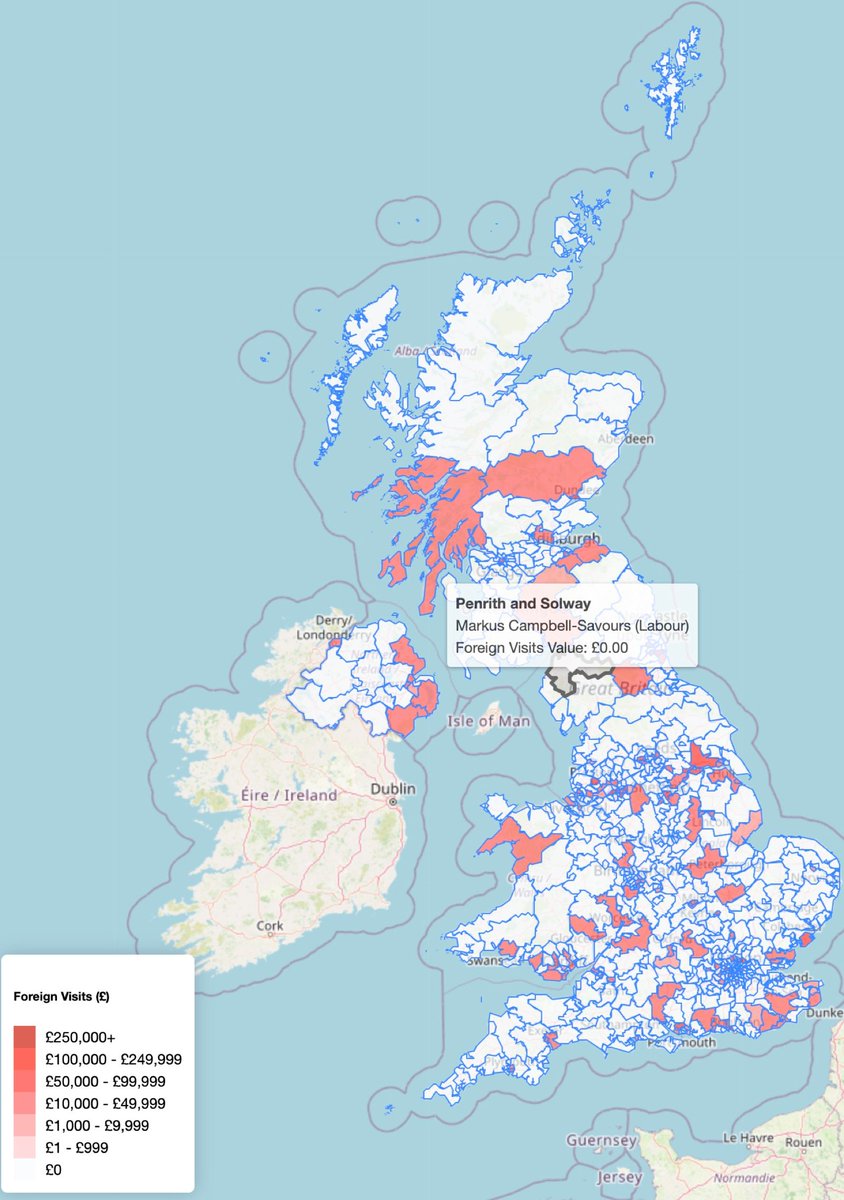
Or value of foreign visits:
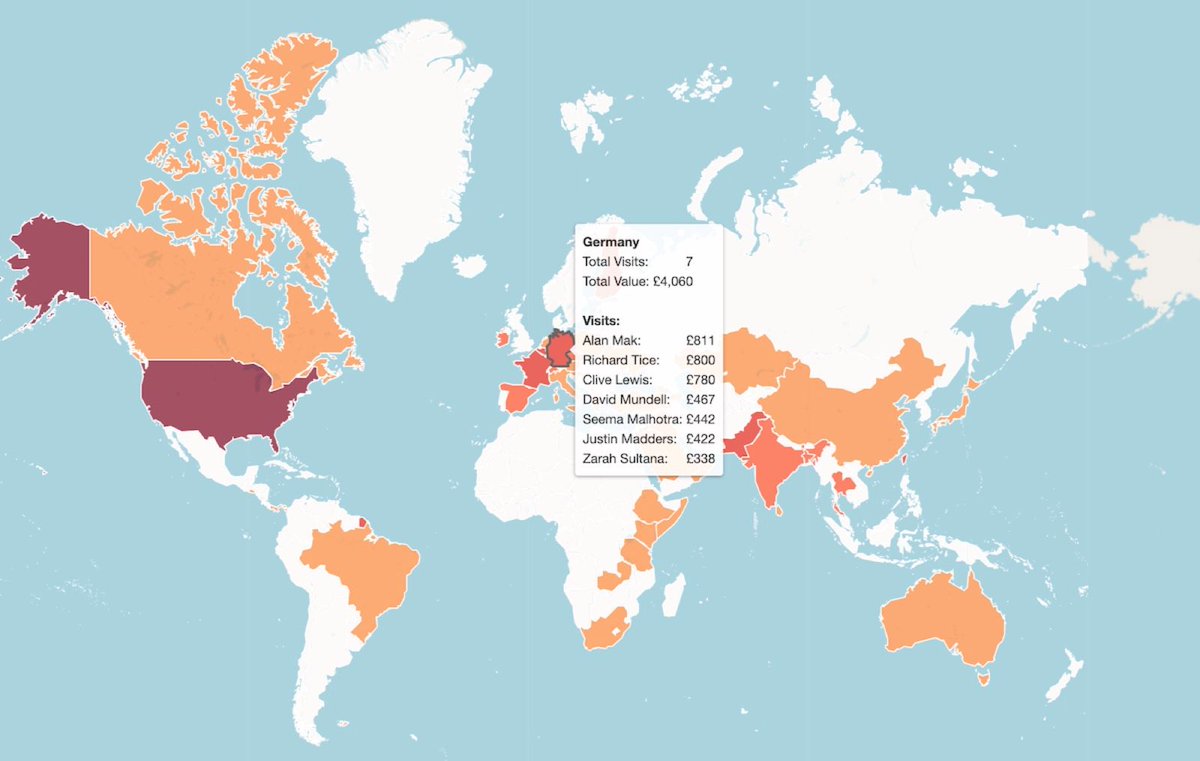
And you can click "world map" to see the countries they visited:
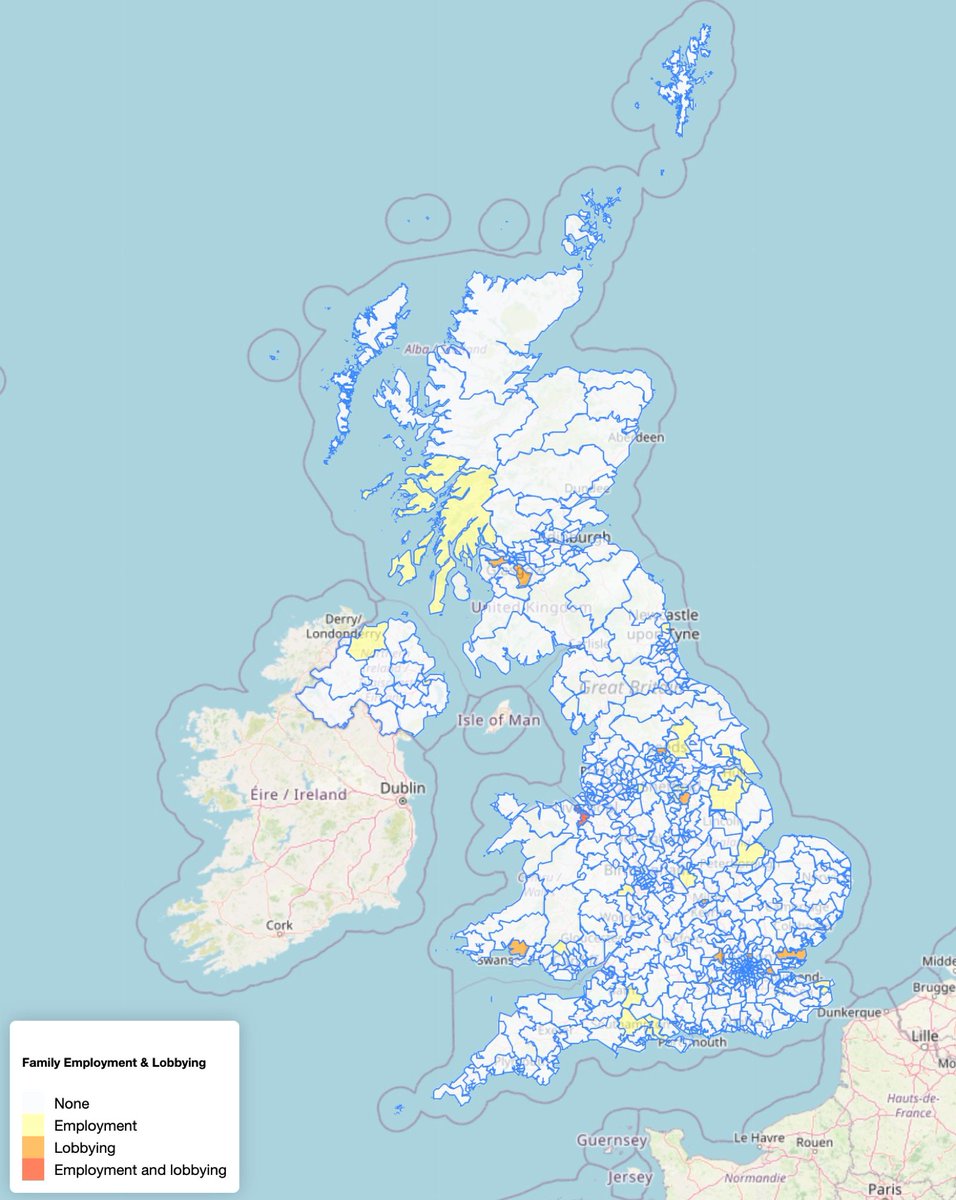
Other shading options reveal which MPs employ family members:
... the level of donations...

Or gifts (a "gift" being for a personal benefit; a "donation" being for political campaigning):

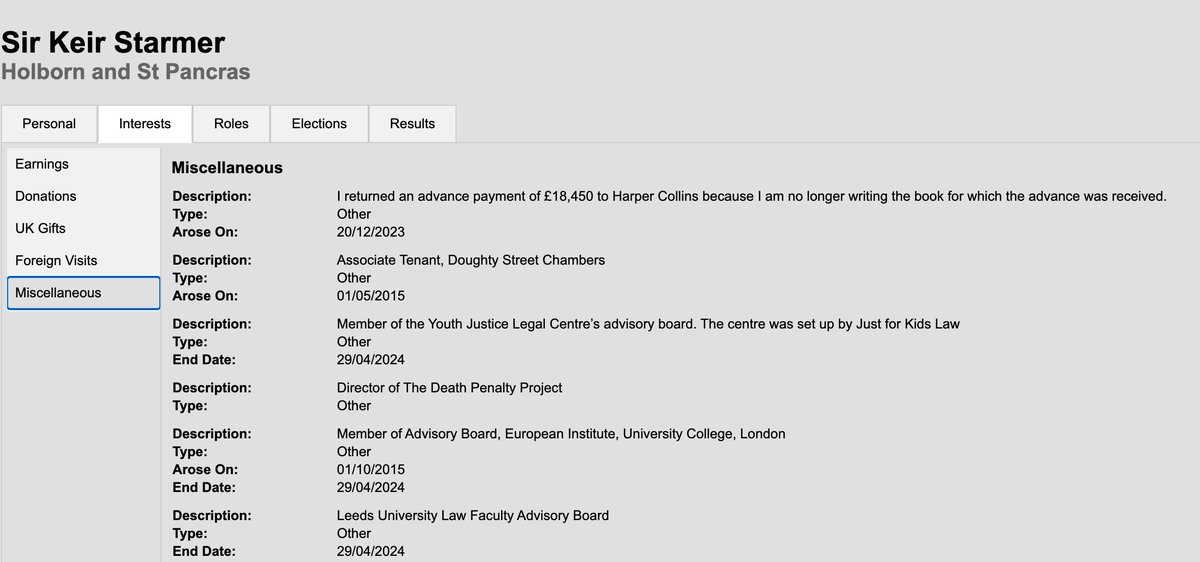
Then you can zoom into the shaded map and click individual constituencies to see all the details for that MP:

And we mean *all* the details - all the information we can find, in one place:
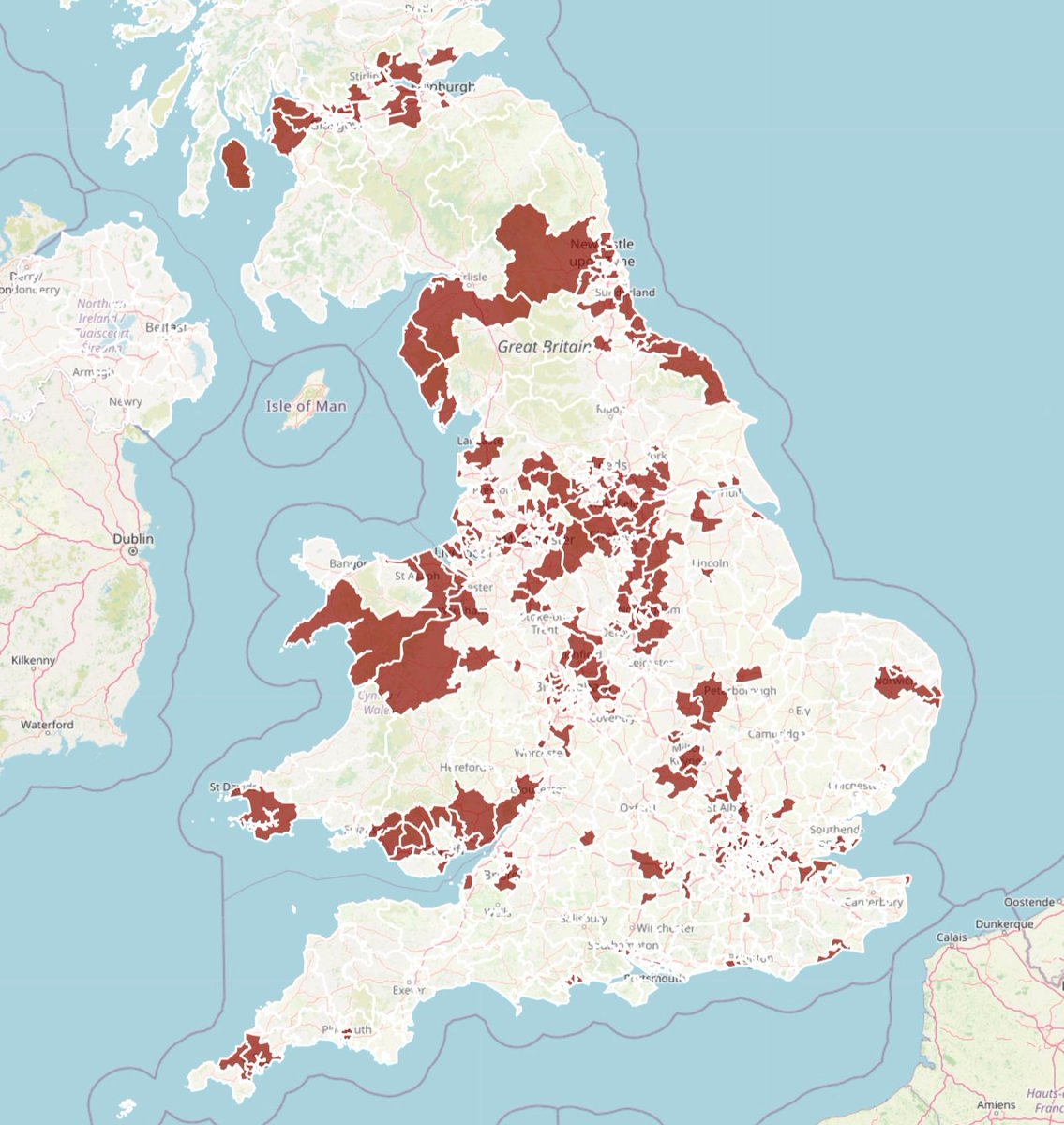
Alternatively, enter text in the "category" box and you can highlight all MPs receiving (for example) trade union funding:
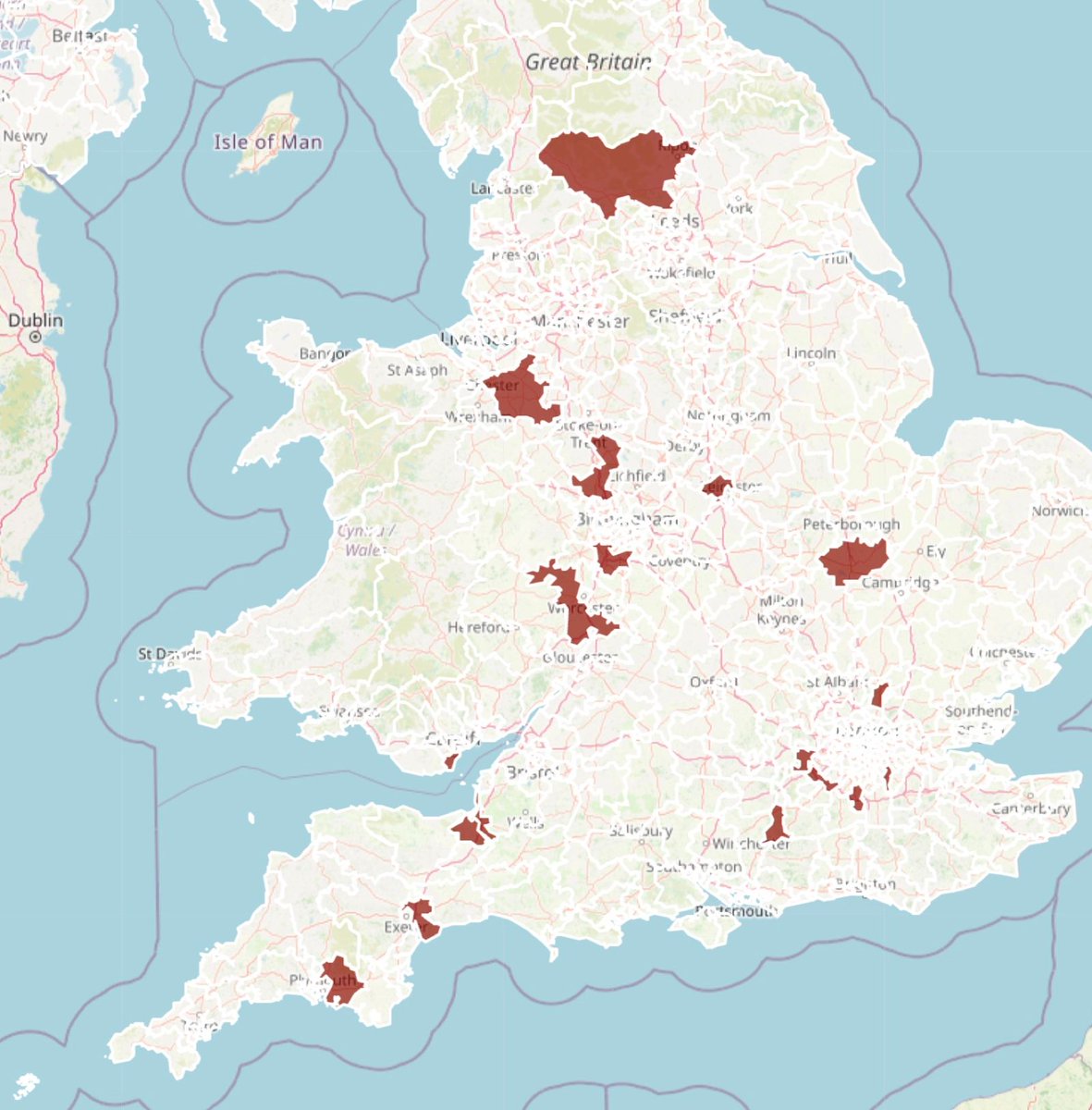
or all donations from "members clubs":
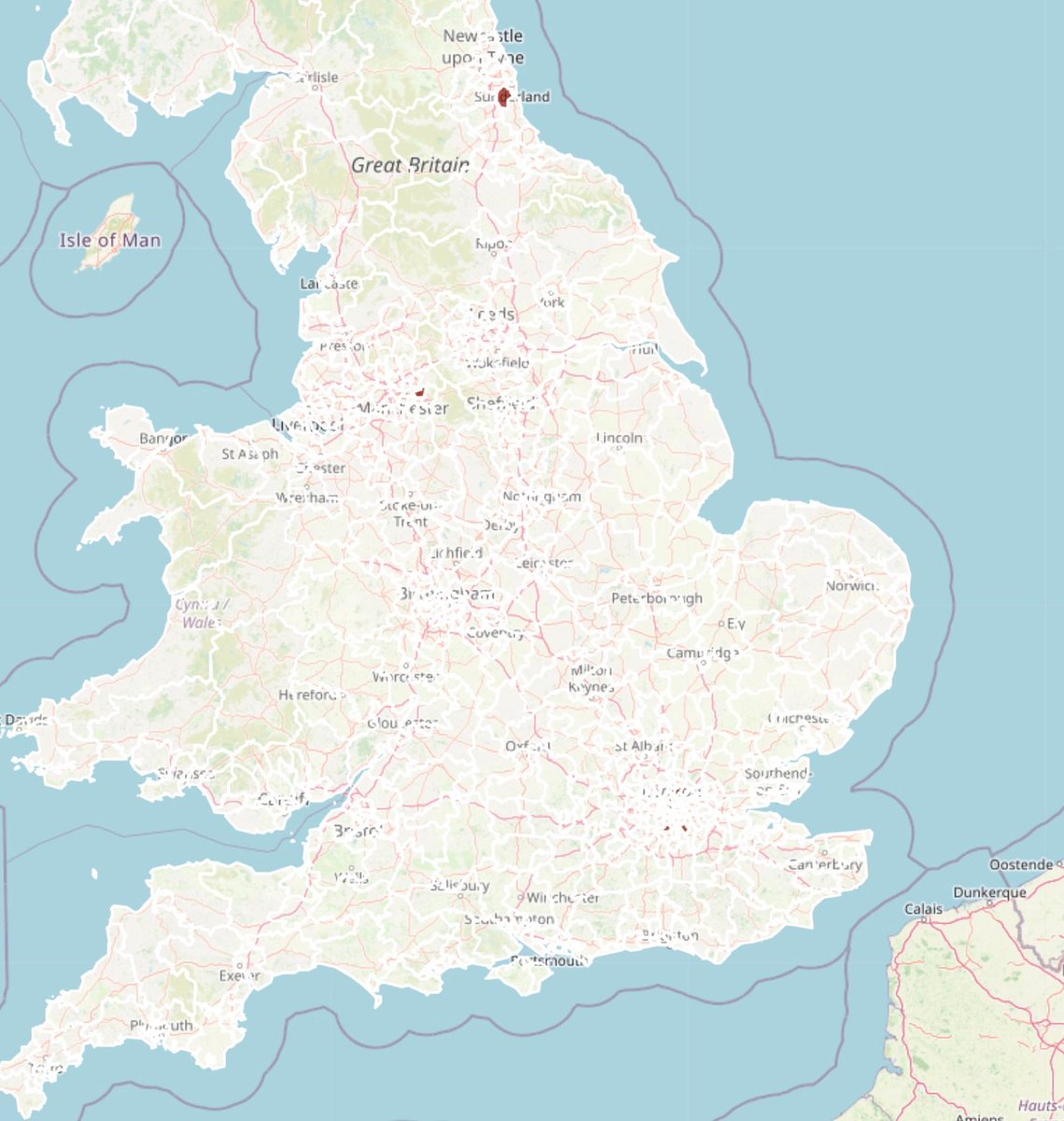
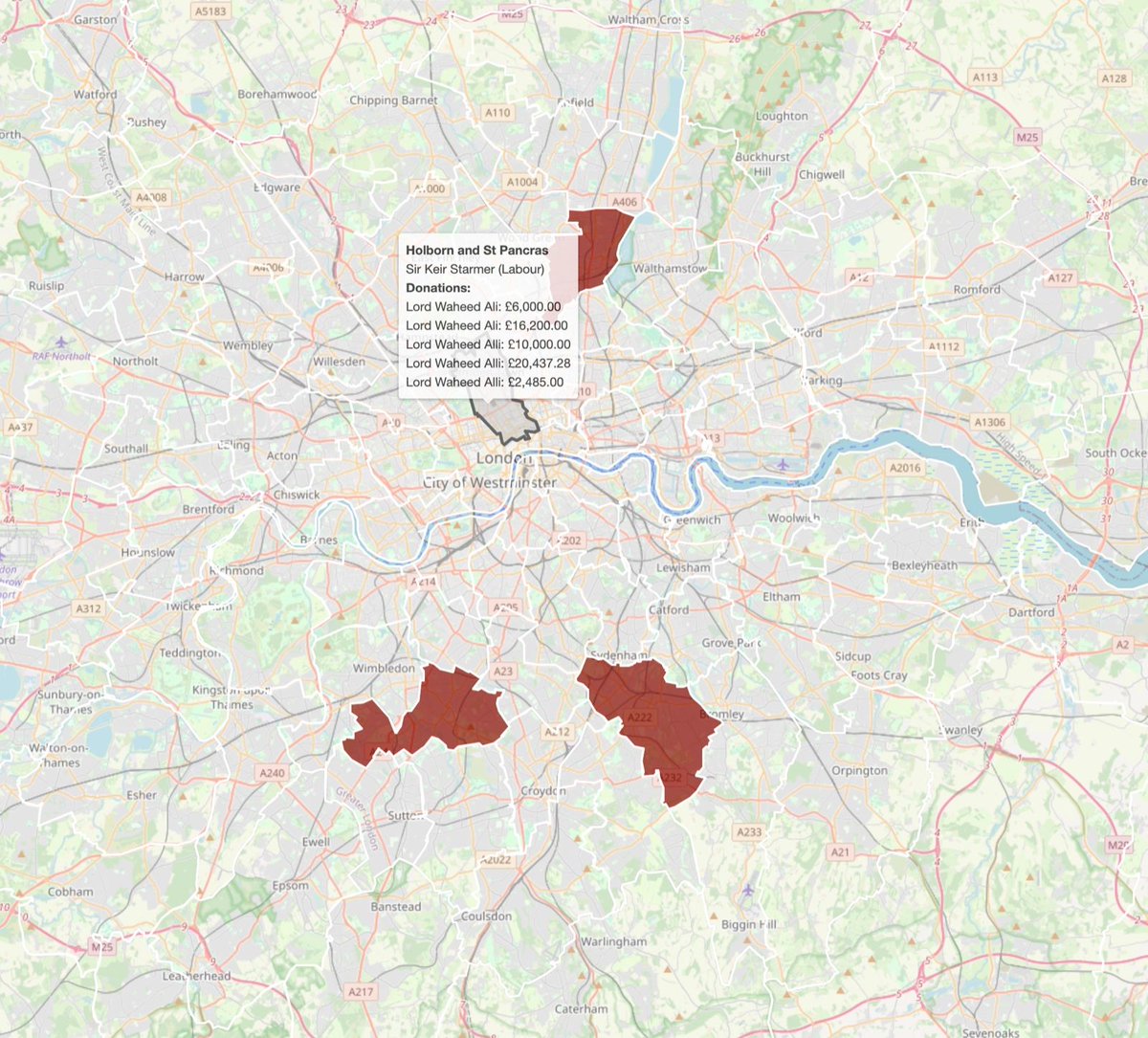
Or enter text in the "donor" box and you can highlight all MPs receiving gifts/donations from one individual (this is Waheed Alli). Note that you may need to zoom in to see small constituencies
This is a brilliant piece of coding for which I can take no credit - it's all thanks to our fantastic collaborator M. He's done something amazing, for no pay or reward of any kind, and doesn't even want to be credited.
Data comes from the fantastic Parliament API and Companies House API. The creation of APIs by government services was a remarkable step in open government for which everyone involved deserves huge amounts of credit. There's a fascinating paper on the history here: instituteforgovernment.org.uk/sites/default/…
There are other websites presenting much of the same data differently.
Open Innovations have an impressive hex map, with lots of textual data as well. More sophisticated than ours in many ways, but lacks the Companies House linking. And a different presentation - some people prefer hex maps; we prefer geographical ones. open-innovations.org/projects/RMFI/
Open Innovations have an impressive hex map, with lots of textual data as well. More sophisticated than ours in many ways, but lacks the Companies House linking. And a different presentation - some people prefer hex maps; we prefer geographical ones. open-innovations.org/projects/RMFI/
This from Sky and Tortoise Media is brilliant for looking at individual MPs. news.sky.com/story/westmins…
They Work For You has a text-based index, which (invaluably) shows changes over time. theyworkforyou.com/regmem/
There is an indexed text search here, from a husband and wife team. membersinterests.org.uk
Two quick caveats:
First, the underlying data is often poor quality - there are many errors, particularly around company names and donor names, which are frequently misspelt. We'll be writing more about this soon.
First, the underlying data is often poor quality - there are many errors, particularly around company names and donor names, which are frequently misspelt. We'll be writing more about this soon.
Second, I've no idea how popular this will be, and whether it will be viewed by 20 people or 20,000. So our server may or may not cope... please bear with us if you experience problems.
We don't accept donations. But, if you find the map useful, please consider making a donation to the amazing charity Bridge The Gap, which provides free high quality tax advice to the elderly and people on low incomes. bridge-the-gap.org.uk
• • •
Missing some Tweet in this thread? You can try to
force a refresh